




Abstract
Background:
Patients on prolonged invasive ventilation following early intubation and the associated mortality rate during the COVID-19 pandemic have triggered the utility of noninvasive respiratory supports such as high-flow nasal cannula and noninvasive ventilation as an initial approach. Nevertheless, the patient's self-inflicted lung injury with worsened lung mechanics remains a serious concern, while delaying intubation with noninvasive respiratory support. Early reports during the pandemic also stressed viral aerosolization with noninvasive support, thereby creating debates among healthcare professionals to justify their actions. It eventually proved that the utility of the right noninvasive respiratory support for the right patients with the right protective techniques for the healthcare professionals warrants beneficial outcomes. This systematic review and meta-analysis aimed to compare the utility of high-flow nasal cannula and noninvasive ventilation, in terms of clinical outcome.
Methods:
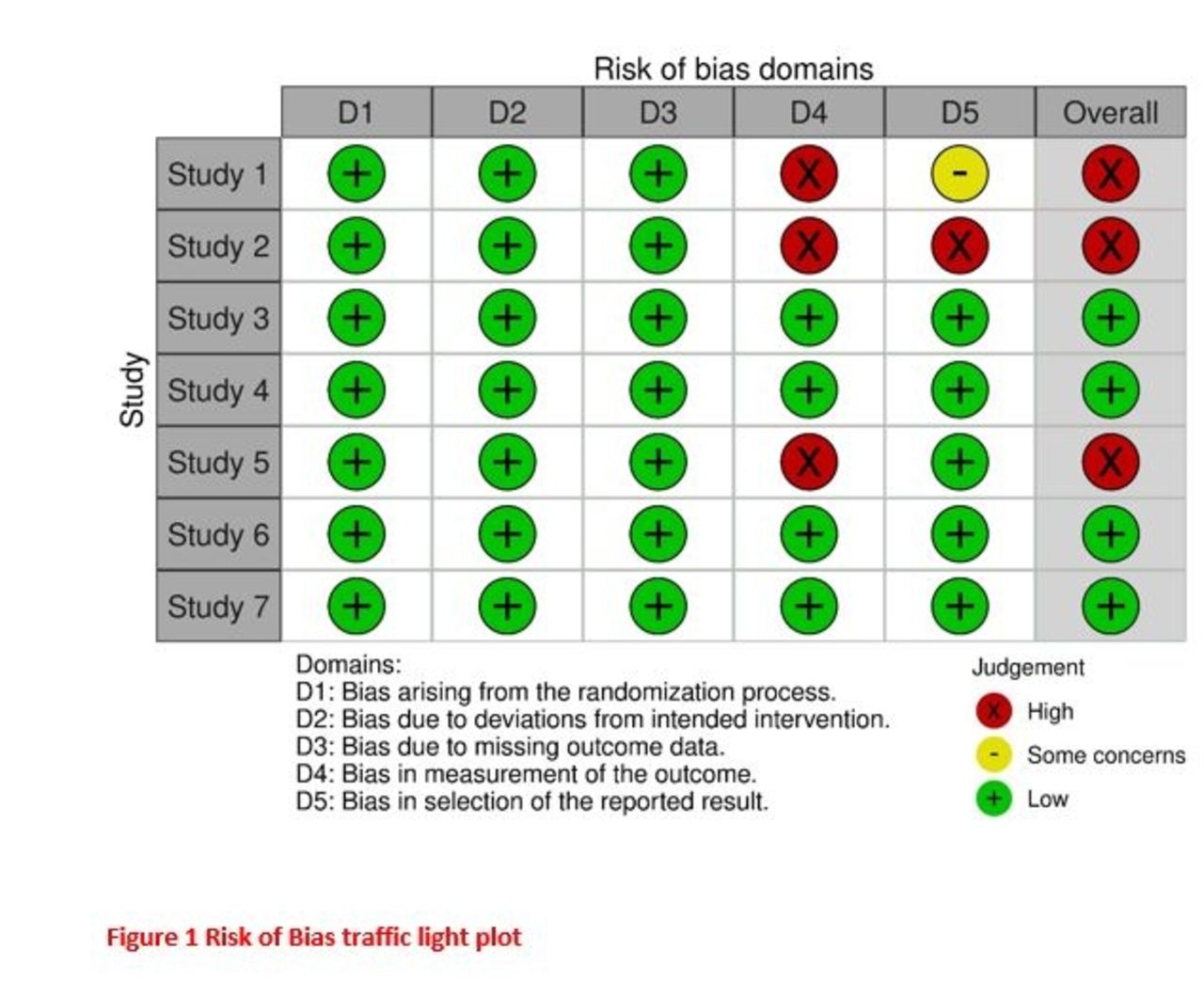
A sequential systematic review via PubMed and Scopus was conducted and then was followed by a meta-analysis. The results and the risk of bias were assessed using RevMan 5.4. The primary aim was to measure and assess SpO2 and PaO2 of patients under noninvasive respiratory support. The secondary outcome was to compare the length of hospitalization of patients and the mortality rate between high-flow nasal cannula and noninvasive ventilation.
Results:
In total, 7 studies from 3,010 studies were included for meta-analysis. The mean difference (MD) pooled was -4.38 [-18.40, 8.74] units and I2 = 79% was observed for the oxygenation index in the 4 studies. Three studies were used to evaluate the length of hospitalization and the pooled MD was -0.07 [-0.78, 0.63] units, and I2 = 9% was noted. Assessment of mortality rate was done in 3 studies in the noninvasive ventilation group and high-flow nasal cannula group. The pooled MD was 32.32 [-31.95, 96.43] units and I2 = 100% was noted.
Conclusions:
The use of noninvasive ventilation and high-flow nasal cannula in acute hypoxemic respiratory failure were compared in terms of oxygenation index, mortality, and length of hospitalization. High-flow nasal cannula was better in terms of improvement of oxygenation index, but noninvasive ventilation fared better in terms of lesser mortality. There was no significant difference in terms of length of hospitalization.
NA- Not available, NR-Not Reported
View all access options for this article.Demographic characteristics
SOURCE
TYPE OF HOSPITAL
GROUP:n
AGE (Mean/SD)
FEMALE/MALE
BMI(kg/m2)(mean/SD)
Duan et al
Multicentre
NIV:13
50/14
1/12
NR
HFNC:23
65/14
11/12
NR
Domenico et al
Multicentre
NIV:54
65/NR
12/42
27
HFNC:55
63/NR
9/46
28
Claudia crime et al
Multicentre
NIV:181
58.92/14.77
69/112
27.99/4.45
HFNO:181
59.01/14.88
62/119
28.55/4.33
Riccardo et al
Covid Centres (Multicentric)
NIV:128
66
47/81
NR
NA
NA
NA
NA
Michael et al
NA
NIV:878
63
513/359
29.5
HFNC:2859
64
1159/1683
28.9
Julia et al
Multicentre
NIV:811
65
346/465
32.37
HFNC:270
70
111/159
30.29
Gioacchino schifino et al
Public Hospital
NIV:21
63/9.00
NA
27/4.05
NA
NA
NA
NA
Get full access to this article