




Abstract
Background:
While interprofessional education has become an increased focus for academic centers, meaningful interprofessional activities have remained elusive due to multiple factors. Logistics, curriculum conflicts, and students and faculty availability do not always align. Through innovation and collaboration, faculty in the School of Medicine and Respiratory Care Program have successfully created an interprofessional activity that includes clinical care, education, teamwork, and reflection.
Methods:
Students are placed in teams of 5 (4 medical and 1 respiratory care student) and participate in 7 respiratory simulations. Each simulation has a different focus and activity. They included oxygen delivery devices, intubation, mechanical ventilation, artificial airway management, liberation, and emergent interventions. The simulations allow for students to gain confidence in patient assessment, therapeutic interventions, communication, and collaboration. This IPE activity demonstrates how the overlap in scope of practice promotes holistic patient centered care and overall better patient outcomes. Our goal is to continue to provide a value-based interprofessional activity so students can experience how teamwork and communication play a vital role in their education and future career.
Results:
113 medical students and 19 respiratory care students completed this activity in the spring 2022 semester. Data collected post activity revealed an overall positive experience for the students. Students liked how interactive and hands-on the simulations were and the opportunity to work with other disciplines. One student wrote, The RT students are super awesome and helpful. I feel like I greatly improved my literacy about respiratory care. Excellent hands-on experiences. The data also allowed us to identify areas of opportunity. For example, one student wrote, need more time during the intubation and sterile suction station. Overall, the participants reported a better understanding of teamwork, troubleshooting techniques, and the importance of good communication skills.
Conclusions:
Despite scheduling and logistics challenges, this IPE activity was well received. The respiratory care and medical students participated in all 7 respiratory simulations which helped prepare the students for practice in a healthcare setting. Our goal is to have all students report improvement in critical thinking while caring for critically ill patients and report feeling comfortable and confident collaborating with other disciplines.
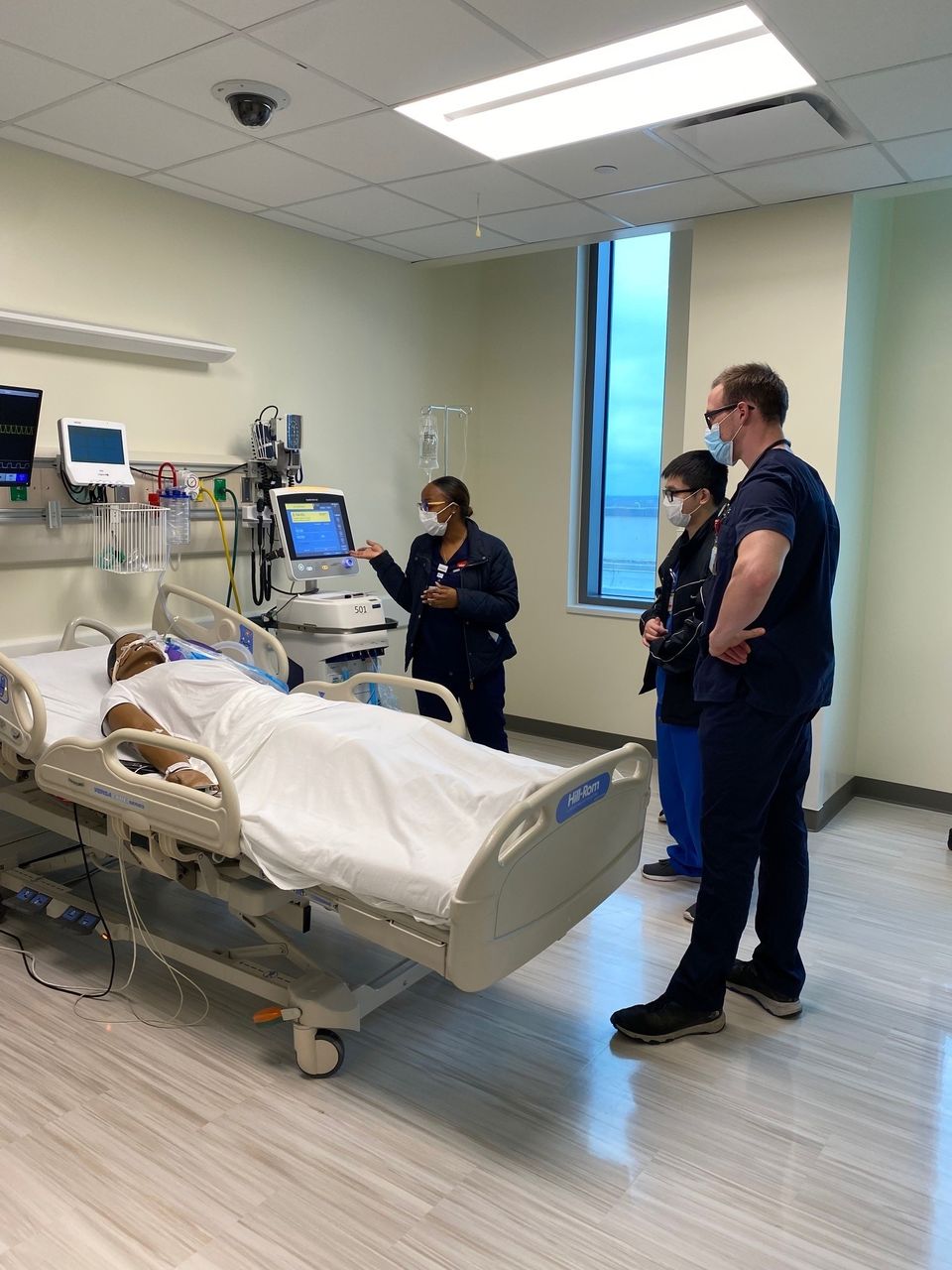
Senior Respiratory Care Student teaching Fourth year Medical Students how to check cuff pressure status due to a max leak compensation and low tidal volume alarm on the mechanical ventilator. Senior Respiratory Care student showing Fourth year Medical Students how to set initial ventilator settings on the mechanical ventilator.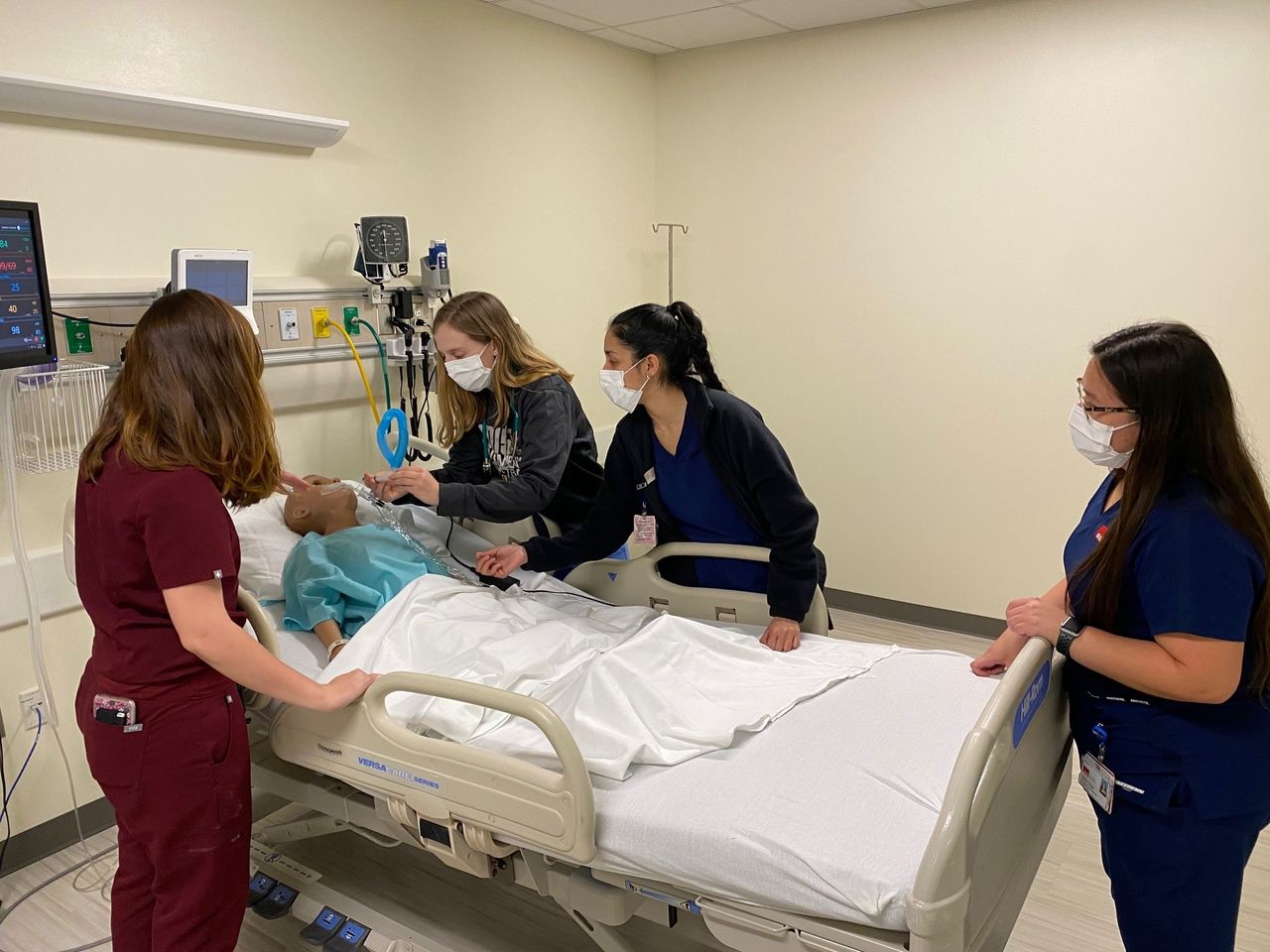
Get full access to this article
View all access options for this article.