




Abstract
Background:
Quality of academic resources and students’ satisfaction in undergraduate respiratory care (RC) education has emerged as a high-profile agenda recently. Respiratory therapists’ (RTs) passion for their profession can be one of the most effective solutions to problems such as quitting their job, migrating to developed countries for a good life and better income, and being picky about rural or urban areas to provide RC services. The development of perception happens with the education process and practical experiences. This study aims to create scientific evidence regarding the perceptions of RC students related to their chosen profession and their future motives relevant to their careers as well as the level of satisfaction with the learning resources.
Methods:
A descriptive, cross-sectional web-based survey was carried out. 904 RT students from different medical schools and universities in India participated in this survey. Institutional ethics clearance was obtained from the host institution and students were informed about the purpose of the survey. We have used a validated structured questionnaire (SQ) which consists of 26 questions that cover of the four domains: perception (4 items), satisfaction (13 items), curriculum (5 items), and suggestions (4 items). The questionnaire was completed by the students voluntarily and anonymously.
Results:
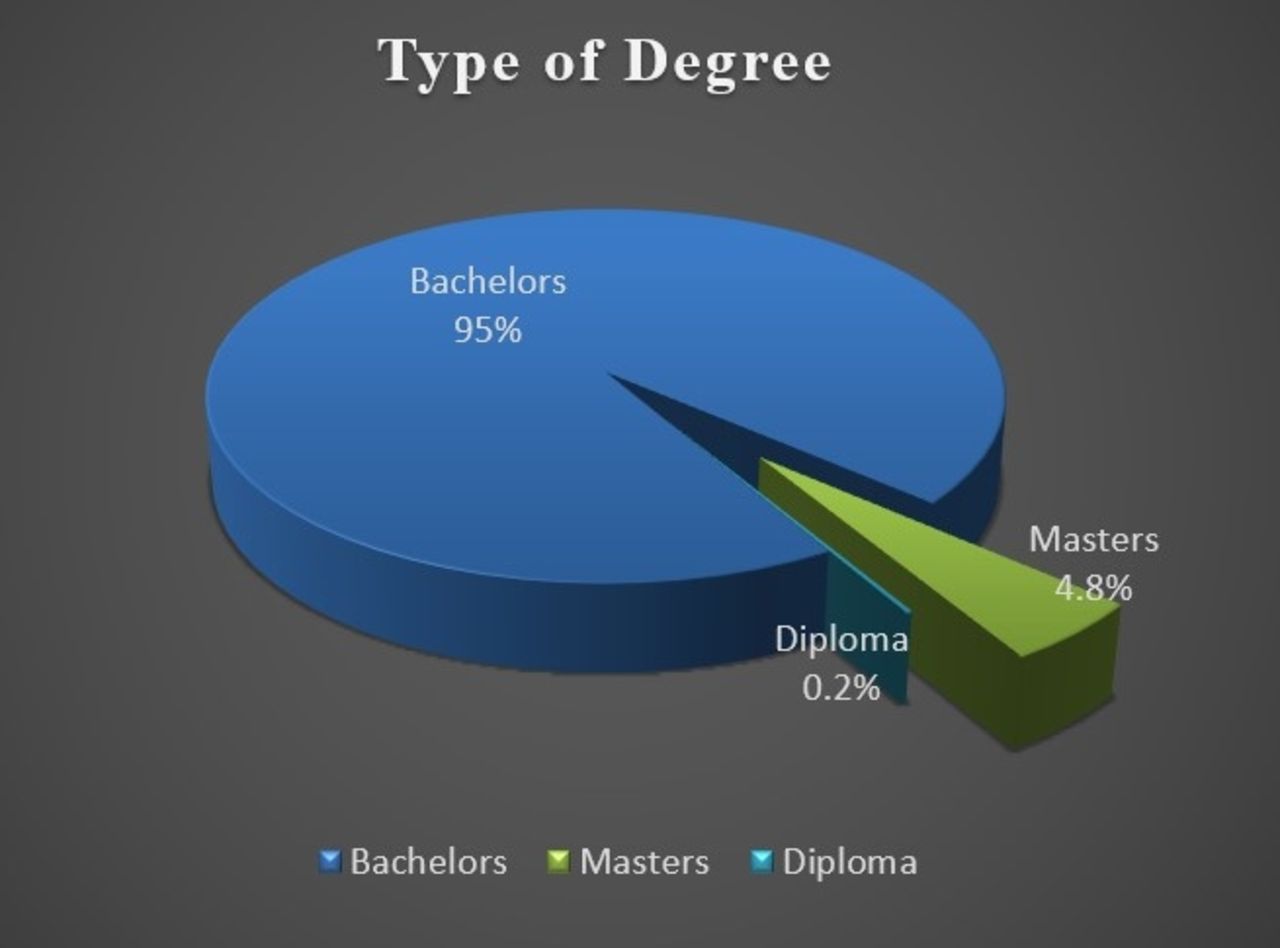
Of the 904 RT students, 554 were female (59%) and 349 were male (37%), and a vast majority of them were Bachelor's degree holders (856/904;94%). Most respondents are satisfied with the academic training (726/904; 80%), quality of teaching (656/904; 72%), the existing infrastructure (609/904;67%), and academic skill and professional experience of the faculty (714/904; 79%). A large number of respondents believed that Indian RTs are not recognized well for their contributions (746/904; 82%) and 89% (809/904) are planning to move overseas to seek jobs. 86% of respondents believed that there is an urgent need for establishing a regulatory body for RTs. 68.9% (623/904) felt the work is physically and emotionally challenging, with a statistically significant difference (P < .05) between genders.
Conclusions:
The RT students believe that there is no adequate recognition for RTs in India and a vast majority of them want to go abroad to seek job opportunities. A proper regulatory body for RC would help in standardizing both the academic and clinical aspects of RC, along with improving job opportunities for RTs in the future.
Get full access to this article
View all access options for this article.