




Abstract
Background:
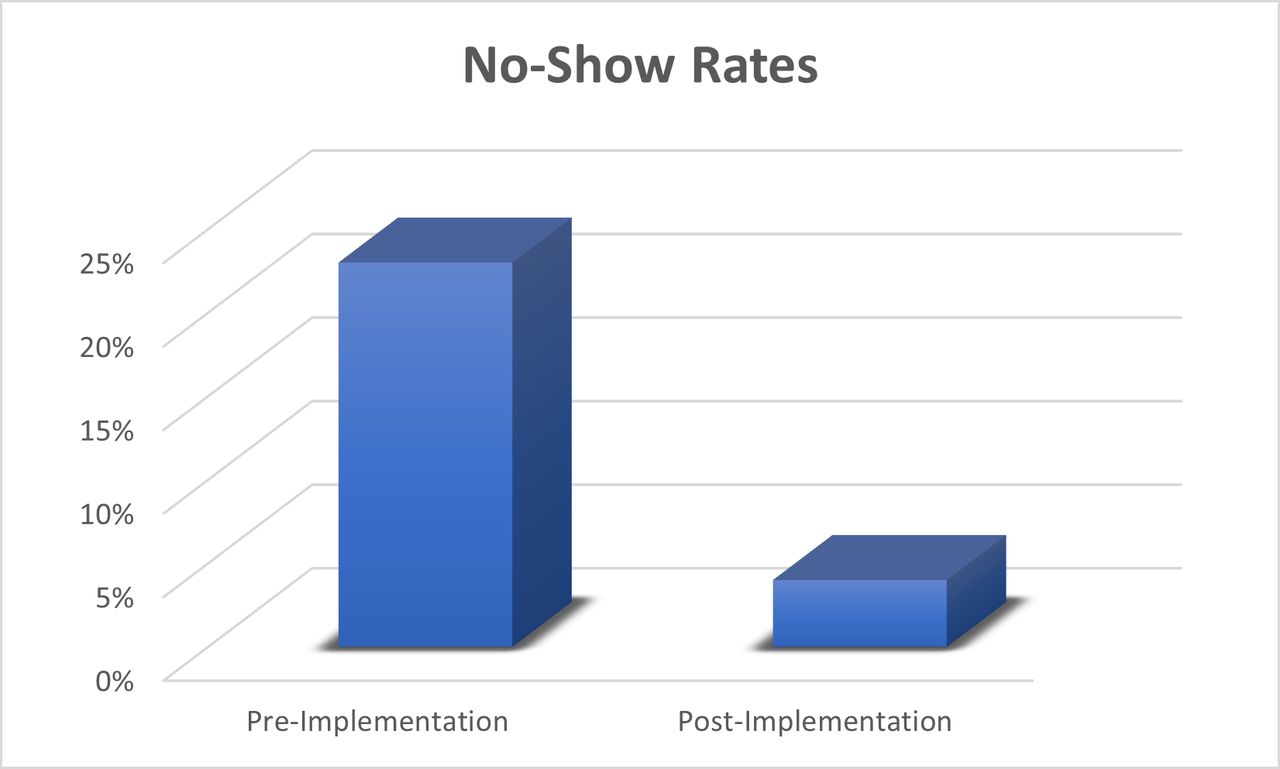
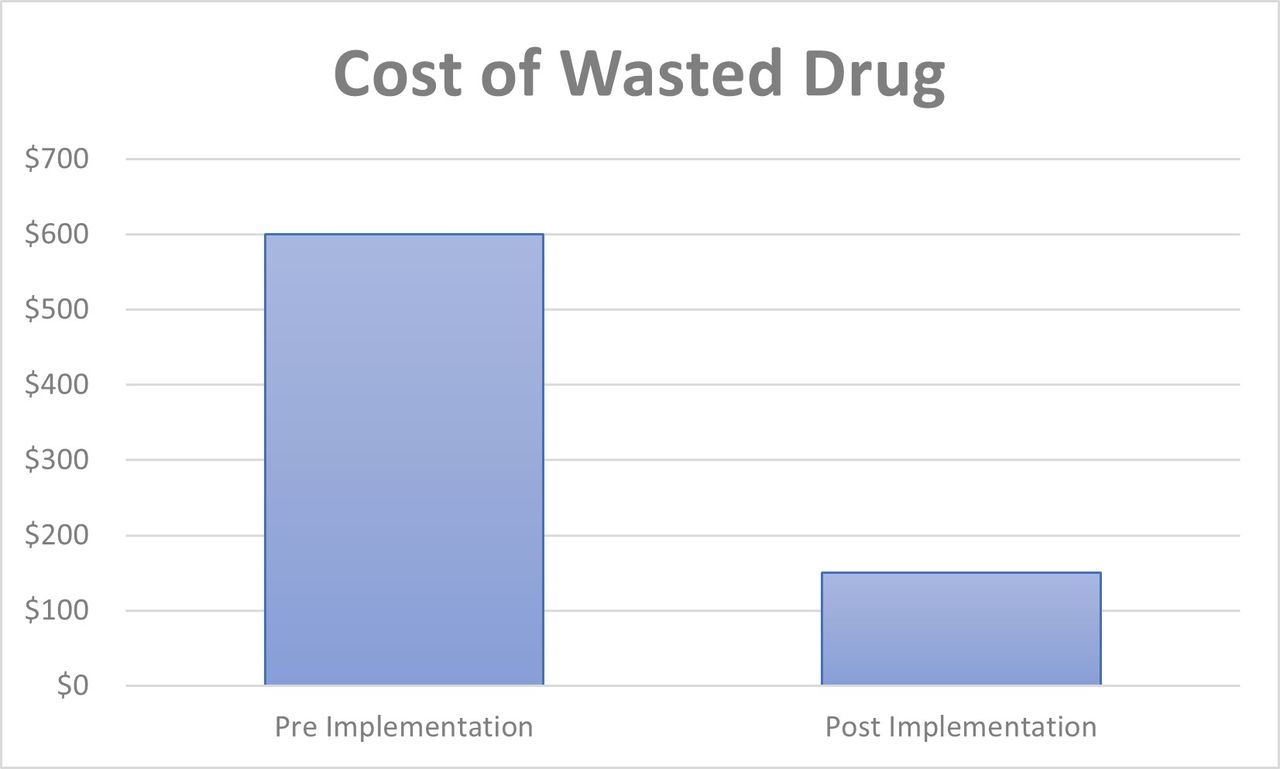
A time study within our electronic medical record (EPIC) demonstrated a no-show rate for methacholine challenge testing (MCT) of 23%, resulting in 16 hours of lost testing. In addition, the methacholine, prepared by onsite pharmacists, expired after two weeks resulting in $600 of wasted drug. Further, patients were inappropriately scheduled for MCT testing without compliance with our lab policy of having spirometry testing within the year prior to MCT. The previous scheduling process included patients being scheduled by a hospital-based call-center. This involved non-technically trained staff who would read prepared instructions but were unable to answer subsequent patient questions including information regarding withholding certain medications or other possible contraindications.
Methods:
Consequent to the time study, several changes were made to the MCT scheduling process to address the no-show rate and better inform patients of the testing procedure. Trained technologists in the pulmonary function lab took over calling/scheduling patients for MCT, and no other departments/groups had access to scheduling. We developed a scheduling/mailing script to provide patients with consistent information prior to scheduling MCT. During the call, patients were provided a detailed review of the test, testing requirements, contraindications, as well as a call-back number if they have additional questions or needed to reschedule. Performance of baseline spirometry testing within one year was confirmed and if not available, the physician was contacted for clarification and to obtain an order. Once scheduled, the patient was mailed a copy of the MCT instructions.
Results:
After implementation of new MCT scheduling processes, no show rates decreased to 4%. This equated to only 4 hours of lost testing, an improvement of 12 hours and a decrease in wasted drug costs to $150, thus a cost savings of $450. Subjectively, on testing day, patients appeared less anxious and more prepared for testing.
Conclusions:
Including trained technologists in scheduling MCT has streamlined scheduling, improved no show rates, added cost savings, improved PFT testing capacity, and improved patient understanding and anxiety. We have similarly implemented similar processes for other testing with high no show rates. Our results suggest that patients should be vetted and provided more detailed information regarding the testing prior to scheduling MCT.
Get full access to this article
View all access options for this article.