




Abstract
Background:
There is considerable overlap in the array of techniques offered by respiratory care practitioners when managing clinical disorders resulting from poor airway clearance and/or poor lung expansion. To date, there remains insufficient evidence to suggest that one technique is superior to another, however ordering practices are for the most expensive techniques at a frequency and duration that creates unprecedented cost in respiratory care services. In one fiscal year, more than $800k was spent delivering airway clearance and lung expansion techniques. Respiratory Care Service believes that individualizing the administration of an airway clearance technique and/or lung expansion technique will increase communication between Respiratory Care Service and Hospital Medicine/Surgical Services; thereby reducing cost associated with those airway clearance and/or lung expansion techniques that are expensive. Individualized respiratory care will promote timely initiation and follow-up assessments in patients ordered for an airway clearance and/or lung expansion technique.
Methods:
Using a collaborative evidence-based algorithm that empowers Respiratory Care Practitioners (RCPs) in providing individualized and cost-effective care, the goals of this project is to implement a combined airway clearance and lung expansion (ACT/LET) pathway driven by respiratory care practitioners at a large academic medical center. This project is also intended to increase respiratory care service's staff engagement and physician collaboration.
Results:
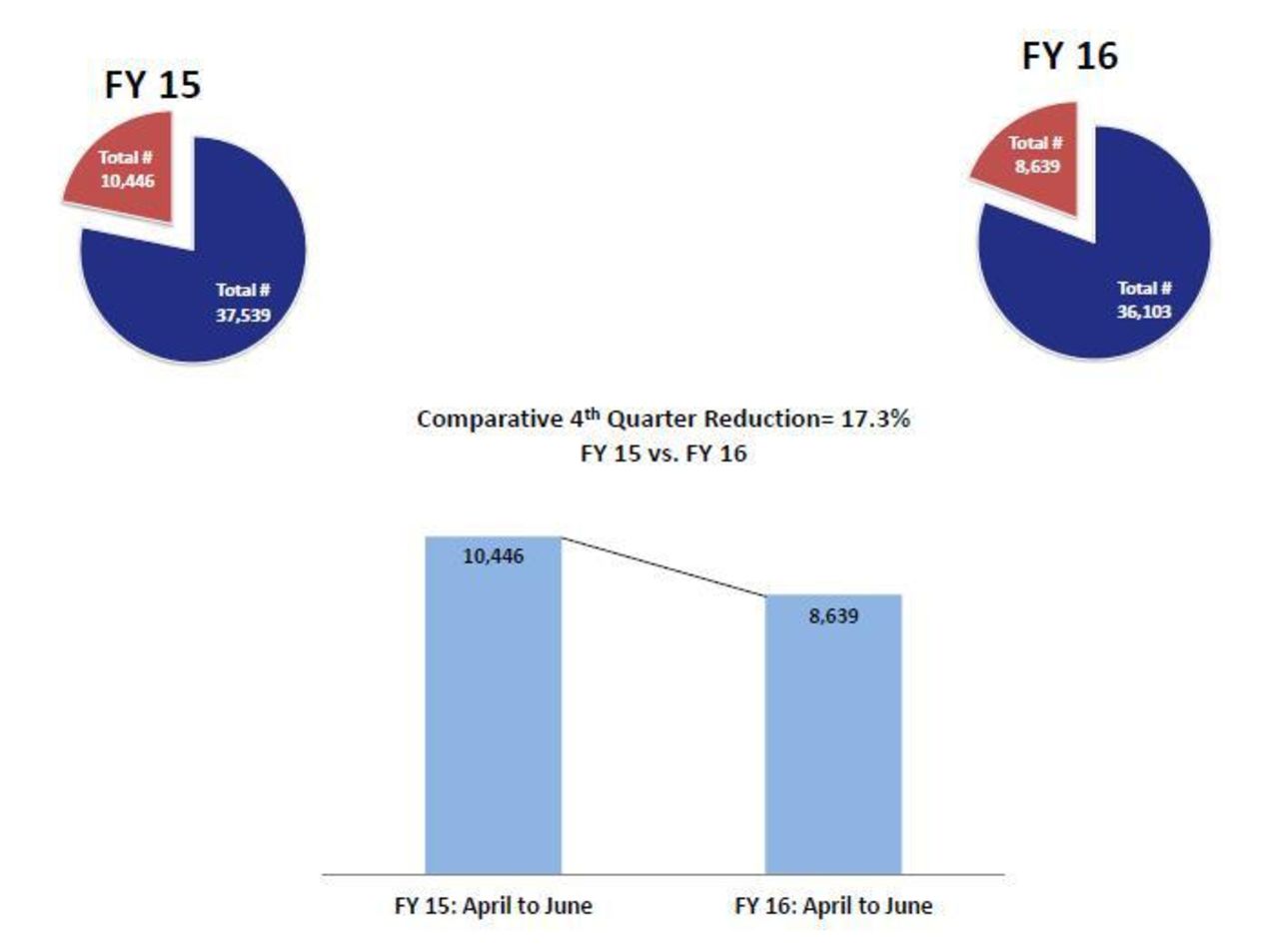
The ACT/LET Pathway has been successfully adopted by the Medicine/Surgical (Med/Surg) Services prescribing respiratory care techniques to hospitalized patients with a target of reducing the total number of techniques by 10% in efforts of reducing unnecessary techniques. The ACT/LET Pathway exceeded expectations by reducing the total number of airway clearance and/or lung expansion techniques between April 2016 and June 2016 by 17. 3% as compared to the same time period in the year prior. The ACT/LET Pathway also improved RCP and Med/Surg collaboration as well as increased Respiratory Care Service's staff engagement.
Conclusions:
This project underscores the importance of evidence-based practice and clinical pathways in reducing medical cost during patient care. It also suggests that transdisciplinary collaboration promotes staff engagement.
Get full access to this article
View all access options for this article.