




Abstract
Background:
A hospital in Taiwan revealed in 2015 that its mean length of hospital stay for pneumonia was 10.94 d and that it was 7.17 d at a similar hospital. According to the Health Insurance Research Database, the mean length of stay for pneumonia in 1997—2008 was 11.76 d. The average lengths of stay for bacterial pneumonia for patients aged 18—39, 40—63, and > 65 y were 7.91, 12.76, and 17.30 days, respectively. The average national health insurance cost of hospitalization of patients with bacterial pneumonia was 4,361 New Taiwan dollars (NTD) per day per patient; however, the cost could be as high as 64,609 NTD. The goal of this study was to shorten the length of stay of patients with pneumonia by utilizing pulmonary rehabilitation.
Methods:
By using CURB-65 to evaluate the importance of community-acquired pneumonia, 36 patients were selected for participation from July 2016 to October 2016. The patients were selected based on a score of less than 2 using the CURB-65 evaluation. The average patient age was 40 years; 32 men and 4 women were selected. A respiratory therapist used a thoracic wall vibration device twice daily (morning and night) for 30 min and postural drainage for 10 min in a defined position to induce coughing. Blood tests and a chest radiograph were taken on the third day of hospitalization. If there was an improvement, intravenous antibiotics were substituted with orally administered antibiotics and the patient was discharged on the fifth or sixth day. The average length of stay was calculated based on the number of hospitalization days/number of hospitalizations.
Results:
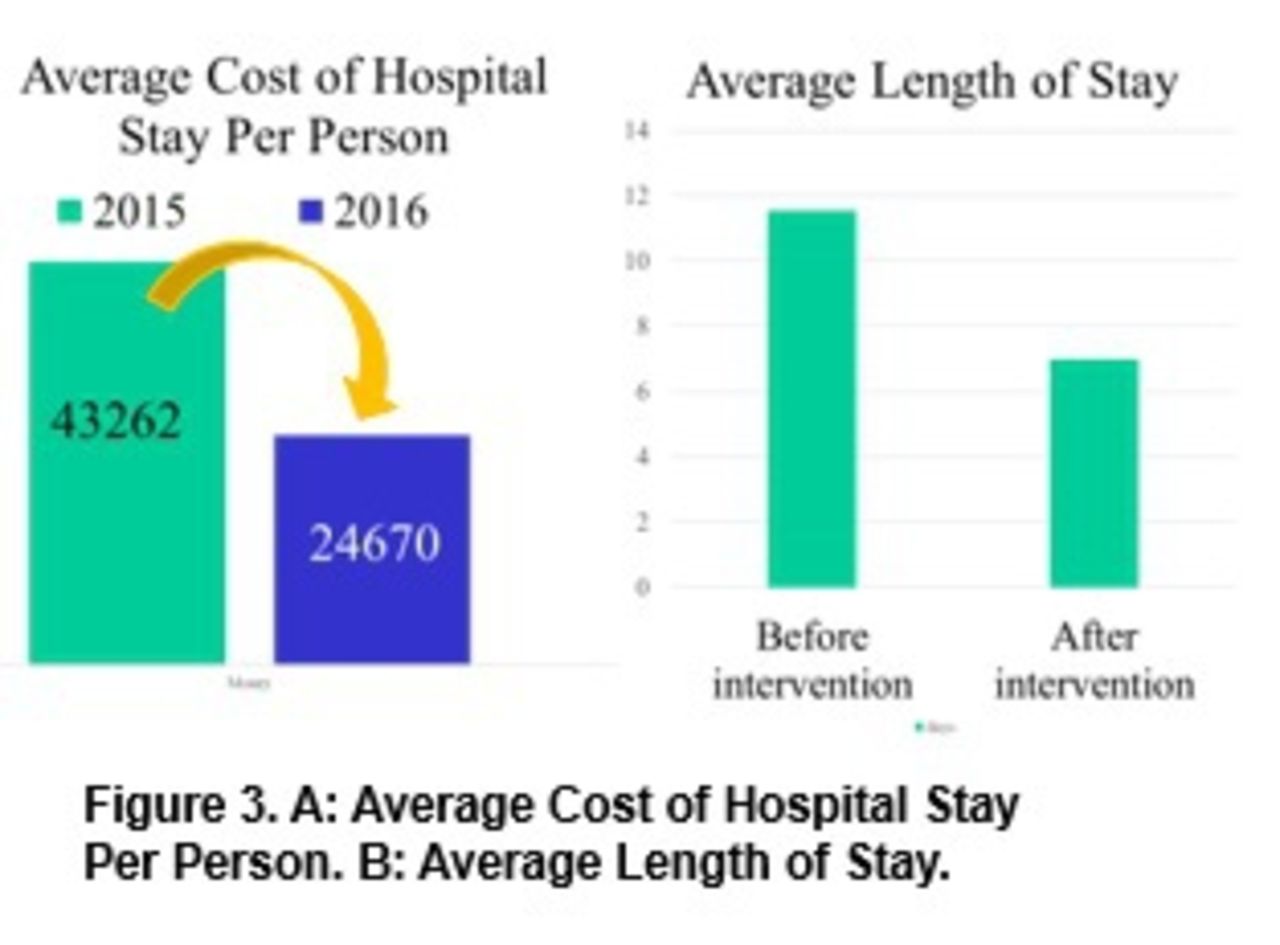
From January 2015 to December 2015, using the CURB-65 evaluation, 92 patients had a score of less than 2. Their average length of stay was 11.54 d. The average national health insurance cost was 43,262.2 NTD per patient. In 2016, the average length of stay had decreased to 6.52 d and the average national health insurance cost had decreased to 23,669.83 NTD per patient. A follow-up call 30 days after discharge revealed that the patients had not been readmitted to any other hospitals.
Conclusions:
Pulmonary rehabilitation helps treat chronic obstructive pulmonary disease and shortens the length of stay for patients with pneumonia.
Disclosures:
None.
Get full access to this article
View all access options for this article.