



Abstract

President's Message (Joe Colacino)
It is a pleasure to address the International Society for Antiviral Research (ISAR) in this, my third President's message to its membership. As of this writing, we are heading into the summer months after a very successful 24th International Conference on Antiviral Research (ICAR) held last month in Sofia, Bulgaria. Our society is doing well financially and our membership is strong and active. After paying the invoices from our conference in Sofia, we will be in a positive financial position.
The ICAR this year was a great success. I would like to thank a number of dedicated and talented individuals with whom I had the privilege of working closely all year in the planning of this conference. First, thanks go to the ISAR officers Amy Patick, past President; Phil Furman, President Elect; Dale Barnard, Treasurer; and Susan Cox, Secretary, for their leadership and guidance. Amy and Phil were constant sources of ideas. Dale has been a faithful steward of our money and Susan has worked diligently in her role as the Society's primary contact, recorder of our Board meetings, and reviewer and approver of ICAR travel grant requests. Board member Bob Buckheit, as Chair of the Program Committee and through his creativity and tireless organizational work, is thanked and congratulated for the high level of diverse scientific content presented at the meeting. Board members Johan Neyts and Tomas Cihlar, Chairs of the Membership and Placement Committees, respectively, worked diligently to increase the numbers of our members and to reach out to new members and young investigators. The career happy hour this year in Sofia was organized by Tomas and was a great success in providing networking opportunities to new members of ISAR and young investigators. The clinical symposium, an established feature of the ICAR which brings applied relevance to our conference by providing a forum for the latest developments in the clinical evaluation of antiviral agents, was organized by Rich Whitley and Paul Griffiths. We thank them for another successful clinical symposium. Our deepest appreciation and thanks go to Roger Ptak, Chair of the Finance Committee for his unstinting work in securing corporate sponsorship without which we could not hold conferences throughout the world to be truly an international society. Thanks also go out to Hugh Field and Anthony Vere Hodge and their Publications Committee who work hard to ensure the highest quality publication of the ISAR News and who are integral in maintaining a productive working relationship with Elsevier, publisher of Antiviral Research and International Medical Press, publisher of Antiviral Chemistry and Chemotherapy. All of our efforts were coordinated and facilitated by our expert and collegial secretariat, Lauren Deaton and Caroline Stainback of Courtesy Associates.

From left, Professor Alexander Popov, Vice President BAS, Amy Patick, Joe Colacino and Angel Galabov
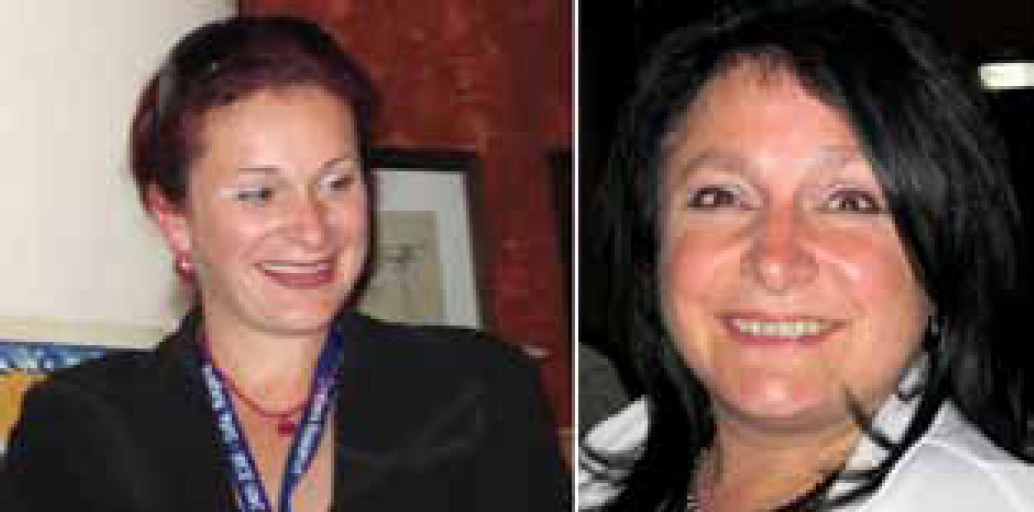
From left, Ralitsa Vassileva and Lubomira Nikolaeva Krumova-Glomb, members of the the Local Organizing Committee chaired by Angel Galabov (see Figure 1)
Our meeting in Sofia was not only a scientific success but was also a socially enjoyable and interesting one. Our thanks go to Angel Galabov, Chair of the Local Organizing Committee, and Ralitsa Vassileva and Lubomira Nikolaeva Krumova-Glomb who provided their time and effort in planning for our conference and who extended warm and generous hospitality to their beautiful city, Sofia. Amy Patick and I were honoured to visit the Bulgarian Academy of Sciences (BAS) where, hosted by Angel, an esteemed member of the BAS, we met with Professor Alexander Popov, vice president of the academy. It was a unique opportunity to learn more about the BAS and its scientific and technological initiatives in Bulgaria. Special thanks go to Angel for organizing the memorable banquet entertainment including Bulgarian folk songs and dance and a special performance by Yanka Rupkina, who is one of Bulgaria's most famous folk singers and who enjoys an international reputation.
As mentioned above, our scientific programme for the Sofia ICAR was excellent and included keynote, plenary, and mini-symposium speakers of significant international reputation. The Keynote Lecture this year was delivered by Albert (ADME) Osterhaus, and the Plenary Lectures were given by Raina Fichorova, Ralf Bartenschlager and Esteban Domingo. The mini-symposia this year, ‘Emerging Diseases and Antiviral Therapy’ organized by Mike Bray and ‘Medicinal Chemistry and Drug Discovery’, organized by Chris Meier were well attended and received highly favourable feedback. We also continued our interactive workshop, ‘Drug Discovery and Development 101′ since this programme has consistently received positive feedback from our members. The oral and poster presentations by ISAR members were rigorously reviewed by Bob Buckheit and his Program Committee to ensure the high quality of science at the conference. A popular mainstay of the ICAR is the selection of posters by young investigators for special recognition. At each ICAR, the hard working Poster Awards Subcommittee, chaired by Mark Prichard and including Board Members Jose Este and Johan Neyts, carefully reviews posters submitted for special recognition and selects winners based on scientific excellence and the ability of the author to present his or her work. This year, as in past years, winners were recognized at the conference banquet.
During past ICARs, the Gertrude Elion Lecture Award and the William Prusoff Young Investigator Lecture Award have been highlights of the conference and this year was certainly no exception. Our congratulations go out to Earl Kern and Brian Gowen, this year's Elion and Prusoff Award recipients, respectively. Earl's lecture was entitled, ‘Why Develop a Drug for Smallpox, A Disease Which Has Already Been Eradicated?’ and Brian's lecture was entitled, ‘Development of Countermeasures Against Pathogenic Arenaviruses’. This year the Prusoff award was especially fitting with the recent passing of Bill Prusoff at the age of 90. Bill was one of the pioneers of antiviral drug discovery and was a close friend and mentor to many in ISAR. Prior to Brian's award lecture, Earl Kern delivered a heartfelt tribute to Bill's life and career, making this year's presentation of the Prusoff award a poignant event.
As we look back on our 24th ICAR in Sofia with fond memories of the science learned, of old friends reconnected, of new friends made, and of a fascinating country with a warm people and a dynamic history, we are now busily engaged in planning for the silver anniversary 25th ICAR which will be held in Sapporo, Japan from 16–19 April 2012. My fellow ISAR Officers and I, as well as the Board Members and Committee Chairs are committed to offering all ISAR members a scientifically and socially memorable conference in 2012. Amy Patick, Chair of the Conference Committee is working with Masanori Baba to plan this meeting which will be held in conjunction with the Japanese Association for Antiviral Therapy (JAAT) and Lauren Deaton is working closely with the hotel venue to finalize all logistics. And remember…students and young investigators should contact Susan Cox regarding applications for travel grants which can help defray the cost of attending the ICAR.
Scientific Report: Highlights of 24th ICAR, 2011, Sofia, Bulgaria (Anthony Vere Hodge)
Introduction
This report provides an overview of the conference highlights. As this is a research conference, any references to clinical results should not be taken as a recommendation for clinical use. The full scientific report is found in this issue.
Tribute to William (Bill) H Prusoff (Earl Kern)
Bill was born in Brooklyn, New York on 25th June 1920 and died on 3rd April 2011, aged 90. Bill and his wife, Brigitta, had two children and three grandchildren. During his school days, the family moved to Miami, Florida. Bill obtained a degree in chemistry from the University of Miami and a doctorate from Columbia University. He used to delight in telling his story that he had applied to Yale Medical School but was rejected with his application fee returned as his application was so poor. Yet he was to become a faculty member of Yale for 57 years and was awarded two of Yale's highest honours, the Peter Parker Medal and the Lifetime Achievement Award.
At Yale in 1959, a team headed by Bill synthesized idoxuridine which was to become the first FDA approved antiviral drug, used to treat herpes keratitis. Hence he became known as the ‘father of antiviral chemotherapy’. Later, he developed d4T (stavudine) for HIV/AIDS and he was largely responsible for ensuring that it was made available to those in need, such as in Africa. Bill established the W. H. Prusoff Foundation at Yale which has supported numerous programmes.
As one of the original ISAR members, Bill has been closely associated with the Society from its earliest days. Bill was the first recipient of the Society's Award of Excellence in 1988. He was a regular attendee of ICAR, his last active role being at Savannah, Georgia in 2003 when he presented ISAR's William Prusoff Young Investigator Award to Johan Neyts. The following year, he declared ‘I would like to be at the meeting because my spirit is in its 20s, but my body is in the thousands’. Maybe, but, in 2005, we were delighted to see Bill again at ICAR in Barcelona.
I (AVH) would like to add my own personal memory of Bill. I first met Bill at Antivirals 88, Helsinki, Finland, my first antiviral conference. Of all the attendees, it was Bill whom I remember most clearly making me feel welcomed into the antiviral community. I had the good fortune to meet Bill many times over the years. The last was at Rebecca Schinazi's wedding when Bill joined my wife and me at the wedding dinner. He was in great form and, as always, a charming companion.
Gertrude Elion Memorial Award Lecture: ‘Why develop a drug for smallpox, a disease that has been eradicated?’ by Earl Kern (University of Alabama School of Medicine, Birmingham, AL, USA)
Although variola virus, the agent of smallpox, was successfully eradicated worldwide in 1977, it has been considered as a potential agent of bioterrorism. The objective of the NIH proposal for biodefense was to develop two antiviral agents against orthopoxviruses, preferably these two agents having different mechanisms of action. Potential drug candidates were cidofovir (or its orally active analogue, CMX001) and ST-246. These two agents fulfill one of the objective criteria, having differing modes of action. CMX001 inhibits viral DNA replication whereas ST-246 interferes with the envelopment and exit of mature virions.
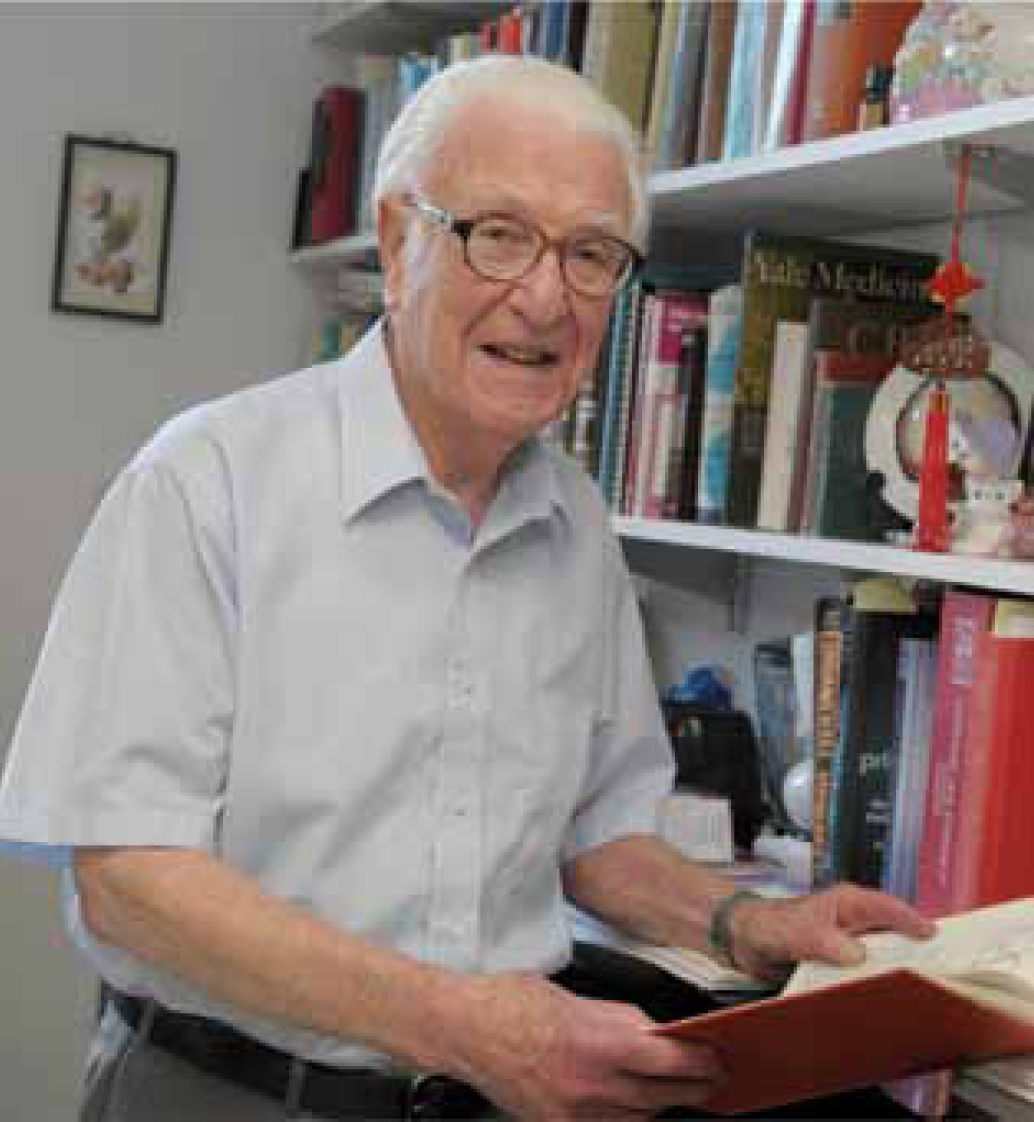
Bill Prusoff
Both CMX001 and ST-246 showed good selective activity against all the orthopoxviruses in cell cultures and in a variety of animal models. As a bonus, the combination of these two compounds is synergistic in cell culture (vaccinia and cowpox) and in a mouse model (cowpox). ST-246 was well tolerated in Phase I clinical studies and is being added to the USA Strategic National Stockpile. CMX001, which has activity against various DNA viruses including the orthopoxviruses, was also well tolerated in Phase I trials and is in Phase II trials against adenovirus, cytomegalovirus and BK virus infections. All these studies indicate that the NIH objective has been met successfully.
William Prusoff Young Investigator Award Lecture: ‘Development of countermeasures against pathogenic arenaviruses’ by Brian Gowen (Utah State University, Logan, UT, USA)
For arenaviruses, the natural life cycle is a chronic infection in rodents with virus in excreta passing to humans. Limited person-to-person spread can occur.

Gertrude Elion Memorial Award winner: Earl Kern

William Prusoff Young Investigator Award winner: Brian Gowen
Reported fatality rates are from 15 to 35%. Fortunately, outbreaks are uncommon but can cause serious disease in South America and Africa. Research on highly pathogenic arenaviruses must be performed in BSL-3 or −4 containment but Pichinde virus (PICV) infections of hamsters and guinea pigs and Tacaribe virus infection of AG129 strain mice may be studied in BSL-2, making them convenient models for research.
In these models, two approaches have given good results. Adenovirus-vectored IFN (DEF201) has potential advantages over administration of IFN. Following a single intranasal dose, steady expression of fully glycosylated IFN can be achieved, thereby avoiding daily injections and the bolus effect. Pre-IND studies are being progressed. T-705 (favipiravir) is being progressed through clinical trials as an influenza therapy. Not only does T-705 give good therapeutic activity in these Pichinde virus models but also, so far, attempts to develop virus resistant to T-705 have been unsuccessful. With T-705 expected to be widely available for influenza therapy, the prospects for controlling the uncommon but serious arenavirus outbreaks, have never looked more hopeful.
Major presentations
The Keynote address by Albert (ADME) Osterhaus (Erasmus Medical Center, Rotterdam, the Netherlands) touched on several viruses, HIV, human metapneumonia virus (although widespread, discovered only in 2001), monkeypox, measles, West Nile virus and Chikungunya virus (detected in Italy in 2007). New technology is playing an increasingly important role in managing new outbreaks of emerging viruses. This was illustrated by research during the emergence of severe acute respiratory syndrome (SARS) and the continuing monitoring of changes in influenza virus strains.
A plenary lecture by Raina Fichorova (Brigham & Woman's Hospital, Boston, MA, USA) described the failures and progress of vaginal microbicides in preventing the spread of HIV. The first successful clinical trial (39% reduction in HIV incidence), was using 1% tenofovir gel (CAPRISA 004 trial) in South African women. Now it is time for a ‘Change of Tune’, to include more pre-clinical research, using a combination of approaches and adaptive clinical trial design.
A highly effective vaginal microbicide remains an attractive target but many challenges lie ahead.
The next plenary lecture by Ralf Bartenschlager (University of Heidelberg, Heidelberg, Germany) gave a good summary of the HCV targets for antiviral compounds. As HCV has 7 genotypes, more than 100 subtypes and each existing as quasispecies, it presents a daunting challenge to any antiviral drug therapy. Yet with no means of viral latency or integration, therapy leading to a sustained virological response (SVR) has the potential for a complete cure.
The third plenary lecture, by Esteban Domingo (Universidad Autonoma de Madrid, Madrid, Spain) considered lethal mutagenesis strategies for those viruses which exist as quasispecies. If the copying fidelity was to become too low, then no viable progeny would be formed. This approach was illustrated by studies with foot and mouth virus and ribavirin. With combination therapy, it is usually important to avoid sequential treatment with the drugs, but computer modelling showed that it may be better to reduce the viral load with the inhibitor of virus replication and then sequentially treat with the mutagen.
There were two Mini-symposia, ‘Emerging diseases and antiviral therapy’ and ’Medicinal chemistry and drug discovery’. For summaries of these presentations, please see the full scientific report found in this issue.
Satellite clinical symposium
CMX001 is cidofovir (CDV) with a phospholipid group attached. Its clinical activity against dsDNA viruses was summarized by Randall Lanier (Chimerix, Durham, NC, USA). The clinical experience is based on trials with 440 subjects and a further 170 patients treated under emergency IND (E-IND). There has been no evidence of nephrotoxicity characteristic of cidofovir. Gastrointestinal tolerance is expected to be the dose-limiting factor. A Phase II trial (201), in stem cell transplant patients with CMV, is ongoing. Although the data is still blinded, the data is encouraging if the patients with continuing CMV are all on placebo. Experience from E-IND would suggest that CMX001 is an effective drug.
Atripla, a single-tablet regimen widely used in HIV therapy, contains tenofovir disoproxil fumarate (TDF), the prodrug of tenofovir (TFV). TDF improves the oral bioavailability of TFV in plasma, but delivery of TFV into cells could further enhance treatment efficacy. Clinical efficacy of TFV amidate prodrug (GS-7340) was reported by Tomas Cihlar (Gilead Sciences Inc., Foster City, CA, USA). In summary, short-term monotherapy with GS-7340 was more effective than TDF in treatment-naive HIV-infected patients. The small dose of GS-7340 will be useful when considering drug combination pills. GS-7340 is well positioned to potentially replace TDF in atripla.
A therapy for HCMV treatment, AIC246, was reported by Holger Zimmermann, (AiCuris GmbH & Co., Wuppertal, Germany). In contrast to current HCMV therapies which target the viral polymerase, AIC246 inhibits HCMV terminase complex. Nine Phase I trials have been completed (>250 subjects). There have been no safety issues, oral bioavailability was 50% and terminal T1/2 was 10 h. In a proof-of-concept Phase II trial, AIC246 was well tolerated and all patients achieved a reduction in viral load, including valganciclovir-resistant virus. Under an E-IND, AIC246 was used to treat a patient with multi-resistant HCMV (ganciclovir, foscarnet, cidofovir) with multi-organ disease. AIC246 therapy resolved viraemia and clinical disease regressed. So far, it seems that AIC246 is highly effective against HCMV viraemia using 80 mg once daily and against HCMV disease with 240 mg once daily.
In a Phase II/III trial, apricitabine (ATC) has been evaluated in HIV patients failing 3TC/FTC therapies, all with the M184V mutation. After week 24, all patients were put on open-label ATC (800 mg twice daily). Susan Cox (Avexa, Richmond, Victoria, Australia) reported the results to week 144. As for earlier time points, the M184V mutant and the TAMS were maintained. Safety issues have not yet emerged. Remarkably, viral resistance to apricitabine has not been seen in any patient. Recently, the FDA agreed that a single confirmatory 14-day study needed to be undertaken prior to filing for approval. Avexa are now looking for a partner to progress ATC through to approval.
Contributor presentations
Lora Simeonova (The Stephan Angeloff Institute, of Microbiology, Sofia, Bulgaria) reported on the sensitivities of Bulgarian clinical influenza isolates against rimantadine, oseltamivir and zanamivir. All 26 strains were sensitive to oseltamivir and zanamivir but four strains were resistant to rimantadine.
A viable human influenza A virus lacking neuraminidase (NA) activity was described by Martina Richter (Jena University Hospital, Jena, Germany). A German clinical isolate had a mixture of full length and defective NA genes. The NA-lacking virus was able to replicate in cell culture, albeit with lower titres than wild type virus. In the original isolate, virus with full length NA gene was present only as a small proportion. Presumably, the virus with the defective NA gene had a replicative advantage so long as some wild type virus was present to help with release of the NA defective virus from the cell.
The purpose of a papillomavirus study was to determine the range and frequency of different papillomavirus genotypes in women in Montenegro. Danijela Vujosevie (Institute of Public Health, Podgorica, Montenegro) concluded that, in order to assess women who may be at risk of cancer, it is necessary to use a test which is able to detect a broader range of high-risk HPV types than just the HPV types 16 and 18 in the vaccines.
Nitazoxanide (NTZ) is a licensed compound being investigated clinically against HCV. Abigail Montero (Georgetown University Medical Center, Washington, DC, USA) reported on their mode-of-action studies. These data provide a primary mechanism of action of NTZ, and its metabolite TIZ. Normally, the switch from virus replication to virus assembly is initiated by phosphorylation of HCV NS5A. Treatment causes an early overproduction of phosphorylated HCV NS5A, thus causing a premature switch.
Flaviviruses are ssRNA viruses such as dengue, yellow fever (YFV), West Nile (WNV), Japanese encephalitis (JEV) and tick-borne encephalitis (TBEV) viruses. The flaviviral helicase is a monomeric protein. Eloise Mastrangelo (University of Milan, Milan, Italy) hypothesized that the ssRNA entrance site could be a drug target. An in silico docking search led to Ivermectin with activity confirmed against several viruses (YFV, dengue, JEV and TBEV). As Ivermectin has been used clinically for the treatment of various parasitic diseases for more that 20 years, there may already be some data from tropical areas indicating activity of this old drug against flaviviruses.
Conclusion
It is hoped that this brief summary indicates the range of topics covered and illustrates a great strength of ICAR meetings, the potential for cross-fertilisation. Personally, I found the major award lectures, the mini-symposia and plenary lectures gave me a good overview of important areas of antiviral research. The satellite clinical symposium proved beyond doubt that antiviral chemotherapy is continuing to make important new progress.
I would like to add my thanks to the ISAR Officers and Conference Committee for organizing another successful meeting and to Angel Galabov for such a warm welcome to his city, Sofia. Lastly, this ICAR was a fitting testament to the ‘father of antiviral chemotherapy’, Bill Prusoff.
Winners of Poster Awards 2011 ICAR (Mark Prichard)
Each year the ISAR awards prizes for the best poster presentations at the annual ICAR meeting. Award recipients are selected from categories that include Graduate Student, Postdoctoral Fellow, and Young Investigator with 700 and 350 Euro cash awards for 1st and 2nd place recipients, respectively. Award winners are selected primarily for scientific excellence and innovative research methodology, with the clarity, organization and oral defence of poster as additional important criteria. Original results were presented in two poster sessions and the presentations selected by the Society were of the highest quality and promise to advance the field of antiviral research. Graduate Student Marcella Bassetto won first prize, with Evelien Vanderlinden and Luca Zinzula each earning a second prize. Postdoctoral Fellow Tania Matamoros was awarded first prize for her work and Eloise Mastrangelo won a second prize. Young investigator Karine Alvarez was also selected to receive a first prize. Abstracts summarizing the work of all award winners as well as others at the meeting can be viewed on the ISAR website and in the April 2011 issue of Antiviral Research.
Business Meeting (Susan Cox)
The Society held its business meeting during the 24th ICAR in Sofia. Reports were given from the ISAR President, Treasurer, Secretary, and the Chairs of the Conference Committee, Poster Awards and Programme Committee.
The President reported on the elections to office held during the year. Tomas Cihlar was elected to the Board, and was warmly welcomed.
Amy Patick presented the locations of the upcoming ICARs to members. The 2012 conference will be held in Sapporo, Japan. Masanori Baba gave an overview of the city of Sapporo. The city is easy to get to, with direct flights from several international cities and frequent connections from Tokyo. The cost of the hotel is very reasonable, and there are plenty of inexpensive restaurants nearby. Sapporo is located far away from the tragic earthquake and tsunami and has not been affected. Members were provided with a link for more information if they had concerns. The 2013 and 2014 conferences will be in North America, and members were encouraged to send suggestions for locations to Amy.

Winners of the ICAR Poster Awards received their prizes at the ICAR banquet
Dale Barnard, Treasurer, presented the Finances of the Society to members. The Society's financial statement for 2010 is shown in Table 1 and the summary accounts for 23rd ICAR, San Francisco, CA, USA are shown in Table 2. Thanks to good management, as well as efforts by Roger Ptak to secure corporate sponsorship, the 24th ICAR was expected to break even or possibly produce a surplus, despite a lower number of attendees compared to 2010.
Financial statement for 2010

Summary accounts for 23rd ICAR, San Francisco, CA, USA, 25–28 April 2010

Susan Cox presented a report on Society Membership. Many different countries are represented in the Society. Members were reminded that the membership renewal date was 30 June each year. New members are always welcome and members were encouraged to tell their colleagues about the Society.
Each year, the Society awards grants to help members defray the costs of attending the conference. A total of 23 Travel Awards were made, 20 to first time awardees. Half went to PhD students, and 30% to post-docs. The amount of the awards depends on the distance/cost of the travel. For the 2012 conference in Sapporo, increased travel funds will be made available, and members were encouraged to apply. However, a number of applications were incorrect or too late; members were urged to read the instructions on the website to avoid missing out.
Tomas Cihlar reported on the Career Forum, which this year had moved to an evening slot rather than the early morning breakfasts. Participants could sign up for two different sessions. The meetings provide an opportunity for discussions on career paths and choices, and help students connect with established members and hear about their career experiences.
ISAR awards prizes for excellence in the posters presented each year at ICAR. Mark Prichard described the process, categories and eligibility. An anonymous team scores each poster and presenters were encouraged to be by their poster to answer questions.
Finally, Bob Buckheit, Chair of the Programme Committee, described the features of the programme such as the Keynote Address, Drug Development session and Clinical Symposium. This year, owing to scheduling issues, the Shotgun poster session could not be included, but it may make a return next year. Planning has started for the 2012 conference, and all members were encouraged to provide feedback on the content of the conference, and put forward relevant topics and speakers they would like to see featured on the programme next year.
There being no other business, the President closed the meeting by thanking everyone and encouraging members to get involved in the work of the Society.
The 25th ICAR in Sapporo, Japan (Masanori Baba)
The 25th ICAR will be held in Sapporo, Japan at the Royton Sapporo from 16–19 April 2012, and co-hosted by the ISAR and the Japanese Association for Antiviral Therapy (JAAT).
Sapporo is located in the northern island of Japan, Hokkaido. Since Hokkaido is quite far away (more than 600 km) from the epicenter of the 3.11 earthquake in Japan and Fukushima nuclear power plant, the city is totally safe and free from nuclear pollution. It is the economic and administrative center of Hokkaido. Sapporo has a population of 1.9 million which ranks as the fifth largest city in Japan. Sapporo is not only a modern and fashionable city but also maintains the natural environment. Therefore, it has always been ranked as one of the most attractive cities in Japan. Okurayama Ski Jump Stadium, Sapporo Beer Museum/Garden, Sapporo Art Park and Hokkaido Shrine are highly recommended to visit during your stay in Sapporo. Susukino, located in downtown Sapporo, is famous as one of the largest dining spots in Japan and is crowded with approximately 4,000 restaurants, pubs and bars. In addition, Otaru, known as an old seaport city, is only a 30-min drive from Sapporo and is rich in history and culture. Jozankei Hot Springs (Jozankei Onsen) are also located nearby, a 40-min drive away from downtown Sapporo.

The conference venue Royton Sapporo Hotel
Access to the conference venue from the New Chitose International Airport is convenient. Every 15 min, city-access trains are available from the airport, and they take you to the center of Sapporo in 36 min. There are a number of connecting flights from major international airports in Japan, such as Narita (Tokyo), Haneda (Tokyo), Chubu (Nagoya) and Kansai (Osaka).
The conference venue Royton Sapporo is highly regarded for its functionality as an all-in-one convention facility and chosen as a venue for many prestigious conventions, including the APEC Senior Officials' Meeting. It can be easily accessed from the airport via airport bus. It takes 70–90 min, and the bus stops in front of the hotel. Royton Sapporo is located in the center of the city, so that you can easily enjoy shopping and dining around the hotel. The hotel also offers extensive amenities, such as fitness gym, swimming pool, spa, etc. Convention rooms are all placed on the 1st to 3rd floor. Royton Hall, in particular, ranks as one of the largest rooms in Sapporo and provides a sufficient space to accommodate any large-scale conventions or exhibitions.
Finally, JAAT was established in 1990 by Professor Shiro Shigeta (Fukushima Medical College), and the current president is Professor Hiroaki Mitsuya (Kumamoto University) since 2006. JAAT has approximately 90 general and student members and 8 support members (pharmaceutical companies in Japan). JAAT has organized 20 annual meetings including 2 international meetings. One of those was held as the 9th ICAR in 1997 at Urabandai, Fukushima, Japan.

Okurayama Ski Jump Stadium and Hokkaido Shrine are highly recommended to visit during your stay in Sapporo
We hope that many scientists in this area will attend the 25th ICAR in Sapporo in April 2012.
Visit the ISAR website…
Visit the ISAR website at http://www.isar-icar.com to discover more about the 25th ICAR, such as hotel accommodations, abstract submittals and preliminary programmes. Information on the conference will be posted on the ICAR website by September 2011. If you have any questions please do not hesitate to contact the ISAR/ICAR Office at 202-973-8690 or by email at
Photographs: Royton Sapporo Hotel was obtained from the hotel and used with permission; other photographs by ISAR members who have agreed to their use.
ISAR News is a publication of the International Society for Antiviral Research prepared by the ISAR Publication Committee: Hugh Field (Chair), Masanori Baba, Andrea Brancale, Mike Bray, Brian Gowen, Justin Julander, Luis Schang, Ashoke Sharon, Bart Tarbet, Simon Tucker and Anthony Vere Hodge.