




Abstract
Nanomedicine opens new therapeutic avenues for attacking viral diseases and for improving treatment success rates. Nanoparticulate-based systems might change the release kinetics of antivirals, increase their bioavailability, improve their efficacy, restrict adverse drug side effects and reduce treatment costs. Moreover, they could permit the delivery of antiviral drugs to specific target sites and viral reservoirs in the body. These features are particularly relevant in viral diseases where high drug doses are needed, drugs are expensive and the success of a therapy is associated with a patient's adherence to the administration protocol.
This review presents the current status in the emerging area of nanoparticulate delivery systems in antiviral therapy, providing their definition and description, and highlighting some peculiar features. The paper closes with a discussion on the future challenges that must be addressed before the potential of nanotechnology can be translated into safe and effective antiviral formulations for clinical use.
Introduction
The global impact of viral infections, the development of resistance to current drugs and the emergence of new viruses all translate into the incessant scientific challenge of drug discovery and formulation development. Over the past 3 decades, many researchers have focused on developing new antivirals that are able to target important therapeutic processes. By 1990, just 5 drugs had been licensed as antiviral agents [1], whereas approximately 20 years later more than 40 were on the market. Most of these agents were developed for the treatment of HIV infection, whereas others were active against various herpesviruses (herpes simplex virus [HSV], varicella zoster virus [VZV] and human cytomegalovirus [HCMV]), hepatitis B and C viruses, and influenza A and B viruses.
In 2009, the global market for antiviral drugs reached total sales of approximately USD 28 billion. Sales of antivirals increased by approximately 20% from 2004 to 2006, and a continuing growth trend has been estimated until 2011. Moreover, the market is likely to witness even further future growth because of the existence of unmet needs, expanding populations, better diagnostics, innovative drugs and new therapeutics; however, developing a safe and effective antiviral drug is a difficult task, and the list of viral diseases for which antiviral therapies are available is still relatively short.
Several factors hinder the development of antiviral drugs. Viruses are obligate intracellular parasites that largely depend on the host cell biosynthetic machinery for their replication; therefore, only a limited number of virus-specific metabolic functions can be targeted by antiviral drugs without harming the host. Ideally, these targets are viral proteins essential for viral replication and pathogenesis that are sufficiently different to any host protein to allow selectivity. Moreover, most of these functions are specific for each virus, making it difficult to develop broad-spectrum antivirals that are active against diverse viruses that cause similar symptoms. The antivirals developed against some viruses (for example, HSV and HIV) treat the acute disease but do not cure the latent infection. This results in recurrent or chronic diseases that require treatment for longer periods of time. These and other issues represent a major challenge in antiviral research and development.
A second key challenge of antiviral therapeutics regards the development of new drug formulations. This involves changing the physicochemical and biopharmaceutical properties of antiviral molecules using technological strategies during the preparation of their dosage forms. For example, the reformulation of an antiviral drug already present on the market might be performed in order to modify its bioavailability and pharmacokinetics. Further improvements to a therapy can also be obtained through the use of innovative delivery systems for antiviral administration; for example, the use of nanotechnology has led to the development of nanoparticulate carriers. Nanotechnological approaches can be used to improve the design, formulation and delivery of antiviral drugs.
This relatively new class of therapeutic nanomaterials, also called nanopharmaceuticals, displays unique properties that arise because of their small sizes, high surface-to-volume ratios and their modifiable surfaces. Nanoparticulate carriers are able to incorporate small molecules, as well as proteins and nucleic acids, thus bestowing nanomaterials with a broad spectrum of prospective therapeutic applications and the potential to target specific tissue sites where the antivirals are needed. This review describes the current and future generations of nanoparticulate delivery systems and their use as carriers for the transport of antiviral drugs.
Current antiviral therapies
The antiviral therapies currently approved are based on the use of small molecular weight drugs or proteins that stimulate the innate immune response (interferon). In addition, an antisense oligonucleotide (fomivirsen) has also been approved for the therapy of retinitis caused by strains of HCMV resistant to conventional drugs [2].
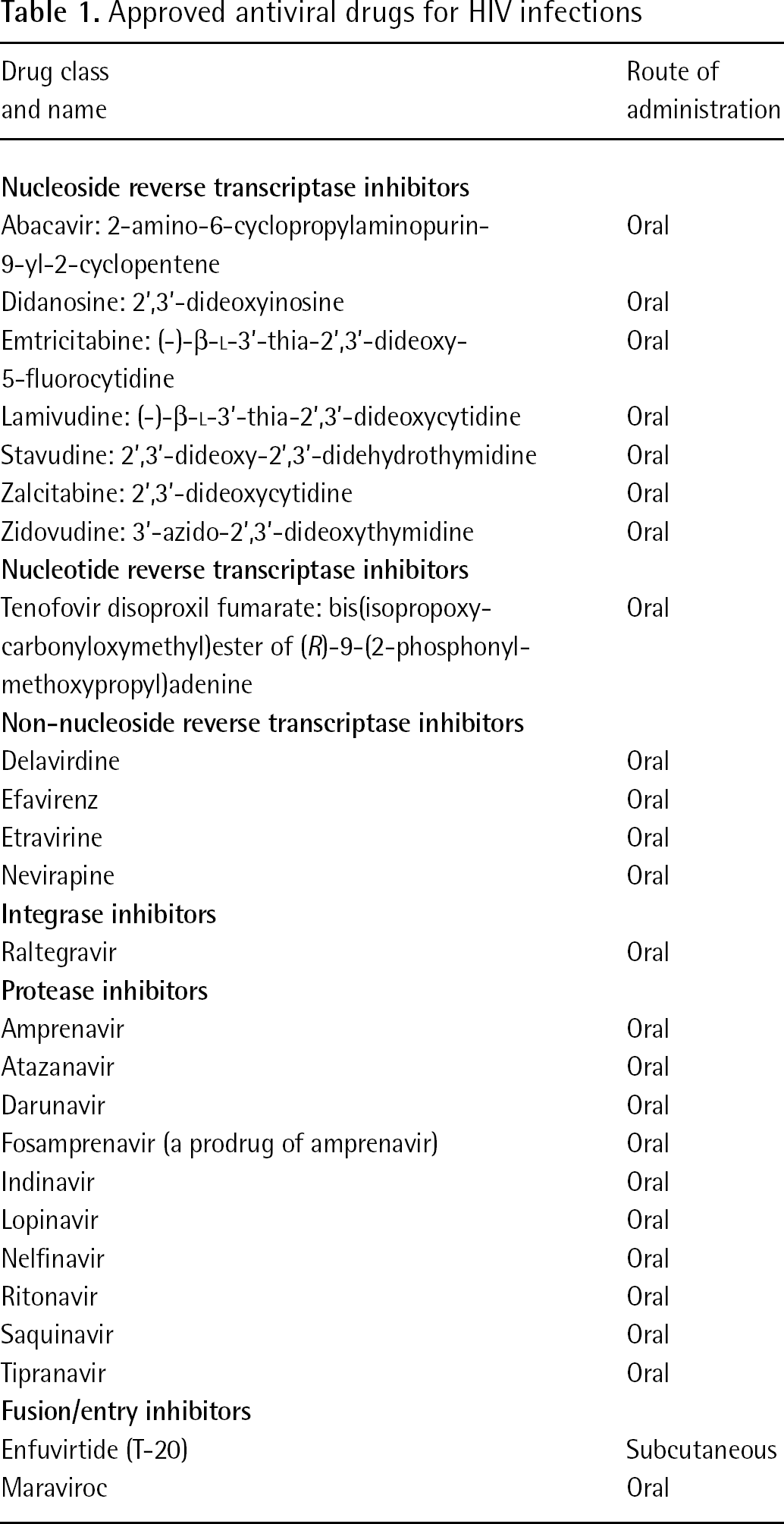
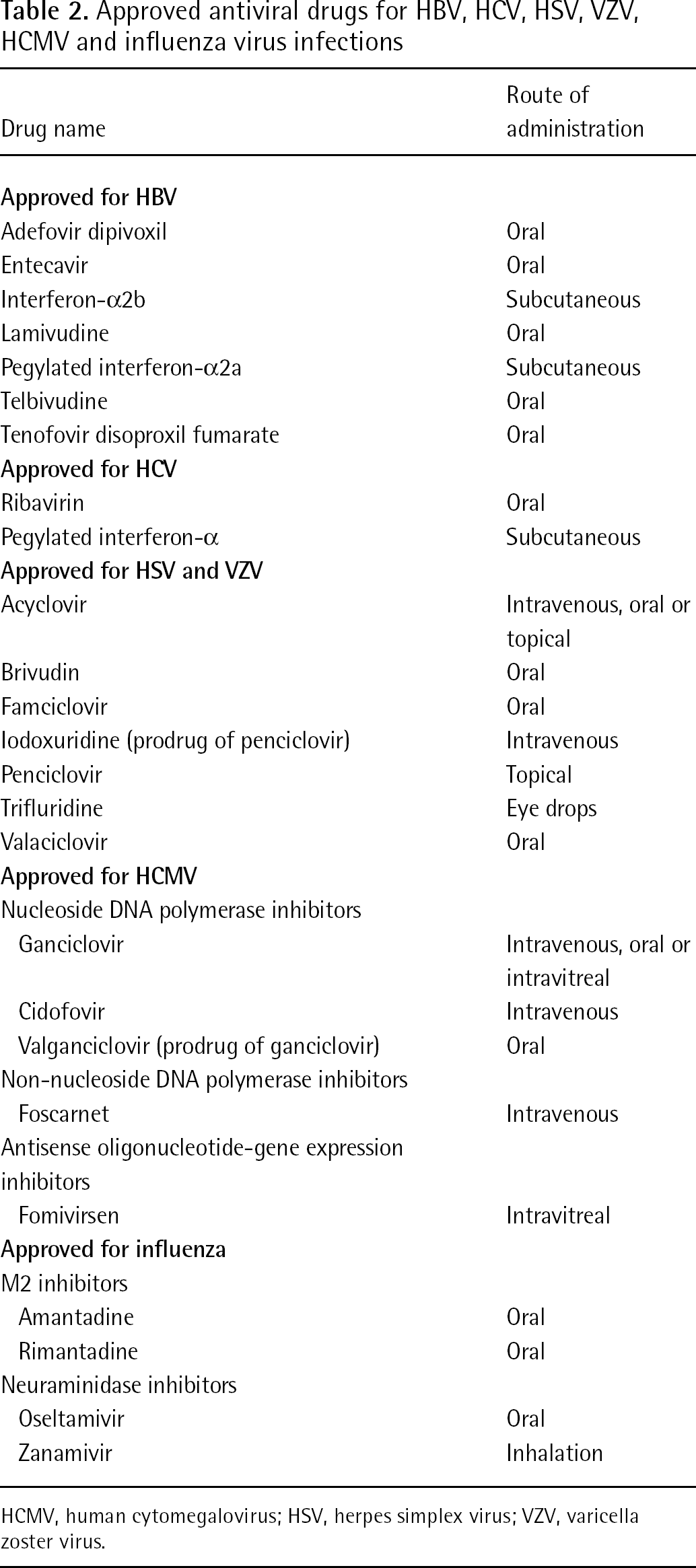
Table 1 and Table 2 report the antiviral agents present on the market and used in clinical practice. The approved antiviral drugs for HIV infections are summarized in Table 1 and other antiviral agents are listed, according to the viral infection, in Table 2. As shown, the majority of antiviral drugs are administered orally, although some are delivered via parenteral (subcutaneous, intravenous and intravitreal) or topical routes.
Approved antiviral drugs for HIV infections
Approved antiviral drugs for HBV, HCV, HSV, VZV, HCMV and influenza virus infections
HCMV, human cytomegalovirus; HSV, herpes simplex virus; VZV, varicella zoster virus.
Many antiviral drugs present problems that reduce their efficacy, such as limited solubility, a short half-life or slow, incomplete or highly variable absorption. Consequently, high doses and frequent administration are required that, in turn, can negatively affect patient compliance, causing severe side effects.
Many antivirals, such as the antiretrovirals acyclovir and ganciclovir, show low bioavailability when administered orally. An adequate bioavailability (that is, adequate absorption by the gastrointestinal tract that depends on solubility and permeability) is fundamental for the success of an antiviral. Good solubility and permeability are considered as markers of adequate oral bioavailability and are essential prerequisites for antiviral drugs. Based on their solubility and permeability, Amidon et al. [3] classified all the orally administered drugs into four classes (I, II, III and IV) according to decreasing solubility and permeability values using the Biopharmaceutics Classification System (BCS). According to the BCS, a molecule is considered ‘highly soluble’ when its highest dose solubilizes in ≤250 ml of an aqueous medium over the pH range 1–7.5 at 37°C. By contrast, a molecule is considered ‘highly permeable’ when the extent of intestinal absorption in humans is >90% of the administered dose based on the mass-balance determination or in comparison to an intravenous reference dose. Besides solubility and permeability, other factors are also able to affect the oral bioavailability of an antiviral, including the action of intestinal metabolizing enzymes, efflux transporters and food. Consequently, oral absorption is variable and depends on many conditions. The oral administration of an antiviral with a low or variable bioavailability thus requires the use of higher doses and prolonged treatment durations in order to eradicate the virus. For example, most of the HIV protease inhibitors are of high molecular weight (>500 Da) and possess pH-dependent solubility (that is, they are more soluble at low pH) and high lipophilicity, properties that each could adversely affect oral bioavailability [4]. These properties are classified as both III and IV, according to the BCS system. The majority of nucleoside reverse transcriptase inhibitors show good systemic absorption, although didanosine (BCS class III) and zidovudine exhibit variable bioavailability. The bioavailability of the commercially available dosage forms of antiretroviral drugs were recently summarized by Sharma and Garg [5] who showed that the majority of these drugs undergo limited absorption.
Acyclovir, used in different dosage forms to treat HSV and VZV infections, has a low oral bioavailability (15–20%) because of its slow and incomplete absorption in the gastrointestinal tract (BCS class III); high doses (up to 1,200 mg/day) are therefore required for this antiviral agent. Approximately 80% of the administered dose of acyclovir is never absorbed. To overcome this problem, derivatives and prodrugs have been synthesised, such as valaciclovir, the L-valine ester of acyclovir, and famciclovir, a prodrug of penciclovir, which show improved oral absorptions in comparison with the parent drug. Topical acyclovir therapy has low efficacy because of the low penetration of acyclovir in the basal epidermis, and topical formulations of the drug (ointments or creams) need to be applied 5–6 times per day.
The anti-HCMV drug ganciclovir represents another example of an antiviral with very poor oral bioavailability (6–9%), requiring the daily administration of a dose >1 g. Moreover, the oral administration of other antivirals is impossible; for example, foscarnet and cidofovir require intravenous administration because of their extremely low oral absorption and their gastrointestinal toxicity.
The intravitreal administration of ganciclovir and fomivirsen were demonstrated to be more effective than intravenous administration for the local treatment of the posterior segment of the eye for some ocular pathologies, including retinitis, but high doses or the administration of several frequent doses are required, and intraocular injections are poorly tolerated and run associated risks.
Another problem of antiviral agents is that the chronic treatment with such drugs can produce moderate levels of drug toxicity, which might lead to serious complications in the patient. Moreover, prolonged antiviral therapy increases the likelihood that drug-resistant strains of the virus will emerge [6–8].
To improve the therapeutic activity of antivirals present on the market it is possible to change the conventional dosage forms. Radically modified formulation of drug dosage forms, such as depot-like injectables, modified release tablets and improved topical delivery systems, have been developed and are currently under investigation by many pharmaceutical companies for their use in the administration of the antiviral drugs already on the market. This type of approach can be useful to increase the BCS score of antivirals, particularly if their solubility and dissolution rate are improved with the reformulation.
Such new formulations of conventional dosage forms, which can modify the residence time and reduce the administered dose, aim at overcoming the problems of non-compliance brought about by side effects associated with a drug and difficult dosing regimens. An example is the development of long-acting interferons conjugated with poly(ethylene glycol) (PEG) molecules and designed for weekly dosing instead of the usual regimen of injections 3x per week. In addition to the modification of formulations, another strategy now being pursued for combating viral infections is the design of novel nanodelivery systems for drug administration.
Nanotechnologies to improve the delivery of antiviral agents
Over the past 2 decades, nanotechnology solutions have been developed to improve the delivery of active molecules. Nanotechnology is the creation and utilization of materials and systems on the nanometre scale (a nanometre is one-billionth of a metre). In diagnostic and therapeutic fields, nano-scale strategies mainly consist of nanoparticles and nanoconstructs and are referred to as nanomedicines [9]. The application of nanomedicine for the delivery of active antiviral molecules by means of nanocarriers, above all, aims at obtaining higher potency and lower toxicity in the patient.
It was recently estimated that the drug delivery industry is currently worth approximately USD 80 billion and a major component of this sum is devoted to the design of controlled release and targeting systems. Thus, the development of new methods for achieving controlled release is a very attractive research area, both in terms of the need to improve healthcare and from the perspective of pharmaceutical companies to maintain revenue and to ensure patent positions in both existing and new drugs. A report by Cientifica Ltd [10] estimated the nano-based drug delivery market to be worth USD 3.4 billion in 2007 and that it would increase to approximately USD 26 billion by 2012.
Nanodelivery systems, which mainly consist of nanoparticulate systems (including nanoparticles, nanocapsules, vesicles, dendrimers, micelles and inorganic nanomaterials), have been designed to deliver small molecular weight drugs, but they can also be exploited for the delivery of macromolecules and biological therapeutics such as oligonucleotides [11] (Table 3).
Possible nanocarriers for antiviral therapy
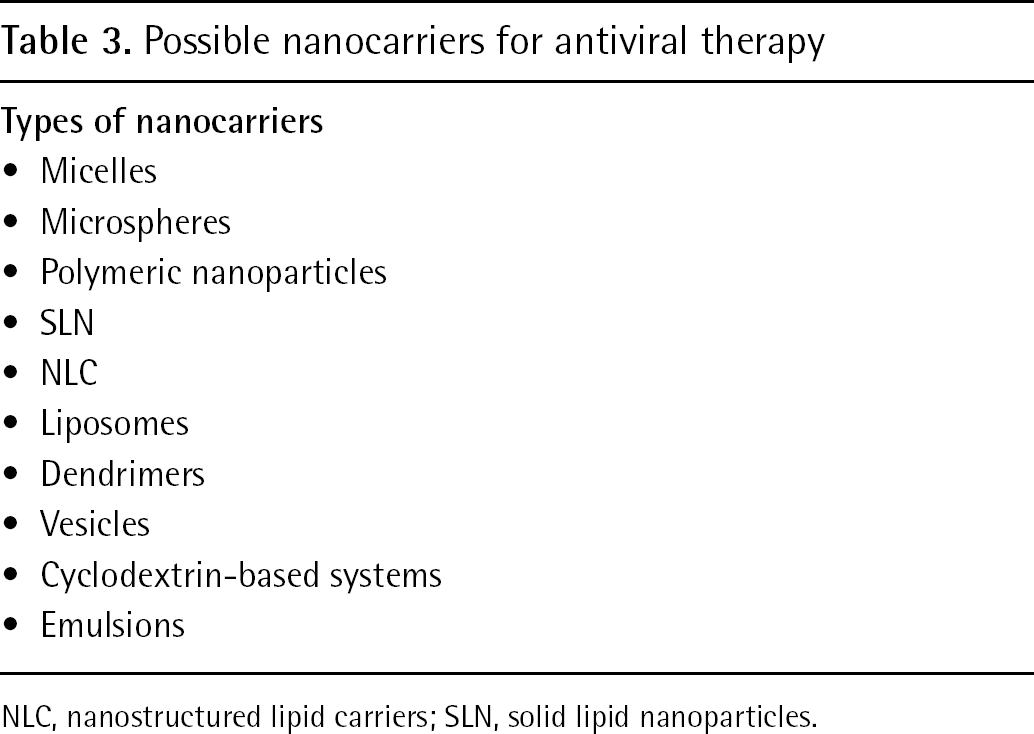
NLC, nanostructured lipid carriers; SLN, solid lipid nanoparticles.
The miniaturization of materials often imparts novel physicochemical properties. Specifically, as a particle's size decreases, a greater proportion of its atoms are located on the surface relative to its core; thus, there is an increase in the surface-area-to-volume ratio, often rendering the particle more reactive. Nanocarriers can be synthesized by various methods, such as self-assembly, vapour and electrostatic deposition, solvent diffusion and solvent evaporation techniques, coacervation and nanomanipulation.
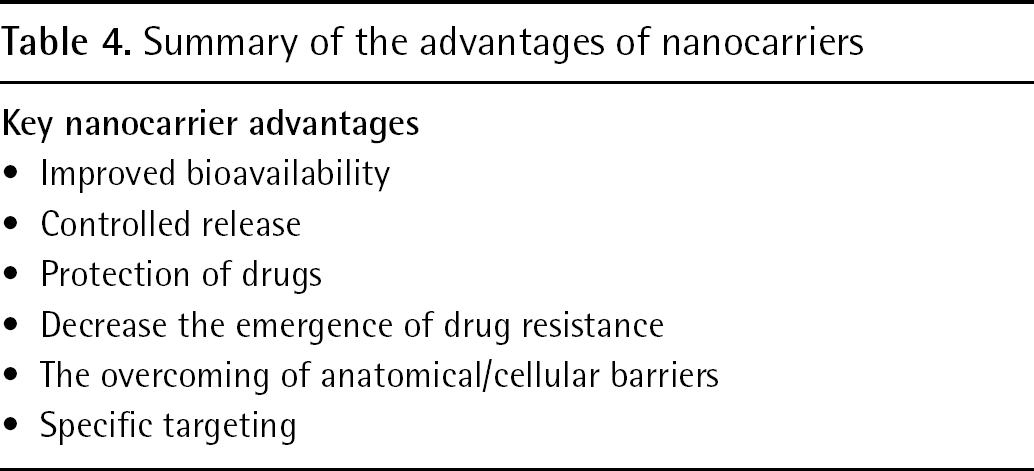
Using these nanocarriers it might be possible to overcome many problems of antiviral drugs in conventional dosage forms; their use might help to control solubility and dissolution rates (improvement in BCS score), increase drug bioavailability, protect sensitive drugs from degradation, reduce side effects and ameliorate tissue drug tolerance. Moreover, this type of nanotechnological approach provides the possibility of targeting specific biological sites either passively or actively (Table 4). Because of their unique features, such as size and lipophilicity, nanocarriers can target drugs to specific tissues or organs, such as the liver or the brain, while modifying nanocarrier surfaces enables them to reach particular sites and deliver the drug to specific cellular targets.
Summary of the advantages of nanocarriers
Nanodelivery systems can be applied for the local or systemic delivery of antiviral drugs. With respect to intravenous administration, they must be in the nanometre range in order to circulate in the bloodstream without being retained by the pulmonary capillaries. Specific strategies have been designed to overcome their uptake by the reticolo-endothelial system (RES). The most frequent approach to increase the longevity of nanocarriers avoiding the RES uptake is to modify their surface with certain hydrophilic polymers, such as PEG.
The nanoparticulate systems also present characteristics that are very suitable for ocular, nasal and pulmonary administration routes. Nanocarriers could be useful for the selective delivery of antiviral drugs or small interfering RNA (siRNA) to the nasal epithelia and lungs in order to target viruses that infect the respiratory tract, such as influenza viruses, respiratory syncytial virus and rhinoviruses, to name just a few.
Promising compounds shown to have antiviral effects in vitro, but that are not currently being administered in vivo because of solubility and bioavailability problems, could be administered using nanocarriers that can permit their administration; this can include peptides and nucleic acid delivery [12]. Certain nanodelivery systems might be suitable for the delivery of peptides and proteins protecting them from degradation.
In the past few years, RNA interference (RNAi) has emerged as a promising antiviral strategy that acts by silencing the gene expression of human viral pathogens, including that of influenza viruses, severe acute respiratory syndrome virus, flaviviruses, HIV, HCV and HBV [13–16]. Very recently, a study by DeVincenzo et al. [17] provided a unique proof-of-concept for an RNAi-based therapy in humans directed against respiratory syncytial virus [17]. Nevertheless, there are still many obstacles that impede the translation of RNAi into a potential therapeutic platform, and the most important obstacle regards the delivery of siRNA in vivo. Targeting the action of siRNA to specific tissues and cells could minimize toxic side effects and improve their therapeutic efficacy. However, even if siRNA reach the correct cellular target, their size and their negative charge make it difficult for them to cross the cell membrane, and many primary cell types are highly recalcitrant to siRNA uptake. Consequently, many delivery strategies based on nanotechnology are currently under development to address these challenges [18]. In addition to the advantages described above, the submicron size range of these delivery systems can also render intracellular uptake and transport of active compounds possible. In particular, the delivery of macromolecules into the cytoplasm is limited by their low membrane permeability and their degradation in the endosomal environment after uptake by endocytosis. Their incorporation into a nanoparticulate system could promote cell internalization and protect the molecules from degradation. This is an important feature because most antiviral drugs, like nucleoside analogues, target viral functions that are carried out within a cell. Various mechanisms govern the entry of nanoparticulates into cells, including caveolae-mediated endocytosis, clathrin-mediated endocytosis, phagocytosis and macropinocytosis [19]. Fluorescent-labelled nanoparticles can be used to study particle uptake by cells and their cellular trafficking. Another relevant feature of nanocarriers is the ability to overcome the physiological barriers. Nanomedicine is able to promote the delivery of drugs to the central nervous system. Various studies using different nanocarriers report enhanced in vitro and in vivo blood–brain barrier (BBB) permeability and drug accumulation in the brain [20]. Nanocarriers can enhance brain delivery by three major approaches: increasing the local drug concentration gradient at the BBB by passive targeting, allowing drug trafficking by non-specific or receptor-mediated endocytosis and blocking drug efflux transporters at the BBB. By selecting the components and the formulation parameters it is possible to prepare nanocarriers with physicochemical properties that allow delivery to the brain.
Three categories of nanocarriers have been investigated for the delivery of antiretrovirals to the central nervous system: polymer/dendrimer-based, lipid-based and micelle-based systems [20]. The blood–retinal barrier, the anatomical barrier that protects the eyes, could also be overcome using nanocarriers. Moreover, using nanotechnology-based systems it could be possible to reach anatomical compartments or cellular viral reservoirs that are not easily accessible to drugs in their current dosage form. For instance, the central nervous system, the cerebrospinal fluid, the lymphatic system, the macrophages and the semen are almost completely inaccessible to drugs, and are therefore compartments where HIV is harboured and evolves independently despite a successful highly active antiretroviral therapy [21–23]. Suboptimal drug penetration into these compartments complicates the treatment of HIV infection and the eradication of viral reservoirs from the patient. Similar issues apply to herpesviruses, which latently infect particular cells and tissues.
The administration of antivirals in nanoparticles might affect the therapeutic efficacy inhibiting efflux transporters. Drug efflux transporters, such as P-glycoprotein (P-gp) play an important role in limiting the transport of xenobiotic molecules through various critical barriers in the body. Many orally administered drugs must cross the basolateral membrane in the intestinal epithelium to reach the blood. P-gp could drive compounds from inside the cells back into the intestinal lumen preventing their absorption. In cancer cells P-gp enables the development of resistance to anticancer drugs [24]. The activity of efflux transporters, which expel drugs from cells, leads to subtherapeutic drug concentrations. Indeed, P-gp inhibition represents one potential strategy for the improvement of antiviral intestinal absorption. It has been previously demonstrated that the absorption of acyclovir in vitro is increased in the presence of P-gp-specific inhibitors, but this inhibition can increase side effects [25,26]. Another strategy is the use of nanoparticulate systems to deliver the drug into the cells favouring the absorption.
Another advantage of nanoparticles is that multifunctional systems can be obtained by engineering their surfaces. The advantageous characteristics resulting from such modifications, including longevity, targetability and stimuli sensitivity, thus combine to produce multifunctional nanocarriers that can simultaneously perform more than one useful function [27]. Such multifunctional nanocarriers could significantly enhance the efficacy of many therapeutic protocols.
Another emerging area of research is the development of integrated multifunctional nanosystems for diagnosis and therapy. These novel systems, called theranostics, are designed specifically for the simultaneous diagnosis and treatment of cancer. The nanosystem must be able to biomark cancer cells in order to achieve simultaneous and targeted imaging and treatment [28]. In the future, these integrated medical nanosystems could prove to be useful for the molecular diagnosis, treatment and monitoring of viral infections at the cellular level.
Nanoparticles have similar nanometre dimensions to viruses. This feature led several researchers to investigate the physical interaction of nanoparticles with viruses and to explore whether this interaction could be exploited as an antiviral strategy. Indeed, silver nanoparticles with mean particle diameters ranging from 10 to 50 nm have been shown to inhibit infection by various viruses including HIV, HBV, respiratory syncytial virus and monkeypox virus [29,–33]. All of these studies concluded that the direct interaction between the nanoparticles and the virus was responsible for the antiviral activity observed. It seems that nanoparticles exert antiviral activity at an early stage of viral replication, most likely as a virucidal agent or as an inhibitor of viral attachment and entry. Baram-Pinto et al. [34] further developed this strategy by designing silver nanoparticles capped with mercaptoethane sulphonate in order to target HSV and to compete for its binding to cell-surface heparan sulphates. This strategy resulted in effective inhibition of HSV type-1 infection in cell culture and led the authors to propose capped nanoparticles as active ingredients of topical microbicides for the prevention of viral infections that depend on heparan sulphates for entry.
Targeted delivery of antiviral agents
The concept of targeted drugs was first suggested by Paul Ehrlich in 1906 who postulated the magic bullet theory. One century after this intuition, targeted drug delivery by functionalized nanocarriers has become one of the most attractive and promising areas of research in nanomedicine. However, it should be pointed out that some key challenges must be addressed before achieving quantitative delivery and targeting in vivo [35]. Site-specific drug delivery could be obtained with different types of nanocarriers.
The majority of studies performed to date have focused on developing systems that improve the biodistribution of anticancer drugs and their accumulation in specific tissues. Three distinct strategies exist for drug targeting: direct injection to a specific site, passive targeting and active targeting. Passive targeting means the nanoparticulate carrier can reach a given organ by the virtue of its intrinsic properties, such as particle size or lipophilicity, whereas active targeting involves the presence of a ‘homing device’ that guides the carrier to its target site. Passive targeting associated with nanocarrier size permits the penetration of nanoparticles into tumour tissues because of the presence of leaky vasculature. This effect referred to as the ‘enhanced permeability and retention (EPR) effect’ results in nanoparticle accumulation within the tumours as demonstrated by Maeda et al. [36] (Figure 1). Because of their small sizes and surface characteristics, nanoparticles can be taken up by the lymphatic tissue in the gut (that is, the Peyer's patches containing M cells) after oral administration.
Lymphatic targeting has increased the amount of attention directed at nanopharmaceuticals because of the prospect of directly targeting lymphocytes with immunomodulators, resident HIV viruses with antiviral agents and disseminated tumour metastasis [37]. In stark contrast to molecularly dissolved drugs, nanocarriers can be designed for targeting the lymphatic circulation. With regards to injectable systems, although the particles must be large enough to drain, preferentially through the lymphatics, they must also be small enough to diffuse through the interstitial space away from the injection site. Sizes in the range of 10–100 nm are optimal. Moreover, hydrophilic nanoparticles clear more rapidly than hydrophobic nanoparticles following interstitial injection.
To date, lymphatic uptake has been widely investigated in relation to the oral administration of medicines. Desai et al. [38] studied the influence of poly(D,L-lactide-co-glycolide) nanoparticle sizes on gastrointestinal uptake in rats. Depending on the nanoparticle size, the Peyer's patch tissue showed a 2–200-fold higher uptake than non-patch tissue. The use of nanoparticle systems for oral drug delivery to the lymphatic system is rendered possible because of physiological particulate uptake mechanisms in the gut, especially the transcellular pathway involving vesicular transport through the M cells of Peyer's patches. Nanoparticles are taken up by M cells in a size-dependent manner and transported to lymphocytes in the form of vesicles. The lymphatic absorption of a drug can prevent its systemic metabolism by the liver and permit targeting to the lymphatic system. This peculiar particulate behaviour permits the lymphatic system to be reached and could be exploited to target viral reservoirs held within this compartment.
Active targeting can be accomplished by different strategies all consisting of surface modifications, in particular via a specific ligand-receptor-like mechanism. The primary strategy uses monoclonal antibodies raised against specific cells or tissues. Other molecules, such as sugars, polymers, proteins, vitamins, lectins and aptamers, can also be used as homing devices as depicted in Figure 2 [39].
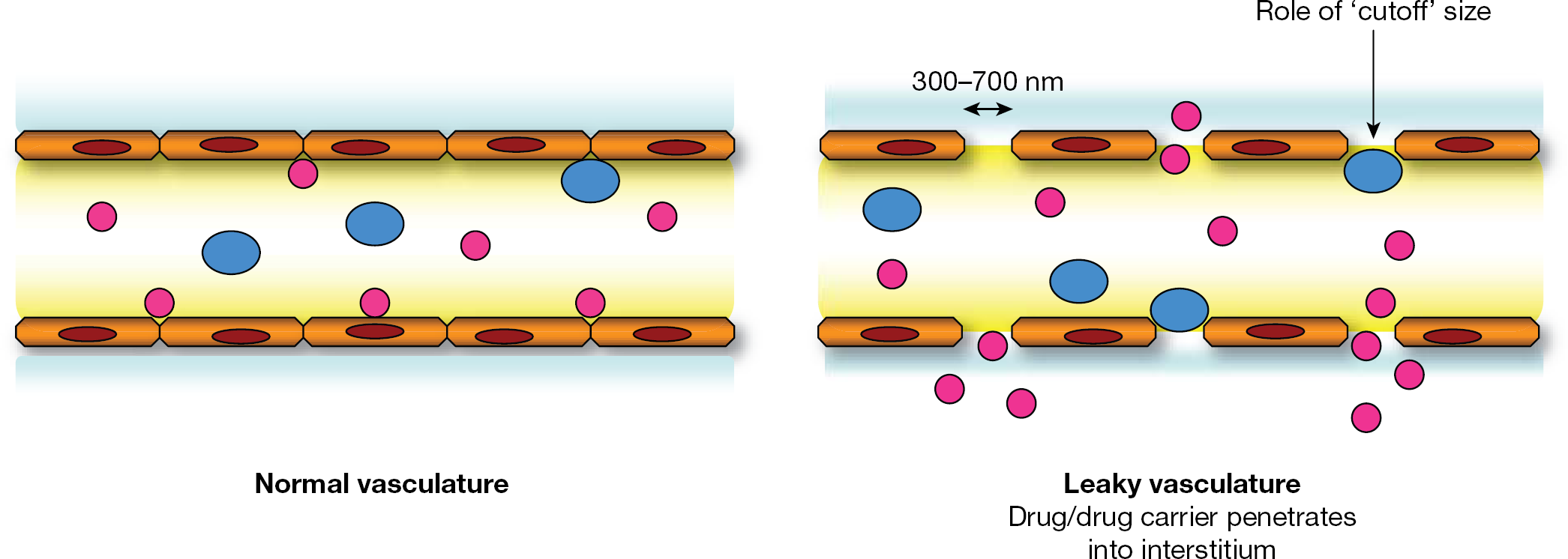
Schematic representation of passive targeting of tumour tissues associated with the enhanced permeability and retention effect
Another approach to target specific body areas or intracellular compartments is the use of stimuli-sensitive nanocarriers. This strategy exploits either intrinsically abnormal pH, redox and temperature values of pathological sites and intracellular organelles (that is, the endosomes) or externally applied stimuli, such as a magnetic field, temperature and ultrasounds. All of these stimuli are expected to dissolve, to modify or to guide the sensitive nanocarriers, resulting in the release of the loaded drug in a particular region, such as tumours, inflammation sites, infarcts or endosomes [27].
pH-sensitive nanocarriers are of particular interest in the area of therapeutic applications. The concept of pH-sensitive systems emerged from the knowledge that certain enveloped viruses (for example, the influenza virus) lose their envelope in the acidic environment of the endosomal lumen thereby infecting the cells, and that some pathological tissues, as in tumours, inflammations and infections, exhibit a relatively more acidic environment than normal tissues. Different classes of pH-sensitive systems have been proposed, such as liposomes, polymeric micelles and nanogels [9]. These pH-sensitive carriers can promote the intracellular release of the encapsulated drug when the pH changes. pH-sensitive liposomes are stable at physiological pH levels (7.4) but become unstable and fusogenic at acidic conditions (that is, in a lysosomal environment), releasing their aqueous content in the intracellular compartment.
External stimuli can also be used in combination with labelled nanocarriers that are externally guided (for example, by a magnetic field) or with specific delivery systems activated by the application of a physical stimulus, such as temperature or ultrasounds.
In magnetic drug delivery, an external magnet is used to guide the drug-loaded nano- or microparticles to the targeted organ and to hold them there. The carrier is therefore magnetically concentrated in the target organ, but the subsequent release of the drug is a passive process affected by the properties of the particulate system. By contrast, the use of ultrasound permits the activation of the drug release at the site of action. Unlike the various targeted systems developed for anticancer therapy, few examples have been reported in the literature until now for targeted antiviral therapy. Most of these are listed in Table 5 [40,,,,,,–51] and mainly concern liposomes or nanoparticles designed for the HIV treatment. An example of an external stimulus approach is that of magnetic microspheres containing interferon to achieve targeting using an external magnetic field [46].
Targeted delivery systems developed for antiviral drugs
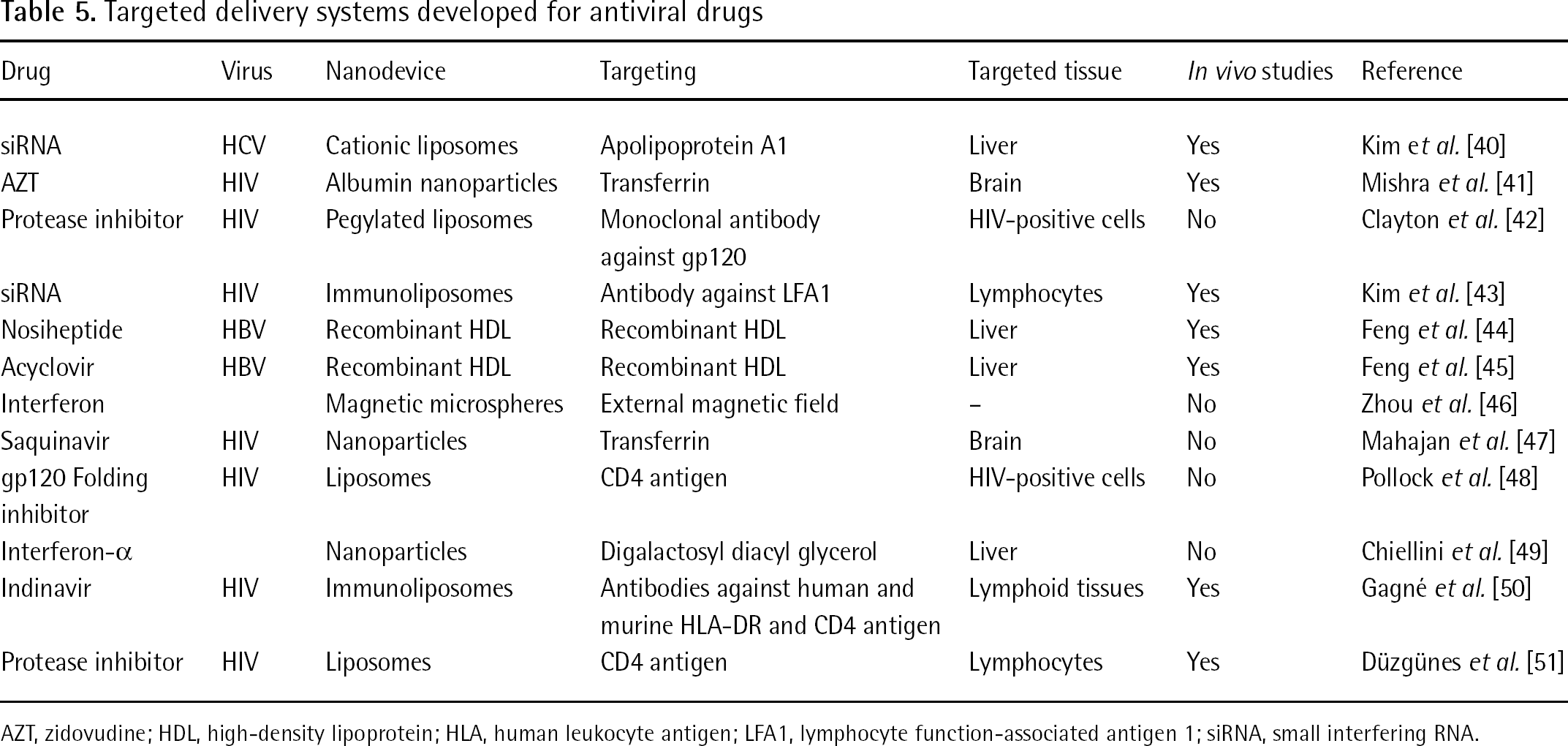
AZT, zidovudine; HDL, high-density lipoprotein; HLA, human leukocyte antigen; LFA1, lymphocyte function-associated antigen 1; siRNA, small interfering RNA.
Macrophages can act as a virus reservoir and sustain replication of HIV [52]. Macrophage targeting using nanoparticulate systems can be a therapeutic strategy because macrophages easily phagocytose foreign nanoparticles [53]. The size, composition and surface properties of nanoparticles can all affect macrophage uptake. For example, polyhexylcyanoacrylate nanoparticles with a diameter of approximately 200 nm were found to be the most useful for targeting antiviral substances to macrophages [54]; the same study demonstrated a good level of nanoparticle incorporation in macrophages obtained from HIV-infected patients. Additional targeting moieties can be added to nanoparticles to enhance the level of macrophage uptake. Mannan-coated nanoparticles containing didanosine were found to undergo greater targeting to macrophages by exploiting mannosyl receptor-mediated endocytosis.
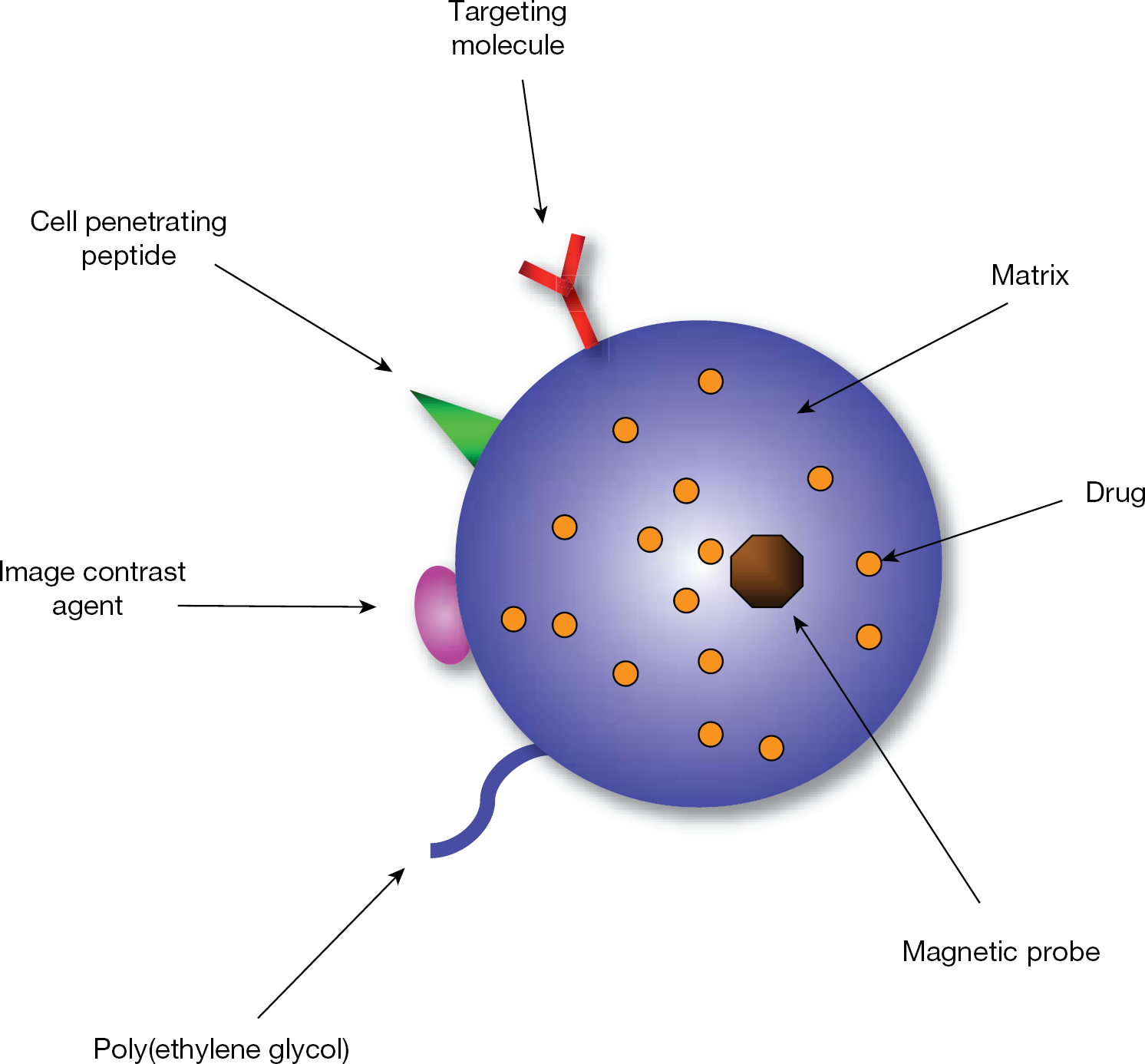
Schematic representation of a functionalized nanoparticle
Drug targeting using surface-modified nanocarriers is a strategy that permits delivery at the organ or even cell level. It was recently shown that the intracellular distribution of nanoparticles could be controlled by coupling TAT peptide or cell penetrating peptides to the nanoparticle surface in order to facilitate endosomal escape. This is particularly important for drugs that act within the cytosol or that must reach the nucleus [55]. The various nanoparticle surface modification strategies used for targeting purposes are listed in Table 6.
Summary of possible surface modifications of nanoparticle-based systems for targeting purposes
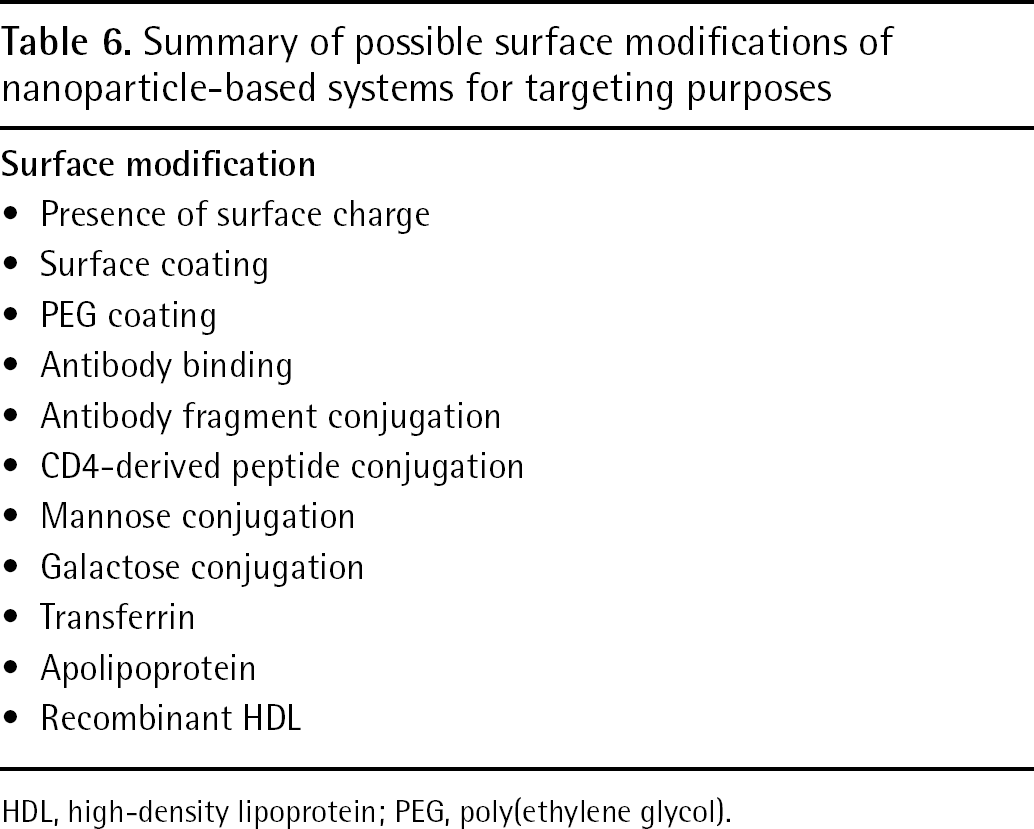
HDL, high-density lipoprotein; PEG, poly(ethylene glycol).
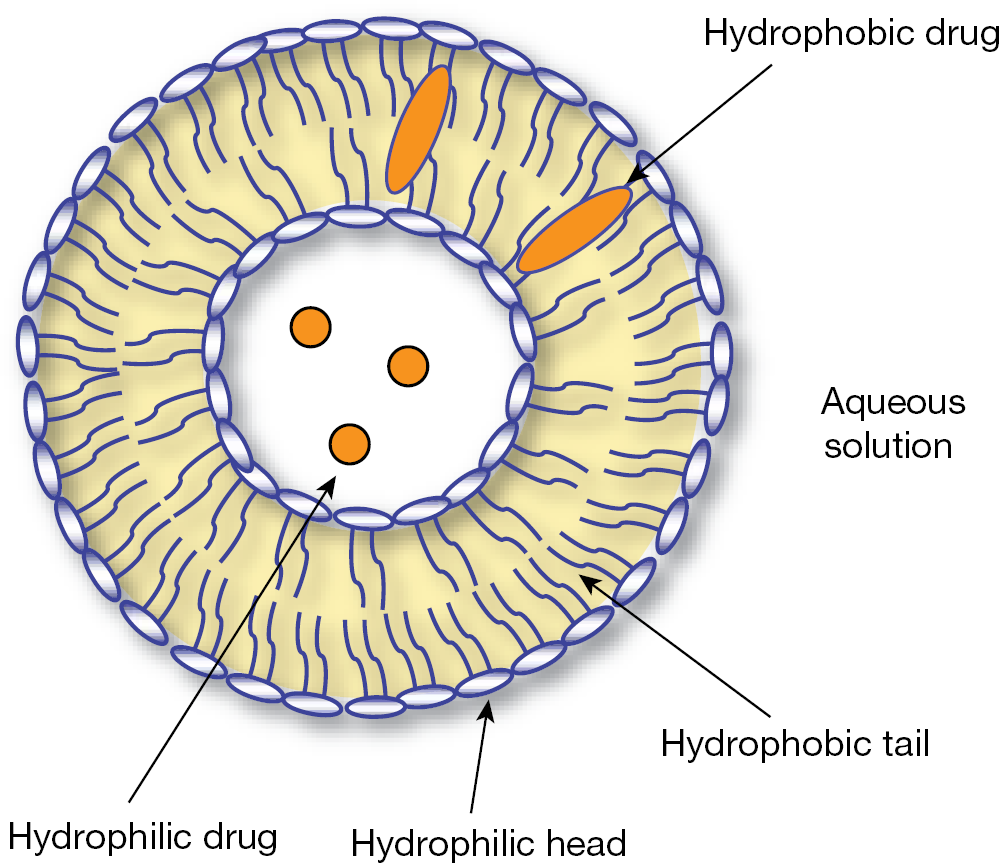
Structure of a liposome and schematic representation of possible drug incorporation
Overview of particulate carriers
The need for the development of new formulations for HIV, HBV, HCV and HSV antiviral treatments has been the major driving force in antiviral research. In this review, an up-to-date summary of the new formulations of HIV drugs will not be given because this task was recently completed by Sosnik et al. [56]. Moreover bio-conjugate systems and films have not been considered because this review was focused on particulate delivery systems. An overview of the most studied drug delivery systems proposed for use in antiviral therapies is, however, reported below.
Liposomes
Liposomes were the first vesicular carriers, proposed by Gregoriadis [57], to be used as drug delivery systems. Liposomes are lipid concentric vesicles in which an aqueous volume is completely enclosed in a lipid bilayer composed mainly of phospholipids and cholesterol (Figure 3). Liposomes can vary in diameter, from 20 to 30 nm up to microns, depending on their chemical composition and the preparation method used. Structurally, they can be classified as either small unilamellar vesicles or large unilamellar vesicles. They are able to encapsulate hydrophilic drugs within their inner aqueous phase and lipophilic drugs within their lipid bilayers. Liposomes are recognized as foreign matter by RES. Because HIV resides in macrophages, liposomes have been studied as promising carriers for anti-HIV drugs [58].
The liposome surface can be modified for different purposes. The incorporation of PEG molecules into the liposome bilayer prevents its interaction with plasma proteins and can consequently retard the recognition and removal of liposomes by RES. Functionalization of the liposome surface in order to achieve specific targeting has also been studied. These vesicular carriers also present certain disadvantages, such as poor stability both in vitro and in vivo, low encapsulation efficiency and high cost of production.
Some liposomal formulations are in clinical practice for the intravenous administration of anticancer or antifungal drugs. Liposomal formulations for cancer therapy currently on the market are Doxil® (pegylated liposomal doxorubicin; Ortho Biotech Products, Bridgewater, NJ, USA), Myocet® (non-pegylated liposomal doxorubicin; Cephalon, Frazer, PA, USA) and DaunoXome® (non-pegylated liposomal daunorubicin; Nextar, Boulder, CO, USA); Ambisome® (Gilead Sciences, Foster City, CA, USA) is a liposomal formulation of amphotericin.
A vaginal liposomal delivery system for acyclovir has been designed for the local treatment of genital herpes [59]. A bioadhesive hydrogel consisting of Carbopol 974P was used as vehicle for the liposome containing acyclovir. In vitro release studies showed that the system can be considered for the vaginal sustained release of acyclovir. Liposomes have also been studied for the oral administration of interferon-α [60], the intravitreal administration of antisense oligonucleotides using liposomes for the treatment of CMV have been designed [61] and positively charged liposomes for the topical administration of acyclovir have been prepared [62].
The in vitro corneal penetration and in vivo corneal absorption of acyclovir from acyclovir-loaded liposomes have been investigated. The extent of absorption with positively charged liposomes was higher than those from negatively charged liposomes. These were probably able to bind to the corneal surface, leading to an increased residence time favouring the acyclovir absorption [63]. Chetoni et al. [64] confirmed the liposomal efficacy for the ocular delivery of acyclovir.
Another form of vesicle proposed for drug delivery is the niosome, a vesicle similar to a liposome but formed with non-ionic surfactant instead of lipids [65]. The incorporation of acyclovir into liposomes and niosomes was recently compared [66]: niosomes were found to perform as better carriers for acyclovir because of their superior loading and slower release of the drug compared to that obtained with liposomes. Acyclovir-loaded in niosomes consisting of Span 60 (Merck, Frankfurt, Germany), cholesterol and dicetylphosphate have been investigated to improve the oral bioavailability of the drug. In vivo studies revealed that the niosomal dispersion enhanced, by >2-fold, the oral bioavailability of acyclovir in relation to the free solution [67].
Micelles
Micelles are colloidal structures (with particle diameters normally within the 5 to 100 nm range) belonging to a group of association or amphiphilic colloids (molecules that consist of two clearly distinct regions with opposite affinities towards water), which form spontaneously at certain concentrations and temperatures from amphiphilic molecules or surfactants. At low concentrations in an aqueous medium, such amphiphilic molecules exist separately; however, as their concentration is increased, aggregation takes place, although only within a rather narrow concentration interval. The concentration of a monomeric amphiphile at which micelles appear is called the critical micelle concentration, whereas the temperature below which amphiphilic molecules exist as unimers and above which they appear as aggregates is called the critical micellization temperature. The formation of micelles is driven by the decrease of free energy in the system because of the removal of its hydrophobic fragments from the aqueous environment and the re-establishment of a hydrogen bond network in water. The hydrophobic fragments of amphiphilic molecules form the core of a micelle, whereas hydrophilic fragments form the micelle's shell. When used as drug carriers in aqueous media, micelles are able to solubilize poorly soluble lipophilic agents within its core, and polar molecules can be adsorbed onto the micelle's surface [68] (Figure 4).
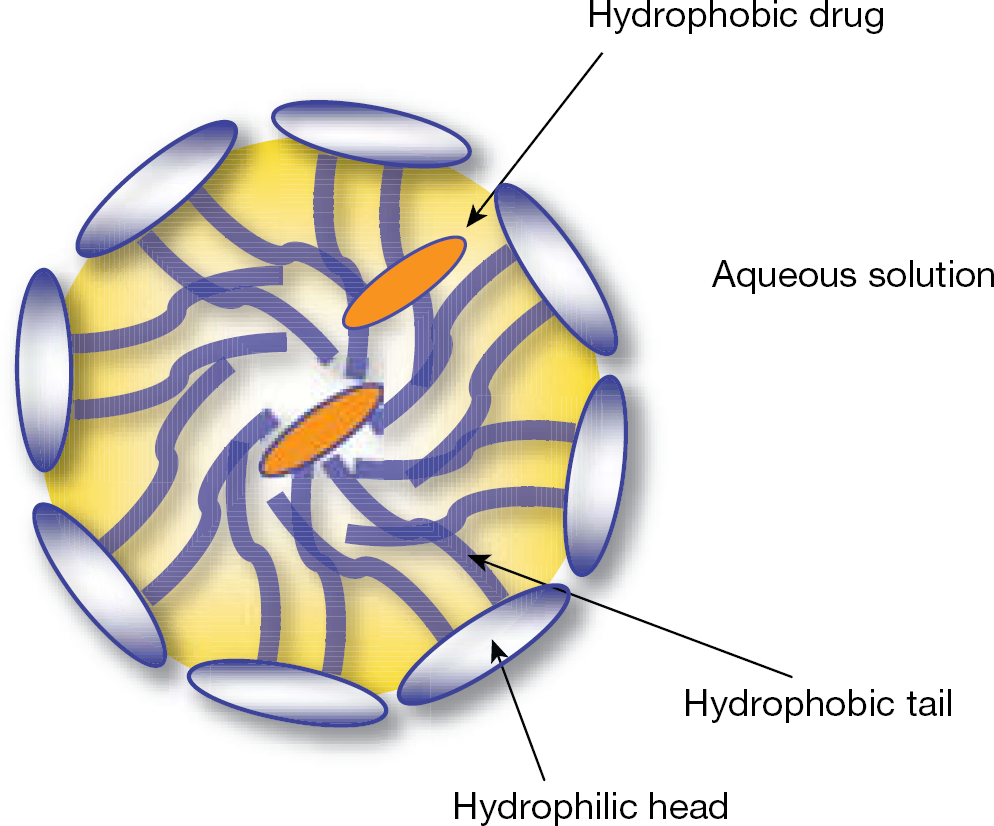
Schematic illustration of a micelle
Polymeric micelles are nanostructures used to improve aqueous solubility, intestinal permeability and site targeting of several drugs. Compared to conventional surfactant-based micelles, polymeric micelles are composed of block copolymers and show greater stability in vivo. Micelles of PEG-polylactide copolymer surface modified with galactose units can interact with lectins [69]. Lectin receptors are present on HIV viral reservoirs, such as T-lymphocytes and macrophages; thus, these copolymer micelles can be used as an approach for targeting viral reservoirs.
Block-copolymers of polyethylene-oxide–polypropylene-oxide, known as Pluronics® (BASF, Florham Park, NJ, USA), have been proposed to enhance the intestinal permeability of antiretroviral drugs. Amphiphilic molecules can also be used to obtain self-assembled nanoparticles in water. Self-assembled delivery systems using cholesteryl derivatives as prodrugs for antiviral therapy have also been studied. Cholesteryl derivatives of acyclovir have been synthesised and show a typical amphiphilic structure with the lipid as hydrophobic tail and the antiviral nucleoside as the polar head [70]. Self-assembled drug delivery systems have also been designed to obtain nanoparticles from amphiphilic molecules. A lipid derivative of acyclovir has been synthesized showing the ability to form nanoparticles that were rapidly removed from blood circulation by macrophage uptake after their injection in rabbits [71].
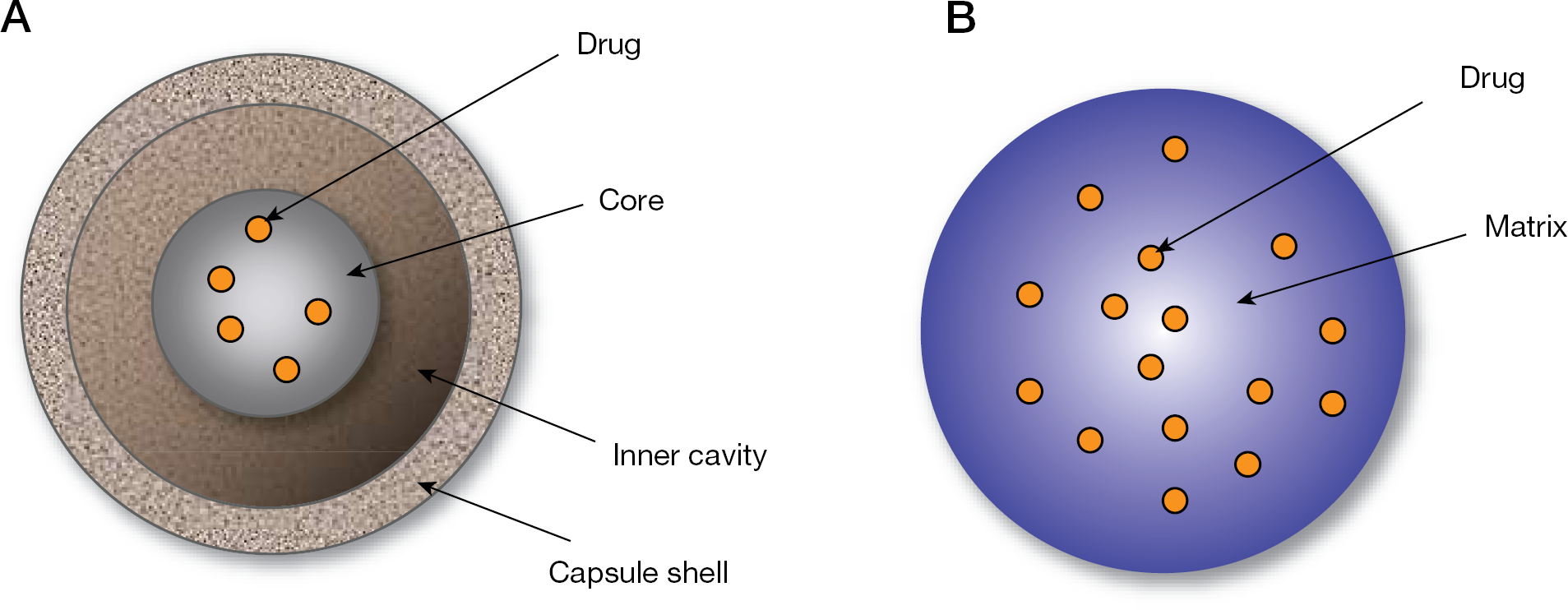
Schematic morphologies of the two types of particulate material
Microspheres
Microspheres are particulate carriers within the micron size range and are generally constituted of biodegradable polymers. They could be monolithic-type (matrix-type) or reservoir-type (capsular), the latter of which are called microcapsules (Figure 5). A wide range of techniques has been developed for their preparation to date. Different microsphere formulations have been studied as drug delivery systems for antivirals. Specifically, biodegradable particles could be suitable for antiviral administration via the intraocular route. Poly-D,L-lactide and poly(D,L-lactide-co-glycolide) microcapsules have been prepared by the spray-drying technique, and in the case of acyclovir were found to achieve high encapsulation efficiency. The microspheres were tested in vivo by intravitreal administration in rabbits and showed a prolonged release of acyclovir [72]. Microspheres of poly(D,L-lactide-co-glycolide) have been proposed for the intravitreal administration of acyclovir that aim at sustaining the release of the drug in order to minimize the dose as much as possible [73]. These acyclovir-loaded microspheres were prepared by the solvent evaporation method and a factorial design was applied to reduce particle sizes to values suitable for injection through a 27G needle and to increase drug loading. The same author proposed the successful application of biodegradable microspheres of poly(D,L-lactide-co-glycolide) containing the combination of acyclovir and vitamin A palmitate to treat herpes simplex and Epstein–Barr viruses. Acyclovir loading increased when vitamin A palmitate was added to the microspheres and the in vitro acyclovir release was subsequently prolonged for 50 days [74].
Semi-interpenetrating polymer networks of acrylamide grafted onto dextran and chitosan were prepared using an emulsion cross-linking method, with glutaraldehyde as the cross-linker for the encapsulation of acyclovir [75]. Microspheres of approximately 300 μm were obtained showing prolonged release kinetics of acyclovir.
To increase the oral bioavailability of acyclovir, mucoadhesive microspheres have been investigated as gastroretentive delivery systems. Dhaliwal et al. [76] evaluated different polymers and showed that the thiolated chitosan mucoadhesive microspheres improved the acyclovir oral bioavailability because of the enhanced retention in the upper gastrointestinal tract. Recently, mucoadhesive acyclovir-loaded microspheres were developed using ethylcellulose as matrix and Carpobol 947 (Lubrizol, Wicklife, OH, USA) as the mucoadhesive polymer, with the purpose of improving oral bioavailability of acyclovir [77]; the results of a mucoadhesion study [77] showed a prolonged residence time of the drug in rat gastrointestinal tracts.
Polymeric microspheres were also designed for the topical application of acyclovir in order to increase the drug concentration in the basal epidermis, which is the site of HSV infections [78]. The microspheres increased the retention of the drug in comparison with a drug suspension, and consequently allowed a decrease of the topical administration of acyclovir. A delayed release of acyclovir was also obtained by cross-linked malonylchitosan microspheres obtained by coacervation–phase separation [79]. The same research group also proposed acyclovir-loaded chitosan microspheres obtained by the spray-drying technique [80]. Microspheres loaded with interferon have been proposed for oral delivery [60]. Microspheres have also been proposed for use in sustained delivery systems for vaccines.
Nanoparticles
Nanoparticles are solid colloidal particles <1 micron in diameter and can be created using polymers, lipids, proteins or other substances, such as inorganic materials. They can have a matrix-like or capsule-like structure (Figure 5) as described above for microspheres, obtaining nanoparticles and nanocapsules, respectively. The active molecules can be dissolved or encapsulated within the nanoparticles. Because of their small sizes they can be administered intravenously. As for liposomes, opsonization of nanoparticles in the blood can be prevented by the presence of hydrophilic moieties on their surface, such as PEG chains. These are known as stealth nanoparticles [81].
Polymeric nanoparticles are formulated using either natural or synthetic polymers with a high level of biocompatibility to reduce cytotoxicity and maximize tissue compatibility. The only polymers that have been approved by the US Food and Drug Administration for human use are poly-D,L-lactic acid (PLA), polyglycolic acid, poly(lactic-co-glycolic acid), poly-e-caprolactone and poly(methylmethacrylate). Nanospheres made of PLA containing acyclovir were prepared by a nanoprecipitation process. To obtain PEG-coated nanospheres 1,2-distearoyl-β-phosphatidylethanolamine was also incorporated. In vitro experiments were carried out to compare the ocular pharmacokinetics of the two types of acyclovir-loaded nanospheres compared with an aqueous suspension of the free drug. A PEG-coated microsphere significantly improved the aqueous level of acyclovir and could be suitable for the treatment of ocular viral infections.
Poly(hexylcyanacrylate) nanoparticles were prepared by an emulsion polymerization process as antisense oligonucleotide carriers for antiviral therapy [82]. Cidofovir, a nucleotide analogue active against HCMV and smallpox virus, was encapsulated in poly(isobutyl cyanoacrylate) nanocapsules with an aqueous core by Hillaireau et al. [83].
Acyclovir-Eudragit nanoparticles were prepared using different charge density Eudragit® (Röhm, Darmstadt, Germany), copolymers of poly(ethylacrylate, methacrylate and chlorotrimethyl methacrylate), and the formulation bioavailability was assessed in human volunteers compared with commercial products. The polymeric nanoparticles increase the oral bioavailability and prolonged the activity of acyclovir [84].
The majority of lipid nanoparticles can be classified as either solid lipid nanoparticles (SLN) or nanostructured lipid carriers (NLC) and they are made from lipids that are solid at body temperature with a mean diameter generally within the 50–500 nm range. SLN were first introduced by Gasco [85], and Muller and Lucks [86].
SLN possess several advantageous properties, including the solid state of their particle matrix, their ability to protect chemically-labile ingredients against chemical decomposition and their potential use in the modulation of drug release. Upon parenteral administration of SLN, improved bioavailability, targeting and enhanced cytotoxicity against cancer cells have been observed [81].
NLC are composed of a solid lipid matrix with a certain liquid lipid phase content. SLN and NLC might be able to overcome the problems of membrane stability and drug leaching that are associated with liposomes and conventional emulsions [87,88]. Acyclovir-loaded SLN have been prepared showing a good incorporation [89], and those with diameters of approximately 400 nm showed greater in vitro activity than free drug [90]. Adefovir dipivoxil has been formulated in SLN composed of monostearin for use in HBV therapy.
Protein nanoparticles have also been developed as drug carriers. Albumin nanoparticles for ganciclovir delivery were prepared by coacevation and chemical cross-linking with glutaraldehyde. Depending on the step in which the glutaraldehyde was added in the preparation method, nanoparticles between 200–400 nm with a different drug incorporation and release profile were obtained [91].
Albumin nanoparticles have been studied as a delivery system for antisense oligonucleotides [92]. Phosphodiester and phosphorothioate oligonucleotides were adsorbed onto the surface or incorporated into the matrix of nanoparticles. The antiviral activity was evaluated in fibroblasts infected with HCMV. Both types of nanoparticle formulations protected the oligonucleotides from enzymatic degradation, thus increasing their antiviral activity. Hillaireau et al. [83] encapsulated cidofovir in poly(isobutyl cyanoacrylate) nanocapsules with an aqueous core for the encapsulation of azidothymidine-triphosphate and cidofovir showing a high incorporation efficiency of the two drugs. Cationic gelatin nanoparticles increased the immunostimulatory effects of CpG oligonucleotides [93].
Dendrimers
Dendrimers are perfectly ordered, nanostructured polymers, characterized by a branching structure emanating from a central core (Figure 6). Their small sizes (<100 nm in diameter) and the possibility of binding targeting ligands to them renders dendrimers attractive for use in drug delivery [94]. They have been proposed as carriers for DNA, siRNA and antiviral drugs. Acyclovir-terminated thiophosphate dendrimers have been synthesised [95]: dendrimer drug polyconjugates that are soluble in water and that can act as a macromolecular prodrug of acyclovir have been obtained. Peptide-derivatized dendrimers have been found to inhibit HCMV replication by blocking virus binding to cell-surface heparan sulphates [96]. VivaGel™, a dendrimer-based formulation developed by Starpharma (Melbourne, Australia) with activity against HIV and HSV [97] has successfully completed Phase I clinical trials [98] and is expected to be available on the market soon as a microbicide for the prevention of sexually-transmitted HSV infections.
Emulsion-based delivery systems
Emulsions are heterogeneous systems generally consisting of an aqueous phase and an oil phase. In oil-in-water emulsions, the oil is dispersed as droplets within the water; the reverse is also possible and is called a water-in-oil emulsion. Emulsions with droplet sizes <100 nm are called microemulsions and are transparent systems. These microemulsions differ fundamentally from emulsions. Microemulsions are thermodynamically stable systems displaying indefinite stability, whereas emulsions are merely kinetically stabilized and thermodynamically instable, which means that emulsions will tend to separate into oil and water phases. Microemulsions are systems consisting of water, oil, surfactants and cosurfactants, and they are useful for drug delivery because of their capacity to solubilize both water-soluble and oil-soluble compounds.
The potential applications of emulsions and microemulsions include their use as carriers for drugs with poor water solubility, sustained-release systems and site-specific drug delivery achieved by binding ligands for various cell-surface receptors to the particle surface.
Emulsion formulations can be used as vehicles for delivering antivirals within the human body. A microemulsion drug delivery system of acyclovir has been designed with the aim of improving oral bioavailability. An in vitro intraduodenal diffusion and in vivo study revealed an increased bioavailability of approximately 13% after the oral administration of an acyclovir microemulsion formulation compared with that achieved with commercially available tablets [99]. Positively charged microemulsions have been formulated for the topical application of acyclovir. A two-fold increase in acyclovir accumulation was obtained in comparison with a drug suspension as control [100].
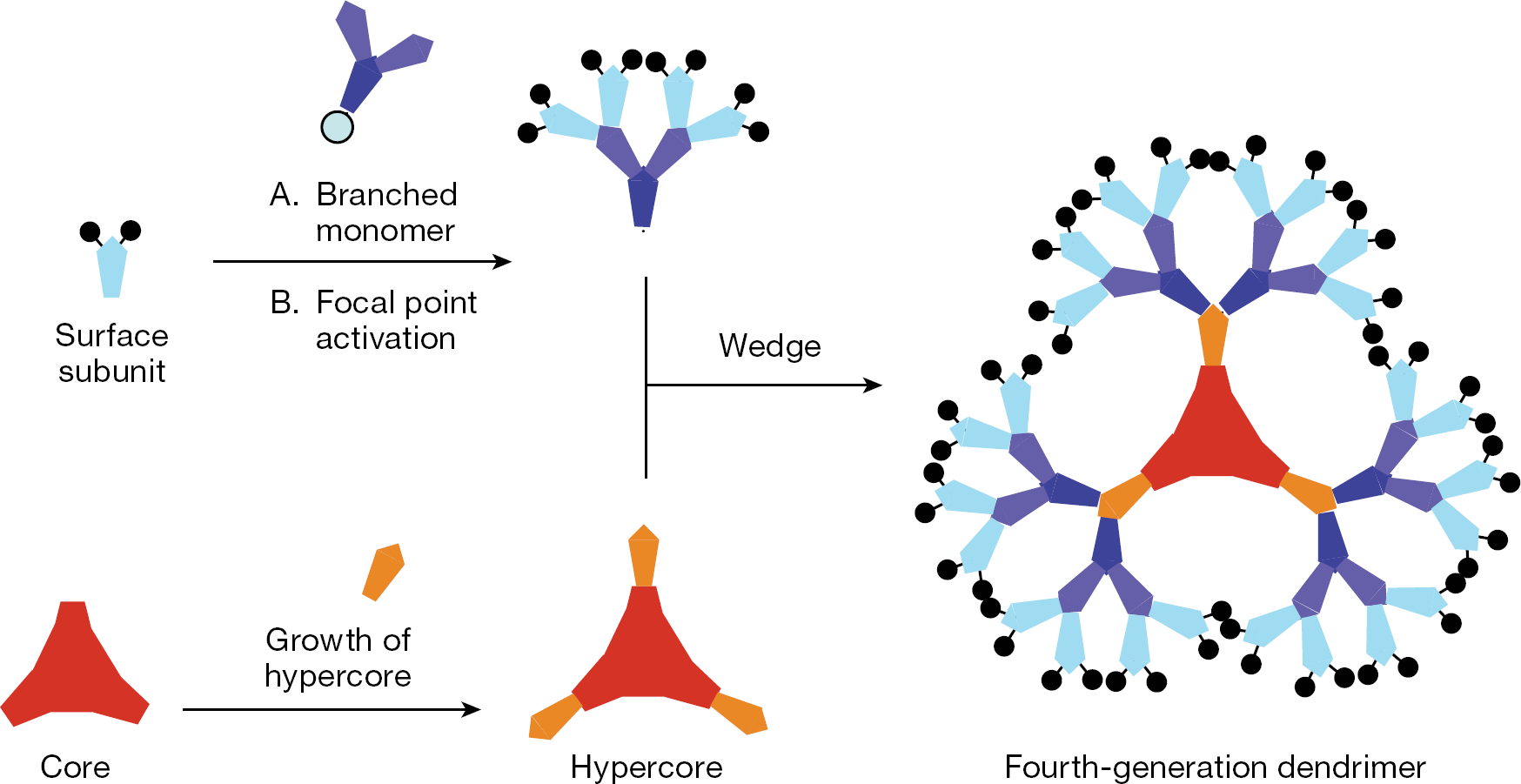
Schematic illustration of the synthesis of a fourth-generation dendrimer
Hydrogels
Nano- and microhydrogels (that is, nanogels and microgels) form another type of particulate polymeric material. They are formed of cross-linked polymeric networks ranging in size from 10 to 1,000 nm swollen by a good solvent. Compared with soluble polymers, they show different properties, such as rheological behaviour, resistance against degradation, high drug loading and the possibility of carrying structural residues sensitive to external stimuli, such as pH, temperature, light and redox reactions. Hydrophilic natural or synthetic polymers can be transformed in particulate systems using different technological processes, such as emulsion polymerization, chemical cross-linking and physical cross-linking [101]. Thermosensitive hydrogels have been designed using a carboxymethylderivative of scleroglucan for topical application of antivirals [102]. Ferruti et al. [103] developed nanohydrogels by cross-linking copolymers based on poly(amidoamine) s (PAAs) and β- or γ-cyclodextrin (CD), capable of simultaneously solubilizing and selectively delivering drugs without the formation of covalent polymer–drug linkages. These constructs form nanogel in aqueous systems with high swelling capacity [103]. The PAA/CD nanoparticles can have a CD content of 10–35% on a weight-to-weight basis. They showed the capacity to incorporate molecules, such as drugs and proteins, and then slowly release them. Acyclovir-loaded PAA/CD nanoparticles showed an incorporation of the drug of approximately 15%, which is released with sustained kinetics in vitro.
Cyclodextrin-based delivery systems
CDs are cyclic oligosaccharides derived from starch and shaped like truncated cones because of the chair conformation of the glucopyranose units. The most common CDs are α-, β- and γ-CDs, possessing six, seven and eight glucopyranose units, respectively. CDs are able to form non-covalent inclusion complexes (or host–guest complexes). CD complexes are mainly used in the pharmaceutical field to improve aqueous solubility, bioavailability and stability of drugs.
The CD complexation of acyclovir and ganciclovir has been studied in order to increase the drugs' solubilities [104]. The in vitro antiviral activity of ganciclovir against several strains of HCMV was enhanced by complexation with β-CD [105]. Derivatives of CDs have been synthesised to improve the complexation capacity and the technological properties of parent CDs.
A new PAA copolymer with β-CD was obtained by polyaddition reaction of 6-deoxy-6-amino-β-CD (β-CD-NH2) and 2-methylpiperazine to 2,2-bis(acrylamido) acetic acid in aqueous medium. This β-PAA/CD copolymer bears β-CD units along the macromolecular chain, is water-soluble and non-cytotoxic. This copolymer showed a good acyclovir complexation capacity. The antiviral activity of the acyclovir–β-PAA/CD complex was evaluated against HSV in cell cultures exhibiting a higher antiviral activity than the free drug [106].
Amphiphilic CD derivatives are of much interest for pharmaceutical applications because of their ability to self-organize in water [107]. Sulphated and non-sulphated amphiphilic α-, β- and γ-CDs show the ability to complex with acyclovir [108].
Novel polymeric nanoparticles based on a β-CD-poly(4-acryloylmorpholine) monoconjugate (%bT-CD-PACM), a tadpole-shaped polymer in which the β-CD ring is the hydrophilic head and the PACM chain the amphiphilic tail, were prepared by the solvent injection technique. Acyclovir-loaded nanoparticles were obtained from inclusion complexes of acyclovir with β-CD-PACM. The antiviral activity of acyclovir loaded into β-CD-PACM nanoparticles against two clinical isolates of HSV type-1 was evaluated in comparison with that of both the free drug and the soluble β-CD-PACM complex. When carried in the nanoparticles, acyclovir showed an enhanced antiviral activity compared with the other formulations tested [109]. Acyclovir nanoparticles with other types of amphiphilic CDs have been designed.
Nanoparticles made of amphiphilic perfluoroalkyl α-CD have been prepared for the transport of acyclovir [110]. These fluorinated amphiphilic CD nanoparticles encapsulated acyclovir with an efficiency of about 40% and allowed its sustained release. Nanosponges are a new class of material consisting of nanoporous solid particles. Recently, CD-based nanosponges have been prepared [111,112]. They are nanoparticles with a rather spherical shape consisting of hyper cross-linked CDs (β or γ) nanostructured in a tridimensional network. Nanosponges can be synthesised as neutral or acid, and can be swellable according to the agent used as cross-linker. The cross-linking-to-CD ratio can be varied to improve the drug loading.
Nanosponges showed the capacity of encapsulating various types of molecules in their structure based on the formation of inclusion and non-inclusion complexes [113]. The acyclovir loading capacity in carboxylated nanosponges was approximately 60% w/w and the in vitro release profile showed a prolonged release over time. The acyclovir loaded in nanosponges exhibited a higher antiviral activity than the free drug evaluated against HSV in cell cultures [114].
Nanocrystals
Nanocrystals of pure drugs can improve their dissolution rate and bioavailability. They can be formulated as aqueous nanosuspensions in the presence or absence of stabilizers, such as non-ionic surfactants. Nanocrystals are suitable for nanoparticulate formulation of drugs with properties such as an insolubility in both water and oil, a high melting point, a high log P and high dose. Following the Noyes–Whitney equation, progressive size reduction of the drug particles leads to an increase in the surface area resulting in an increased dissolution rate. Additionally, particle size reduction results in a decrease of the diffusion layer thickness surrounding the particles and an increased concentration gradient between the surface of the particle and bulk solution, which facilitates particle dissolution by increasing dissolution velocity. Therefore, nanosizing is a suitable approach for increasing bioavailability of those drugs where dissolution is the rate-limiting step in systemic absorption. Van Eerdenbrugh et al. [115] investigated the dissolution and in vitro absorption of a poorly water soluble non-nucleoside reverse transcriptase inhibitor, loviride (water solubility 0.1 mg/l), after nanonization. Nanocrystals can be obtained by different technological processes.
The media-milling technology, developed by Merisko-Liversidge et al. [116], is a proprietary wet milling technology (Nanocrystal®) of the Elan Corporation (Athlone, Ireland), and there are at least four oral dosage forms currently in the market containing pure drug nanoparticles (that is, Rapamune®; Wyeth, Princeton, NJ, USA).
Conclusions and future perspectives
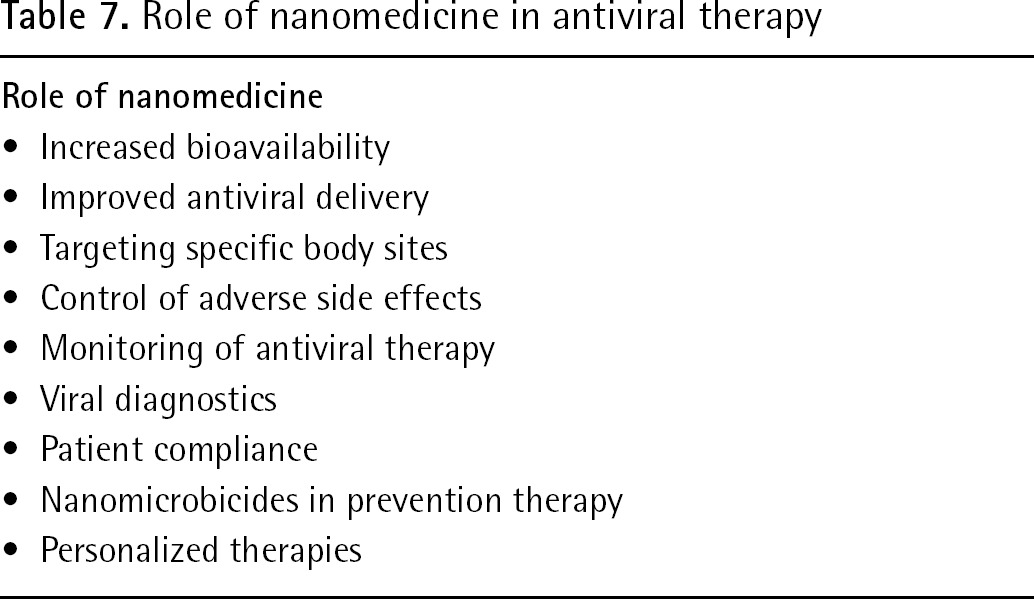
The nanomedicine approach opens new therapeutic strategies for attacking viral diseases and for improving treatment success rates. Innovative nanomedicine solutions are expected to have great effects in the treatment as well as the eradication of infectious diseases. Their role could be important in prevention, early diagnosis, more effective drug delivery systems, specific targeting and personalized therapy (Table 7).
Role of nanomedicine in antiviral therapy
In particular, nanoparticulate-based systems could improve the efficacy of antivirals, restrict adverse drug side effects and reduce treatment costs. These features are particularly relevant in viral diseases where high drug doses are needed, drugs are expensive and the success of a therapy is associated with patient adherence to the administration protocol. This latter issue is very important in viral treatments where complicated or chronic regimens are common. Nanotechnology can reduce intake frequency and shorten the time of treatments, potentially rendering the treatment more cost-effective.
In addition, nanomedicine can enhance the effectiveness of approved antiviral drugs and extend their applicability by overcoming limitations, such as low bioavailability and cellular barriers. However, several important issues must be addressed before the potential of nanotechnology can be translated into safe and effective antiviral formulations for clinical use.
Nanotoxicology is a relatively new discipline and requires further development [117–119]. A deep exploration of the toxicological and the bioelimination aspects of nanocarriers is required to ensure safe manufacture and use of nanomaterials. Note, however, that the risk–benefit assessment of an antiviral formulation should be based on more stringent criteria than that for anticancer formulations, for example, because many viral infections are not life-threatening.
Virologists should be directly involved in the development of antiviral nanocarriers. Besides discovering new antiviral molecules to be delivered by nanocarriers, virologists should also be addressing other important matters; for instance, the selective targeting of a nanocarrier to infected tissues requires the identification of molecules or functions that are differentially expressed or carried out by a virus-infected cell. Ideally, this knowledge should be provided for each virus against which an antiviral drug is available. So far, we do not know whether it is possible to exploit passive targeting for antiviral therapy in a way analogous to that in anticancer therapy. Nanocarriers loaded with anticancer drugs could be passively targeted to a tumour because of the enhanced EPR effect. Virologists should explore the possibility that virus-infected tissues or cells could be more susceptible (or recalcitrant) to nanodelivery systems.
From a technological point of view, the main objectives of future antiviral therapy research will be the identification of new technologies for the characterization of nanoscale materials, the development of nanodelivery systems devoid of cytotoxicity and with high biocompatibility and biodegradability, the functionalization of nanocarriers for effectively targeting specific sites of viral infection in order to reduce drug-related toxicity in other tissues, the design of molecules that, as well as acting as the active carriers, also possess intrinsic antiviral therapeutic properties (for example, dendrimers and metallic nanoparticles), the optimization and scale-up of the production procedures in good manufacturing practice (GMP), the development of regulatory guidelines suitable for nanocarriers, the development of cost-effective nanotechnology-based formulations and, finally, making them available to developing countries. In conclusion, the main ethical and scientific challenges of research into antiviral nanomedicines are to produce safe and high quality therapies at reasonable costs
Footnotes
Acknowledgements
This research was supported by grants from Regione Piemonte (Ricerca Finalizzata 2008-bis and 2009). We thank Agnese Bisazza and Andrea Civra for their excellent assistance.
The authors declare no competing interests.