




Abstract
BACKGROUND:
Occupational health factors such as shift work, sleep, fatigue, and work environment jeopardise the health and safety of gas station workers. This calls for new research to investigate how the working environment and characteristics impact the occupational health of workers at gas stations. However, minimal research has been conducted in this field, especially those involving psychological and behavioural factors, occupational stress, and so forth.
OBJECTIVE:
This review was performed to investigate the present condition of the occupational risk of gas station workers in this safety-critical position.
METHODS:
Five databases (Web of Science, ScienceDirect, PubMed, Google Scholar, and PsycINFO) were searched for relevant peer-reviewed studies. Results were selected according to these criteria: studies on fatigue, shift work, sleep, and physical and mental health of gas station employees; published on or before November 11, 2021; papers in English.
RESULTS:
Twenty studies were considered for the final analysis. The results showed that shift work at gas stations leads to psychological and physiological problems. The psychological consequences included anxiety, stress, and depression, while the physiological consequences included biochemical changes and lifestyle consequences.
CONCLUSION:
Shift work and the specific working environment of gas station employees adversely affect their sleep, stress levels, physical and mental health, and turnover intention. This systematic review allowed us to consider the occupational risk factors that can lead to sickness or accidents and contribute to reducing these risk factors. Realistic countermeasures ought to be established and interventions must be explored to mitigate risks to life, property, and the environment in operating gas stations.
Introduction
In recent years, with the continuous acceleration of urbanisation and the rapid improvement of people’s living standards, the number of gas stations has been increasing every year. As an important link in the oil industry chain, the gas station industry has also made great contributions to the economy [1]. The working responsibilities of gas station employees in different countries and regions are different. On the one hand, some countries such as the UK and United States adopt self-service refuelling [2], and many gas stations only need to employ a few workers. Other services such as pumping gas and filling water are also done by customers themselves after fuelling up. On the other hand, other countries such as China still rely on gas station workers for refuelling operations [3], which drives the increase in the number of gas station workers. However, regardless of the operational mode, gas station workers are faced with common occupational health problems and hazards.
Little research has focused on the occupational health of gas station workers in comparison to the range of risk factors they are exposed to. Gas station workers are frequently under extreme stress and have heavy workloads, including not only refuelling up and selling but also additional safety duties [4]. At work, they stand for long periods and work in shifts, and are typically exposed to noise [5], fumes, and organic solvents [6]. Also, they must maintain high degrees of focus and attentiveness at work to ensure a correct operation and avoid accidents. Moreover, gas stations provide favourable conditions for workplace accidents [7]. Thus, improving both the mental and physical health of gas station workers, avoiding accidents and disasters, and promoting their well-being are of great importance, and concrete countermeasures should be devised.
Job characteristics of gas station workers
Owing to the nature of the gas station industry, workers generally work for a long time daily, and most do shift work. Shift work is a common work schedule that includes hours outside of the traditional 8-hour workday, which has been linked to several inappropriate consequences such as cancer [8] and cardiovascular disease [9]. Shift work is also related to some problems such as reduced work safety [10, 11] and productivity [12], of which the most important is fatigue [13].
In terms of workload, several job characteristics have been presented in the context of working. The job of gas station workers includes not only refuelling, selling, and communicating with customers or colleagues but also additional security tasks [14]. As a service industry, they also need to be emotionally intelligent while providing high-quality service at all times. When job demands overload the abilities and coping skills of workers, they become a risk factor, generating stress and other health problems [15]. Workers must fulfil certain job demands and complete repetitive and mundane daily tasks in a fast-paced and dangerous work environment [16, 17], which often lead to high-workload fatigue and job burnout.
Workers’ well-being, both during work and time off work, may be harmed by such job characteristics, which may prevent them from pursuing other occupations and interests. Furthermore, physical and psychological factors are interconnected and influence one another. As a result, health issues not only impair work performance and efficiency, resulting in fatigue and stress, but also affect the quality of life outside of work and even life expectancy. Currently, only a few studies have focused on the negative impact of work-related health issues on workers’ well-being both at work and outside work in gas stations.
Chemical and physical risks in the workplace
Organic solvents are unavoidable in gas stations. Thus, gas station workers are chronically exposed to a chemical risk factor associated with inhalation or exposure to organic solvents, a volatile compound present in various materials and widely used in in gas stations. Chemical hazards are acknowledged in the literature and have been reported to pose higher health risks and to be linked to a higher potential loss over time.
Among the chemical risk factors, benzene is the most harmful to gas station workers. Automobiles are thought to be the primary source of benzene because they are associated with gasoline fumes, gas stations, and gas emissions. Benzene is a colourless, volatile, soluble, flammable liquid with a high carcinogenic potential that poses a considerable danger to human health even at small doses [18]. Benzene is associated with gasoline and vehicle exhaust emissions, which permeate gas stations, and workers are inevitably exposed to them in the course of their work [19]. The World Health Organisation has identified benzene as a strong carcinogen. Workers chronically exposed to organic solvents especially benzene can develop various health conditions such as immune [20], endocrine [21] and haematological conditions [22, 23], hepatic and renal dysfunctions [23, 24], visual disorders [25], and peripheral auditory disorders [26]. In addition to their physiological effects, organic solvents have toxic effects on the central nervous system. Evidence shows that the brain is susceptible to organic solvents, which can cause serious changes in neural development and ultimately lead to cognitive deficits [27–30]. In a previous study, petrol sniffing had an immediate effect on psychomotor performance that occurred within 3–5 minutes and continued for 5–6 hours [31].
The hazards posed by organic solvents can obviously affect work safety and performance, and physical and psychological health [32 33]. However, only few empirical studies have been conducted in this area, and the mechanism underlying the relationships between exposure to organic solvents, work performance, mental health, and well-being is still unclear.
The use of protective equipment and the occurrence of occupational accidents among gas station workers are closely related to chemical risk factors. Protective equipment such as masks, gloves, goggles, and uniforms are required to reduce the intensity of exposure and prevent occupational exposure [34]. This can easily lead to workplace accidents and health problems if workers are regularly exposed to organic solvents without adequate protection [17]. Workers may experience anxiety and insecurity as a result of their low job security, which lead to negative emotions and affect their well-being. This emphasises the significance of psychological variables.
Work-related health problems
With an average daily work length of up to 10 hours, staying longer in such environment would most certainly expose workers to greater dangers, perhaps resulting in more health concerns. The hazards reported in the previous studies include musculoskeletal disorders, dizziness, low back pain, headaches, eye irritation, cough, and nausea [35, 36]. Musculoskeletal disorders can cause increased absenteeism, costs, and injuries. Data suggests that approximately nine in every ten oil workers in Nigeria have musculoskeletal disorders [37]. When working for lengthy periods, workers inhale and are exposed to more organic solvents, which exacerbate the adverse symptoms. A study reported that chemical occupational accidents are frequent among gas station workers with longer exposure times [38]. While these studies have contributed significantly to our understanding of the effects of job characteristics in specific situations or workplaces, their primary focus was on the working environment and physical outcomes, paying little attention to the psychological aspects of the situation and how workers might be able to relieve it.
Concerning sleep problems, humans have a fundamental physiological need for sleep and a steady biological clock, but in gas stations, workers usually work two or three shifts, which involve irregular working hours. They are more likely to have sleep problems than people who do not work shifts. When people are required to work shifts, their biological clocks are messed up, their sleep-wake cycle is disrupted [39], and they become sleep deprived [40], all of which reduce work performance [41].
Occupational stress can be considered unavoidable in the workplace. Gas station workers not only experience a massive workload, but also maintain a high level of motivation and alertness to do their jobs. Some of them must deal with sales advertising and customer complaints and even shoulder additional safety duties. Thus, they often face a certain degree of stress.
To sum up, gas station employees are facing a series of occupational-related risk factors, such as shift work, high workload, poor work environment, fatigue and sleep problem, and work stress, which will ultimately affect their physical and mental health.
The present study
Gas station workers face occupational health risk factors in their daily work. As they play a significant role in the gas station industry, their occupational health needs must be given attention. However, no systematic review has been conducted on this topic. This study helps to assess the current state of literature on mental and physical health statuses of gas station workers. In doing so, the present study though a systematic overview investigated the current condition of the occupational risk of gas station workers in this safety-critical position, and thereby fill in the research gap on this topic. In this study, we first conducted a literature search and screening, and then a systematic description, analysis, and assessment, paying special attention to the occupational health statuses and outcomes of gas station employees. Lastly, we propose recommendations for possible interventions to mitigate risk factors that affect the health of gas station employees.
Methods
Search strategy
A systematic search of the existing literature was conducted to find suitable articles for inclusion in this study. Papers were identified from the following electronic databases: Web of Science, ScienceDirect, PubMed, Google Scholar, and PsycINFO. The keywords used in the search included gas/petrol/filling station staff/attendant/worker/employee, sleep, fatigue, shift work, pressure. This study, as a literature review, is exempt from Institutional Review Board approval.
Study selection
The literature included in this review must meet the following requirements: (1) studies on fatigue, shift work, sleep, and physical and mental health of gas station employees; (2) published on or before November 11, 2021; and (3) papers in English.
The literature search was divided into two rounds. In the first round of searches, the titles and abstracts of all online articles in the selected database were reviewed. In the second search, the full texts of all articles selected in the first search were reviewed, and studies that did not meet the requirements were subsequently removed.
Research framework (DRIVE model)
The Demands-Resources-Individual Effects (DRIVE) model is our research framework, which is one of the models in the field of occupational fatigue [42, 43]. The DRIVE model includes work and personal characteristics that may influence well-being outcomes and considers both psychological processes and environmental workplace factors. The model is considered to be quite robust with abundant empirical evidence. It has been applied to various aspects of occupational health, such as psychiatric staff [44], teachers [45], office workers [46], UK railway staff [47], and outsourcing industry [48]. According to the DRIVE model, individual differences (e.g. coping styles, personality, and health-related behaviours) play a significant role in fatigue, which demonstrates not only the effects of job demands and resources but also the impact of individual differences on work fatigue and health outcomes.
Gas station workers often experience high job demands and heavy workloads, which result in fatigue and stress and negatively impact mental health. However, a dearth of research has investigated the specific causes of fatigue and stress among gas station workers in this field. Few researchers have considered both causes and outcomes of occupational health. Therefore, in this review, we adopted the DRIVE model (Fig. 1) as our research framework and focused on factors related to occupational health, such as job demands, job resources, stress, individual differences, and work-related health outcomes.
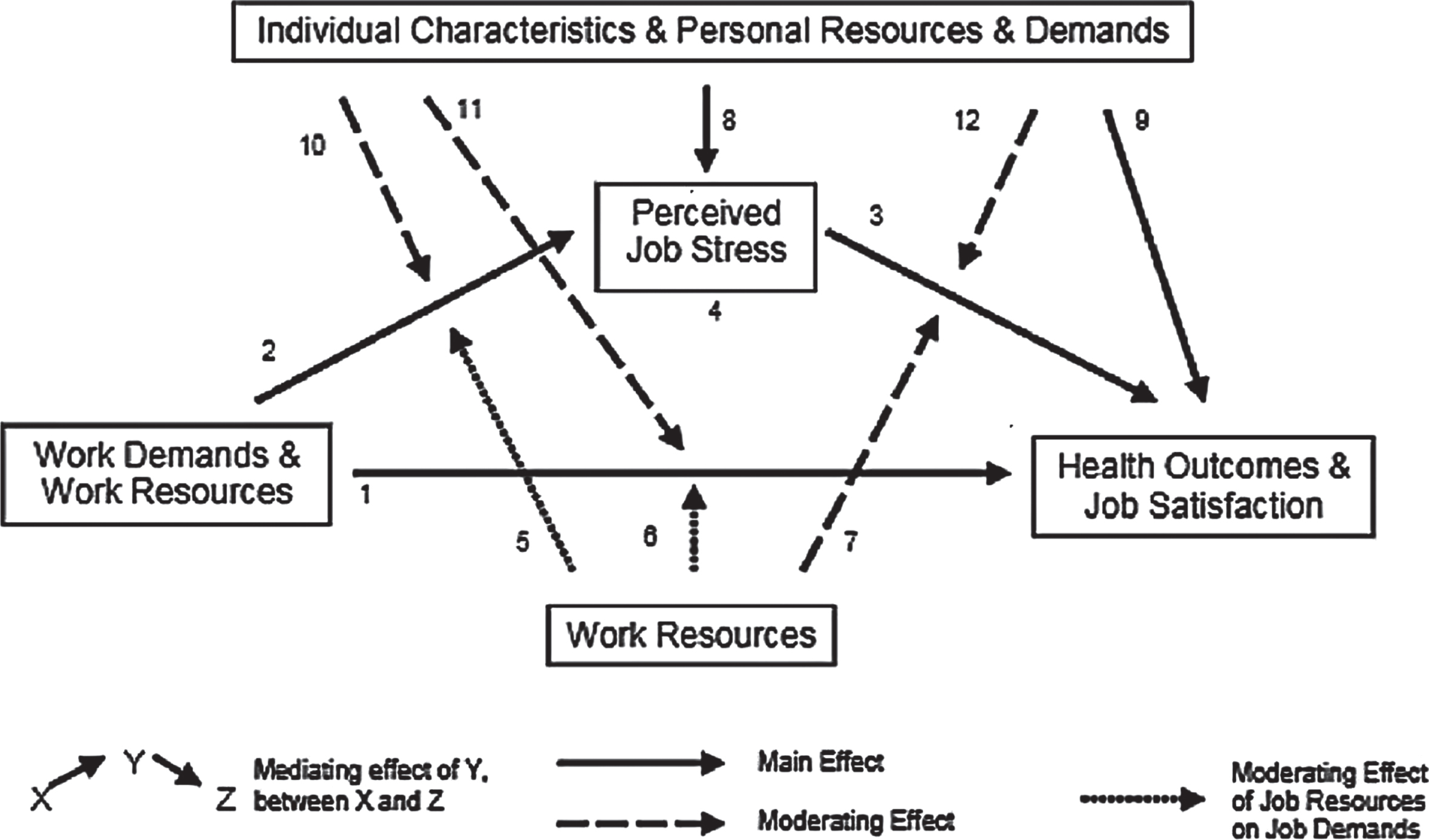
DRIVE model.
This review finally included 20 research articles. A total of 2331 citations were found using the search method. On the basis of the title and/or abstract screening, 1839 articles were deemed potentially relevant. Then, 20 studies were considered for the final analysis after excluding articles that did not meet the predetermined inclusion criteria and duplicates. Figure 2 displays the flowchart of the search strategy. Table 1 summarises how gas station employees were assessed in detail and shows the outcomes and conclusions of the studies.
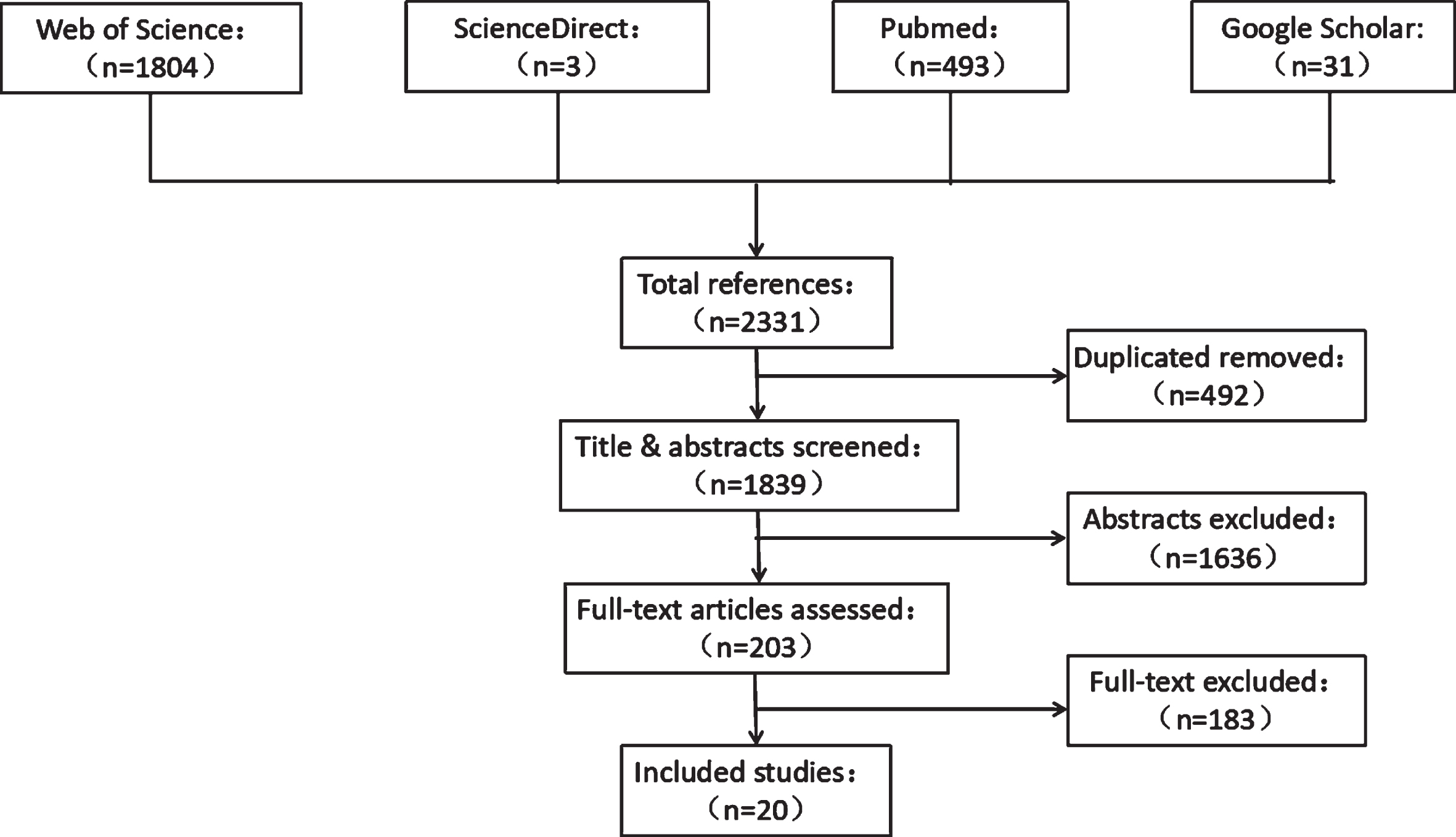
Flow diagram illustrating the process of selection of articles.
Results of the included studies
Of the 20 studies included, eight were conducted in Asia; seven, in South America; two, in Africa; one, in North America, and one, in Europe. Thirteen studies specified the sex of the participants, of which eleven included both male and female workers, two included only female participants, and one included only male participants. The subjects in the study included gas station operators, salespeople, bookkeepers, and gas station managers.
Statistical pooling
The study designs, research methods, shift schedules, and outcome measures varied widely among the studies, making statistical pooling nearly impossible. Therefore, the results were qualitatively summarised.
Workload and stress problem
As mentioned earlier, gas station employees face huge workloads and must maintain high levels of enthusiasm and attentiveness to serve customers. For some employees, the tasks include sales promotion and addressing customer complaints, which confers even greater pressure. Pérez et al. evaluated various symptoms related to occupational stress in a group of gas station employees and found higher reports of psycho-emotional symptoms, with >70% of participants mentioning a “very high” frequency [49]. This suggests that the employees might have experienced significant stress at work. In addition, the results of a survey conducted by Batubara et al. in a gas station in Bandung, Thailand, showed that the stress levels of gasoline operators were low (18 respondents, 52.94%), moderate (15 respondents, 44.12%), and high (1 respondent, 2.94%) [50]. That indicates that most operators work at low and medium levels of stress. Compared with those in foreign countries, gas station employees in China seem to experience higher stress levels. The results of another stress survey among gas station employees in Henan, China, showed that all employees surveyed felt different stress levels [51]. An analysis revealed that excessive occupational stress caused a lack of sense of identity and belongingness to the profession in one-third of gas station employees, reflecting that their current occupational stress situation was not optimistic.
Shift work and sleep problem
Decreased sleep quality or sleep disturbance caused by shift work is a major health problem among gas station workers. The symptoms of sleep disorders include poor concentration, weariness, anxiety, and disorientation [52]. One study found that 14.7% of workers reported severe difficulty sleeping (>1 h) and 24.5% had sleep problems [53]. Liu et al. observed neurasthenia in 36.6% of administrators and 73.8% of employees participating in the refuelling operation [54]. Of the refuelling personnel, 65.2% tested positive for state anxiety, whereas 64.0% tested positive for typical anxiety. State and typical anxiety were found in 35.0% and 35.0% of the administrators, respectively, and 148 refuelling staff and 35 administrators had sleep issues or inadequate sleep.
Work-related health problems
In addition to sleep and stress, the physical health of gas station employees were also at risk. In an interview with Nigerian gas station employees, 183 (85.1%) experienced various health problems since they started working as gas station attendants [35]. The most common health problems reported were headaches (98, 53.6%), back pain (61, 33.3%), and eye irritation (54, 29.5%). Moreover, Monney et al. also found that musculoskeletal disorders (MSDs) (97%), headache (56%), and low back pain (43%) were the top three most common diseases among gas station workers [36]. Another study that included standardised psychological and haematological tests and biochemical examinations also provided evidence supporting these findings. Pranjić et al. compared 61 healthy non-exposed controls and 25 gas stations workers who had been exposed to organic lead for only 9 months [23]. Haematological disorders and liver problems (chronic renal impairment) were found in the workers exposed to gasoline for a long time. These findings were significantly different from those obtained from the controls (p < 0.05). Moreover, the symptoms of depression and impaired response time and motor abilities were found in 13 of 37 gas station personnel who had been exposed to gasoline for >5 years.
With regard to hearing function, gas station workers are exposed to loud and distracting noises from vehicles, which can lead to irritability and hearing loss. A study in Brazil demonstrated that 67% of 77 gas station employees tested had audiometric results within the normal range, whereas 59.7% reported difficulty communicating in noisy environments [5]. The findings imply that gas station employees develop both peripheral and central auditory dysfunctions, which could be explained in part by their exposure to gasoline.
Work environment
Gas station employees are exposed to various occupational dangers caused by chemical, physical, biological, and physiological risk factors during the course of their workday. In the survey conducted by Cezar-Vaz et al., gas stations staffs are exposed to physical risk factors such as noise from automobiles and excessive air temperatures (hot and cold) over the seasons [38]. Chemical risk factors include exposure to fuel. Bacteria, viruses, and fungi are major biological risk factors. Moreover, physiological risk factors include repetitive movements of the same type. The above-mentioned factors can cause or exacerbate occupational diseases and accidents.
In terms of occupational injuries, most companies focus their efforts on preventing illnesses or injuries from occurring inside the plant, but the costs of transportation injuries by commuting were estimated to be two to six times higher than those of work-related injuries [55]. Petrol sniffing had an immediate effect on psychomotor performance that lasted 3 to 5 minutes and continued for 5 to 6 hours [31]. Therefore, the psychomotor functioning of employees can be severely affected after inhaling gasoline vapours throughout their shift. Chiang et al. investigated whether commuting injuries increase after a full day of occupational exposure to solvents such as gasoline fumes [56]. The study showed that the reduction in the frequencies and severity of traffic injuries on the way home could be related to the installation of effective gasoline recovery devices.
Effects of the physical environment on health
Benzene, toluene, ethylbenzene, and xylenes (BTEX) are the most soluble elements of gasoline and are utilised mostly in solvents and fuels. Despite their importance, when handled improperly, they can cause health problems, especially with regard to the brain. One study compared neurocognitive attributes and eye-movement patterns between gas station workers who had been exposed to organic solvents for a long time and did not use protective gear and ordinary workers who had no history of chemical exposure [57]. The results indicated that the gas station employees developed impairments in neurocognitive attributes and eye movement patterns. They exhibited slow processing, poor mental flexibility, reduced working memory, and deficits in visual perception activities. A prospective study also confirmed that organic solvents may cause neurological damage of varying degrees of severity. A small group of workers chronically exposed to organic solvents were found to have a syndrome called chronic solvent encephalopathy (CSE) [30]. Van Valen et al. followed a cohort of Dutch patients with CSE and found that CSE is indeed a non-progressive disease after cessation of exposure to the causative agents [30]. Neuropsychological impairment and psychological symptoms improved over time in patients with CSE.
Many diseases affecting the immune, endocrine, cardiovascular, respiratory, and reproductive systems have also been attributed to benzene, which is considered the most harmful contaminant in gasoline. The visual system is a main target of organic solvent intoxication [58]. Lacerda et al. assessed achromatic and chromatic vision in gas station workers with chronic exposure to organic solvents [25]. The study found abnormal visual function, most commonly loss of colour vision and visual field constriction, in workers occupationally exposed to organic solvents. Another study confirmed the cancer risk from long-term exposure to benzene in gas station employees. Chaiklieng et al. found that benzene exposure may increase cancer risk in 70.67% of workers [59]. Gas workers were at significantly higher risk than cashiers, and gas station workers in inner-city areas (suburban and urban) were at higher risk than those in rural areas.
Furthermore, gas station attendants are also exposed to noise and air pollution, which are harmful to health. Solvent-induced hearing loss is considered a complex disorder that can be caused by a combination of ototoxicity and neurotoxicity, which is distinct from the deleterious effects of noise on hearing [60]. The study by Zucki et al. confirmed hearing loss in gas station workers, characterised by an impaired peripheral auditory system, indicating toxic effects from fuel exposure [26]. In addition to hearing disorders, one study investigated female employees whose primary occupational exposures were benzene, toluene, styrene, and xylene, and showed that low benzene exposure was significantly associated with lower birth weight [61]. A significant interaction was found between benzene exposure and work stress, resulting in a much greater decrease in birth weight in those exposed to both benzene and work stress than in those without such exposure.
Factors affecting turnover intention
As the liaison between a company and its customers, service industry staffs are often under tremendous pressure to meet the work demands of their colleagues, superiors, and customers, which often leads to burnout. Burnout can affect an employee’s job performance and may generate a tendency to quit [62]. Wang and Wang analysed the burnout and turnover tendencies of gas station employees in the context of China [63]. The results showed that burnout was significantly higher in men than in women and played a mediating role between perceived organisational support (POS) and turnover. In other words, employee’s POS can effectively reduce their turnover intention.
Measurement methods used in the retrieved literature
Subjective measurement method
Among the selected studies, eleven were conducted using subjective questionnaires or interviews as research tools. Rocha et al. and Cezar-Vaz et al. used structured questionnaires to investigate gas station employees in relation to their work characteristics, time in job function, workload and wage income, variables connected to the organisation of the work process, and use of personal protective equipment (PPE) [34, 38]. Moreover, to orient the observations towards aspects related to the study problem, a script was used.
From the perspective of sleep, Domínguez et al. used the Pittsburgh Sleep Quality Index (PSQI) to assess the sleep quality of gas station employees [53]. Liu et al. conducted occupational health examinations and used anxiety questionnaires to investigate the sleep and emotional statuses of gas station operators and managers [54]. To study stress levels in gas station employees, all questionnaires used to conduct surveys were retrieved in the literature, such as the Cuestionario de Evaluación del Estrés (Stress Evaluation Survey), a modified Stress Diagnostic Survey (SDS) questionnaire, and a self-made questionnaire [49–51].
Regarding the occupational hazards and health of gas station employees, the studies of Johnson and Umoren and Monney et al. were both based on a descriptive cross-sectional approach, including face-to-face interviews using structured questionnaires and extensive field observations [35, 36]. The impact of the gas station environment on the hearing function of gas station employees was examined using a questionnaire on noise and hearing health and the World Health Organization Quality of Life (WHOQOL-Bref) questionnaire [64].
Objective measurement method
By contrast, most studies used objective research methods to examine the impact of gas station environmental risk factors on employee health. In studies that examined the effects of solvent exposure on the hearing function of gas station personnel, the audiological evaluation included pure tone audiometry, speech audiometry, acoustic impedance tests, visual inspection of the ear canal, pure-tone audiometry (PTA), acoustic immittance, transient-evoked otoacoustic emissions (TEOAEs), and so on [5, 26].
From the perspective of the effects of organic solvents on the neurocognition and achromatic and chromatic vision of gas station workers, specific research tools were used, including Trail Making Tests A and B, which are traditional neurocognitive tests that efficiently evaluate the effects of solvent exposure, eye movement evaluation, achromatic tests (Snellen chart, spatial and temporal contrast sensitivity, and visual perimetry), and chromatic tests (Ishihara’s test, colour discrimination ellipses, and Farnsworth-Munsell 100 hue test) [25, 57].
To assess the overall health statuses of gas station employees, one study measured benzene concentrations in the environment surrounding the gas station, and another study conducted comprehensive examinations of gas station employees, including medical/occupational history taking, haematological and biochemical examinations, physical examinations, and ultrasonographies of the kidneys and liver [23, 59].
In addition, the remaining two studies were prospective studies. For 11 years, van Valen et al. followed a cohort of Dutch patients who were diagnosed with CSE for the first time and later performed a second neuropsychological assessment [30]. Moreover, pregnant workers (N = 792) in a large petrochemical industry were enrolled and followed up until delivery (1996–1998) to investigate the effects of benzene exposure and occupational stress on infant birth weight [61].
Use of personal protective equipment
According to Azari et al., gas station attendants are more susceptible to benzene-related health risks than to health risks caused by other compounds [65]. At low doses, gasoline vapours can irritate the eyes, respiratory tract, and skin. Exposure to higher concentrations may have effects on the central nervous system [66]. A study in gas station employees in Nigeria showed that 128 employees (59.5%) reported accidental occurrences, of which the most common was fuel splash on the skin (109, 85.2%). Therefore, the use of PPE by gas station employees is an important safety measure. A survey of self-reported PPE use among Brazilian gas station employees revealed that boots were the most frequently mentioned equipment, followed by aprons [34].
From the perspective of hearing function, noise from traffic and gas station work equipment poses a real risk to hearing function. One study found that to the question of hearing protection, 20 participants (62.5%) responded, ‘No measures are taken, even if they know that hearing noise can cause hearing loss’ [64]. The same number of employees also reported other factors related to noise: stress, headaches, communication difficulties, imbalance, and behavioural changes.
Discussion
This review shows that the present literature provides evidence about the adverse consequences of poor work design, shift work, and poor work environment on the physical and mental health of gas station employees. The main findings showed that the shift work at gas stations leads to psychological and physiological problems. The physiological consequences mainly included biochemical changes and lifestyle consequences, such as the impact of the physical environment on hearing function and memory, while the psychological consequences mainly included anxiety, stress, and depression. However, at the same time, it clearly indicates that there is a distinct lack of research on certain types of factors such as work demands, fatigue and well-being, especially psychosocial aspects, individual differences, and lifestyle factors.
Job characteristics
Our findings suggest that the work characteristics of gas station employees include heavy workload, shift work and a risky work environment. Due to the peculiar nature of the gas station industry, gas station workers generally have long working hours and irregular work schedules. Specifically, they have to engage in repetitive movements and stand for a long time every day, which will cause physical fatigue. In addition, as a service industry, gas station employees also need to maintain a full mood to communicate with a large number of customers, which is likely to lead to emotional fatigue. For shift work, due to the irregular circadian rhythm caused by shifts, gas station employees are more prone to operational errors, low productivity, and even physical problems such as cardiovascular and metabolic diseases. For example, the metabolic syndrome is a complex of interdependent risk factors for cardiovascular disease and diabetes. An Iranian study [67] found that an association between metabolic syndrome and shift work in petrochemical workers.
In addition, the environment of gas stations has brought many safety risks to gas station employees. For example, long-term exposure to major chemicals in gas stations such as gasoline and benzene will have a serious negative impact on the human nervous system, hematopoietic system and urinary system.
Work in shifts is one of the critical work characteristics of gas station employees. In recent years, shift work has been crucial to the modern industrialized economy, and there are many other occupations that share job characteristics similar to gas station workers, especially in healthcare, public safety, transportation, and other industries that require 24-hour service. Shift work has been linked to increased risk for safety and health of shift workers, globally [68]. Compared to gas station employees, a large number of studies have confirmed that shift work has many negative effects on employees of these occupations mentioned above. However, domestic and foreign scholars pay little attention to the gas station staff. Whether the adverse effects found in other shift workers also exist in gas station employees who take safe-critical job shifts is an important direction and worth focussing on in the future.
Similar to the working characteristics of gas stations are maritime personnel, railway employees, nurses, etc., all of whom need to work in shifts. Shift work has been associated with poor health, sleep and fatigue problems and low satisfaction with working hours [69]. The resulting circadian rhythm disturbance and sleep problems are one of the main manifestations of their fatigue. In a previous study investigating the causes of fatigue in maritime personnel, the risk factors affecting fatigue are classified into four categories: 1) sleep, rest and rhythm, 2) working characteristics, 3) personal characteristics, and 4) the working environment [70]. This study found that maritime personnel is mainly suffering physical fatigue, and their physical fatigue is directly caused by the high workload (as a work characteristic factor) and the ship movement (as a work environment factor), while their psychological fatigue is indirectly caused by the work pressure generated in both situations above [70]. In a systematic review study of fatigue among railroad personnel, Fan and Smith found that workload, work hours, shift work, inadequate rest and sleep, poor sleep quality, job roles, and so forth were associated with occupational fatigue among employees [71]. Qiu et al. confirmed that work stress is the main influencing factor of occupational fatigue [72]; the higher level of work stress is associated with the higher level of fatigue, as proposed in the DRIVE model. In terms of cognitive function, shift work can affect some aspects of nurses’ cognitive function (working memory and attention), and this effect is more pronounced after night shifts [73].
Shift work also exacerbates work risks and affects social functioning. For sailors who work shifts like gas station workers, the cumulative effect of shift risk is very significant, with the risk index on the 20th day being 2-3 times higher than that of the first day, meaning that the shift risk is greatest near the end of the work cycle [51]. Likewise, gas station employees may also have a cumulative effect of shift risk. When they shift to a certain day of the month, it can be the peak of fatigue for gas station workers. Once they reach the peak, they are likely to make mistakes in their operations, and even lead to major risk accidents. What’s more, shift arrangements in the nursing industry are similar to those in the gas station industry, where shift work is mostly 8-hour shifts or 12-hour shifts, that is, 2 or 3 shifts in 24 hours. One study demonstrated the impact of shift patterns on social functioning, with nurses reporting that interference with their social activities was a significant problem [74]. As a service industry, they all need to communicate with many people every day, which consumes a lot of emotional resources. In addition, shift work is likely to cause them to have different circadian rhythms from their friends and family members, resulting in their lack of social interaction, being less talkative on rest days, and affecting social interaction.
Stress and fatigue population
The review results showed that stress and fatigue problems are common among gas station workers, while the number of studies focused on their fatigue was less than on stress. Both occupational stress and fatigue can adversely affect employees’ psychology, behaviour, and physiology. As the key position of safety, the fatigue and stress of gas station employees should be paid more attention to and studied. In order to develop prevention and health promotion strategies for gas station employees, it is necessary to conduct studies on fatigue and stress from different perspectives, such as individual differences, lifestyle, satisfaction and quality of both work and life.
Sleep and other health problems
In addition to stress and fatigue, gas station employees also face a variety of physical health problems. Summarising the retrieved articles, we found that common health problems among gas station employees included sleep disturbances, headaches, back pain and work-related musculoskeletal disorders (WMSDs). Other standardised psychological and biochemical examinations have also found gas station employees suffered from auditory dysfunctions, gastrointestinal diseases, liver diseases, genitourinary diseases, cardiovascular diseases and endocrine diseases.
As is known to all, physiological and psychological factors are interrelated and influence each other. Therefore, health problems not only affect the performance and productivity of gas station employees, causing fatigue and stress, but also affect the quality of life outside of work, and even affect the life expectancy of employees. However, few studies have focused on the negative effects of work-related health problems on employees’ well-being at work and beyond, which will need to be supplemented in the future.
In addition, employers should take action to improve the health of gas station employees. A previous study found that the planned educational interventions via training sessions, designed educational booklets and leaflets effectively reduced the prevalence of musculoskeletal symptoms [75]. The potential ways to improve health and well-being of gas station worker includes organising routine check-up, providing training sessions and educational leaflets on occupational disease prevention, continuously improving the working conditions of employees, arranging gas station shift scientifically, increasing break time and reducing overtime work.
Measurements and limitation
Summarising the literature retrieved, we found that many studies used subjective measures such as questionnaires or interviews, and relatively few studies used objective techniques such as real-time physiological monitoring and activity maps. We considered that this is most likely due to the limitations of the working environment and the convenience of sampling.
In future studies, objective measurements can be used to measure their sleep and stress. For example, ActiGraph can be used when investigating the sleep disorders of gas station employees. The psychological stress level can be measured by monitoring the individual’s physiological indicators, such as pulse, heartbeat, and pupil contraction. In addition, it is necessary to consider physical and psychological factors together because they are interrelated and affect each other, and studying only one part of the physical or psychological aspects may not yield the most thorough and accurate results.
Current protective equipment and its limitation
Our findings showed that PPE is the main equipment used to protect gas station employees in the working environment. However, it is not widely used in the actual work by gas station employees. For example, most employees only consider work clothes as PPE, but with short or long sleeves rolled up in hot weather, their arms are still exposed. This is most likely due to the relatively low level of education of petrol station employees, who lack knowledge of the health hazards of organic solvents, particularly benzene. Therefore, it is necessary for gas stations to provide employees with a full set of necessary PPE and make it mandatory for employees to use it at work. Safety attitude positively affects safety performance [76]. Gas station management should educate their employees about the risks they face on the job, stress the importance of using personal protective equipment, and raise their awareness of being responsible for their health.
In addition, there is no effective protection currently for gas station employees other than PPE. Generally, gas station employees need to work 8–12 hours a day, which makes chemical reagents gradually accumulate in the body of employees and there is a risk of cancer and other diseases. Therefore, it can be considered to control the working time of each shift of employees within six hours, reduce their exposure to chemical reagents through methods such as sound warnings, and provide employees with appropriate dining places and times and raise wages as compensation.
Implications
This study systematically searched, sorted and analysed the occupational health-related research on gas station workers. Surprisingly, studies on the occupational health risk factors among gas station workers were few, particularly those that dealt specifically with fatigue, job characteristics, work environment, and health outcomes. Gas station employees, as a typical representation of shift work and a critical safety role, should not be overlooked and should be valued. Based on the DRIVE model, our research finds that there are indeed certain problems in the occupational health of gas station employees. Occupational health-related factors such as workload, shift work and working environment have adverse consequences on the sleep problems, stress, fatigue and other health-related problems of gas station workers. This has some important implications, which include individual level, industry level and population level.
At the individual level, there has a considerable impact on the work and life of gas station workers. It not only allows individuals to be aware of risk factors at work, but also encourages them to make changes, such as active use of protective equipment and awareness of the negative impacts of shift work, to cope with the negative effects at work and improve their physical and mental health.
At the industry level, front-line employees serve as liaisons between firms and customers, and their work performance is crucial to enterprises. Turnover is directly related to the performance of front-line employees, while occupational fatigue and occupational health risk factors may reduce their job performance and increase turnover rate. As a result, this is a key issue that businesses must address. A three-layer model comprising organizational, supervisory and operator level influencing factors with 16 categories were found influence factors of occupational safety [77]. Employers should pay greater attention to their employees’ occupational health and develop a more complete and effective employee care strategy.
At the public level, the current findings have implications for disseminating information to the public about personnel in gas stations. To avoid economic and human losses, relevant government departments should protect employees’ rights and interests, as well as their physical and mental health, and maintain the gas industry’s long-term viability. Similar issues need to be addressed in several vocations with similar job characteristics and working environments as gas stations, such as oil and gas extraction and seafarers. Similar studies can be repeated in these domains.
Study limitations and future research
In conclusion, owing to the limited sample size, we recommend further in-depth research on this topic to contribute to the health care of workers exposed to chemical and physical hazards and shift workers. Employees can use advanced medical technology to treat diseases, but this is far less effective than mastering safety and self-protection knowledge. Occupational health education is not only responsible for the health of workers but also for their families. Therefore, further research is essential to assess and improve the health of gas station employees and reduce work-related stress. In the future, intervention training for gas station employees must be explored according to the uniqueness of each individual to determine how to reconcile shift work and a healthy lifestyle. This is an intervention and practice that could benefit the health of gas station employees. Each country should establish occupational health and safety policies especially addressing the special needs of the oil and gas sectors to mitigate risks to life, property, and the environment.
Conclusion
This review shows that shift work and the specific working environment of gas station employees adversely affect their sleep, stress levels, physical and mental health, and turnover intention. There is a distinct lack of research on certain types of factors such as work demands, fatigue and well-being, especially psychosocial aspects, individual differences, and lifestyle factors. To improve gas station workers’ health and well-being, strengthening workers’ self-protection knowledge according to their work statuses and formulating measures to avoid health problems caused by shift work. The research results can provide a reference for relevant studies in the future.
Author contributions
JF contributed to the study’s conception and design. Material preparation, data collection and analysis were performed by YY and XT. All authors contributed to screening, full-text reading and data extraction. The first draft of the manuscript was written by YY. All authors read and approved the final manuscript.
Ethical approval
This study, as a literature review, is exempt from Ethics Committee or Institutional Review Board approval.
Informed consent
Not applicable.
Conflict of interest
The authors declare that they have no conflict of interest.
Footnotes
Acknowledgments
None to report.
Funding
The authors report no funding.