




Abstract
BACKGROUND:
As millions of teachers have been forced to rely upon remote teaching due to the closure of schools during the COVID-19 pandemic. It is particularly important to understand the extent to which teacher’s psychological wellbeing has been affected by this global health crisis.
OBJECTIVE:
The aim of this comprehensive systematic review and meta-analysis was twofold: 1) ascertain the prevalence of stress, anxiety, depression among teachers during the COVID-19 outbreak; 2) identify the associated factors of these psychological wellbeing domains of the teachers.
METHODS:
Academic Search Premier, Eric, PsycInfo, Scopus, and Web of Science were searched for articles published from December 2019 and July 2021, using search terms including “COVID-19” “anxiety” “depression” “stress”, and “teachers”.
RESULTS:
This study included 54 studies synthesising data from 256,896 teachers across 22 countries. The meta-analysis showed higher prevalence of stress (62.6%, 95% Confidence Interval [CI]: 46.1–76.6), compared to anxiety (36.3%, 95% CI: 28.5–44.9) and depression (59.9%, 95% CI: 43.4–74.4) among teachers. Teachers’ experiences of these psychological issues were associated with various socio-demographic and institutional factors, including gender, nature of online teaching, job satisfaction, teaching experience, and the volume of workload. Additionally, several protective factors, such as regular exercises and provision of technical support for online teaching, reduced teachers’ negative psychological experiences.
CONCLUSION:
There is a need for authorities to formulate educational policies to improve teachers’ wellbeing at the time of global crisis. Special attention should be paid to assist female teachers in overcoming physical and mental stressors.
Introduction
In December 2019, a novel coronavirus (SARS-CoV-2) emerged in Wuhan City, Hubei province, China. With the exponential growth of the infected people in many countries, the World Health Organization (WHO) declared a public health emergency and announced COVID-19 as a global pandemic in March 2020 [1]. This extremely contagious disease has not only posed a threat to human health, but also put the healthcare systems of various countries to an unprecedented test. It further caused immediate and irreversible disruptions to virtually all other social spheres, the education sector is not an exception.
As one of the countermeasures of containing the spread of COVID-19 and decelerating the progression of the pandemic, most countries have halted face-to-face teaching and closed schools at all levels, forcing millions of teachers and students to rely upon remote teaching as the approach to learning overnight. Currently, teachers face challenges with adapting their approaches with pedagogy, or the art and science of teaching [2]. Examples of strategies being reviewed and transformed include establishing online teaching environments, supporting students’ academic development and well-being without physical contact, as well as navigating other predicaments in daily lives. Thus, it is not surprising that recent research from the education and healthcare field showed teachers at different educational levels are experiencing varying degrees of psychological and emotional disruptions during this challenging time. Additionally, much research conducted prior to the COVID-19 pandemic had emphasised the importance of maintaining and improving teachers’ psychological wellbeing at work; as it plays a significant role in promoting teachers’ professional engagement, such as work-related satisfaction [3], work commitment [4], quality of teacher-student interaction [5] among others, which in turn, impacts on students’ learning and developmental outcomes [6]. Thus, it is particularly important to understand the extent to which teacher’s psychological wellbeing has been affected by the global health crisis and its associated factors. Investigating these topics will support development of psychological interventions and appropriate policies as a way forward to empower teachers overcome the many difficulties they face.
Teachers’ anxiety, depression and stress
Anxiety is defined by the American Psychological Association (APA) as “an emotion characterized by feelings of tension, worried thoughts and physical changes such as increased blood pressure” [102]. The definition highlights that people who are experiencing anxiety could develop a range of other psychological and/or physical issues. Research done prior to the Covid-19 pandemic has revealed that anxiety is a widely reported psychological health problem among teachers. In Australia for instance, one recent study found that over half (62%) of the Australian teachers suffered from moderate to severe levels of anxiety, a rate higher than the average Australians [7]. Although no consensus has been reached in regard to the exact causes of one’s anxiety symptoms, the current literature has documented a wide variety of environmental, biological, and psychological factors contributing to teachers’ perceived anxiety [8]. For example, Jones-Rincon and Howard’s [101] investigation revealed a range of demographic, occupational, and psychosocial factors associated with anxiety in a group of American public-school teachers. One recent literature review attributed teachers’ high levels of anxiety primarily to their use of educational technology in the classroom [9]. Given the wide prevalence of and the various internal and external factors potentially leading to teachers’ anxiety, it has become a common awareness among practitioners, policymakers, and researchers that measures must be taken to help teachers mitigate the harmful effects of anxiety on their educational practices. In the current literature, teachers’ anxiety has been linked to negative effects not only on themselves such as lowered self-efficacy about teaching [10] but also on the academic performance of students they teach [11].
Depression is a major mental health problem that threatens the global community [1, 12]. It is estimated that 5% of adults globally suffer from depression [1], in which teachers are the population group more vulnerable to depression than any other profession. A survey by Whitaker et al. [13] found that female teachers of early childhood education in the United States are more prone to poor mental health conditions than other women working in other professions. Additionally, a mixed- method study by Stapleton et al. [7] found that mental health disorders including depression are more prevalent among Australian teachers than the general population. As with its symptoms, the antecedents of teacher depression are also complex and vary across individuals. Karasek (1979 cited in [14]) theorizes that depression experienced by workers can be explained through its association with the level of work demand, control over work conditions, and the availability of supports. Other researchers report various personal and work-related factors that contribute to teacher poor mental health issues such as depression. The personal factors include young age and ‘adult-centred’ beliefs about learning [15], low self- and collective efficacy [16], and trauma from adverse childhood experience and level of spirituality [17]. The workplace related factors include long working hours, low pay, and discordant parent-teacher communication [18]. Teachers with depressive symptoms are unable to perform well in their profession. Researchers suggest adverse effects of teacher depression on the quality learning environment, which manifested as high absenteeism [13], poor communication with children [19], poor learning outcomes [6] and childhood social-emotional development [20].
Kyriacou [21] considers “teacher stress” as an independent construct and described it as the negative physiological changes of teachers caused by the exceeding demands associated with the role of being a teacher. Teaching has been regarded as one of the most stressful occupations [22]; there were approximately 30% of teachers reported under severe stress [23]. However, the level of stress varies across the teaching career, with teachers at their early career stages being more likely to experience a higher level of stress [22]. Prior literature investigated the sources of teacher stress with a variety of theoretical conceptions [21]. Among these, student-related factors (e.g., misbehaviors), working condition factors (e.g., relationships with colleagues and school administration), and teacher related factors (e.g., the ability to participate in decision-making process) were frequently reported [24]. The severity of teacher stress could increase the possibility of teachers’ experience of negative emotion, physical and attitudinal exhaustion [[25]), which in turn might increase their intention to leave the profession [26]. It could also affect students’ academic achievements by influencing the atmosphere of classroom and the extent to which teachers assist their students [27]. Additionally, significant associations have been found between teacher stress and students’ mental health [24].
In addition to the psychological issues identified above, the COVID-19 pandemic is likely to worsen the teachers’ negative experiences. However, the psychological impact of the COVID-19 pandemic on teachers, including its associated factors, has not yet been systematically reported. To address this knowledge gap, we set out to conduct this comprehensive systematic review and meta-analysis to: 1) ascertain the prevalence of the COVID-19 outbreak on the prevalence of stress, anxiety, depression among teachers and; 2) identify the associated factors of these psychological wellbeing domains of the teachers. To the best of our knowledge, this is the first research to systematically synthesize the rapid-increasing body of literature examining the ramification of COVID-19 on teachers’ wellbeing, and discuss the potential implication on teaching and education.
Method
A systematic review and meta-analysis was conducted to examine the prevalence and associated factors of anxiety, depression and stress among teachers globally. The reporting of the review was guided by the standards of the Preferred Reporting Items for Systematic Review and Meta-analysis-PRISMA [28].
Eligibility criteria
We included primary studies reporting empirical data; quantitative in nature, assessing anxiety, depression, or stress (physical or mental) or a combination of any of the three constructs; studies with a focus on teachers or education from any level; studies conducted in the context of COVID-19. Studies were also included if they assessed the general population but separated the analysis for teachers. Additionally, studies were included if they assessed overall teachers’ wellbeing but separated the findings on anxiety, depression or stress. Research papers were excluded if they were review studies; assess population other than teachers; conducted before the outbreak of COVID-19; and studies assessing constructs other than anxiety, depression or stress. No restriction to study designs was applied.
Search strategy
A comprehensive literature search was conducted in June - July 2021 by the second author. Five academic databases were searched to identify relevant studies: Academic Search Premier, Eric, PsycInfo, Scopus, and Web of Science. We used keywords and their synonyms to identify all relevant studies using appropriate Boolean operators: (COVID-19 OR SARS-CoV-2 OR Coronavirus OR “coronavirus pandemic”) AND (anxiety OR “anxiety symptoms”) AND (depression OR “depressive symptoms”) AND (stress OR stressor* OR “stress symptoms”) AND (teachers OR educators OR instructors). The first author conducted a supplemental search on google scholar and searched the reference list of the relevant studies identified in the key databases to ensure all eligible studies were included. The search was narrowed to studies published in the English language between December 2019 and July 2021.
Selection criteria
The first and the second author screened all studies identified through the database search in line with the eligibility criteria. The screening was conducted in two stages. First, the titles and abstracts of the articles were screened to identify studies that potentially met the criteria. Second, the full texts of articles that potentially met the criteria were examined in detail to identify the studies that fully met the eligibility criteria. All included studies were cross-checked by the third author to ensure eligibility.
Data extraction
We extracted data from the included studies using Microsoft Excel that was designed for this review. The data extracted included authors’ details, aims of the review/research question(s), study design, number of participants, type of participants (primary school, secondary school, higher institution or mixed), sampling technique, primary outcome assessed (anxiety, stress, depression), data collection instrument used, key findings and authors’ conclusion. The extraction was conducted independently by the first and the second author.
Differences were resolved through discussion and where agreement was not reached, the third author was involved. All extracted data was cross-checked by the third author to ensure no relevant information was missing.
Quality assessment of included studies
Quality appraisal of the included studies was performed using Joanna Briggs Institute (JBI) checklist for cross-sectional studies [29]. The instrument consists of 8 items assessing different aspects of a cross-sectional study, each with the option ‘Yes’ ‘No’ ‘Unclear’, and ‘Not Applicable’ [29]. The appraisal was conducted independently by two authors (the first and second author). The outcome from the two authors was cross-checked by the third author, and all discrepancies were resolved. We categorised studies that met 6–8 criteria as high quality, 3–5 criteria as middle quality and 0–2 as low quality.
Data analysis
The study findings with respect to both prevalence and associated factors were first narratively synthesised. The synthesis was conducted in line with the study aim, of which a detailed examination of the numeric and textual findings, as well as the conclusion reached in each study, was considered. The prevalence was reported as a significant or non-significant result. Where such classification was not made, an overall prevalence (not classified as significant or non-significant), was reported. The comparison was reported as ‘significant’ or ‘not significant’ between different categories of teachers or concerning teachers’ gender.
Findings with sufficient data on prevalence (percentages) were pooled for meta-analysis to compute the overall proportion of anxiety, depression and stress among the teachers. Meta-analysis was not conducted on the associated factors because none of the included studies specifically examined these factors but were reported alongside the prevalence of the primary outcomes (anxiety, depression and stress).
The meta-analysis was conducted using Comprehensive Meta-Analysis software CMA version 2.3 (Englewood, New Jersey, USA). Considerable heterogeneity was expected considering the fact that the included studies were conducted across different countries and among different populations. For this reason, the meta- analysis was conducted using a random-effects model, with percentage as the pool effect size at 95% Confidence Interval (CI). I2 was used to describe the percentage of total variation caused by heterogeneity among the included studies. Publication bias was assessed using funnel plot and Egger’s linear regression test. A p value of less than 0.05 was considered statistically significant.
Results
Included studies selection
The initial database search yielded 817 papers; of these, 273 papers were excluded for duplication. The title and abstract of the remaining 544 studies were examined against the selection criteria, of which 487 studies were excluded for not meeting the criteria. The full texts of the resulting 57 papers were retrieved. Search in Google Scholar resulted in 3 additional relevant studies, of which the full text was also retrieved. As such, the full text of 60 studies were screened against the eligibility criteria, of which 49 studies fully met the criteria.
Manual search of the reference list of the 49 eligible studies resulted in 5 additional relevant studies. This resulted in 54 studies that were included in this review (Fig. 1).
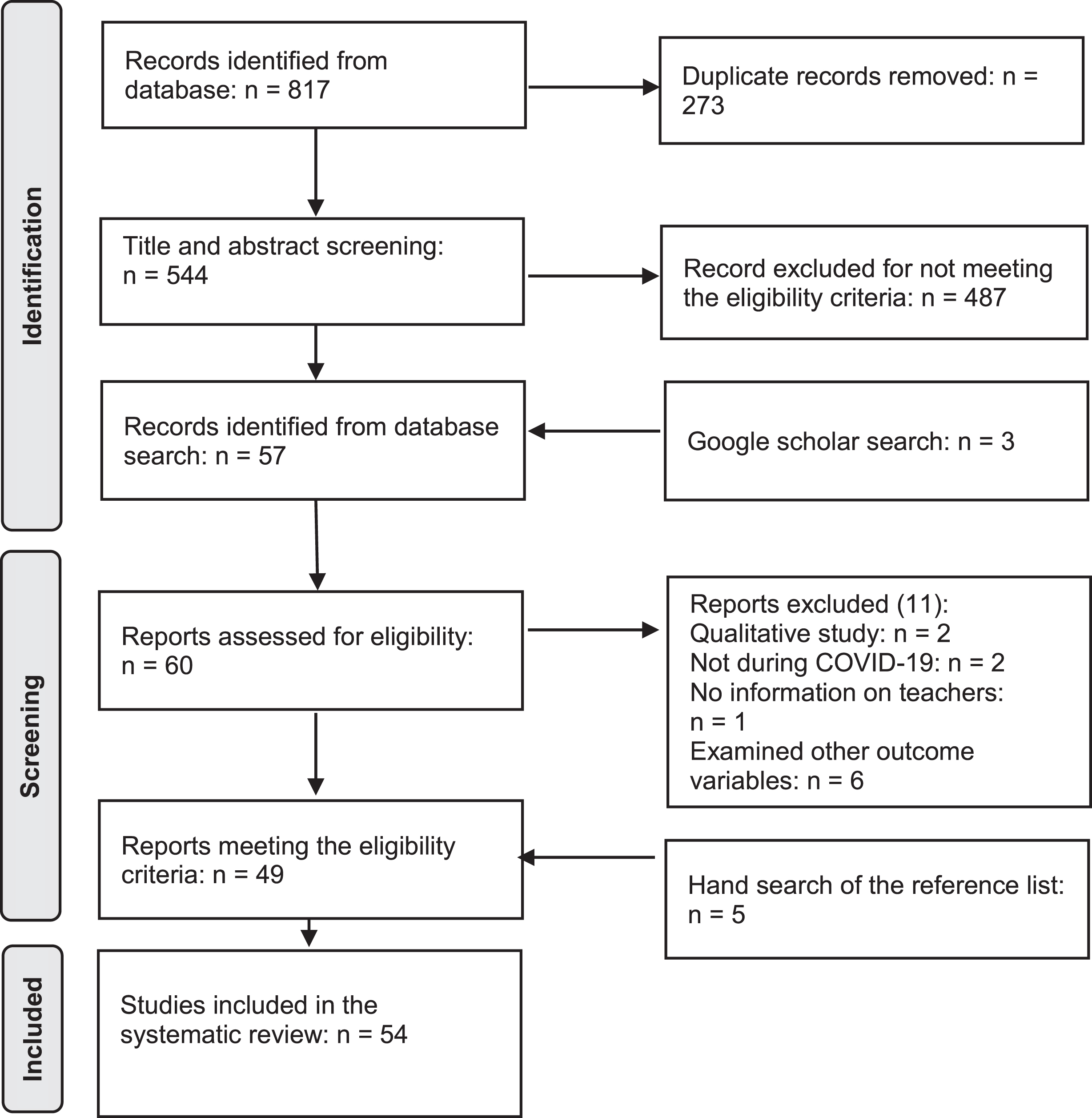
PRISMA diagram.
The 54 included studies synthesized data from 256,896 teachers. These studies were predominantly cross-sectional (N = 51) while two studies [30, 31] applied a pre- and post- design, and one study [32] conducted repeated measurements. The majority (N = 31) involved school teachers, while 12 studies involved university teachers. Others (N = 7) included both school teachers and university teachers, whereas four studies did not specify the teaching levels of their participants. The studies were conducted in China (N = 8), Italy (N = 6), The United States (N = 4), Spain (N = 4), Turkey (N = 3), Canada (N = 2), and Chile (N = 2). One study each was conducted in Australia, Ecuador, Brazil, India, Israel, Greece, Germany, Japan, Jordan, Mexico, Pakistan, Philippines, Portugal, Saudi Arabia, Slovakia and United Kingdom (UK). Three studies included participants from multiple countries and four studies did not specify the nationality of the participants. (Table 1).
Characteristics of the included studies (N = 54)
Characteristics of the included studies (N = 54)
Note. SD = Standard Deviation; N/A = Not applicable; GAD: Generalised Anxiety Disorder; DASS-21: Depression Anxiety Stress Scale-21; BDI: Beck Depression Inventory; GHQ: Goldberg’s General Health Questionnaire; PHQ: Patient Health Questionnaire; PSS-10: Perceived Stress Scale-10.
The 54 included studies (Table 2) met various criteria of the JBI checklist used (Table 2). The majority of the studies (47) demonstrated a medium quality, with their scores ranging from 3 to 5, of which 10 (18.5%) and 37 (68.5%) of the studies met 3 and 4 criteria (out of the total of 8), respectively. Six studies (11.1%) were of low quality (met 0–2 criteria). Only 1 study met high-quality criteria (6–8 criteria).
Quality assessment (N = 54)
Quality assessment (N = 54)
Note. aY indicates Yes; bN indicates No, cU indicates not applicable.
Prevalence of anxiety among teachers during COVID-19
Altogether, twenty-two studies (N = 22) assessed anxiety or its related symptoms among teachers (Table 3). Prevalence of anxiety among teachers ranged from 11.0%, (n = 3,006) [33] to 99.1% (n = 207) [34]. 12 out of the 22 studies provided sufficient data for conducting the meta-analysis, which revealed a pooled prevalence of anxiety of 36.3% (95% CI: 28.5–44.9) (Fig. 2). However, there was significant heterogeneity among the studies (I2 = 99.74, p < 0.001).
Prevalence of anxiety
Prevalence of anxiety
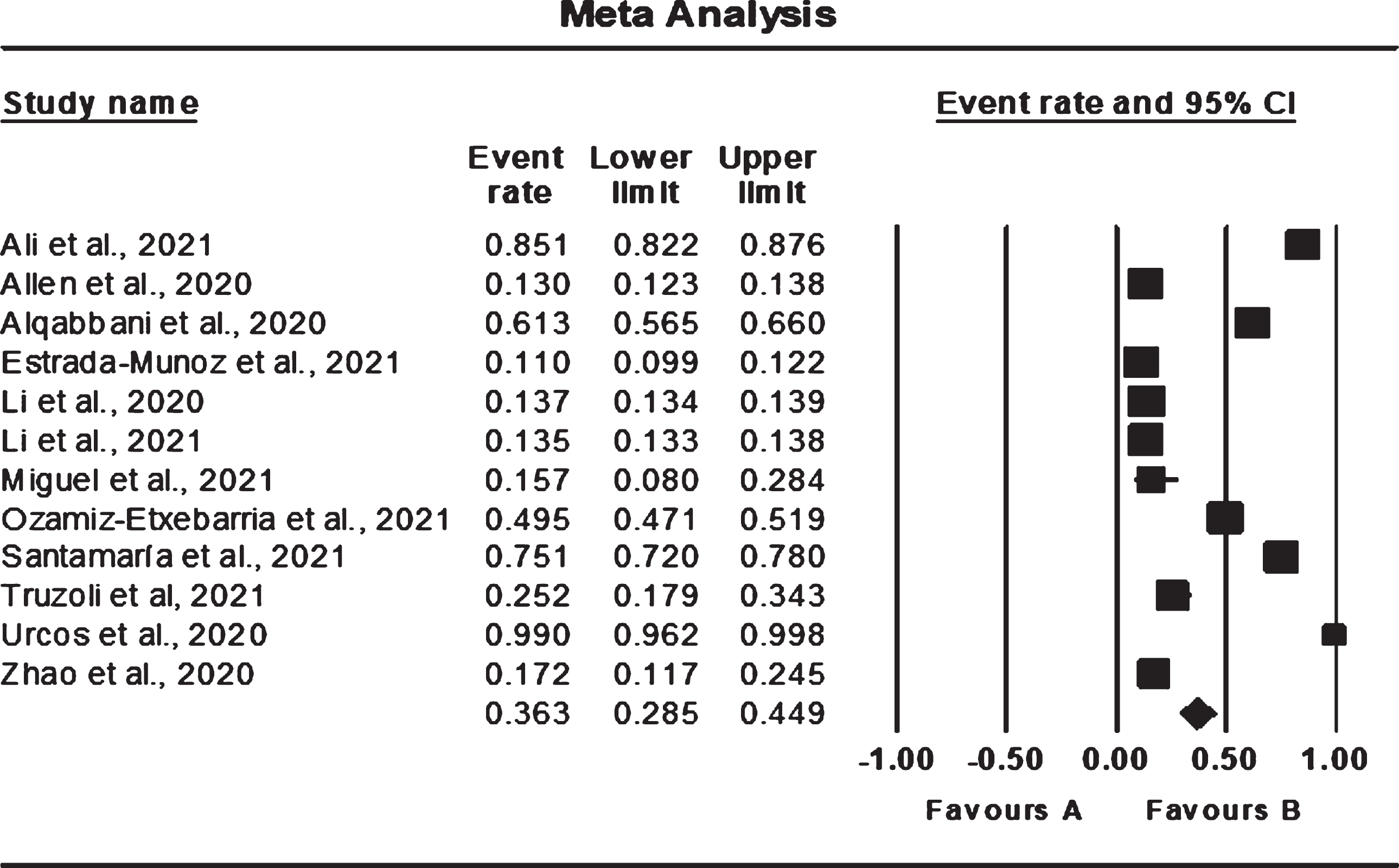
Forest plot indicating prevalence of anxiety among teachers.
About one-quarter (N = 14) of the included studies surveyed teachers from a range of education levels (e.g., from primary/elementary to secondary/high school). One (N = 1) and five (N = 5) studies specifically surveyed teachers from high schools and universities, respectively. Two (N = 2) studies did not provide detail about the education level at which teachers worked. The prevalence of teachers’ anxiety was significantly associated with their depressive symptoms [35] and their perceived stress [36, 37]. Anxiety-related symptoms reported include social dysfunction [38], fear of Covid-19 [36], psychological distress [39], food insecurity [38], lack of motivation [38], situational loneliness [41], negative affect [41], emotional distress [31], and teacher burnout [31, 40].
Demographic variables played significant roles in the prevalence of anxiety among teachers. Gender was the most reported variable, with most studies indicating higher levels of anxiety among female teachers compared to male teachers [33, 47], except for one study indicating that male teachers were more anxious than female teachers about becoming infected with the virus [48]. Compared to students, experienced teachers were reported to show a lower level of anxiety [49]. Considering age, older teachers were more likely to develop anxiety symptoms [44, 46]. Additionally, higher levels of anxiety were reported if teachers were married [43]. Correspondingly, when teachers with college degrees were compared, those with Bachelor or Master’s degrees experienced more anxiety [44]. Moreover, when we consider the setting of schools, teachers in a rural or country school setting reported a reduced likelihood of developing anxiety, compared to those in city contexts [44].
Other associated factors of teachers’ COVID-19-related anxiety
Teachers’ level of job satisfaction [39, 50], self-efficacy [35], perceived effectiveness of emergency remote teaching [50], general attitudes toward emergency remote teaching [50], year of teaching experience [36], level of resilience [31], work stability [46] was found to be negatively associated with the levels of anxiety. On the contrary, fear of Covid-19 [36, 44], perceived stress [35–37], general perceived negative affect [41], mask wearing practice [45], worries about themselves getting infected [21] and about students getting infected [48] were found to be positively associated with teachers’ anxiety level. In addition, the level of education the teachers taught was found negatively correlated with teachers’ anxiety level, with teachers teaching lower educational level (e.g., pre-primary stage) experienced more anxiety [44, 46] than those teaching higher educational level. However, Alves et al.’s [42] revealed an opposite correlation in which teachers at the lower education level experienced lower levels of anxiety symptoms. Other risk factors associated with increased odds of anxiety included: the change from off-line teaching to online-teaching mode [30]; teachers not knowing the proper way of mask-wearing [44]; not adhering to the proper behaviour of mask-wearing [44]; not adhering to all the three parameters of proper mask-wearing (i.e. wearing a mask whenever a person goes out, or in crowded areas or when taking public transportation) [44]; having chronic pathology or live with others with chronic pathology [47]. Protective factors associated with a decreased odds of experiencing anxiety included: practising healthy living routines [43, 44]; acquiring information regarding Covid-19 through mixed learning (compared to acquiring it through single learning source) [44]; and teaching more than one subject (compared to those teaching only music subject) [36].
Depression
Prevalence of depression among teachers during COVID-19
Fifteen studies (N = 15) assessed depression or its related symptoms among teachers (Table 4).
Prevalence of depression
Prevalence of depression
Prevalence of depression among teachers ranged from 17.6%, (N = 51) [40] to 91.0% (N = 670) [39]. 8 out of the 15 studies provided sufficient data for conducting the meta-analysis, which revealed a pooled prevalence of depression of 59.9% (95% CI: 43.4–74.4) (Fig. 3). However, there was a significant heterogeneity among the studies (I2 = 98.96, p < 0.001).
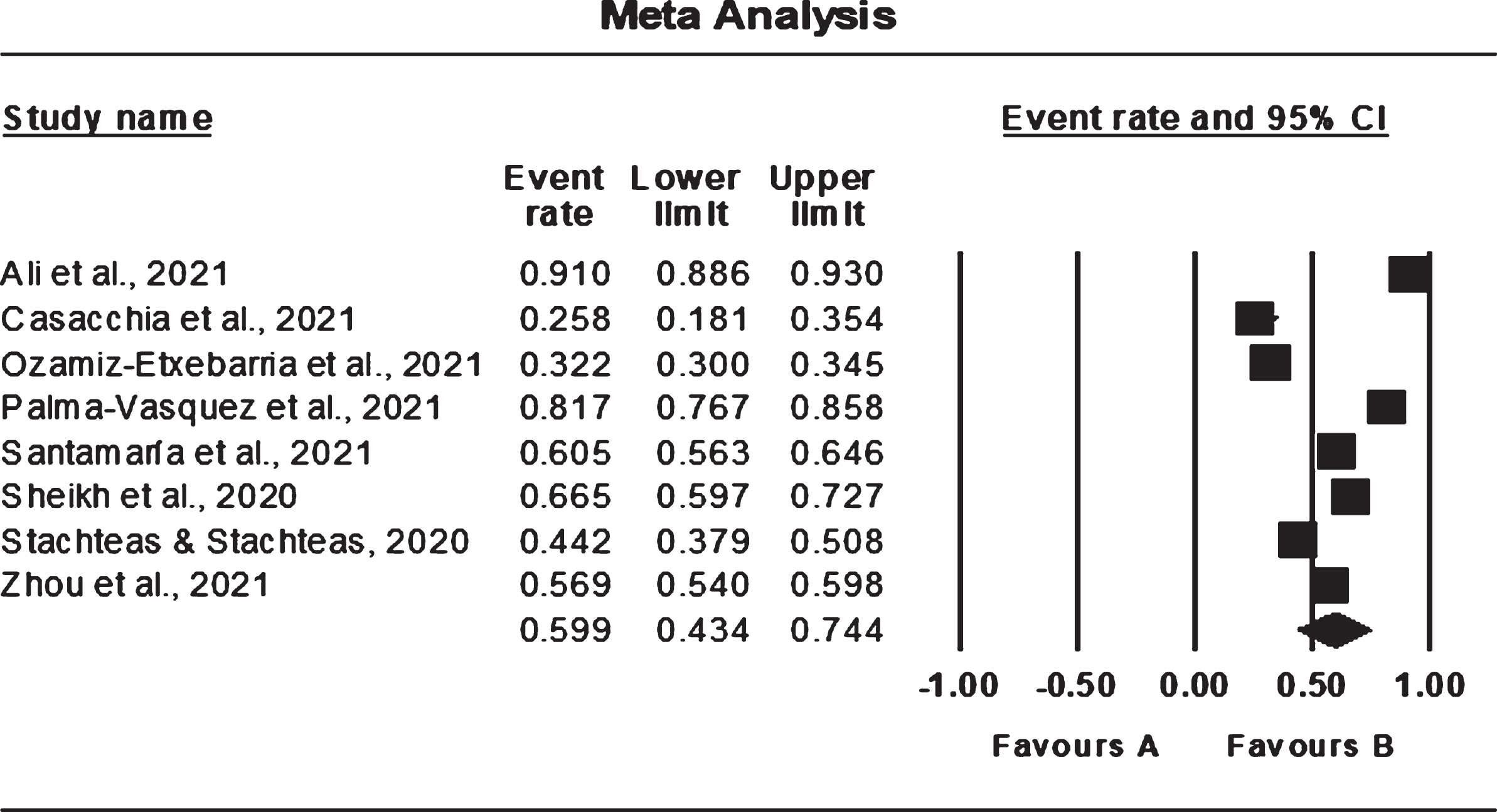
Forest plot indicating prevalence of depression among teachers.
Among the included studies, a majority (N = 8) surveyed teachers from a range of education levels (e.g., from primary to secondary school). Two (N = 2) and four (N = 4) studies specifically surveyed teachers from secondary schools and universities, respectively. One (N = 1) study did not provide details about the education level at which teachers worked. Prevalence of teachers’ depression was significantly associated with their anxiety symptoms [35] and perceived stress [35, 52]. Depression related symptoms reported include social dysfunction [38], emotional distress [31], psychological discomfort [53], and teacher burnout [31, 40].
Among the demographic variables that have been examined in association with the prevalence of depression among teachers, gender was the most reported variable. Two studies indicate higher levels of depression among female teachers compared to male teachers [51, 54]. Teachers aged over 41 years were found more likely to feel depressed compared to those younger than that age [52]. Also, teachers who worked in private–subsidised schools were more likely to report depression comparing to those who worked in public schools [53]. When compared to university students, university employees and faculty members were found to show less severe depressive symptoms [51].
Other associated factors of teachers’ COVID-19-related depression
Teachers’ level of job satisfaction [39], resilience level [31], job stability [46], and self-efficacy [35] were found to be negatively associated with the perceived levels of depression, while the level of external locus of control [35] was found to be positively associated with teachers’ depressive symptoms. In addition, the included studies produced a long list of risk factors that could heighten the odds of developing depression among teachers. These factors included: the change from face-to-face teaching to online teaching [30]; extended working hours [53]; being absent due to sickness [53]; having childcare responsibilities [47]; having chronic pathology or living with others with it [47]; participating in epidemic prevention and control [52]; believing prolonged school closure can lead to negative effect [52]; having sleep duration of fewer than 6 hours a day [52]; partaking in physical exercise for less than 30 minutes in duration a day [52]; spending less time with family [52]; being concerned about COVID-19 [52]; having poor mental resilience [52]; and being under high levels of stress [52]. On the contrary, a higher evaluation of one’s own teaching experience acted as the only protective factor reported in lowering the odds of experiencing depression [55].
Stress
Prevalence of stress among teachers during COVID-19
Thirty-six studies (N = 36) assessed stress or its related symptoms among teachers (Table 5).
Prevalence of stress
Prevalence of stress
Prevalence of stress among teachers ranged from 6.8% (N = 3006) [33] to 99.5% (N = 207) [34]. 18 out of the 36 studies provided sufficient data for conducting the meta- analysis, which revealed that the pooled prevalence of stress was 62.6% (95% CI: 46.1–76.6) (Fig. 4). However, there was a significant heterogeneity among the studies (I2 = 99.47, p < 0.001).
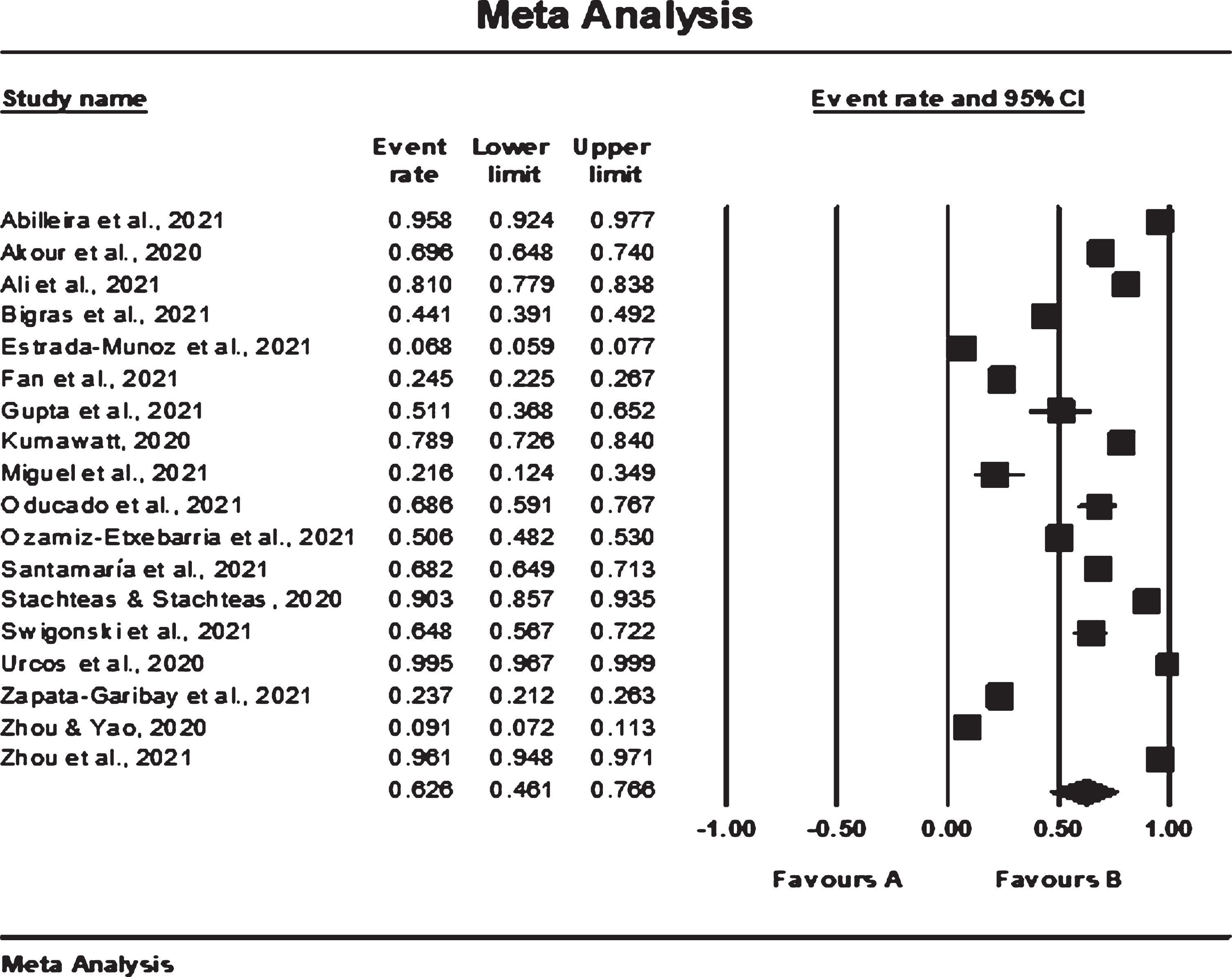
Forest plot indicating prevalence of stress among teachers.
Among the included studies, half of them (N = 18) surveyed teachers from a range of education levels (e.g., from primary to secondary school). Three (N = 3), one (N = 1), two (N = 2), and nine (N = 9) studies specifically recruited teachers from preschools, primary schools, secondary schools, and universities, respectively. Three (N = 3) studies did not provide details about the education level at which teachers taught. Prevalence of teachers’ stress was significantly associated with their anxiety symptoms [35–37] and depression [35, 52]. Stress-related symptoms reported include demotivation [56], technostress [33, 57], teachers’ vocal symptoms [58], somatic symptoms [59, 60], emotional exhaustion [59, 61], sense of job insecurity [60, negative affect 62], and teacher burnout [40, 64].
Demographic variables also played significant roles in the prevalence of stress among teachers, with gender being the most reported variable. Higher levels of stress among females compared to males was reported [42, 65–68]. Age is another factor associated with teachers’ level of stress, with some studies indicate a positive association [57, 70], while others indicated a negative association [46, 69]. Teachers who graduated from the liberal arts discipline showed a higher level of stress compared to those who graduated from science and technology disciplines [70]. The level of education teachers taught was found both positively [42, 67] and negatively [66] associated with teachers’ perceived stress levels.
Other associated factors of teachers’ COVID-19-related stress
Other factors found to be positively associated with teachers’ level of stress included: teaching experience [57], workload [60, 71], the perceived interpersonal conflicts [60], sense of job insecurity [60], perceived lack of organisational justice [60], teachers’ negative affect [62], general stress [58], vocal symptoms [58], somatic burden [59], perceived risk of getting Covid-19 [68], difficulties in organising distance learning [72], the perceived impact of online teaching [73], the level of external locus of control [35], and the changed teaching modality from offline to online [56]. On the other hand, teachers’ level of job satisfaction [39, 71], positive affect [62], dispositional joy and buoyance in teaching [62], ICT self- efficacy [74], self-efficacy [35, 72], sense of control [75], attitudes about online education [74], the perceived supervisor support [74], self-rated health [68], work stability [46], motivation for professional development [73], and psychological needs for autonomy, competence and relatedness [75] were found to be negatively associated with teachers’ perceived stress. In addition, risk factors associated with teachers’ increased odds of developing anxiety symptoms included: conducting face-to-face teaching [57, 76], having low motivation for online teaching [65]; having no experience in online teaching [66]; raising vocal loudness when conducting online-teaching [58]; experiencing family-work conflict [71], having caregiving responsibilities [46, 66]; had developed COVID-19 related symptoms [70]; had a relative or friend died from COVID-19 [70]; and having chronic pathology or living with others with chronic pathology [47].
Publication bias
Visual inspection of the funnel plots in Fig. 5 (a-c) indicated publication bias with respect to all three outcome variables (i.e., anxiety, depression, stress). However, this finding is partially confirmed by Egger’s regression test in that there was significant publication bias in anxiety (Intercept = 15.05, 95% CI: 2.03–28.07, p < 0.05), but not in depression (Intercept = 10.38, 95% CI: –7.48–28.15, p = 0.21) and stress (Intercept = 9.44, 95% CI: –3.06–21.94, p = 0.13).
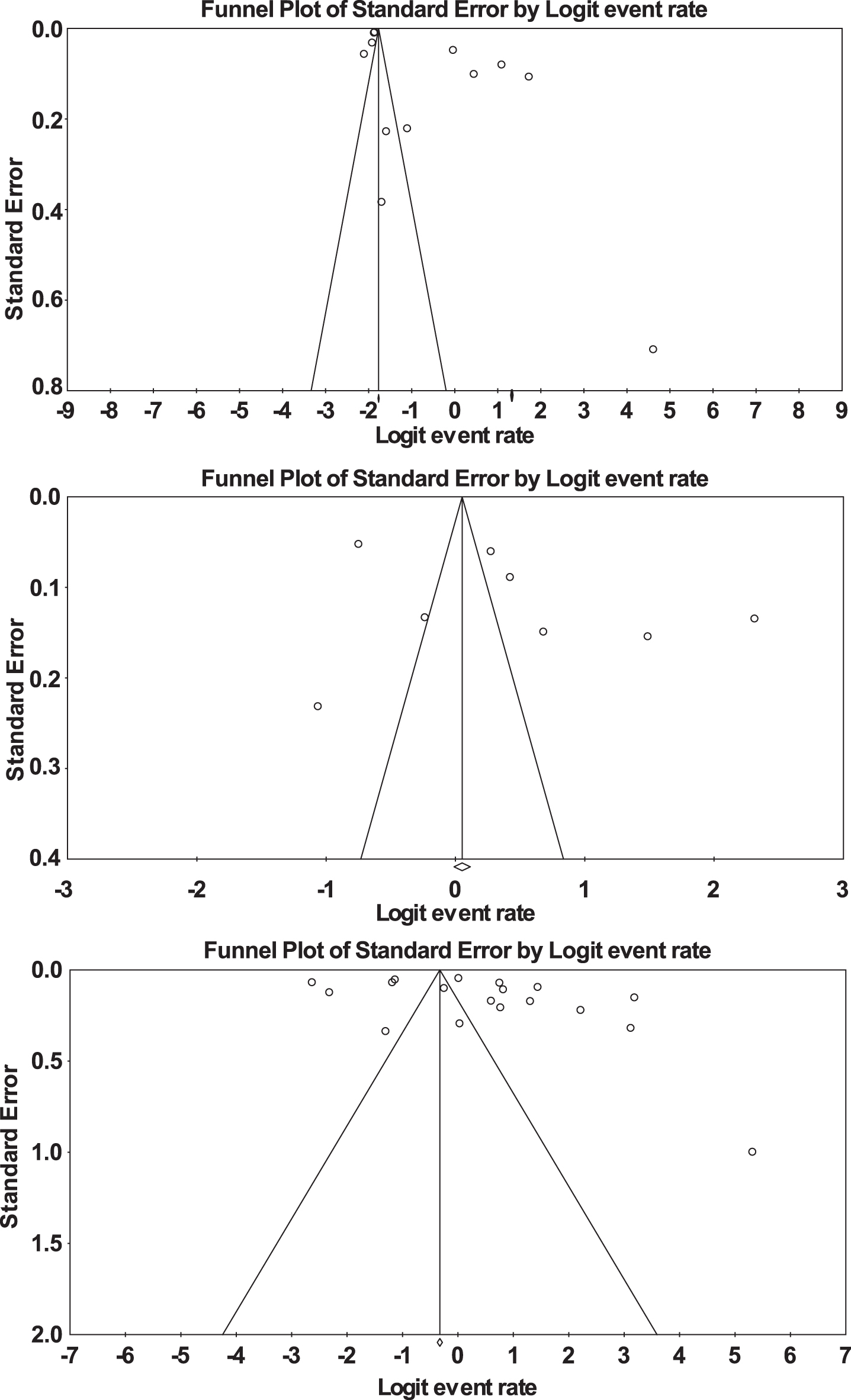
Funnel plots test publication bias (By Order): Anxiety (N = 12, Q = 4259, I2 = 99.74, p < 0.001), Depression (N = 8, Q = 669, I2 = 98.96, P < 0.001), and Stress (N = 18, Q = 3209, I2 = 99.47, P < 0.001).
The present study represents the first systematic review and meta-analysis with the purpose of exploring the prevalence and the associated factors of teachers’ three psychological wellbeing constructs, namely anxiety, stress, and depression during the COVID-19 pandemic. Our analyses of the 54 included studies revealed that the prevalence of all three psychological issues was high among teachers as a result of the COVID- 19, and there is a wide range of factors associated affecting the prevalence. These psychological issues among the teachers affect their overall wellbeing and hence likely to compromise their abilities to teach effectively. In this section, we discuss the research findings considering the potential implications to teaching and education and the need to support teachers in a time of global crises like COVID-19.
Prevalence of the psychological issues among teachers during COVID-19
First, the aggregated prevalence of anxiety, depression and stress revealed from the meta-analysis indicated that more than one third (36.3%) of the teachers investigated experienced anxiety, and over half of them (59.9% and 62.6%, respectively) experienced depression and stress during the COVID-19 pandemic. Compared to other studies conducted during this global health crisis, it is worth noting that the chances of developing these psychological issues among teachers are higher than what has been reported by the general public. For instance, a recent review study by Cénat et al. [77] found between 15–22% of the general public experienced anxiety, depressive, and psychological stress. Another research reported a set of slightly higher statistics in regard to the prevalence of these three psychological issues (anxiety, depression, stress) among the general public: 31.6%, 27.9% and 24.4%, respectively [78]. It appears that, compared to average individuals, teachers tend to be more susceptible to the negative effects brought on by the COVID-19. Firstly, this finding adds to Chan’s [79] claim that the teaching profession might be one of the most stressful occupations. Secondly, our analyses revealed that teachers experiencing anxiety, depression, and stress commonly found themselves battling other issues of deteriorated psychological health, such as feeling emotionally exhausted [59] or becoming demotivated to continue with the teaching profession [56]. It is evident that COVID-19 has not only disrupted teachers’ personal psychological health, it may also lead to an increased turnover rate in educational settings. Prior research has indicated a correlation between teachers’ well-being and their commitment to the profession, with those who reported feeling exhausted more likely to demonstrate intentions to leave [80]. To some extent, our findings provide support to the argument that it is imperative for teacher education programs to foster resilience among teacher candidates and consider it as one of the key dispositions of becoming a teaching professional; as it helps teachers to be better mentally prepared to navigate their ways in coping with the inevitable stressful periods in teaching [81]. For school administrators, our research finding indicates that it is necessary for them to be aware of the teachers’ heightened psychological health issues during the pandemic. A shared understanding of these issues can enable members of the school community (i.e., administrators, teachers, parents, etc.) to work together in developing coping strategies to help teachers overcome these difficulties, which in turn, also helps the school to minimise the chance of losing its teaching staff in this challenging time [82].
Factors associated with the teachers’ psychological issues
The difference in the levels of anxiety, depression, and stress was associated with various socio- demographic or institutional factors. Among them, we identified five major factors: gender, nature of online teaching, job satisfaction, teaching experience, and workload, all of which are discussed in the context of teaching and education.
Gender appears to be one of the most significant factors affecting experience during this period with anxiety, depression and stress, with female teachers face greater disadvantage compared to male teachers.
Although none of the studies included in this review specifically examined the nature of this relationship, it may be associated with the Covid-19 lockdown, which in turn increased the amount of both household workload and the teaching workload for female teachers, thereby worsened their psychological health. This is also consistent with prior studies, of which the likelihood for household responsibilities was linked to female teachers, as well as the responsibility of taking care of family members [66]. Caution, however, shall be paid because the role of being a female might vary across cultures, leading to differences in domestic responsibilities [77]. Additionally, female teachers’ worsened psychological health could be associated with their devotion to teaching out of the social expectation that teaching is a female-dominated profession [83].
Remote teaching or transitioning to online teaching is another factor affecting the psychological health of teachers during COVID-19, which has implications for teaching quality. Adapting to online teaching, including concerns about whether online teaching is an effective method [50] and how to customise the online teaching modality [30], has been found to be significantly associated with all the three psychological issues examined in the present review. This finding aligns with a prior study [84], which reported that teachers felt uncertain about conducting online teaching effectively, and such uncertainties failed to improve even after they had completed a semester of online teaching.
This finding is also in line with Gosselin [85], who opined that the transition from physical classroom teaching to online teaching poses extra challenges for teachers to ensure the quality of their teaching in a virtual environment. The present finding also highlighted the distinctiveness of online teaching, compared to face-to-face teaching [86]. This includes the physical separation between teachers and students, the dysfunction of teachers’ gesture and facial expressions, and reduction in the authority of teachers during online teaching. All of these features of online teaching posed challenges to teachers in their ability to adapt to online teaching environment. Transitioning into online teaching could also raise teachers’ worries about how to ensure the achievement of the academic outcome of their students, which has been reported to be a challenge in an online teaching context prior to COVID-19 [87]. This pattern of concern was also found to be similar during the Covid-19 online teaching [88]. These, therefore, necessitates the need to prepare teachers for effective online teaching in anticipation of future eventualities such as health crises.
Teaching is already considered one of the most stressful professions, and due to COVID-19, the daily tasks have become even more psychologically demanding, influencing teacher job satisfaction. Previous studies have long confirmed the negative correlation between teachers’ psychological issues with teacher job satisfaction [e.g., 89]. As in other professions, job satisfaction is an important issue in the education sector. Teachers who feel fulfilled or content with their profession perform better and are more committed to a school and its students [90]. On the other hand, teachers who are dissatisfied with their job are more likely to leave the profession [91], more prone to mental health problems [92], and more likely to engage in absenteeism [93]. In line with previous studies, our review found that the teachers’ psychological issues during this pandemic are negatively associated with their job satisfaction [39, 71]. Ali et al. [39] found that psychologically distressed teachers have low job satisfaction. Additionally, Hong et al. [71] suggested that being forced to work from home increased teachers’ prevalence of work-family conflict, which is correlated with psychological wellbeing and job dissatisfaction. A study by Alqabbani et al. [50] found that teachers’ job satisfaction can remain high during the transition to remote teaching if schools provide support for teachers, such as the provision of teacher training, technical and infrastructural support. This finding echoes the importance of social and organisational supports to teachers’ level of job satisfaction [94, 95]. It is, therefore, deemed important to ensure the availability of supporting systems for teachers to maintain a positive appraisal of their jobs during this difficult time.
A comprehensive support system for all teachers is of the utmost importance during this disrupted time.
Our review found that experienced teachers are struggling just as much as early career teachers with transitioning from face-to-face teaching to online teaching. It is suggested that older and more experienced teachers who lack knowledge and interest in technology are more likely to suffer from ‘technostress’ as they are forced to utilise technology for online teaching [46, 57]. This new form of teaching requires that teachers be flexible and adjust quickly to using new technologies, which older teachers often find not only difficult but also intimidating [96]. At the same time, job insecurity and economic instability during this global pandemic exacerbate the psychological issues experienced by younger and beginner teachers [36, 46]. Providing knowledge- based support, such as training on teaching technologies, is important but, von der Embse et al. [97] suggest that supports that tap into teachers’ mindfulness, behavioural and cognitive behavioural domains are more effective than knowledge-based support.
Our review found that transitioning to remote online teaching has significantly increased teachers’ workload, which is associated with the levels of teachers’ stress, anxiety and depression. This is not an unexpected result, given the abrupt nature of the transitioning to online teaching, which required teachers to adapt quickly. Even teachers who are already familiar with teaching technology feel overwhelmed by the sudden transition [98]. Moreover, the remote online teaching has blurred the lines between work and household workloads, increasing the occurrences of work-to-family and family-to-work conflicts [71]. In general, teachers experience a substantial increase in workload and have reported being exhausted beyond measure [99] and raising concerns about their mental health [100]. Measures should be taken to help teachers cope with this worrying situation. Schools and districts should not only provide teacher training or technical support for teachers but also support to satisfy teachers’ psychological needs and sense of control [75].
Conclusions
The findings of the current review should be interpreted with caution, given some of the limitations associated with the nature of the included studies. Firstly, only quantitative studies published in English were included so that the insightful information on the relevant topic reported in studies of other languages and qualitative studies were not reported. Secondly, the studies included are predominantly cross-sectional, and hence, no causal relationships were established but possible associations between the different variables studied. Thirdly, the generalisability of the results revealed in this review might be restricted due to the fact that the included studies were conducted in a small number of countries and relied on convenient sampling strategies. Fourthly, the majority of the included studies were of medium quality, and six were of low quality (Table 2). This indicates the possibility of bias among the included studies, which was mainly associated with the design of the studies. Additionally, evidence of publication bias and high heterogeneity as estimated through funnel plots and I2 tests respectively were found among the studies included in the meta-analyses (Fig. 2, 3, 4, 5).
This study applied a systematic review and meta-analysis to explore the prevalence and associated factors of three main aspects of teachers’ psychological issues, namely anxiety, depression and stress, related to COVID-19 pandemic. It identified that teachers experienced worse psychological health during the COVID-19 pandemic than the general population. Various socio-demographic and institutional factors were found to be significantly associated with the experiences of anxiety, depression and stress among the teachers. The major ones include gender, nature of online teaching, job satisfaction, teaching experience and high workload. Additionally, some protective factors to overcome the negative psychological experiences were revealed, which include practising routine exercises and the provision of technical support for online teaching.
Certain implications could be drawn from the current findings. There is a need for authorities to formulate educational policies to improve teachers’ wellbeing at the time of global crises in order to ensure the quality of teaching. School administrators and stakeholders should devise specific interventions to identify and support teachers in need. Regular professional development courses, including coping strategies at the time of crises, and awareness of various online teaching strategies as well as the use of emerging technologies, should be instituted. Special attention should be paid to assist female teachers in overcoming both physical and mental stressors that negatively influence psychological wellbeing through measures which are encouraging, empowering and supportive.
In light of the findings and limitations of this review, future research should be conducted using longitudinal or quasi-experimental designs as opposed to cross-sectional studies in order to identify if the associations identified in this review would be replicated. Further studies could also design interventions to assist teachers during health crises. Finally, a comprehensive review of qualitative studies might also be desirable in terms of understanding the mechanisms underneath the associated variables and the psychological issues examined in this review.
Ethical approval
Not applicable.
Informed consent
Not applicable.
Footnotes
Acknowledgments
Not applicable.
Funding
This work was supported by the Jiangsu Provincial Key Constructive Laboratory for Big Data of Psychology and Cognitive Science (72592162008G), provided to the first author.
Conflicts of interest
The authors declare that they have no conflict of interest.