




Abstract
BACKGROUND:
Pregnancy is a vulnerable period of growth and enrichment along with many physiological and psychological challenges. These changes can lead to complications if compounded by external stress and anxiety. COVID-19 has emerged as a chief stressor among the general population and is a serious threat among vulnerable populations. Therefore, there is a need for stress management tools, such as Yoga and physical exercises, both at home and at work. These can be adopted during the pandemic with proper maintenance of social distancing.
OBJECTIVE:
To evaluate and compile literature that has reported the health outcomes of Yoga intervention on pregnancy at the workplace and analyzes both the restrictions as well as advantages of its beneficial effects in comparison to physical exercises.
METHODOLOGY:
A comprehensive literature review was conducted utilizing PubMed and Google Scholar. The keywords used for the search include “Yoga”, “work”, “complications”, “physical exercise”, “drugs” and “COVID” indifferent permutations and combinations with “pregnancy”. We compiled the literature with respect to pregnancy complications and the effects of drugs, physical activity and Yoga for preventing these complications.
RESULTS:
We noted that pregnancy-related complications are becoming more prevalent because of a sedentary lifestyle, restricted physical activity and growing stress. In such situations, a home or workplace Yoga protocol can combine both exercise and mindfulness-based alleviation of anxiety for both working and non-working women.
CONCLUSION:
Yoga can be effective for combating stress and anxiety besides boosting immunity in pregnant working women confronted with the COVID-19 pandemic.
Introduction
Pregnancy is associated with physical and emotional changes, which are directly linked to the health of the expectant mother and are detrimental to fetal and maternal health outcomes [1]. Maternal stress is associated with pregnancy-related complications such as low birth weight (LBW), preterm labor (PTL), pregnancy-induced hypertension (PIH), and delayed neuropsychological development in affected offspring [2]. Psychological distress, anxiety and depression are already associated with pregnancy and COVID-19 has become an additional stressor during this pandemic, thereby worsening stress, anxiety and further causing sleep disruption among pregnant women [3]. Studies have shown that women tend to develop higher stress during disease outbreak and they are at higher risk of developing depression [4, 5]. The tendency to develop mental distress is higher among pregnant workers during the COVID-19 pandemic as they have to leave home to not only retain their jobs but also to cater to the sick in hospitals. Therefore, novel intervention strategies and protective factors are essential for alleviating psychological distress caused by the uncertainty of COVID-19.
Due to an increasing sedentary lifestyle, a large population is physically inactive either due to availability of maids for household chores, increased hours of on desk work, or traveling to workplaces with leisure time devoted to watching television or spending time on social media [6, 7]. Duration of sitting hours also increase for working pregnant women due to long hours of workplace requirements defined for pregnancy.
Covid-19 is a potentially fatal disease caused by SARS CoV-2 and has become a serious public health issue since December 2019. The virus can get transmitted from person-to-person, which makes it a major threat to human health. The more vulnerable and susceptible populations such as children, the aged, pregnant women, newborns and health care workers (HCW) need additional care during pandemic so that the spread of pandemic can be minimized among this population [8]. Pregnant women have higher propensity of infection as they are more receptive to respiratory pathogens and develop pneumonia more frequently as compared to non-pregnant women [9]. Probability of infection increases when above mentioned vulnerable population is not able to adhere to physical distancing due to work requirements, hospital exposure, travelling etc.
It is also pertinent to note that there is an increased burden on the health care system for providing critical care, with general hospitals being converted into critical care wards [10]. This has further complicated the pregnancy outcomes for working women. In current times, the anxiety and stress is further compounded due to the inability to visit hospitals coupled with fear of being infected by COVID-19 and anticipated transmission of infection to other family members. On the other hand, pregnant HCWs experience increased stress at work for fear of contracting the disease at hospitals coupled with physical stress of wearing PPE in hot and humid tropical environment. In India, this is further complicated by fear of losing employment and shrinking help from house maids [11] as most working women depend on them for their daily chores. Therefore, the control of the COVID-19 spread among pregnant women and the potential risk of its vertical transmission has become a subject of raging debate which includes mind management practices.
We propose that prenatal Yoga is a feasible and acceptable intervention for pregnant women with symptoms of anxiety and/or depression [12] and can also be practiced at the workplace. Prenatal Yoga contains all aspects of Yoga, for instance breathing practices (pranayamas), postures (asanas) that can be practiced easily by pregnant women besides meditation (dhayana) [13]. Implementation of Yoga during pregnancy may help to reduce symptoms of stress and anxiety and thereby increases the quality of life [14, 15] if adopted by employers for employees at the workplace. A Yoga protocol can be developed and adopted universally during pregnancy.
Effect of COVID-19 on pregnancy
As mentioned, COVID-19 has become a stressor among general population and pregnant HCWs are more worried for fear of this viral infection that has no treatment so far [16]. Preliminary evidence from available data suggests that anxiety, depression and stress constitute common response to COVID-19. This can be further associated with a disrupted sleep pattern [17]. Pregnant women, children, individuals suffering with chronic obstructive pulmonary disease and the elderly are more susceptible to COVID-19 infection [18]. COVID-19-confirmed pregnant women have been shown to have lower counts of WBC, neutrophils, C - reactive protein and transient increase in postpartum blood with premature rupture of membrane (PROM), premature delivery [19].
In hospitals, pregnant women not only worry about neonatal delivery, neonatal care, such as postpartum vaccination, and screening but also its impact on their employment if they get infected [20]. Intrauterine transmission of corona viruses from mother to fetus is low but the risk of adverse pregnancy outcome like preterm delivery, intrauterine growth restriction (IUGR), spontaneous abortion and perinatal death increase after infection [21]. Congenital anomalies associated with COVID-19 remain unknown, adding to the growing anxiety. Usually, viral infections during pregnancy are associated with fetal death, intrauterine infections, congenital malformations, perinatal diseases, mental retardation and cerebral palsy [22].
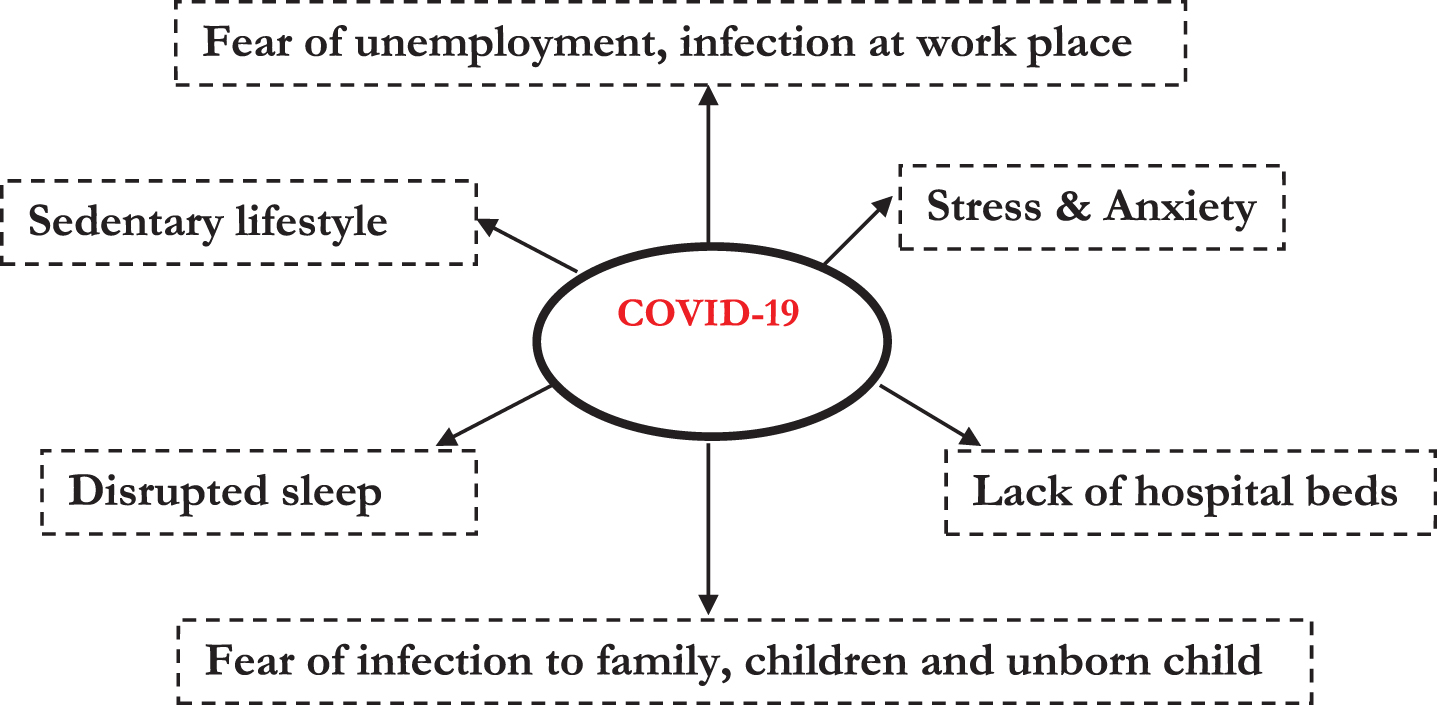
COVID-19 has become a major stressor among the general population exerting an adverse impact on lifestyle and mental health due to the fear of being infected, unemployment, poor quality of sleep, sedentary lifestyle and stress. These factors may worsen the health of both the mother and fetus.
Pregnant women experience multiple challenges and varying psychological and emotional distress coupled with physical changes that support the growing fetus [23, 24]. Pregnant HCWs who report to work during pandemic remain anxious due to the inherent risks. As the health of a mother is directly linked with health of fetus, therefore, any unforeseen infection may directly affect the child’s health and future employment of the working mother.
In general, many maternal complications including obstructed labor, antepartum hemorrhage (APH), infections, pregnancy-induced hypertension (PIH) and eclampsia also have direct effect on fetal outcome [25]. Hyperlipidemia, i.e. increased lipid concentration in plasma, is common during pregnancy which can lead to coronary heart diseases and other vascular complications [26] and is further compounded by extended lockdown, loss of employment and associated sedentary lifestyle [27].
Metabolic alterations are common during pregnancy and often result in excessive weight gain further compounded by a sedentary lifestyle. Excessive weight gain can cause obesity, which is associated with increased possibilities of developing pelvic floor problems and adverse pregnancy outcomes. These complications can be reduced to some extent by doing general muscle strengthening exercises during pregnancy [28–30]. Respiratory physiology and cardiovascular function are altered to suit the metabolic demands of mother and fetus. For example, the mechanical alteration in chest wall and diaphragm serves to accommodate the developing fetus in uterus [31]. These respiratory changes may induce pregnancy-induced hypertension (PIH), which is a major complication that occurs during pregnancy. This may cause fetal growth retardation, premature delivery, maternal morbidity and mortality and fetal morbidity and mortality [32, 33].
The psychological impact of COVID-19 quarantine
During the ongoing pandemic, the fear of losing job coupled with prolonged home quarantine has promoted boredom and frustration besides causing restlessness due to unpredictable pregnancy outcomes [34, 35]. The fear of getting infected or transmitting the infection to other members of the family results in increased stress and anxiety of a working mother. These feelings may be negatively associated with systematic inflammation and increased inflammatory response in the body. WHO suggests that meditation and deep breathing can help to remain calm and reduce stress [36]. For this standardized and validated protocols are required. A survey of 1987 pregnant women showed an increased rate of pregnancy-related stress, anxiety and depression. These psychological changes may have long term adverse effects on mother and child [37].
As discussed, the maternal prenatal stress ad-versely affects fetal development and may be associated with preterm birth and low birth weight and negatively affecting child cognition in later life [38, 39]. Preterm birth (PTB) and low birth weight (LBW) can lead to neonatal and childhood morbidities, mortality, and neuro-developmental impairment and disabilities [40–42]. Prenatal depression and anxiety also affect the fetal brain development and may impact child’s socio-behavioral and socio-economic function. Prenatal stress is thought to affect maternal hypothalamic-pituitary-adrenal (HPA) axis, which increases the cortisol in maternal blood flowing through placenta to fetus, impacting fetal development [43].
A placental enzyme11β-hydroxysteroid dehydrogenase type 2(11β-HSD2) is known to convert active cortisol into inactive cortisone but the level of this enzyme is downregulated during chronic stress resulting in increased exposure of fetus to maternal hormones [44]. Prenatal stress also causes the downregulation of placental 11β-HSD2 activity and consequent exposure of the fetus to cortisol. This may obstruct the fetal adrenal growth and maturation characteristic of low birth weight neonates. Prenatal stress or anxiety is also associated with adverse neuro-developmental outcomes, which includes schizophrenia, autism, emotional or behavioral problems and reduced cognitive abilities [45]. It is widely believed that there is an association between adverse outcome and gestational age as various regions of the brain develop at different stages [45].
Khashan et al. suggested that infant born from the women who was exposed to stress during first trimester have more chances of schizophrenia [46]. Autism is also associated with the maternal stress during prenatal period [47]. The corticotropin-releasing hormone (CRH) level in maternal blood plasma increases stress and is considered a potential marker of preterm birth [48]. Chronic stress is associated with pregnant HCWs. This may contribute to preterm births and the rate of anticipated preterm births can be decreased by organized stress reduction strategies such as relaxation, Yoga and mindfulness and appropriate prenatal care [49]. At present, the COVID-19 pandemic is the greatest stressor to the working pregnant women and is anticipated to have a negative impact on maternal and fetal outcome.
Sedentary lifestyle during pregnancy
Sedentary behavior is not a lack of physical activity but includes activities that utilize less than 1.5 metabolic equivalent energy and do not increase energy expenditure above the resting level. This concerns activities such as sitting, sleeping, lying down and screen-based entertainment such as social media, watching television, and playing online games [50]. Epidemiological studies suggest that more than 50% of the population spend half of their waking hours in sedentary behavior [51] which may have increased during lockdown. Pregnant women also spend half of the day being sedentary, similar to general population which may be associated with abnormal metabolic changes, abnormal blood pressure, cardiovascular diseases and GDM [52–54]. More time spent e.g. sitting while watching TV, using social media and no involvement in any kind of physical activity may develop anxiety and depression in expectant mother [55]. This has adverse effects on working pregnant women who have desk sitting jobs and remain devoid of any kind of physical activity. This is further complicated due to availability of maids for household chores. Sedentary behavior is associated with cardiovascular disease, type 2 diabetes, stress, obesity, excessive weight gain and adverse fetal and maternal outcomes including occasional mortality [56].
Effect of medication in pregnancy
About 2–3% birth defects are caused by the use of drugs [57]. Earlier pregnant women who took thalidomide during pregnancy gave birth to children with phocomelia and later the teratogenic effects of diethylstilbestrol led to concern about medication during pregnancy. In 1979, the Food and Drug Administration (FDA) sought to examine the teratogenic risk of drugs by obtaining the data from human and animal studies and categorized the pregnancy drugs into different categories [58, 59]. A survey of the French Health Insurance Service on drug prescriptions during pregnancy in southwest France showed that about 99% women (among 1000 women) received prescription for at least one drug during pregnancy and 1.6% women get prescription of X category (e.g. misoprostol (one), clomiphene (three), topical or oral estradiol or oestriol (nine)) drugs (fetal risk outweighs benefits) [60].
According to FDA guidelines, pregnancy drugs are classified on the basis of risk they cause to fetus. Drugs are classified in various categories: A (no risk to the fetus if taken during the first trimester-controlled studies in women), B (no risk to fetus in animal studies but no controlled studies in human), C (adverse effect on fetus in animal studies but absent controlled studies in human), D (risk for human fetus, but benefits outweighs risk) and X (fetal abnormalities and the risk outweighs benefit) [61]. Nearly all drugs consumed by women during pregnancy, including antidepressants and their metabolites, cross the placenta and reach the fetus [62, 63]. Antiepileptic drugs (AEDs) such as Valproate and Phenobarbital are associated with a high risk of major malformation in the fetus and can cause birth deformities if taken during pregnancy [64].
During childbearing period, women are at high risk of developing major depressive disorder (MDD), which is associated with adverse maternal health and abnormal fetal growth. The use of selective serotonin reuptake inhibitors (SSRIs), an antidepressant, causes a low APGAR (Appearance, Pulse, Grimace, Activity, and Respiration) score and increases the chances of perinatal complications [65]. Multiple immunological changes occur during pregnancy and immunosuppressive medication taken during the pregnancy can cause adverse effects on the fetus [66]. Therefore, efforts should be directed to minimize the use of drugs during pregnancy for improved fetal outcomes. As majority of drugs used during pregnancy can cross placenta and can be injurious to the fetus during fetal development, therefore, non-pharmacological remedial measures for stress-induced GDM and hypertension are imperative. It is also known that that hypertension and diabetes render a subject vulnerable to COVID-19 infections. Table 1 includes a few drugs prescribed during pregnancy along with the associated anomalies [67].
Categorization of drugs on the basis of their side effects to the mother and fetus as classified by the Food and Drug Administration (FDA) guidelines
Categorization of drugs on the basis of their side effects to the mother and fetus as classified by the Food and Drug Administration (FDA) guidelines
The table contains some drugs with their side effects, which are used during pregnancy to reduce associated complications.
Drug consumption should be minimized during pregnancy due to its various side effects and negative impact on mother and fetus. Exercise can be an effective preventive measure for pregnancy-related complications which, in later stages, become a threat to the mother and child. Exercise during pregnancy have numerous health benefits and is safe for maternal and fetal health. Some of the benefits of exercise during pregnancy include the control of excessive weight gain, prevention and control of GDM, reduction of lower back pain complaints and positive effects on maternal mental health and quality of life [77]. Exercise is supposed to be effective in the prevention of GDM, particularly in obese working women who spent most of the time sitting and eating [78]. Physical activity during pregnancy also reduces the chances of GDM [79], excess maternal weight gain [80] and complications during labor for the mother [81] besides improving the stress response in utero and reduced risk of childhood obesity in the fetus [82].
According to the American College of Obstetrics and Gynecology (ACOG) guidelines, if pregnant women are healthy and complication free, they should continue or start doing exercises [83]. Physical exercise during pregnancy is beneficial for both maternal and fetal health and it improves pregnancy outcome by minimizing the risk of developing GDM, preeclampsia (PE) and abnormal fetal growth [84] as explained above. Exercise during pregnancy is also associated with lower chances of preterm delivery, reduction in the rate of cesareans, instrumental deliveries, hypertension and gestational weigh gain (GWG) [85–87] even though the mental component of exercise is rather limited when compared to other mind-body practices [88].
Pregnancy is a period of emotional and physical stress in which expectant mother experiences a lot of changes, abdominal growth and challenges [89]. If a woman is involved in physical exercises during pregnancy, the risk of cesarean delivery is significantly reduced [90], however, the emotional changes during this period are rarely addressed unless supplanted by mindfulness or Yoga protocols. As the current pandemic imposes restrictions on the outdoor physical activity, the working pregnant women are left with few choices on how and when to access a stress management Yoga protocol in order to alleviate anxiety, phobia and fear. Table 2 shows some of the benefits of doing exercise during pregnancy [91].
Benefits of regular physical activity during pregnancy
Benefits of regular physical activity during pregnancy
The table contains some of the potential benefits of doing exercise during pregnancy, which include reduction in physical pain, stress, anxiety, excessive weight gain, hypertension and operative delivery along with improving the sleep quality, birth weight and postpartum recovery.
In 2002, the American College of Obstetricians and Gynecologists published guidelines for exercise during pregnancy and suggested that any women without pregnancy complication can do moderate exercise for at least 30 minutes a day or most of the days [92]. Gestational hypertension and preeclampsia, excessive gestational weight gain (GWG), GDM and macrosomia (fetus with more birth weight) were found to be decreased after exercise [93]. The above studies show that moderate exercise during pregnancy is good for both maternal and fetal health but intense exercise should be avoided as it may harm the fetus. Hence, the working pregnant women must carefully choose a regimen which includes both mental and physical attributes.
Yoga is derived from the Sanskrit word “yuj”, which means “to yoke and join together”. It includes stretching exercises and asana combined with breathing and meditation regimen to unify the emotional, physical and spiritual needs. Yoga has been shown to help reduce stress, anxiety, depression, arthritis, chronic low back, migraine, hypertension and diabetes in adults [94]. As discussed previously, Yoga is a combination of exercises aligned to certain breathing techniques and meditation. It may help overcome the drawbacks of other interventions (drugs and physical activity only) adapted during pregnancy. Yoga does not include any vigorous exercise but slow dynamic and static movements with focused breathing, and controlled stretching; therefore, it is safe during pregnancy.
Yoga practice has been found to improve quality of life by decreasing stress, anxiety and sleep disturbance during pregnancy [95]. Yoga has been shown to be more effective than a standard exercise regimen as it is a good intervention for women who are depressed, at high risk, have lumbo-pelvic pain, or are healthy [96] besides being confined to lockdowns or hospital workplace. Mindfulness Yoga helps to reduce the depression symptoms in pregnant women while improving mental health. It is said to increase the mother’s attachment towards her child which is helpful for child’s health [97]. Mindfulness and Yoga also regulates eating habits and can benefit glycemic control in pregnant women with GDM [98].
Narendran et al. have shown the effect of Yoga on various pregnancy-related complications and described that the Integrated Yoga Approach during Pregnancy (IYAP) improves birth weight and pregnancy outcomes, and decreases preterm labor (PTL), intra uterine growth restriction (IUGR), low back pain (LBP), pregnancy-induced hypertension (PIH) and other complications associated with pregnancy [99]. Yoga is emerging as an acceptable intervention during pregnancy, not only due to its tremendous benefits during pregnancy, but also due to increased sense of uncertainty of the COVID-19 pandemic which has superimposed a new dimension of anxiety experienced by pregnant HCWs. Other studies have shown that Yoga decreases various pregnancy-related complications such as preterm labor, IUGR and physical discomforts [100, 101]. In the absence of outdoor physical activity, Yoga may be effective in reducing the risk factors of prediabetes, obesity and the metabolic syndrome. This may be beneficial in glycaemic control in type 2 diabetes and GDM [102].
In high risk pregnancies, Yoga reduces the stress and is a safe and effective intervention to be adapted [103]. Prenatal Yoga shows significant effect on systolic blood pressure, and the fetal heart rates in primigravida (women who is pregnant for the first time) mothers [104]. As briefly described above, stress has a negative impact on the immune system, rendering a pregnant working women vulnerable to infections. Certain twisting Yoga poses are believed to compress and rejuvenate immune organs and channels. It is believed to balance various immune cells by inhibiting the sympathetic aspect of hypothalamus in response to stressful stimuli [105]. In response to stress hypothalamic-pituitary-adrenal (HPA) axis, it activates and hypothalamus thereby producing corticotropin-releasing factor which stimulates the pituitary gland to produce adreno-corticotropin, which leads to the secretion of cortisol [106, 107].
During pregnancy, cortisol level rises continuously as placenta and adrenal both release cortisol [108]. Cortisol is considered as a biomarker of both psychological and physical health [109]. Further, cortisol release during stress reduces cellular immunity, salivary immunoglobulin (IgA) and increases the risk of infections. Prenatal Yoga has been shown to reduce cortisol (stress hormone) and enhance the IgA (immune biomarker) during pregnancy [110]. The level of cortisol along with inflammatory cytokine, interleukin (IL)-6 and tumor necrosis factor (TNF) has shown to be decreased after Yoga intervention, while β-endorphinlevel increases concomitantly [111]. Besides during pregnancy, the Diabetic Yoga Protocol has also been shown to reduce the HbA1c level and stress in pre-diabetic non pregnant women [112]
Does Yoga help in balancing neuropsychological changes during pregnancy?
Pregnancy is associated with changes in mood and anxiety with marked hormonal fluctuations [113]. This is more pronounced in working mothers as these places are characterized by its own work load and deadlines. Children of depressed mothers are more prone to develop depression and other psychiatric disorders throughout their lifetimes as compared to children of non-depressed mothers. Prenatal Yoga is a feasible intervention for pregnant women with symptoms of anxiety and/or depression [114] and can even be practiced at workplace. Yoga has beneficial effects on cognitive and emotional health and has been shown to improve mental health, decrease anxiety and depression. Yoga improves adaptive autonomic response to stress and reduces perceived stress in healthy pregnant women [115]. For treating depression, Yoga is more acceptable therapy as compared to other standard depression treatments [116]. Mind-body practice, in conjunction with usual care, is much beneficial and cost effective intervention than only usual prenatal care [117].
Corticotropin-releasing hormone (CRH) is relea-sed from hypothalamus in response to stress and increased level of CRH during pregnancy is linked to pathogenesis like fetal growth retardation, preterm labor and preeclampsia, which are leading causes of perinatal morbidity and mortality among pregnant women [118]. It is also known that stress can trigger the pro-inflammatory cytokine, TNF α that targets vascular endothelial death and mediates miscarriage by ischemic death of embryo [119]. All these abnormalities are associated with stress and frequency of occurrence of these abnormalities which can be reduced by alleviating stress and depression during pregnancy. Further reducing stress and depression during pregnancy can reduce the frequency of occurrence of these abnormalities. Prenatal Yoga practice has been shown to reduce stress, anxiety, depression symptoms and other uncomfortable experiences related to pregnancy [120] at work or otherwise.
Implementation of Yoga during pregnancy helps to decrease symptoms of stress and anxiety an increases the quality of life [121, 122] if implemented by employers at the workplace. Together with usual care, Yoga can empower pregnant women in increasing the quality of life by reducing the uncomfortable experiences, stress, anxiety and depression that are pronounced during the COVID-19 pandemic. It is an effective, useful and recommended intervention, which can be prescribed during pregnancy.
Conclusion
Mind-body practices have the potential to address both physical and mental attributes and hence it is better, safe and preventive intervention as compared to drugs and physical exercise alone. Therefore, Yoga, along with usual care, can empower pregnant women in increasing the quality of life by reducing the uncomfortable experiences, stress, anxiety and depression that are pronounced during the COVID-19 pandemic. It is an effective, useful and recommended intervention, which can be prescribed during pregnancy. Further research must be carried out to understand the mechanism by which Yoga exerts its influence on mental and physical health.
Conflict of interest
None to report.
Footnotes
Acknowledgments
We thank Dr. P K Saha for his input and discussions. We acknowledge the Department of Biotechnology, India for the funding of a second author.