




Abstract
BACKGROUND:
The amount of patients with muscle imbalance of the left and right side increases rapidly due to an incorrect lifestyle.
OBJECTIVE:
We investigated the optimal exercise load required to improve muscle imbalance.
METHODS:
Thirty participants were enrolled in the study. They performed squat exercises according to a whole body vibration (WBV) frequency protocol over a period of eight weeks. The exercises were performed three days a week and comprised five sets of fifteen trials per set per day. We validated muscle imbalance improvement using WBV by comparing and analyzing the results at different vibration frequencies. The participants were divided into three WBV protocol groups: no WBV, low-frequency WBV (25 Hz and 5 mm amplitude), and high-frequency WBV (50 Hz and 5 mm amplitude). We estimated the isokinetic muscle functions of the hip, knee, and ankle joints using BIODEX system 3. Ultimately, low-frequency WBV improved balance 10.2
RESULTS:
Continuous load-deviation motions during low-frequency WBV were more effective at improving muscle imbalance than high-frequency WBV. WBV load variation methods improved muscle function and contractility more than external weights or loads by directly transferring kinetic energy into the body.
CONCLUSION:
In this clinical study, we demonstrated that low-frequency WBV was more effective at improving muscle imbalance. The WBV protocol can be used in rehabilitation programs to improve imbalance without requiring elderly or physically decompensated patients to participate in excessive exercise.
Introduction
Recently, the concept of health has expanded from solely the promotion of physical health to including stress relief and mental health management. The meaning of health is being changed to include all activities that enhance competitiveness and beauty of the human body. Among these changes, people have placed significant value on strength training and have a great interest in its benefits [1].
Strength exercises improve mental satisfaction by strengthening competitiveness, enhancing beauty, and improving overall health [2], which is a reason for the interest in exercise expressed by various age groups [3]. However, muscle strength exercises may result in inadequate aerobic exercise and inadequate movement, and can result in injuries to the body. Injuries often result from incorrect exercise habits and ineffective partial exercise routines which can lead to significant health problems. Eventually, this can result in negative effects on the body’s balance of strength and appearance and lead to muscle strength imbalance [4]. Recent studies have shown that muscle imbalances can cause musculoskeletal disorders and falls [5]. Muscular imbalances may be associated with an overall deterioration in the health of the general public as well as causing poor performance in professional athletes [6].
Unbalanced muscle development causes postural instability and decreased flexibility, and may also lead to pathological abnormalities such as obesity and chronic degenerative disease [7].
Thus, muscle strength imbalances are a main factor that exacerbates disorders in the structure and function of the human body. This implies that if muscular strength does not develop bilaterally, it can adversely affect the body’s ability to achieve balance. There is a growing interest in balanced whole body exercise to solve this problem, and many studies are underway.
Recently, whole body vibration (WBV) has been recognized as a method of exercising the entire body by providing it with a balanced exercise load. WBV has been popular for a long time as a muscle strengthening exercise method. It has been used for the prevention of muscle weakness in astronauts, performance enhancement in athletes, rehabilitation treatments, and muscle strengthening exercises in the general public [8].
WBV provides vibration energy to muscles and improves muscle function by generating reflex muscle contractions, which are called tonic vibration reflexes, through buffer reactions [9]. Continuous whole body vibration stimulates the muscular spindle fibers and improves muscular nerve root functions to increase muscular activities such as jumping power and knee muscle strength [10, 11, 12, 13]. WBV improves gait function and balance ability by increasing leg muscle activity [14, 15] and is effective in reducing postural imbalance, increasing bone density, and decreasing fall risks in the elderly [16, 17]. However, some research has claimed that WBV does not significantly enhance the body’s function. Although WBV exercise has a positive effect on myocardial function, there are also studies that show that it has no positive effects on body weight, body fat reduction, or increases in muscle mass [12, 18, 19]. Many exercise and rehabilitation methods aimed at improving muscle imbalance have been studied, but there have been only a few studies that provided clear results. Even though WBV exercise improves myocardial function, there is no research that shows that it improves muscle imbalance. Therefore, in this study, we evaluated the effect of WBV on muscle imbalance by identifying changes in muscle strength before and after squatting movements and WBV frequency.
Materials and methods
Participants and vibration methods
In order to recruit participants with muscle strength imbalances of left and right in lower limbs, one hundred people, i.e. 50 males and 50 females, were randomly selected. Of these, thirty participants (15 males and 15 females) who showed a difference of over 20% in the left and right hip, knee, and ankle muscle strengths were selected by testing their joint torques (Biodex system 3, Biodex Medical Science Ltd., NY, USA) [20]. Prior to the experiment, the thirty selected participants were randomly divided into three experimental groups of ten people each (5 males, 5 females): a high-frequency vibration group (HFV), a low-frequency vibration group (LFV) and the control group with no vibration exposure (NV). All the test participants possessed stronger muscle strength in the right leg than in the left leg. This vibrating apparatus produces up-to-down alternating vertical sinusoidal vibrations.
Physical information of the participants
Physical information of the participants
NV: no vibration; LFV: low-frequency vibrations; HFV: high-frequency vibrations.
Table 1 shows the physical information of the participants, and Table 2 provides the muscle strength imbalance results of the hip, knee, and ankle joint torque of the participants.
Muscle strength imbalance results of the hip, knee, and ankle joint torque
NV: no vibration; LFV: low-frequency vibrations; HFV: high-frequency vibrations.
We developed a vibration system that could provide an independent whole body vibration motion load, as shown in Fig. 1. The vibrating system has four plates independently generating vibratory motion loads, ranging from 0–50 Hz with amplitudes ranging from 0–9 mm. The basic exercise for strengthening of the lower limb was a squat operation, in which the knee was bended up to 90 degrees with bare feet on the diaphragm.
Quadruple control whole body vibration system for providing exercise load deviation in the left and right side.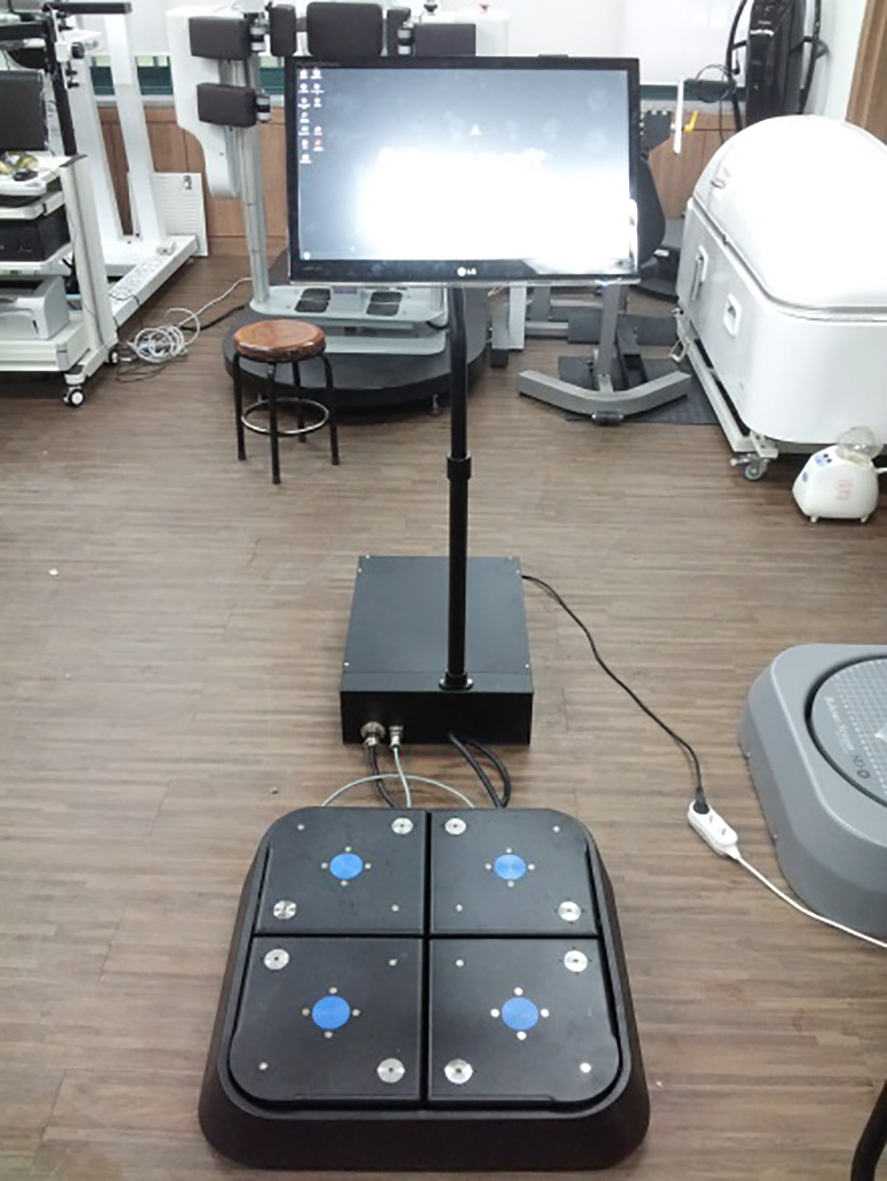
Subjects were instructed to straighten their waist, squat to the front, keep their knees apart, bend for 2 seconds, and stay upright for 2 seconds. Subjects were given the same amount of exercise time and exercise intensity. This was done by controlling their exercise attitude and exercise time with a metronome during the squat exercises to control the factors that might affect muscle strength enhancement (Fig. 2).
Squat exercise motion on the whole body vibration plate.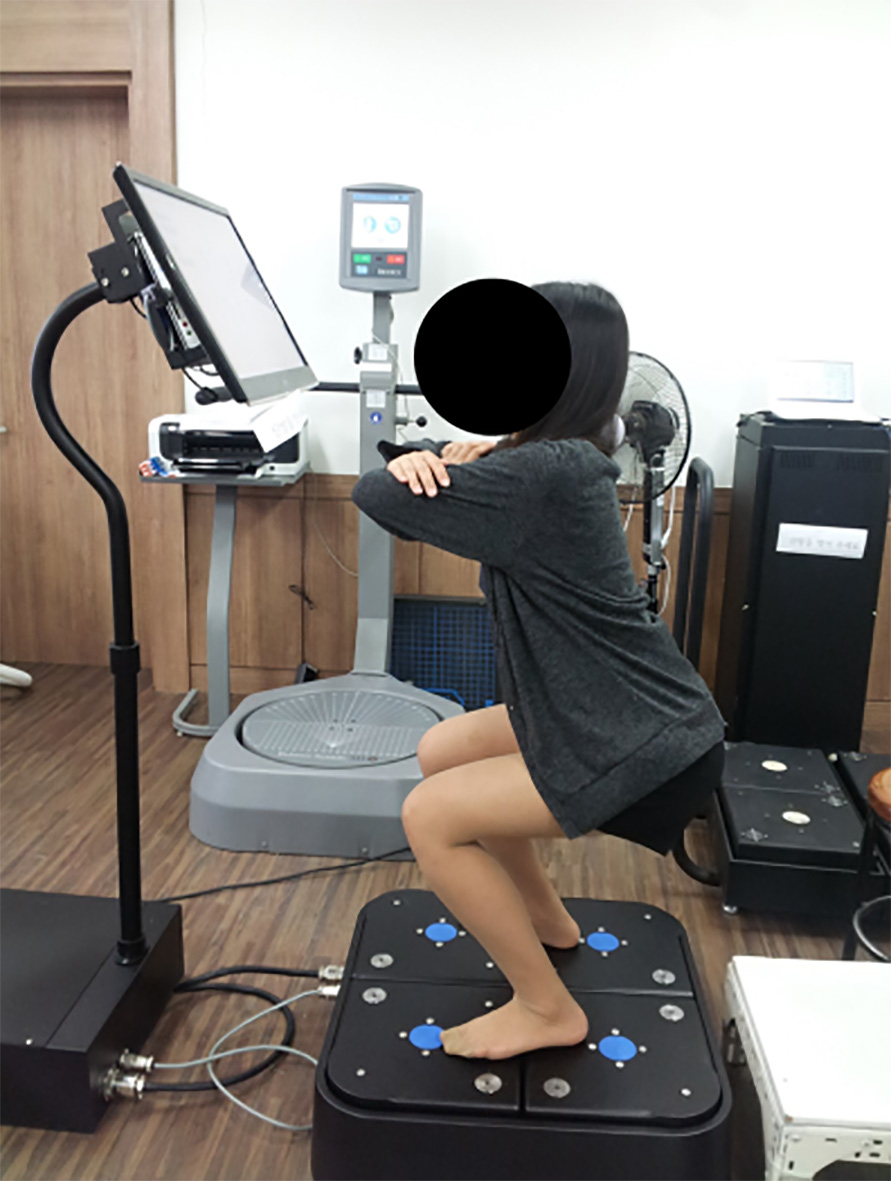
The exercise plan comprised of 5 sets of squats, performed 15 times a day, 3 times a week for a total of 8 weeks. During the exercise and the evaluation, the subjects kept the indoor temperature at 20
The left and right independent vibrational motion loads proposed for improving left and right muscle imbalance included the fixed amplitude of 5 mm, and a variable vibration frequency of 50 Hz for the high-frequency group, and 25 Hz for the low-frequency group.
The amplitude was set to 5 mm, which was judged to be the value that would induce the highest level of muscle activity. This value was obtained as a result of a previous evaluation of the muscle activity after providing vibration intensities from 0 to 9 mm using the present system. The control group performed the same squat exercises without a WBV exercise load. To evaluate the improvement in muscle imbalance, isokinetic joint torque tests in the hip, knee, and ankle were performed before and after the experiment.
Estimation of isokinetic muscle function to compare imbalance improvement ratios: (a) hip, (b) knee, (c) ankle.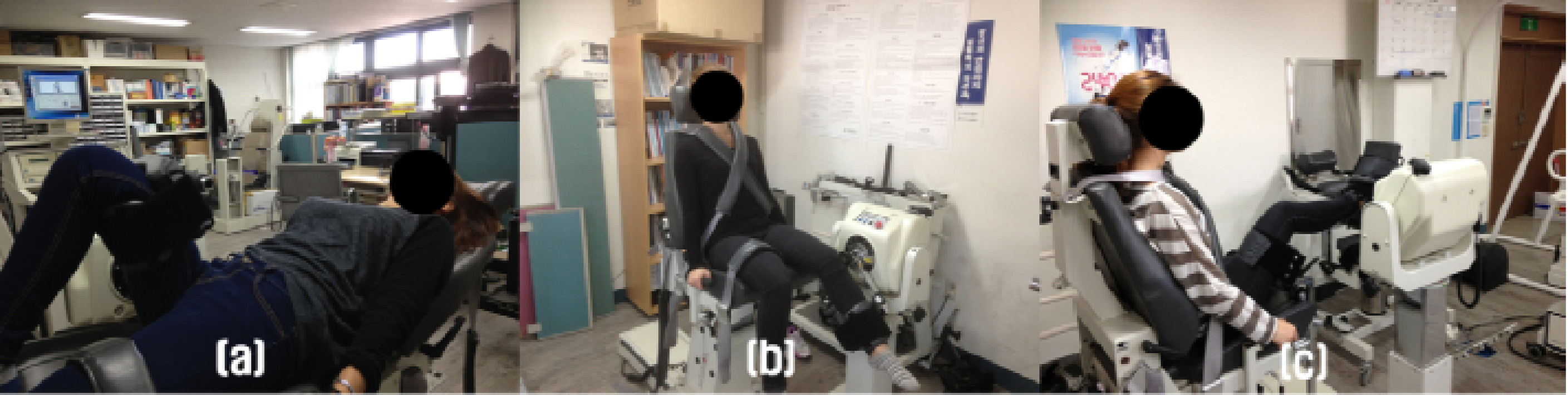
The results of the maximal muscle strength imbalance variation according to the whole body vibration protocol for the hip joint (Mean 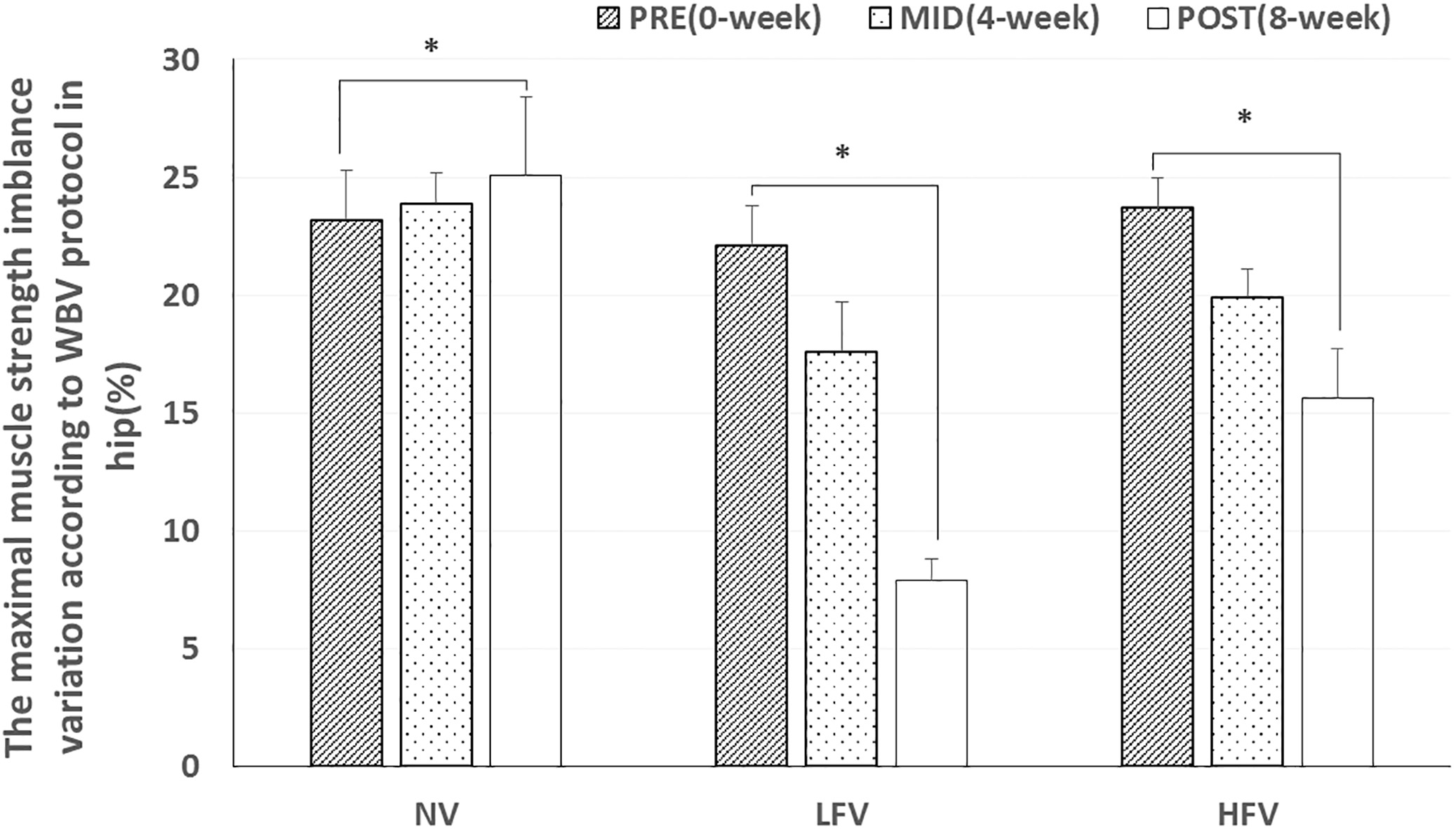
We measured the peak torques of the hip, knee, and ankle joints to evaluate muscular function using the Biodex system 3 (Biodex Medical Systems Co., New York, USA). We also evaluated the peak torque and average hip, knee, and ankle joint powers, as shown in Fig. 3. To evaluate the joint torque, the participants completed five maximal concentric contractions by performing hip, knee, and ankle joint extension and flexion exercises at 60 s
To estimate the effects of the intervention on improvement of muscle strength imbalance, we measured the torque at the hip, knee, and ankle joints. The data acquired using the isokinetic muscle function unit included maximal peak torque per body weight, average power per body weight, and acceleration time.
Statistical analyses were conducted using SPSS for Windows, version 18.0 (SPSS Inc., Chicago, IL, USA). A repeated measure analysis of variance (ANOVA) was used to test for the baseline differences between the WBV and control groups. Intra-group changes were analyzed as a post hoc procedure via paired t-tests. A Bonferroni correction was used to adjust the p value in relation to the number of contrasts that were performed. The level of significance was set at
Results
Variations in the maximal strength imbalance ratio on the left and right side lower limbs according to the WBV frequency level
Prior to the experiment, there was no significant difference in the left and right muscle strengths between the groups. After performing the squat and WBV exercises, the muscular imbalance of all joints was decreased in the groups which combined the WBV exercise. However, the group that provided data for WBV showed a significant difference in improvement of muscle imbalance according to the vibration frequency. The hip joint results improved by 59.9% from 22.1
The results of the maximal muscle strength imbalance variation according to the whole body vibration protocol for the knee joint (Mean 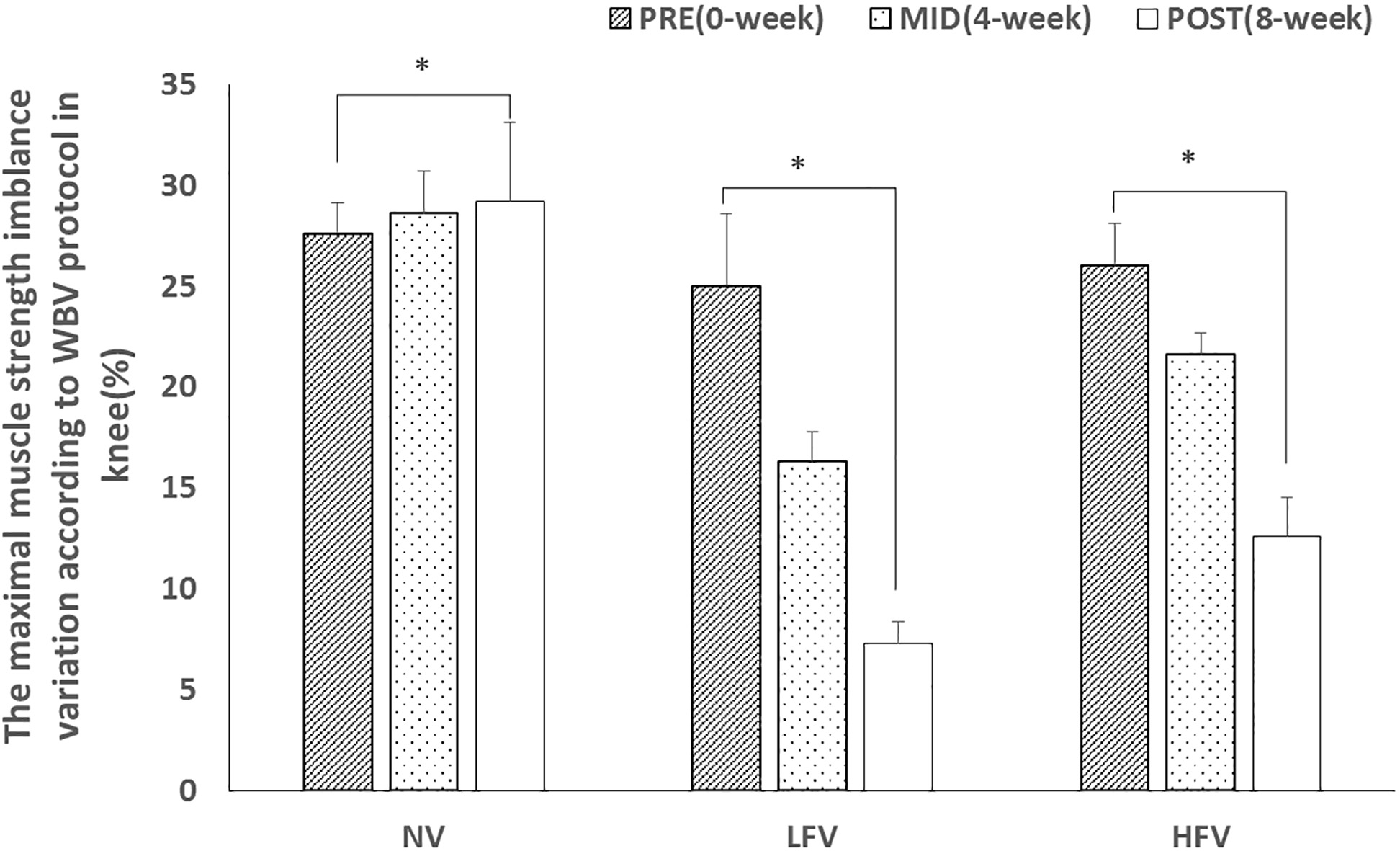
The results of the maximal muscle strength imbalance variation according to the whole body vibration protocol for the ankle joint (Mean 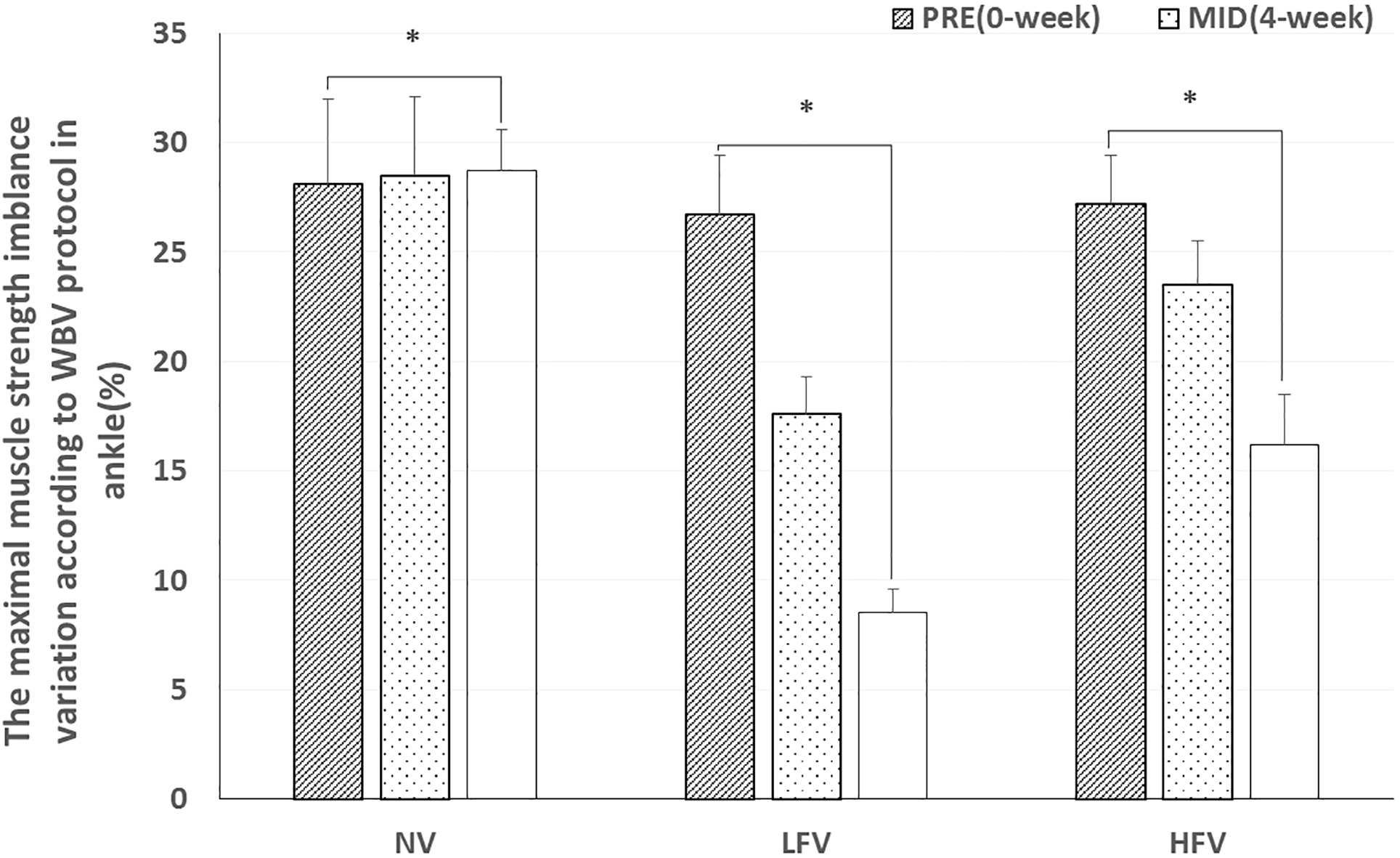
The average muscle power imbalance variation according to the whole body vibration protocol for the hip joint (Mean 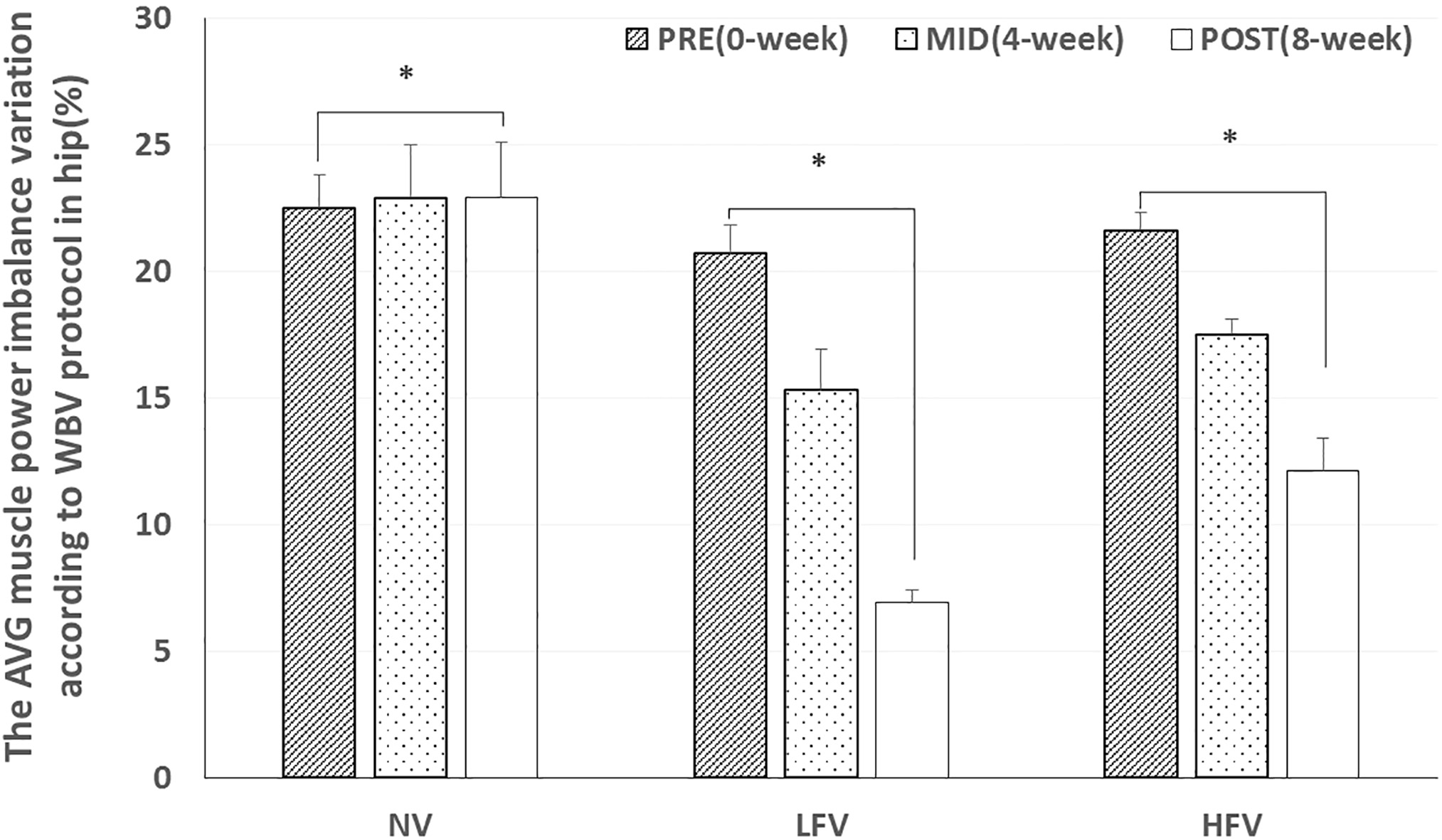
The average muscle power imbalance variation according to the whole body vibration protocol for the knee joint (Mean 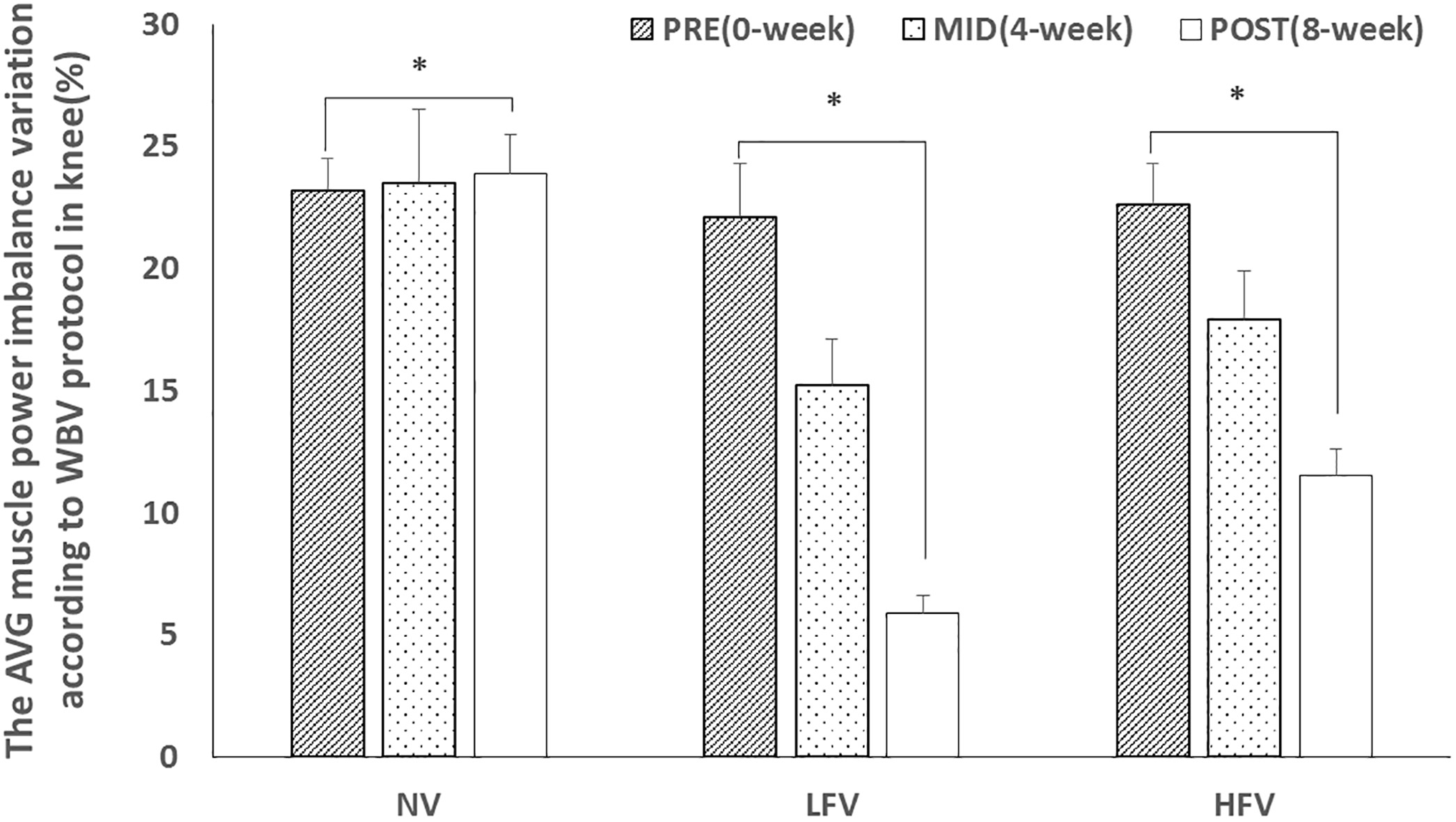
The average muscle power imbalance variation according to the whole body vibration protocol for the ankle joint (Mean 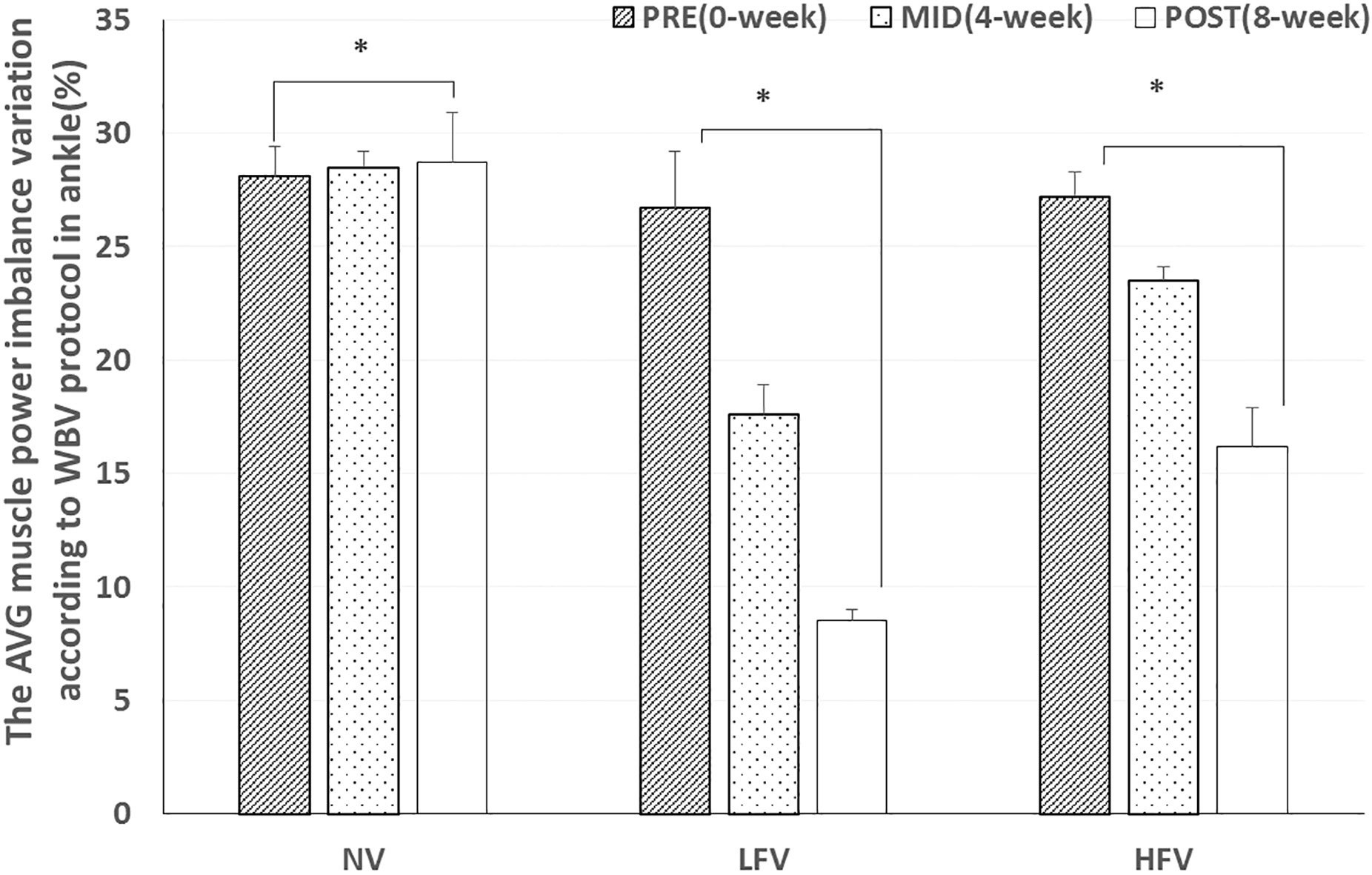
The average muscle power for the left and right lower limbs did not show a large difference by group prior to the experiment. At the end of the 8-week experiment, the WBV groups showed decreased muscle imbalance in the muscles of all joints. Similar to the above maximal muscle strength results, groups with low-frequency band vibrations showed a significant trend toward a greater improvement in muscle imbalance. The hip joint result showed a 63.9% improvement in the LVF group, from 20.7
Prior to the experiment, the results of muscle contraction acceleration time showed no significant difference in all groups. However, unlike the control group, the groups that received WBV showed a tendency to decrease the imbalance ratio for all joints.
The ratio of muscle contraction acceleration time according to the whole body vibration protocol for the hip joint (Mean 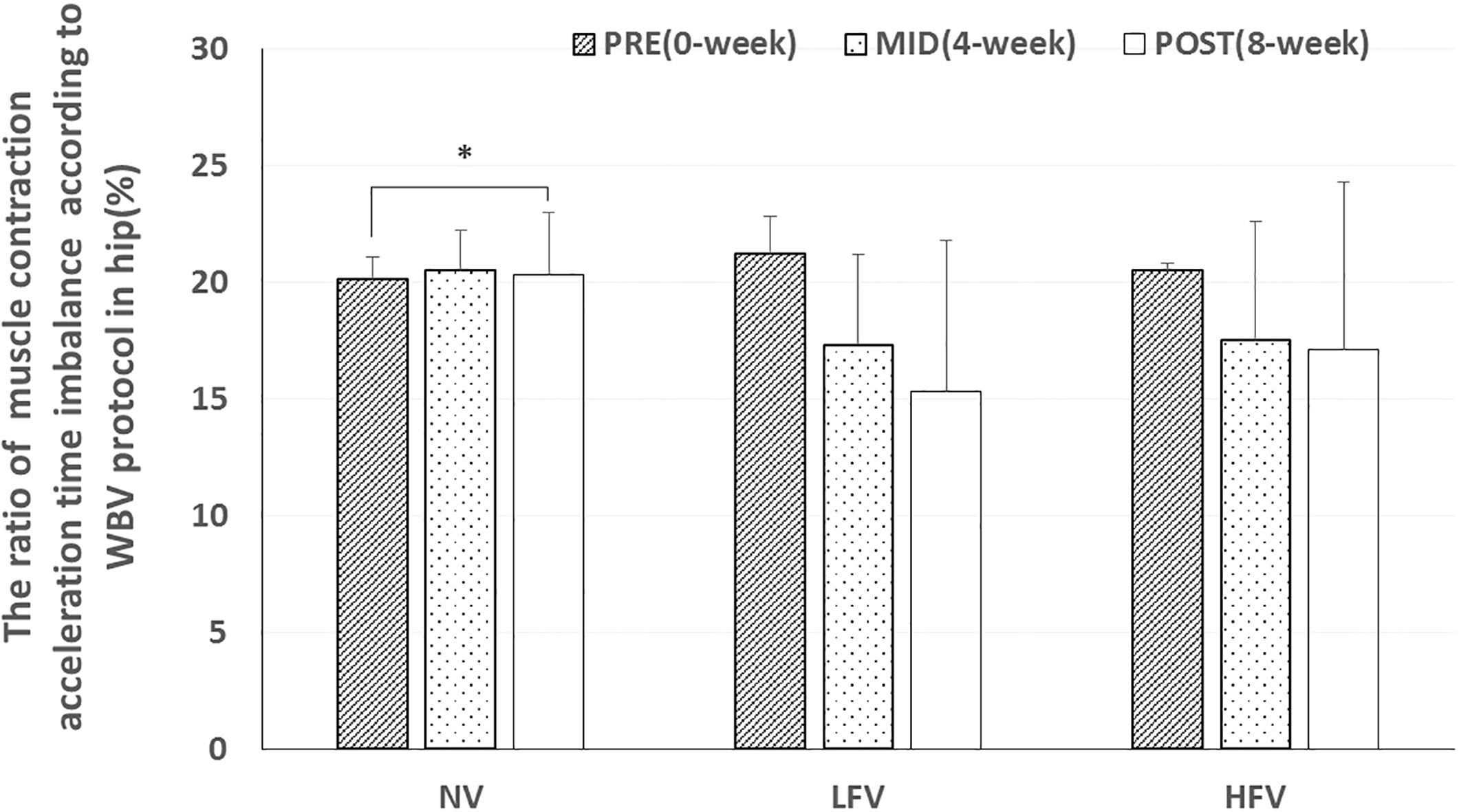
The ratio of muscle contraction acceleration time according to the whole body vibration protocol for the knee joint (Mean 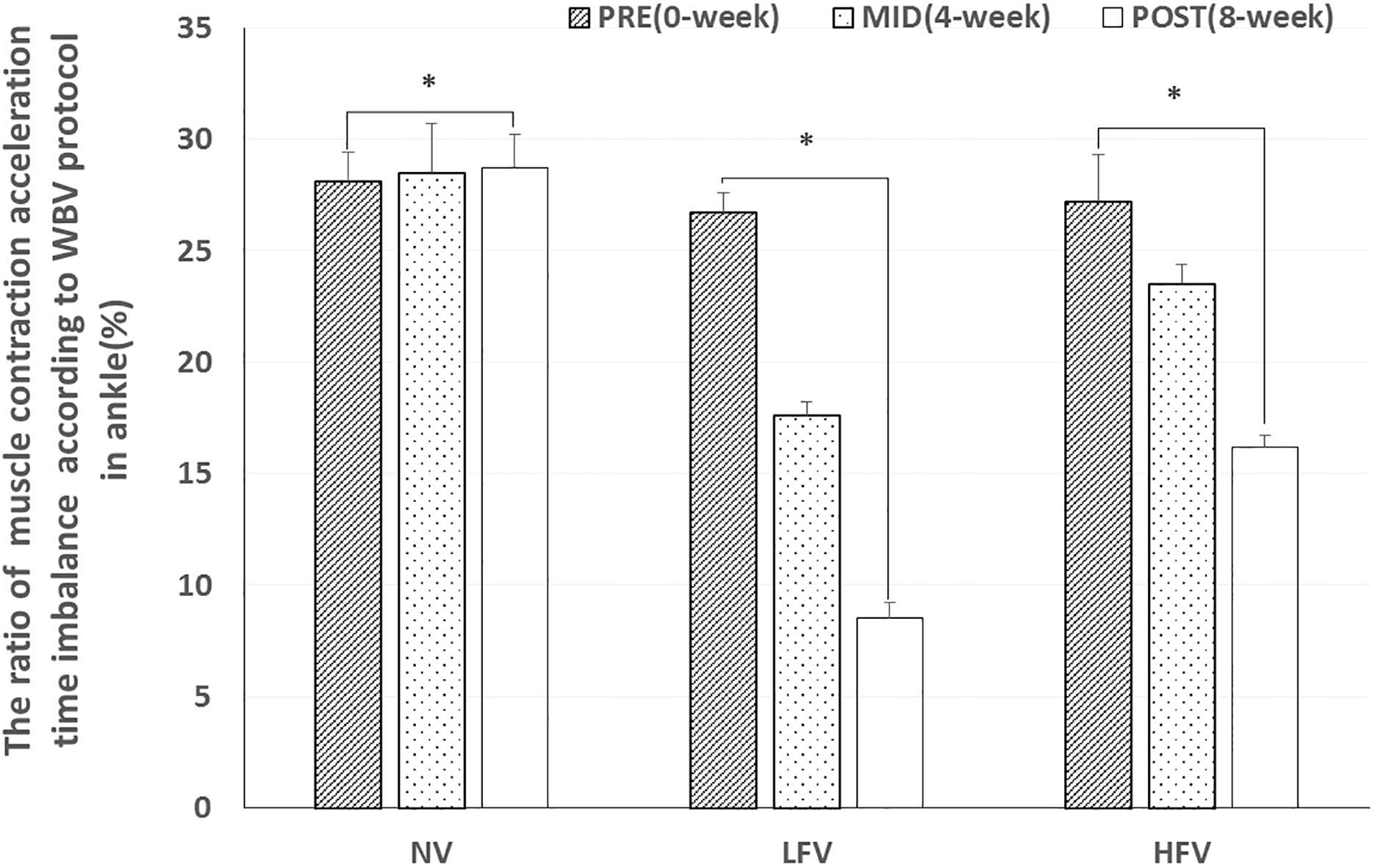
Except for the hip joints in the group that received low-frequency vibration, there was a significant decrease in the knee and ankle imbalances. At the hip joint, the LVF group showed the greatest difference in muscle contraction acceleration time. Prior to the experiment this value was 21.2
The ratio of muscle contraction acceleration time according to the whole body vibration protocol for the ankle joint (Mean 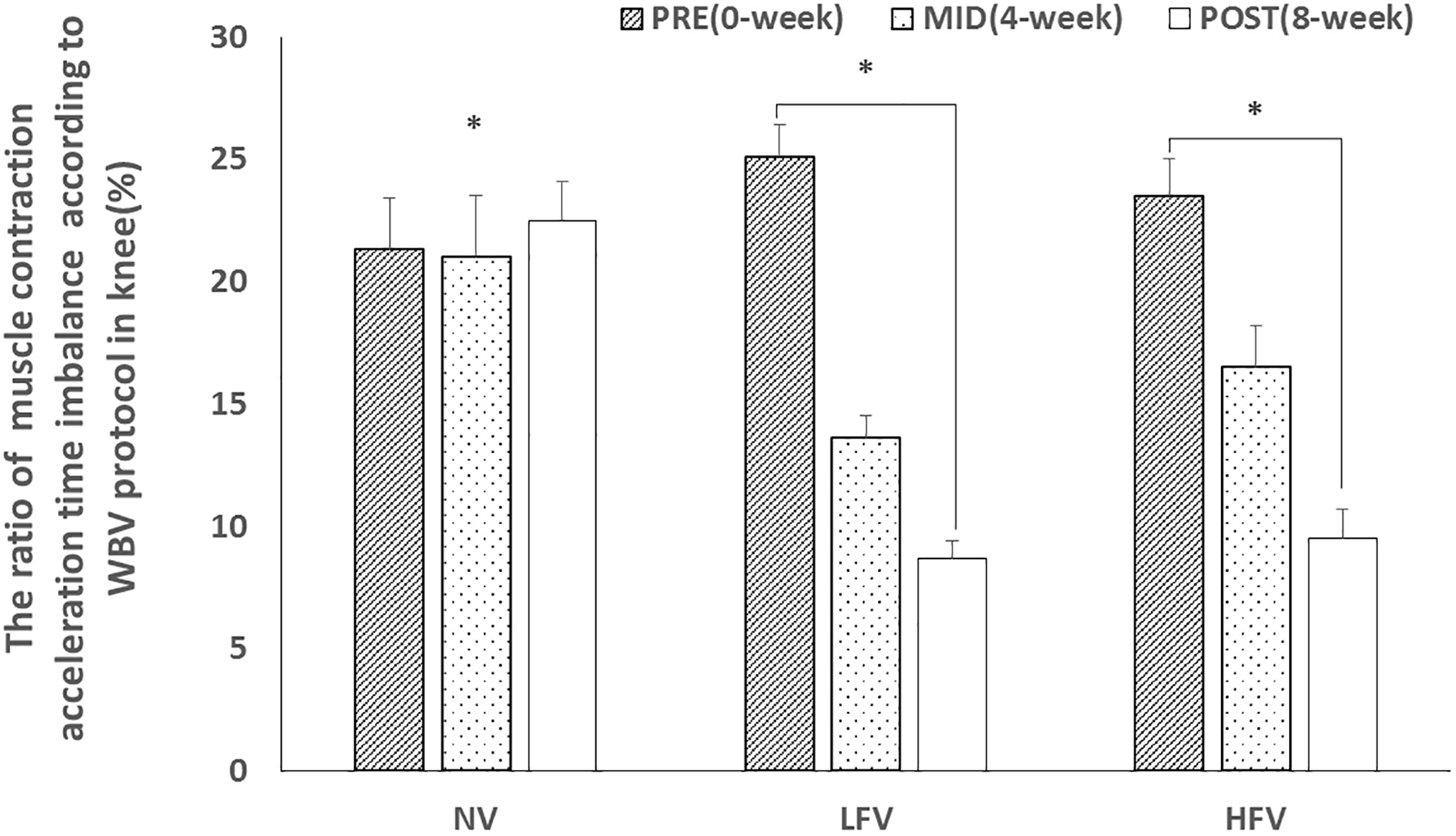
Similar to the results of the muscle contraction acceleration time, the results of the maximum muscle strength and average muscle fatigue showed a larger effect on imbalance improvement when the WBV movement was provided in the low frequency band. The most pronounced tendency is shown in the low frequency band with a decrease of more than 10.2
The purpose of this study was to verify the validity of an exercise variance method using WBV to improve muscle imbalance. We furthermore investigated the optimal exercise load for improving muscle imbalance by comparing and analyzing the WBV frequency band.
Similar to previous studies, WBV exercise exerted a positive effect on strengthening the muscles. The WBV movement exerts a positive effect on the improvement of muscle function by inducing reflex muscle shrinking, which occurs from the transmission of vibration energy to the muscle [2]. In the present study, we concluded that an 8-week regular and continuous WBV intervention on the weak muscles via a full-body vibration load led to greater neuromuscular function improvement than in comparison to the strong muscle group [3, 4, 5, 6, 16]. In addition, long-term vibration exercise, as stated in previous studies, exerts a more beneficial effect than general muscle strengthening exercises [17]. Although it can cause joint and muscle damage due to the weight of the exercise, using existing simple weights, the WBV movements can transmit vibration energy directly to the muscles, thereby preventing injuries. Also, the WBV movements do not strengthen the direct muscles, but actually stimulates the intrinsic receptors inside the joints, thus inducing muscle-functional activity, which decreases the burden on the body and improves sensory function [18]. Imbalances of the left- and right-sided muscles are mostly caused by excessive unilateral movements or the range of motion biases. Therefore, the simple load bearing exercise can worsen the muscle imbalance since it is natural that the strong sides of muscles do more work than the weak muscles. Also, WBV movements showed a positive effect on the development of whole body balance in the previous studies. WBV motion induced muscle activity by the method of transmitting kinetic energy to the inside of the body without the burden on the joints. Therefore, it appears more appropriate to improve the muscle imbalance through the method of WBV motion rather than the lump of external loads [19, 20, 21, 22, 23, 24].
There was a slight difference in the effect of frequency band of vibration with respect to the benefits of WBV motion. In this study, the frequency of 25 Hz showed more effect on the improvement of myocardial function. However, the previous showed the best effect at the frequency band of 30–40 Hz or more were provided in WBV exercise [26, 27, 28]. For athletes, high frequency bands may also strengthen muscle fibers and strengthen muscular responsiveness for power in the previous study but subjects in this study appealed pain and discomfort at frequency of 30 Hz or more. Therefore, it is suggested that the frequency, which is one of the exercise loads of vibration, should be taken into consideration in various conditions such as individual’s joint function, age, sex, and health.
The level of reflex response to the energy delivered to the body varies from person to person. In the general population, the high frequency band of WBV may weaken muscle-functional activity because the threshold value of the muscle reflex response is low.
The exercise load variance method using WBV motion can exert a positive effect on the improvement of left- and right-sided muscle imbalance. Muscle strength imbalances are caused by structural or repetitive movements of the internal organs resulting in a change in function and the external appearance of the body [2]. Exercise or rehabilitation should be used to improve internal organ function, rather than solely focus on the body’s exterior. Also, correction of bad and erroneous habits in basic daily life can aid in preventing the development of muscle imbalances. The vibration frequency of the WBV motions used to improve muscular imbalances showed a balance enhancement effect in the low-frequency bands that was about 10.2
Conclusion
In this study, we examined the optimal exercise load needed to improve muscle imbalance by verifying the validity of muscle imbalance improvements after WBV and comparing and analyzing these changes according to the frequency band of vibration. As a result, the following conclusions were obtained.
First, WBV exercise exerted a positive effect on the improvement of muscle imbalance. We thought that the WBV movements would directly induce torsional reflex contractions by directly transmitting vibration energy to the muscles. Therefore, the training group which was exposed regularly and continuously to the WBV load for eight weeks would experience a greater neuromuscular functional improvement.
Second, the whole body vibration load variation method induces improvement in function and contractility of muscles by directly transferring the kinetic energy to the inside of the human body rather than using the external weight or load. This method is more effective for improving muscle imbalance.
Third, the vibration frequency of WBV motion induces imbalance improvement effects in the low-frequency bands from 10.2
These findings imply that continuous load-deviation motions in the low-frequency band are more effective at improving muscle imbalances than the high-frequency band, because the reflex response to the energy delivered to the body varies from person to person.
Future work will be carried out to evaluate the effects of various exercise loads, exercise techniques, and rehabilitation techniques with respect to improving muscle strength imbalance. WBV can also be used in rehabilitation programs to improve imbalance in to the elderly or physically decompensated patients without the need for excessive exercise. In this study, the experiment was divided into 25 Hz and 50 Hz, but it is expected that more research will be carried out to evaluate other frequency domains in the future.
Footnotes
Acknowledgments
This work was supported by the National Research Foundation of Korea (NRF) funded by the Korean government (MSIP) (grant no. NRF-2017R1A2B4011239) and the Korea Health Technology R&D Project through the Korea Health Industry Development Institute funded by the Ministry of Health and Welfare, Korea (grant no. HI15C1529).
Conflict of interest
None to report.