




Abstract
BACKGROUND:
Quarantine and social distancing are important to avoid spreading the coronavirus. Being active, healthy and happy is a central part of managing daily challenges.
OBJECTIVE:
The objective of the study was to improve understanding regarding the wellbeing of the elderly during COVID-19 pandemic.
METHODS:
For the literature review, keywords such as wellbeing and COVID-19 were searched for associations with terms such as elderly, ageing and old people. Only research published in peer-reviewed journals and written in English was considered in this study. The studies included in the analysis were only those published between the start of the pandemic and April 2021.
RESULTS:
From a total of 75 searches, eight studies fit the inclusion criteria. Elderly people are the population group most vulnerable to COVID-19, which threatens their lives and wellbeing. Technology such as artificial intelligence can maintain the wellbeing of the elderly. Lockdown, the lack of social interaction and the limited access to medications and health facilities can worsen the physical and mental health and the psychological wellbeing of the elderly. Conclusion: It is important to highlight elderly care and mitigation programmes related to physical activities and cognitive psychology to prevent mental and functional decline in older people. Further studies should focus on their quality of life and the wellbeing.
Introduction
The coronavirus continues to spread worldwide. As of mid-2021, it has infected more than 120 million people and has resulted in more than 2.5 million deaths [1]. COVID-19 is caused by the severe acute respiratory syndrome coronavirus 2 (SARS-CoV-2).
Social isolation and loneliness are a public health issue, especially among elderly people, because they impact quality of life and physical and mental health [2, 3]. During social distancing, people try to stay at home, isolate themselves and avoid meeting family, relatives, friends or medical professionals, except for reasons of emergency. Quarantine, lockdown and social distancing were important in slowing down the spread of the coronavirus.
Remaining active, healthy and happy can be daily challenges for the elderly during the pandemic. Life expectancy has been increasing with the result that some older people live on their own even though they have serious diseases [4]. Moreover, elderly people have a higher risk of contracting COVID-19, which can result in severe illness that can complicate their situation and increase their dependence on others, including family members, health providers and caregivers. The elderly make up a significant percentage of COVID-19 fatalities [5].
The outcome of the study was that wellbeing is important. Wellbeing is a feeling which is more than just happiness [6]. Based on the Merriam-Webster’s Collegiate Dictionary, wellbeing is defined as ‘the state of being happy, healthy or prosperous’. Wellbeing is defined as developing as an individual, feeling satisfied and contributing to society [6]. In accordance with the World Health Organization [7] and in relation to the definition of health, Wilcock proposed that there are three dimensions of wellbeing: physical, mental and social wellbeing [8]. Parameters such as life satisfaction, personal development and social wellbeing are used to measure wellbeing overall [6]. Mental wellbeing is characterised by better sleep quality, reduced depression and anxiety and other psychological outcomes [9]. The objective of this review was to improve understanding regarding the wellbeing of the elderly during COVID-19 pandemic.
Materials and methods
Search strategy
This study was a narrative review in which works of literature in English were evaluated using an electronic search strategy and the PubMed, MEDLINE, Cochrane Database of Systematic Reviews, Scopus, PsycINFO and Google Scholar databases. These were searched both manually and by means of a web engine, focusing on specific keywords: wellbeing, welfare, mental health, pandemic, outbreak and COVID-19 associated with elderly, ageing, older adults and old people. The keywords chosen for evaluation in the PubMed database were selected in accordance with the medical subject headings (MeSH) system. In a hierarchy called a tree, MeSH concepts are grouped, with more specific concepts arranged under broader terms [10]. The use of the MeSH terms expanded and optimised the search strategy it [10]. Search results were exported to Mendeley Desktop version 1.19.8 to remove duplicates from the analysis.
Inclusion and exclusion criteria
The inclusion criteria were as follows: studies with a sample of people aged 60 years or older, studies that analysed the wellbeing of elderly people in relation to mental health and physical activity, studies published in peer-reviewed journals and written in English and studies published between the start of the pandemic and April 2021. In this review, we included observational, prospective and clinical trials, case-control studies, cross-sectional studies and existing data analysis. The exclusion criteria were review studies and theoretical papers that did not mention the specifics of the respondents.
From a total of 75 searches, eight studies met the inclusion criteria. The full text of each article was obtained either by retrieval from one of the databases or by requesting it from the authors. Only studies for which the full text could be obtained were included in the analysis. The scientific content was used to categorise the posts.
Results
Figure 1 summarises the search strategy. The search identified 75 articles that examined the wellbeing in older people during the COVID-19 pandemic. During the first and second stages, the articles were screened based on titles and abstracts, the inclusion criteria and duplications with other studies. During this step, 15 studies were selected, and the accessibility of their full-text was then checked. Following the screening process, only eight studies were included in the analysis [11–18].
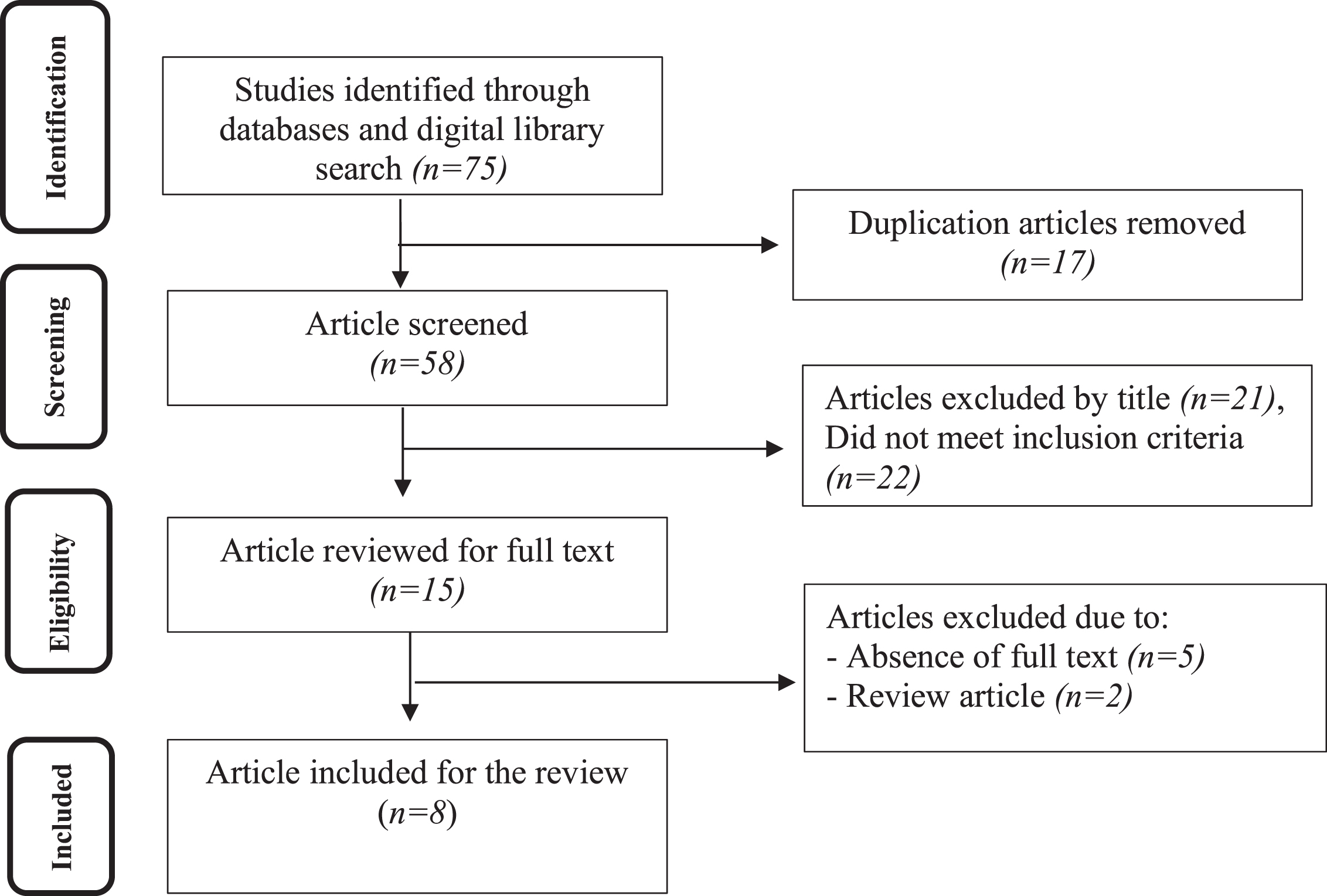
Flow diagram for the selection of the studies included in the review.
The eight studies were either cross-sectional, randomised control, or qualitative studies including interviews (Table 1). All participants were aged 60 or older. Elderly people are the population group most vulnerable to COVID-19, which threatens their lives and wellbeing, and clinical research has shown that they are also the most frequently affected by the disease [19]. Technology such as artificial intelligence can maintain the wellbeing of the elderly, which will increase their longevity. Lockdown, lack of social interaction and the restricted access to medication and health facilities can worsen their physical and mental health and their psychological wellbeing.
Characteristics of included studies
Loneliness, stress, depression, anxiety, sleep disturbance and suicidal ideation symptoms are experienced by the elderly during the pandemic. Moreover, some may experience brain activity problems, such as the inability to focus, remember, recall details or multi-task. Gait disturbance, which affects the quality of walking, is also frequently experienced among the elderly along with dementia due to physical distancing and discontinuation of rehabilitation care. Physical activities, such as gardening, benefit the physical and mental health of elderly people.
During the pandemic, older adults can face many challenges, but the majority are preventable. The pandemic has alarming implications for the wellbeing of the elderly; these are related to their health and their emotional, psychological and social functioning. Mental wellbeing is related to several parameters, including emotions, purpose in life, accomplishments, physical and mental health and interpersonal relationships [20]. The mental wellbeing of older people requires special attention because of their vulnerability and is classified as a potential public health issue, especially during COVID-19. Wellbeing is negatively affected by stress, depression, anxiety and a worse immune system and results in socio-economic hardship [21].
Older people have a higher vulnerability to COVID-19 infection because of their weakened immune system and chronic underlying diseases [11, 12]. Elderly people, especially those with pre-existing chronic comorbidities, such as respiratory diseases, diabetes mellitus, cardiovascular diseases and renal failure, have a higher risk of COVID-19 infection and subsequent mortality [22–24].
Home confinement and isolation may cause physical and mental health issues within the geriatric population, especially for those who have limited access to communication and internet connections [23]. The pandemic limited the access of the elderly to routine interventions such as therapeutic therapy [23].
The high mortality and rapid transmission of COVID-19 increase stress, fear, frustration, confusion, anxiety, depression, difficulties with sleep, psychiatric symptoms, the risk of mental health problems and suicidal ideation symptoms, particularly among elderly people [11, 26]. Stress may arise from fear of being ill, uncertainty about the disease, scarcity of personal protective equipment, limited access to medical protection, financial losses and the loss of loved ones as a result of COVID-19 [11, 25]. Physical activity, wellbeing, quality of sleep and cognitive functioning may also be restricted by the pandemic [13, 26].
The incidence of stress or other psychological symptoms may impact the immune system [21]. Moreover, the elderly may experience psychological symptoms of dementia because of the pandemic and the isolation [26]. The elderly are vulnerable to wellbeing challenges during the pandemic, such as frailty, loneliness/social isolation, severe illness, cognitive impairment, psychological restriction, misconceptions about information, lack of access to COVID-19 testing, psychosocial vulnerability, addiction disorders and the challenges involved in connecting digitally with others [22]. Home confinement, social isolation and social disconnection aggravate the risk of anxiety and depression among the elderly [3].
Respiratory rehabilitation training, which includes breathing exercises, such as airway clearance techniques and the exercise of respiratory muscles, is needed for COVID-19 patients to sustain physical functioning and to facilitate psychological reconstruction [27]. The emotional wellbeing of the elderly is ignored because the attention of government, health providers and society is primarily focused on precautionary steps and medication [22].
Interventions, such as community activities through social interactions, are needed to improve the quality of life of older adults who experience loneliness. Moreover, a randomised control trial study in China involving 72 patients aged 65 or older who were diagnosed with COVID-19, has shown that the intervention of a six-week respiratory rehabilitation can not only improve the quality of life and respiratory function but can also reduce anxiety among elderly patients with COVID-19 [14]. Caring for the health and wellbeing of the elderly is important during this pandemic [22].
COVID-19 has shown the importance of digital literacy for the elderly. Digitisation among the elderly has benefits, such as reducing sleep disorders, improving psychological wellbeing and increasing social interactions and activities [22]. Senior citizens need to utilise digital technologies and telemedicine during the pandemic to cope with problems related to their health and psychological and mental wellbeing. Digital technologies can educate the elderly and provide support and counselling in the form of therapeutic interventions and psychological services [11, 29]. Moreover, social support through online platforms such as WhatsApp, Twitter and Facebook, or online choirs and online religious ceremonies may increase the social interactions between the elderly and other people [13, 30]. Using digital technologies such as telephones or video calls may reduce the loneliness caused by physical distancing [31].
The elderly who live alone, have a sensory or cognitive disability, or are institutionalised are especially vulnerable during the pandemic [22]. Loneliness can worsen the wellbeing and mental health of elderly people [26, 32]. A study shows that loneliness among the elderly is associated with physical and mental health problems, such as high blood pressure, cardiovascular disease, depression and the decline of cognitive abilities [2].
Loneliness is a risk factor for the wellbeing of the elderly because of the lack of commonality or connectedness with others [30]. Loneliness harms the physical and mental wellbeing of elderly people [30]. Especially during isolation, it may lead to anxiety, cognitive dysfunction and depression [23, 30]. It is linked with the need for medical consultation using health care services [2, 32] and is associated with morbidity, leading to more frequent visits to physicians, not only for medical reasons but also to receive social support from doctors [2]. Elderly people experience limitations, and society must acknowledge their dependence and work to empower them.
Physical activity is associated with increased wellbeing among the elderly [9]. Regular and frequent exercise has a positive effect on depression and improves positive wellbeing and vitality, although if too frequent, it can have a negative effect, increasing the risk of injury [33].
During these difficult times, it is important to intervene holistically, to mitigate the negative consequences of isolation and loneliness and to increase the wellbeing of the older population. Community interventions, such as promoting healthy lifestyles, encouraging mental wellbeing, improving the knowledge of technological, health-promoting initiatives, helping older people to engage with technologies, providing psychological counselling (or online consultation) and offering advice on how to take care of their physical and psychological health during the pandemic, may reduce mental wellbeing problems among the elderly.
This study analyses the wellbeing of the elderly based solely on physical activity and mental health, while the social dimension of wellbeing is not explored in this study. Therefore, it is recommended for future scholars to look for the social dimension of wellbeing in older people during the COVID-19 pandemic.
Conclusion
COVID-19 can decrease the wellbeing of the elderly because they are the most vulnerable population group. The wellbeing of the elderly needs special attention from society. It is important to highlight elderly care and mitigation programmes related to physical activity and cognitive psychology, which prevent mental and functional decline in older people. Further studies should focus on the quality of life and the wellbeing of older people during the pandemic. Providing medical services and social activities for the elderly is essential for preserving their mental wellbeing and improving their quality of life during the COVID-19 pandemic.
Footnotes
Acknowledgments
The author has no acknowledgments.
Funding
The author reports no funding.
Conflict of Interest
The author has no conflict of interest to report.