




Abstract
The rapid development of cultural tourism in recent years refers to a process of cultural experience of tourist objects with cultural characteristics. It can not only vigorously carry forward the rich and colorful history and cultural deposits, but also combine the huge economic and cultural benefits generated by tourism, and promote the rapid development of cultural construction. Cultural tourism is a kind of way that all kinds of social groups enjoy, and it is a deep and lasting way of communication, which can promote the communication between people of different social strata. The existing literature has explored the influence of tourists’ psychological carrying capacity, but failed to explain the process and degree of influence. Based on behavioral and experience theories, this paper proposes that culture has a positive impact on tourists’ psychological carrying capacity through tourist experience, and tests relevant hypotheses. The primary psychological traits of historical and cultural tourists include curiosity about historical mysteries, the desire for historical knowledge, motivation to collect spiritual enrichment, academic interest in cultural heritage exploration, and an aesthetic appreciation for classical history. Key determinants include the scale and conservation of historical and cultural resources, their combination with natural attractions, and the personal qualities of tourists and the cultural competence of tour guides. The mental health care model combines tourism and psychology to facilitate both physical and mental well-being through professional psychological counseling services, aiding tourists in their recovery and self-healing. This integrated approach offers a broad scope and potential as an effective tool for addressing negative emotions, with demonstrated therapeutic effects focusing on psychological and social factors.
Keywords
Introduction
Ecosystems provide various resources needed for human survival and development, not only providing food, medicine, and other raw materials for production and living but also creating and maintaining the Earth’s life support system and providing the environmental conditions necessary for human survival, as well as providing spiritual and cultural dimensions such as leisure, entertainment, and aesthetics for human enjoyment. Although the importance of tourism rest and cultural ecosystem services has always been recognized, no standardized methodology has been established to assess the value of its services [1]. On the one hand, it has been a difficult problem to assess cultural ecosystem services reasonably quantitatively because of the strong subjectivity; on the other hand, it is the lack of data for large-scale assessment, and detailed surveys are the main source of information, while most of the traditional cultural ecosystem service assessments use some time-consuming and labor-intensive research methods such as walk-through surveys. In addition, a quantitative assessment of ecosystem services can be used to judge the impact and comprehensive benefits brought by some major construction projects to the ecosystem and to provide corresponding support for the preliminary development and later adjustment of these projects [2]. Psychological quality refers to a more complex psychological phenomenon formed by the combination of relevant elements such as cognition, emotion, will and behaviour, and environment. Entrepreneurial psychology refers to the relatively stable psychological characteristics and psychological qualities that a person exhibits in the process of entrepreneurship. Entrepreneurial psychology refers to the mental ability, character and personality, behavioural habits, and other qualities that individuals need to have when implementing entrepreneurship, which can support individuals to plan entrepreneurial goals, implement entrepreneurial behaviour, overcome entrepreneurial difficulties, expand the scale of entrepreneurship, and ultimately achieve business success. Good entrepreneurial psychology can lay a very deep foundation for successful entrepreneurship and help college students to succeed in entrepreneurship and realize their value [3]. Therefore, carrying out entrepreneurial psychology education for college students is the key to carrying out entrepreneurship education.
The entrepreneurial psychology education of college students can focus on the entrepreneurial psychological characteristics of college students in terms of entrepreneurial consciousness and entrepreneurial psychological knowledge, entrepreneurial ability and entrepreneurial will, entrepreneurial personality, etc. Through knowledge transfer and practical training, we can shape the entrepreneurial psychology of college students and lay the psychological foundation for successful entrepreneurship. Entrepreneurial psychology education in colleges and universities is mainly based on the entrepreneurship curriculum and is accompanied by entrepreneurial activities [4]. Now our country’s entrepreneurial psychological education is just beginning. We should often learn from the experience of other countries’ higher education in entrepreneurial psychological education and develop a model of entrepreneurial psychological education with Chinese characteristics suitable for our country according to our national conditions. In the stage of high-quality development, regions are not only faced with the problem of maintaining a certain level of economic growth to narrow the gap between regions but also with the problem of how to maintain social equity, achieve shared development and sustainable development, etc. Therefore, using the concept of cooperation to guide development practices can enable specific inter-regionals continually adapt to new changes in the development environment. On the premise of clarifying the current tourism development overview, the achievements and problems, the study of tourism cooperation development path and guarantee mechanism, etc., can provide a new theoretical perspective and analytical framework for sports tourism development research.
Tourist psychological carrying capacity is the most complex and uncertain part of tourism carrying capacity, and it is a complex factor affecting the development of tourism. Managers must understand the psychological endurance limit of tourists, once the degree of congestion in the tourist destination exceeds the psychological carrying capacity of tourists, the satisfaction of tourists will be affected, and even tend to flee the tourist destination. Existing studies have failed to explain the process and degree of influence of ancient village residents’ behaviors on tourists’ psychological carrying capacity. This paper takes tourist experience as the intermediate variable to discuss the process of influence, and compares the degree of influence of different behaviors on tourists’ psychological carrying capacity. The research results can supplement the existing studies on the factors affecting tourists’ psychological carrying capacity to some extent.
Exploring the process and degree of influence on tourists’ psychological carrying capacity can, to a certain extent, remind residents of the behaviors they need to pay attention to and urge them to improve, so as to prevent the decrease of tourists’ psychological carrying capacity due to their own behaviors. In addition, the study of tourist psychological carrying capacity is in line with the background of the continuous development of tourist numbers in recent years. The number of tourists is huge, in addition to taking relevant measures to regulate the flow of tourists, more measures should be taken to improve the psychological carrying capacity of tourists. The research results of this paper can provide reference for analyzing the psychological carrying capacity of tourists and strengthening the behavior management.
It can understand the changes in college students’ psychological development from a new perspective, grasp the law of college students’ psychological development, prescribe the right remedy, encourage college students to think independently, improve their innovation ability, enhance their identification with the mainstream social values and promote the formation of positive moral concepts. Secondly, it can be achieved from the reality of the real society, comprehensively understanding the new development and changes in college students’ thoughts, making the ideological and political education work more effective and targeted, also enhance the effectiveness of network ideological education, and create a good spiritual and cultural atmosphere for the society. Finally, the correct guidance of college students’ herd mentality on the Internet can help them improve their analysis, judgment, and selection ability, guide them to rationally express their online interests and demands, construct mainstream ideology on the Internet, and finally purify the Internet environment, promote the construction of Internet culture, and provide a strong guarantee for the construction of socialist spiritual civilization. The contributions of this paper are summarized as follows:
First, the amount of tourism, leisure and cultural ecosystem services will be influenced by the natural ecological environment and social and economic development, and the tourism and leisure service potential and tourism and leisure service opportunities show different spatial distribution patterns.
Second, the study shows that in the existing tourism open space ecosystem services, the sites with high level of tourism open space potential account for 37.34%, and the sites with high level of tourism open space opportunities are higher than 85%. The relationships, acceptance and appreciation of the participants are important for the development of the individual and the participants can find a sense of belonging and acceptance.
Third, the use of relevant theories can correctly guide network public opinion, strengthen the psychological quality of tourists by carrying out psychological education and setting an example, play a leading role, and guide the cultural tourism psychology from all aspects.
Related works
In the research on herd mentality in the network environment, most scholars still believe that the same herd mentality exists in the network environment and that it is crucial to correctly guide the herd mentality in the network environment due to the characteristics of the network [5]. According to Farid, herding behaviour in network public opinion refers to the tendency of individuals to lose their cognitive judgment and obey the mainstream thought to evaluate things in the network world due to the influence of external network information and eventually form a trend of thought and behaviour that has influence pressure on the network environment [6]. Secondly, Internet education has different data generation, collection, and application characteristics compared to traditional education. In the Internet education industry, users generate data in the Internet platform enterprises when they buy products, data in the Internet education enterprises when they use products, and data in the Internet education enterprises when they sell products on the Internet platform [7]. Data is an important difference between Internet education and traditional education and is also an important basis for Internet education governance. However, since the data is generated and collected in Internet education enterprises and Internet platform enterprises, it is difficult for the government to obtain real data without the cooperation of the relevant Internet education enterprises and platform enterprises. Thus, effective governance cannot be conducted [8]. Therefore, the governance of Internet education needs to bring in Internet education enterprises, platform enterprises, and other data owners for collaborative governance.
However, due to the anonymity factor on the Internet, Internet-mediated communication cannot carry these social cues. Once these social cues are removed, social control and norms are reduced, thus making the Internet a domain of equal participants. Recreational and cultural ecosystem services in rivers, lakes, and coastal areas throughout the European region were also quantified in the study by Liu [9]. China has also focused on tourism recreation and cultural ecosystem service functions in recent years. Most scholars have assessed the cultural ecosystem recreation value of specific ecosystem services or assessed the recreation function of a particular region, national park, etc. Some also make functional partitioning based on the results [10]. Robinson et al. used geospatial system technology to spatially map and analyze the trade-offs and synergies among the supply, regulation, support, and cultural services in the “Three Rivers” area and assessed the naturalness and accessibility of the “Three Rivers” area based on both attributes [11]. The spatial mapping and assessment of natural recreation services in the “Three Rivers” area were conducted based on two attributes: naturalness and accessibility. Entrepreneurial intention is the main factor that generates entrepreneurial behaviour. Not everyone has entrepreneurial intention, but individuals who plan to start a business will consciously adopt entrepreneurial behaviour at a certain moment on a certain day [12]. Therefore, we can study the entrepreneurial behaviour of entrepreneurs by understanding their entrepreneurial ideas.
The scope of the research has grown to include the profile and characteristics of gender differences in male and female participation in entrepreneurship education, educationally supported and technology-supported entrepreneurship education, and models of ICT attitudes and classroom environments for educational development; the research has grown in depth to examine the role of emotions in entrepreneurship education in the classroom [13]. The research results related to the quality of outdoor sports tourism experience were sorted out, the related concepts of each variable were identified, the related models were constructed, and a questionnaire for measuring the variables related to the quality of outdoor sports tourism experience was compiled. Relevant data were obtained through field surveys on the questionnaires to understand different tourists’ motivations, expectations, quality of experience, and willingness to revisit, and the hypotheses were tested through statistical analysis. Finally, we analyzed the variability of outdoor sports tourism experience quality of different tourists in the ecological and cultural tourism circle of Exit. We integrated the research results to give a few suggestions for future development.
Analysis of the role of psycho-occupational therapy
Psychological analysis of tourists in the process of cultural tourism
Ecotourism mainly refers to tourism activities to specific original ecological resource landscapes. Compared with traditional tourism activities in the past, ecotourism is based on the protection of the ecological environment, i.e., human tourism activities do not cause any disturbance or damage to the ecological environment. Ecotourism emphasizes the harmonious coexistence of humans and nature [14]. As a social activity, human tourism activities have typical social attributes. In contrast, the natural tourism resources themselves are pristine and have strong natural attributes. The organic unification of the two is advocated by ecotourism, which also coincides with the strategy of sustainable development of the ecological environment.
Ecotourism is a tourism activity that both protects the ecological environment and brings economic welfare income to the place within a specific area. In essence, ecotourism activities contain two main levels of meaning: on the one hand, the object objects viewed by tourists are natural pristine landscapes, and on the other hand, the tourism activities carried out by humans should not cause any damage to the object objects. As soon as the concept of ecotourism was proposed, it was widely concerned and hotly debated by countries all over the world. Although the construction of ecotourism has only experienced a short period of thirty years, related theories have emerged and matured. Eco-cultural tourism incorporates the concept of culture and emphasizes the recognition and dissemination of culture in the tourism process. Culture as a product of human activity is all-encompassing. It can be either the spiritual values conveyed through ancient architectural objects or local folklore with a unique and strong flavour. The organic unification of ecology, culture and tourism will make the tourism activity itself more enriching, making tourism no longer a single physical ornamental behaviour but an effective way to imprint humanities, ideas, and consciousness deep in the soul.
Eco-cultural tourism must be based on the integrity of the ecosystem; that is, the ecosystem itself should be free from natural disasters and human destruction. There are more components of the ecosystem, including soil, light, moisture, climate, humidity, vegetation cover, animals, etc. The balance and harmony between these factors is a prerequisite element for the ecosystem to be intact and able to maintain sustainable development. To maintain the native nature of the ecosystem, the introduction of exotic species should be used as carefully as possible or prohibited to prevent environmental degradation and deterioration. Pay attention to the effective coverage of vegetation, planned protection and management of organisms, and strict protections for endangered plants and animals. Use modern technology to strengthen the rational exploitation of resources in the ecosystem. Of course, this development, protection, and utilization can provide a good platform for researchers to investigate and record. Still, it also can provide a healthy and orderly viewing environment for tourists.
The landscape within the tourist area should have distinctive ornamental value, scientific research value, aesthetic value, and the humanistic sentiment thus conveyed, etc. If all tourism resources are built according to the same model, it will be boring to tourists. The maximum development and utilization of tourism resources are also in pursuit of this feature of the uniqueness of ecological tourism resources [15]. In essence, the scenic area is mainly based on natural ecological resources, with obvious regional differences. Each has been recognized by the people of the tourism resources; scenic areas are more typical and representative. It is also because of the uniqueness of each tourist that scenic resources produce more social and economic value.
Cultural consumption has four main characteristics; the first level. Different social forms, different life groups, their consumption of culture for different levels, and the pursuit of cultural values are different, thus showing a strong hierarchical distinction. Cultural consumption refers to the pursuit of spirituality based on material satisfaction, which reflects strong spiritual characteristics. Although cultural consumption has different levels, only people who have achieved spiritual satisfaction will consciously or unconsciously pursue cultural consumption. Its diversity and complexity will counteract social development and play a huge role in promoting social civilization. Cultural consumption is not only about physical satisfaction but also about spiritual pleasure, which requires a lot of time and energy. With the material satisfaction of society, people’s free time will increase, and the quantity, level, and time of cultural consumption will increase accordingly, as shown in Fig. 1.
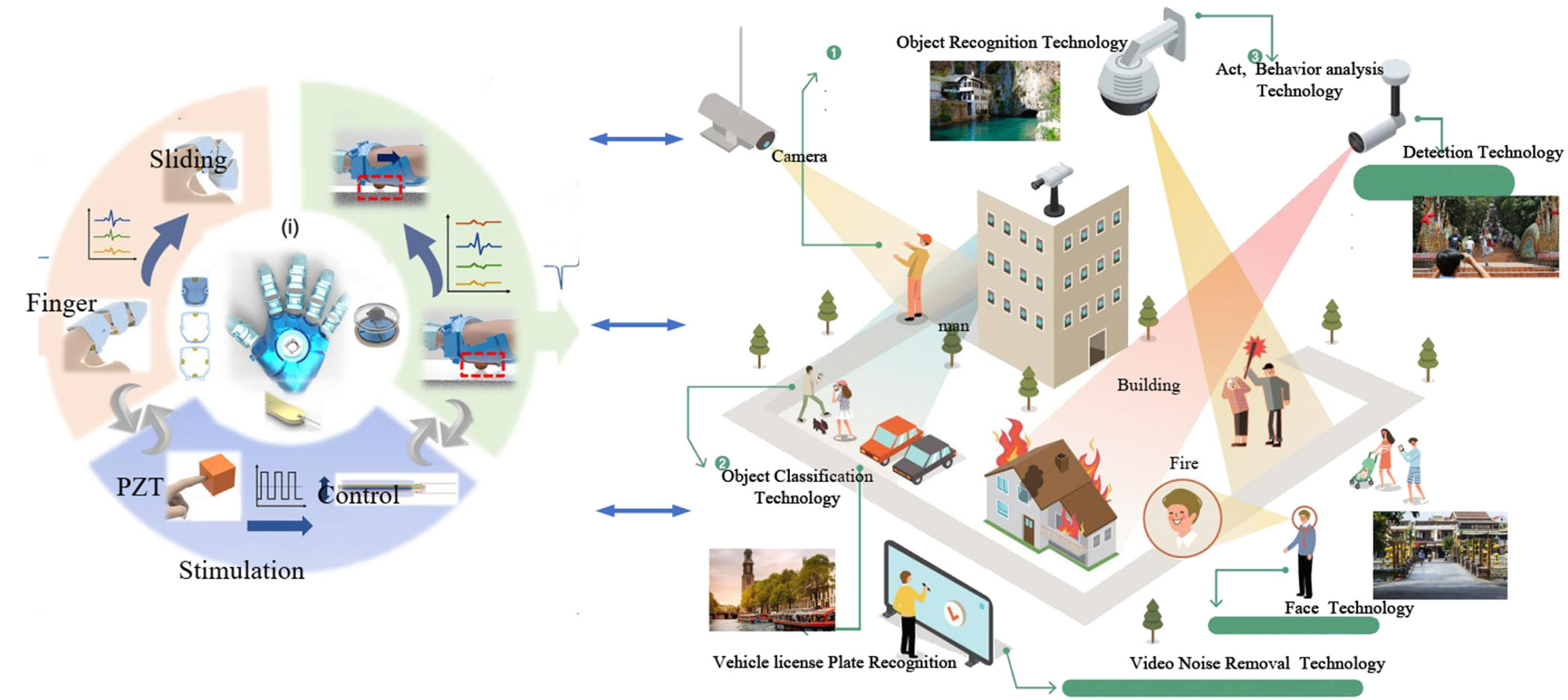
Eco-cultural tourism framework.
The key to collaborative governance is in the collaborative governance mechanism. There are many influencing factors of collaborative governance, and the mechanism of collaborative governance is a system, and there are complex relationships between different collaborative governance mechanisms, which need to build theoretical models and sort out their logical relationships. Collaborative governance of Internet education is an emerging field, and a theoretical model of its governance mechanism needs to be constructed to provide a basis for promoting collaborative governance of Internet education. This chapter takes the comprehensive model of collaborative governance as the basis, aims at realizing the collaboration of governance subjects, refines the key elements of collaborative governance mechanism, and constructs the model of collaborative governance mechanism.
The external environment is the complex and vast social environment in which each collaborative governance subject is located [16]. No collaborative subject is in a closed environment but in a large environment with many elements, in which technological, political, social, and economic factors will affect the cooperation among collaborative governance subjects and eventually affect the result of collaborative governance.
The motivation of cooperation is the reason the process of collaborative governance can begin. The motivation of cooperation includes the motivation of each participant, leadership, and interdependence of the synergistic parties. First, the motivation of each participant includes the application value of collaborative governance and the direct purpose of the subject. The application value of collaborative governance is the condition for each subject to try to carry out collaborative governance. Still, the direct purpose of the subject is the key to deciding whether collaborative governance can be carried out. Secondly, before carrying out collaborative governance, each subject should find a guide and coordinator with strong leadership, which helps the collaborative subjects form stable expectations of the collaborative process and enhances their motivation to participate. Finally, if the synergistic parties have high intensity of interdependence, each participant will be more inclined toward collaborative governance.
Synergistic consequences are the results that arise after the synergistic governance subjects perform synergistic behaviours. The synergistic consequence can be the impact on the synergistic governance subjects and the impact on society, and it can be long-term or short-term. In the integrated model of collaborative governance, the consequences of cooperation are mainly considered through three aspects: the impact of cooperation on each party, evaluation, and accountability. The impact of cooperation on each party is considered in terms of material and ideological aspects. Evaluation should consider five specific aspects: the results achieved, the process of obtaining effective results, the unexpected gains, the recognition of others, and the realization of personal values. Accountability should combine vertical accountability with horizontal accountability to fit the level and structure of collaborative governance.
The existing tourism open space cultural ecosystem service volume includes two parts, existing tourism open space service potential and existing tourism open space service opportunity, which are calculated by the spatial overlay of attraction data to obtain the existing tourism open space cultural ecosystem service volume, and classified by natural breakpoint method to obtain the level of existing tourism open space cultural ecosystem service, with five levels.
As an important professional force in the development of sports tourism, sports social organizations should play an important role in the process of synergistic development of sports tourism in the western circle of E, especially in the planning and evaluation of sports events and activities, the formulation of sports tourism development planning, and the training of sports tourism professionals, but due to the slow process of reforming the entity of sports social organizations in our province, the administrative colour is still strong. Many sports social organizations are headed by administrative or institutional leaders, and their funding still relies mainly on financial allocations, lacking strong viability and vitality in the market mechanism. Therefore, many sports social organizations are not active enough to serve the development of the sports tourism industry, and their role is not effectively played, as shown in Table 1.
Travel motivation variance
In a small way, for college students, the network environment is a type of virtual place where college students can use tools and obtain various information resources, collaborate, and support each other with others. College students spend increased time making friends and learning through the network environment. The network environment has become an important place for college students to pursue learning goals and solve problems. The network environment has also become an important factor affecting college students’ physical and mental health development.
According to the research of related scholars, the herd mentality also exists in the online environment. Under the unique influence of the network, not only does the herd mentality not become weaker in the network environment, but it also makes the herd mentality continue to act in other ways in the network [17]. The network is not a completely virtual environment, so individuals in the network environment will still feel the pressure brought by other individual Internet users. When individuals are influenced by different external network information in the network environment, they may lose their self-cognitive judgment and eventually obey the evaluation of this thing by mainstream thought. The openness and transparency of information on the Internet make everyone’s opinions fully revealed, so when people find that their opinions are in line with the majority, they will be more active in expressing their opinions. Conversely, when people find that their opinions are not in line with the majority, they may choose to remain silent under various pressures.
Individual factors that influence the emergence of herd mentality include individual personality traits, knowledge and experience, individual status, and individual sense of belonging. Individual personality traits are closely related to herd mentality [18]. Experiments show that individuals with low self-esteem, lack of self-confidence, inflexible thinking, and weaker self-awareness are more likely to develop herding behaviour because they are more afraid of being disfavored by the group and afraid that they cannot integrate into the group. In comparison, individuals with stronger self-awareness and more flexible thinking tend to have stronger self-esteem and self-confidence, so they are more assertive in the group, less likely to be pressured by the group and less likely to develop herding behaviour.
People with more knowledge and experience are less likely to develop a herd mentality. If the issue is within the scope of your familiar knowledge area, you will be more likely to stick to your point of view. If the issue does not belong to the knowledge area you are good at, you will take the group’s opinion and behaviour as your reference basis. Just like when dealing with health issues, doctors will stick to their views even if they are in other work types of groups. In contrast, individuals who are engaged in other work will abandon their positions and follow the doctors’ positions when dealing with health issues when they are in a group of doctors.
When an individual is faced with a complex issue, and there are no specific criteria for judging it, it is easier to create a herd. Because of the lack of knowledge about the issue and the ambiguity of the situation, individuals will follow other people’s opinions to avoid making mistakes and to create a herd [19]. When the issue involves one’s interests or principles, it is less likely to generate herding because the situation is very clear, and there are specific objective criteria for judging such issues, as shown in Fig. 2.
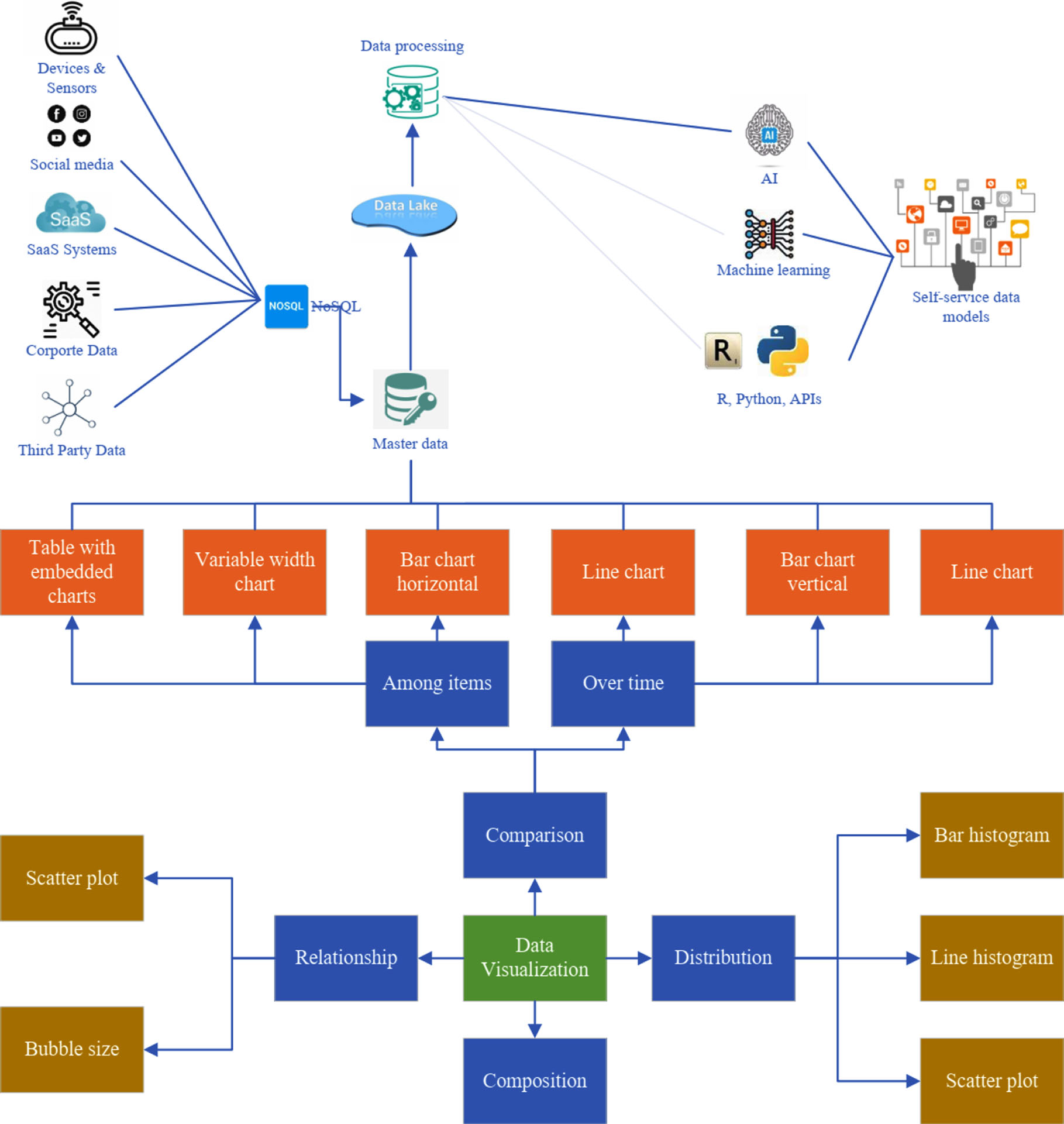
Subjective cooperation mechanism.
When opinions are expressed in both public and anonymous ways, public expression will be more likely to produce subordination than when expressed anonymously. If you do not agree with the group, you will intentionally or unintentionally bring some group pressure on yourself to eventually agree with the group. In anonymous situations, individuals are subject to less group pressure and will think more independently, with less herding behaviour. For example, voting by a show of hands is more likely to produce herding than voting by secret ballot.
Different cultures make different people, and cultural differences are also an important factor in herding. People who are deeply influenced by Confucian culture practice collectivism, where individual interests are subordinated to the interests of the collective and the nation and give priority to the collective interests when a situation arises. According to the survey, it is more likely to produce herding behaviour than those in Western countries that practice individualism, which is the result of cultural differences.
A goal cooperation mechanism is a mechanism that brings together the goals of various subjects at one point. In a governance system, any synergistic behaviour, such as joint policy-making and task allocation, requires a common and clear goal as a starting point. In the collaborative governance of Internet education, each subject in the government, enterprises, social organizations, and citizens has different goals, such as the government’s goal is for social stability and economic development, the Internet education enterprises and Internet platform enterprises’ goal is to improve their economic efficiency, the social organizations’ goal is to promote the development of the industry, and the citizens’ goal is to protect their legitimate rights and interests. The different focus of the goals of each governance body may ultimately affect the synergistic effect, as shown in Fig. 3.
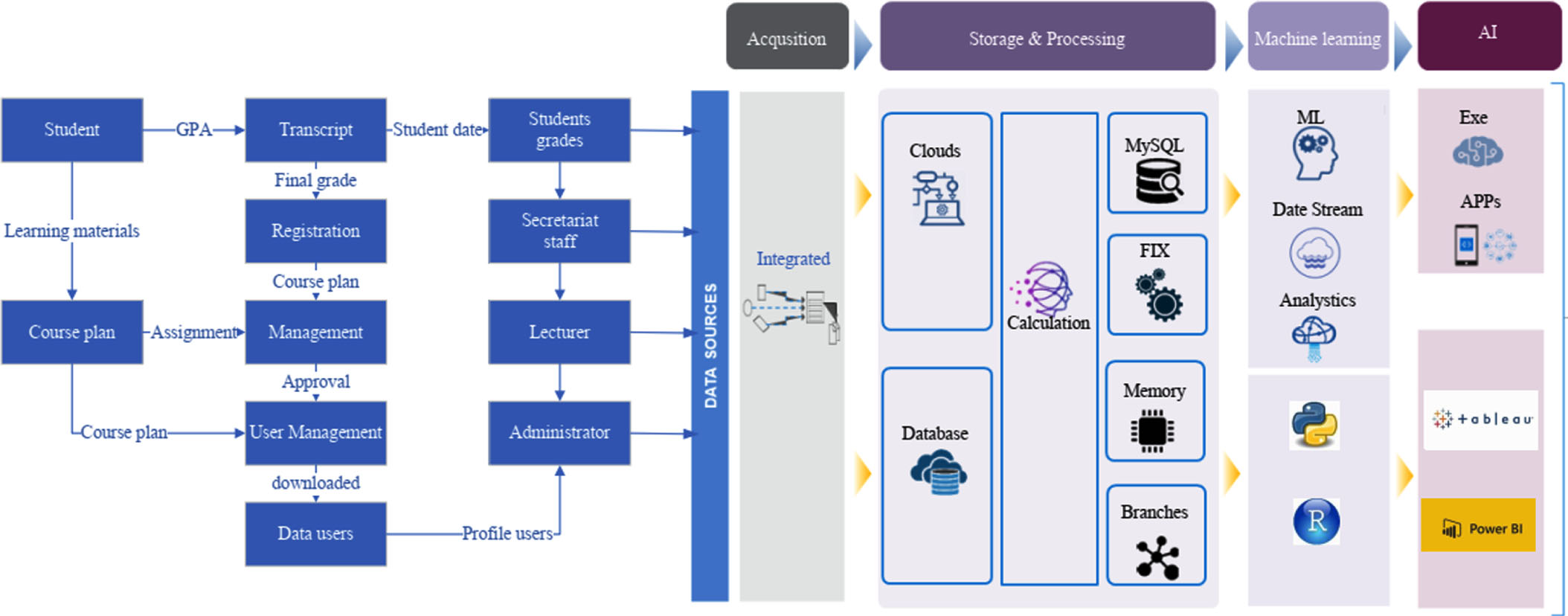
Synergistic relationship of psychological occupational therapy education.
The goal cooperation mechanism aims to achieve the goal of cooperation among the governance subjects, and different governance subjects can achieve the goal of cooperation through the coordination and consultation mechanism, including online and offline consultation mechanisms [20]. The government, enterprises, social organizations, and citizens can eventually form consistent governance goals through various consultation mechanisms, such as enhancing social benefits and promoting the sound development of the industry.
Rule cooperation mechanisms make the rules in the governance process converge with each other. Rules are the system that each subject needs to follow to participate in collaborative governance. Generally speaking, rules can be divided into statutory rules and non-statutory rules. Statutory rules include laws and regulations promulgated by the government and policy documents issued. In contrast, non-statutory rules include rules and regulations formulated by enterprises and social organizations, as well as township rules and regulations [21].
The mechanism of rule cooperation mainly includes two points. Statutory rules include central laws and regulations as well as local laws and regulations. Local laws and regulations should be synergized with central laws and regulations, and laws and regulations between localities should also be synergized to achieve the goal of collaborative governance. Statutory rules are made and promulgated by the government and have legal power, any other rules and systems should not be contrary to statutory rules, and non-statutory rules should be synergized according to the requirements of statutory rules [22]. In addition, the non-statutory rules should be used as a supplement to the statutory rules, and the non-statutory rules should be used to make supplementary judgments on things that cannot be discerned by the statutory rules.
The research object of this paper is tourists in cultural tourism places, and the survey object is tourists with travel experience. The questionnaire was designed on the basis of previous literature research. The questionnaire was a five-component Likert scale questionnaire. In order to ensure the effectiveness of the questionnaire, a pre-survey was conducted before the formal data collection. According to the pre-survey results, the structure of the questionnaire and the setting of questions were modified and standardized.
The first part is the survey of tourists’ cognition. According to the selected variables of residents’ behavior, 12 relevant questions are set in this part. Tourists will answer and answer questions according to their feelings of indirect or direct contact with residents during tourism, and finally collect relevant data of residents’ behavior for factor analysis.
The second part is the tourist experience. According to the selection of tourist experience indicators, four five-scale questions are set in this part. Tourists will answer questions according to their own entertainment, aesthetics, education in ancient villages and whether they are willing to stay here.
The third part is the investigation of tourist psychological carrying capacity. Five questions were set according to the satisfaction degree of tourists in the tour, the willingness to escape and the acceptability of the number of people in the scene.
The fourth part is the basic information of the investigation. This section includes six questions about the demographics of the people surveyed.
Considering that the respondents must be tourists with travel experience, the screening questions of the respondents were set before the four parts of the questionnaire. This questionnaire collected data through on-site distribution and online distribution, and finally collected a total of 104 questionnaires, of which 92 were valid.
Analysis of results
Psychological analysis results of tourists in the process of cultural tourism
The interest compensation mechanism is an effective system established to compensate for the relatively backward areas in regional economic and social development, reflecting the interaction of relevant interest subjects among different regional governments, different sports tour operators, and different regional tourists. Driven by the actual interests, once the coordination of interests is blocked, the synergistic development of regional sports tourism will stay in the awkward situation of “all talk but no action” tourism development within the fierce competition and unbalanced development between regions to avoid a vicious circle, the need to compensate for the interests of the less competitive regions to enhance their overall competitiveness. Tourism cooperation development interest compensation mechanism should be based on market regulation through a standardized compensation system to achieve the transfer of interests between the internal regions, and pay attention to coordinate the interests of relatively economically developed areas and backward areas between the compensation, and ultimately share the benefits of sports tourism cooperation.
Deeply implement the development strategy of forestry transformation with ecological construction as the main line, based on the specific requirements of the classification and promotion of reform, further focus on the two important tasks of ecological protection and livelihood security of workers, actively and steadily promote the separation of government, affairs, and enterprises, further innovate the management and supervision system, and actively promote the development mode of forestry and forest areas from processing industry-led to ecological protection, construction, and restoration, from the relying on forest harvesting and timber processing for economic benefits to becoming a new system of state-owned forestry that is conducive to protecting and developing ecological and natural resources, to further improving ecological and livelihood environments, and to further strengthening the endogenous dynamics and vitality of forestry development, as shown in Fig. 4.
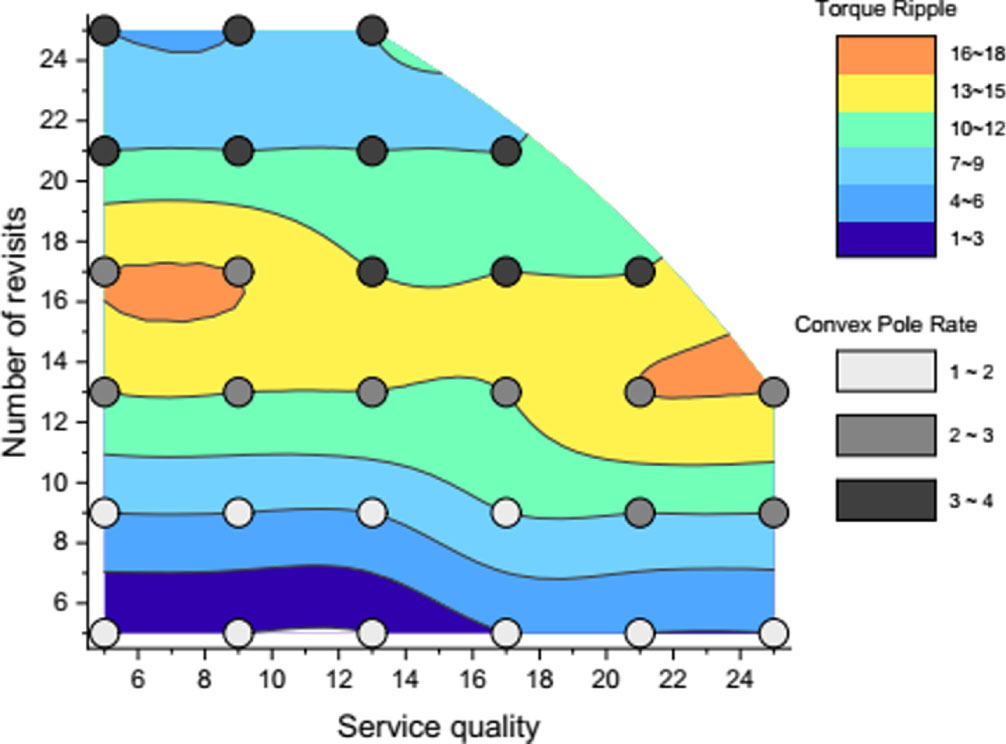
Correlation between quality of tourism experience and willingness to revisit.
Therefore, we should focus on in-depth cooperation in ecological construction, scientific and technological research and development, the transformation of forestry achievements, and training of technical skills, giving full play to the advantages of talents and service functions and giving full play to the advanced business management concepts of enterprises. Fully launch the census of the tourism market, ecological products, and services, tourism resources, and strive to find out the bottom, understand the situation and make the data accurate in the shortest possible time, further develop or improve the overall plan or special plan for ecological and cultural tourism, lay the foundation for the development of tourism industry in the new era, and at the same time provide reference basis for ecological products and services urgently needed in the ecological and cultural tourism market. Gradually change the development ideas, focus on the research and development of tourism ecological and cultural products, etc.
The cooperation between the university and the enterprise can realize complementary advantages and resource sharing. On the one hand, it can give full play to the intellectual resource advantages and teaching and research resource advantages of the university in ecological, environmental protection and management, and provide technical support for the enterprise to undertake scientific and technological promotion and demonstration projects, and human support to establish scientific research and innovation team, which can effectively promote the transformation of scientific and technological achievements and new technology promotion and demonstration, and improve the core competitiveness of the enterprise.
The potential tourism leisure service opportunities in the study area have obvious regularity in the vertical elevation belt. The high-grade value of the leisure opportunity in the low-elevation belt reaches more than 80%; the high value of the leisure opportunity in the middle elevation belt decreases, and the low value keeps increasing; in the high-elevation belt, although the percentage of grade 4 and 5 in the elevation belt from 3576.85 m to 4048.59 m increases significantly than that in the middle elevation belt, the In the high elevation zone. However, the proportion of grades 4 and 5 in the elevation zone from 3576.85 m to 4048.59 m increases significantly compared with that in the middle elevation zone. The proportion of grade 1 value also increases significantly, reaching over 27%. In summary, the opportunity value of tourism leisure service in the study area is better in the low-elevation belt than in the middle-elevation belt and the high-elevation belt, as shown in Fig. 5. “B”, “R”, and “F” represent the low altitude zone, the middle altitude zone, and the high altitude zone respectively.
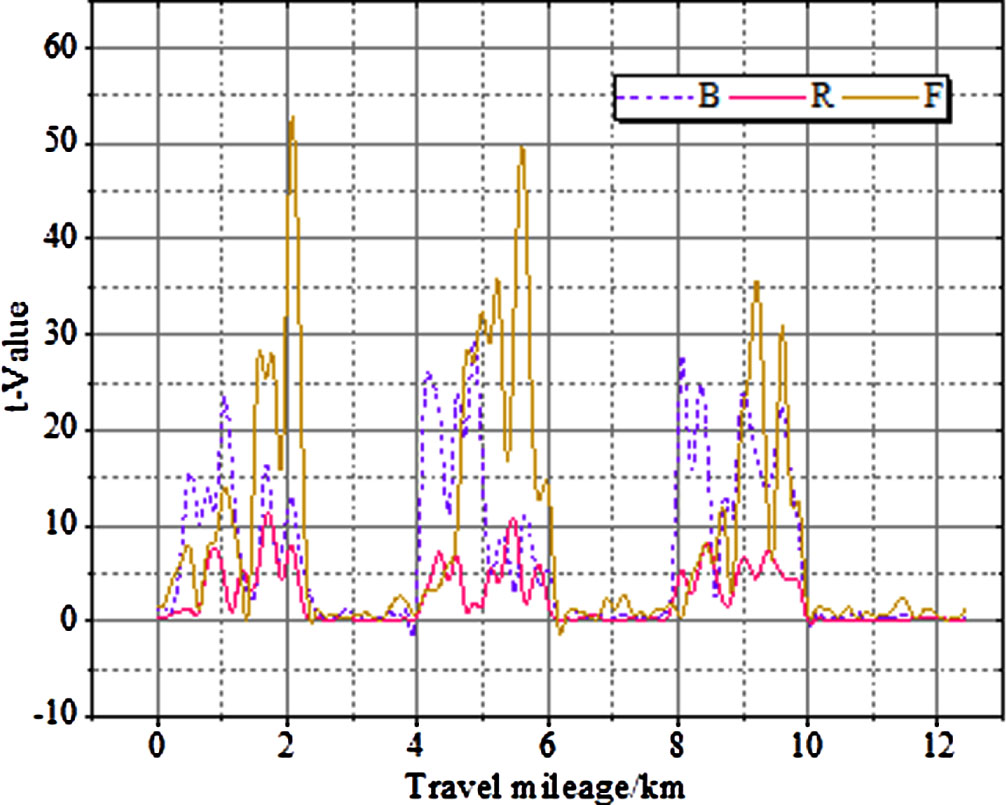
Mediated effect test of tourism experience quality.
As shown in Fig. 5, the significant coefficients of the five dimensions of service experience quality, education experience quality, spiritual experience quality, interactive experience quality, and physical experience quality are 0.655, 0.005, 0.000, 0.000, and 0.774, respectively, among which education experience quality is equal to 0.05 significance level and spiritual experience quality and interactive experience quality are less than 0.05 significance level.
The three dimensions of educational experience quality, spiritual experience quality, and interactive experience quality have significant effects on the willingness to revisit, and the standardized coefficients are 0.162, 0.269, and –0.067, respectively. The significant coefficients of the two dimensions of service experience quality and physical experience quality are 0.655 and 0.774, respectively. The significant coefficients of both dimensions are greater than 0.05. Hence, hypotheses H7a and H7e are not valid; that is, the quality-of-service experience and the quality of physical experience do not have significant effects on the willingness to revisit. In addition, the VIF values of education experience quality, spirituality experience quality, and interaction experience quality are all below 4 and less than 10, indicating that there is no multivariate covariance problem among the independent variables. Therefore, hypotheses H7b, H7c, and H7d hold, i.e., the quality of outdoor sports tourism experience has a significant positive effect on the willingness to revisit.
Similarly, the R-squared of outdoor sports tourism expectation and willingness to revisit is 0.023 when the intermediate variables are not added, and R-squared is 0.109 when the mediating variables are added, explaining an increase in variance with significance F less than 0.05, so the second model is more convincing. The regression coefficient between outdoor sports tourism expectation and willingness to revisit is also insignificant, so the quality of outdoor sports tourism experience plays a fully mediating role between outdoor sports tourism expectation and willingness to revisit, and hypothesis H6 holds.
Positive followership can also help create the ideological and political education microenvironment. The ideological and political education microenvironment includes the school and group environments. It includes both the existing culture, such as school cultural promenade, propaganda posters, and messages from celebrities, and the soft power, such as school ethics and school discipline, role model propaganda, and education. These are all influencing college students implicitly, which can lead college students to produce a positive herd mentality, and can use this mentality and guide and educate college students. For example, under the effect of herd mentality, college students will abide by the invisible moral code and take the initiative to learn from excellent classmates, etc. These will invariably form an atmosphere of admiring advanced, learning from exemplary, and consciously resisting bad behaviours in the group.
A positive herd mentality can also help college students to shape and adjust their thoughts and psychology. In the process of understanding and transforming the world, people gradually form their worldviews, and college students can improve their worldviews in the process of studying ideological and political education-related courses. In the process of participating in school groups and activities, they will also unite and learn from each other to promote themselves both inside and outside. Driven by the herd mentality, the healthy ideas on campus will be accepted and widely spread, and college students will live and study in this atmosphere for a long time, which will invariably have a good shaping effect on their thoughts and achieve the purpose of internalization in the heart and externalization in action. Just like the subordination of college students in learning, when the group they are in is up, the individuals influenced by the group will not be perfunctory. Still, they will be strict with themselves, and overall, they will form not only good consciousness and thoughts but also establish positive habits of life, learning style, and behaviour, as shown in Fig. 6.
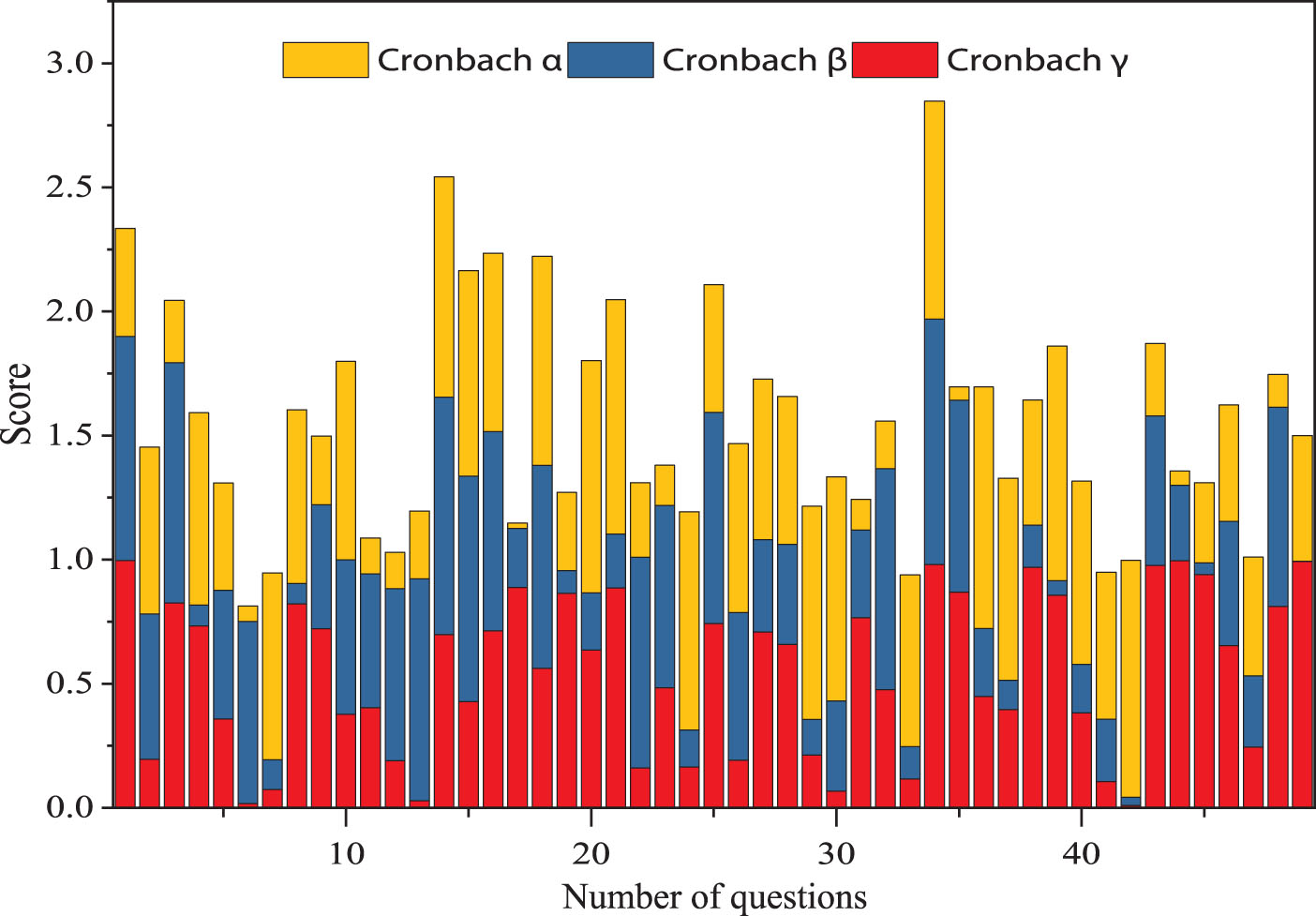
Cronbach’s reliability analysis of each dimension of psychoeducational ability.
The alpha coefficients of the six dimensions of insight and assessment ability, relationship-building ability, self-cultivation ability, social and life adaptation guidance ability, psychological crisis intervention ability, and psychological guidance ability for learning were 0.832, 0.864, 0.921, 0.875, 0.613, and 0.905, which were all higher than 0.6. The minimum was 0.613, thus indicating the reliability of the data. The quality of the data is acceptable, and the research data are true and reliable.
Harmonious interpersonal relationships play an important role in promoting the development of college students and their better integration into society. A positive crowd mentality can help college students establish good interpersonal relationships. College students do not want to be isolated and desire to integrate into the group and live harmoniously with others. The crowd will make college students have common topics, interests, and hobbies with each other, bring them closer to the group, resonate with the group members, and then gain the trust and help of the group, so the crowd is one of the prerequisites and ways for college students to interact and integrate into the group life.
At the same time, college students in school will eventually go into society, and they need to integrate into society if they want to survive in society. The crowd makes college students develop interpersonal relationships and helps them integrate into society more easily. The ideas and behavioural norms formed in society must be accepted and recognized by the majority group in the society, and individuals need to learn from most of the society to be recognized by the society and participate in the activities of the society to become qualified members of the society, as shown in Fig. 7.
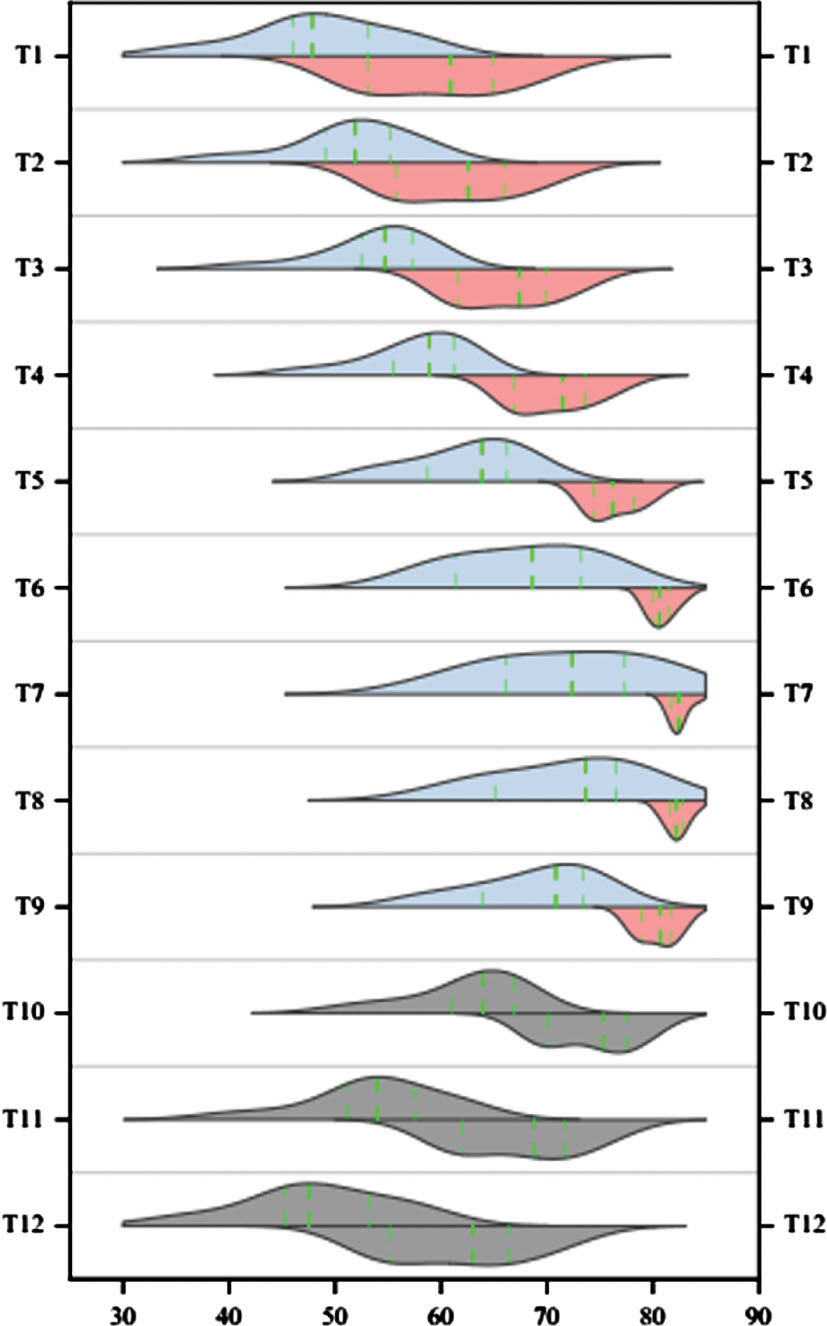
Results of synergistic factors.
Internet platform enterprises take advantage of information technology and digital resources to conduct statistical analysis and processing of platform transactions, services, and other information and establish a special case database to collect and analyze cases, especially cases of disputes between merchants and between merchants and consumers, find loopholes in rules and establish a case information sharing mechanism to assist industry organizations in introducing and improving industry guidelines, and to relevant business agreements and regulations to Update and adjust. In addition, Internet platform enterprises and industry organizations need to report to the government for legal rule loopholes and provide case information and suggestions for improving special laws and regulations.
Taking tourist experience as the intermediate variable, this paper uses structural equation model to explore the process and degree of influence of ancient village residents’ behavior on tourists’ psychological carrying capacity. Behavior variables are selected and factor analysis is carried out on these variables by SPSS18.0 software.
The basic fit is based on the error estimates of the observed variables in the model and the load coefficient. It is generally required that the standard error should not be negative, and the standard error results of each observed variable are shown in Table 2. The result shows that the estimated values of E1 to E18 are all positive, which meets the requirements.
Estimated results of each error item
Estimated results of each error item
The standardized path estimation coefficient between the observed variable and the latent variable is called the load coefficient, and the basic adaptation standard requires that the load coefficient should be between 0.51 and 0.97. If the load coefficient is within the required range and reaches a significant level, the requirement is met. Therefore, the structural equation model in this paper meets the basic adaptation criteria.
Ecological and cultural tourism circles, and scenic area managers, should recognize the importance of tourism motivation and tourism expectations. Both outdoor sports tourism motivation and expectations affect the decision-making of tourists’ tourism behaviour, the quality of the tourism experience, and the willingness to revisit. The service volume of tourism leisure and cultural ecosystem is jointly influenced by the natural ecological environment and socio-economic development, and the tourism leisure service potential and tourism leisure service opportunities show different spatial distribution patterns. Among the existing tourism open space ecosystem services, 37.34% of the sites have high-level tourism open space potential, and 85.76% of them have high tourism open space opportunities, and finally, the sites with high-level tourism open space service volume account for 44.68% of the overall number. Relationships, acceptance, and appreciation of participants are important to the development of the individual, and it is evident that everyone faces the same problems during the event and that participants can find a sense of belonging and acceptance. By using the “agenda setting” and “spiral of silence” theories to guide the online public opinion correctly and by carrying out psychological education and setting up role models to strengthen the psychological quality of college students and play a leading role, the campus, family, society, and college students themselves We will guide the herd mentality of college students in all aspects.
The development advantages of cultural tourism are still the main ones, with various and unique cultural tourism resources, location advantages, national policies and other subjective and objective favorable conditions. We should make full use of our strengths and avoid our weaknesses, and try to apply relevant theoretical knowledge of cultural tourism to practical activities. As a new form of tourism, cultural tourism will be accompanied by the promotion and dissemination of culture and obtain long-term development. Due to my lack of knowledge and understanding, there are still many problems worth further discussion. With the rise and development of cultural tourism, more relevant statistical data and materials can be collected to find problems in the future. In addition, the definition of the concept of cultural tourism is not very clear and clear, and it needs further development and research. Culture is not immutable, it has stability and variability. Cultural tourism resources are also constantly changing, how to combine the essence of culture with modernization and make it immortal is worth our further research and thinking.
Funding
The General Project Funding Plan of 2024 Henan Province University Humanities and Social Sciences Research “Research on Professional Experience and General Vocational Linkage Based on STEAM Education Concept”, Project Number: 2024-ZZJH-108.
Key Scientific Research Projects of Colleges and Universities in Henan Province, Project Number: 24B580002.