




Abstract
Improving technological innovation (TI) capabilities is an integral component of government policies aimed at improving the competitiveness of small and medium enterprises (SMEs). This study aims to address implementation challenges arising from the use of Qualitative Forecasting Method (QFM) in new product development programs and proposes a novel method to aid decision makers (DMs) in their decision-making process. To tackle this issue, a hybrid method is proposed, incorporating Fuzzy Delphi method (FDM), Fuzzy Analytic Hierarchy Process (FAHP), Technique for Order Preference by Similarity to an Ideal Solution (TOPSIS), and Multi-Choice Goal Programming with utility function (MCGP-U), while introducing prospect theory as a novel approach. is proposed. The proposed method offers several advantages, including effective early planning, accurate identification of key success factors (KSFs), selection of the most suitable project leader, and estimation of the most reasonable resource investment, all of which are critical factors for success in TI for enterprises. The research results show that (1) the proposed method reduces project execution time by 20% compared to the original manual planning, (2) it facilitates the acquisition of KSFs using a rational approach to ensure project success, and (3) it increases the financial returns of the company by 17% compared to the company’s forecast. In summary, this paper makes a significant contribution to practical applications and additionally contributes to decision-making field by introducing prospect theory into the proposed hybrid method.
Introduction
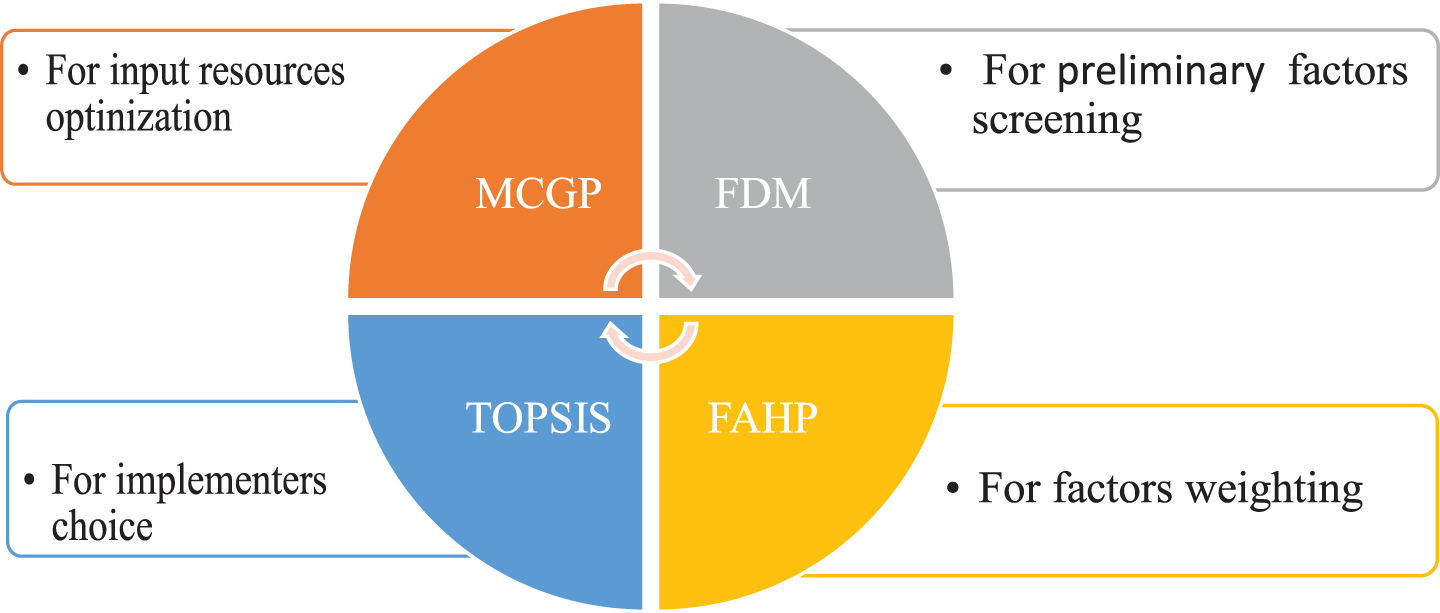
Under the fierce international competition, Taiwan’s small and medium enterprises (SMEs) are gradually losing their competitive advantage. To gain a cost advantage, many SMEs have relocated their manufacturing plants to low-cost countries such as China or Southeast Asia. However, even with this strategy, concerns persist regarding competition and the unpredictability of risk, as these countries also face wage growth and various forms of instability. For example, the lockdown and sudden shutdown of factories in China due to COVID-19 resulted in property and credit losses. Therefore, SMEs should prioritize upgrading and transitioning, and introducing technological innovation (TI) to enhance their competitiveness is the wise path [1]. In Taiwan, SMEs can learn from successful businesses that have received government innovation awards (IA) to understand how they have successful implemented TI strategies. Due to the limited resources in SMEs, effectively and accurately identifying key success factors (KSFs) during the planning stage for the introduction of appropriate TI can be challenging. Additionally, SMEs often encounter ambiguous issues in their new product development efforts. These tasks include data collection, forming preliminary evaluation criteria, identifying KSFs, finding suitable implementers, preparing budgets, setting schedules, and risk assessment, as shown in Fig. 1. To address these challenges, we proposed a hybrid model to assist decision-makers (DMs) in decision-making process. The proposed method differs from the traditional qualitative forecasting method (QFM) in that it does not solely rely on top management to address ambiguous and unpredictable problems. Traditional decision-making in QFM is based on the perspectives, experiences, preferences, and intuitions of decision-makers, which can carry substantial risks. We integrate various methods, including fuzzy Delphi method (FDM) [2], fuzzy analytic hierarchy process (FAHP) [3], technique for order preference by similarity to an ideal solution (TOPSIS) [4], multi-choice goal programming with utility function (MCGP-U) [5], and prospect theory (PT) into a novel method that offers a scientific and lower-risk approach to decision-making. The reasons for choosing to integrate these methods are as follows:
FDM serves as a factor selection tool. FDM considers the different fuzzy preferences of each expert when assessing factors. It transforms their preferences into linguistic variables and then achieves expert consensus using fuzzy theory. Since most SMEs cannot implement many KSFs simultaneously due to limited resources, FDM helps prioritize them FAHP is useful when assessing the priority order of evaluation criteria, including both quantitative (e.g., profit) and qualitative (e.g., customer satisfaction) issues. All linguistic variables are transformed into fuzzy numbers to focus on KSFs TOPSIS can be used to select suitable implementers for projects. MCGP-U is employed to solve complex multi-criteria decision-making problems based on DMs’ preferences. Lastly, we incorporate PT into the decision-making process, which aligns with a more human-centric approach to management.
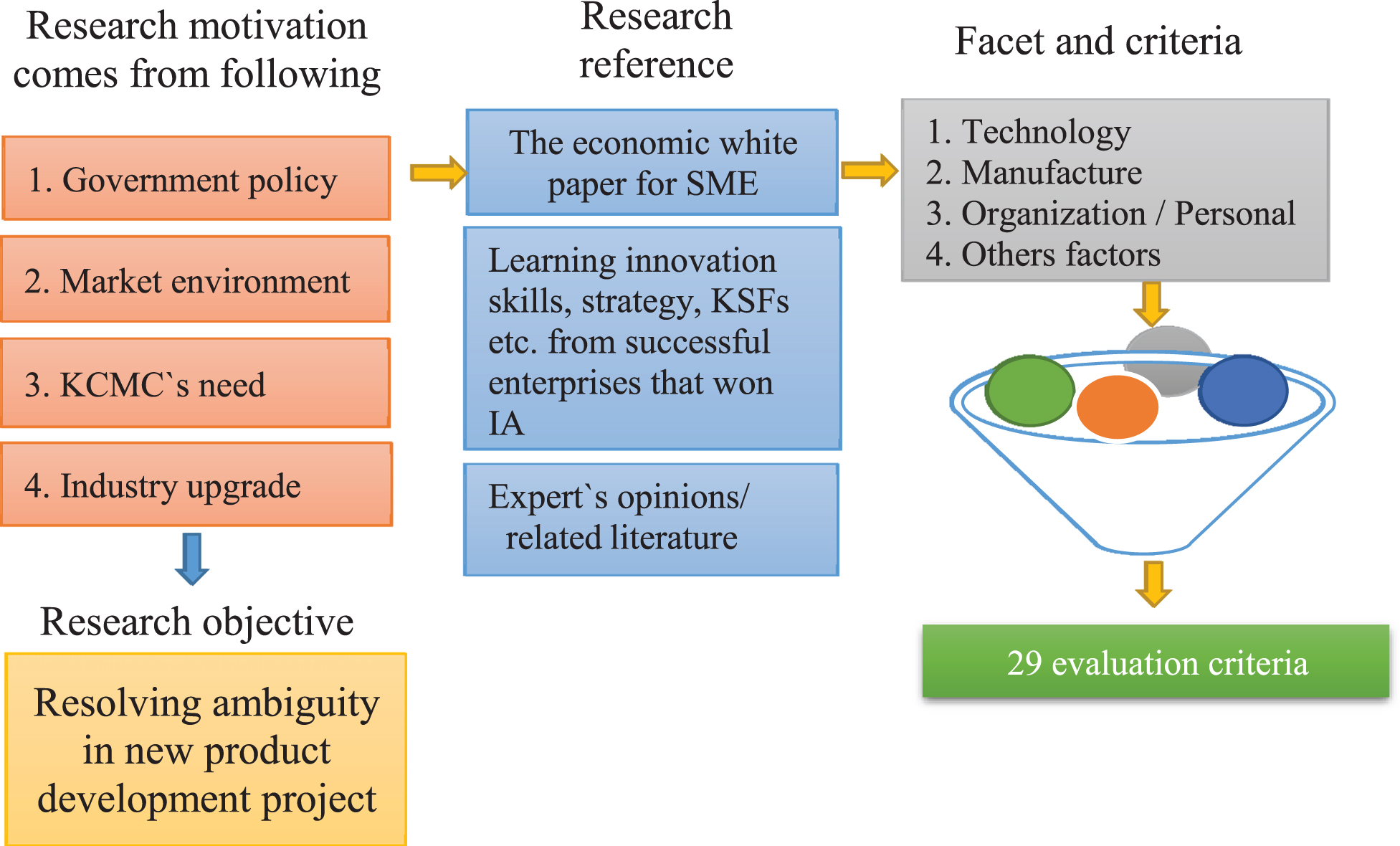
The preliminary evaluation criteria.
In order to effectively introduce TI to SMEs in this study, the methods and the flowchart of the study are shown in Fig. 2. By integrating methods such as FDM, FAHP, TOPSIS, MCGP-U, and prospect theory, we are able to comprehensively and systematically identify and select appropriate KSFs, project leaders, and resources, thus ensuring project successful implementation of projects. The study also demonstrates the practicality of the proposed method through a real case of forklift company (called KCMC) in Taiwan. The results show that the proposed method is faster, more accurate and more valuable compared to the original manual planning and QFM. The main contributions of the study are as follows: 1. Integration of various methods from management science to solve the practical problems in introducing TI in KCMC, providing significant contributions to practice. The incorporation of PT into the proposed model has also opened up a new avenue for theory. 2. The proposed method can save up to 20% of project execution time, making it more efficient than manual planning. 3. The use of a scientific method to obtain KSFs ensures the success of TI projects, which is crucial for SMEs with limited resources, and 4. Compared to the original factory plan, the proposed method increase the return on investment at each stage by 17%, making it a valuable tool for project management. The research findings can provide practical reference for SMEs that aim to enhance their competitiveness through TI.
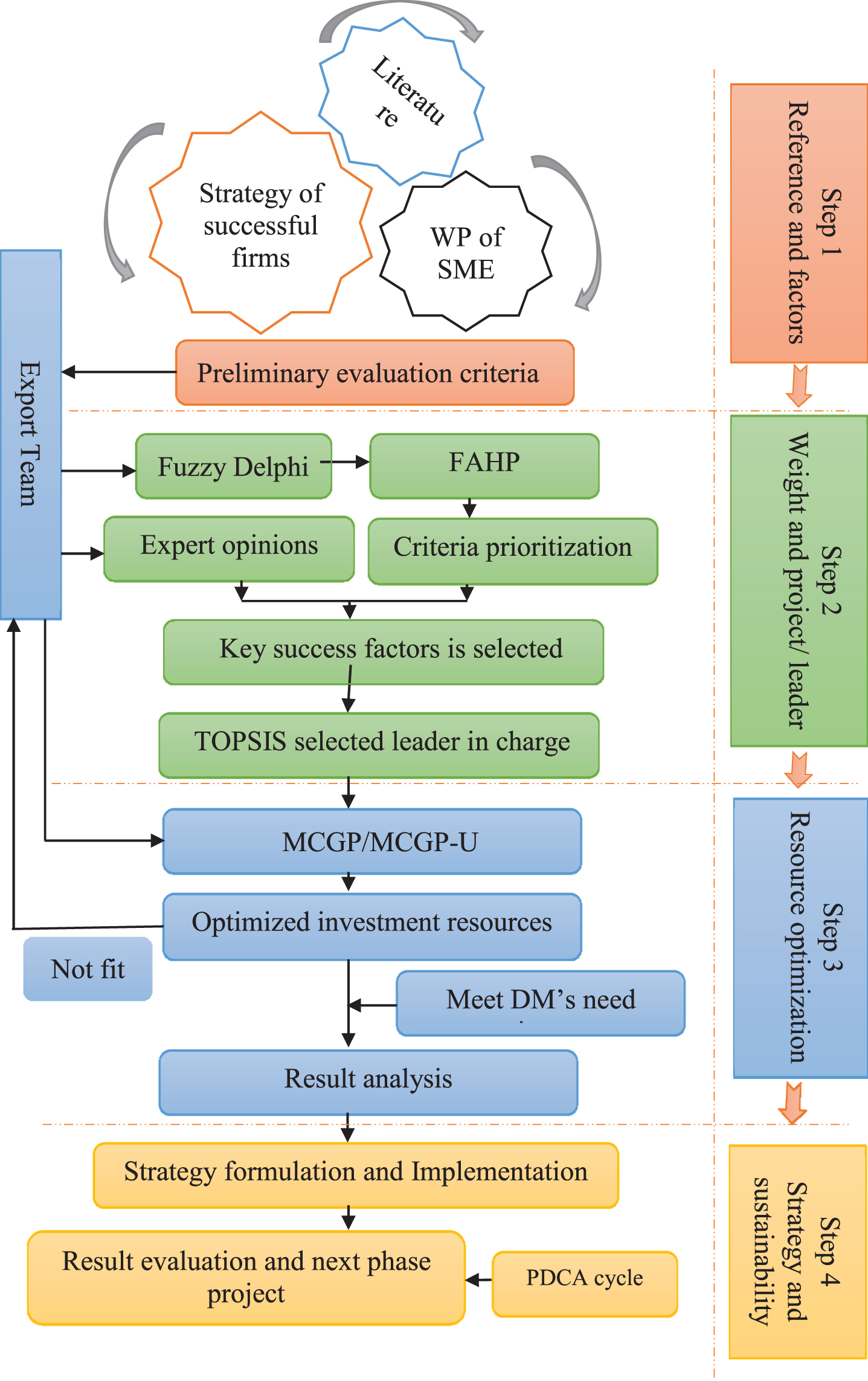
The flowchart of the study.
The study uses fuzzy and multi-objective programming technologies to address the challenges of fuzzy decision-making problems and improve the shortcomings of existing decision-making models. It not only represents innovation with practical applications but also introduces prospect theory as an alternative The proposed method is designed to be scalable, allowing for the incorporation of additional factors or tools to meet specific needs, and it offers predictability by enabling the simulation and implementation of projects in advance. Consequently, it can play a significant role in improving key elements of projects for SMEs, such as product quality enhancement, efficiency improvement, and cost reduction. The remainder of the paper is organized as follows: Section 2 reviews the literature, Section 3 discusses the methodology, Section 4 provides a real case study of KCMC, Section 5 explores the managerial implications, and Section 6 presents the conclusions and outlines future research directions.
Definition of technological innovation
TI refers to the continuous updating of production technology and the development of new technologies, such as autonomous driving of vehicles. It plays a crucial role in creating new products, reducing costs, improving efficiency, and ultimately increasing the competitive advantage of enterprises. Given the significance of TI, it is essential to establish precise definitions and understand the difference between “technology” and “innovation”. “Technology” can be defined as the process of applying any tool, technique, product, process, device, or method to extend existing human capabilities [6, 7]. This definition encompasses various levels, including products, processes, forms, styles, and concepts. Technology can exist at different stages, such as in applications or development phases. It is important to note that the definition of technology goes beyond the technical aspects of manufacturing, and also includes the management aspects [8]. On the other hand, “innovation” involves the identification and definition of problems, as well as the development of new knowledge [9]. It encompasses the process of generating novel ideas, implementing them, and bringing about meaningful change. Innovation is not limited to technological advancements but also encompasses non-technical aspects, such as business models, organizational processes, and customer experiences. Clarifying these definitions and boundaries can enhance effective communication within SMEs when it comes to implementing TI.
Furthermore, “Innovation” should encompass the process of defining problems and the creating new knowledge within organizations, teams, and supply chains. To address these challenges, it is crucial to enhance the interaction and information flow among individuals, and relevant departments [10]. Therefore, “innovation” spans various domains such as engineering and manufacturing, marketing, resource allocation, and process management [11]. The scope of “innovation” should involve all relevant departments within an enterprise, serving as a primary driver of corporate growth. It has the potential to yield disruptive innovations that lead to significant breakthroughs [12]. Consequently, TI includes the research and development of new products, production technologies, and services within the corresponding economic activities. It also encompasses changes in management approaches. Thus, TI is not simply a technical concept or product design innovation; rather, it represents the integration of all these elements into the production system. Moreover, TI plays a vital role in improving the quality of life and well-being for individuals, enterprises, nations, and humanity as a whole.
Influence factors of technological innovation
Innovation is the process of translating knowledge into economic value, serving as the primary driver for economic growth [12]. It is particularly crucial for SMEs to enhance their corporate value [13], increase employment opportunities, and improve the overall quality of life [14]. However, the success of innovation is influenced by various factors. Ismail [15] argues that the ability of SME owners to adapt to the rapidly changing global market and their willingness to take risks are key determinants for company growth, innovation, and long-term survival. Despite this, SMEs face limitations such as their small scale, limited tangible assets, inadequate management skills, insufficient technical capabilities, and a lack of capital and human resources when compared to larger corporate competitors [16]. Furthermore, SMEs often struggle to adapt to market changes as effectively as larger companies [17]. Consequently, many SMEs opt to form alliances or imitate others [18]. Additionally, innovation requires a significant amount of external knowledge and resources as a foundation [19], prompting SMEs to engage in external collaborations as a strategy [20]. Furthermore, to achieve higher efficiency in technological innovation (TI), dedicated research investment and the development of appropriate technologies by skilled research and development (R&D) personnel are crucial [21]. Integration of cross-departmental resources and strengthening internal value chains [22, 23], as well as obtaining necessary technologies or engaging in technical cooperation, can further enhance efficiency [24]. For instance, numerous startups in Silicon Valley leverage the region’s industrial agglomeration to enhance their innovation efficiency and production capacity through the development of manufacturing processes, production models, and quality control [25]. Additionally, finance, resources, skills, knowledge, abilities, entrepreneurship, management, organizational structure, business scale, location, competition, industrial agglomeration, regulations, and incentive policies all impact technological innovation [26, 27]. Evidence suggests that the export growth of SMEs relies not only on successful technological and product innovation but also on other factors such as organizational and marketing innovation [28]. Furthermore, the establishment of standards is crucial as it facilitates the implementation of innovation processes, such as design, operation, production, procurement, and decision-making. Standards enable individuals to work based on the expertise and previous experiences of professionals, which can be particularly helpful for new employees in specific fields [29]. The use of artificial intelligence (AI) to accelerate organizational learning and enhance the speed of innovation is also essential for efficient technological innovation [30]. Additionally, innovative technologies or products must align with market needs [31], [32]. In summary, we can categorize the 29 influencing factors into four aspects: technology, manufacturing, organization/personnel, and other factors.
In summary, this section provides a comprehensive and systematic exploration of the various factors influencing TI in SMEs. These factors encompass both internal elements, such as a willingness to take risks and resource availability, and external factors like market dynamics and regulatory analysis. All of these factors have the potential to either facilitate or hinder successful innovation. Importantly, these factors are grounded in expert opinions and literature-based experiences rather than relying solely on the intuition and preferences of top management. This analysis serves as a valuable reference for researchers, policymakers, and business leaders interested in promoting innovation within SMEs. The explanatory details of the operability and definitions of the factors presented in Table 1, as well as the composition and classification of these factors depicted in Fig. 3, further enhance the understanding of this comprehensive framework. The works cited in the above works on “Technology,” “Manufacture,” “Organization/Personnel,” and “Other Factors” collectively contribute to the comprehensive exploration of innovation drivers within enterprises.
Explanation of the operability and definition of factors
Explanation of the operability and definition of factors
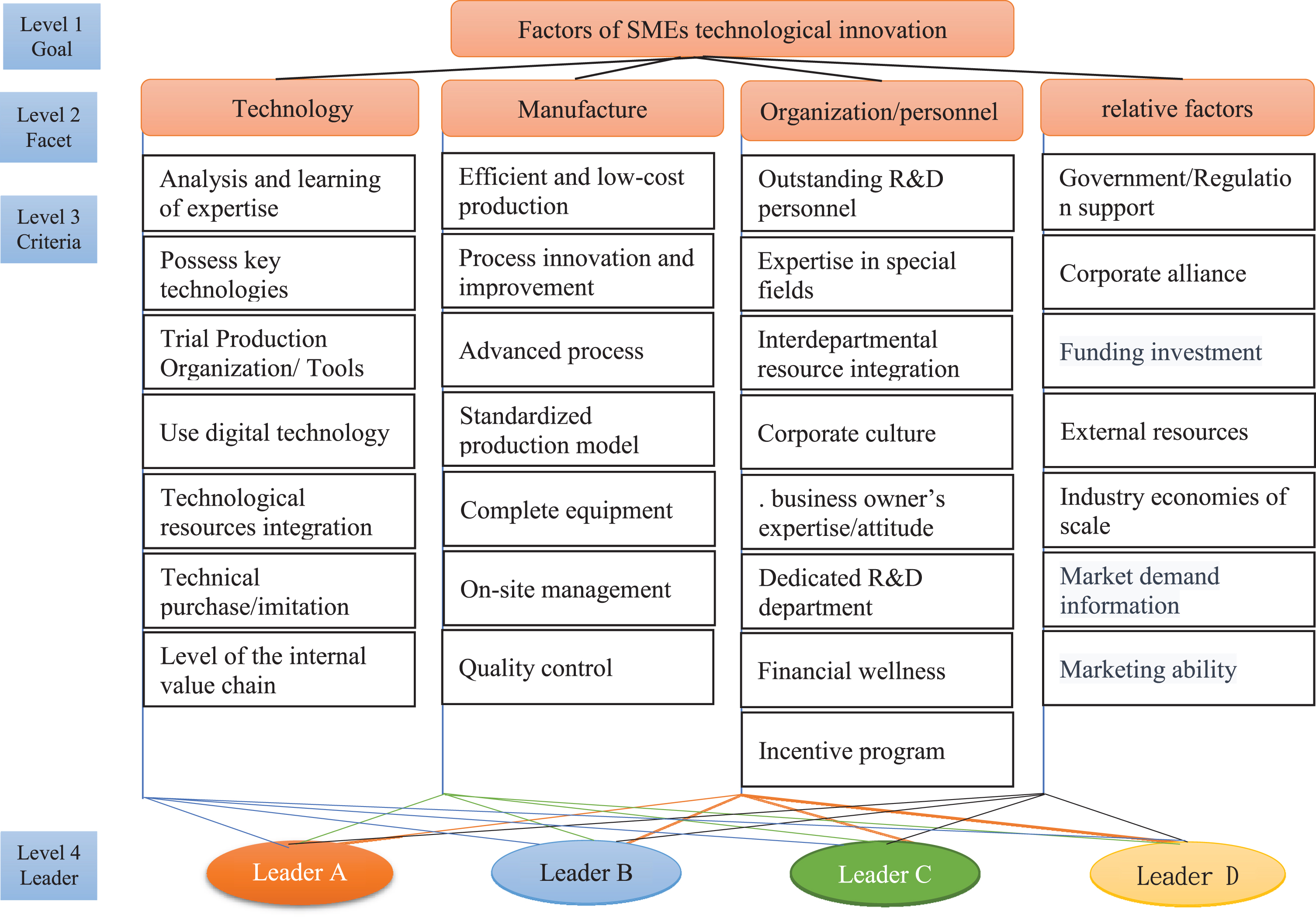
Composition diagram of evaluation criteria.
Hybrid approach
To effectively and accurately address fuzzy problems such as identifying KSFs, determining the best plan implementer, and making reasonable resource investments, we have proposed a hybrid model consisting of the following components:
FDM: FDM is employed to screen the KSFs from the collected evaluation factors. FAHP: FAHP is utilized to determine the priority and weight of each evaluation criterion. TOPSIS: Based on the identified KSFs, the TOPSIS method is applied to select the most suitable person to be in charge of the project. MCGP-U: MCGP-U is employed to solve complex multi-criteria decision-making problems. PT: PT is employed to understand people’s behavioral tendencies when considering different levels of risk.
These components of the hybrid model collaborate to address a variety of complex decision scenarios, particularly in situations characterized by high levels of fuzziness and uncertainty, providing support and guidance for decision-making. Organizing these methods into a structured flowchart, as depicted in Fig. 4, provides a clear visual representation of how they interconnect and collaborate. Additionally, explaining the parameters and decision variables used by each method, as outlined in Table 2, offers transparency and clarity in the research methodology. This hybrid model effectively addresses fuzzy problems and generates precise results, serving as a remedy for the shortcomings of QFM. Furthermore, a comparison of its advantages and disadvantages is presented in Table 3, helping to highlight the strengths of the integrated approach as an alternative decision-making tool for assisting DM.
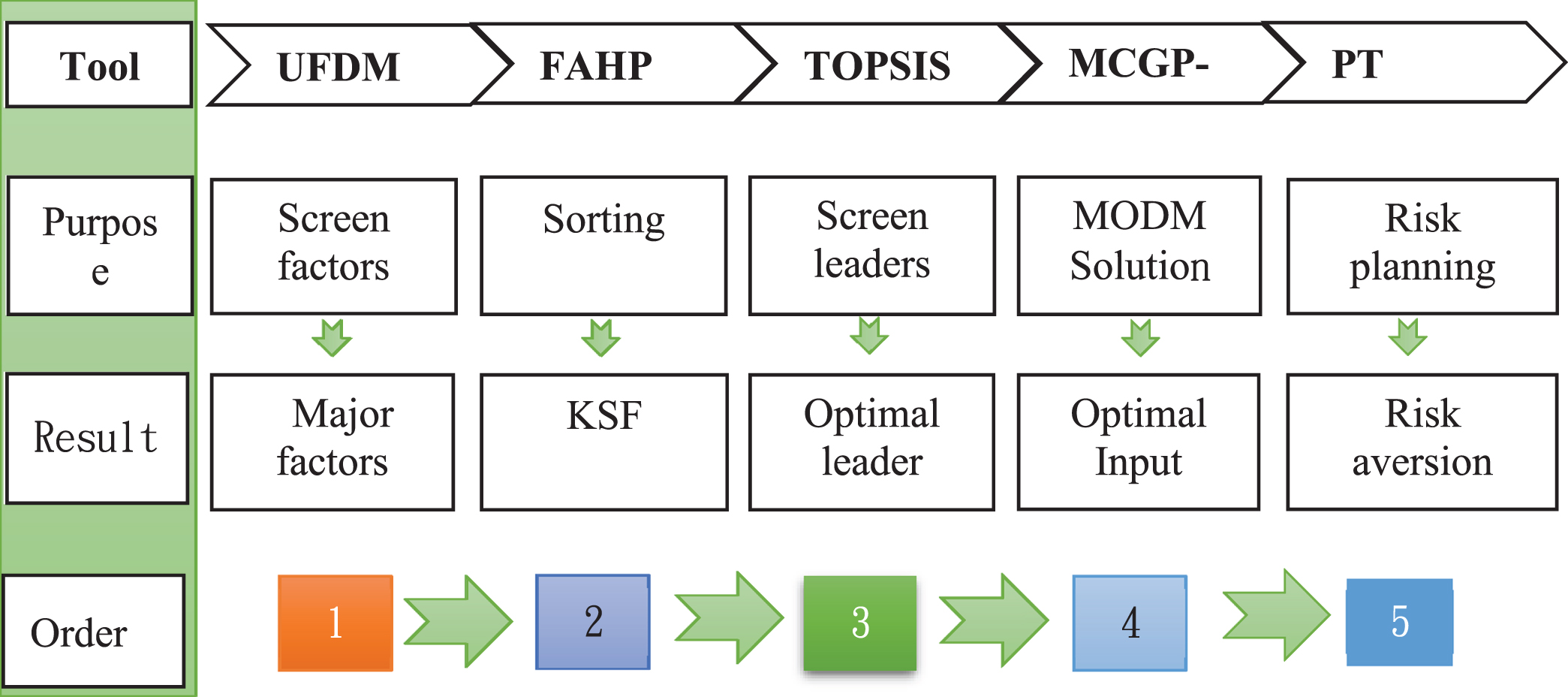
The purpose of using the method and its sequence.
Parameters and decision variables
•Qualitative forecasting method
QFM is based on the subjective opinions and judgments of top management and experts; it is often used when past data is not available. In other words, solving this problem relies on the DMs’ views, experiences, preferences, and intuition of decision-makers, which often leads to the shortcomings of inaccurate goals, inaccurate budgets, uneven allocation of resources, and other unpredictable issues.
•Fuzzy Delphi method
The fundamental principles of FDM are as following:
Expert input: FDM typically starts with a group of experts who provide their opinions and judgments on a specific issue. These experts might have different viewpoints and levels of expertise. Fuzzy logic: FDM utilizes fuzzy logic to represent the uncertainty and vagueness present in both data and expert judgments. Unlike binary values (true/false), fuzzy logic uses degrees of truth (e.g., very true, somewhat true) to handle imprecision. Iterative process: FDM often involves multiple rounds of feedback and consensus building among the experts. This iterative process continues until a consensus or convergence is reached. Aggregation of opinions: FDM combines the fuzzy opinions of experts to generate a collective judgment or decision. Various aggregation methods can be used, such as weighted averaging or fuzzy inference. Membership functions: FDM uses membership functions to quantify the degree of membership of each element in a set. These functions help in modeling the uncertainty and ambiguity of linguistic terms.
Overall, FDM provides a structured approach to dealing with complex and uncertain problems, leveraging the collective wisdom of experts and the power of fuzzy logic to make informed decisions. Its flexibility and ability to handle ambiguity make it a valuable tool in both research and practical decision-making, and it is frequently applied across various domain Definition of notations of this method are listed in Table 2. The key steps involved in FDM are as follows:
The first step in FDM is to determine the experts’ preference degrees for the criteria using semantic variables from the questionnaire. This allows us to capture the experts’ subjective opinions and evaluate them. Subsequently, the evaluations provided by all experts are combined to establish the overall triangular fuzzy number evaluation values. The reason for adopting triangular fuzzy number in this study is that they are simple, easy to compute, and maintain fairness. The mathematical formula used for this process if as follows:
Where
Then, the following formula is used to defuzzify the triangular fuzzy numbers and obtain the weights for each evaluation criterion:
Finally, set the threshold value (u), and evaluation criterions are accepted if T ij ≥ u.
•Fuzzy analytic hierarchy process method
The fundamental principles of FAHP are as follows:
Hierarchical structure: FAHP begins with the establishment of a hierarchical structure that represents the decision or sorting problem. This structure consists of multiple levels: the main objective, criteria, sub-criteria, and alternatives. Pairwise comparisons: Experts are asked to conduct pairwise comparisons of the criteria and sub-criteria based on their perceived importance. These comparisons are typically done using linguistic terms like “more important than,” “equally important as,” or numerical scales. Fuzzy numbers: FAHP employs fuzzy numbers to represent the linguistic judgments provided by experts. Fuzzy numbers express the degree of membership of a value in a linguistic term. For example, “very important” might be represented as a fuzzy number with a membership value close to 1. Fuzzy consistency ratio (FCR): FAHP calculates a FCR to assess the consistency of the expert judgments. If the FCR falls within an acceptable range, the judgments are considered consistent. If not, experts may need to revise their judgments. Aggregation of judgments: The fuzzy pairwise comparison matrices are aggregated to derive the fuzzy weights of criteria and sub-criteria. This aggregation process involves calculating the geometric mean or other aggregation methods to obtain the fuzzy priority vectors. Defuzzification: To obtain precise numerical weights, a defuzzification process is applied to the fuzzy weights. Total weight calculation: With the defuzzified weights, FAHP systematically calculates the total weights of each criterion in the hierarchy. These weights reflect the relative importance of each criterion in the decision or sorting process.
Overall, FAHP is a valuable tool for handling complex decision-making problems with uncertainty and subjectivity. It provides a structured approach to prioritize criteria and make informed choices based on expert judgments and fuzzy logic principles. The steps involved in calculating the total weight of each criterion are as follows:
Firstly, the average triangular fuzzy number value is calculated for each facet using the following formula.
Where
Then, the following fuzzy distance formula [33] is used to defuzzify
Where
Next, use the above method to obtain the weight of each evaluation criterion (factor) y ij .
Then, multiply all levels as the following formula, the absolute weight (w
ij
) of each criterion to the overall evaluation level can be obtained.
Finally, find out the priority. Definition of notation of this meth od explain in Table 2.
Technique for Order Preference by Similarity to an Ideal Solution
The fundamental principles of TOPSIS are as follows:
Positive ideal solution (PIS) and negative ideal solution (NIS): TOPSIS is based on the concept of defining a PIS and a NIS. The PIS represents the best possible solution, characterized by the highest benefit or the lowest cost among the available alternatives. Conversely, the NIS represents the worst possible solution, characterized by the highest cost or the lowest benefit. Distance calculation: TOPSIS evaluates alternatives by calculating their proximity to the PIS and their distance from the NIS. Similarity score: Once the distances are computed, TOPSIS calculates a similarity score for each alternative. This score is typically based on a ratio of the distance to the NIS and the sum of the distances to both the PIS and NIS. The higher the similarity score, the closer the alternative is to the PIS and the more preferred it is. Ranking and decision: Alternatives are ranked based on their similarity scores. The alternative with the highest similarity score is considered the most preferred or the best choice according to the defined criteria.
Overall, TOPSIS is valued for its simplicity, ease of calculation, and ability to handle multi-criteria decision-making problems. It provides a structured approach to rank and select alternatives based on their similarity to the ideal solutions, making it a practical tool for various decision-making scenarios. The mathematical model is as follows:
First, use the following formula to calculate the PIS (
Finally, sort all feasible solutions to find the best solution. Definition of notation of this method explain in Table 2.
•Multi-choice goal programming with utility function
The fundamental principles and applications of MCGP-U are as follows:
In everyday life, decision-making often involves solving problems with multiple conflicting objectives. To solve such multiple goal decision-making (MODM) problems, various mathematical methods have proposed. Among them, the most commonly used one is goal programming (GP) to assist DM in handling these problems. However, GP can only provide DM with an aspiration level for each objective. Due to uncertainty or lack of complete information in decision problems, the aspiration levels are often unrealistic in most practical situations. To tackle this issue of multi-objective and multi-aspiration level, MCGP-U has been introduced. MCGP-U allows DMs to consider multi-aspiration level (i.e. “more is better” or “less is better) to address the limitations of GP. Therefore, it incorporates a utility function into GP to maximize DM’s preference. The mathematical model is as follows:
X ∈ F (F is a feasible set).
Definition of notation of this method explain in Table 2.
•Prospect theory
The fundamental principles and applications of PT are as follows:
PT is a behavioral economics theory proposed by Kahneman and Tversky [34] that explains how individuals behave under risk and uncertainty make decisions. One of its core findings is that people typically experience stronger negative emotions when faced with losses compared to the positive emotions they feel toward gains of equal magnitude. Overall, PT provides a valuable framework for individual or organizational responses to potential losses and gains. Therefore, it can be used as a reference for DM risk assessment and strategy formulation. The PT value function can be represented as Fig. 5 and its function is used in this study as follows:
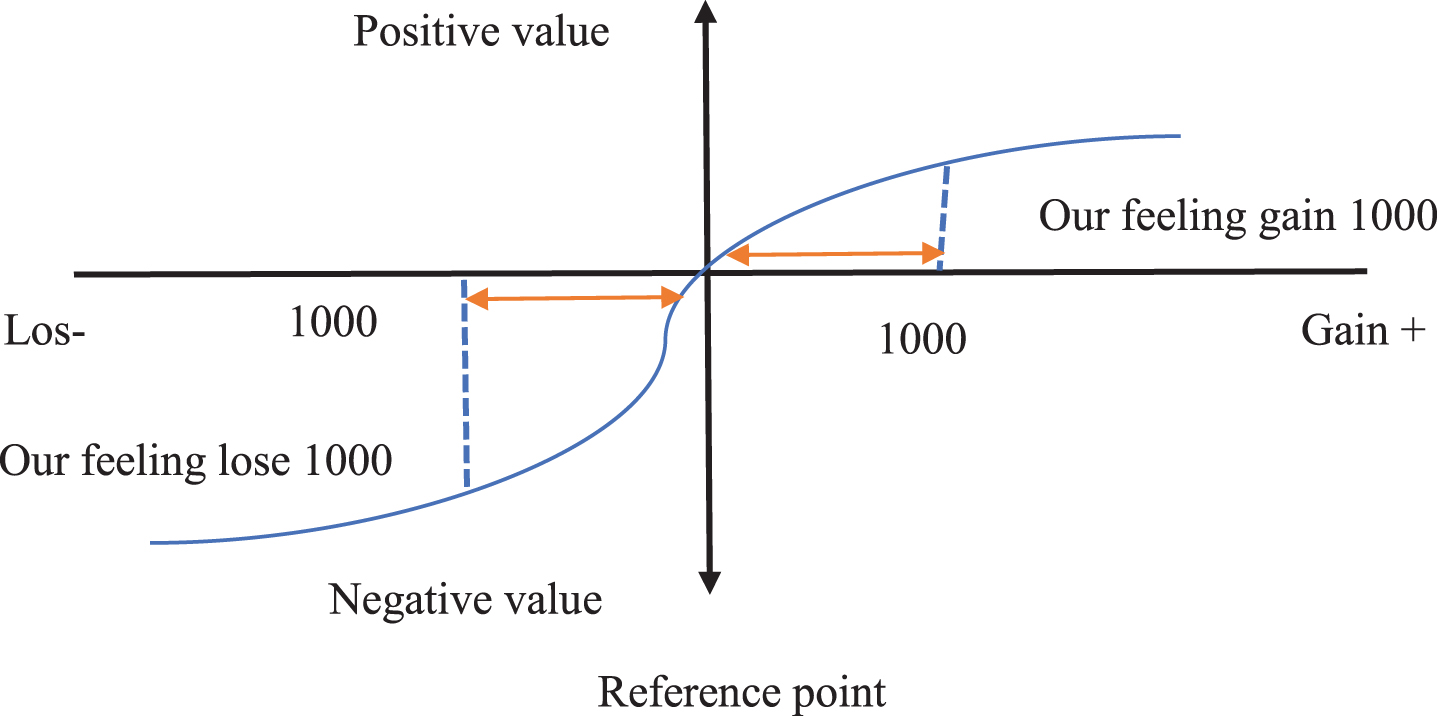
PT value function.
Where i = i th RSPF (probability function), j (reference point) =1, 2, 3
The S-shaped function depicted in Fig. 5 can be effectively modeled using an approximation method introduced by Chang [37] in 2010. Furthermore, it can also be solved using LINGO 12 [38] to obtain the approximated optimal solution.
We conduct a comparison between QFM and the proposed model based on their functional value, economic value, educational value, social value, and efficiency value, as illustrated in Table 3.
Value difference between QFM and the proposed model
Value difference between QFM and the proposed model
KCMC imports powertrain assemblies, vehicle bodies, and the main components of forklifts from Japan, while fork arms are imported from the United States. Additionally, their source tires and other components from local suppliers. Using these components, they produce nine different products, as shown in Fig. 6, each with varying load capacities. KCMC has a total of 52 employees, including 26 in after-sales service, 8 in factory production, and 1 plant manager. The remaining employees are involved in various technical roles, personnel management, sales management, supplier management, import business, production management, and other functions. Many employees hold multiple positions within the company. The company’s annual revenue is approximately NT$160 million. To expand their market share, KCMC has leveraged TI to develop new attachment equipment, as depicted in Fig. 7.
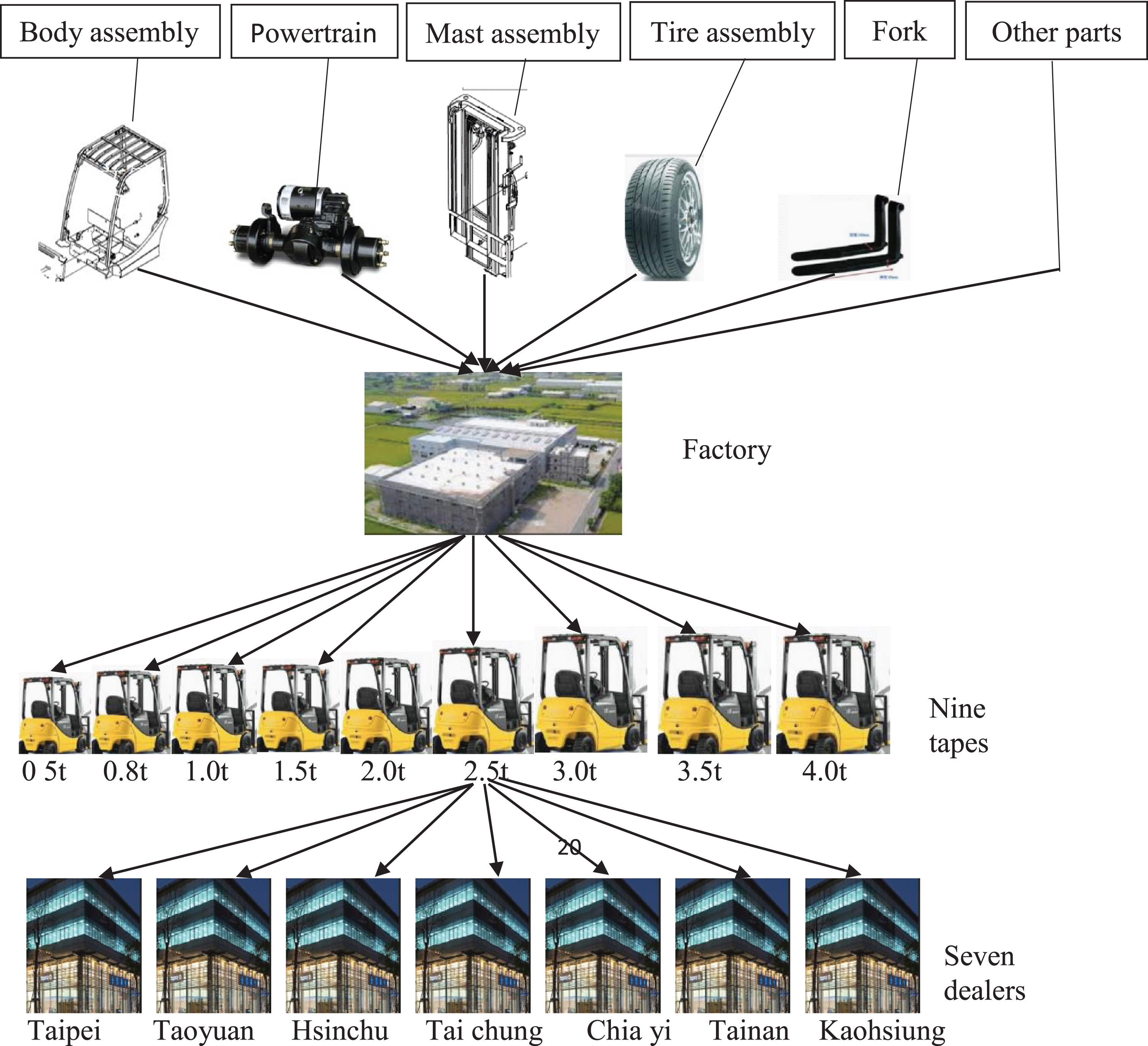
KCMC’s product process.
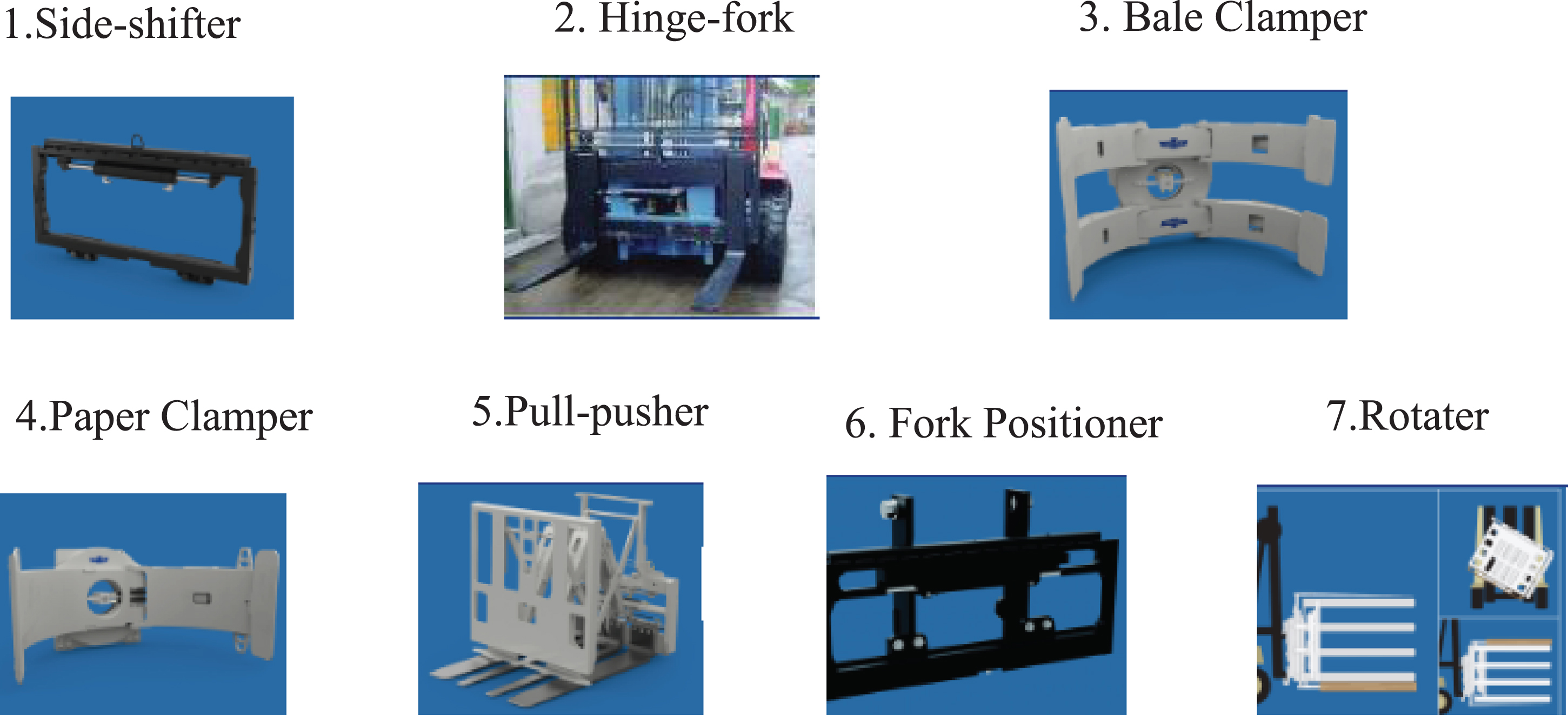
Types of attachment equipment.
The steps involved in implementing this project are as follows: (1) Definition phase: including goal setting and obtaining various criteria, (2) Planning phase: including reviewing key factors, preparing budgets, selecting project implementers, allocating resources, and assessing risks, (3) Implementing phase: including schedule management, quality management, and team management, and (4) Result phase: including problem improvement and performance evaluation. In the planning phase of new product development project, it is crucial to effectively and accurately identify key factors, optimize resource allocation, find suitable plan implementers, and consider risk mitigation. To address these issues, conventional approaches such as Delphi method, supervisor consensus method are often used. Despite being simple and commonly used by new product manufacturers, especially for new product innovations lacking past data as references, these methods are prone to subjective influences. They heavily rely on individual experience and subjective judgment, which can result in significant deviations between goals and actual outcomes, rather than providing optimal answers, ultimately resulting in project failure. The relevant project phases and problem statements are depicted in Fig. 8, with the entire project adopting a risk minimization strategy [34], such as using existing employees and resources, to achieve the goal of profit optimization. To address these issues, we employ mathematical-based tools that are easy to understand to solve the aforementioned problems.
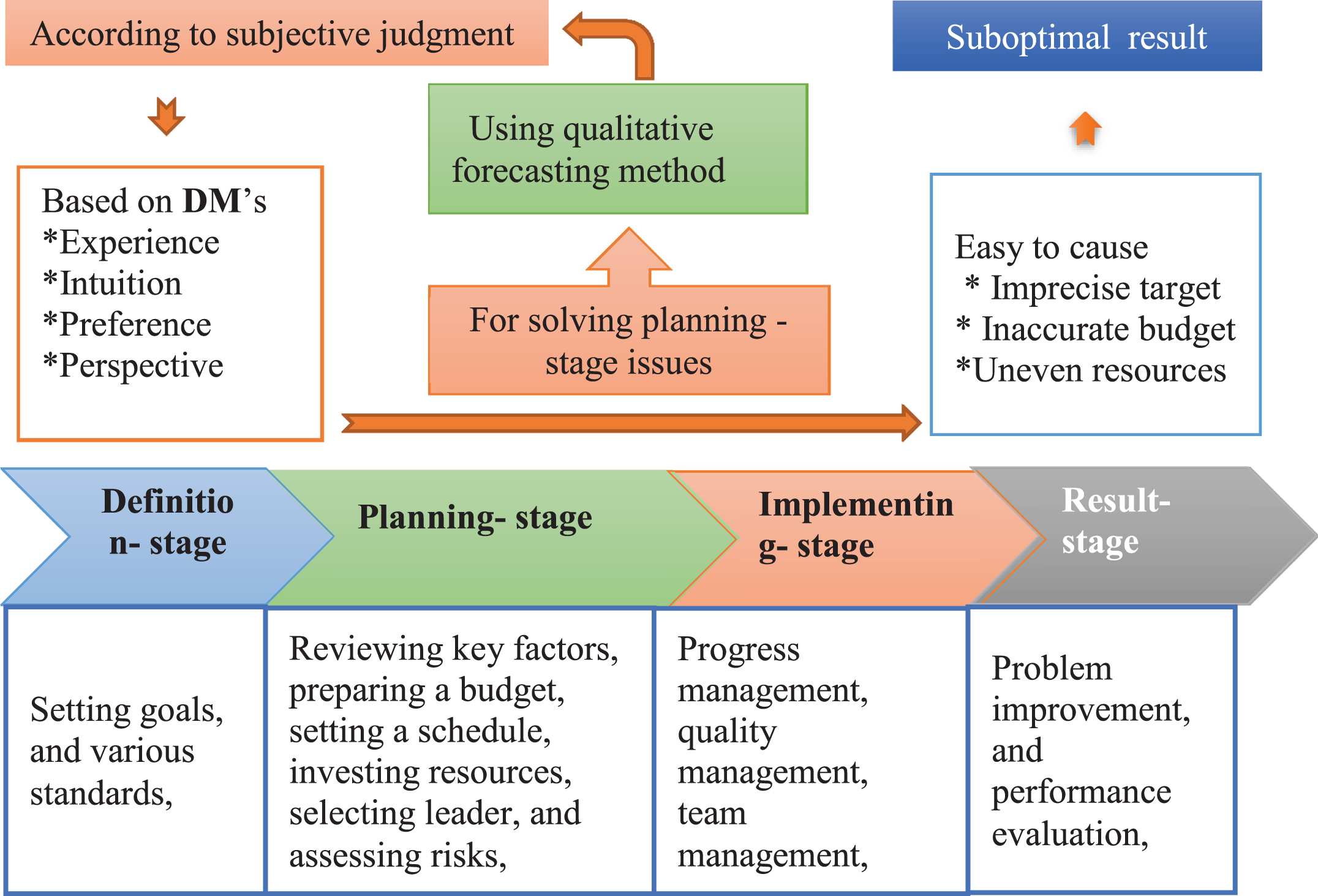
Stages and issues of new product development in the project.
The consensus criteria of experts for new Forklift’s attachment equipment
The FDM is used to identify desired criteria from the preliminary evaluation criteria. Then, FAHP is employed to determine the priority and weight of each evaluation criteria, followed by identification of KSFs based on this information. Next, the TOPSIS is utilized to select project implementers and optimize resource allocation. The MCGP-U model is then employed to find a solution for this project. The problem solving process is shown in Fig. 9.
(1). Using FDM to screen the factors
Project problem solving flowchart.
Key factor hierarchical analysis
Experts’ background information
In this study, the FDM is employed to select desired criteria from the preliminary evaluation criteria. We adopted the opinions of experts who have worked in the industry for many years. Responses were recorded using the Likert fifth-rank scale, and triangular fuzzy numbers were employed to reflect the experts’ importance ratings for each factor. 29 evaluation criteria were initially selected, as shown in Table 1, and the selection results are shown in Table 3. To ensure that the values were not be too low and to have a sufficient number of evaluation criteria, we set a threshold of 0.6. Consensus among the experts was obtained within 4 weeks, which was 20% faster than the anticipated 5 weeks’ timeframe set by the company.
(2). Using FAHP to evaluate the overall relative weight of each criterion
The FAHP is used to establish relative weights for each criterion. Six experts evaluated the weights of each evaluation criteria, and make comparisons between them. The linguistic evaluations were transformed into fuzzy number for ranking, and the results are presented in Table 4. Important factors for KCMC to complete this project are as follows: 1. Owner’s expertise/attitude, 2. Incentive program, 3. Cross-departmental resource integration, 4. Outstanding R&D personnel, 5. Analysis and learning of expertise, 6. Funding investment, 7. Efficient and low-cost production, 8. Government and regulatory support, and 9. Quality control. This method helps prevent DMs from implementing irrelevant factors based on personal preferences, thus making unreasonable decisions and reducing effectiveness of the project.
(3). Using TOPSIS to select suitable project implementers
Based on the identification of KSF, TOPSIS is used to select suitable project implementers. Table 5 shows the qualifications, experience and positions of the four candidates being considered, and the final scores of them are c c (0.365)> c d (0.217)> c b (0.202)> c a (0.193).
(4). Using MCGP-U to optimize four input resources of this project
All projects should consider time constraints, budget constraints and controls on other KSF [35], [36]. Based on the selected KSF, KCMC’s project is expected to be completed within 18 months and each KSF must be thoroughly accomplished using the Plan-do-check-action (PDCA) method. To accomplish the project, KCMC utilizes incentives program to encourage participants’ performance and restrict the overall cost of project implementation. The project’s variables and multiple objectives are as follows.
KCMC aims to reduce the total cost of project implementation as much as possible, and its objectives are as follows:
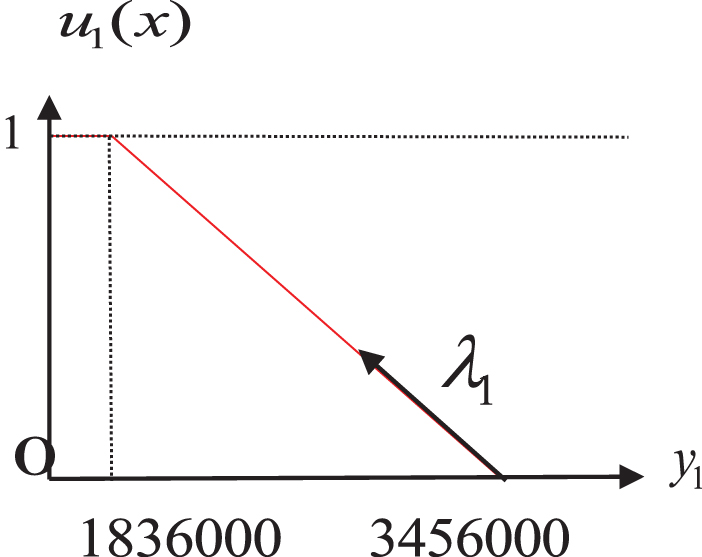
Meeting cost.
Objective (1) (Meeting costs): The target for total meeting cost, from strategic planning to execution completion within 1.5 years, is set at $1,836,000. The corresponding left-sided linear utility function, u1 (x), as shown in Fig. 10, indicates a preference for lower costs, with an upper limit of $3,456,000. The MCGP-U formulation is as follows:
Objective (2) (Number of attendees): The target for the number of meeting attendees within 1.5 years is 540 people. Each team leader designates the initial number of participants, which is expected to decrease as the project progresses. The corresponding left-sided linear utility function, u2 (x), as shown in Fig. 11, signifies a preference for fewer attendees, with an upper limit of 1,026. The MCGP-U formulation is as follows:
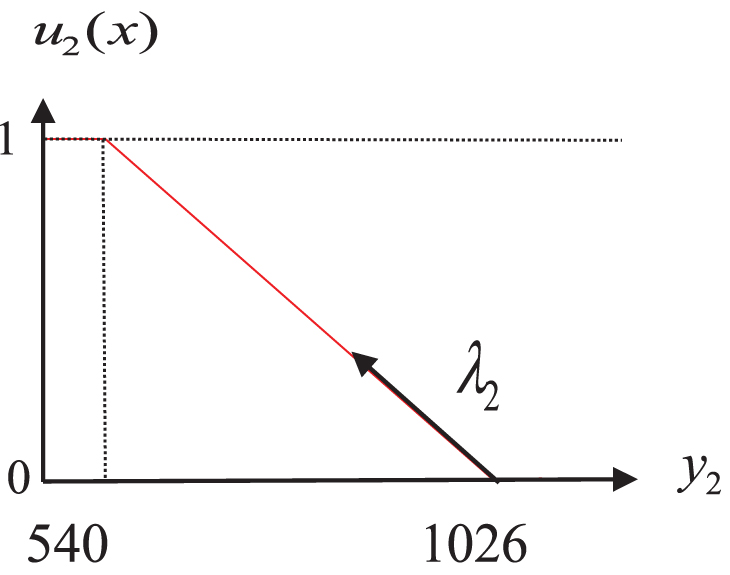
Attendees in meetings.
Objective (3) (Attendees spend time in the meetings): As the meeting process matures and the scope of issues under review narrows, the problem-solving speed increases, resulting in less time being spent. The target for meeting time is set at 657 hours within 1.5 years. The corresponding left-sided linear utility function, u3 (x), as shown in Fig. 12, indicates a preference for less meeting time is preferred, with an upper limit of 1251. The MCGP-U formulation is as follows:
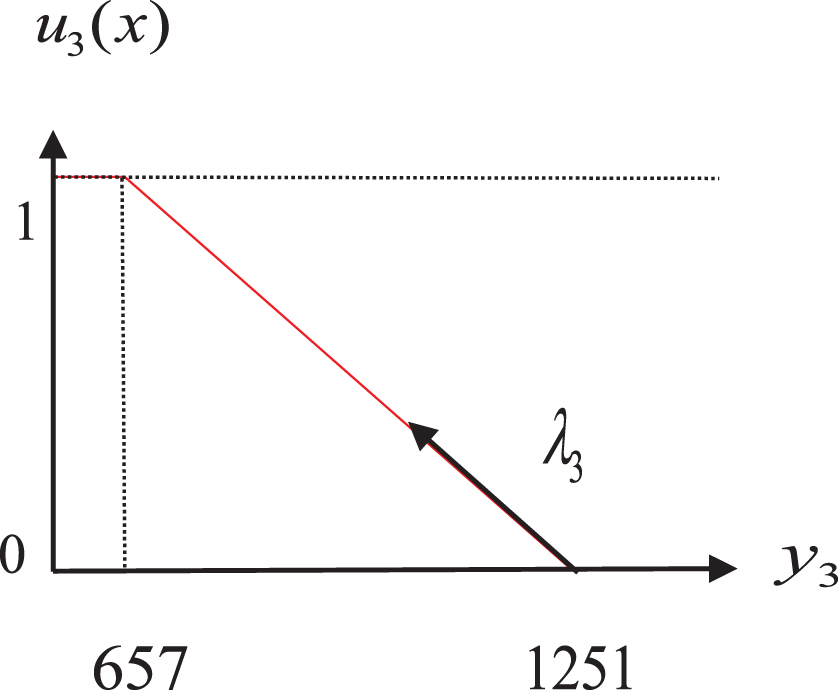
Attendees spend time in meeting.
Objective (4) (Rewards for completing each stage): The achievement rate of each stage affects the incentive bonus awarded, with higher rates resulting in higher the total incentive bonuses. The corresponding right-sided linear utility function, u4 (x), as shown in Fig. 13, indicates that higher performance leads to greater bonuses. The total budget range for incentives over 1.5 years is from $58,000 to $1,044,000. The calculated values for the four target objectives set by each team leader can be found in Table 6. The MCGP-U formulation is as follows:
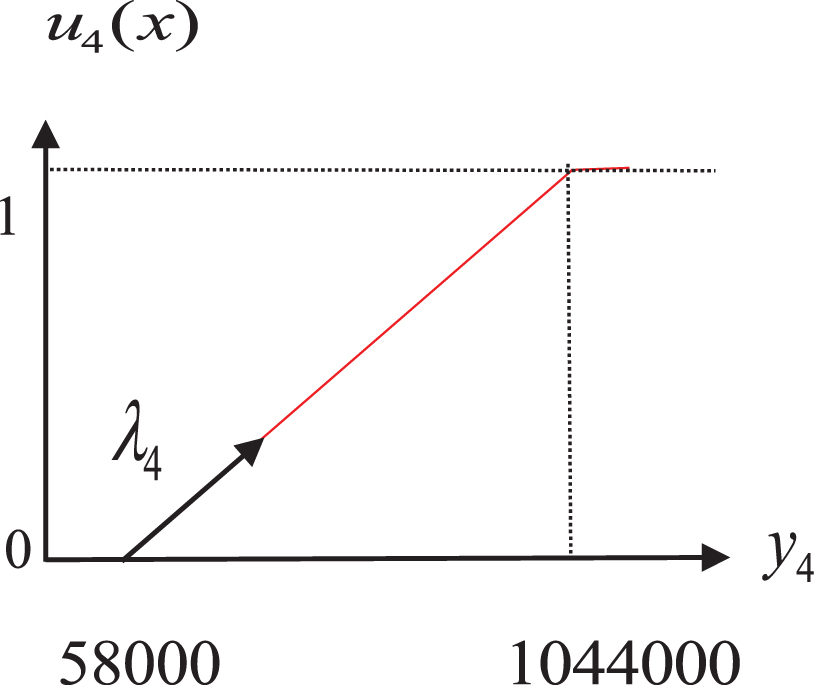
Rewards for completing each stage.
Calculated values of four objectives set by leader of each group
Finally, LINGO 12 [38] is used to solve this multi-objective problem to obtain the optimal solutions as (x1, x2, x3, x4, x5, x6&, x7, x8, x9,
The comparison of company’s original planning and the proposed MCGP-U method
Our proposed hybrid model can effectively and accurately identify KSFs, find the best project implementers, and achieve the most reasonable allocation of resources. These are common ambiguous issues in the new product development phase, and they greatly impact the success of TI implementation. The main difference between the proposed method and QFM is that we use a scientific method to address these fuzzy issues, instead of relying heavily on the perspective, experience, preferences and intuition of company top management. The proposed hybrid approach provides several advantages in practice and theory as follows:
(1) Reduce argument.
It can address pain points within the project teams. Company top management always aims to complete projects with least resources in the shortest possible time. Despite regular meetings and progress reports to the top management by project teams, the feedback received is often does not align with the actual requirements. Therefore, the new hybrid model can assess and track the entire project process, enhancing consensus between the project teams and the top management, thus reducing disputes.
(2) Systematically solving problems.
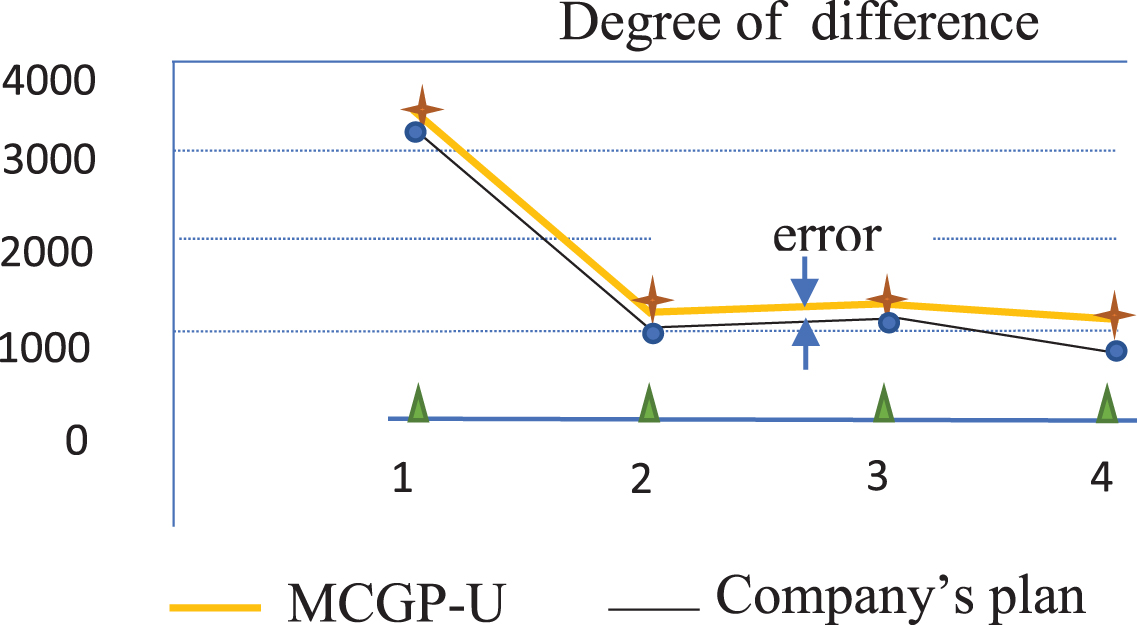
Difference between the company’s original plan and the proposed MCGP-U method.
The FDM in this model helps in filtering criteria that match our threshold from the initial assessment criteria. FAHP assists in determining the priority and weights of each evaluation criterion, resulting in KSF. TOPSIS assists in selecting the best project leader, rather than relying on interpersonal relationships for selection. MCGP-U is used to solve this complex multi-criteria decision-making problem while considering DM’s preferences. All these advantages stem from the use of these tools.
(3). Clear objectives and reasonable resource allocation.
Without the help of scientific methods, QFM is challenging to use for establishing precise objectives. Furthermore, as the project progresses and tasks increase, the scope of adjustments (such as financial budgets, schedule changes, human resources, etc.) also expands, making progress more complex, time-consuming, and difficult. The proposed hybrid method overcomes these drawbacks.
(4). Cost reduction and employee capability enhancement:
The proposed model is relatively easy to understand and can be followed by team members and DM alike. Moreover, company employees can operate the proposed hybrid model through simple training. This not only saves company costs but also allows employees to enhance their capabilities through practical involvement. It also aligns with the goal of risk avoidance.
We have integrated established management science tools, which can effectively address issues related to TI implementation and make valuable contributions to both practical application and the advancement of management science theory. Within our proposed hybrid model, the seamless integration of these tools enables us to systematically tackle the challenges encountered during TI implementation. By leveraging these tools, we can provide comprehensive solutions to complex problems and make well-informed decisions. This integration not only enhances the practical effectiveness of TI implementation by addressing real-world issues but also presents a robust framework to the synergistic effects of these tools, contributing to the development and evolution of management science theory.
Enhance result comparison
The focus of this study is on how to effectively and accurately identify KSFs, select the optimal project implementer, and optimize resource allocation during the planning phase of new product development. These common and ambiguous issues in TI implementation are crucial for the success of any technology adoption. The main difference between our proposed hybrid approach and current practices is that current practice relies heavily on the perspectives, experiences, preferences, and intuition of top company managers to identify these ambiguous issues. Our proposed hybrid model provides DMs with an alternative tool, which includes the use of the fuzzy decision matrix to choose factors that meet the threshold from preliminary evaluation criteria. FAHP assists in determining the priority and weights of each evaluation criterion and KSF. TOPSIS is used to select the project implementer based on the requirements of KSF, rather than relying on interpersonal relationships. MCGP-U is employed to address this complex multi-criteria decision-making problem while considering the preferences (i.e., PT method) of decision-makers. Without a scientific method, it is difficult to establish precise objectives by using the QFM. Additionally, as the project progresses and the workload increases, the scope of adjustments needed (such as financial budgets, schedule changes, human resources, etc.) also becomes larger, making scheduling more complex, time-consuming, and challenging. The proposed new hybrid model can objectively assess and track project progress, achieving consensus among the project team and top management while reducing friction, allowing the project to proceed smoothly.
This hybrid model proposed in this study was practically applied to the attachment equipment project of KCMC. After reaching consensus within the team, the implementation of countermeasures to address the common ambiguous issues in the planning phase of new product development, such as KSFs, optimal project implementer, and resource allocation, has been smoother compared to before, as shown in Table 8. This article has sparked interest from the top management of the company because it not only addresses the knowledge or skill gaps of managers but also enhances employee capabilities.
The limitation of the proposed method paper is that it focuses primarily on the TI within the context of SMEs in Taiwan. While the proposed hybrid model is valuable for this specific setting, its applicability and effectiveness in different industries or regions may require further validation and customization. In order to enhance the competitive advantages of SMEs, we propose the following directions for future research: 1. Expanded hybrid model: Incorporate various factors relevant to SMEs into the proposed hybrid model to adapt to different situations and challenges faced by SMEs effectively, 2. Simulation and experimentation: Utilize simulation techniques to test the effectiveness of the decision-making model in various scenarios, resulting in cost savings and increased flexibility, and 3. Integration of artificial intelligence: Integrate artificial intelligence into our hybrid model to make it smarter and more adaptable for diverse SMEs scenarios.
Compliance with ethical standards
This study was not funded by any organization. All authors declare that she has no conflict of interest. This article does not contain any studies with human participants performed by any of the authors.