




Abstract
With the rapid development of vocational undergraduate education, the construction of teachers is very important to improve the quality of education and train outstanding talents. This study takes deep learning as the theoretical basis to explore the construction of vocational undergraduate education teacher team based on deep learning. Through comprehensive literature review, quantitative research methods and questionnaire design, the current situation of vocational undergraduate education teachers is deeply analyzed, and the application potential of deep learning in teacher training is discussed. The research results show that deep learning can provide new teaching tools and techniques to promote the professional development of teachers and improve teaching effectiveness. However, there are also some problems and challenges in practical application, such as teachers’ cognition and application level of deep learning need to be improved. Therefore, this study puts forward some strategies to solve these problems, and looks forward to the future development of vocational undergraduate education teacher team construction.
Keywords
Introduction
In the 21st century information age, artificial intelligence, especially deep learning, has shown great potential in various fields. Deep learning, as the application of complex neural networks, simulates human learning and thinking processes, and has the ability to learn and extract information from massive data. At the same time, education, especially vocational undergraduate education, plays a key role in the cultivation of talents and economic development of the society. Vocational undergraduate education, as an important pillar of the education system, is committed to cultivating application-oriented talents with strong practical ability and solid theoretical knowledge. However, it faces many challenges in the process of development, especially in the construction of teachers. In addition to having profound subject knowledge, higher vocational college teachers also need to have certain vocational skills and practical experience, which puts forward higher requirements for the selection, training and evaluation of teachers. Under this background, the introduction of deep learning technology provides a new perspective and method to solve the problem of teacher team construction in higher vocational undergraduate education. Its application is not only limited to the optimization of teaching resources, personalized teaching and intelligent tutoring, but also can be used for more accurate analysis and evaluation of teachers’ teaching ability. For example, models can be constructed to identify and analyze the weaknesses and strengths of teachers in classroom teaching, and provide targeted training and guidance for teachers, thus contributing to improving the quality of teaching. In addition, deep learning can also help explore the deep problems existing in the construction of teachers, such as the unbalanced structure of teachers’ ability and the single teaching method, and provide more diversified and targeted solutions for education decision-makers. Therefore, this study aims to deeply explore the application of deep learning in the construction of vocational undergraduate education teachers, and try to reveal its practical value and potential mechanism in promoting teachers’ professional development and improving teaching efficiency and quality. This attempt may not only promote the modernization process of vocational undergraduate education, but also provide a new research path for the integration of education technology. In general, the combination of deep learning and the construction of vocational undergraduate education teachers has broad research prospects and far-reaching social significance, and is a field worthy of further research.
In recent years, with the rapid development of deep learning technology, how to apply it in the field of education, especially in higher vocational undergraduate education, has become a research hotspot. Among them, how to better train and improve the ability of teachers is particularly important. Chai mentioned that the professional development of teachers in science, technology, engineering and mathematics (STEM) education needs to consider the integration of technology education content [1]. This means that in the era of the combination of deep learning technology and education, the professional training and development of teachers need to have the ability to understand and apply new technologies. Korhonen et al. further pointed out that scaffolding technology in online learning environments can support individual learning of student teachers [2]. This highlights the potential application of deep learning technology in higher vocational undergraduate education, which can provide teachers with richer and more targeted support. From the perspective of teacher team building, Kurup et al. believed that future basic education teachers should have in-depth knowledge and understanding of STEM and their intention to apply it [3]. In addition, Falloon proposed that in order to shift from digital literacy to digital competence, a framework for teachers’ digital competence needs to be established [4]. This implies that in addition to expertise in deep learning technologies, teachers also need to have certain digital skills. In addition, in the face of digital transformation, Bond et al. found that students and teachers in German higher education have different cognition and use of digital media [5]. This reveals that in the context of the wide application of deep learning technology, higher vocational college teachers need more comprehensive and in-depth training to meet the needs of modern education. However, there are still some challenges in the process of building teachers. For example, Nieto et al. revealed that using machine learning-based algorithms to support decision-making in higher education institutions remains a challenge [6]. This implies that in the process of applying deep learning technology to higher vocational undergraduate education, it is also necessary to consider how to better support and guide teachers to make decisions. To sum up, the construction of higher vocational college teachers based on deep learning is a multifaceted and complex problem. It is necessary to conduct in-depth research and practice in training, application, support and decision-making to better promote the application of deep learning technology in higher vocational undergraduate education.
The main purpose of this study is to explore how deep learning can be effectively applied to the construction of professional undergraduate education teachers. Specifically, first of all, this study aims to analyze the current situation of vocational undergraduate education teachers and the existing problems in teaching methods and teaching ability through quantitative methods and questionnaires. Secondly, this research plans to use deep learning models to discover and analyze potential rules and patterns in the process of teacher team building. Finally, through analysis and comparison, strategies and suggestions based on deep learning are put forward to optimize the construction of professional undergraduate education teacher team.
This study has important theoretical and practical significance. From a theoretical point of view, this study combines deep learning with the construction of vocational undergraduate education teachers, providing new perspectives and ideas for research in related fields. Through in-depth analysis, this study helps to understand the application potential of deep learning in the construction of teacher ranks, and provides a theoretical basis for subsequent research. At the practical level, this study can provide valuable information and strategies for vocational undergraduate education institutions and education administrators. Through the application of deep learning technology, educational institutions can more effectively identify and solve problems in the construction of teachers, improve teachers’ teaching ability, and thus improve the quality of education. In addition, the results of this study will also help policy makers to formulate more scientific and rational policies in education reform and teacher training.
The purpose of this study is to conduct an in-depth study on the construction of vocational undergraduate education teachers based on deep learning. In order to achieve this goal, the research content is divided into the following aspects: First, the research background is introduced, and the importance of the construction of vocational undergraduate education teachers and the shortcomings of the existing research are discussed. Through literature review, the research in related fields will be sorted out in order to build on the foundation of previous work in the follow-up research. Secondly, we will explore the fundamentals of deep learning theory, including its principles, algorithms, and application fields. Through the analysis of the application cases of deep learning in the field of education, the potential and opportunities of deep learning in the construction of vocational undergraduate education teachers will be further discussed. In terms of quantitative research methods, studies will be designed and relevant data will be collected. By employing appropriate research design and sampling methods, data from faculty and students will be collected to gain a comprehensive understanding of the current situation and needs of the professional undergraduate education faculty. Statistical analysis and deep learning model analysis will be used to process and interpret the data in detail. In addition, a questionnaire will be designed and implemented to obtain comments and feedback from teachers and students. Through the rationality and validity of the questionnaire design, teachers’ cognition and attitude towards deep learning, as well as their application in teaching practice, will be understood. Finally, the results of the study will be comprehensively analyzed, and the strategies to solve the existing problems will be proposed. The study will discuss the potential impact and challenges of deep learning in the construction of professional undergraduate education teachers, and make recommendations for improvement and development. Finally, this study will summarize the research results and look forward to the future research direction of vocational undergraduate education teacher team construction. Through the arrangement of the above research content and structure, it will comprehensively explore the construction of vocational undergraduate education teacher team based on deep learning, and provide valuable contributions to the theory and practice of related fields.
Theoretical basis
Deep learning theory
Definition and development of deep learning
Deep learning, a subfield of machine learning, simulates the workings of neurons in the human brain by training large amounts of data to learn and understand the inherent laws and patterns in the data [7]. A deep neural network, as its key component, simulates the neural network structure of the human brain, including an input layer, an output layer, and multiple hidden layers. This multi-level structure enables deep learning to handle very complex data patterns. Its definition stems from the development of artificial neural networks, but with the improvement of computing power and the wide application of big data, deep learning has made great breakthroughs and applications in recent years. The development of deep learning can be traced back to the 1980s, but it was not until 2006 that the successful application of the Deep Belief Network (DBN) proposed by Hinton et al. triggered a new wave of research on deep learning. Subsequently, deep learning has made major breakthroughs in image recognition, natural language processing, speech recognition, and recommendation systems through the development of models and algorithms such as convolutional neural networks (CNN), recurrent neural networks (RNN), and generative adversarial networks (Gans) [8]. A key component of deep learning is a deep neural network, a complex model that simulates the structure of a human brain neural network, which includes an input layer, an output layer, and multiple hidden layers. The multi-level structure of the hidden layers enables deep learning to handle very complex data patterns.
The training process of deep learning usually involves algorithms such as backpropagation and gradient descent, which adjust the weight of the neural network so that the model’s predictions are as close to the true value as possible [9]. With enough large and diverse training data, deep learning models can show good generalization performance. In practical applications, deep learning has been successfully applied to many fields such as image recognition, speech recognition, and natural language processing. Deep learning models are able to extract effective information from complex, high-dimensional, unstructured data and perform effective analysis and prediction [10]. Deep learning is also increasingly used in education, for example to analyze students’ learning behavior, predict learning outcomes, and recommend personalized teaching resources. These applications not only improve the efficiency of education and teaching, but also provide the possibility for the personalization and precision of education. Deep learning promotes understanding learning, focusing on guiding students to achieve a deep understanding of the nature of the subject and the meaning of knowledge through in-depth experience and thinking.
Therefore, the study of deep learning theory has important guiding significance for the study of the construction of vocational undergraduate education teacher team. By understanding and mastering deep learning theory, we can make better use of deep learning technology to improve the effect of teacher team construction. For example, deep learning can be used to analyze teacher effectiveness, provide targeted training, and help management better understand the needs and challenges of the teaching workforce.
Main models and algorithms of deep learning
The main models and algorithms in deep learning include convolutional neural networks (CNNS), recurrent neural networks (RNNS), generative adversarial networks (Gans), and automatic encoders (AE) [11, 12].
Convolutional neural networks (CNNS) are a type of deep learning model specifically designed to process data with a grid structure, such as images. It uses convolution layer, pooling layer and fully connected layer to extract and classify image features effectively.
Recurrent neural network (RNN) is a deep learning model that processes sequential data and has a memory function. It models dependencies in sequence data by taking the hidden state of the previous moment as input to the current moment, and is often used for tasks such as natural language processing and speech recognition.
Generative adversarial network (GAN) is an adversarial model composed of generators and discriminators. Generators try to generate realistic samples, while discriminators try to distinguish between real samples and generated samples. Through repeated iterative training, Gans can generate highly realistic samples, which are widely used in image generation and style transfer tasks.
An autoencoder (AE) is a deep learning model for unsupervised learning that learns a compressed representation of input data. It consists of an encoder and a decoder, which trains the model by minimizing reconstruction errors and realizes effective representation learning and feature extraction of input data.
The development of these models and algorithms provides theoretical basis and methodological support for the application of deep learning in the construction of vocational undergraduate education teachers.
Current situation and analysis of professional undergraduate education teachers
Vocational undergraduate education is an educational model aimed at cultivating professionals in specific vocational fields. Compared with ordinary undergraduate education, vocational undergraduate education pays more attention to the cultivation of students’ professional quality and practical ability. It requires teachers not only to have rich subject knowledge and teaching experience, but also to have practical experience and industry background in the relevant career field. The characteristics of vocational undergraduate education lie in the emphasis on practical teaching, vocational orientation and the cultivation of social adaptability to meet the needs of the society for various professional talents [13, 14].
The teaching team of vocational undergraduate education is usually composed of subject experts, industry experts and education experts. Subject experts have rich subject knowledge and teaching experience, and can impart the theoretical knowledge and practical skills of the subject. Industry experts have practical experience and industry background in the relevant career field, and can integrate practical work experience into the teaching content, so that students can better adapt to career development. Practical teaching is an important way to train highly skilled talents and an important method to train innovative talents. The realization of practical teaching must have a high level of teachers. Education experts are responsible for the guidance of educational teaching methods and the planning of curriculum design to ensure the effectiveness and quality of teaching. The teaching staff is characterized by diversity and professionalism [15]. Due to the particularity of vocational undergraduate education, the faculty needs to have an interdisciplinary and cross-industry background to meet the needs of different professional fields. In addition, teachers should have professional knowledge and skills in education and teaching, and be able to flexibly use teaching methods and educational technologies to improve students’ learning results and professional abilities.
The construction of professional undergraduate education teachers is the key to achieve high quality vocational education. Based on the data sampling and analysis of the relevant literature in recent years and the adopted data analysis tool – education big data analysis platform, it is found that higher vocational college teachers are facing multiple challenges [16, 17]. First, there is the problem of the number of teachers. With the development of vocational education and the growth of social demand, the number of teachers is relatively insufficient, especially in some professional fields and regions, the problem of teacher shortage is more prominent. This not only affects the quality of teaching, but also restricts the development of vocational education. Secondly, the professional quality and teaching ability of teachers. Vocational undergraduate education especially emphasizes practical ability and application skills, so teachers need to have not only solid theoretical knowledge of the subject, but also rich vocational skills and practical experience [18, 19]. However, at present, some teachers are deficient in professional ability, practical ability and teaching ability, which poses a challenge to improving teaching quality and cultivating high-quality talents. Thirdly, teachers’ teaching concepts and methods. The traditional teaching concepts and methods are not adapted to the new educational environment. How to guide teachers to change their teaching concepts and adopt modern teaching methods and means is an important issue facing the construction of teachers.
To sum up, the construction of vocational undergraduate education teachers is faced with problems in quantity, quality and methods, which need to be solved through in-depth research and systematic strategies. In order to solve these problems and challenges, it is necessary to strengthen the training and development of teachers. Follow the development of The Times, master big data and artificial intelligence technology, and make good use of online teaching platforms. Such as the use of education cloud platform for online learning and offline teaching interaction, to provide students with multi-dimensional learning support. Online learning has the advantages of cross-region, high content standards, reuse, etc. Internet technology enables individuals and portable devices to use the network to complete good communication between teachers and students through software, and help students understand the key points and difficulties. At the same time, the offline teaching of the integrated teaching platform has significant advantages in terms of interaction. Through good communication between teachers and students, students can easily grasp the key points and difficulties, which is conducive to the practical application of teaching content. This includes providing opportunities and platforms for the professional development of teachers, strengthening the training of teachers’ knowledge in disciplines and education and teaching, and encouraging teachers to participate in practice and research activities, so as to continuously improve the overall quality and ability of teachers. At the same time, it is also necessary to strengthen the communication and cooperation among teachers, promote interdisciplinary and cross-industry exchanges and cooperation, and improve teachers’ comprehensive literacy and teaching quality. This study aims to analyze and solve these problems by using deep learning theories and methods, in order to provide support for improving the construction of vocational undergraduate education teachers.
Quantitative research methods
Research design
This study adopts quantitative method, focuses on the analysis of the current situation of the construction of higher vocational college teachers, and tries to use deep learning technology to conduct pattern recognition and predictive analysis of teacher data. The main objectives and assumptions of the research are clear to ensure the pertinence and cohesion of the paper. The following is a detailed description of the study design, as shown in Table 1 above, showing the main research questions and objectives.
Research questions and objectives
Research questions and objectives
Table 2 below shows the types and sources of data.
Data types and sources
Table 3 below shows the method of data analysis and its purpose.
Data analysis methods
Through the above research design, this study will comprehensively analyze the current situation of the professional undergraduate education teacher team, identify the key factors of its construction, and explore the application potential and methods of deep learning in the construction of teacher team.
The type and scale of the institutions studied and the proportion of institutions sampled.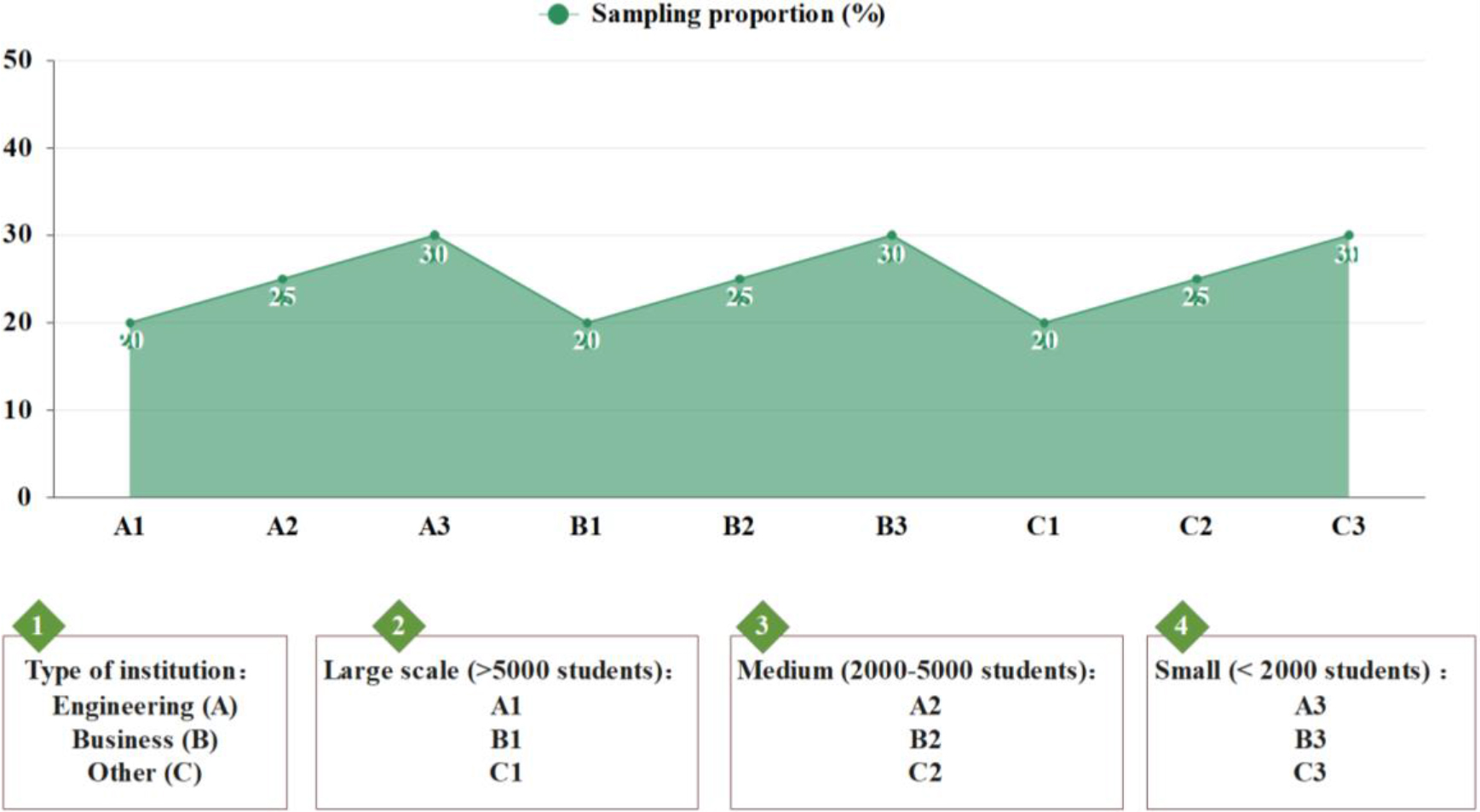
In order to collect data effectively and ensure the representativeness and reliability of data, this study adopts the combination method of stratified random sampling and cluster sampling.
First of all, according to the type of institutions (such as engineering, business, etc.) and scale (such as large, medium and small), the higher vocational colleges in the target research area are divided into different levels. This classification ensures the diversity of the sample to fully reflect the faculty status of different types and sizes of institutions. Secondly, a certain percentage of institutions are randomly sampled from each layer. Figure 1 above shows the type, size and proportion of the institutions studied. This guarantees the weight of each level and ensures the representativeness of the overall sample.
Then, the method of cluster sampling is used to select all the vocational undergraduate education teachers in the selected colleges and universities as the research objects. This step helps to ensure that the characteristics of the faculty within the sample institutions are fully captured, enhancing the depth of the research. Finally, relevant data of each teacher was collected through multiple channels, including but not limited to: educational background, teaching age, professional field, title, teaching evaluation, etc. The diversity of data sources helps build a comprehensive portrait of teachers.
With this combined sampling method, research can obtain a representative sample for in-depth data analysis and provide a basis for subsequent deep learning analysis.
Data analysis methods
Statistical analysis
After collecting the data, the study first uses descriptive and inferential statistical analysis to summarize and interpret the characteristics and trends of the data.
As shown in Fig. 2 above, an example of descriptive statistical analysis shows the distribution of different educational levels among teachers.
Distribution of teachers’ educational background.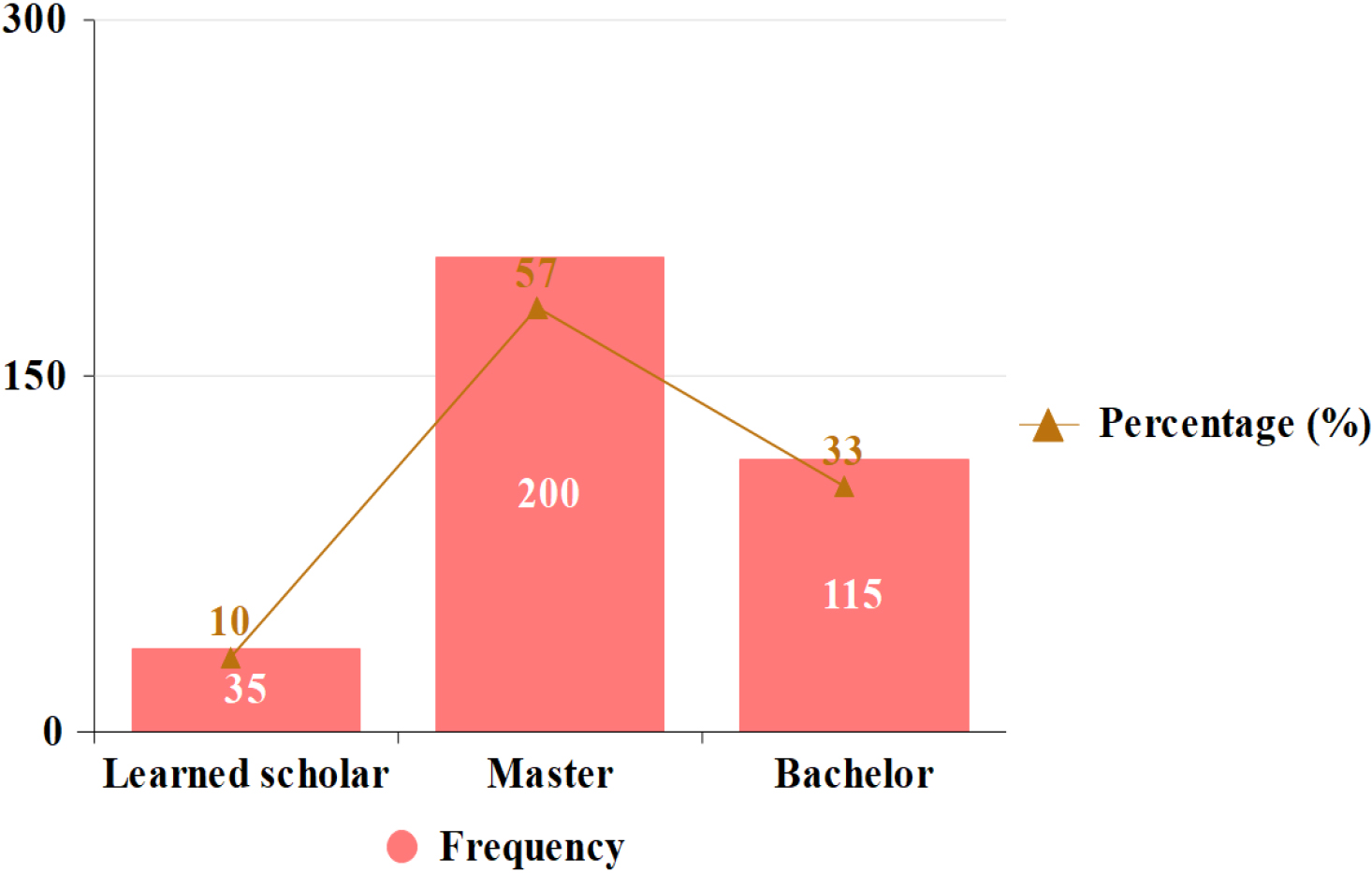
As shown in Fig. 3 above, an example of descriptive statistical analysis shows the distribution of teaching age among teachers.
The distribution of teaching age among teachers.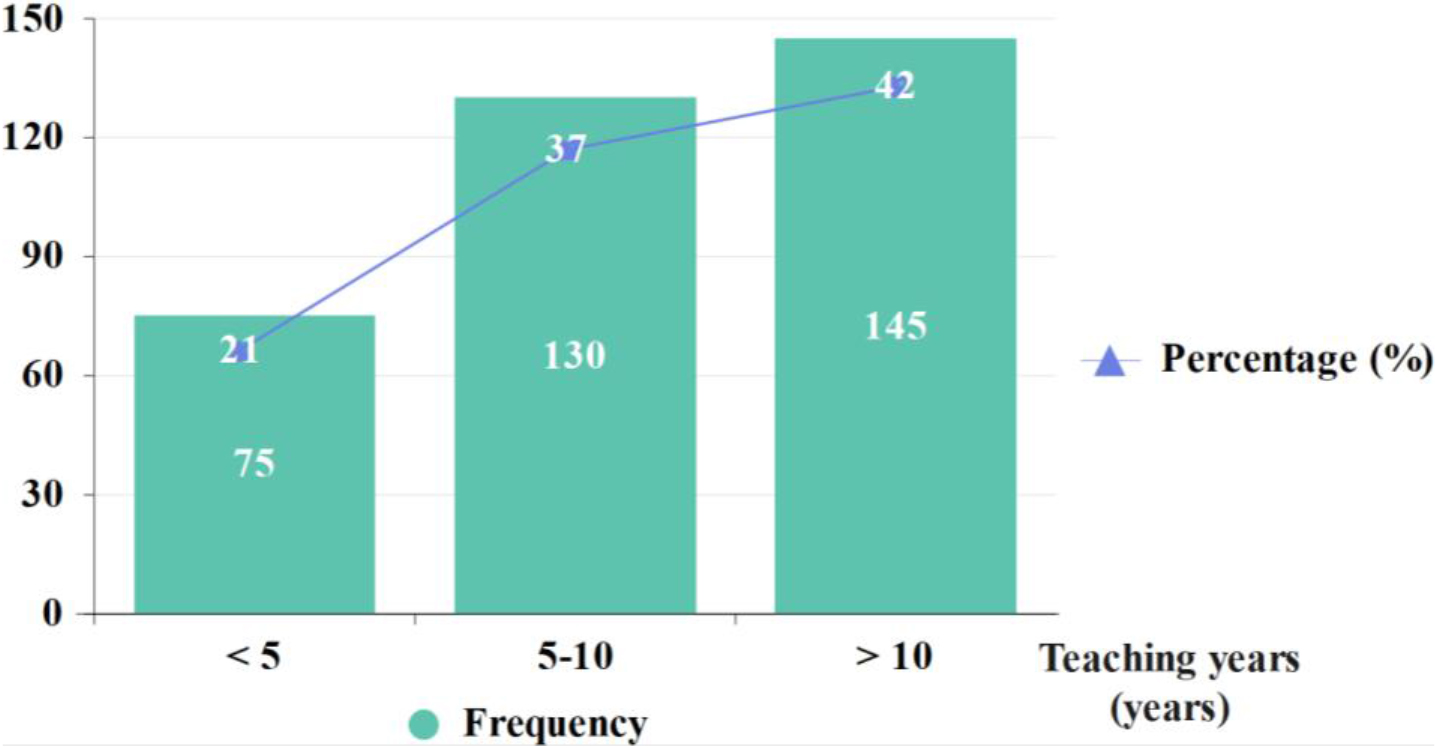
In addition to descriptive statistical analysis, inferential statistical analysis can also be used to study the relationship between variables.
As shown in Fig. 4 below, an example of inferred statistical analysis shows the correlation coefficient between educational background and teaching evaluation, indicating that teachers with higher educational background tend to have higher teaching evaluation.
Correlation between educational background and teaching evaluation.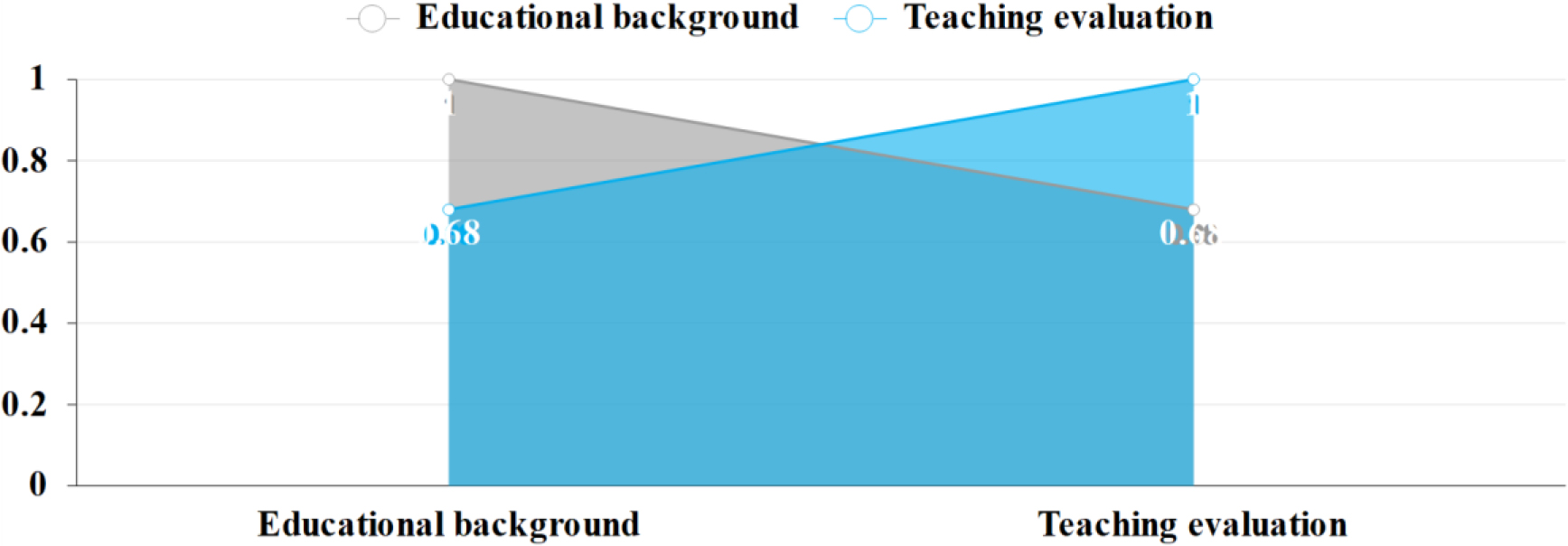
Through statistical analysis, the study can understand the basic characteristics of vocational undergraduate education teachers, as well as the relationship between teachers’ educational background, teaching age and teaching quality. This is of great significance for this study to deeply understand the status quo and influencing factors of vocational undergraduate education teachers.
Before you can analyze a deep learning model, you need to make sure that proper data pre-processing has been done. For this purpose, the input features are first standardized, the categorical variables are converted into unique thermal codes, and the data set is divided into training sets and test sets.
Study with teacher
The goal of the research is to train a deep learning model that can predict the effectiveness of a teacher’s teaching.
Deep Neural Network (DNN) was chosen as the deep learning model for the study. The general form of DNN is shown in Eq. (1):
Where,
For research tasks, a simple DNN architecture can be used, as follows:
Input layer: Vector
In the training process, the mean square error loss function is minimized, as shown in the following Eq. (2):
Studies can use stochastic gradient descent (SGD) or other optimization algorithms to minimize the loss function and update the weights and biases of the network.
After the model training is completed, the research uses test sets to evaluate the performance of the model and quantifies its predictive ability through various indicators (such as MSE, MAE, etc.). Figure 5 above shows the value obtained after the completion of the model index.
Model performance evaluation.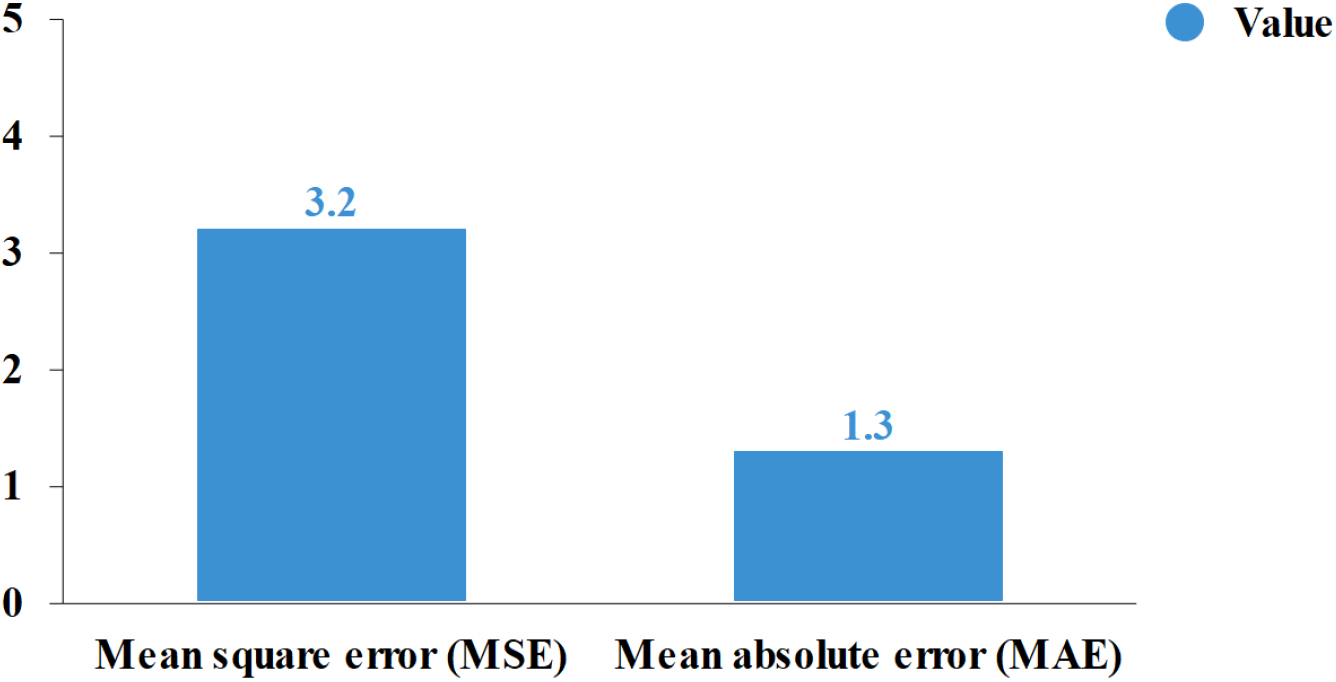
Through deep learning model analysis, the research can more deeply understand the complex relationship between teacher characteristics and their teaching effectiveness, and provide data-driven insights for the construction of professional undergraduate education teachers.
Questionnaire design
(1) Survey objects
The survey objects mainly include teachers of vocational undergraduate education, including teachers of different disciplines, different degrees, different teaching years, and administrators of vocational undergraduate schools. At the same time, it also includes some students in vocational undergraduate schools to obtain their views on the construction of teachers. As shown in Fig. 6 above, the distribution of questionnaire objects is shown.
Distribution of survey objects.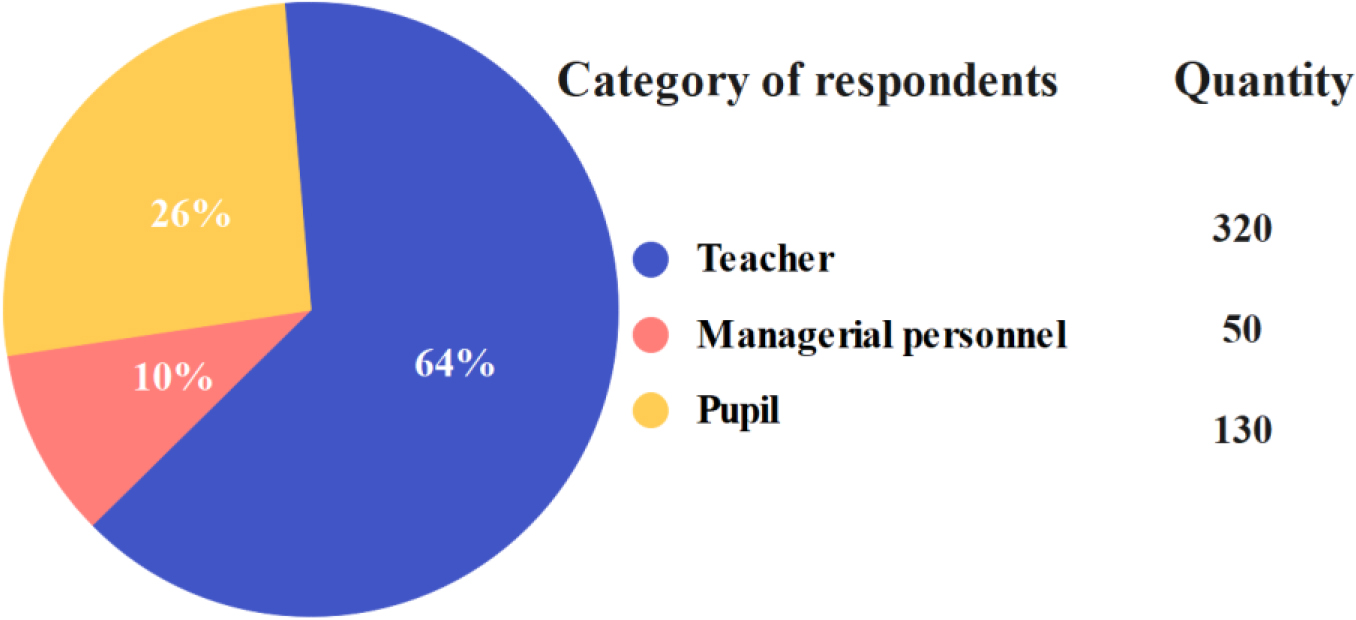
(2) Questionnaire content and structure
The design of the questionnaire is based on the following principles and reasons. Comprehensiveness: ensuring coverage of all major areas relevant to the research. Two, feasibility: Make sure the questions are easy to understand and easy for respondents to answer. Validity: Ensure that each question is directly relevant to the purpose of the study. The contents of the questionnaire reflect the basic information of teachers, teaching methods, deep learning technology application, etc., and the student part focuses on teaching quality and teacher evaluation.
The questionnaire mainly includes teachers’ basic information (such as education background, teaching experience, professional field, etc.), teaching methods, application of deep learning technology, teaching achievements, school support and environment, teachers’ career development and satisfaction. The student section focuses on the quality of teaching and evaluation of teachers. Table 4 above shows the main contents and structure of the questionnaire design.
Content and structure of the questionnaire
In terms of questionnaire structure, the questionnaire designed in this study mainly includes multiple choice questions (such as single choice, multiple choice), scale questions (such as Likert scale) and open questions to comprehensively collect different types of information. At the same time, the design focuses on the simplicity and clarity of the problem to improve the recovery rate and the reliability of the data.
The sampling process and questionnaire distribution.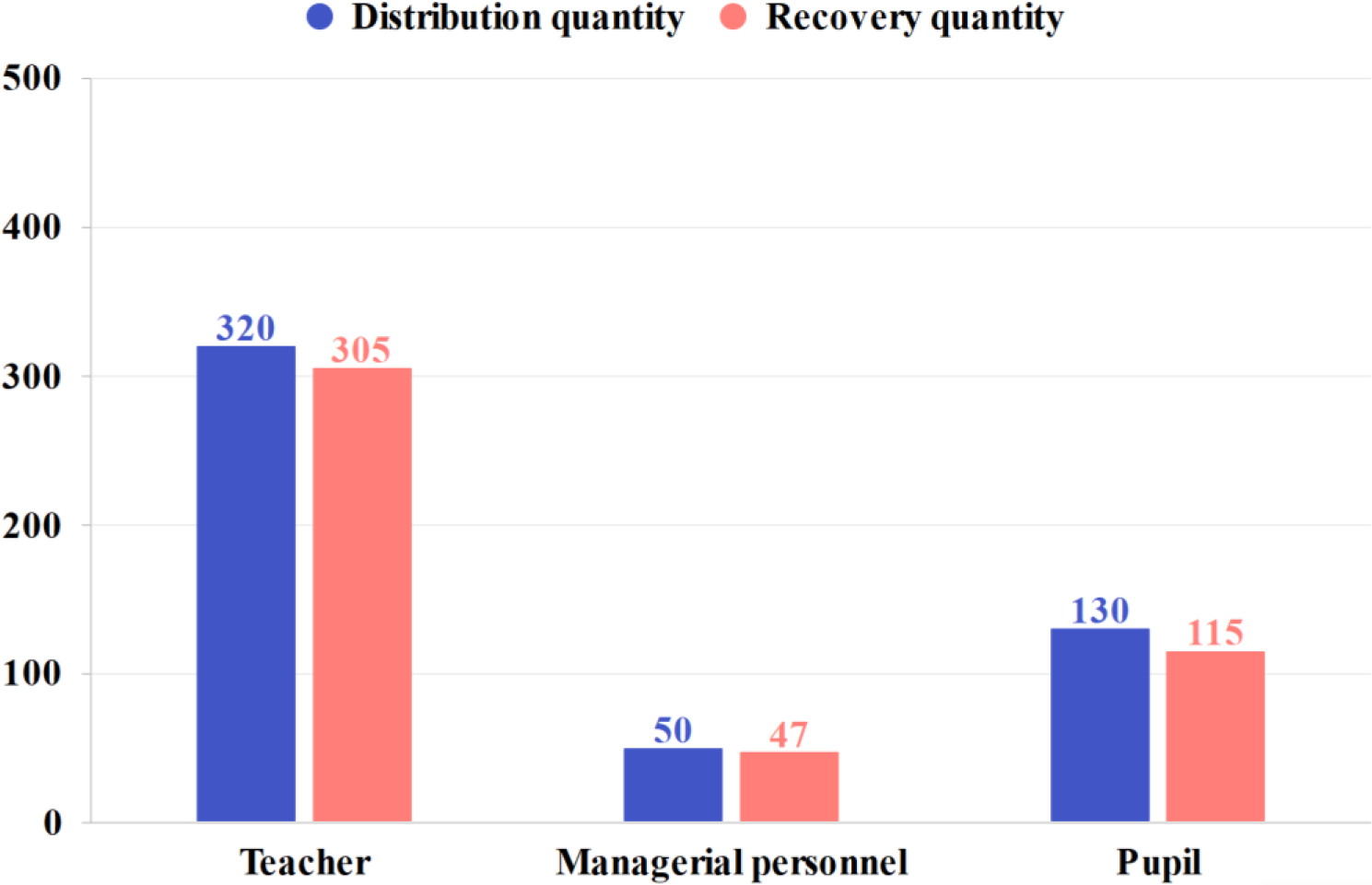
Sampling and distribution
Stratified random sampling was used to distribute questionnaires. First, stratification is based on three main groups: teachers, administrators, and students. Then, a simple random sample is used within each layer to select survey respondents.
The specific sampling process is shown in Fig. 7 above.
As shown in the above figure, the sampling process and questionnaire distribution, the total number of distributed is 500, the number of recovered is 467, the total recovery rate is 93.4%, and specific recovery results are obtained:
Teachers: The recovery rate of the teacher questionnaire randomly selected from the teacher list of all vocational undergraduate schools was 95.3%. Managers: The questionnaire recovery rate for managers randomly selected from the list of managers from all vocational undergraduate schools was 94%. Students: The questionnaire recovery rate of students randomly selected from the student list of all vocational undergraduate schools was 88.5%.
Questionnaires were distributed via email and online questionnaires. This method is not only convenient and fast, but also helps to increase the recovery rate. To increase motivation to answer the questionnaire, thank everyone who participated in the survey and promise to share the results with all participants.
The questionnaire was designed with predictive analysis to ensure its close alignment with the research objectives and objectives. A pre-test is conducted on a small sample to assess the validity and feasibility of the questionnaire. Based on the predicted feedback, the questionnaire was modified and refined as appropriate to ensure its rigor and consistency.
In the data collection phase, the data of the e-questionnaire is collected through the online platform and a deadline is set to conclude the data collection. The questionnaire data received will be checked for validity and completeness. The specific questionnaire data collected is shown in Fig. 8 above.
Questionnaire data received.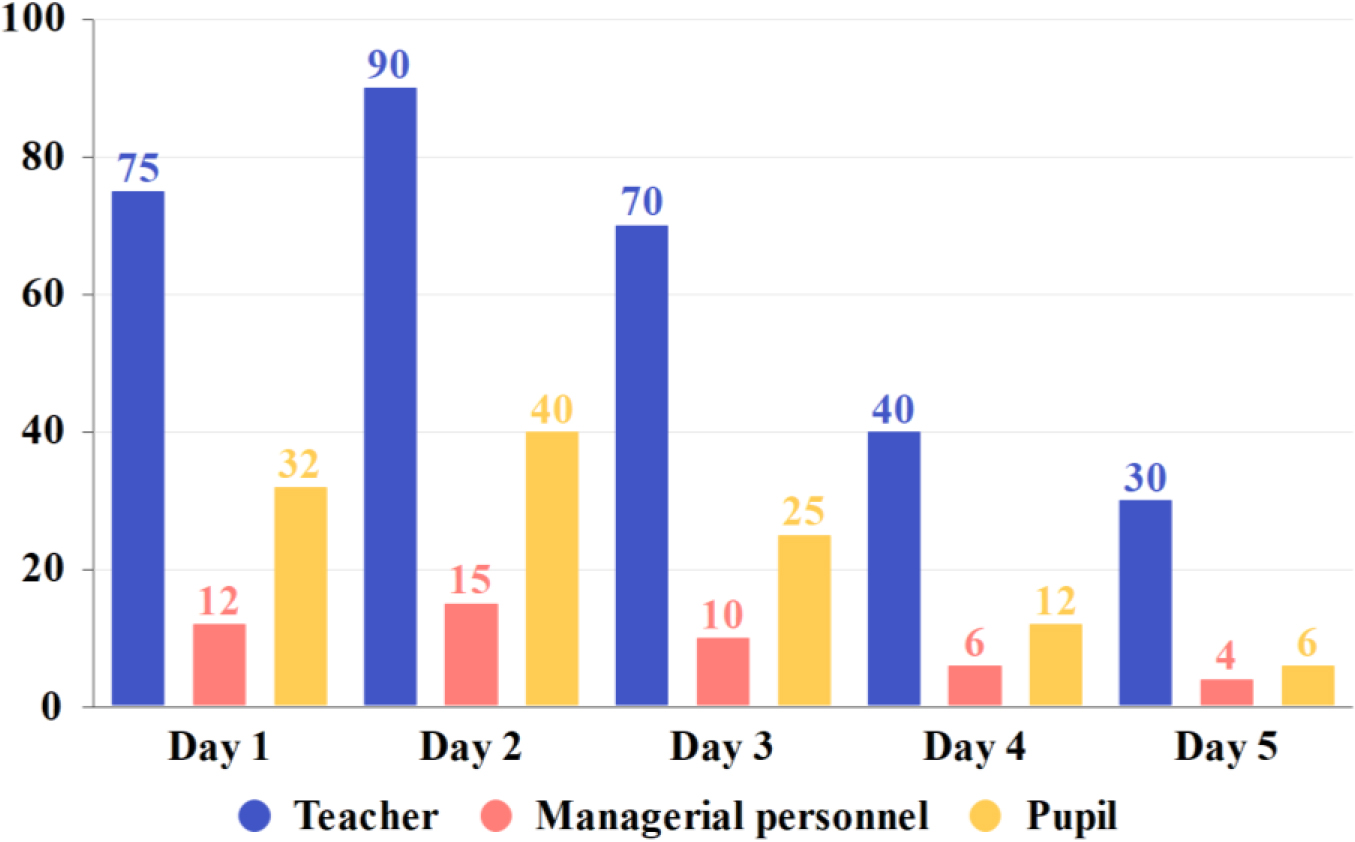
Through the verification of the validity and completeness of the questionnaires, it was found that some of the questionnaires had invalid or incomplete data. First, 305 questionnaires were received from the teacher questionnaires, 293 were complete and valid, and 12 were invalid or incomplete. Secondly, 47 questionnaires were received from managers, 45 were complete and valid, and 2 were invalid or incomplete. In the end, 115 questionnaires were received from students, 109 were complete and valid, and 6 were invalid or incomplete. These invalid or incomplete questionnaires will be excluded from data analysis. Only valid questionnaires will be used for subsequent data analysis.
After data collection, all valid questionnaire data were coded and classified to facilitate subsequent statistical analysis and deep learning model analysis.
The collected questionnaire data needs to be cleaned and preprocessed to facilitate further analysis. The goal of data cleansing is to remove invalid, incomplete, or incorrect data, while the goal of data preprocessing is to transform the collected data into a form suitable for subsequent analysis.
First, perform data cleaning. The cleaning process mainly includes the following steps:
First, remove invalid questionnaires. Based on the verification results of the previous step, all invalid or incomplete questionnaires are excluded. Eliminate any responses that clearly violate the logic of the questionnaire. Second, check data consistency. Check the data in the questionnaire to ensure logical consistency of each data point. For example, if a teacher states that he or she has not used deep learning techniques, but mentions experience with them in a follow-up question, there may be a problem with the questionnaire that needs further verification. Third, deal with outliers. Statistical analysis methods such as Z-scores are used to identify potential outliers.
Verify outliers by reviewing the context and choose to delete or retain them on a case-by-case basis.
Fourth, identify missing values and analyze their possible causes. Choose an appropriate way to handle missing values, such as through mean, median, or pattern interpolation, or using concrete business logic.
Secondly, data preprocessing is studied. The pretreatment process mainly includes the following steps:
Data coding: The selective answers of the questionnaire are converted into numerical form for easy computer processing. For example, to the question “Have you used deep learning techniques?” For this question, you can encode “yes” as 1 and “no” as 0. Data normalization: Since the questions in the questionnaire may use different metrics, the research needs to normalize the data so that all the data are in the same range. This helps with subsequent data analysis. Feature selection and transformation. Select and transform the most relevant features based on the analysis objectives. Methods such as principal component analysis (PCA) can be applied to reduce dimensionality and eliminate collinearity.
Through data cleaning and preprocessing, a dataset suitable for subsequent analysis is obtained. Subsequent statistical analysis and deep learning model analysis will be based on this data set.
Deep learning analysis results
A deep learning model was used to analyze the data collected from the questionnaire to understand the use of deep learning techniques by the professional undergraduate education faculty. The multi-layer perceptron (MLP) was chosen as the deep learning model because it is suitable for working with structured data and has the ability to capture nonlinear relationships in the data.
The mathematical model of multi-layer perceptron is shown in the following Eq. (3):
Where
Variation curve of accuracy and loss value during training.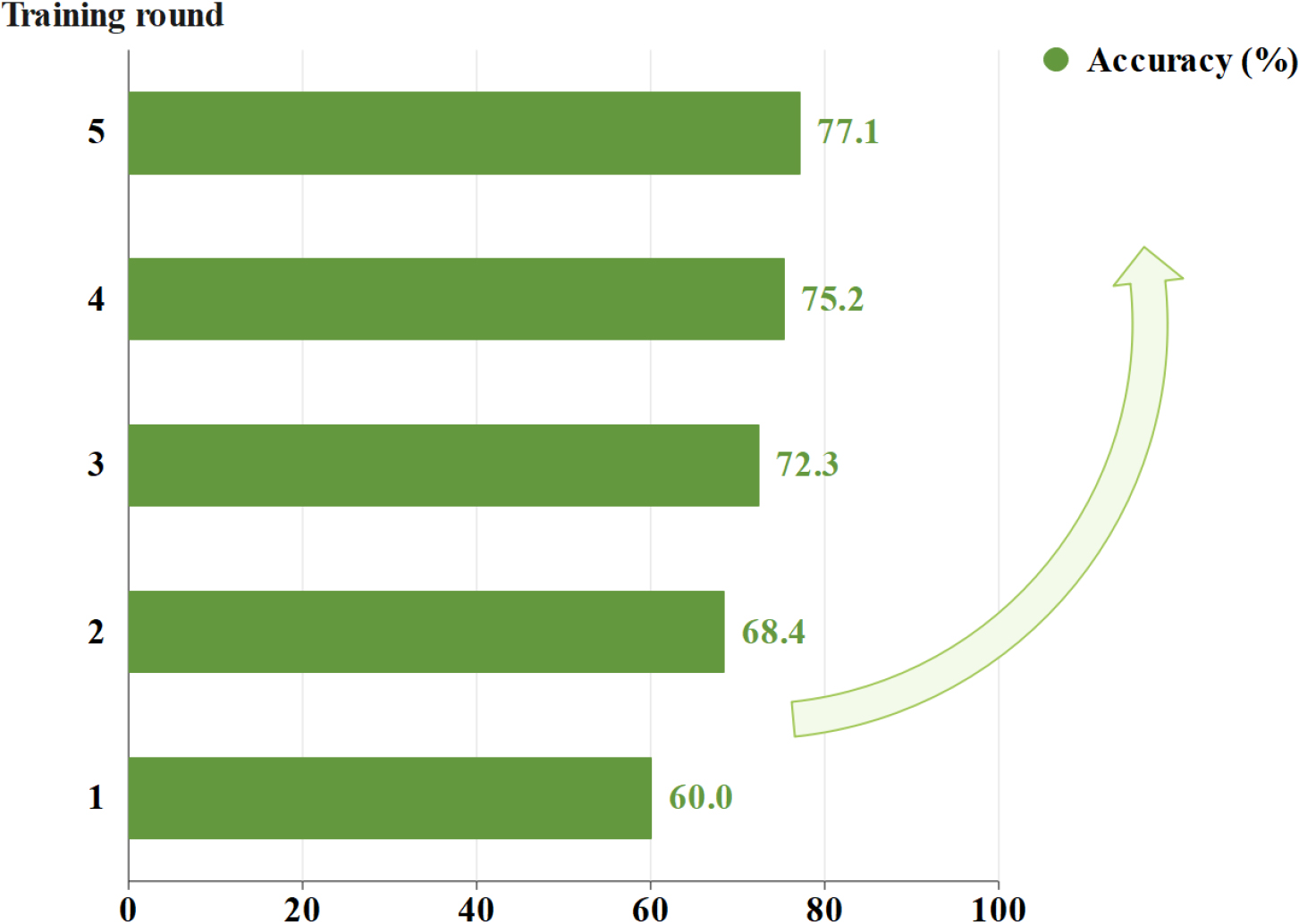
By analyzing the output of the model, the following key findings were made:
The acceptance of deep learning technology among teachers is related to their educational background and experience. The application of deep learning in the teaching process has a positive effect on improving students’ academic performance. Teachers have a high demand for deep learning training and resource support.
The above analysis results provide information for this study to deeply understand the status and needs of vocational undergraduate education teachers in deep learning, which is of great value for formulating effective team building strategies.
According to the deep learning analysis results, the research found some problems in the application of deep learning in vocational undergraduate education teachers, and proposed corresponding solutions.
(1) Existing problems
First, the technology acceptance is insufficient. Some teachers lack sufficient knowledge and understanding of deep learning technology, and may have reservations about it or lack motivation to learn and apply it.
Second, resources and support are inadequate. In the process of learning and applying deep learning, teachers may be limited by the lack of necessary resources and support (such as training, teaching materials, hardware equipment, etc.).
Third, uncertainty applied in teaching. How to integrate deep learning into the teaching process effectively and improve the teaching effect is a challenging problem.
(2) Solution strategy
First, strengthen teacher training. Provide teachers with training courses on deep learning techniques to enhance their technical competence and understanding. At the same time, enhance their acceptance of deep learning through case studies and demonstrations of successful applications.
Second, provide resource support. Provide teachers with the necessary teaching resources, including but not limited to deep learning-related textbooks, online courses, hardware equipment, etc., to support their application of these technologies in their teaching.
Third, establish a feedback mechanism. In the process of teachers applying deep learning technology, a feedback mechanism is established to collect feedback from teachers and students to continuously optimize and adjust teaching methods. In addition, incentives can be set up to encourage teachers to apply deep learning techniques creatively in their teaching.
Fourth, promote exchanges and sharing. Establish a platform or forum that enables teachers to share their experiences and knowledge in applying deep learning techniques to facilitate the dissemination and application of best practices.
Through the implementation of the above solution strategies, the problems existing in the application of deep learning in vocational undergraduate education teachers can be effectively solved, and the teaching quality and effect can be improved.
Conclusions
Through theoretical research and empirical analysis, this study has conducted a comprehensive discussion on the construction of vocational undergraduate education teacher team based on deep learning. Firstly, this paper expounds the theoretical basis of deep learning, analyzes the current situation of vocational undergraduate education teachers, and reveals the challenges faced by teachers in applying deep learning technology.
The quantitative analysis method reveals teachers’ attitudes and practices towards deep learning technology, including the lack of technology acceptance, insufficient resources and support, and the uncertainty of the application of deep learning technology in teaching.
A questionnaire was designed and implemented in this study to further confirm and deepen understanding. In the questionnaire design, the object of the survey is defined, the content and structure of the questionnaire are formulated, and the data collection, cleaning and pre-processing are effectively carried out. The results show that there are some problems in the acceptance and application of deep learning technology in vocational undergraduate education teachers, such as insufficient technology acceptance, insufficient resources and support, and uncertainty in the application of deep learning technology in teaching. To solve these problems, the study proposed a series of strategies, such as strengthening teacher training, providing resource support, establishing feedback mechanism, and promoting communication and sharing. Through multi-angle and multi-method research, this study draws a series of key findings about deep learning in higher vocational undergraduate education. One of the biggest concerns is the challenge teachers face in embracing and applying deep learning techniques. In response to these problems, this study proposes a series of strategies, including strengthening teacher training, providing resource support, establishing feedback mechanism, and promoting communication and sharing, so as to promote the effective implementation of deep learning in education.
Although this study provides a comprehensive understanding of the application of deep learning in vocational undergraduate education, there are some limitations. First, the sample size may limit the broad applicability of the conclusions. Second, the technologies associated with deep learning are constantly evolving and may require constantly updated research methods and theories. Finally, due to the inherent complexity of deep learning techniques, some teachers may need more training and support. Future research can further explore the following directions: Expand the sample scope to include more types and levels of educational institutions; Track the development trend of deep learning technology in real time and adjust research methods accordingly; Tailor deep learning training and support strategies to the specific needs of different teacher groups.
Overall, this study provides an in-depth understanding of how professional undergraduate education teachers can make more effective use of deep learning techniques, and provides a valuable reference for improving the quality and effectiveness of teaching. At the same time, the research also reveals the need for more research and practice in the construction of the faculty to further promote the application of deep learning in vocational undergraduate education.