




Abstract
Although picture extraction is challenging, the murals at Dunhuang are historically significant and offer rich content. The work suggests an image segmentation model based on the Mean Shift algorithm and an area salience prioritisation model to extract the cultural aspects in the Dunhuang murals for landscape design. First, an image segmentation model based on the Mean Shift algorithm is established, and then a region salience value calculation method and a region prioritisation method are designed to establish a region salience prioritisation model. The outcomes showed that a segmentation model built using the Mean Shift algorithm in the study processed a 405175 image with a processing time of 3.18 seconds, an edge integrity rate of 88.9%, an accuracy rate of 87.4%, an F-value of 88.7%, and a total of 302 regions. The segmented Dunhuang image featured few noise points and a distinct shape. Salient region transfer path is more regular and more in line with the human visual transfer mechanism thanks to the research design of the region saliency value calculation method, which also improves saliency detection performance. The highest correct rate when dividing the image is 0.97, the highest check rate is 0.8, and the highest F1 value is 1. In conclusion, the study’s methodology has some favourable implications for landscape design and may be effectively used to extract cultural components from photographs.
Introduction
One of the most crucial roles of landscape design (LD) is to create a comfortable living environment, but as living standards rise and societal interest in traditional culture grows, landscape design must meet more humanistic and artistic demands in addition to aesthetic ones [1, 2]. The Dunhuang Mogao Caves are one of the greatest artistic treasures in the world, with a long and rich history. If applied to LD, these cultural elements can give it more historical significance, but after countless years of weathering, changes in the environment, and the influence of various biomes, the colours of Dunhuang’s murals have undergone significant changes and fading [3]. The Mean Shift (MS) algorithm is a common clustering algorithm that converges to a local optimum under certain conditions to achieve accurate localisation of moving objects, and is often used in clustering, image segmentation, object contour checking and target tracking [4, 5]. Based on the MS method, this paper builds an image segmentation model and an area saliency prioritisation model for this situation, in order to extract clear cultural elements of Dunhuang murals and apply them to the design of garden landscapes. This paper introduces two key breakthroughs, the first of which is the development of an image segmentation model based on the MS method. The second point is how area saliency is prioritised. The main structure of the study is divided into four parts. The first part analyses the current state of relevant research; the second part constructs an image segmentation model and a region saliency prioritisation model based on the MS algorithm; the third part analyses the application effect of the proposed model; and the last part concludes the whole study.
Related works
The MS algorithm locates the moving body precisely by using a non-parametric probability density estimation technique that converges to a local optimal position. By taking into account the complexity of multiple objects in scene images and using a benchmark dataset, Ahmed et al. [6] proposed an effective multi-class object classification method for indoor and outdoor scene classification of landscape images. This method is an illustration of the fuzzy C-mean and MS algorithms, which can infer multi-objective segmentation in complex images. When used on UAV blue and red band images to show the area and extent of various bare land fields, Vlachopoulos et al. [7] reported that two machine learning algorithms – a random forest non-parametric supervised classifier and an unsupervised non-parametric MS clustering algorithm – performed extremely well. Bahraini et al. [8] proposed an improved MM algorithm based on minimum Bayesian risk to address the issue of labeling errors in hyperspectral image classification and eliminate the impact of errors during the classification process. Ma [9] studied a fixed point tracking model for English reading texts based on mean shift and multi feature fusion. For instance, to estimate the underlying low-dimensional master curve embedded in a high-dimensional space, Ghassabeh and Rudzicz [10] first introduced a modified version of the MS algorithm and then combined it with various variants of the subspace constrained mean shift algorithm, proving that the modifications to the MS algorithm ensured its convergence. Xie et al. [11] proposed a unilateral adaptive truncation index weighted moving average scheme for fast detection of upward or downward mean shifts. The truncation method used helps improve the sensitivity of the recommended scheme to simultaneously detect small and large mean shifts.
LD is the process of using engineering methods and garden art, such as reshaping the terrain, planting trees, constructing buildings, and arranging garden paths, to create lovely natural settings, livable communities, and outdoor leisure places within a specific geographic region. In an effort to explore the applicability of cutting-edge mapping methods and tools to public relations, Liu and Nijhuis [12] conducted semi-structured open-ended interviews with 11 practitioners with backgrounds in landscape architecture. They argued that spatial design is at the core of landscape architecture and that mapping spatial-visual features is important for landscape architects to interpret and talk about space. Sasmal et al. [2] summarized the reported synthetic microcrystalline strategies and revealed the impact of dimensions on their physical and chemical properties and applications, which helps to improve the quality of landscape architecture. In the case of several heritage and legacy projects launched by the South Island Ministry of Arts and Culture to remember those who lost their lives in the conflict, Hami and Abdi [13] believe that students have different preferences for the landscape of open learning areas and leisure places, and proposes to find suitable campus landscape models based on students’ preferences. Ba et al. [14] developed a new landscape design structure based on fused deposition modelling techniques and proposed a laser polishing method for FDM fabricated PLA mechanical components in order to address the high surface roughness that frequently occurs on the surfaces of 3D printed components in landscape architecture, necessitating additional post-treatment. Liu [15] evaluated the various components of agricultural theme park design based on the concepts of sustainability and agroeconomics, supported by the concept of ecology, and also examined the landscape design of agricultural theme parks with case studies. He also considered the need to improve the effectiveness of agricultural theme park landscape design in the context of the concept of agroecology. Loganathan et al. [16] studied corn yellow fiber and wheat yellow fiber to evaluate the reinforcing effect of the fibers in the stems, petioles, and leaves of these two plants in polymer composite materials, which has certain positive significance for landscape design. Geng and Zhu [17] utilized urban landscape design intelligence technology to study the management of municipal infrastructure in China and proposed an adaptive method to introduce China’s best policies and sustainable building planning. They revealed the main direction and residents’ preferences for introducing urban environmental design technology to achieve sustainable regional management in Chinese cities.
In conclusion, even if numerous earlier researchers and academics have supported the MS algorithm’s function in image processing, they have also discovered that LD has historical and humanistic relevance in addition to aesthetic value. However, it is quite uncommon for research to combine the extraction of cultural elements from Dunhuang murals with the application of MS algorithms for image segmentation and saliency prioritisation for LD. As a result, research into the application of cultural elements from Dunhuang murals based on MS algorithms to LD has some promise.
Extraction of cultural elements from dunhuang murals based on MS algorithm
Although the Dunhuang frescoes have endured for millennia, they are currently plagued by difficulties with permanent discoloration that make image processing challenging. They are also huge in scale and rich in cultural features. The paper suggests an MS algorithm-based image segmentation model for Dunhuang paintings as well as a region salience prioritisation model for Dunhuang frescoes in order to more precisely extract the cultural aspects in Dunhuang frescoes for LD.
MS algorithm-based image segmentation model for dunhuang murals
Image segmentation refers to the process of dividing an image into regions with various special properties and extracting interested targets. The main segmentation methods include clustering based segmentation, region based segmentation, and threshold based segmentation. The MS algorithm is a highly effective clustering iterative algorithm widely used in the field of image processing. Its kernel density estimation method, which estimates the density function of the points in the two-dimensional space of an image, is one of the more well-liked methods for estimating density, and the density function for the entire space is estimated by the known sample points. If there are
In Eq. (1),
In Eq. (2), the efficiency of the function is greatly reduced if each element in the matrix is not zero, in which case
In Eq. (3), diag represents the Diagonal matrix,
In Eq. (4),
MS algorithm process.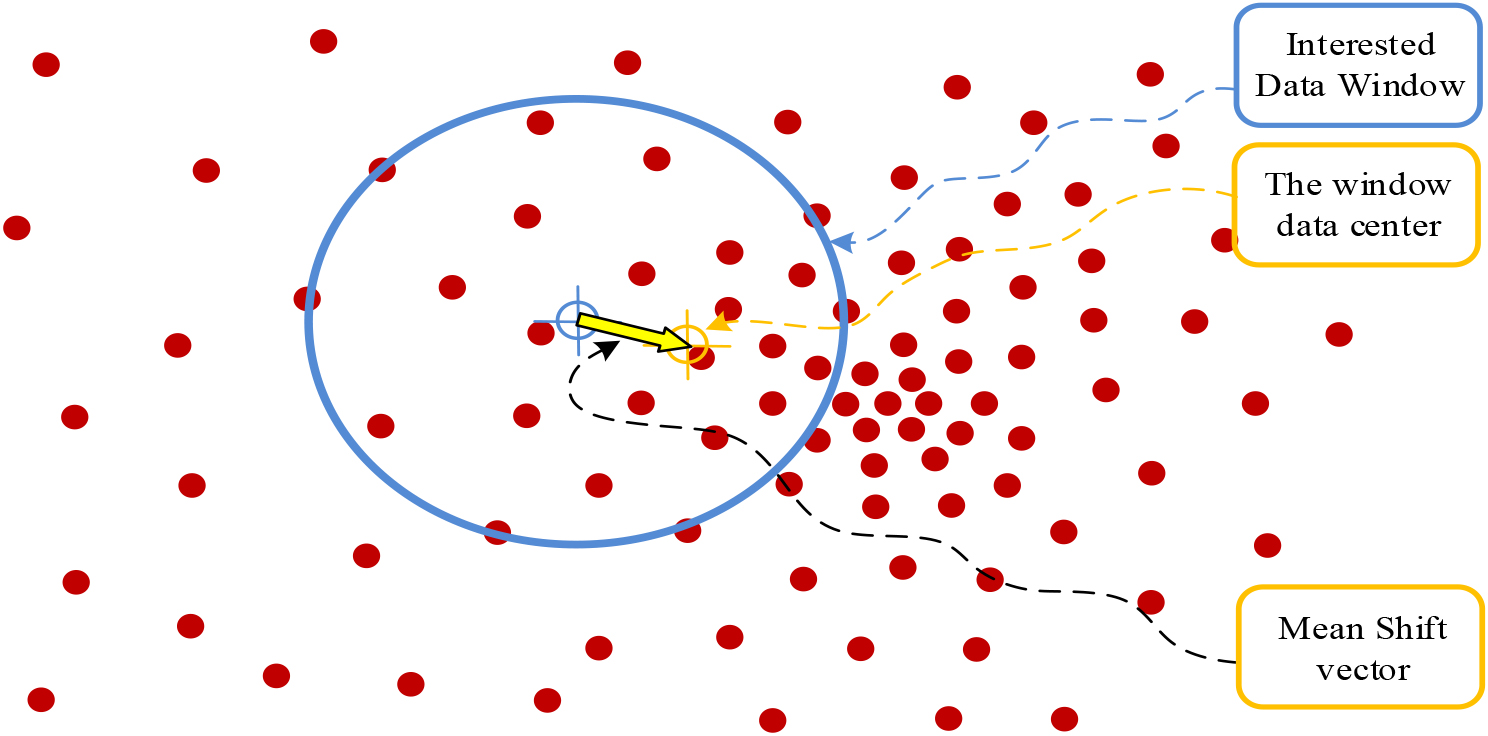
Image segmentation, the process of dividing an image into multiple unrelated regions, can be broadly classified into three categories: edge-based segmentation methods, threshold segmentation methods and region growing segmentation methods. However, with the vast amount of information and complexity of images, no one type of method is suitable for all types of images. The result of image segmentation is generally used as input for image target recognition and feature extraction, and the result will affect further analysis of the image, which is a key step in image processing. The role of image segmentation in the overall image processing is shown in Fig. 2.
The role of image segmentation in the entire image processing.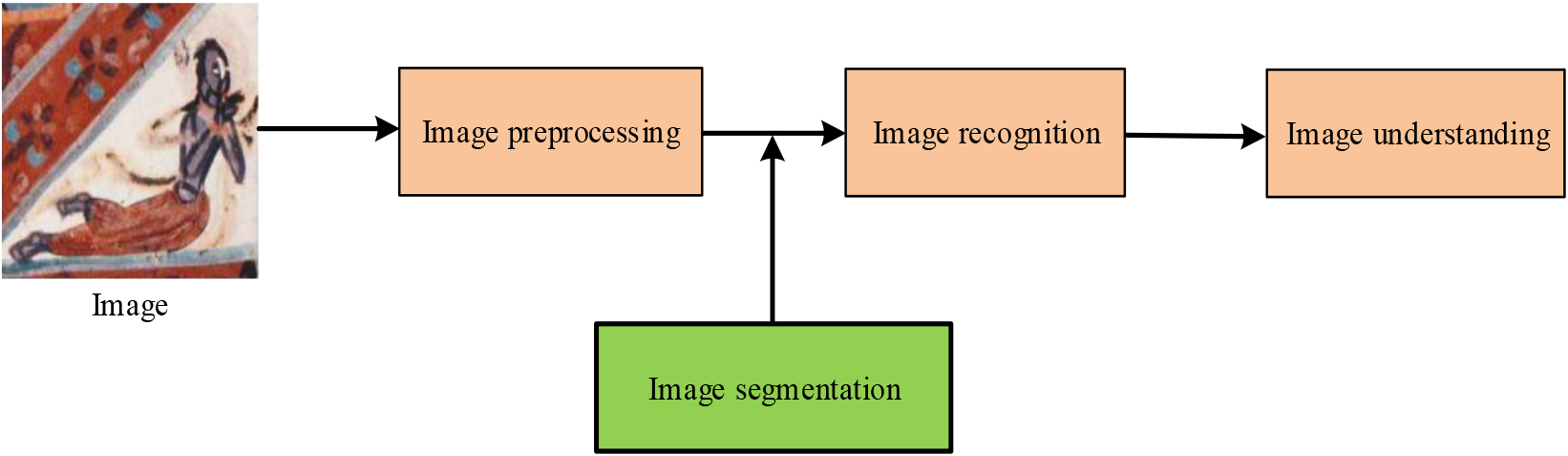
The basic principle of the MS algorithm-based image segmentation model is to compute convergence points to represent the centroids of each region through multiple iterations, and then cluster the regions according to their centroids to obtain the segmented region of the image. It consists of three main steps. The first step is to obtain image feature data. For positional features, individual pixel points on a 2D image are represented using
In Eq. (5),
In Eq. (6),
When examining an image, the human eye is most drawn to the part of the image known as the salient region since it most accurately reflects the image’s content. As a result, processing complicated image data can be made simpler and less challenging by using prominent regions to characterise an image [18]. Based on the human eye’s visual attention process, methods for identifying salient areas in images typically use one of two computer model types: object-based or spatial-based [19]. The study uses an object-based computational model for significant area detection of images of Dunhuang murals because the spatial-based computational model cannot be further analysed at a macro level in the image through this saliency calculation method, which has some limitations. This method is more similar to how the human eye naturally observes the environment and is more conducive to maintaining the independence and integrity of cultural elements in Dunhuang murals. The process of detecting salient regions in images based on object-based computational model is shown in Fig. 3.
The process of significant region detection in Dunhuang mural images.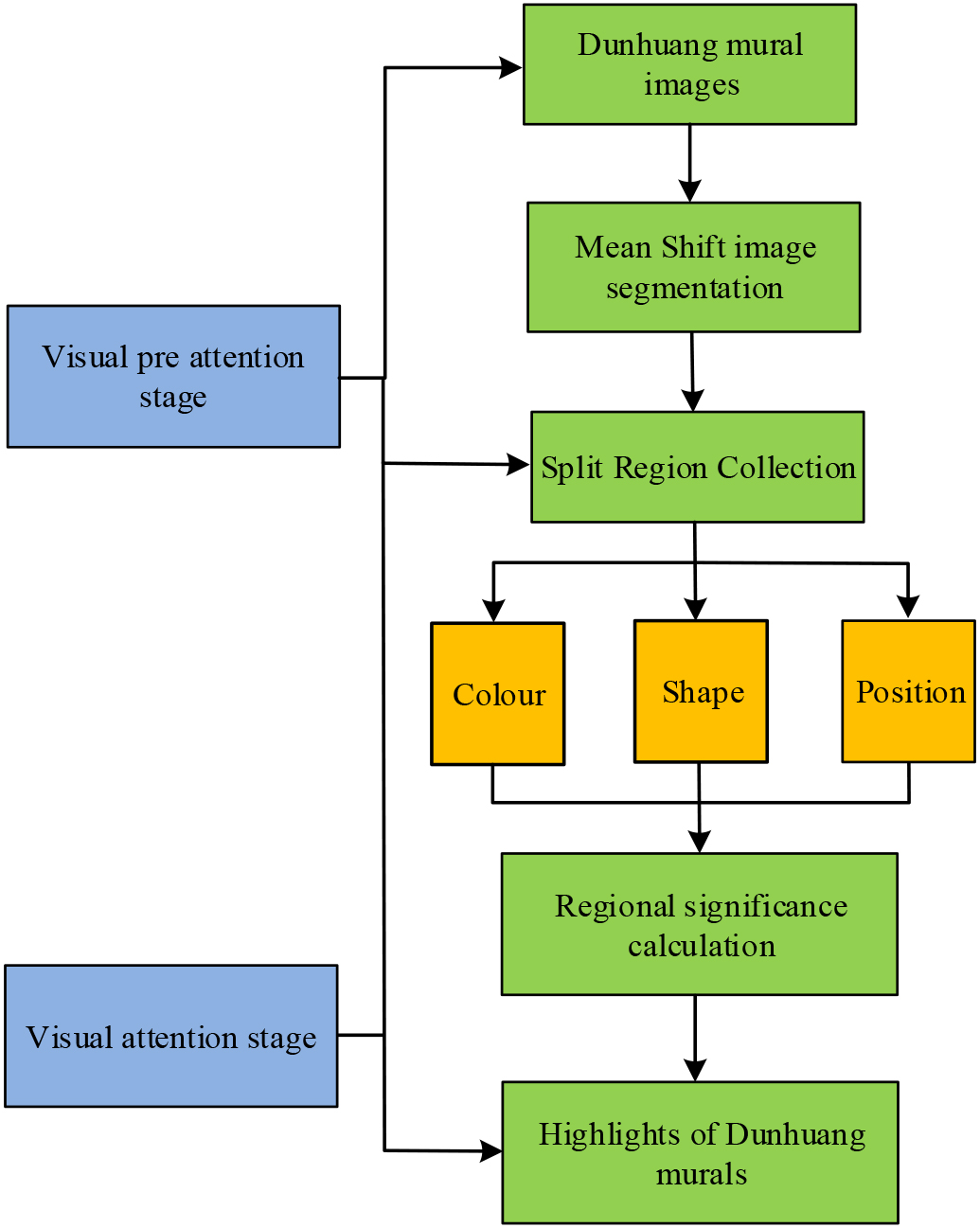
When an image is segmented, several regions are obtained, and by comparing the various features between the regions, the saliency values of the image regions can be obtained. The most important features affecting the saliency of an image are colour, shape and location features, which are normalised because they have different measures, scales and ranges of values. The location-based features were used in the calculation of the visual transfer equation, and three colour-based features and eight shape-based features were normalised. Setting each of these 11 features as
In Eq. (7),
In Eq. (8),
In Eq. (9),
In Eq. (10),
In Eq. (11),
A salient region shift termination condition was set to determine whether the salient region shift should be terminated. After calculating all the shifted regions by Eq. (12), hypothesis
In Eq. (13),
Priority division and processing process of Dunhuang mural images.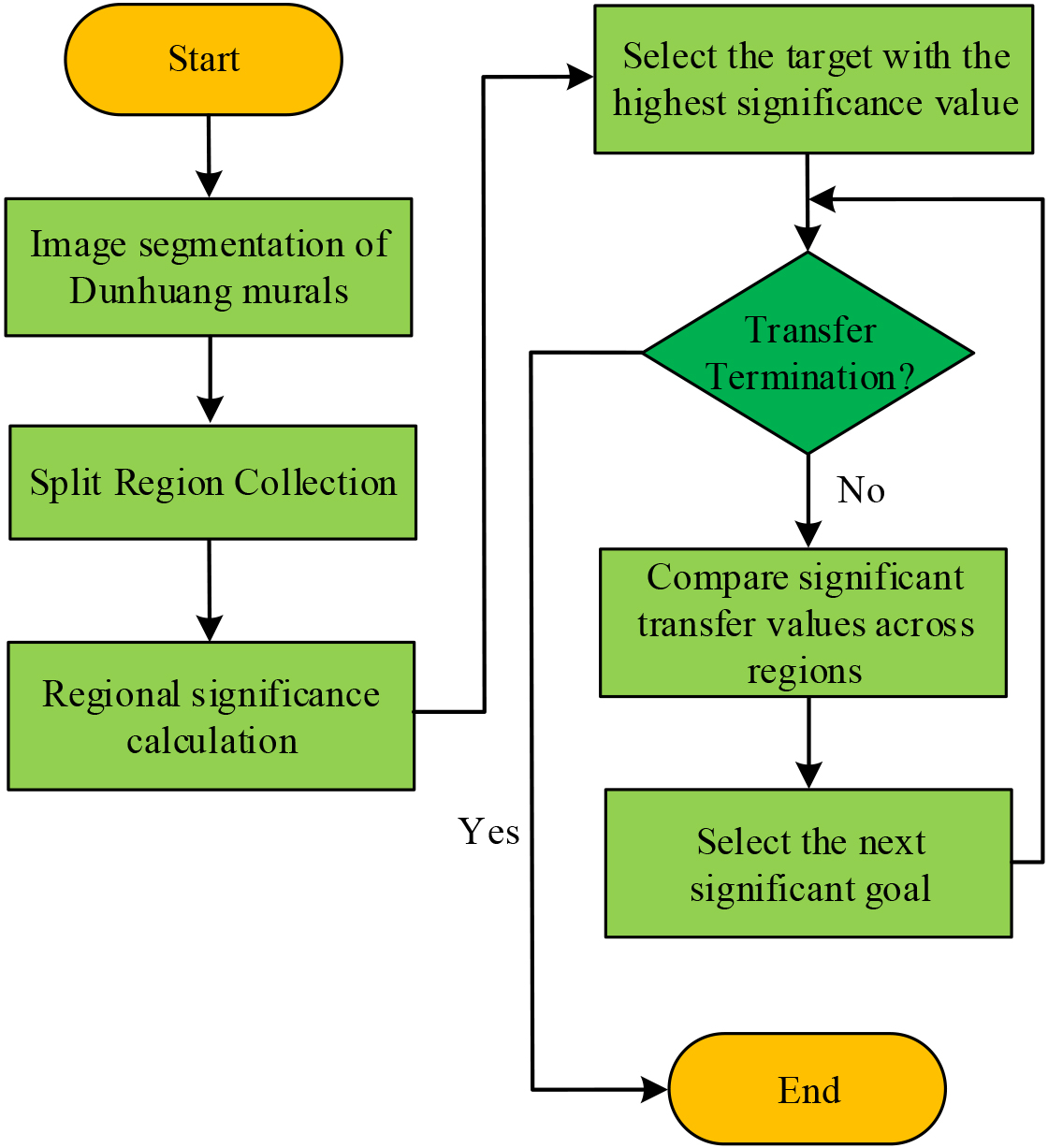
The paper suggests an MS algorithm-based image segmentation model for Dunhuang murals and a region salience prioritisation model for Dunhuang murals in order to extract the cultural components of Dunhuang paintings for use in LD, however its effectiveness needs to be further confirmed. The study focuses on two analysis-related issues. The first section examines the performance of the region saliency prioritisation model for Dunhuang murals, and the second section examines the performance of the MS algorithm-based image segmentation model for Dunhuang murals.
Analysis of the effectiveness of dunhuang mural image segmentation model based on MS algorithm
The chromaticity domain (hr), the null domain (hs), and the threshold value for the number of minimum pixel points in the region are three crucial variables that affect the outcome of MS-based picture segmentation. The study conducted image filtering processing under different HR and HS conditions, and the results are shown in Fig. 5. From the figure, it can be seen that the images obtained by filtering under different parameters also vary, but Fig. 5(d) has the best overall effect, indicating that the two parameters hr and hs play a crucial role in this step, and hs has a greater impact on the smoothing results.
The more clearly the extracted image edges are, the lovelier the garden landscape will be. This is one of the requirements for LD. The results of edge extraction experiments on a 211 by 266-pixel image are displayed in Table 1 along with comparisons to common edge detection techniques including Canny, Gabor, and LSD. The MS algorithm described in the study has, as can be seen from the table, the highest completeness, accuracy, and F-value compared to the other three algorithms, with 88.9%, 87.4%, and 88.7% respectively, making the pictures processed using the MS algorithm more suitable for LD.
Image edge extraction test results
Image edge extraction test results
MS image segmentation information
Results under different chromaticity and spatial domains.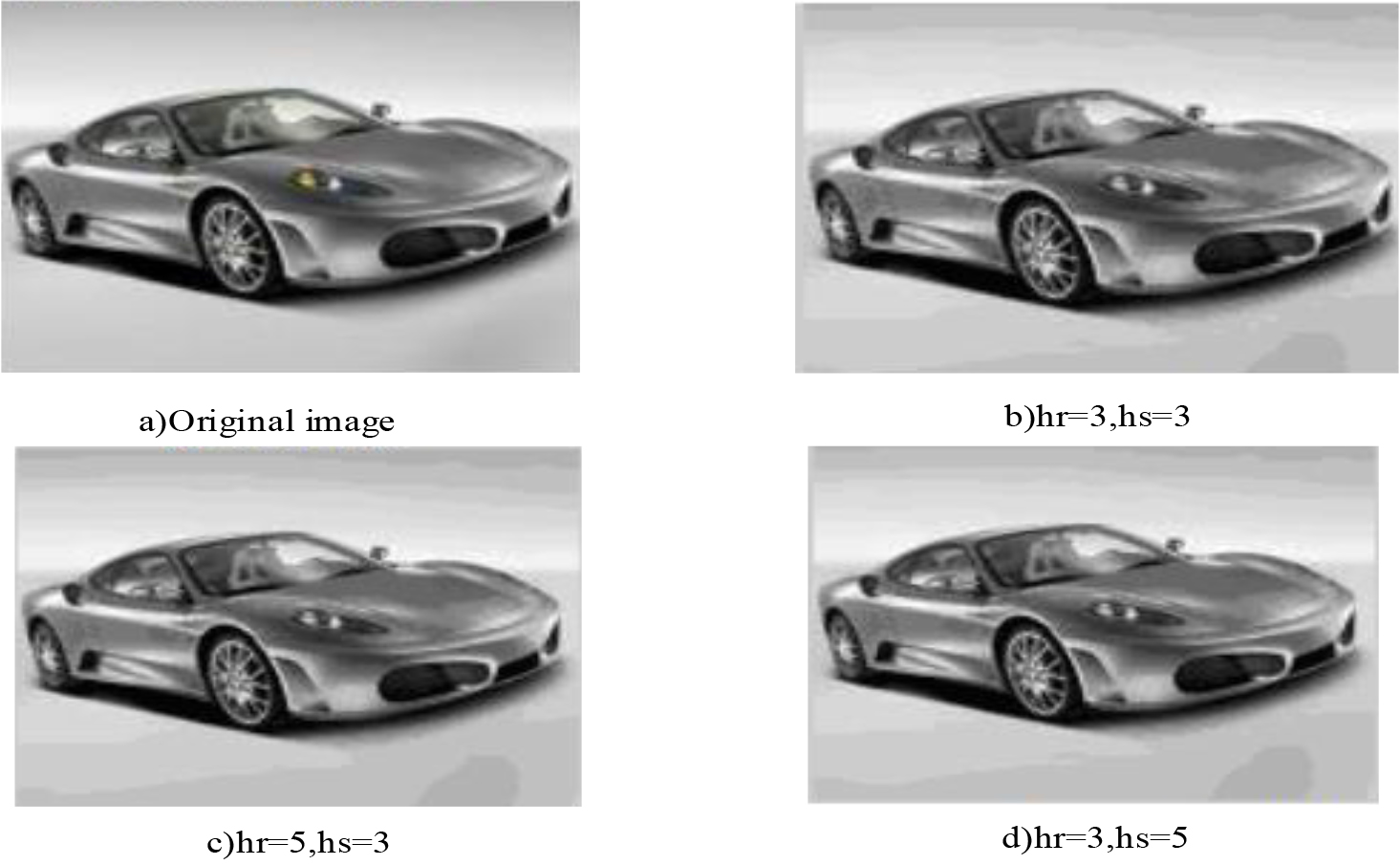
The processing of the Dunhuang mural photographs is more challenging because they are more complicated and exhibit fading and peeling. Figure 6 displays the outcomes of the segmentation procedure performed on the mural images from Dunhuang. Figure 6 displays the outcomes of the segmentation procedure performed on the mural images from Dunhuang. The MS algorithm-based image segmentation model has a good segmentation effect, with distinct contours and minimal noise. The experimental results demonstrate certain application implications of the MS algorithm-based Dunhuang mural picture segmentation model.
The segmentation processing results of Dunhuang mural images.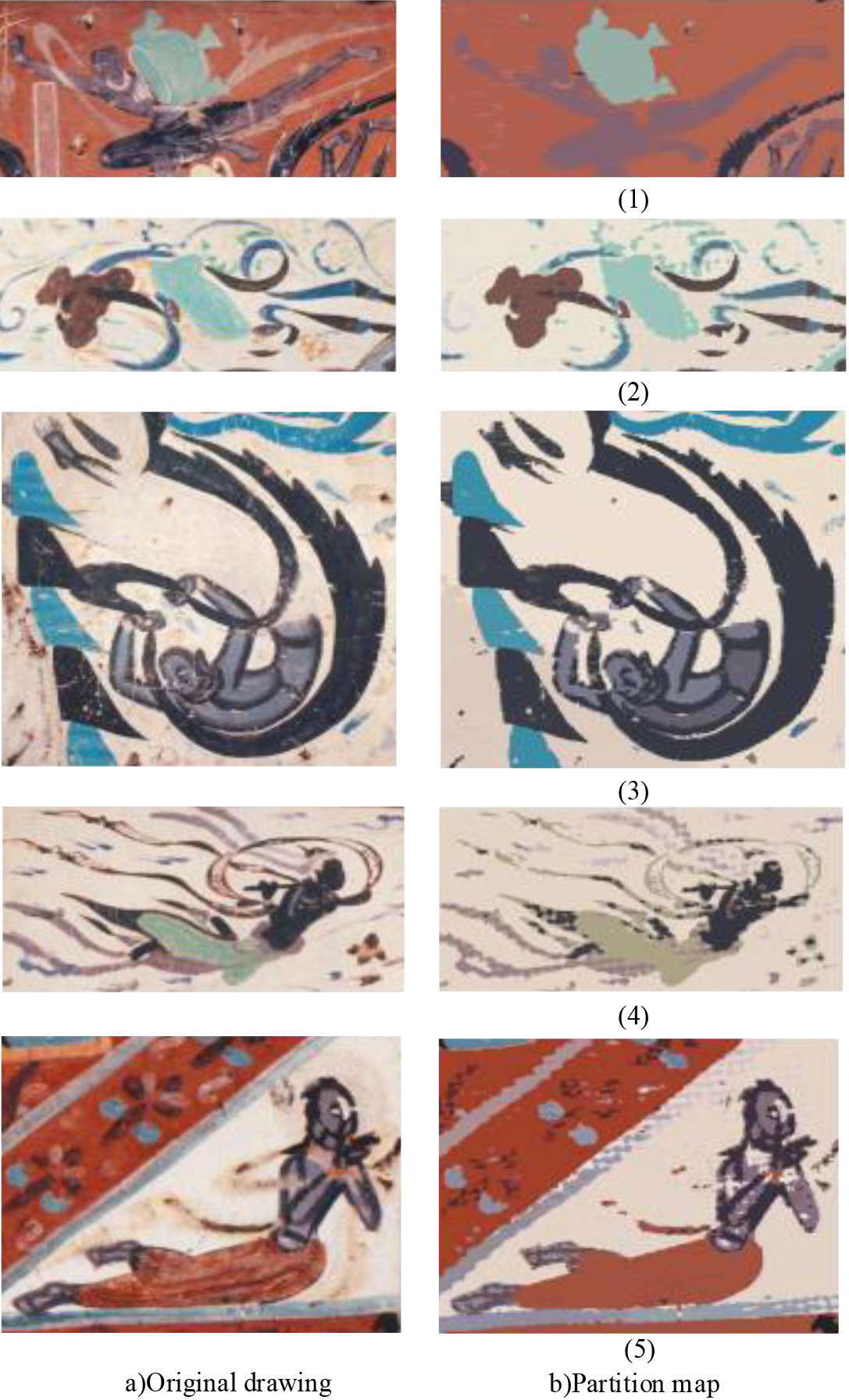
The segmentation information of Fig. 6(b) is shown in Table 2. As can be observed from the table, Fig. 2 has the shortest segmentation time of 3.18 s and the lowest number of regions of 302. Figure 3 takes the longest time to segment, 4.43 s, and has the highest number of regions at 402. The efficiency of the MS algorithm based image segmentation model is therefore affected by the size of the image.
In conclusion, the MS algorithm-based image segmentation model developed in the study is better at segmenting the target object in detail, effectively retaining boundary information, and improving segmentation effects for difficult-to-process Dunhuang images. However, segmentation efficiency of the model is influenced by image size; the larger the image, the longer the segmentation time.
The study fixed the weight
Significant area detection results of Dunhuang murals.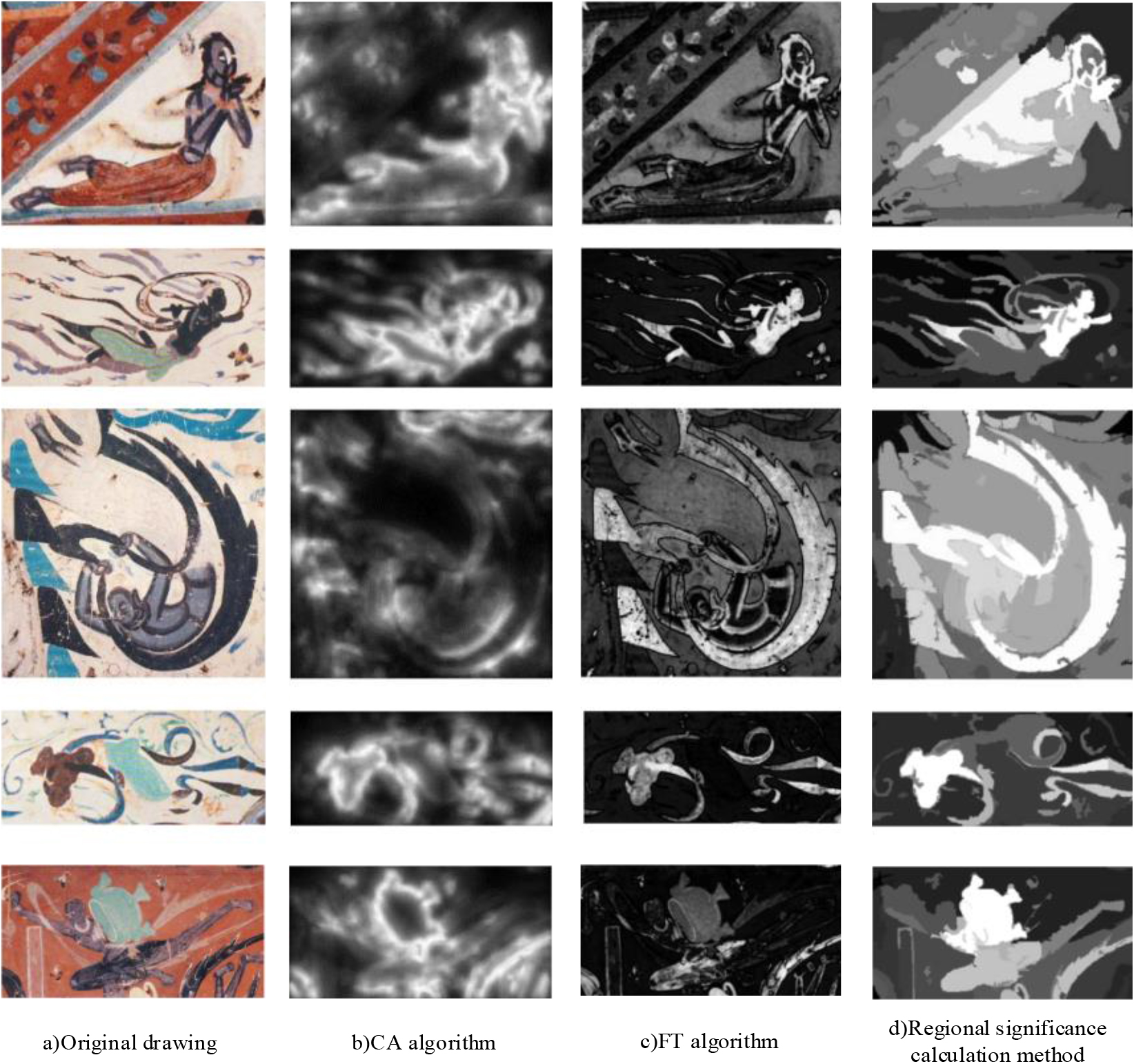
The ROC curve was used to reflect the performance of the saliency map detected by the model, with the threshold set to 0–255, and the GBVS model saliency map, AIM model saliency map, and IG model saliency map were compared. The results are shown in Fig. 8 to further validate the performance of the region saliency calculation method suggested by the study. The model put out in the study is more similar to the visual information provided by human eyes than previous models, as can be seen in the picture.
ROC curves for each significance model.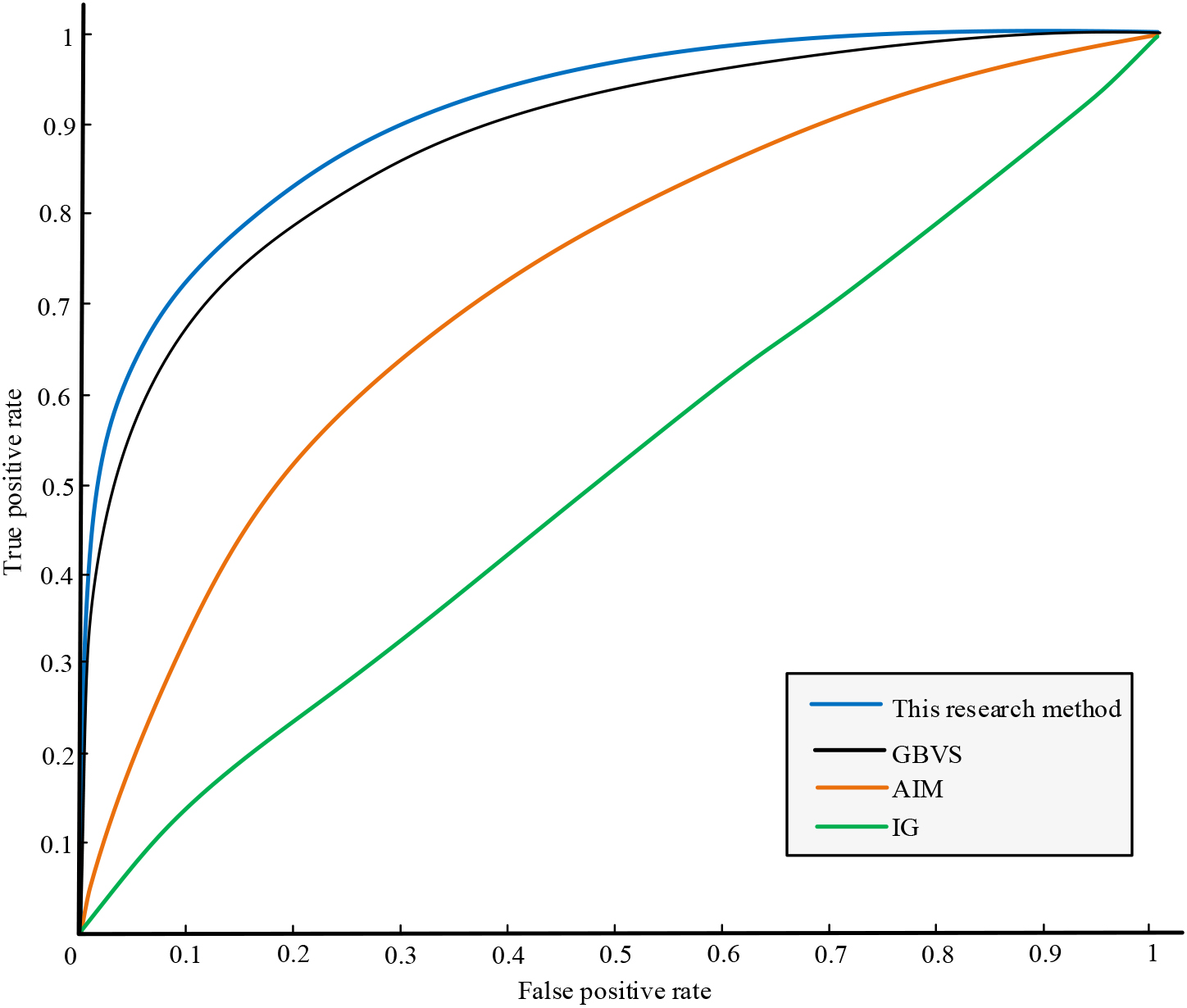
Significant transfer results of Dunhuang mural images.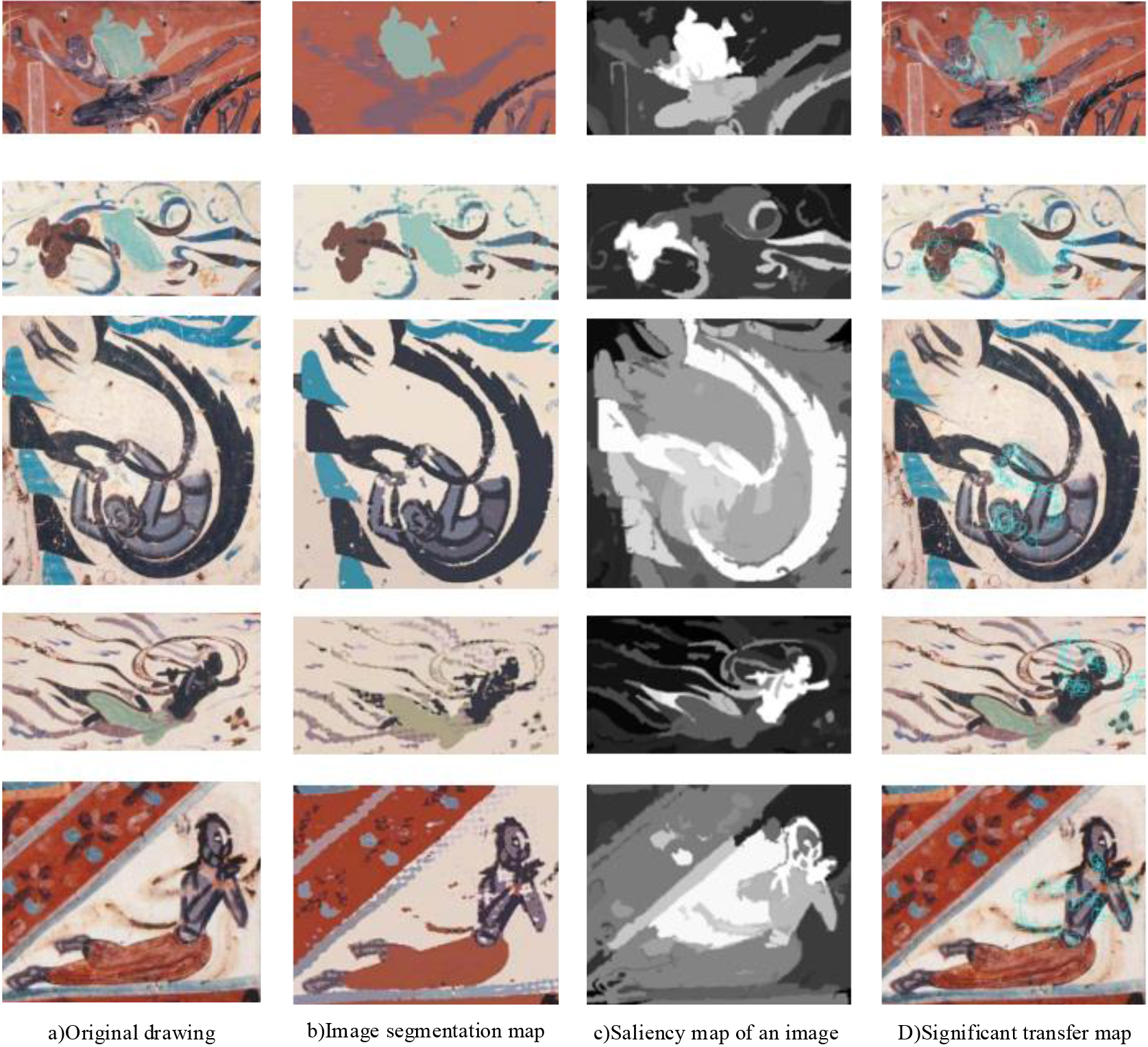
Figure 10 displays the comparison between the transfer method used in the study and the visual transfer method according to the magnitude of the significant value. As seen in the picture, compared to the way of transferring according to the importance value, the suggested visual transfer method has a more regular transfer path of significant regions. Due to the location enhancement mechanism included in the approach, the transfer path of salient regions can be made more regular and is also more consistent with the human visual transfer mechanism. As a result, the suggested visual transfer method is reasonable and efficient.
Significant regional transfer path.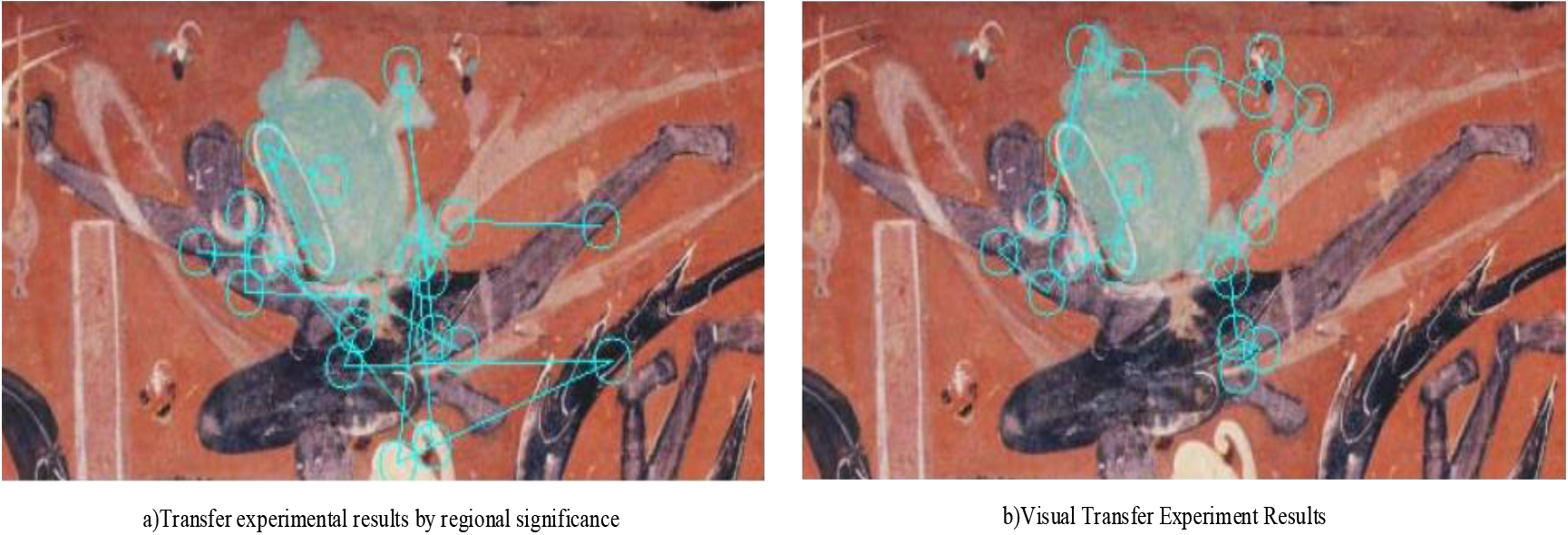
According on the degree of fading, the study split 1200 photographs of Dunhuang murals into three classes, including 400 images in each class. 100 photos were chosen as the test set for the prioritising process. The weighted voting technique and the general average method of the two algorithms were compared, and the results are displayed in Fig. 11 in terms of three metrics: correctness, completeness, and F1. The model proposed in the study, which has the highest correctness of 0.97, the highest completeness of 0.8, and the highest F1 value of 1, has the highest correctness, completeness, and F1 values for the classification of the three classes of images compared to the other two methods.
Test results of three algorithms.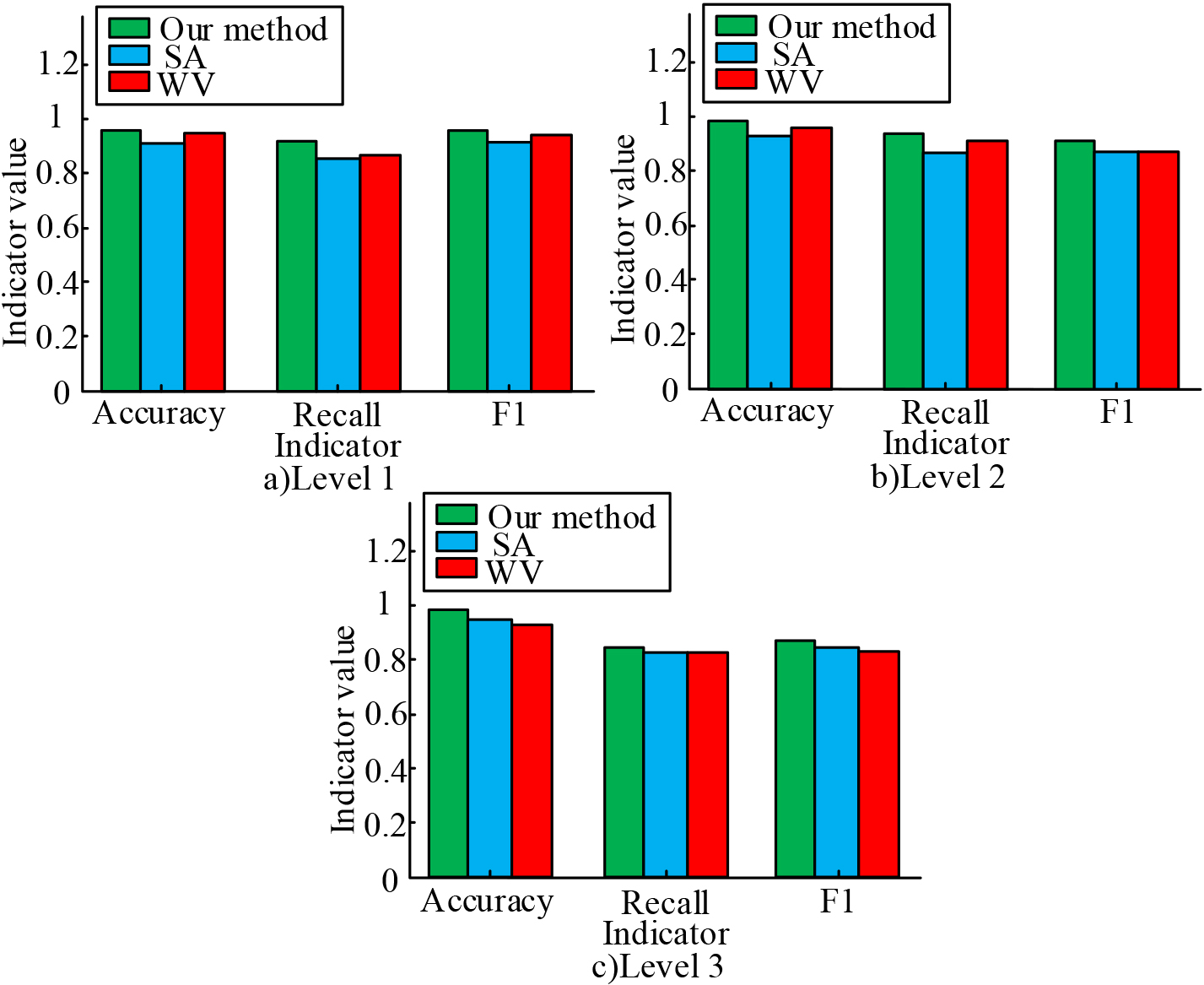
In conclusion, the area saliency prioritisation model for the mural paintings of Dunhuang developed in this work performs better in terms of saliency detection, is more appropriate for saliency prioritisation, and is more similar to the visual information provided by the human eye. The region prioritising approach represents the range of visual transfer, aids in the analysis of the evolution of the Dunhuang mural culture, has some justification and validity, and the major region transfer path is more regular and also more in line with the human visual transfer mechanism.
Higher historical and cultural connotation requirements are placed on LD. The skin sections of the characters in the long-standing and culturally significant Dunhuang paintings have irreversibly faded, making image processing difficult. The work suggests an area saliency prioritisation model and an MS algorithm-based picture segmentation model for the challenging task of extracting cultural features from Dunhuang murals. The results show that the MS algorithm-based image segmentation model constructed in the study processed the highest image edge integrity rate, accuracy rate and F-value with 88.9%, 87.4% and 88.7% respectively. 3.18 s were taken to process a 405