




Abstract
The purpose of the ‘First Regional Healthy Aging and Dementia Research Symposium’ was to discuss the latest research in healthy aging and dementia research, public health trends related to neurodegenerative diseases of aging, and community-based programs and research studying health, nutrition, and cognition. This symposium was organized by the Garrison Institute on Aging (GIA) of the Texas Tech University Health Sciences Center (TTUHSC), and was held in Lubbock, Texas, October 24–25, 2018. The Symposium joined experts from educational and research institutions across the United States. The two-day Symposium included all GIA staff and researchers. Students, postdoctoral fellows, and faculty members involved in dementia research presented at the Symposium. Healthcare professionals, from geriatricians to social workers working with patients with neurodegenerative diseases, also presented. In addition, experts traveled from across the United States to participate. This event was comprised of multiple sessions, each with several oral presentations, followed by questions and answers, and discussion.
The First Regional Healthy Aging and Dementia Research Symposium Organized by Garrison Institute on Aging, Texas Tech University Health Sciences Center at 601 International Cultural Center, Indiana Avenue, Lubbock, Texas, USA
The First Regional Healthy Aging and Dementia Research Symposium, organized by the Garrison Institute on Aging (GIA) of the Texas Tech University Health Sciences Center (TTUHSC), was held in Lubbock, Texas, October 24–25, 2018. The Symposium joined experts from educational and research institutions across the United States. The purpose of the Symposium was to discuss the latest research in healthy aging and dementia, public health trends related to neurodegenerative diseases of aging, and community-based programs and research studying health, nutrition, and cognition.
The two-day Symposium included all GIA staff and researchers. Students, postdoctoral fellows, and faculty members involved in dementia research presented at the Symposium. In addition, healthcare professionals, from geriatricians to social workers working with patients with neurodegenerative diseases, also presented. This event was comprised of multiple sessions, each with several oral presentations, followed by questions and answers, and discussion.
Symposium planning began in June of 2018. Invitations were sent to experts across the United States, who had knowledge of and experience in the fields of healthy aging and dementia research in neurodegenerative diseases.
The GIA staff collaborated with the TTUHSC Office of Marketing and Communications to publicize the Symposium to academic and research communities across the United States and to the community at large. Media outlets that we used to publicize the Symposium were TTUHSC Statline, which is an internal newsletter for TTUHSC, and the Daily Dose website. Media releases were distributed to local and regional media groups, including the Lubbock Avalanche Journal and the LubbockDaily Toreador. A media release was submitted to EurekAlert. Facebook, and Twitter posted information about the Symposium, and the journal Aging Research News ran information on its Twitter page. Another planning component included a user-friendly website with a link to take interested persons to a registration form. This form was also located on the homepage of the GIA website.
The Symposium included an awards session to recognize best oral and poster presentations and community advocates who have played major roles in the success of GIA community programming.
One critical task to make the Symposium a success was the timely communication with guest speakers in order for planners to receive biographies and for the planners to send the presenters their travel itineraries and presentation schedule. The final major task involved evaluating and selecting abstracts to finalize the presentation agenda. Once the abstracts were selected, guest speakers were confirmed, and a 42-page Symposium booklet with schedules and abstracts was printed. Each registrant received a copy of this booklet at the door.
The GIA Community Outreach staff also was invited to submit abstracts, develop posters, and present their work. This valuable contribution allowed the Lubbock Community Outreach staff to highlight projects and to work closely with GIA research staff and other employees to determine programming and to format posters and poster presentations. GIA employees worked well together and with the staff of the Lubbock community to make the Symposium a success.
Symposium Feedback
Almost a year ago Dr. Reddy, Executive Director and Chief Scientific Officer of the GIA, conceived the Regional Healthy Aging and Dementia Symposium. The Symposium was one of the key aspects of Dr. Reddy’s vision for the GIA ever since he came to TTUHSC four years ago from Oregon Health & Sciences University in Portland. The GIA’s growth over these last four years has been phenomenal. Dr. Reddy has hired a large number of GIA staff and has provided research and community outreach/education opportunities for students, postdoctoral fellows, and scientists. He has initiated several programs, including the Research Seminar Series, the Aging and Alzheimer’s Disease Club, the Public Health Journal Club, and programs for introducing high school students to research.
Day 1 of the Symposium started with Dr. Reddy’s welcoming remarks, followed by an informative talk about how he started his career in aging and dementia research. He briefly summarized his last two decades of Alzheimer’s disease research and his current research plans. Russell Swerdlow gave a talk on his pioneering work on mitochondrial cytoplasmic hydrids or ‘cybrids’ and their effects on ketogenic diet on dementia. It was exciting to learn about his research in ketosis and dementia, which he is conducting at the University of Kansas. Marcia Ory from Texas A&M provided insight into community-based projects that educate the public about the impact of lifestyles on dementia and the onset of neurodegenerative diseases.
On Day 2, Dr. Reddy introduced Tedd L. Mitchell, the President of TTUHSC and Chancellor of TTU System, who addressed three key aspects of aging: genetics, behavior and environment. Dr. Mitchell validated how research in the laboratory and in community-based educational programs is necessary for developing programs to promote healthy aging. We thank President Mitchell, who connected research with application to the community in his presentation.
Texas Tech University Health Sciences Center (TTUHSC) Garrison Institute on Aging (GIA) Regional Healthy Aging and Dementia Research Symposium - 2018
P. Hemachandra Reddy, PhD
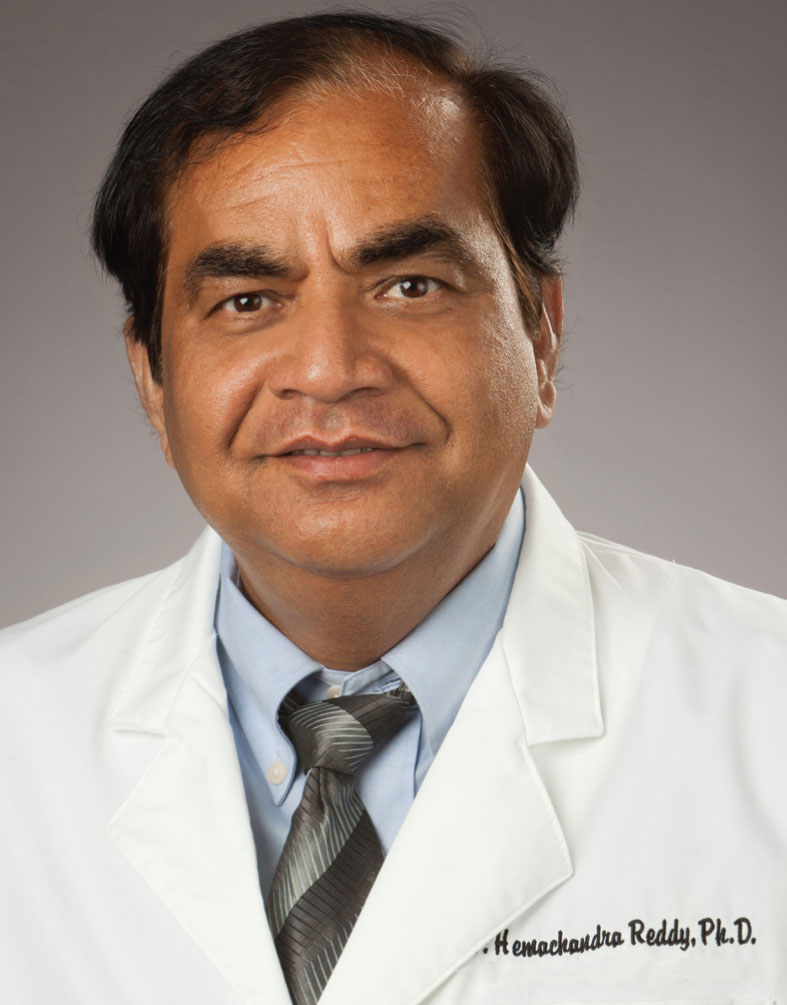
Dr. P. Hemachandra Reddy is the Executive Director of Garrison Institute on Aging (GIA) and a tenured professor of Cell Biology & Biochemistry, Neuroscience/Pharmacology and Neurology Departments of Texas Tech University Health Sciences Center, Texas. Dr. Reddy has 20 years of research experience working with aging and neurodegenerative diseases, including Alzheimer’s, Huntington’s disease, Parkinson’s disease and multiple sclerosis. He was involved in making and characterizing transgenic animal models of aging and neurodegenerative diseases. He was the first researcher to make full-length cDNA transgenic mice for a study of HD, the findings of which were published in Nature Genetics and Trends in Neurosciences. Dr. Reddy was one of the first researchers who demonstrated the association of amyloid beta, phosphorylated tau with mitochondria in AD progression. He published over 160 peer-reviewed research papers, reviews and chapters, his research articles have received more than 13,284 Google Scholar citations, dated December 20, 2019. Dr. Reddy served in several review panels of NIH, VA Merit Review and currently and is a Chartered Member of Neuronal Oxidative Metabolism and Death NIH Study Section (2013-2019). He was the Chair of SOM Research Executive Committee and a member of University Research Council of TTUHSC and currently he is serving as a Member of Post Tenure Committee, TTUHSC. He received several awards and honors, including Prestigious Bharath Gaurav Award (2016) from Government of India; best mentor award (2003) and Technology innovation award (2007) from Oregon Health and Science University and Alzheimer’s Award (2006) from the Journal of Alzheimer’s Disease and Fellows Award For Research Award (1999) from National Institutes of Health. Dr. Reddy was honored with a certificate of recognition for his contributions to neurology and brain disorders at the second International conference, Rome, Italy June 3-6, 2018. Dr. Reddy has a long track record of editorial activities, including: Edited Molecular Biology of Aging Book, Elsevier and Academic Press (2017), and Guest editor for nine special topics - Mitochondrial Drugs for Neurodegenerative Disease, Genes, Mechanisms and Drugs for Asthma in Pharmaceuticals, Current Status of Therapeutics and Preventive Measures for Patients with Thalassemia and Sickle Cell Disease in Cardiovascular & Hematological Agents in Medicinal Chemistry, Aging and Mitochondria in Alzheimer’s Disease in Antioxidants & Redox Signaling, Synaptic Damage in Aging and Neurodegenerative Diseases in Frontiers in Aging Neuroscience, Misfolded Proteins, Mitochondrial Dysfunction, and Neurodegenerative Disease, Oxidative Stress and Mitochondrial Quality in Diabetes/Obesity and Critical Illness Spectrum of Diseases, Stem Cells and Their Utility to Human Diseases in BBA Molecular Basis of Disease (2018) and Neurotransmitters and Alzheimer’s Disease in Journal of Alzheimer’s Disease.
Russell H. Swerdlow, MD
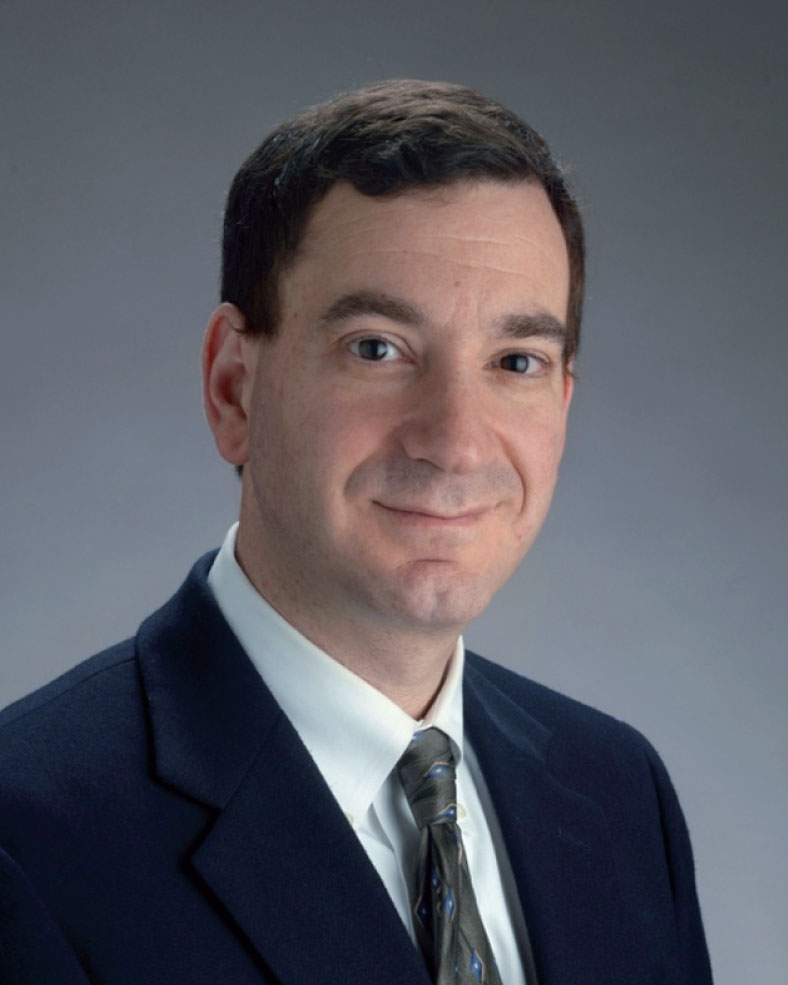
Dr. Russell Swerdlow is a professor in the Departments of Neurology, Molecular and Integrative Physiology, and Biochemistry and Molecular Biology at the University of Kansas School of Medicine. He directs the NIH-funded University of Kansas Alzheimer’s Disease Center, the Kansas University Medical Center’s Neurodegenerative Disorders Program, the Heartland Center for Mitochondrial Medicine, and staffs the Kansas University Medical Center’s Memory Disorders Clinic. He received his undergraduate and doctor of medicine degrees from New York University, and trained as a neurologist and Alzheimer’s specialist at the University of Virginia. He currently holds the Gene and Marge Sweeney Chair at the University of Kansas and is a recipient of an S. Weir Mitchell Award from the American Academy of Neurology, a Cotzias Award from the American Parkinson’s Disease Association, a Scholarly Research Award from the University of Kansas, and a Chancellor’s Club Research Award from the University of Kansas. He served as the Research Committee Chair of the CurePSP Foundation; Chaired the Commonwealth of Virginia’s Alzheimer’s Disease Commission; currently sits on the National Institute on Aging’s Board of Scientific Counselors; and is on the editorial board of several journals. Dr. Swerdlow’s research focuses on brain energy metabolism, the role brain energy metabolism plays in Alzheimer’s disease and other neurodegenerative diseases, and how to manipulate brain energy metabolism.
John Culberson, MD
Dr. Culberson received his MD degree from New Jersey Medical School, and completed training in Geriatric Medicine at Baylor College of Medicine. He is currently an Associate Professor of Family and Community Medicine, with a Joint Appointment with the Department of Pharmacology and Neuroscience at the Texas Tech University Health Sciences Center, Lubbock Texas. Dr. Culberson holds the Mittemeyer Endowed Chair for Excellence in Geriatric Medicine, is Program Director of the Geriatrics Fellowship, and is a collaborator at the Garrison Institute on Aging. He is a clinician-educator with a large geriatrics practice, and was Physician of the Year at the DeBakey VA Medical Center in Houston, Texas. He has received a Geriatric Academic Career Award, and has served as Chairman of the Aging, Alcohol, and Addictions group at the Gerontological Society of America. His research interests include neuroimaging in Alzheimer’s Disease, medication reduction in long-term care, sarcopenia in post-menopausal women, and clinical manifestations of Vitamin D deficiency.
David Kang, PhD
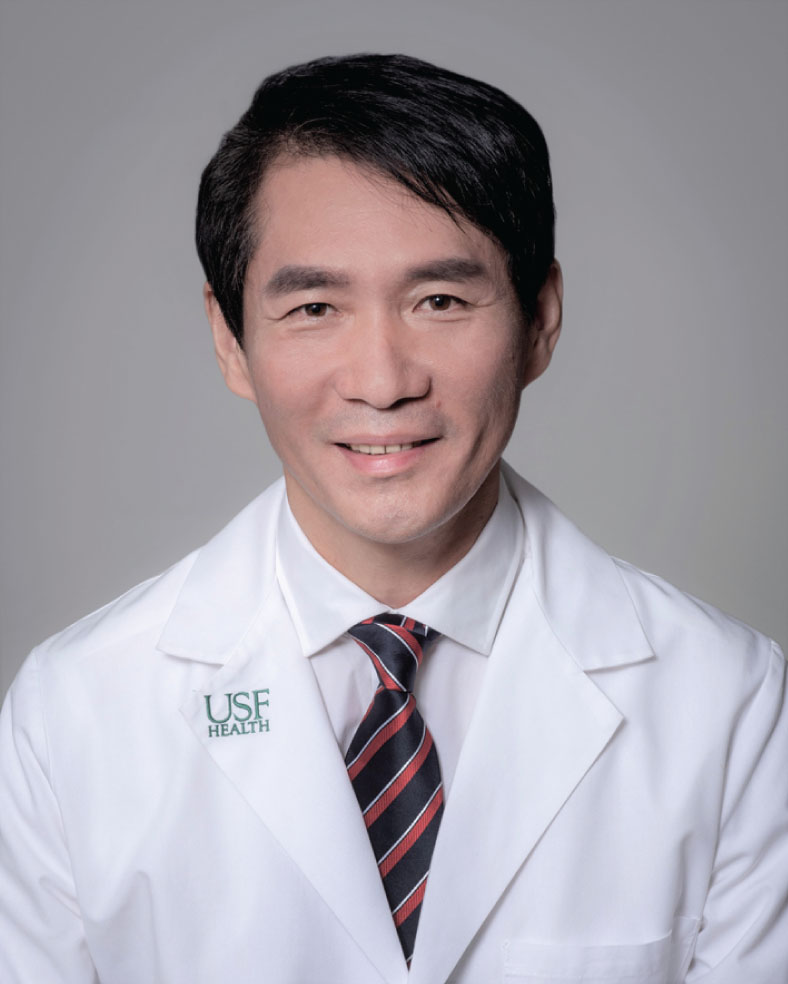
In my laboratory, we focus on the mechanisms of neurodegeneration in Alzheimer’s disease (AD) and related disorders such as Frontotemporal dementia (FTD) and Amyotrophic Lateral Sclerosis (ALS). We utilize various molecular, biochemical, cell biological, advanced imaging, and animal modeling (mouse & C. elegans) tools to answer important questions pertinent to healthy vs. pathological brain aging. I have been actively engaged in neurodegeneration and Alzheimer’s disease (AD) research for the past 22 years. Specifically, we are currently interested in 1) the mechanisms of Abeta production and neurotoxicity, 2) signal transduction mechanisms between Abeta and tau, 3) interplay between pathogenic proteins such as tau and the UPR and chaperone systems, 4) mechanisms underlying mitochondrial dysfunction in AD and FTD/ALS, 5) role of selective autophagy and mitophagy in the accumulation of toxic components, and 6) the study of extracellular vesicles (i.e., exosomes) as disease biomarkers and agents of neurodegeneration. Of interest, we have shown that the Slingshot-cofilin activation plays a key role in both Abeta-mediated neurodegenerative changes. We are currently working on a series of Slingshot inhibitors that antagonize this pathway of Abeta-induced neurotoxicity. We have recently shown that a scaffolding protein RanBP9, which is elevated in brains of AD patients and promotes Abeta production, also positively regulates tauopathy via its direct interactions with tau and Hsp90/Hsc70 complexes. Our studies with the novel FTD/ALS gene CHCHD10 showed that CHCHD10/har-1 plays an essential role in mitochondrial function, longevity, and movement behavior in C. elegans. Wild type human CHCHD10 but not the ALS/FTD CHCHD10 mutants rescued all of these phenotypes in har-1 KO C. elegans, activities which were mirrored in mammalian cells and mouse brains. We also discovered a link between CHCHD10 and a canonical ALS-associated protein, Tar DNA Binding Protein 43 (TDP-43), which is usually nuclear but often found cytoplasmically mislocalized and aggregated in ALS/FTD. We found that CHCHD10 binds to TDP-43, that reduction of CHCHD10 or expression of ALS mutants induced cytoplasmic mislocalization of TDP-43, and that wild-type but not mutant CHCHD10 is protective against TDP-43-induced apoptosis and synaptic impairment. Finally, we are conducting on studies of extracellular vesicles (exosomes & microvesicles) as both biomarkers and agents of neurodegeneration, in which neural-derived exosomes are isolated from human serum samples and neural cell cultures to perform proteomic analysis.
Tedd L. Mitchell, MD
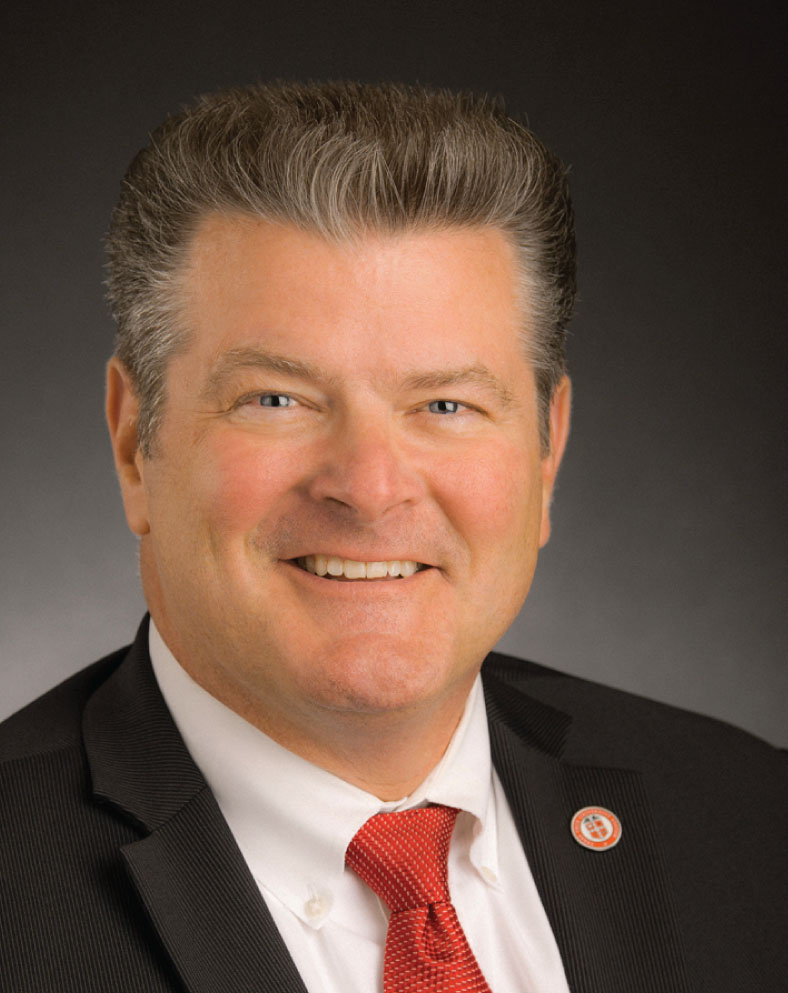
Tedd L. Mitchell became the eighth president of the Texas Tech University Health Sciences Center on May 17, 2010. As its longest serving president, Mitchell has successfully led a period of record growth in enrollment, academic excellence, and physical expansion on all campuses. Texas Tech University Health Sciences Center now graduates more health care professionals than any other health related institution in Texas. Dr. Mitchell has launched initiatives for interprofessional concentration around the university’s five schools – Biomedical Sciences, Health Professions, Medicine, Nursing, and Pharmacy – and promoted programs to support novel research and creative endeavors such as the Department of Public Health which will eventually become the School of Public Health. Under his leadership, the university remains financially strong while maintaining low tuition rates. Dr. Mitchell is an Ashbel Smith Distinguished Alumnus of the University of Texas Medical Branch, where he received his Doctor of Medicine degree in 1987. After graduation he pursued training in Internal Medicine. In 2012, Dr. Mitchell was honored as a distinguished alumnus of the Department of Internal Medicine. He is a Fellow of the American College of Physicians and the American College of Sports Medicine. From 1988 to 1996, he served as a captain in the U.S. Army Reserves (Medical Corps). Prior to coming to Texas Tech University Health Sciences Center, Mitchell served as president and chief executive officer of the Cooper Clinic in Dallas, an internationally recognized center of excellence in preventive and sports medicine. Dr. Mitchell is a member of the faculty. His research interest is focused on the effects of activity and life style on health, and he has authored or co-authored dozens of scientific papers, abstracts and book chapters. He is a frequent lecturer, both nationally and internationally, on the physiology of exercise and the effects of exercise on aging, fitness, and overall quality of life. As health editor and a weekly columnist for USA Weekend from 1998 to 2010, Dr. Mitchell published more than 600 articles. He received the 2006 Clarion Award and the 2008 Walter C. Alvarez Award for Excellence in Medical Communication from the American Medical Writers Association. His writings led to collaborative efforts with other health experts, culminating in the publication of the books Fit to Lead (2004 St. Martin’s press), Move Yourself (2008 Wiley Press) and Fit to Lead 2 (2012). In 2002, Dr. Mitchell was appointed by President George W. Bush to the President’s Council for Physical Fitness and Sports and served until 2009. During his term, he was engaged in efforts that changed the President’s test from one that was fitness based to one that is health based. Dr. Mitchell is married to Dr. Janet Tornelli-Mitchell. They met while in medical school and practiced together for nearly two decades. The Mitchells have three children, Katherine, an assistant district attorney in Dallas, Charlie, a petroleum engineer in Houston, and Chris, an undergraduate student at Texas Tech University.
Quentin Smith, PhD
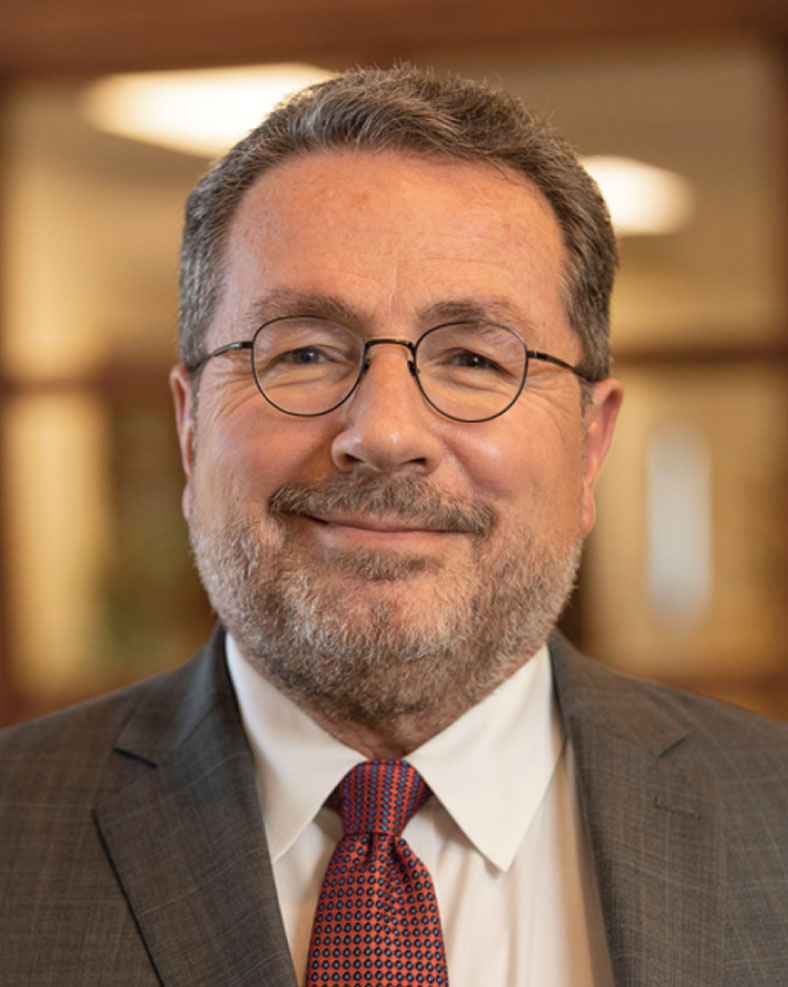
Quentin Smith’s primary research interests are focused on assessing and ultimately improving drug delivery across the blood-brain barrier for the treatment of brain tumors, stroke, and neurodegenerative disease. He has established highly sensitive, regio-specific methods to map the distribution of low levels of bound and free drug in brain and brain metastases of breast cancer following systemic drug administration in animals. His lab is dissecting the roles of key BBB transporters in controlling brain and brain metastasis exposure of drugs. Also, he is working on developing and evaluating modified drugs that are specifically designed to circumvent the BBB. Both novel carrier vectors to deliver conventional drugs and rational design of drug modifications that retain chemotherapeutic activity while circumventing the transporters that limit brain access are being investigated. Research is funded by the Cancer Prevention Research Incentive of Texas (CPRIT), DoD, NIH, and numerous collaborations with industry.
Sanoj Suneja, PhD
Dr. Sanoj K. Suneja joined the National Institute on Aging (NIA) in 2006 as Research Program Analyst and currently serves the institute as Health Scientist Administrator. Dr. Suneja is responsible for extramural research grants referral and analyses in the NIA Division of Extramural Activities (DEA). As a Supervisory Scientist in his academic career at the Univ. Conn. Health Center (UCONN) from 1988-2006, he had researched on neuro-biochemical behavior of the auditory system after hearing damage for managing the goals of the NIH-funded research project(s). Before joining UCONN, Dr. Suneja was a Scientist with Government of India from 1986-1988. He received his Master (1982) and Doctorate (1986) degrees in Biochemistry from Haryana Agricultural University, Hisar, India. Dr. Suneja has published over 40 peer reviewed scientific research articles. Dr. Suneja has served as a reviewer for various scientific journals in neurosciences such as European Journal of Neuroscience, Neurochemical Research, Brain Research, and Ear and Hearing.
Marcia G. Ory, PhD, MPH
Regents and Distinguished Professor, Department of Environmental and Occupational Health
Associate Vice President for Strategic Partnerships and Initiatives
Founding Director, Center for Population Health and Aging
Texas A&M University Health Science Center, School of Public Health
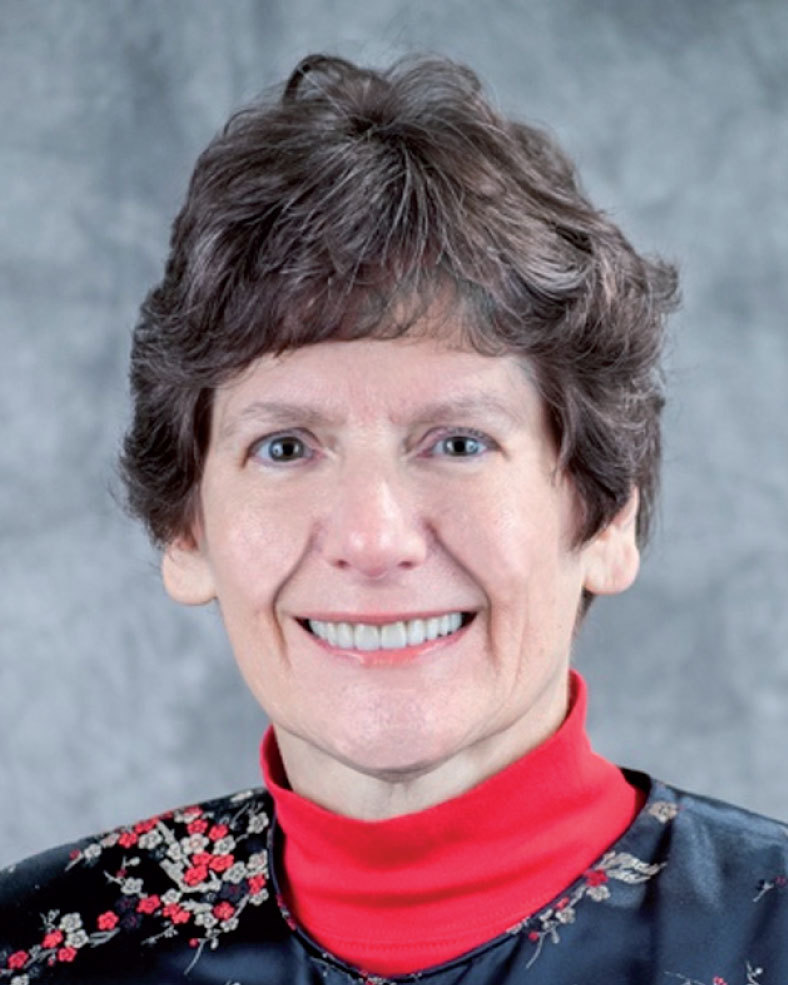
Marcia G. Ory, PhD, MPH, is a regents and distinguished professor in the Department Environmental and Occupational Health at the Texas A&M School of Public Health. She also serves as Associate Vice President for Strategic Partnerships and Initiatives at the Health Science Center, directing Healthy Texas, a system-wide effort to examine strategies for promoting health and wellness at the Texas-Mexico border, as well as throughout Texas. Dr. Ory is the founding director of the university-wide Center for Population Health, chair of the Health and Wellness Committee and academic partner for the Community Research Center for Senior Health with Baylor Scott and White Health. In her many roles, she is working with an interdisciplinary cross-campus group to develop innovative research projects across public health, medicine, engineering and computer sciences. Her passion is ensuring the scalability and sustainability of evidence-based programming and policies designed to improve the health and well-being of older adults. Prior to coming to Texas A&M University, Dr. Ory spent 20 years in federal service as chief of Social Science Research on Aging in the Behavioral and Social Research Program at the National Institutes of Health’s National Institute on Aging. Dr. Ory received her Bachelor of Arts in sociology and psychology from the University of Texas, Master of Arts in sociology and human development from Indiana University, doctorate in family studies and human development from Purdue University and Master of Public Health in chronic disease epidemiology and behavioral sciences from John Hopkins University Bloomberg School of Public Health.
Salvatore Oddo, PhD
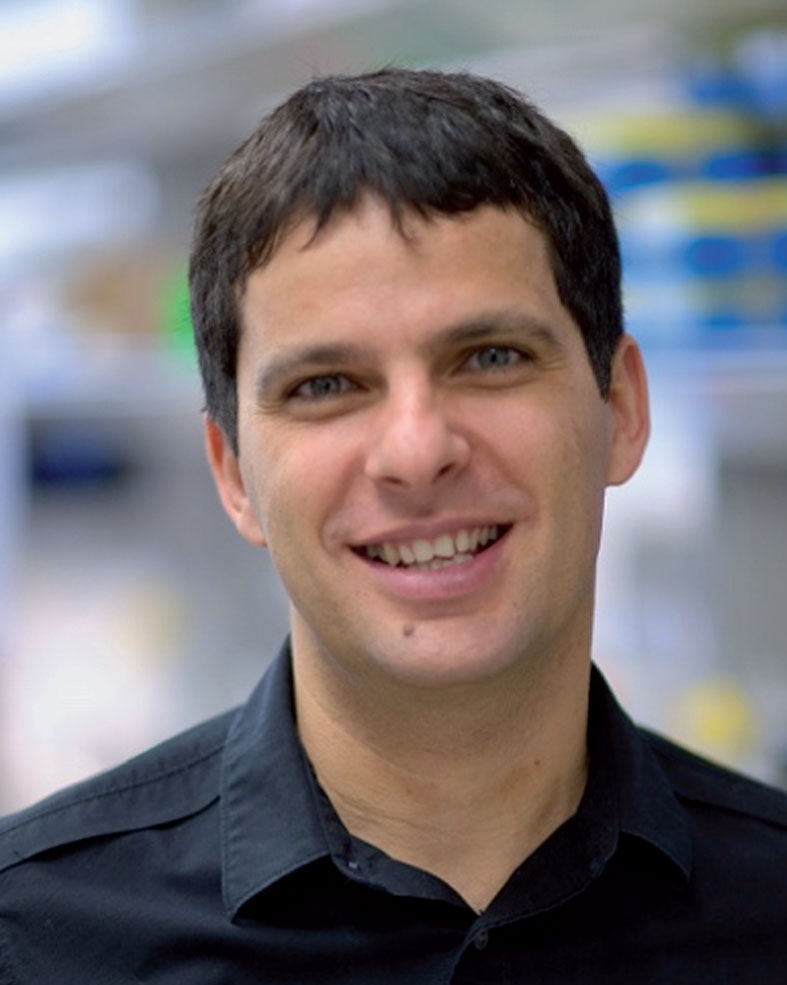
Dr. Oddo received his undergraduate degree in Molecular Biology from the University of Catania, Italy, and his graduate degree in Neurobiology of Learning and Memory from the University of California, Irvine. Dr. Oddo’s research focuses on understanding the molecular mechanisms underlying memory deficits in Alzheimer’s disease. Using animal models, he showed that dysfunction signaling transduction pathways that are critical for learning and memory play a pivotal role in the cognitive decline associated with Alzheimer’s disease. Recently, he showed that necroptosis, a programmed form of necrosis, contributes to neuronal loss in Alzheimer’s disease. Dr. Oddo has published more than 90 research articles in international peer-reviewed journals, which have been cited more than 24,000 times. In recognition of his contribution to the aging and Alzheimer’s disease fields, he has been the recipient of several national and international awards.
Poster Presentations
Elizabeth George, Darryll Oliver, P. Hemachandra Reddy
Garrison Institute on Aging, Texas Tech University Health Sciences Center, 3601 4th Street, MS 9424, Lubbock, TX 79430, USA
Darryll Oliver, P. Hemachandra Reddy
Garrison Institute on Aging, Texas Tech University Health Sciences Center, 3601 4th Street, MS 9424, Lubbock, TX 79430, USA
Pradeepkiran JA, P. Hemachandra Reddy
Garrison Institute on Aging, Texas Tech University Health Sciences Center, 3601 4th Street, MS 9424, Lubbock, TX 79430, USA
Pradeepkiran JA, P. Hemachandra Reddy
Garrison Institute on Aging, Texas Tech University Health Sciences Center, 3601 4th Street, MS 9424, Lubbock, TX 79430, USA
Pradeepkiran JA, Xiangling Yin, Arubala P. Reddy, Maria Manczak, P. Hemachandra Reddy
Garrison Institute on Aging, Texas Tech University Health Sciences Center, 3601 4th Street, MS 9424, Lubbock, TX 79430, USA
Department of Pharmacology and Neuroscience, Texas Tech University Health Sciences Center, 3601 4th Street, MS 9424, Lubbock, TX 79430, USA
Arubala P. Reddy, P. Hemachandra Reddy
Department of Pharmacology and Neuroscience, Texas Tech University Health Sciences Center, 3601 4th Street, MS 9424, Lubbock, TX 79430, USA
Garrison Institute on Aging, Texas Tech University Health Sciences Center, 3601 4th Street, MS 9424, Lubbock, TX 79430, USA
Murali Vijayan, Subodh Kumar, Pelin Cengiz, Vardan T. Karamyan, P. Hemachandra Reddy
Garrison Institute on Aging, Texas Tech University Health Sciences Center, Lubbock, TX, USA
Waisman Center and Department of Pediatrics, University of Wisconsin School of Medicine and Public Health, Madison, WI, USA
Center for Blood Brain Barrier Research, School of Pharmacy, Texas Tech University Health Sciences Center, Amarillo, TX, USA
Subodh Kumar, Murali Vijayan, Arubala P. Reddy, Xiangling Yin, P. Hemachandra Reddy
Garrison Institute on Aging, Texas Tech University Health Sciences Center, 3601 4th Street, MS 9424, Lubbock, TX 79430, USA
Pharmacology & Neuroscience Department, Texas Tech University Health Sciences Center, 3601 4th Street, MS 9424, Lubbock, TX 79430, USA
Gabriela Arandia, P. Hemachandra Reddy
Garrison Institute on Aging, Texas Tech University Health Sciences Center, 3601 4th Street, MS 9424, Lubbock, TX 79430, USA
Findings: Nearly 5.7 million individuals in the U.S. have AD. AD is the 6th leading cause of death in the U.S. Risk factors include age, genetics, family history, sex (women at higher risk than men), and race and ethnicity. Modifiable risk and protective factors include: education, healthy diet, and physical activity (protective factors), as well as smoking, diabetes, obesity, and traumatic brain injury (risk factors). Community-level risk factors (lack of access to healthy foods and parks, increased air pollution, and rural residence) are highlighted as well. Lastly, physical activity programs (e.g., walking, yoga, swimming) and dietary interventions (e.g., Mediterranean diet, antioxidant-enriched diet) have been shown to improve cognitive function among elderly people and with mild cognitive impaired subjects.
Discussion: Dementia is complex and not fully understood, though scholars have identified an array of modifiable and non-modifiable risk and protective factors of dementia. As the prevalence of dementia is expected to rise with a growing aging population, further research into potential prevention strategies and treatments is warranted. Large-scale, longitudinal studies are needed to track cognition and associated risk factors over the life course in rural settings. Moreover, randomized controlled trials are needed to test the efficacy of lifestyle interventions (i.e., dietary and physical activity programs) that aim to improve or maintain cognitive function among older adults.
Ramesh Kandimalla, Maria Manczak, Xiangling Yin, P. Hemachandra Reddy
Garrison Institute on Aging, Texas Tech University Health Sciences Center, 3601 4th Street, MS 9424, Lubbock, TX 79430, USA
Maria Manczak, Ramesh Kandimalla, Xiangling Yin, Murali Vijayan, Chandra Sekhar Kuruva, Subodh Kumar, P. Hemachandra Reddy
Garrison Institute on Aging, Texas Tech University Health Sciences Center, 3601 4th Street, MS 9424, Lubbock, TX 79430, USA
Joshua Willms, Bhagavathi Ramasubramanian, Neha Sawant, P. Hemachandra Reddy
Garrison Institute on Aging, Texas Tech University Health Sciences Center, 3601 4th Street, MS 9424, Lubbock, TX 79430, USA
Xiangling Yin, Arubala P Reddy, Subodh Kumar, P. Hemachandra Reddy
Garrison Institute on Aging, Texas Tech University Health Sciences Center, 3601 4th Street, MS 9424, Lubbock, TX 79430, USA
Pharmacology & Neuroscience Department, Texas Tech University Health Sciences Center, 3601 4th Street, MS 9424, Lubbock, TX 79430, USA
Bhagavathi Ramasubramanian, Divya Burugu, Xiangling Yin, Annette N. Boles, P. Hemachandra Reddy
Garrison Institute on Aging, Texas Tech University Health Sciences Center, 3601 4th Street, MS 9424, Lubbock, TX 79430, USA
Veronica Lopez, Annette N. Boles, P. Hemachandra Reddy
Garrison Institute on Aging, Texas Tech University Health Sciences Center, 3601 4th Street, MS 9424, Lubbock, TX 79430, USA
Garrison Institute on Aging, Texas Tech University Health Sciences Center, Lubbock, TX, USA
Annette N. Boles, Veronica Lopez, Gabriela Arandia, Rocio Carrasco, Cordelia Aguirre, P. Hemachandra Reddy
Garrison Institute on Aging, Texas Tech University Health Sciences Center, 3601 4th Street, MS 9424, Lubbock, TX 79430, USA
Garrison Institute on Aging, Texas Tech University Health Sciences Center, Lubbock, TX, USA.
Veronica Lopez, Susan Thompson, Annette N. Boles, Rocio Carrasco, Cordelia Aguirre, Joan Blackmon, P. Hemachandra Reddy
Garrison Institute on Aging, Texas Tech University Health Sciences Center, 3601 4th Street, MS 9424, Lubbock, TX 79430, USA
Garrison Institute on Aging, Texas Tech University Health Sciences Center, Lubbock, TX, USA
Healthy Lubbock Programs
Annette N. Boles, Veronica Lopez, Clay Ament, Joan Blackmon, Susan Thompson, P. Hemachandra Reddy
Garrison Institute on Aging, Texas Tech University Health Sciences Center, 3601 4th Street, MS 9424, Lubbock, TX 79430, USA
Garrison Institute on Aging, Texas Tech University Health Sciences Center, Lubbock, TX, USA
Clay Ament, Annette Boles, Joan Blackmon, P. Hemachandra Reddy
Garrison Institute on Aging, Texas Tech University Health Sciences Center, 3601 4th Street, MS 9424, Lubbock, TX 79430, USAs
Garrison Institute on Aging, Texas Tech University Health Sciences Center, Lubbock, TX, USA
Rui Wang, Emily R. Stephens, Brittney Hoang, J. Josh Lawrence
Department of Pharmacology and Neuroscience, Texas Tech University Health Sciences Center, 3601 4th St, Lubbock, TX 79430
Kevin Bass, P. Hemachandra Reddy
Garrison Institute on Aging, Texas Tech University Health Sciences Center, 3601 4th Street, MS 9424, Lubbock, TX 79430, USA
Christopher Hornback. Subodh Kumar, Murali Vijayan, C. Breann Williams, Pratibha Kottapalli, Rao Kottapalli, P. Hemachandra Reddy
Garrison Institute on Aging, Texas Tech University Health Sciences Center, 3601 4th Street, MS 424, Lubbock, TX, 79430, USA
Center Biotechnology and Genomics Core Facility, Texas Tech University, Canton & Main Experimental Sciences Building, Room 101, Lubbock, TX 79409, USA
Oral Presentations
MicroRNA-455-3p as a potential peripheral biomarker and therapeutic target for Alzheimer’s disease
Subodh Kumar, P. Hemachandra Reddy
Garrison Institute on Aging, Texas Tech University Health Sciences Center, 3601 4th Street, MS 9424, Lubbock, TX 79430, USA
Murali Vijayan, P. Hemachandra Reddy
Garrison Institute on Aging, Texas Tech University Health Sciences Center, 3601 4th Street, MS 9424, Lubbock, TX 79430, USA
Ahmed Morsy, Paul C. Trippier
Department of Pharmaceutical Sciences, Texas Tech University Health Sciences Center, School of Pharmacy, Amarillo, Texas 79106, USA
Gabriela Arandia, P. Hemachandra Reddy
Garrison Institute on Aging, Texas Tech University Health Sciences Center, 3601 4th Street, MS 9424, Lubbock, TX 79430, USA
Rui Wang, Emily R Stephens, Brittney Hoang, J. Josh Lawrence
Department of Pharmacology and Neuroscience, Texas Tech University Health Sciences Center, 3601 4th St, Lubbock, TX 79430, USA
Salvatore Oddo
Arizona State University-Banner Neurodegenerative Disease Research Center at the Biodesign Institute, Arizona State University, Tempe, AZ 85287, USA