




Abstract
The study of life and living organisms and the way in which these interact and organize to form social communities have been central to my career. I have been fascinated by biology, neurology, and neuropathology, but also by history, sociology, and art. Certain current historical, political, and social events, some occurring proximally but others affecting people in apparently distant places, have had an impact on me. Epicurus, Seneca, and Camus shared their philosophical positions which I learned from. Many scientists from various disciplines have been exciting sources of knowledge as well. I have created a world of hypothesis and experiments but I have also got carried away by serendipity following unexpected observations. It has not been an easy path; errors and wanderings are not uncommon, and opponents close to home much more abundant than one might imagine. Ambition, imagination, resilience, and endurance have been useful in moving ahead in response to setbacks. In the end, I have enjoyed my dedication to science and I am grateful to have glimpsed beauty in it. These are brief memories of a Spanish neuropathologist born and raised in Barcelona, EU.
Keywords
I have been invited to write a paper about my career to commemorate the 20th year of publication of the Journal of Alzheimer’s Disease. I am honored and pleased by this proposal. This is a new experience. I am moved by curiosity. Therefore, this is an exercise which will attempt to summarize and to position my public life mainly, but not exclusively, manifested by medical practice and teaching, and research on neurological diseases. I am 67 years old, and I have grown up with the world’s current events. These have permeated and imprinted my life, and I have interacted with them. Therefore, these personal memories are not restricted to research but they are put into the context of several circumstances which had an impact on me.
Other aspects are private, and the only comment is to mention my love and gratitude to my family and to my close friends.
I was born in 1951, obtained my degree in medicine in 1976, and PhD in 1978 at the Faculty of Medicine, University of Barcelona. I learned neurology and neuropathology in parallel, created the Unit of Neuropathology at the Bellvitge University Hospital in 1980, obtained the title of Professor of Pathology in 1986 and full Professor in 1996 at the University of Barcelona, holding the chair of Pathology at the campus of Bellvitge (Fig. 1).
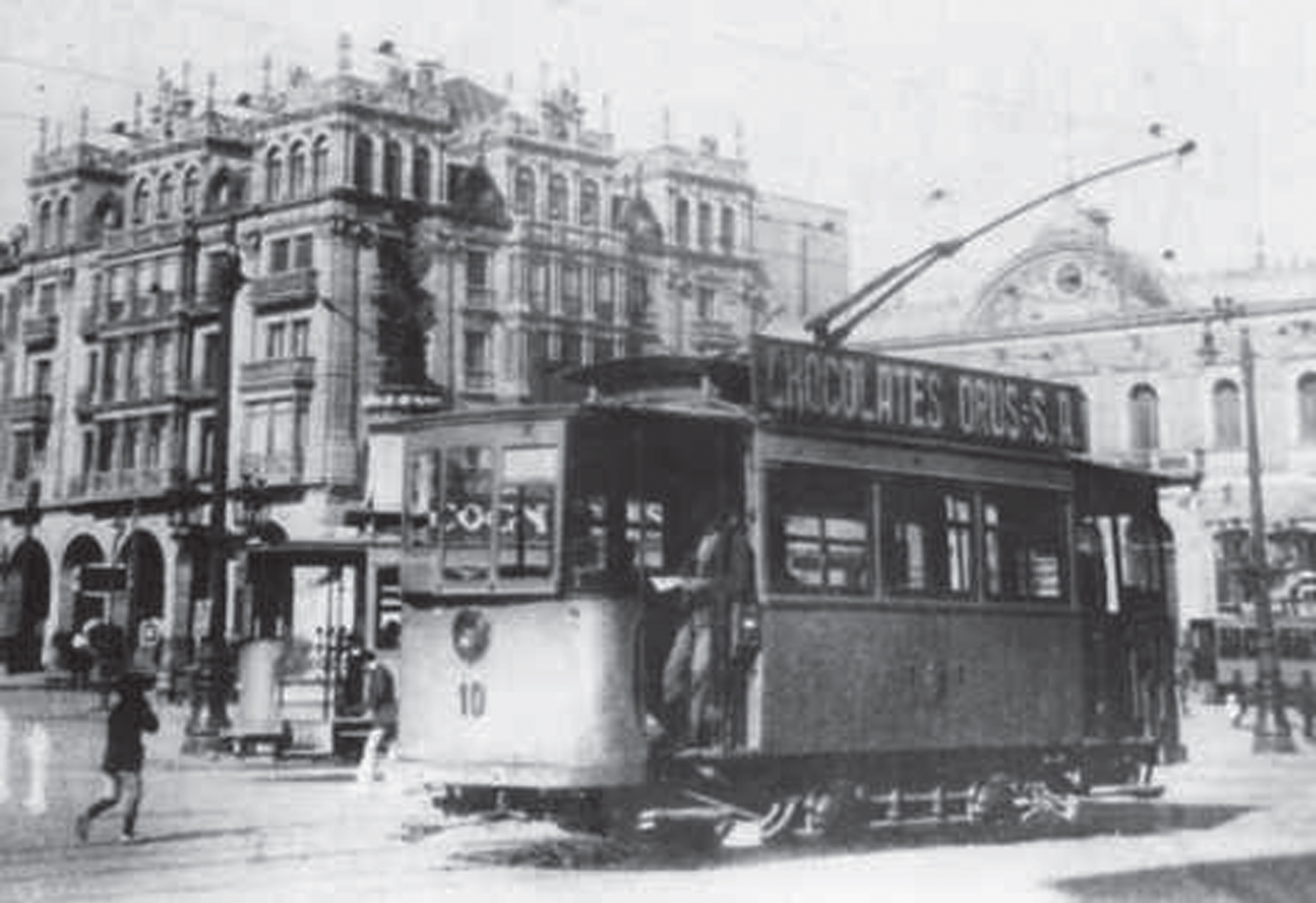
In February 1951, the Barcelona authorities announced a 40% rise in tram fares. Agitation against the rise began immediately. Around 97% of tram users joined the boycott on the first day, and by March 4 this figure had risen to 99%. Several days later the authorities caved and the old fares were reinstated. I was born the 8 of April of that year in Rambla Cataluña unaware that a tram line circulated in both directions.
But to understand the whole process and, more importantly, to have an idea about the situation in Spain at that time, some pieces of information are needed. I was born into a liberal family belonging to the Catalan bourgeoisie. Years in school were marked by the dictates of the Franco regime accompanied by flashes at home of political discomfort and expressions of need for change. Years in the university encouraged total mental reconstruction and substitution of the faked history we had learned, and adherence to better elaborated ethical and moral values. Deep concern for freedom, human rights, and defense against dictatorship and manipulation of information and of abuse of power were a natural effect. No less important was the impact and active positioning in the face of the new fresh feelings and aspirations derived from the flower power revolution of the 1960s. Those were subversive and passionate days.
Francisco Franco died in November 1975 and the new period was celebrated, first with some fear followed by hope and enthusiasm. The desire was so widely felt that it made possible engagement and commitment of all democratic forces and the vast majority of people to work together in a paradigm of peaceful transformation of a dictatorship into a democratic state. This background was subsequently enriched by the conviction that a united European Community and the continuous fight for the fulfillment of human rights all over the world and particularly those of children, women, and minorities was essential for humans to gain dignity.
1976–1990
At school I was inspired by my teachers in natural sciences and art. I decided to study medicine. At the time of obtaining my degree, neuropathology barely existed in Spain; only a few pioneers coming from the field of neurology were interested in this discipline. Dr. Carmen Navarro was my mentor and master. I am grateful for having had the opportunity to learn from several people but her influence was decisive.
I started at the Bellvitge University Hospital, formerly Princes of Spain Hospital. From the beginning, our work encompassed clinical neuropathology, teaching, and research. Clinical neuropathology included postmortem neuropathology, muscle and nerve pathology, brain tumors, and skin and other biopsies for the diagnosis of metabolic and degenerative diseases in children. At that time, I was also consultant neuropathologist at the Saint John of God Children’s Hospital in Barcelona.
Regarding research, earliest studies were based on the application of the Golgi method to the analysis of human brain malformations and neurodegenerative diseases. This was due to the fact that we had no budget for research; yet osmium tetroxide and silver nitrate for electron microscopy and current silver impregnations for histology were readily available at the Department of Pathology. No funds for research were available; research was carried out at our expense.
The first paper published in an international journal was “Lissencephaly: a study with the Golgi method” in 1976 [1] and the second “Multicystic encephalopathy” in 1978 [2]. These were followed by several publications using the rapid Golgi method to learn about human brain malformations of the cerebrum and cerebellum, other developmental disorders, spine dysgenesis, and central gangliogliomas. Another focus of interest was neurodegenerative diseases in children and in adulthood such as ceroid-lipofuscinoses, lipidoses, mucopolysacharidoses, Alzheimer’s disease (AD), and Creutzfeldt-Jakob disease (CJD) [3–15]. The effects of chronic alcoholism during development, adolescence, and adulthood were also assessed in human brains of infants with fetal alcohol syndrome and in rat models. Devastating effects on dendritic spines of cortical neurons and dendritic arbors of Purkinje were also evidenced in adult chronic ethanol abusers [16–20]. The Golgi method was powerful when properly used to recognize the abnormal cellular organization of the brain, and the structure of neurons, their branches, and dendritic spines.
Now, it is practically forgotten, but the seventies and eighties were a golden age for the Golgi method applied to human neuropathology. Works of M. Marín-Padilla, D.P. Purpura, V.S. Caviness, R.S. Williams, M.S. Scheibel, R.S. Sheibel, S. Takashima, H. Braak, E. Braak, and ours, among others, reported for the first time alterations later re-discovered using electron microscopy and immunohistochemistry. Rest assured that pictures and lessons drawn from Santiago Ramon y Cajal were floating in my mind.
I was also interested in the comparative structure and organization of the cerebral cortex in different species and in the formation of cerebral convolutions. The rapid Golgi method proved useful by revealing in detail the five-layered structure of the cerebral cortex in insectivora (hedgehog, common European mole), insectivorous bats (Myotis myotis), and dolphins (Stenella coeruleoalba) due to the lack of layer IV and the arrival of specific and non-specific thalamic connections in the molecular layer with the subsequent enlargement of neurons located in layer II. This happened about 70 million years ago when some primary insectivores remained on the ground whereas others started to fly and still others went into the oceans. Other aspects were assessed in carnivore, feline, lagomorpha, and murine brains. Insights to understand mechanisms contributing to cortical remodeling in human brain malformations were highlighted looking at the plastic neuronal modifications of ensuing mechanical forces and selective cell death in convoluted brains [21–27].
Historical notes
The transition from Franco’s death until the approval of the Constitution in 1978 was not easy. Several radical forces stoked instability. On the one hand, there was a subset of military forces and extreme-right groups and on the other the terrorist organizations ETA and GRAPO, both of them born in Franco’s time but with increased capacity for bombing and assassination after the passing away of the dictator. Prime Minister Adolfo Suarez was the main builder of the new state and King Juan Carlos I played a cardinal role in that period. The legalization of the Communist Party and the amnesty to political prisoners undermined misgivings. The first general elections held in June 1977 were won by the Moderate party (UCD) created by Adolfo Suarez. Socialists were second followed by the Communists and the Conservative parties. Nationalist parties PNV and CiU took root in the Basque country and Catalonia, respectively. The constitution of 1978 was based on negotiation, consensus, and respect for the regional autonomies; it was presented to a national referendum and finally approved by 88% of affirmative votes.
A military coup occurred in 1981 but the putsch was rapidly controlled. Yet UCD burned out as a consequence of internal and external pressure, and the Socialist party won the elections of 1982. GRAPO declined in 1982 and finally dismantled in 1985. ETA’s terrorism continued with assassinations. The persistence of ETA was explained by the support of a percentage of the Basque country fighting for an independent Basque Nation. This has kept going until recently.
On June 1985, the Treaty and the Agreement of Adhesion to the European Community were signed; Spain was eventually admitted as an active full member the first of January of the next year. Nearly at the same time, Spain, still under the Government of the Socialist party, entered NATO in spite of strong social opposition. These were important commitments which stimulated political and social ties, inspired a sense of European membership with shared responsibility and duties, and stirred entrepreneurship.
Belonging to the European Community had positive effects on science, facilitating collaborations and funding for research. The euro was not introduced until several years later and accepted as the common currency for 19 of 28 countries in 2002.
1990–2000
The work titled “Cell death in the cerebral cortex of the rat and removal of dead cells by transitory phagocytes” was published in 1990 [28] and described the appearance of dying cells with the morphological characteristics of apoptosis in the somatosensory and medial cortical regions, as well as in the cortical sub-plate of the rat. Cell death occurs during the first ten days after birth, and reaches a peak on day seven to decrease thereafter.
Dying cells predominate in the upper cortical layers (future layers II-III) and sub-plate in relation to the arrival and settlement of the cortical afferents in the cortex thus suggesting that transient cells are involved in the modulation of the final structure of the cerebral cortex. The neurons of the sub-plate serve as scaffolding to help the arrival of the afferents in the brain cortex.
The study was conducted at a time in which several researchers were engaged in trying to understand neurogenesis and gliogenesis in the brain, the development of connections including dendrites and axons, and the phenomenon of transient events during corticogenesis in which populations and cellular processes are produced in excess in order to be later destroyed, thus allowing fine organization of the cerebral cortex.
That study continued with research focused on the dating of the birth of neural precursors in the periventricular germinal layer, the migration process, and the final localization of particular neural populations in the cerebral cortex [29–32].
Specific markers of DNA replication confirmed a gradient of cell migration in the cerebral cortex by which molecular layer neurons and the neurons of the sub-plate were the first to migrate, while neurons of the cortical plate migrate along a gradient in which the neurons of the inner layers migrate first followed by the neurons of the middle layers and then the neurons that make up the upper layers.
Amoeboid microglia cells were first described by Pío del Rio Hortega. These cells migrate from the wall of the ventricles and sub-cortical white matter to the cortical plate and pial surface. Amoeboid microglia, among other functions, are responsible for the removal of dying cells and are involved in cortical remodeling in the developing brain.
The paper was published at the same time as another describing the pattern of cell death in the development of the hippocampus and the subiculum, and was followed by a review of these events in the brain of rodents [33].
Research during the following years focused on different facets. Efforts were made to characterize cell death during development as an active process, linked to caspase-dependent apoptosis. On the other hand, the concept of natural death served to introduce the idea of pathological cell death during development which led to the generation of rat models in which there was selective cell death using a single dose of ionizing radiation on defined days of gestation.
This project was funded by a European program to study the effect of ionizing radiation on the nervous system as a result of the Chernobyl nuclear disaster in 1986 in Ukraine, which produced radioactive contamination in many European countries.
Through this approach, models of microencephaly, several cortical malformations such as sub-cortical heterotopy, four-layered lissencephaly, non-laminated microgyria, and several types of cortical dysplasia affecting the upper cortical layers were generated to learn about the dating and mechanisms involved in cerebral cortical malformations. The rapid Golgi method, accompanied by immunohistochemistry, was the main tool to recognize fine alterations of neurons, altered cortical organization, and abnormal spines [34–37].
The interest in natural and induced cell death during development extended to the study of the role of apoptosis in several pathological conditions of hypoxia-ischemia in experimental models of focal and global ischemia in developing and adult models, and in animal models of neurodegeneration induced by various agents.
Apoptosis was identified as a common cause of cell death following hypoxia-ischemia in newborn rats. Apoptosis and intermediate forms between apoptosis and necrosis occurred after global ischemia in rats and gerbils. By contrast, necrosis was the paradigm of cell death in the core of the infarct following focal ischemia, while apoptosis predominated in the periphery in the area known as penumbra where neurons and glial cells struggle for survival. This turned to be a very important feature as reduction of the penumbra area by administration of selected drugs reduced the final area of infarction and potentially reduced residual neurological damage following stroke. Rapid intervention was crucial at this point [38–46].
Several experiments were carried out using excitotoxic agents to glean information about the type of cell death in models of neurodegeneration in which glutamatergic excitotoxic damage was assumed to play a primary role such as in Huntington’s disease (HD) and epilepsy. Our observations showed that the type of cell death was not apoptosis or necrosis but rather a mixed form that was accepted as such in subsequent experiments. Long-term studies showed plastic aspects of adapted connectivity following excitotoxic and ischemic damage. Some of these were useful to better understand remodeling of the hippocampus in models of epilepsy [47–51].
Similar methods were employed in human brain samples with neurodegenerative diseases. Apoptosis was at that time considered the main cause of cell death in AD, HD, and Parkinson’s disease (PD), among others. However, different mechanisms converge in the degeneration and death of nerve cells. With the exception of CJD, scrapie, and inflammatory diseases of the brain and the spinal cord which showed the presence of apoptosis, cell death classed as apoptosis described in AD and other neurodegenerative diseases was mostly an artifact related to the DNA fragmentation linked to agonic state and postmortem delay between death and tissue processing [47, 52–56].
The last decade of the twentieth century was cardinal for clinical research in Spain, since the first calls for projects of the Health Research Fund (FIS) of the Institute of Health Carlos III, under the Ministry of Health, led to the funding of projects oriented to clinical and experimental applied research in human disease. FIS calls produced a tremendous change in medical research and represented a fruitful complement to those already funded by the Ministry of Education and Science.
Historical notes
Reviewing the work of natural death during development, I look at what happened in the world in the year 1990. The world’s population was about 5,264,000,000 people— in Africa: 625,000,000; in Asia: 3,168,000,000; in Europe: 722,000,000; in Latin America: 442,000,000; in North America: 284,000,000; and in Oceania: 27,000,000. In 1990, there were important political events including the reunification of Germany and the fall of the Berlin wall; invasion of Panama by the USA; declaration of independence of the Baltic States from the Soviet Union in the context of Perestroika and Glasnost; collapse of the Communist regime and emergence of the new republics in the former Yugoslavia; beginning of the crisis in the Persian Gulf that would lead to the Gulf war in 1991 after the invasion of Kuwait by Iraq; and a formal declaration of the end of the Cold War by the leaders of Canada, the United States, and 32 European States meeting in Paris.
Regarding science, just a few highlights during 1990 which represent the amazing revolution during the last century and the beginning of twenty-first: formal start of the Genome Project; launch of Hubble space telescope; beginning of the history of the Internet in the fall of 1990, when Tim Berners-Lee created the first server and the founding of the World Wide Web; and the first case of successful gene therapy in a human being.
After the end of the Cold War, Yugoslavia fell apart and original nations sought to organize as individual states. The first war in 1991 ended with the independence of Slovenia, although its borders were not safe for longtime. Croatian war of independence against Serbia lasted about five years and was escalated by massacres not seen in Europe since the Second World War. The Bosnian war involving Serbia, Bosnia, and Herzegovina, occurring almost in parallel, was both an ethnic and religious war in which fighters were Serbians, Bosnian Croats, and Bosniaks, but also Christians against Muslims. The Kosovo war during 1998 and 1999, and the insurgencies in the Presevo valley and the Macedonian Republic from 1999 to 2001, ended with shame and regional instability. Divided Bosnia and failed Kosovo are a matter of concern still today.
The first Gulf War started in 1991; the Iraq war in 2003 leading to Iraq’s collapse, imbalance of forces in the region and civil war aftermath are still not solved. At the time, genocide occurred in Rwanda, chaos in Uganda and in the Democratic Republic of Congo. Sierra Leone’s civil war started in 1991 and was not finished until the military intervention of the UK in 2002 to defeat the Revolutionary United Front and its ally Charles Taylor’s National Patriotic Front of Liberia. As a counterpart, Nelson Mandela was elected president of South Africa in 1994.
Some years later, I initiated a cooperative work focused on health infrastructures in Sierra Leone. Several administrative difficulties together with the arrival of the Ebola killing key local collaborators ruined previous efforts and aborted the whole project.
From a local perspective, a turning point in Catalonia in 1990 was the Catalan Government debate document purporting to be the ideological program of the Democratic Convergence of Catalonia party during the next decade that served as a base for the regional elections of 1992. The document equated Catalonia with the Països Catalans understanding them as the zone of influence of the communities of Catalonia, Valencia, and part of the southeast France. The document also stated that Catalonia is a nation discriminated against which cannot freely develop its cultural and economic potential. The political objectives for the future were to control the composition of the courts, monitor the development of the regulations on the catalanization of education, place nationalists in key places in the media, qualify the positions in financial institutions, influence the administration of justice and public order with national criteria, and review the mechanisms of access and promotion of civil services.
Put into practice, these principles mark the history of Catalonia in the last twenty-five years. Alternation of the Socialists and Conservatives in the Spanish government did not have any influence on the progressive implementation of the nationalist program.
The Olympic Games celebrated in Barcelona in 1992 put the city on the international map and revealed one of the most pleasant cities in the world (Fig. 2).
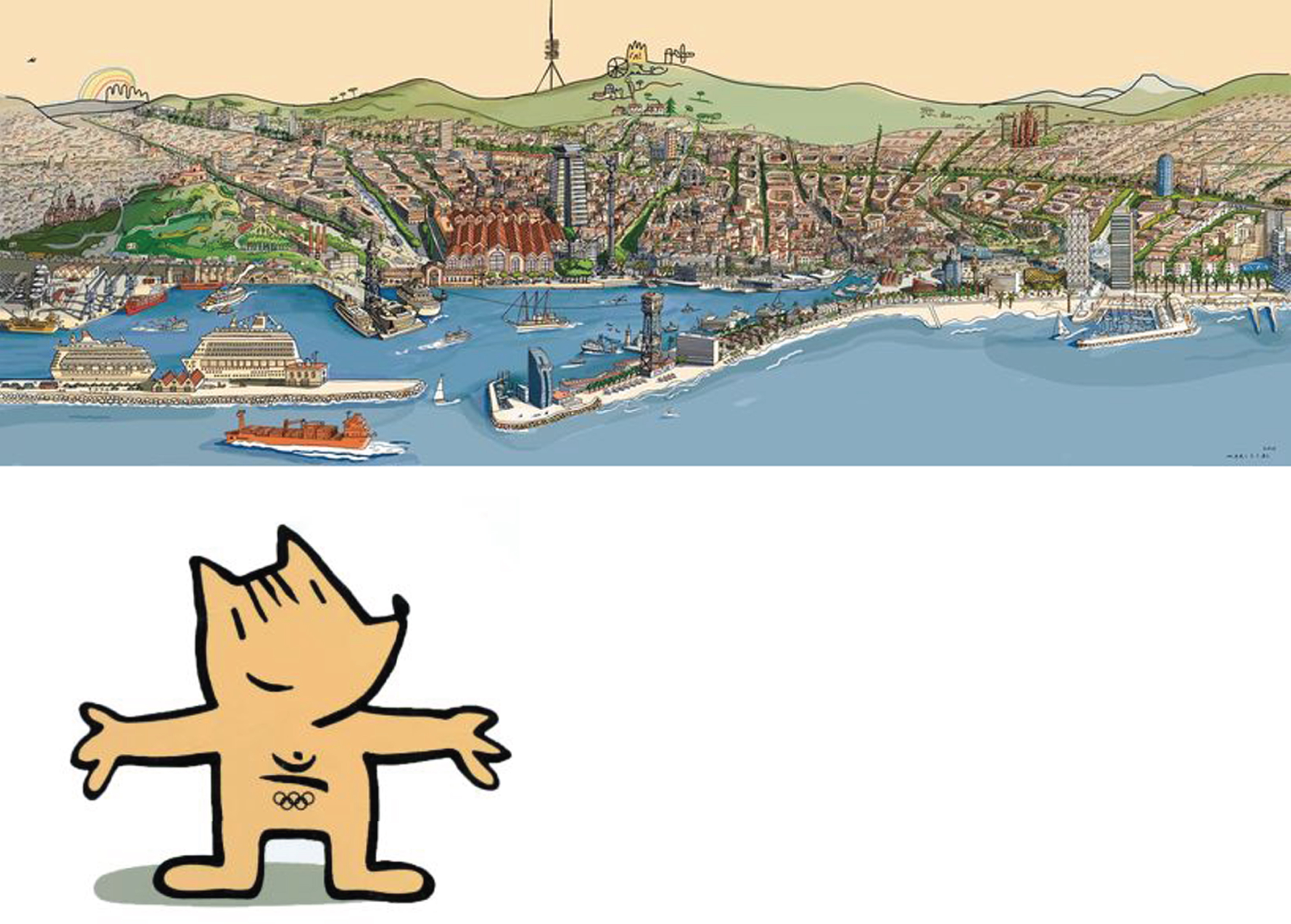
Barcelona and Cobi, the mascot for the Barcelona 1992, by Javier Mariscal, an interdisciplinary artist born in Valencia, working and living in Barcelona since 1970.
2000–2010
During the previous years, a brain bank was developed, from clinical autopsies of indoor patients dying from various diseases, as a facility of the Unit of Neuropathology at the Bellvitge University Hospital. This permitted the collection of brain samples obtained under optimal conditions of short postmortem delay together with rapid freezing of a wide selection of representative brain regions. Importantly, cases were from middle-aged controls, individuals with early stages of neurodegenerative diseases, and aged individuals, as well as from patients who had suffered from neurodegenerative disease and stroke. The bank grew in parallel with that of the University of Barcelona located at the Clinic Hospital which was focused on donors affected by neurodegenerative diseases. Together, the banks were complementary as they included control cases, and early, advanced, and terminal stages of major neurodegenerative diseases, and rare neurological disorders.
In addition, and in the context of the prion crisis at the beginning of this century, I acted as a scientific advisor of the Spanish Survilliance Commission with members of the Ministries of Health and Economy, and at the Department of Health of the Autonomous Government for two years. The management of the crisis was complicated but effective. The creation of a network of local and reference centers permitted the control of the spongiform bovine encephalopathy and the follow-up of the vast majority of patients with rapid dementias. After careful screening over the years, only a few vCJD cases were recorded in Spain. A reference center for studies of prion diseases was also created by the Department of Health in which tasks were shared by the two complementary brain banks. The biosecurity facility for molecular studies of human prion diseases was fully at work at that time at the Bellvitge UniversityHospital.
The Research Network Centre of Neurological Diseases (CIEN) managed by the CIEN Foundation was created by the Ministry of Health independent of the Institute Carlos III. The rationale of the network was to obtain advantage of the main excellent groups working on different topics of basic and clinical neuroscience located in different centers. Groups participating in the network were selected after passing thresholds defined in a call with external revision of the merits; they received a basal budget and additionally funds depending on internal collaborative projects. The idea was not the construction of new buildings but rather to finance research networks by incorporating new members in selected groups and funding big collaborative projects. Small administrative team and minimal equipment was needed to manage the network. I was in charge of the direction of CIEN. The huge experiment was a failure because of the difficulty to assemble and coordinate very different disciplines; too ambitious and extensive. But the experience was very useful and served to create another model centered on particular topics. The new model was based on the CIBERs and RETICs (Biomedical Research Networking Centers and Networks for Cooperative Research in Health, respectively).
Dedication to two projects in Catalonia kept me busy for a period of time. One of them was the design of the Catalan Institute of Neuroscience Network, the other the organization of the Catalan Brain Bank Network both dependent on the Catalan Department of Health. The Institute of Neuropathology was created in 2003 as a branch of the Catalan Institute of Neuroscience. It included laboratories located in the Bellvitge University Hospital, University of Barcelona, and the neighboring Hospital Duran i Reynals. However, the rest of the project was unsuccessful; the Catalan Institute of Neuroscience was aborted due to internal quarrels within the Department of Health.
A coordinated program of Catalonian brain banks including those of the Institute of Neuropathology, the Clinic Hospital, the brain bank of psychiatric diseases at Saint Boi Hospital, and the Pediatric Bank at the Saint John of God Hospital was initially financed by Pharma Industry. Unfortunately, the creation of the Catalan Brain Bank network was not considered a priority by local health authorities; only the two larger brain banks continued to work separately based on their own resources.
In the meantime, the University Hospital of Bellvitge, the Hospital Duran I Reynals, and the University of Basrcelona, Bellvitge campus, together with other members, formed the Institute of Biomedical Research Bellvitge (IDIBELL), a robust consortium and foundation, aimed at developing collaborative biomedical research.
BrainNet Europe was a “Network of Excellence” funded by the European Commission in the 6th Framework Program “Life Science” (LSHM-CT-2004-503039). It consisted of 19 established brain banks across Europe and was coordinated by the Centre for Neuropathology and Prion Research Ludwig-Maximilians-University Munich, Germany led by Professor Hans Kretzschmar. The comprehensive approach to brain banking from management, ethical concerns in the search for common protocols, and collaborative studies geared to a better classification and understanding of neurological diseases, and the advances in molecular procedures adapted to the use of human postmortem material had tremendous consequences; every member of the consortium did their best to produce a plethora of useful practical information for neuropathological and molecular studies of neurodegenerative and mentaldiseases.
Another important European Consortium, Neuroprion (funded under FP6-FOOD, Id: 506579), was composed of 52 partners representing 120 research teams distributed in 20 countries. Neuroprion encompassed more than 90% of the European teams working on prions (more than 50% at the worldwide level) and lasted from 2003 to 2009.
Indabip was a European collaborative project geared to the study of PD (funded under FP6-Lifescihealth, Id: 37050) which was formed by three academic teams and two companies. Indabip started in 2006 and had duration of three years.
The Institute of Neuropathology participated in the three major projects, and received in addition funds for research from Spanish agencies (FIS) and Foundations. The first decade of the twenty-first century represented a fruitful period for the Institute. From the late nineties, about twenty years on from the beginning, an increasing number of technicians, undergraduate students, pre- and post-doctoral researchers, and researchers from different disciplines worked in our laboratories.
Main lines of research were re-directed and focused on neurodegenerative diseases with abnormal protein aggregates, and particularly molecular aspects involved in the pathogenesis of these diseases. Mechanisms of cell death in different paradigms were assessed contributing to better knowledge of mechanisms involved in apoptosis. The observation of altered expression of neurotrophic factors, particularly BDNF and its receptors, in AD and cerebral cortex in HD was pioneering. In AD, decreased BDNF expression, and altered specific receptor expression and localization, indicate defective BDNF signaling. Therefore, treatment with BDNF appeared not to be a suitable therapeutic approach in AD. In contrast, decreased BDNF expression in frontal cortex in HD suggested impaired neurotrophic availability in the striatum, and pinpointed BDNF administration as a putative element to increase neuronal survival in the striatum in HD [57–59]. Altered pro-NGF expression in AD was accompanied by reduced cell survival in cultured cells and the process was mediated by p75NTR. This observation suggested abnormal pro-NGF signaling in AD as a contributory factor to increased neuronal vulnerability [60].
Another focus of study was the characterization of mechanisms linked to phospho-tau production and deposition in AD and diverse tauopathies, and to the characteristics of abnormal α-synuclein in Lewy body diseases (LBD) and multiple system atrophy (MSA). Previous observations had shown the implication of several kinases in tau phosphorylation in vitro. We demonstrated the presence and co-localization of glycogen synthase kinase-3, active p38 (P-38P), active stress-activated protein kinase/c-Jun kinase (P-SAPK-JNK), and active mitogen-activated protein kinase (P-MAPK-ERK1/ERK2) in neurons (and glial cells) containing hyperphosphorylated tau in AD and tauopathies, progressive supranuclear palsy, corticobasal degeneration, familial frontotemporal lobar degeneration due to tau mutations (FTLD-MAPT/tau), argyrophilic grain disease (AGD), and Pick’s disease (PiD). Moreover, immunoprecipitated kinases obtained from the brain of AD and PiD cases had the capacity to phosphorylate specific substrates including recombinant tau [61–69]. On the other hand, abnormal α-synuclein in LBD and MSA had abnormal solubility and aggregation. Importantly, abnormal synuclein had aberrant interaction with certain Rab proteins such as Rab3, Rab 5, and Rab 8, thus impairing the transportation of synaptic vesicles from the storage compartment to the synaptic membrane in PD, dementia with Lewy bodies (DLB), related murine models bearing α-synuclein mutations, and MSA. Abnormal α-synuclein in DLB also contributed to signaling decay of cortical metabotropic glutamate receptor by irregularly interacting with phospholipase C [70–72].
A pioneering observation was that abnormal phosphorylated tau was not only observed in synaptosomal-enriched fractions in AD but also, to lesser degree, in cortical synapses in PD (without AD co-morbidity), and that abnormally phosphorylated α-synuclein (Ser129) was found in synaptosomal-enriched fractions in cerebral cortex not only in PD but also in AD. Moreover, abnormally phosphorylated α-synuclein was identified in PiD [73, 74].
Contribution to the knowledge of altered modulation of neurotransmission in neurodegenerative diseases was exemplified by defects of adenosine A1 receptor (and A2A) and metabotropic glutamate receptor signaling in AD, PiD, and LBDs, among other neurodegenerative disease [75–79].
Altered expression of certain mitochondrial proteins was identified in AD and LBDs. Moreover, activity of complex V (ATP synthase) was reduced in entorhinal cortex at very early stages of age-related neurofibrillary tangle pathology. Altered activity of various mitochondrial complexes was also demonstrated in the cerebral cortex at advanced stages of PD and DLB [80–83].
Molecular alterations linked to unbalanced oxidative stress and oxidative stress responses were identified in AD, PiD, progressive supranuclear palsy, HD, and α-synucleinopathies. Redox proteomics further demonstrated vulnerable targets such as α-synuclein, enolase, aldolase, and glyceraldehydes-3-phosphate dehydrogenase in the cerebral cortex at early pre-motor stages of PD [84–88].
Several studies were focused on PrP and prion diseases, particularly on CJD. Cell death via apoptosis, decreased expression of synaptic proteins, altered expression of ionotropic glutamatergic and GABergic receptors, metabotropic glutamate receptors, adenosine A1 receptors, defective expression of factors involved in protein synthesis, abnormal clusterin solubility and aggregation, and disturbed expression of water channel aquaporin 4 were identified in CJD. Increased glycoxidation, lipoxidation, nitration, and responses to oxidative stress were also demonstrated in CJD. Reduced expression of synaptic proteins, and impaired expression of group I metabotropic glutamate and adenosine 1 receptor signaling, were also demonstrated in the cerebral cortex in a murine model of scrapie [89–94].
Interestingly, cellular PrP was expressed in senile plaques (thus showing a relationship between amyloid-β and cellular PrP) whereas doppel (a PrP-like protein) was located in dystrophic neurites of senile plaques [95, 96].
Closely linked to neurodegenerative diseases of the central nervous system are certain diseases of the striate muscle and heart, as inclusion body myositis and myofibrillar myopathies. The latter are characterized by the accumulation of abnormal protein aggregates in muscle (and heart), such as desmin and myotilin. Several papers described and characterized desminopathies and myotilinopathies; several proteins such as synemin, tau, and phosphorylated TDP-43 were also components of such abnormal deposits. Altered expression of clusterin, components of the aggresome, components of the ubiquitin-proteasome system, activation of the immunoprotesome, and local presentation of MHC class I were also discovered during this time. Following the same approach as in other neurodegenerative diseases, assessment of oxidative stress and responses in myofibrillar myopathies revealed increased oxidative damage and increased expression of oxidative stress responses. Redox proteomics further identified desmin as one of the protein targets of oxidative stress damage in this group of muscular diseases [97–104].
The work carried out in collaboration with a large number of scientists of BrainNet was a useful experience. Some studies were designed to find agreement about methods, gradation, and reproducibility of major pathologic markers of disease such as neuritic plaques, neurofibrillary tangles, amyloid-β, phosphorylated tau, α-synuclein, and TDP-43, as well as in combined pathologies in the elderly. Other studies were centered on the identification of markers of tissue preservation considering antemortem and postmortem factors; optimization and limitations of DNA, DNA methylation, histones, RNA and protein studies in postmortem human samples from brain banks. Another group was focused on particular aspects such as sampling in banks of psychiatric diseases, general management of brain banks, and ethical concerns [105–115].
Studies refined aspects of cell death in the penumbra after ischemia and prenatal cell death in motor neuron disease [116–118]. Other studies include the second report of neuropathological alterations and immunoprotesome activation in AD encephalitis following amyloid-β immunization which was followed by several collaborative studies on the effects of amyloid-β immunization; the first description of a novel mutation (K317M) in MAPT causing FTLD and amyotrophic lateral sclerosis (ALS) with complex neuropathology associated with the presence of globular glial inclusions; one of the first descriptions of globular glial tauopathy; new aspects of AGD and PD; characterization of a family with early onset familial LBD with dementia and extensive tauopathy; NARP-MILS syndrome caused by a novel mitochondrial DNA mutation; reduced ubiquitinC-terminal hydrolase 1 (UCHL-1) expression in DLB; and several reviews on brain vascular diseases and cognitive impairment of vascular origin, among others [119–128].
Two additional points of interest analyzed in collaborative studies were X-linked adrenoleukodystrophy (X-ADL) and veterinary neuropathology.
X-ALD is a severe neurodegenerative disease caused by loss of function of the peroxisomal transporter ABCD1 (ALD), which results in accumulation of very long chain fatty acids (VLCFAs) in organs and serum, central demyelination, peripheral axonopathy, and Addison’s disease. Knockout of the ALD gene in the mouse results in an adrenomyeloneuropathy (a late-onset form of X-ALD). Overexpression of ALD-related gene (ALDR/ABCD2) in ALD KO mice prevented accumulation of VLCFAs and neurodegeneration. In contrast, double mutants for ALD and ALDR exhibited an earlier onset and more severe phenotype than ALD KO mice. This observation represented an advantageous starting point to assess pathogenic factors of the disease and to test drugs directed to specific targets. Subsequent studies showed that inactivation of ALDR in the mouse led to late-onset ataxia, involving mitochondria, endoplasmic reticulum, and Golgi complex damage. Moreover, oxidative stress and inflammation were crucial pathogenic factors. A mini-symposium on X-ALD was coordinated and published in Brain Pathology to update knowledge of this neurodegenerative metabolic disease [129–131].
Veterinary neuropathology is often not properly considered; in fact, specialization in this activity is rare. I have had the opportunity to study a large number of cases thanks to Dr. Martí Pumarola working at the Veterinary Faculty of the Autonomous University of Barcelona. We have spent many hours peering through the microscope in my home and discussing difficult cases. It was diagnosis but also clinical research. We studied the aging canine brain, juvenile neuroaxonal dystrophy in Rottweiler, degenerative myeloencephalopathy in Arabian horses, spongiform encephalopathy in a kitten, neuronal intranuclear inclusion disease in a horse, and motor neuron disease in calves. The study of late neurodegenerative disease in the albino gorilla Snowflake, resident in the Barcelona Zoo, identified neurodegeneration with brain iron accumulation type I. Some papers were published in that period but fruitful neuropathological debates are still alive today[129–131].
Unfortunately, we failed in the creation of an animal brain bank linked to the Barcelona Zoo.
Historical notes
Several important historical and social events occurred during the first decade of the twenty-first century. Personal computers broke the 1 GHz barrier in 2000; Wikipedia and iPod were launched in 2001; the first cyborg was created in 2002; the Human Genome project was completed in 2003; Facebook was launched in 2004, YouTube in 2005, and Twitter in 2006; graphene was isolated in 2004; and USB flash drives replaced floppy disks in 2005. George Bush was elected president of the USA in 2001; the Iraq war led by USA in partnership with the United Kingdom and Spain started in 2003; Saddam Hussein was captured and his execution by hanging in 2006 was widely broadcast.
That decade also globalized a new form of war. Terrorist incidents, many with casualties, numbered 170 worldwide only in 2000, with twenty-two in Spain carried out by ETA. A coordinated aerial terrorist attack struck the USA in 2001 with more than 3,000 dead; another, Indonesia in 2002; a train attack killed hundreds in Madrid, Spain in 2004; suicide bombers killed and injured several hundred in London, UK in 2005; multiple suicide bombings killed 700 people in the north of Iraq in 2007. In all cases, terror was expanded through the media with a multiplying effect. New terrorists were fascinated and recruited using the global media. Some years later, the journalist James Wright was kneeling backwards to a ninja in disguise in a remote desert; beheading was recorded on video and exhibited worldwide as a presentation of ISIS (Islamic State in Iraq and Syria).
One of the first responses against terrorism led by al-Qaeda was the invasion of Afghanistan by the USA in 2001 followed by the inclusion of NATO in 2003 in an attempt to reduce the Taliban’s power and trap Osama bin Laden, which was not achieved until 2011, killing him in Pakistan. Mujahadeen power, a precursor to the Taliban and formerly supported by the USA in the fight of Afghanistan against the USSR years before, has had devastating effects on the local population and it is still alive today without control.
Vladimir Putin was President of Russia from 2000 to 2008, Prime Minister from 2008 to 2012, and again President from 2012 until present. Angela Merkel has been Chancellor of Germany since 2005, and her general policy regarding the European Union is similar that of Helmut Kohl, a key person in the construction of a peaceful and united Europe; Barack Obama was sworn in as 44th President of the USA in 2009, and Hu-Jintao the President of the People’s Republic of China from 2003 to 2013. The selection of these names and countries is not random; they rather reflect the major blocks that now lead and will model the near future of our world. These players are not unique and other Asian, European, and Latin America emerging countries will also have a place as mainactors.
The terrorist attack in Madrid had political consequences as it occurred three days before the general elections; the Conservative party went down because, in part, of the obtuse management of the catastrophe. The Socialist party won the elections in 2004 and in 2008, remaining in power until 2011.
2010–2016
The European financial crisis started in 2008 and was especially dramatic in certain European countries such as Portugal, Spain, and Greece. The crisis in Spain was due, in part, to the housing bubble, together with the lack of foresight and lack of attenuation measures at the beginning of the crash. The crisis had devastating effects on young people, macro- and micro-economic indicators, and unemployment rates. This was accompanied by alarming generalized corruption at all levels principally around local, autonomous regional, and state governments, private companies, and banks.
In 2008, the Spanish government promised a new Silver Age of science that would comprise the creation of a new Ministry of Science together with major, long-awaited investments in research and development. Unfortunately, those expectations did not translate into reality. The tabled 2010 national budget proposed that funding for the Ministry of Science should be cut by more than 15%, thus returning to 2006 levels. In fact, the situation was more serious given that the new Ministry also comprised the Health Institutes, which were previously the oversight of the Ministry of Health. Research institutions depending on the ministry suffered up to a 30% reduction in government contributions from 2008.
Despite this scenario, two important factors contributed to the survival of the Institute of Neuropathology. One of them was its membership in CIBERNED (Network Research Center for Research of Neurodegenerative Diseases) of the National Institute of Health Carlos III. CIBERNED had its origin on the former CIEN (Research Network Centre of Neurological Diseases) managed by the CIEN Foundation. CIBERNED includes major groups focused on clinical and translational research on neurodegenerative diseases, and finances internal collaborative projects.
The other was the partnership in the European Project DEVELAGE (FP7-HEALTH, 278486) led by Dr. Gabor G. Kovacs of the Medical University of Vienna, lasting from 2012 to 2014. The aim of the project was to characterize shared molecular pathways between early developmental processes in the brain, brain aging, and age-related neurodegeneration. Institutional funding of projects by the Institute of Health Carlos III and funding from private Foundations were crucial in that period as well.
As a result, we were fortunate as the impact of the crisis was attenuated excepting the notable fall in salaries. However, the Unit of Neuromuscular diseases decided to act independently and eventually no clinical and research interaction was visible between muscular diseases and central nervous system disorders.
Collaborative studies in the context of BrainNet continued during that period yielding several publications focused on vascular diseases, prion diseases, and combined pathologies [137–143]. Characterization of altered molecular pathways in the cerebral cortex in AD, LBDs, HD, ALS, and prion diseases also progressed following the use of combined -omics.
Transcriptomics, proteomics metabolomics, and lipidomics, followed by bioinformatic processing of the data, were used in combination in selected brain regions and determinate stages of disease, mainly in AD and LBDs. This approach proved to be very fruitful as it permitted researchers to assemble alterations of multiple metabolic pathways in the pathogenesis of neurodegenerative diseases from a single experimental design using the same methods and same hands. Mitochondrial alterations and dysfunction of certain enzymatic complexes of the respiratory chain and energy metabolism, alterations of protein synthesis from the nucleolus to the ribosome, endoplasmic reticulum stress and chaperone activation, deregulation of the UPS (including activation of the immunoproteasome), altered autophagy, modifications in purine metabolism, and lipid composition of membranes, especially of lipid rafts, were recognized in all the diseases examined. However, altered mRNA and protein expression differed from one disease to another, from one region to another, and from one stage of the disease to another. These observations add complexity to the pathology of diseases as never envisaged by the study of morphological and immunohistochemical neuropathology alone. The relation of these abnormalities with specific key proteins was also examined mainly in LBDs including the identification of abnormal α-synuclein in the nuclei, mitochondria, and synapses in frontal cortex even at relatively early stages of the disease [144–151].
These observations also have practical implications in many ways. For example, inflammatory deregulation appears at early stages of the diseases and is disease-, region-, and stage-dependent. Therefore, modulation of inflammation in these diseases cannot be solved at random but must be target-directed. Alterations in lipid metabolism and composition of lipid rafts are also disease-specific [152–156]. Application of metabolomics proved useful to increase understanding about selectedpathways [157].
A particular focus of study was tauopathies. We showed mitochondrial dysfunction and endoplasmic reticulum stress in AGD; new cases of GSS bearing the PRNP P102L-129V mutation with extensive tauopathy mimicking AD but without amyloid-β deposits; and characterization of thorn-like astrocytes followed by analysis of phospho-specific sites, conformational modifications, and truncated tau in astrocytes and neurons in various tauopathies [158–161]. Another study showed definitive evidence of 4R tau alterations HD [162]. Reviews focused on early molecular alterations in AD and PD were published [163, 164].
Two international harmonized studies delineate the spectrum of globular glial tauopathies (GGT) and the concept of ARTAG (age-related tau astrogliopathy) [165, 166]. GGT embraces distinct tauopathies with globular inclusions in oligodendrocytes and astrocytes with variable neuropathology and clinical manifestations. ARTAG refers to the presence and particular distribution of thorn-like astrocytes in subpial, periventricular, and perivascular regions, as well as clusters in the basal forebrain, and temporal and frontal white matter; all of this is together with astrocytes with long processes and small varicosities in the cerebral cortex.
Megalencephalic leukoncephalopathy with subcortical cysts is a rare primary astrogliopathy linked to mutations in MLC1. The mechanism of degeneration is due to the disruption between MLC1, GLIALCAM, and CIC-2 which lead to glial chloride channel dysfunction [167, 168].
ALS was the subject of several studies and it is an active line of research, together with FTLD-TDP, in our laboratories today. The first studies were centered to learning about oxidative stress and reticulum stress in the pathogenesis of ALS and related SOD1 transgenic mouse models. This was followed by attention to TDP-43 changes induced by oxidative stress, early and gender-specific differences in mitochondrial function, and oxidative stress in murine ALS, as well as interplay between TDP-43 and docosahexaenoic acid-related processes in ALS transgenic mice [169, 170].
Investigation in prion diseases was extended to genetics, functions of cellular prion protein, and alterations linked to pathogenic PrP [171–175]. Regarding functions of cellular prion protein, cellular PrP ablation and cellular PrP overexpression resulted in several modifications in gene expression, thus indicating the interaction of PrP with other molecules. Among these, epidermal growth factor receptor expression is regulated by PrP expression levels; cellular PrP confers neuroprotection in front of excitotoxic-induced seizures; and cellular PrP expression participates in the regulation of tau protein levels and tau phosphorylationin AD.
Following the same methods as those in other neurodegenerative diseases, we demonstrated altered mitochondria, protein synthesis machinery, purine metabolism, and detailed inflammatory responses in sporadic CJD. In the same line, new molecular defects were reported in target brain regions in fatal familial insomnia [176, 177].
The field of cerebrospinal fluid biomarkers was also expanded in prion diseases, and in other neurodegenerative and vascular dementias [178].
Epigenetic modulation was assessed in certain diseases. We analyzed small pieces of interest which were directed toward understanding particular alterations of mRNA expression identified in previous years. The expression of a few genes in AD was modulated by DNA methylation whereas a vast majority was not. Selected examples were the association between hypermethylation of the phosphatase DUSP22 promoter, PKA-dependent tau phosphorylation, and CREB activation in AD; and the relationship between expression of certain cytokines, but not others, and DNA methylation of the corresponding promoters. On the other hand, human DNA methylomes of neurodegenerative diseases showed common epigenomic markers. Abnormal mitochondrial DNA methylation was also observed in the substantia nigra in PD and in the cerebral cortex in AD [179–183].
We identified early downregulation of miR-34b/c in PD using micro-arrays; miR34b/c silencing resulted in downregulation of mitochondrial function in cell culture. Curiously, miR34b likely regulates the striatal expression levels of A2AR at early stages of PD. However, we still do not know how to assemble all the factors which converge in altered mitochondrial function in LBDs [184, 185]. Long non-coding antisense RNA controls Uchl1 translation through an embedded SINEB2 repeat [186].
Small CAG-repeat RNAs in huntingtin gene produced neurotoxicity, thus indicating a pathogenic role of abnormal RNA, in addition to the well-known deleterious effects of the abnormal protein product in HD [187].
Hemoglobin was identified in neurons; reduced expression of neuronal hemoglobin was shown in AD, LBDs, and other neurodegenerative diseases [188, 189]. The characteristics of the hemoglobin and its possible function are being assessed, but preliminary work suggests different molecular characteristics than those of mature red blood cells, relative independence of alpha and beta chains, and possible functions not necessarily linked to oxygen transport but rather to redox homeostasis.
We also reported a new familial behavioral variant frontotemporal dementia associated with astrocyte-predominant tauopathy not linked to MAPT mutations but to a new FUS variation [190]; and phenotypic variability within the inclusion body spectrum of basophilic inclusion body disease and neuronal intermediate filament inclusion disease in FTLD with FUS-positive inclusions [191]. Moving to muscular diseases, a new cardiac and skeletal protein aggregate myopathy associated with combined MuRF1 and MuRF3 mutation was identified [192].
The presence of olfactory and taste receptors, and their obliged signaling pathways in the central nervous system was discovered by serendipity during the course of two separate gene expression arrays in the human and mouse brain. The function of these receptors is not known but it is likely not related to the detection of odors and flavors. Probably, their function is rather associated to yet undeciphered archaic autocrine or paracrine signaling system in nervous system with specialized roles as it happens with other ectopic olfactory and test receptors in other organs. Olfactory receptors in dopaminergic cells react to various external ligands thus indicating that they are active receptors. Importantly, the expression of these receptors is modulated in neurodegenerative diseases with abnormal protein aggregates as in AD, PD, DLB, and CJD in disease-dependent manner. Curiously, some of them are downregulated but others (mainly taste receptors) are usually upregulated [193–196].
The fact that the major risk factor of most neurodegenerative diseases is aging, and that oxidative stress and low levels of inflammation are characteristic in the elderly, prompted us to study the putative role of oxidative stress and inflammation in the regional vulnerability linked to aging and major neurodegenerative diseases, particularly AD. Our results demonstrated that at around sixty-five years of age there is a shift in the balance of oxidative stress and oxidative stress responses with increased oxidative damage; this is accompanied by altered expression of certain lipids and fatty acids linked to inflammation. However, at the local scale no clear relationship was found among these factors, indicating that although oxidative damage and inflammation occur in the aged human brain, they are not sufficient to explain brain regional vulnerability [197–200].
We also used murine models of β-amyloidopathy, tauopathy, AD, and HD, as well as mice expressing human prion protein inoculated with CJD brain homogenates to test putative agents directed to altered metabolic pathways identified in human studies [201–205]. Parallel experience with X-ALD mice was useful to test several therapeutic agents directed to specific targets in that model [206–209]. In the same line, agents such as triheptanoin supplementation to ketogenic diets, rapamycin, poly-(propylene imine) glycodendrimers, trans-resveratrol, carabamylated-erythropoietin, fibrinogen-derived γ377-395 peptide and levetiracetam derivatives were assessed in AD murine models. Effects of lipid unsaturation diet on survival and oxidative damage on murine models of ALS were also assessed. Some treatments failed but others were successful and were further analyzed in detail for possible application in human trials. The best candidates in murine AD models were combinations of cannabinoids which can act through CB1 and CB2 receptors [210–217]. The next step in this journey is the use of a combination of cannabinoids in a clinical trial with patients suffering from cognitive impairment andearly AD.
Historical notes
From 2010 to 2016, many important changes occurred in the world. The Arab Spring or Arab Revolution started as local revolts in 2010 and involved in the subsequent months several countries such as Tunisia, Egypt, Yemen, Syria, and Iraq. Uprisings also occurred in other places: Algeria, Morocco, Lebanon, Iran, Kuwait, Jordan, Bahrain, and Sudan. Movements were directed against local oppressive governments to install democracy. Yet substantial revolts turned into civil wars; Tunisia seems to be the only country in which an optimistic future is feasible in the short term; Egypt is dominated by instability; and Syria, Yemen, and Iraq are currently experiencing bloody civil wars complicated by the dominance of terrorist attacks from self-proclaimed ISIS and many other minor groups. A new phenomenon of the revolts was the use of social media— Twitter, Facebook and other mobile applications— especially in Tunisia and Egypt to get information of what was happening in other places. No less important has been the Al-Jazeera broadcast which has not satisfied the aspirations of governments of neighboringcountries.
Today, global terrorism is not limited to this region but it also strikes Afghanistan, Pakistan, Central Asia, the Philippines, Malaysia, Indonesia, and other countries throughout Asia. Russia and European countries are continuous targets of suicide attacks. Boko-Haram and other groups in the Sahel, particularly in North Nigeria, are further sources of terror with local impact.
In Spain, ETA was still active in the name of democracy and freedom for the Basque country. We must never forget that ETA was menacing, kidnapping, and killing people during forty years after the end of the Franco regime in a fully democratic country with full accomplishment of democracy.
The financial crisis in 2008 led to the loss of job positions, and low salaries and alienation of lower and middle classes. This occurred with increased immigration from North Africa, Asia, the Middle East, and Eastern European countries. There was a rise in terrorism, and local interests have triggered populist movements and incited a revival of old nationalisms, instead of facilitating common policies of all members of the European Union. In the past few years, refugees escaping from the war in Syria and other places of Middle East, and immigrants, dying by the hundreds in the Mediterranean waters, looking for better places to live instead of their original Sub-Sahara countries, have invaded Europe. The European Union has failed to solve this tremendous humanitarian challenge with a common policy.
In Spain, this phenomenon has yielded the end of bi-partisanship in Spanish government, and an increase in nationalist ideology and separatism in Catalonia.
Nationalist ideology boiled slowly for the last twenty-five years and exploded following the refusal of the central Government to carry out a local illegal referendum to decide upon the willingness of the Catalan people to be independent of Spain. However, the scenario is severely contaminated: the former Nationalist Party which governed Catalonia for more than twenty-five years is being prosecuted for corruption and fraud for facilitating public and private work to certain providers after receiving a percentage of the total budget. Jordi Pujol, the father of modern Catalan nationalism, and his family are accused of fraudulent enrichment and capital flight to tax havens. The problem is very serious as it is not a simple opposition between Catalonia and the Spanish Government, but Catalonia itself is divided into two equal barely reconcilable parts, one dominated by the local government generating state structures for a new nation/state with unknown definition. Attempts to control the rule of law, the lack of independence of the media, and indoctrination in the schools are certainly not guarantees of democracy in the new regime. The other half of the Catalan population is still amazed and incredulous about the possibility of an independent Catalonia. Additionally, arrogance and obstinacy of the Spanish Conservative party, and major divisions and lack of negotiation among major political parties makes a coordinated effort to find a negotiated solution all the more difficult. Deep emotional feelings are not easily buffered by reason.
Corruption is not exclusive to Catalonia but many other local and state administrations are awaiting the decisions of the courts. Corruption is, at present, one of the recent discoveries of the hidden life of many Spanish politicians, and the top echelon of banks and public administration, in addition to several private companies.
2016-ONWARDS
Historical notes
The world’s population in 2017 is approximately 7,515,600,000 inhabitants: in Asia: 4,478,320,000; in Africa: 1,246,510,000; in Europe: 739,210,000; in Latin America: 647,570,000; in North America: 363,224,000; and in Oceania: 40,470,000. Certain highlights matter: China: 1,372,100,000; India: 1,282,000,000; USA: 328,130,000; Indonesia: 260,580,000; Nigeria: 191,840,000; Russia: 143,376,000; Japan: 126,050,000.
The global situation is complicated and there are signals of change. A populist is leading the USA; his aggressive behavior with his allies and the type of introspective economic policy has no precedents in this country. Russia is trying to establish and safeguard its borders in the South and West which were lost in part after the fall of the USSR. At the same time, Russia is a major provider of gas to Finland, Germany, Ukraine, and other European countries. China settled its borders invading Tibet and then controlling the sources of the main Chinese waterways and preserving these territories from the neighbors in the South by the Himalayas, and also controlling (albeit with continuous troubles) the remote region of Xingjiang. Now China expands peacefully in Africa creating macrostructures, railways, pipelines, and connections at low cost, negotiating primary natural products, and selling mobile phones and motorcycles to a wide public. China also would like to have its own control between the Pacific and the Atlantic oceans beyond Panama by financing and controlling a new canal in Nicaragua. Islamic countries in Africa and Asia still need to overcome their internal ethnic and religious barriers before being considered motors of humanistic and scientific progress. Sub-Saharan Africa is still a failed great promise. Central and South America may progress in the coming years provided that resources are better distributed and obsolete governs are replaced by democratic ones. Disarmament and negotiations with the FARC and reduction of narcotrafficking in Colombia is encouraging, but the situation is worsening in Mexico.
Europe seems to be breaking into pieces. The UK has approved its intention to leave the European Union and several nationalist parties in different countries defend a program of European involution. Then this is time either for European dissolution or for a European renaissance. Germany and France are the main forces, but the other countries perhaps at different velocities, are crucial as well. The spirit of people like the recently deceased Simone Veil (President of the European Parliament from 1979 to 1982) must be present but also the idea that the concept of historic nations has to be shifted to states, and to consider Europe as a real emotional supranational structure which would permit us to live together each preserving his or her original roots. However, in Spain we must first nip in the bud the catfighting (best represented by Goya) between conceited political leaders, and find a pact of the principal parties to reach a desirable understanding (Fig. 3). The potential roles of Spain and Portugal as bridges between Europe and Latin America are rather wishful thinking; Simon Bolivar’s revolution and the subsequent subdivisions in the North and West, and José de San Martí in Argentina, eroded this eventuality in the early nineteenth century.

Riña de gatos (cat fight), Francisco de Goya y Lucientes (1786); Museo del Prado, Madrid.
When I look at history and at my life, the myth of Sisyphus comes to my mind. Sisyphus is represented rolling an immense stone up a hill, only to watch it come back repeating this action for eternity. It is the vain contest of human beings to reach wisdom, and the absurdity of looking for non-realistic goals. However, the struggle itself is enough to fill a man’s heart. It is as natural as the cycle of the sun rising and shining every day, like the up and down movement of the waves. Sisyphus is also onomatopoetic susurrant sound (“siss phuss”) made by the breath in the nasal passages.
Never-never land in my mind was created for pleasure against boredom and dystopia.
Personal notes
Regarding my position in the Hospital, I was declared retired at the age of 65 years following the Spanish law, with a remaining position of Senior Consultant due to my duties as a Professor at the University. As a result, I have no organizational, management, or decision-making power. The Institute of Neuropathology does not exist anymore, and the laboratories in the Bellvitge University Hospital, including the laboratory for the study of prion diseases, were dismantled in 2016 and 2017. The website was sealed. More than 800 publications and 35 Doctoral Theses have been produced so far. Yet the laboratories at the University and at the Hospital Duran i Reynals are still active. New projects are on the burners, and several pre-doctoral students have to finish their work to obtain their PhDs. I will be definitely retired at the age of 70.
Neuropathology has changed through this long period. As in other countries, neuropathologists lost strength in the hospitals because of the general decrease in the number of general autopsies. The creation of brain banks has balanced this situation in many autonomous regions beyond the pioneering centers in Barcelona and Madrid. Generations of young and middle-aged neuropathologists are hopeful indicators of the continuity of neuropathology and availability of well-preserved brain samples for research in Spain.
I have to admit that I was dyslexic and dysgraphic before these conditions were recognized, and I managed with these defects until now. Curiously, I have X-linked color blindness, and I name and perceive colors in a different way from what normal people do. Yet I enjoy the fauves, impressionists, and expressionists which are by far the artists I love the best, in addition to Francisco de Goya, who represented the various and contrasting characteristics of Spaniards in brilliant oils on canvas, engravings, tapestries, cartoons, and drawings. I can spend days marveling in front of such wise masterpieces (Fig. 4). Alberto Giacometti’s sculptures are stirring and very moving to me. I forgot to mention that I was practicing sculpture before and at the time of studying medicine. A bad experience in Paris frustrated dedication to this ambition.

The Wait (Margot), Pablo Picasso (around 1901); Picasso Museum Barcelona. Other names: Morphine addict; Pierreuse, la main sur l’epaule; Woman Made Up; Red Woman; Figure of Woman.
Regarding art, I am impressed before Romanesque churches and Gothic cathedrals, and I am immersed in a pleasant state inside the temples illuminated by the light reflected across stained-glass windows. These are manifestations of art, but they are also the result of the successful application and balance of physical forces carefully assessed by architects and craftsmen working with stone, timber, metals, and glass. Painting, sculpture, and music can also trigger deep emotions related to happiness.
But the feeling of beauty may also occur in science. I can envisage the feeling of beauty listening to apparently complex concepts such as curved space, the quantum theory of energy, the formation of the universe, elementary particles, and dark holes as revealed by physics, and more precisely by physicists, throughout the last century. I feel pleasure and contentment after reading “On the Origin of Species”, the “Structure of the nervous systems of human and vertebrates”, and the theory of the double-helix of DNA, provided that we have the basic insight needed to capture the meanings of such tremendous products of science. I can also enjoy the results of our own experiments and the discoveries of other scientists. I can discover beauty after elucidating apparently minor aspects of molecular interactions and biological processes.
Time has passed and I am not longer in the habit of riding horses in the countryside of the mountain chain that borders Barcelona to the northwest, nor do I go snorkeling and diving in the Cap de Creus, where the Pyrenees penetrate into the Mediterranean, as often as I did years ago. But forests and the sea are still exciting and impressive as they will forever be.
I believe that we also have a social commitment and we need to be aware and generous to return what we owe to the community. Scientists may not be isolated in a world reduced to their experiments; they have, like any other members of the human collective, some obligations towards society. Honesty, working against corruption and fraud, defense of human rights, active involvement to protect children and women worldwide, and respect for minorities, are part of this goal. Esteem and caring for non-human beings and nature are also important.
As in other activities, we need to have an open mind about our culture and others, and about history. We also need to be aware that our actions will have repercussions on the people who come after us.
The path has not been and it is not easy; mistakes and errors have been common and still arise although less frequently; disappointment and discomfort occurred when the results were far below my expectations; exasperation, disorientation, and frustration appeared at times. However, we have a lifespan to develop resilience, endurance, and courage to improve our efforts to these ends.
Research, as well as other activities, depends on the knowledge provided by other investigators and colleagues. I am grateful to my teachers and mentors. I must manifest that my research has been, and is, a combination of personal effort and the effort of my collaborators, students, and technical and administrative staff. I am also pleased at having met a considerable number of people worldwide, having learned but also having enjoyed their conversations and company. It is impossible here to name even a mere few, but they probably already know my affection for them.
NOTES ADDED IN PROOF
After writing the manuscript, two important events occurred in Spain: 1) A radical Islamist terrorist attack struck key touristic places in Barcelona the 17th and 18th of August 2017, killing sixteen and wounding more than 100 people from many different countries; and 2) The Parliament of Catalonia approved the Referendum Law and the Transition Policy Law, also known as the Law of Disconnection between Catalonia and Spain, the 6th and the7th of September, respectively. The laws were declared illegal by the Spanish Constitutional Court and the Catalan High Court of Justice. Yet theCatalan government did not care. The illegal referendum was held the first of October; the Spanish government clumsily responded with police repression while the regional police remained on the side of the Catalan government. Unilateral independence was declared by the President of the Autonomous Government of Catalonia the night of the 10th of October 2017, only to be annulled by the same President 80 seconds later in an attempt to start negotiations with the Spanish Government— mimicking the scenario presented by Slovenia 27 years earlier in the context of the break-up of Yugoslavia. The crisis did not end that day but Catalan society itself definitely fell apart. The reconstruction of an acceptable relationship between Catalonia and the rest of communities in Spain will require the efforts of several generations. If it were not so sad, the situation would suggest the painting of Hieronymous Bosch (Fig. 5) “The Extraction of the Stone of Madness”, or in some aspects Pieter Bruegel “Landscape with the fall of Icarus”.

Hieronymous Bosch, The Extraction of the Stone of Madness (1501–1505), Museo Nacional El Prado, Madrid.
