




Abstract
BACKGROUND:
Information regarding the relationship between methods for assessment of voluntary and involuntary muscle contractile properties is of importance in sport science and medicine.
OBJECTIVE:
To appraise the concurrent and predictive validity of isokinetic dynamometry and tensiomyography (TMG) in differently trained men and women.
METHODS:
Fifty men and 45 women were divided into three groups: physically inactive, physically active and athletes. Isokinetic testing was performed on knee muscles in concentric mode at 60 and 180
RESULTS:
A small, statistically significant correlation was detected between the peak moment and tensiomyography parameters relating to contraction time and maximal displacement (Adj. R
CONCLUSION:
In general, isokinetic dynamometry and tensiomyography are not related and represent different technologies that measure different contractile properties of muscles. A hierarchical structure of predictive validity at the level of individual variables was detected as a function of gender and training level.
Introduction
One of the basic properties of muscle tissue is the ability to contract, that is, react to stimuli by increasing tension and changing its length [1]. Muscle contraction can be voluntary or involuntary.
Voluntary muscle contractions are characteristic of skeletal muscles, are generated by cerebral cortex in response to perceived need, and play a central role in human movement [2, 3]. On the other hand, involuntary muscle contractions are controlled by the autonomic nervous system, are exerted by smooth muscles, but may also occur in skeletal muscles due to various factors (reflexes, neuromuscular conditions, electrical stimulation) [4, 5, 6]. Involuntary muscular contractions of skeletal muscles evoked by electrical stimulation have a particular role both in sports and clinical practice and are extensively investigated. In addition to being used in rehabilitation and training process, electrically-induced contractions enables the acquisition of meaningful information about the contractile and mechanical properties of muscles as well as the conductivity of the nervous system [7, 8].
A number of methods are available for assessing muscle contractile and mechanical properties. Among these, isokinetic dynamometry and tensiomyography (TMG) are currently employed. Isokinetic dynamometry is considered the gold-standard method for measuring muscle strength at constant angular velocities [9, 10, 11]. TMG is a relatively new tool for assessing the morpho-functional potential of skeletal muscles to determine the involuntary mechanical response to a single electrical stimulus under isometric conditions. This mechanical response is expressed by transverse muscle belly displacement [12].
To-date no studies have attempted to examine the relationships between isokinetic dynamometry and TMG for the assessment of voluntary and involuntary muscle contractile and mechanical properties. Therefore, the aim of the present study was to appraise the concurrent and predictive validity of isokinetic dynamometry and TMG in differently trained men and women and to compare these methods according to the gender and training level. Based on the findings of some previous studies which indicated a certain significant correlation between TMG and various methods for assessment of muscle strength (isometric and isotonic/isoinertial dynamometry) [13, 14, 15], it was hypothesized that there would be significant correlation between these methods and that these methods have some predictive values.
Methods
Participants
The sample of participants consisted of 95 individuals (50 men: age
The PI group consisted of sedentary adults who did not take part in regular and systematic physical activity. The PA group consisted of adults who took part in physical activities 2 or 3 times per week but did not take part in daily, systematically planned physical or training activities. The level of physical activity in PI and PA group was determined by a valid questionnaire on eating habits, physical activity and lifestyle [16]. AT group consisted of athletes from strength and power sports (judokas, wrestlers, karatekas, boxers, kick-boxers, sprinters – swimmers, cyclists and runners) regularly engaging in sports training, who had competitive experience in their sport of choice of no less than 5 years and who actively competed in higher league ranks of the sports they participated in.
All the participants were made acquainted with the goals and procedures of the research and the testing included individuals who had voluntarily agreed in written form to participate in the research. All the study procedures were carried out in accordance with the Declaration of Helsinki and the rules of the Ethics Committee of the Faculty of sport and physical education University of Belgrade (IRB: 484-2, 2011–2018, project number III47015 – Ministry of science of Republic of Serbia). Testing was carried out from May to September 2016.
Procedures
The participants were tested by randomized cross measurement method, where, using the random sample method, in one group of subjects measurements on TMG were carried out first, and after a break of half an hour, measurements on the isokinetic dynamometer were performed, while in other group measurements were made in reverse order (participants arrival is arranged individually according to their free time and training schedule of athletes). All measurements were performed under the same conditions. The participants were tested in the morning, they were well rested, not practicing physical activity in the 24 hours preceding the testing, and all tests were performed by the team of researches which included three experienced personnel. All measurements were performed in the Methodology-research laboratory of the Faculty of Sport and Physical Education at the University of Belgrade, Serbia.
The isokinetic evaluation of voluntary muscle contractile properties was carried out on an Kin-Com AP125 isokinetic dynamometer (Chattecx Corp., Chattanooga, TN, USA). Measurements were done on the dominant knee flexors and extensors in concentric mode at 60 and 180
Correlation between peak moment of quadriceps muscles measured at speed of 60 and 180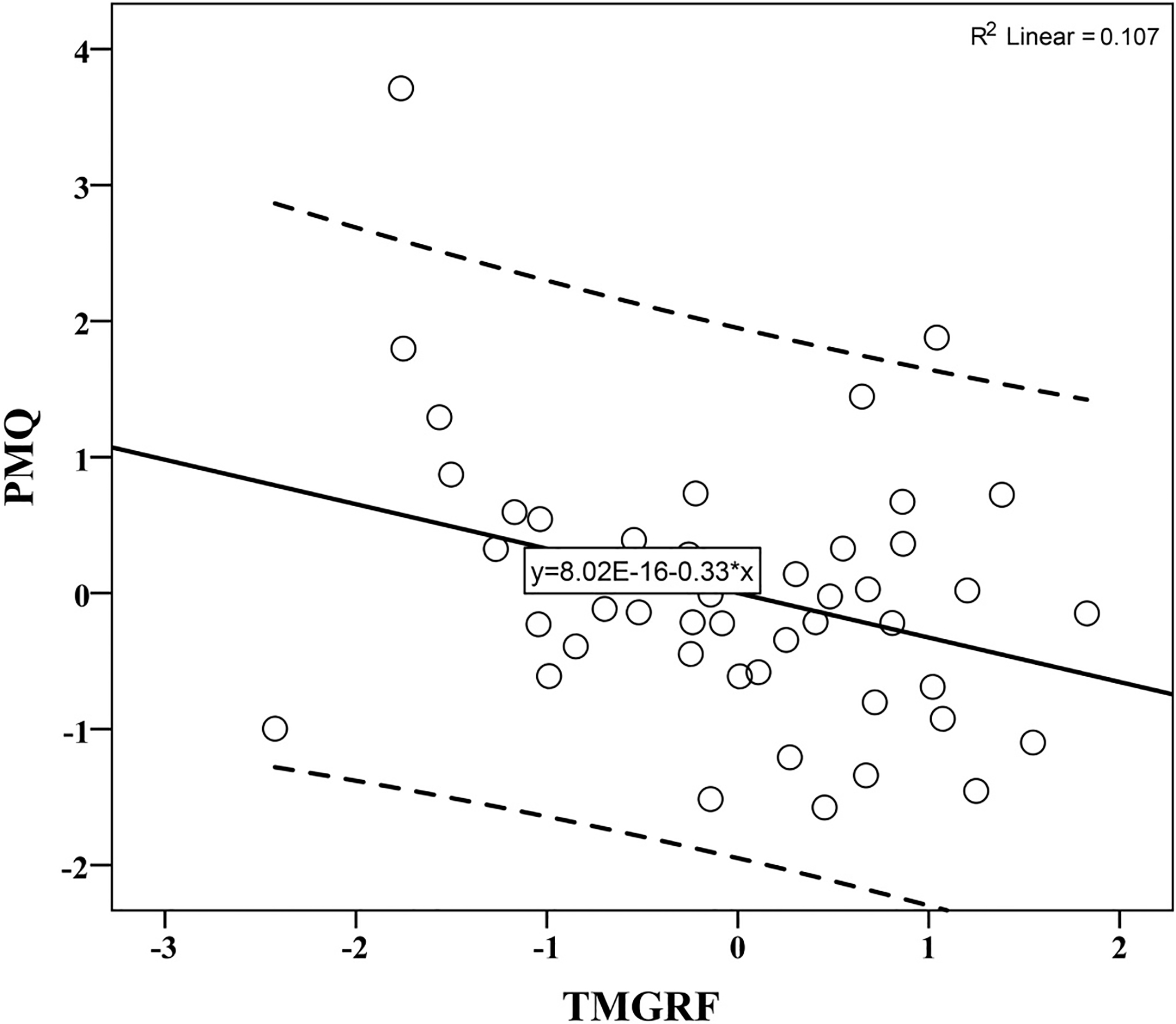
The measurement of involuntary muscle contractile properties was carried out using the method of tensiomyography (TMG-BMC Ltd, Ljubljana, Slovenia). The testing was carried on the rectus femoris (RF) and biceps femoris (BF) muscles [27]. Measurements were performed in standardized position, static and relaxed conditions, with the subject in the supine and prone position, to assess RF and BF muscles, respectively, while the knee joint was fixed at an angle of 120
Descriptive statistics (Mean
PI – Physically inactive, PA – Physically active, AT – Athletes, M – Men, F– Women, PM (Nm) – Peak moment, Tc (ms) – Contraction time, Dm (mm) – Maximal displacement, Q – Quadriceps muscles, H – Hamstring muscles, 60 – Angular speed of 60
Correlation between parameters of isokinetic dynamometry and TMG according to gender
Q – Quadriceps muscles, H – Hamstring muscles, 60 – Angular speed of 60
Of the statistical procedures in the study we used the descriptive analysis to describe the measured variables (Mean, SD). Pearson correlation coefficient and linear regression analysis were applied to define concurrent and predictive validity of examined methods, where for each correlation between measured variables the prediction equation is defined using mathematical modeling. For additional confirmation of the initial hypothesis, factor analysis and ANOVA with Bonferroni post hoc test were used. Factor analysis was used to determine standardized multidimensional scores (Z scores – centroides) of all isokinetic dynamometry and TMG parameters of flexor/extensor muscles in differently trained men and women. After determining mutually Z score, linear regression was used for purpose of obtaining general correlations between methods and to compare these methods generally (according to gender) and partially (according to training level). ANOVA was used to determine the differences in isokinetic and TMG parameters between the groups. The level of statistical significance was calculated at 95% with
Results
Table 2 presents the results of the linear correlation analyses between the parameters of isokinetic dynamometry and TMG. A statistically significant negative correlation was detected between the PM of the quadriceps and hamstring measured at both speeds and Dm (
Based on the results presented in Table 3, the highest correlation coefficients between the two methods’ parameters were observed in the PI group (
Correlations between parameters of isokinetic dynamometry and TMG in differently trained subjects according to the gender
Correlations between parameters of isokinetic dynamometry and TMG in differently trained subjects according to the gender
Table 4 presents the results of the regression analysis and prediction equation model for those parameters which showed a significant correlation. The coefficient of determination (R
Single partial level relation: Regression analysis and predictive equation model
PI – Physically inactive, PA – Physically active, AT – Athletes, Q – Quadriceps muscles, H – Hamstring muscles, 60 – Angular speed of 60
Table 5 reports the results for the regression analysis of standardized multidimensional scores of all the isokinetic dynamometry and TMG parameters in differently trained men and women obtained by factor analysis. A significant correlation was found only between the PM of quadriceps and the TMG parameters of rectus femoris in women on a general level (Adj.
General and partial level relations: Regression analysis between two methods (IsoDyn vs TMG) by use of standardized multidimensional scores (centroides) method
PI – Physically inactive, PA – Physically active, AT – Athletes, M – Men, F – Women, Q – Quadriceps muscles, H – Hamstring muscles, RF – Rectus femoris, BF – Biceps femoris, PM – Peak moment (PM) measured at speed of 60
Correlation between peak moment of hamstring muscles measured at speed of 60 and 180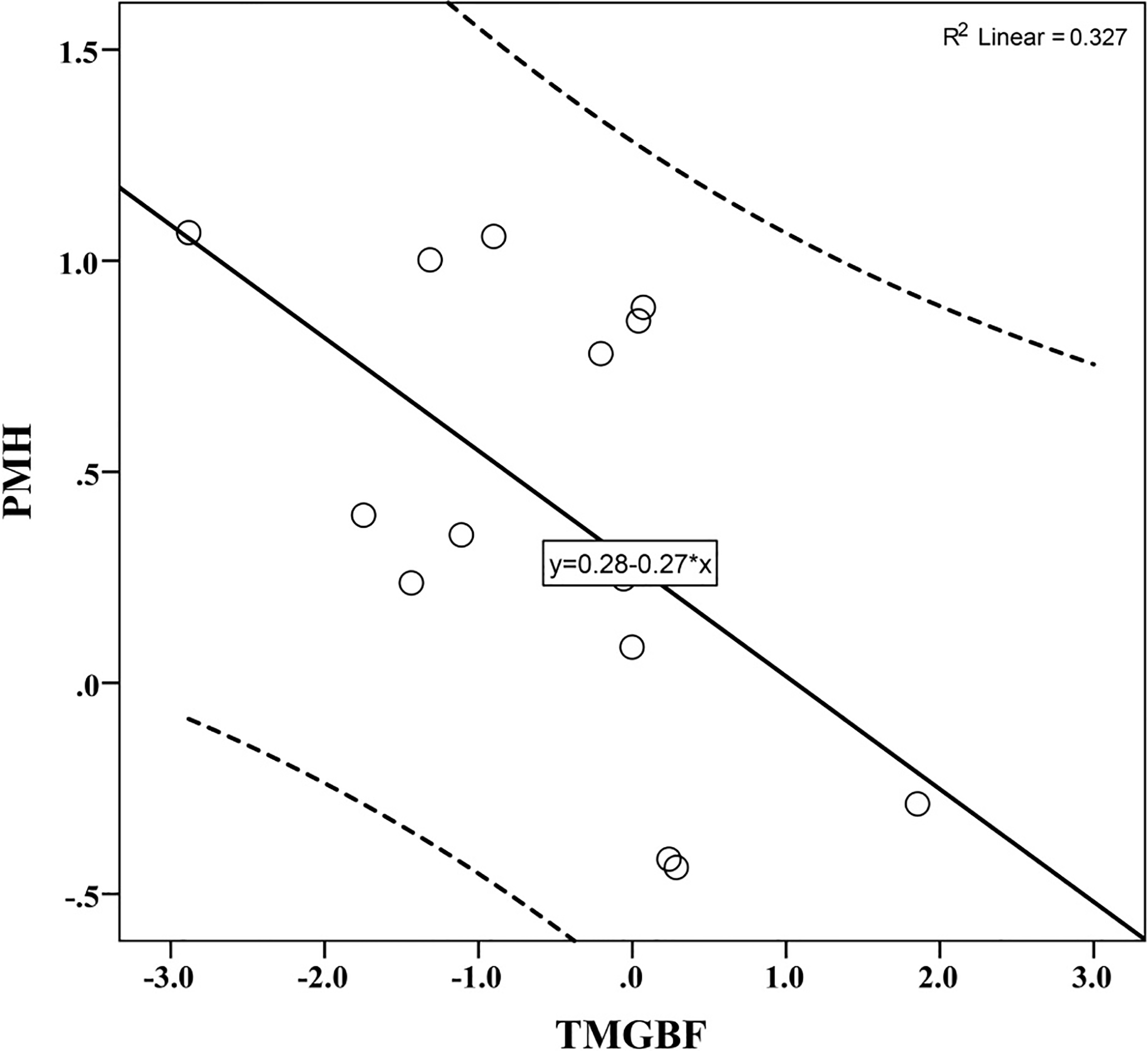
Based on the results of ANOVA post hoc tests (Table 6) the differences in the isokinetic and TMG parameters between differently trained men and women were relatively small and inconsistent.
Results of ANOVA post hoc test – differences in isokinetic and TMG parameters between differently trained men and women
PI – Physically inactive, PA – Physically active, AT – Athletes, Q – Quadriceps muscles, H – Hamstring muscles, 60 – Angular speed of 60
TMG method of installation of electrodes and sensors.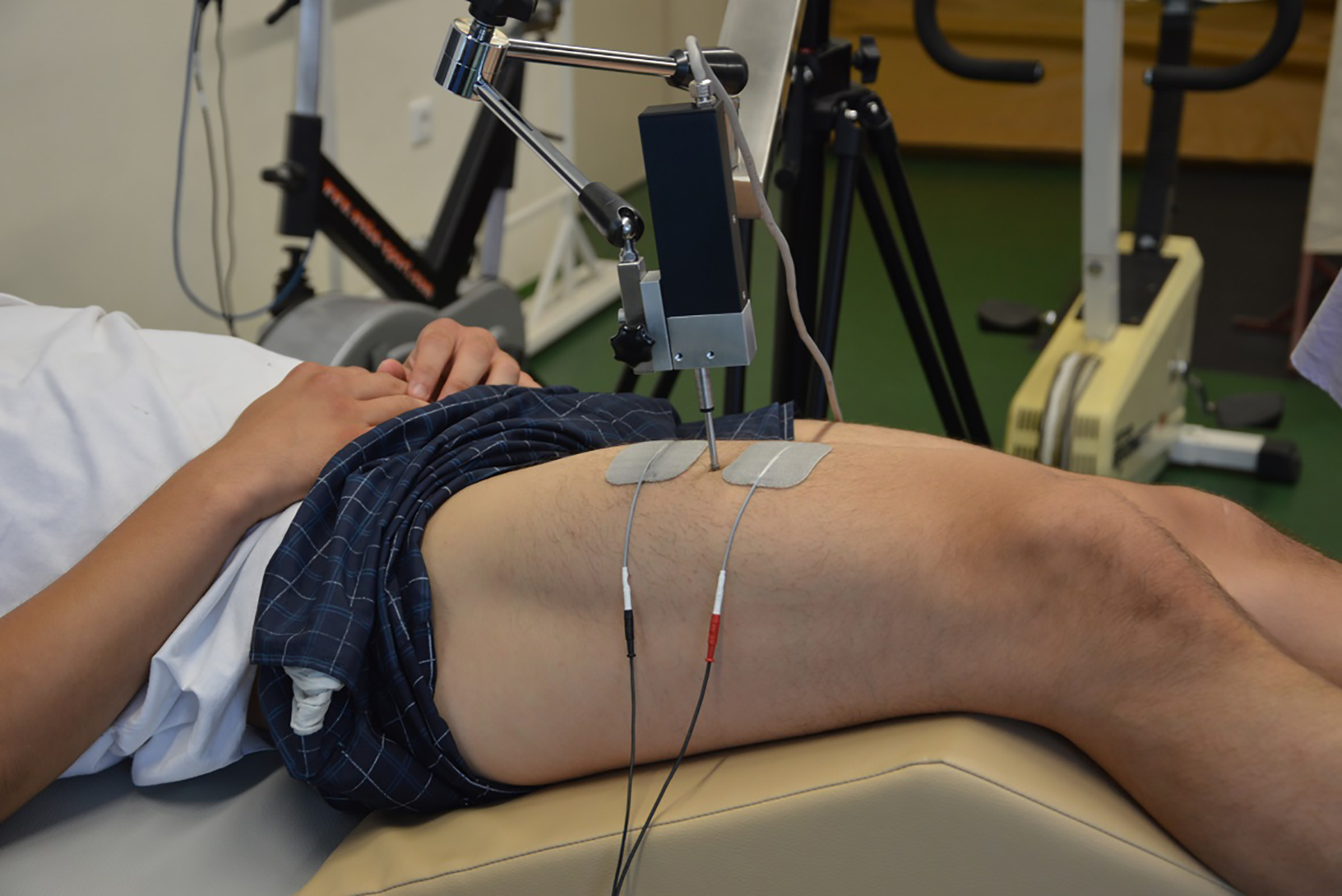
This study examined the concurrent and predictive validity of isokinetic dynamometry and TMG for the assessment of voluntary and involuntary muscle contractile properties in a sample of 95 differently trained men and women. To the best of our knowledge, this is the first investigation that dealt with this issue.
We expected a significant correlation between the two methods, in the light of the findings of some previous studies which indicated a significant correlation between TMG and various methods for assessment of muscle strength. For confirmation of our hypothesis, a significant correlation between measured parameters should exist as well as the differences in these parameters between differently trained men and women. However, in view of the correlation between certain parameters of isokinetic dynamometry and TMG (Tables 2 and 3) their magnitude (Table 5), and the low differences in the two sets of parameters between the groups (only 25% of all possible significant differences) and inconsistency (Table 6), we can conclude that the hypothesis is only partially confirmed.
A significant correlation was detected between the PM and the TMG-based, Tc and Dm. The Tc (contraction time) parameter is an indicator of the muscle ability to contract at fast rates, and has been shown to be associated with fatigue and type of muscle fibers, with higher values indicating a high level of fatigue or predominance of slow muscle fibers, and vice versa [36, 37, 38]. The Dm (maximal displacement) parameter comprehensively expresses muscle tension, muscle stiffness, tendon mechanical properties, muscle mass and fatigue [27, 33, 39]. The decrease in Dm is an indicator of increased muscular stiffness, whereas high scores indicate a lack of muscle tone.
The results of this study outlined a relationship between maximal isokinetic strength, muscle contraction speed and muscle stiffness. These correlations were negative in nature, which indicates that people with higher values of isokinetic muscle strength might be capable of for faster muscle contraction (increased power). Also, the results showed the same relation between strength and muscle stiffness, which means that people with higher values of isokinetic muscle strength would have increased muscle stiffness. The observed results also indicate that maximal isokinetic strength depends to a certain extent on muscle contraction speed and muscle stiffness, and that muscle contraction speed and muscle stiffness can influence isokinetic muscle strength (from 22.7% to 42.7%, Table 4). This finding is in accord with previous studies which showed that there is a significant correlation between Tc, Dm and voluntary muscle contractile properties measured at various movement conditions (isometric, isotonic/isoinertial) [13, 14, 15].
These correlations are generally higher in women (Tables 2, 3 and 5; Fig. 1). This result is somewhat expected, as previous studies indicated that the correlation between TMG parameters and voluntary contractions were higher in women [13] and can be explained by specificities of muscle neuromechanical contractile properties of men and women. It is generally known that there are gender differences in muscle contractile properties, especially in muscle strength [40, 41, 42]. However, other reports found no gender differences in muscle contraction speed and stiffness [43, 44, 45]. Thus muscle contraction speed and muscle stiffness may influence isokinetic strength manifestation in women, while in men other factors, such as muscle mass and testosterone level, may play a more prominent role.
Regarding the training factor, the findings indicate that the highest degree of correlation between parameters of isokinetic dynamometry and tensiomyography is detected in the PI group while the lowest is in the AT group (Tables 3 and 5; Fig. 2). Therefore, the degree of correlation between PM, Tc, and Dm tends to decrease as the level of physical activity increases. However, it may not be concluded that the correlation between these parameters decrease as the level of isokinetic muscle strength increases as the differences in strength between groups were not consistent (Table 6).
These findings can be explained by several factors. First of all, it can be assumed that the training process in the AT group is primarily focused on increasing muscle strength, while the goal of increasing muscle contraction speed is generally neglected, and vice versa. Secondly, data from previous studies indicate that, compared to non-athletes, athletes have higher level of voluntary muscle activation and voluntary effort, which to a certain extent can influence the muscle strength manifestation [46, 47]. Thus, because of high level of voluntary muscle activation/effort, in the AT and PA group there were inconsistent changes in voluntary and involuntary muscle contractile properties, unlike the PI group. Finally, although it has been shown that isokinetic muscle strength, to a certain extent, depends on muscle stiffness, we assume that further increase in muscle stiffness with increase in muscle strength is not possible due to morphological limitations.
The degree of correlation between PM and the TMG parameters (Tables 2 and 3) is generally higher for Dm (
The correlation between isokinetic and TMG parameters proved higher for the hamstring muscle BF (Tables 2, 3 and 5; Fig. 2). Given the functional role of the BF muscle as agonist and coactivator, this finding is in line with previous studies [48, 49] and emphasizes the importance of BF in the neuromechanical function of knee joint muscles.
The results of this study may be of utility both for research and practice. Isokinetic dynamometry and TMG, as previously mentioned, may be used for injury prevention in sports training, physical therapy and rehabilitation, as methods for the assessment of muscle strength, speed of muscle contraction, muscle stiffness, muscle fiber types, functional and lateral symmetry.
The results obtained in this study indicate that these methods generally do not have valuable relations and that there is no scientifically valuable prediction power between the methods (Table 5). However, at a single partial level (level of individual variables) there is a moderate but significant predictive linear relationship between isokinetic dynamometry and TMG and its parameters, peak moment (PM), contraction time (Tc), and maximal displacement (Dm) (Table 4). The coefficients in Table 4 suggest some agreement between the two methods in the description of contractile muscle properties, that is, a certain amount of variability in isokinetic strength can be explained by a certain amount of variability in Dm and/or Tc (from 22.7% to 42.7%).
The main limitation of this study is the sample of participant structure. This study dealt with physically inactive/active individuals and athletes from strength and power sports only. Future studies should include participants from other sports, such as endurance and team sports athletes. Also, this research did not take into consideration the athletes’ training phase (preparation, competition, transition), which may influence the correlation between examined methods. The current investigation has focused on the knee joint and future research should point at confirming these data in other regions.
Conclusion
It can be concluded that at the general level, isokinetic dynamometry and TMG are not statistically associated, and represent different technologies that measure different contractile properties of muscles. However, a hierarchical structure of predictive validity at the single partial level (level of individual variables) was detected as a function of gender and training level.
We have to especially emphasize the negative relations between measured strength characteristics and TMG muscle stiffness variable in women. This means that if women have an increased muscle stiffness, especially biceps femoris muscle, they might have the potential for a higher strength level performance. Also, the inverse proportional relation between the training level and the applied methods was observed (the greater the training level, the smaller the relationship between the methods).
The results of this study render a whole new perspective in the use of isokinetic dynamometry and TMG method especially, as a relatively new and undiscovered method for assessment of muscle involuntary neuromechanical contractile properties
Footnotes
Acknowledgments
The paper is a part of the project Effects of applied physical activity on the locomotive, metabolic, psychosocial and educational status of the population of Republic of Serbia, number III47015, funded by the Ministry of Education and Science of the Republic of Serbia – Research Projects Cycle 2011-2018.
Conflict of interest
The authors declare no conflict of interest.