




Abstract
Summary
1. About 70% of the King A rats with Sarcoma 231 and 72% of the Sprague-Dawley rats with Flexner-Jobling carcinoma were cured by treatment with N,N′,N′′-Triethylenephosphoramide (I). 2.
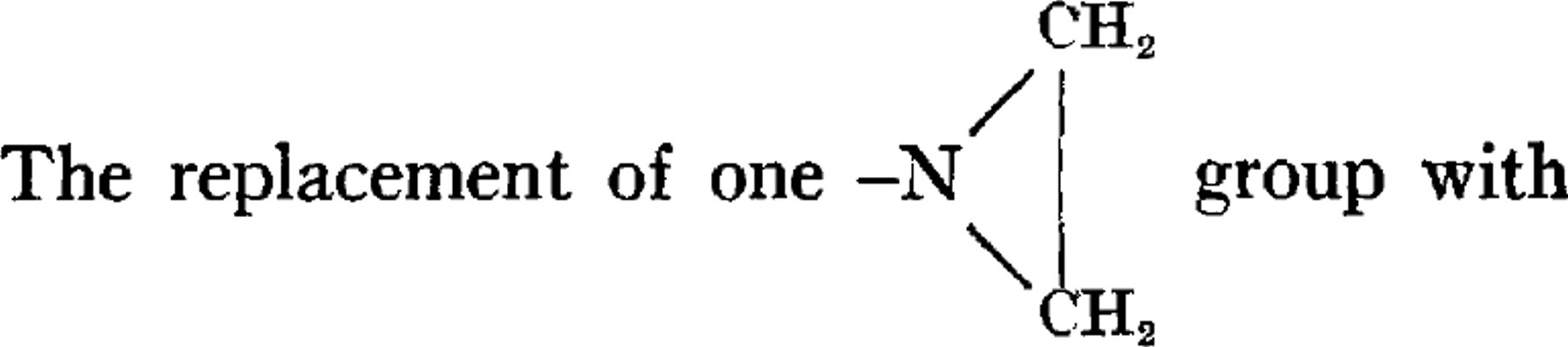
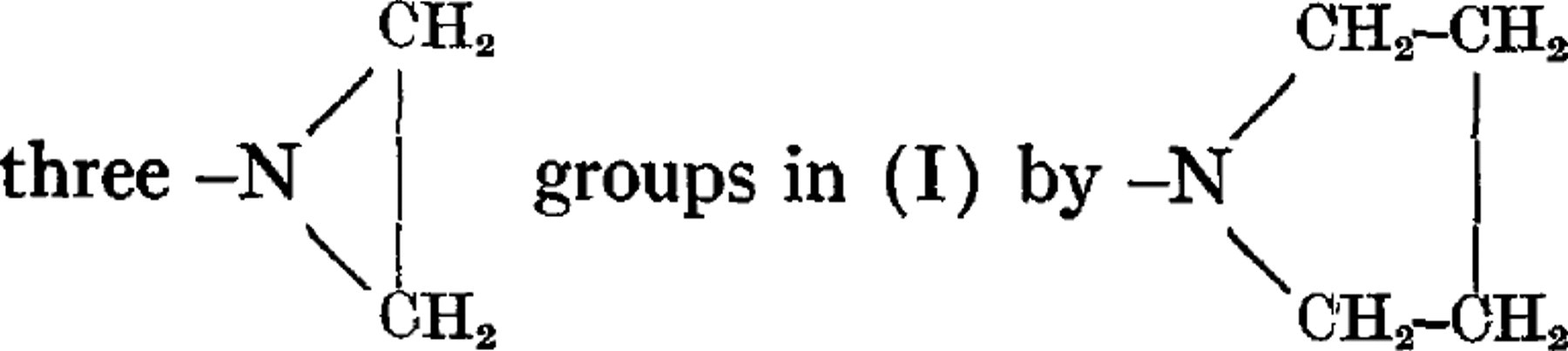
a piperidyl, or morpholyl or azetidyl group did not affect the oncolytic properties significantly but did reduce the effect on testes; with a dose of .85 mg/kg/D of (I) given once daily for 45 days weight of testes of Sprague-Dawley rat was only about 35% of that of the normal controls, with a similar dose of (III) given in the same way for the same time it was about 79% of normal. Similarly, with a dose of .44 mg/kg/D of (I), once daily for 45 days the weight of the testes was 57% of normal while with a similar dose of (IV) given for 51 days weight of testes was 81% of normal. 3. The Flexner-Jobling tumor in the Sprague-Dawley rat regressed completely in about 70% of the animals treated with (III) and in about 80% of those treated with (IV). 4. At doses of about .2 mg/kg/D of (III) and (IV) good therapeutic results were obtained and weight of testes was but slightly below normal; when drug treatment was discontinued testes weight became normal. 5. The substitution of all
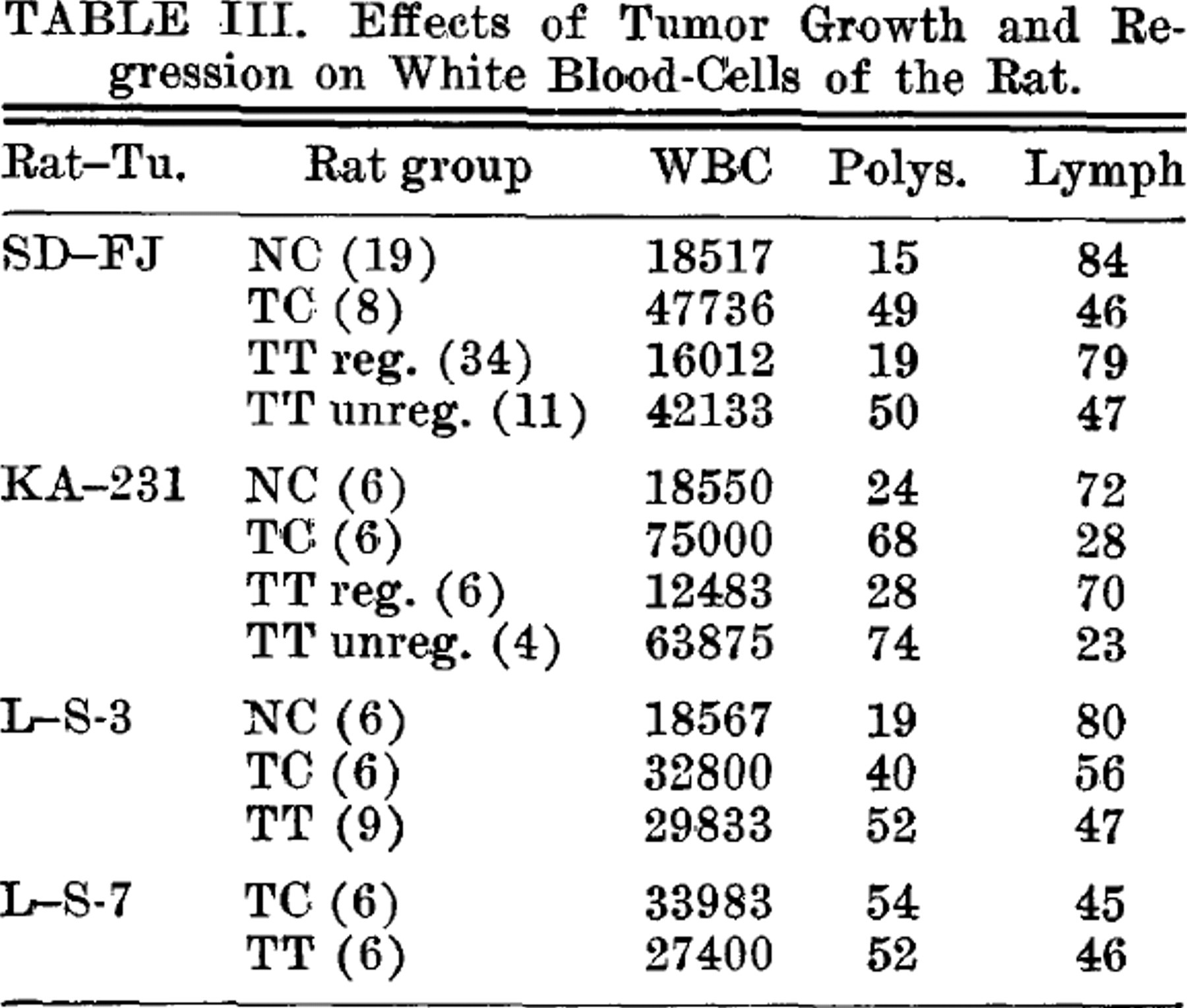
groups resulted in compound (VI) which was inactive. 6. Compound (V) behaved like (III) and (VII), and (VIII) like (I) and (IV). 7. T.E.M. at a dose level of .04 mg/ kg/D, cured 75% of the rats treated and weight of testes was normal. 8. Spleen enlargement and neutrophylic leukocytosis accompanied growth of all tumors studied.
Animals recovered from both conditions when tumors regressed completely. 9. Sarcomas 3 and 7 in the Lewis rat did not respond to treatment with any of the ethylenephosphor-amides nor with T.E.M. 10. The Walker tumor in the Sprague-Dawley rat responded to treatment better when therapy was started early; 3 days after implantation instead of later.
Get full access to this article
View all access options for this article.