




Abstract
Eggs of Rana pipiens fertilized by sperm exposed to Roentgen rays for one hour all develop abnormally. The abnormalities begin to appear during the gastrulation period. Cases of spina bifida are not uncommon. Out of a lot of several hundred eggs, nearly all of which were fertilized, only one specimen survived two weeks. This was much stunted in growth and very abnormal in shape. Out of 80 eggs of the common toad exposed only 15 minutes to the Roentgen rays but 4 larvæ have survived one month. Most of the larvae were markedly abnormal in shape. Of the survivors, two are large and apparently normal and two are undersized. Only one individual out of 150 eggs fertilized by sperm exposed 37 minutes to the rays has survived one month and this individual is but half the normal length and breadth. Out of 250 eggs fertilized by sperm exposed to the Roentgen rays for an hour and ten minutes, all exhibited marked abnormalities of development and the least abnormal larva and longest survivor died a week after the eggs were fertilized.
The susceptibility of sperm of anura to the X rays is in marked contrast to that of paramecia. Exposure of paramecia for 12 hours to rays of the same intensity caused no visible effects on form, rate of division or process of conjugation.
I have exposed the sperm of the toad to heat at 50° and 65° C. for from 15 to 20 minutes. This exposure destroys the fertilizing power of most of the spermatozoa but the few eggs fertilized by such sperm develop normally. Sperm exposed for from 15 to 20 minutes. to the following solutions: 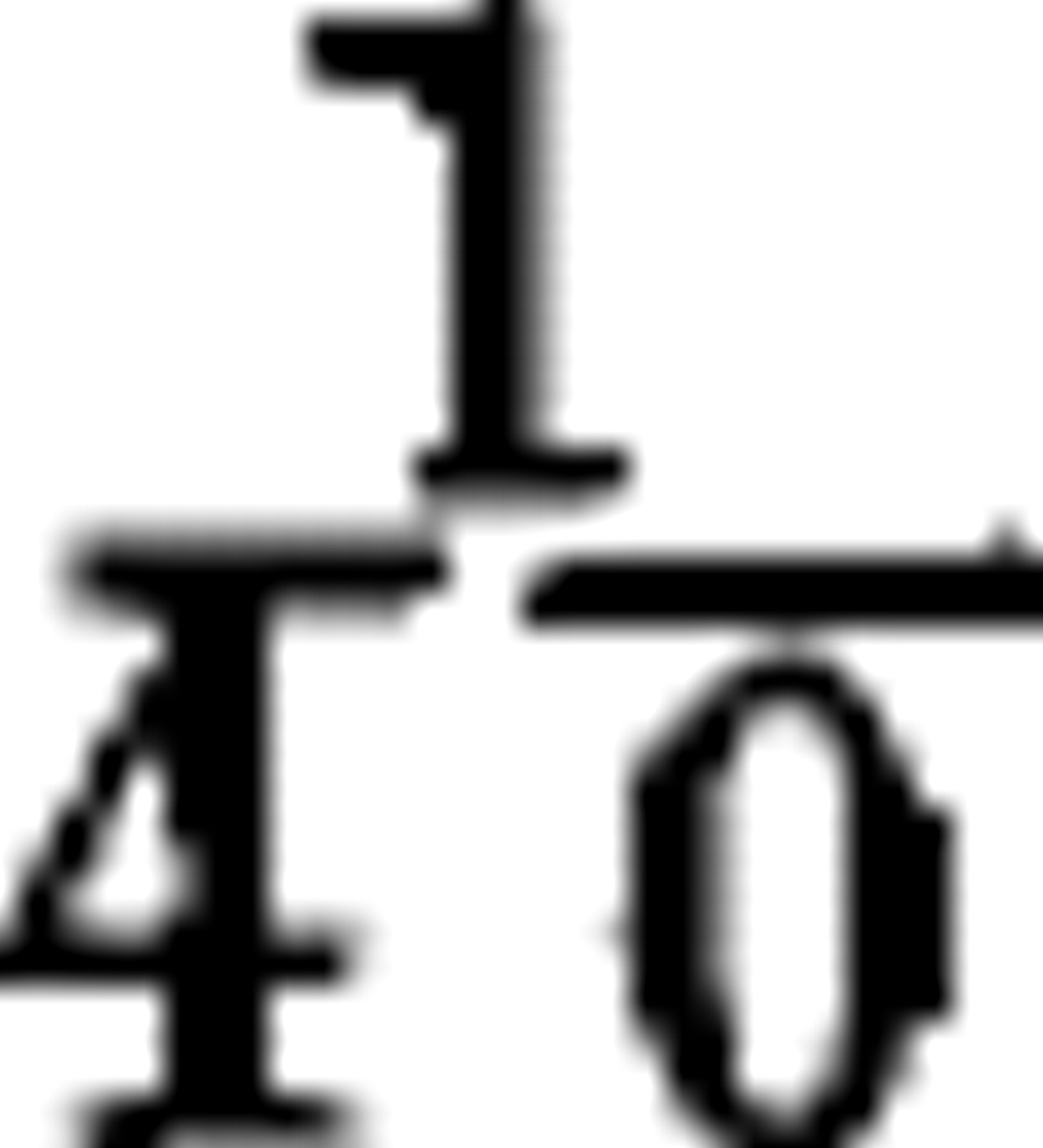 per cent. formol, 12.5 per cent. ethyl alcohol, 1 per cent.
Get full access to this article
View all access options for this article.