




Abstract
The wide use of metrazol in the treatment of schizophrenia has made it advisable to study the physiological changes produced by metrazol convulsions.
1
Twelve observations were made on 7 patients with schizophrenia. As seen in Table I, 7 samples of blood were collected from the femoral artery during various stages of the convulsions, 4 pairs of samples were collected simultaneously by 2 observers from the femoral artery and internal jugular vein immediately after the seizure had ceased, as was one additional sample of arterial blood. Breathing was greatly diminished during the convulsions and this was reflected in the analyses of the arterial blood, which disclosed a retention of CO2 as well as a diminished O2 content. Even during the first part of the seizure, as seen in Wi, 9/13, the O2 content was diminished so that the Hb saturation 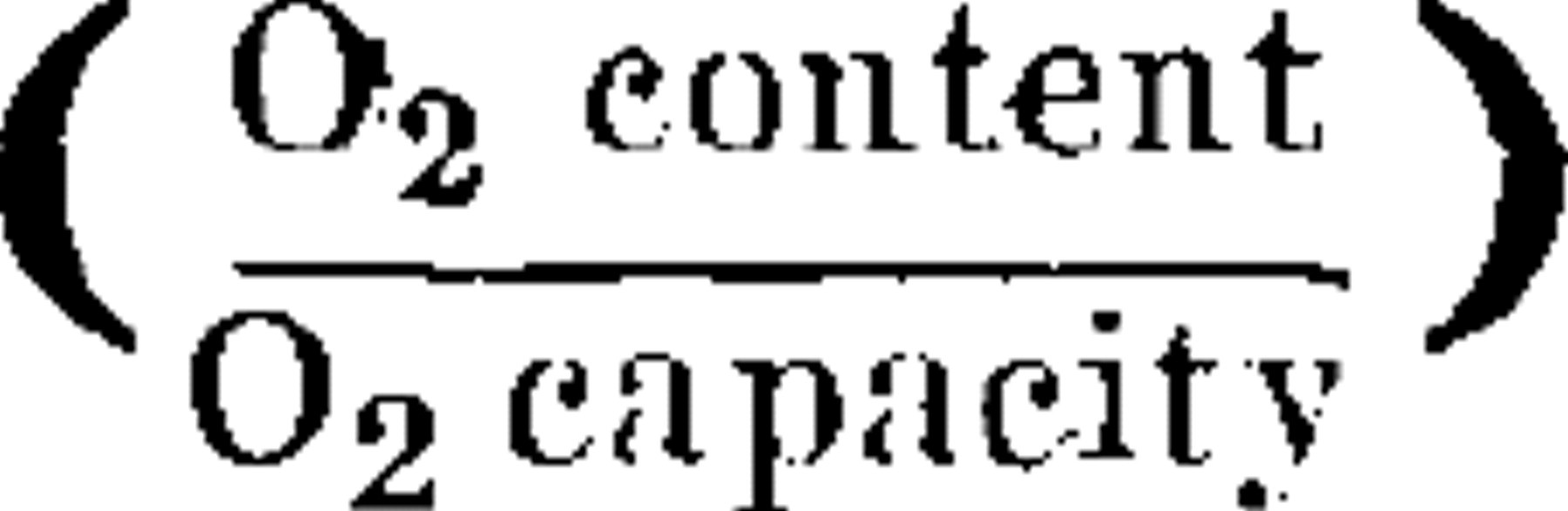 was reduced from a theoretical normal of 95% to 84%. As the convulsions progress, the Hb saturation continues to fall so that towards the end of the seizure the saturation of Hb may be below 50% (M., 9/7). During these convulsions the patient's face is at first a dark red color. When the convulsion is completed, the anoxemia is evidenced by a leaden cyanosis, Neyertheless, as soon as unimpeded breathing is reëstablished the Hb saturation, though still reduced, is found rapidly rising towards a normal value (last 5 observations of Table I). The anoxemia, as well as the severe muscular effort, combine to increase blood lactic acid and blood sugar.
These convulsions, grand mal in character, cause a temporary but marked depression of cerebral functions as evidenced by amnesia, confusion, disorientation, and the elicitation of various abnormal reflexes, such as the Babinski and ankle clonus.
Get full access to this article
View all access options for this article.