




Abstract
Certain theoretical considerations in respect to the energetics of heat production as defined 1 for states of changing weight are of special interest but should also prove of rather great practical importance. In view of the fact that the hyperbolic term in equation (6) of the foregoing paper has dampened out and become negligible in the case of human growth beyond the age of twenty, this relation assumes the simpler form,

for heat production in calories per Kg. per unit of time, the various factors possessing the same significance as before.
It is clear from (7) that U will not alter greatly during any period in which 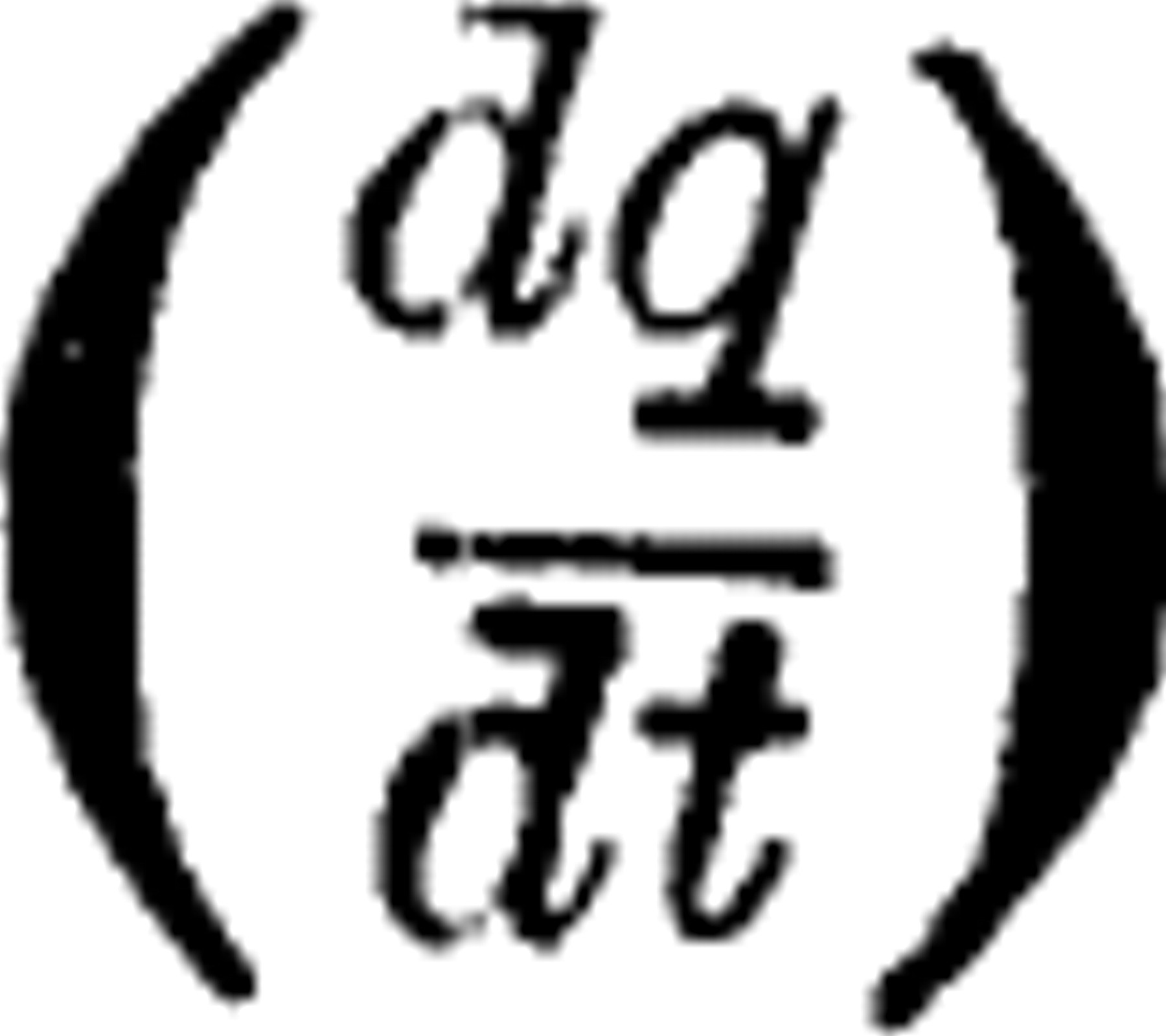 fails to change rapidly—a condition, as we have seen, which is actually reached on the average during the second and third decades of life. For constant values of
 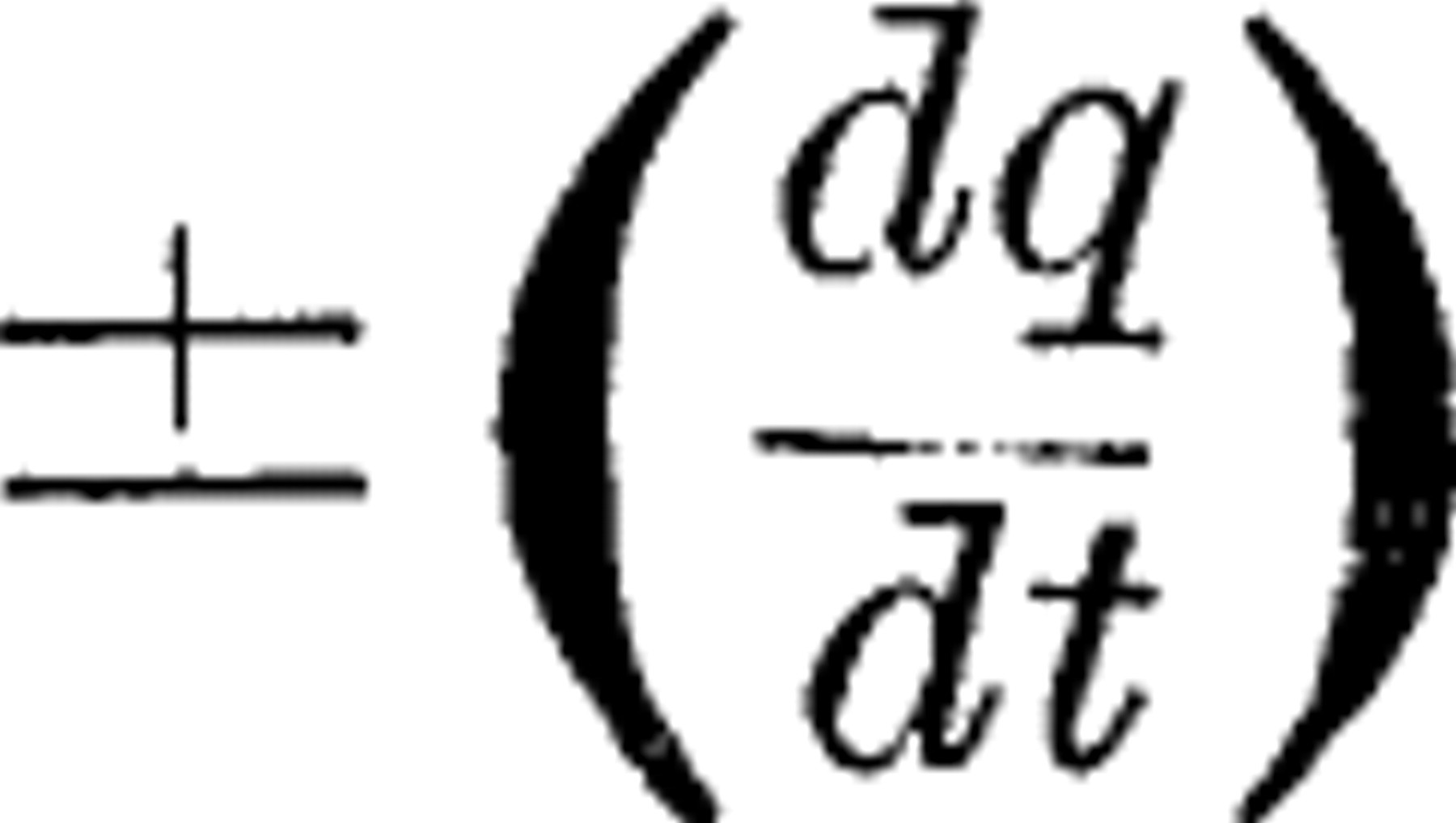 , U will also remain constant; but an important question arises as to the conditions under which U, as representative of heat output, will be most economical. So long as
 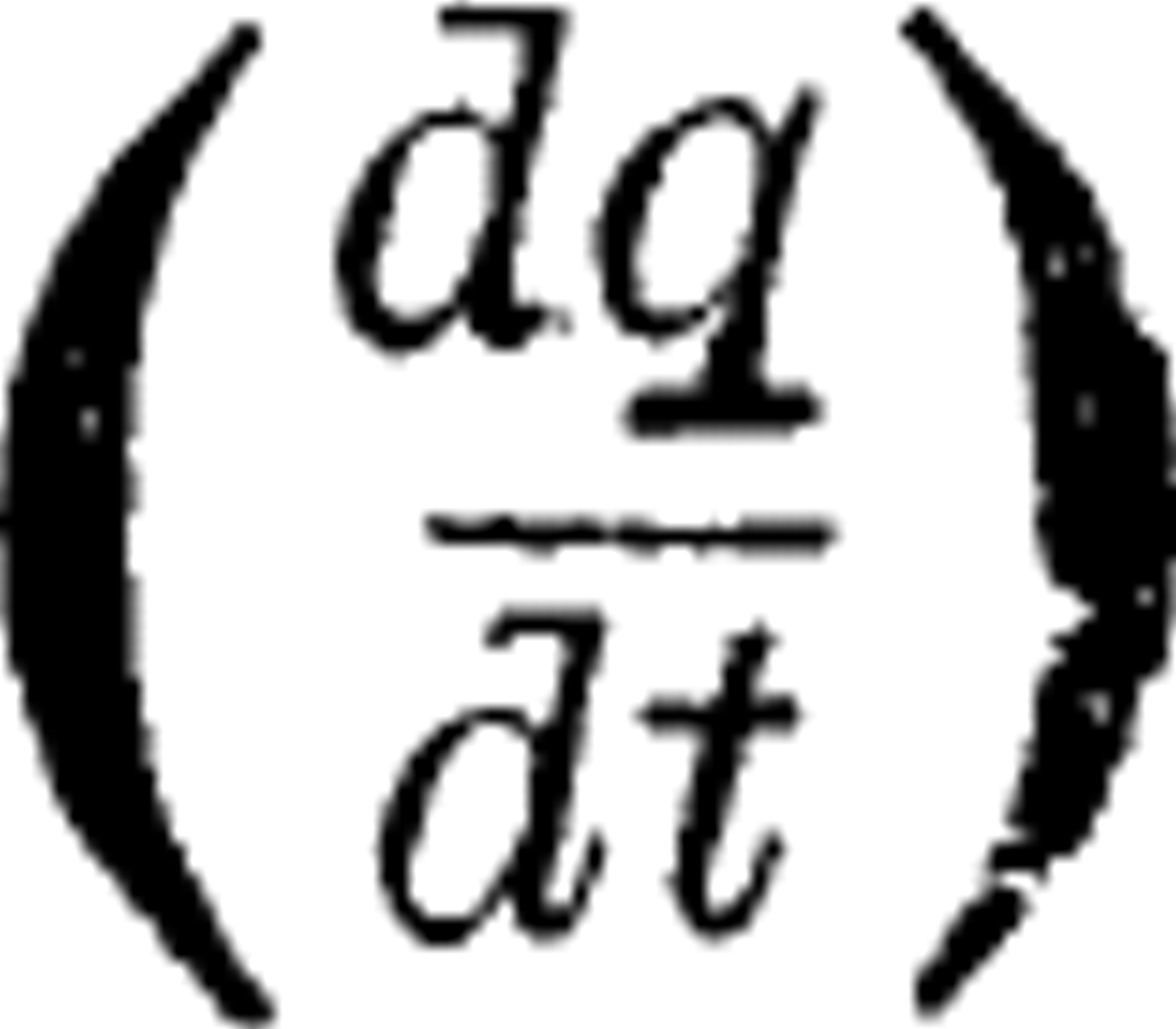 is positive there cannot be a true minimum, although U may, of course, with low rates of reproduction become as small as p, E
c and A′ will allow. If, however, no restriction be placed upon the sign of
is positive there cannot be a true minimum, although U may, of course, with low rates of reproduction become as small as p, E
c and A′ will allow. If, however, no restriction be placed upon the sign of 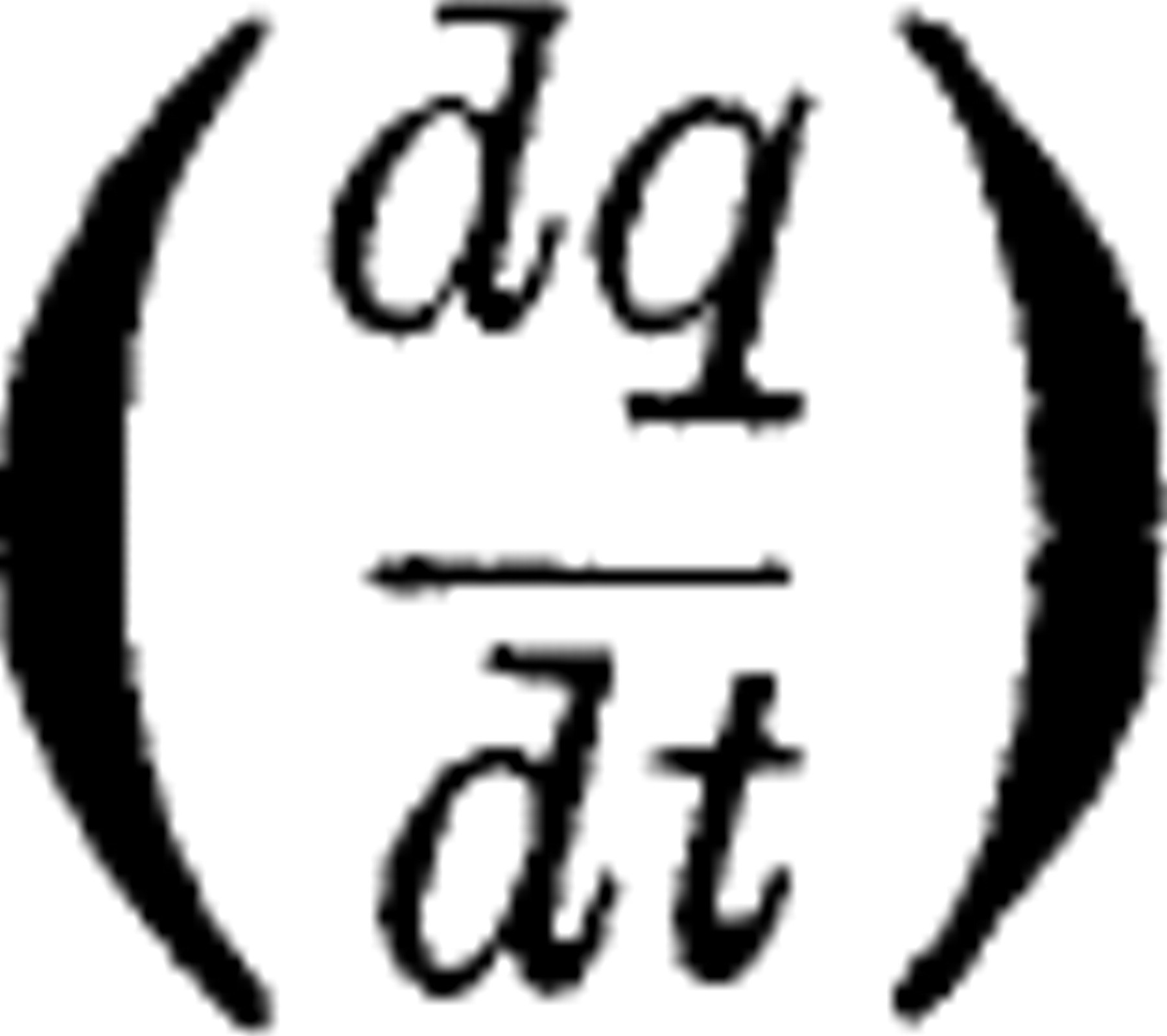 , a rather significant result may be at once attained by differentiating (7) with respect to t and equating to 0, whence,
a condition which leads to the result that U, the unit rate of energy output in the form of heat will actually become and remain a minimum (for constant values of ρ, E
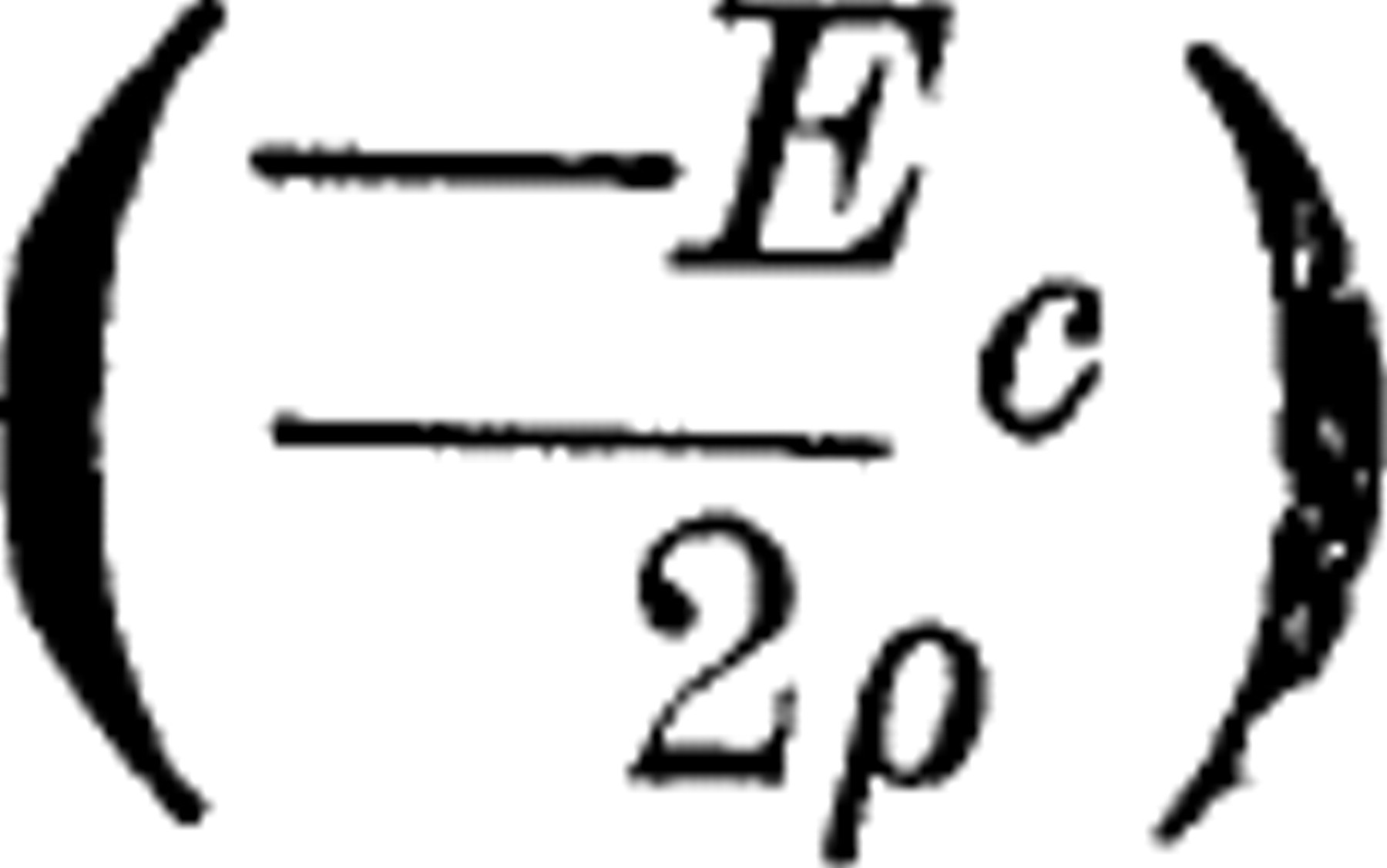
c and A') as long as the unit rate of change in weight 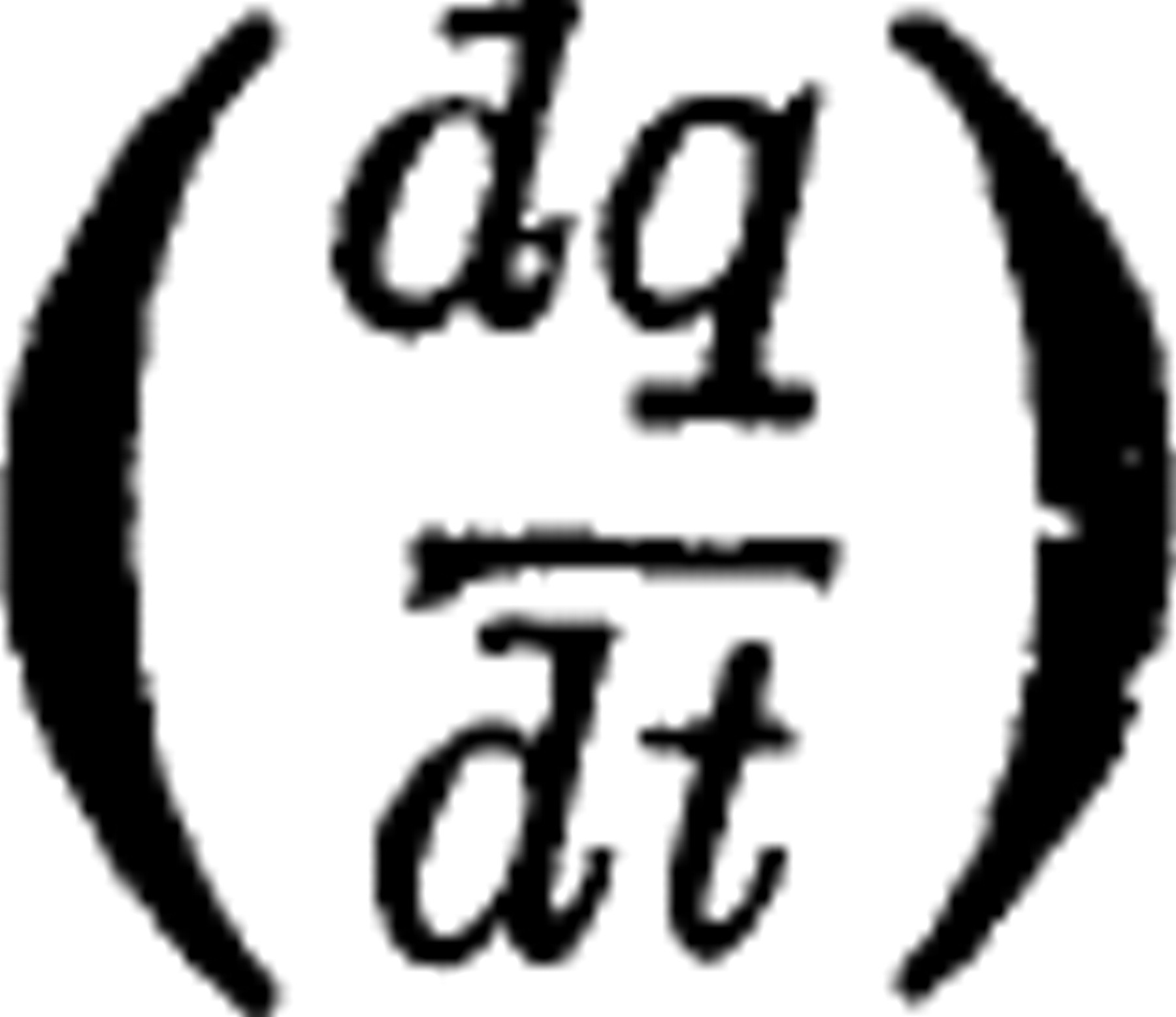 is negative, and equal to
  .
.
Attention is thus immediately directed to the possibilities of studying heat production during periods of starvation.
Get full access to this article
View all access options for this article.