




Abstract
We have already pointed out
1
that none of the coefficients, λ, ρ or κ appearing in the original equation of energy (1) and in all subsequently derived relations can be separately determined from an analysis of data on growth alone. All that can be done is to calculate the ratio 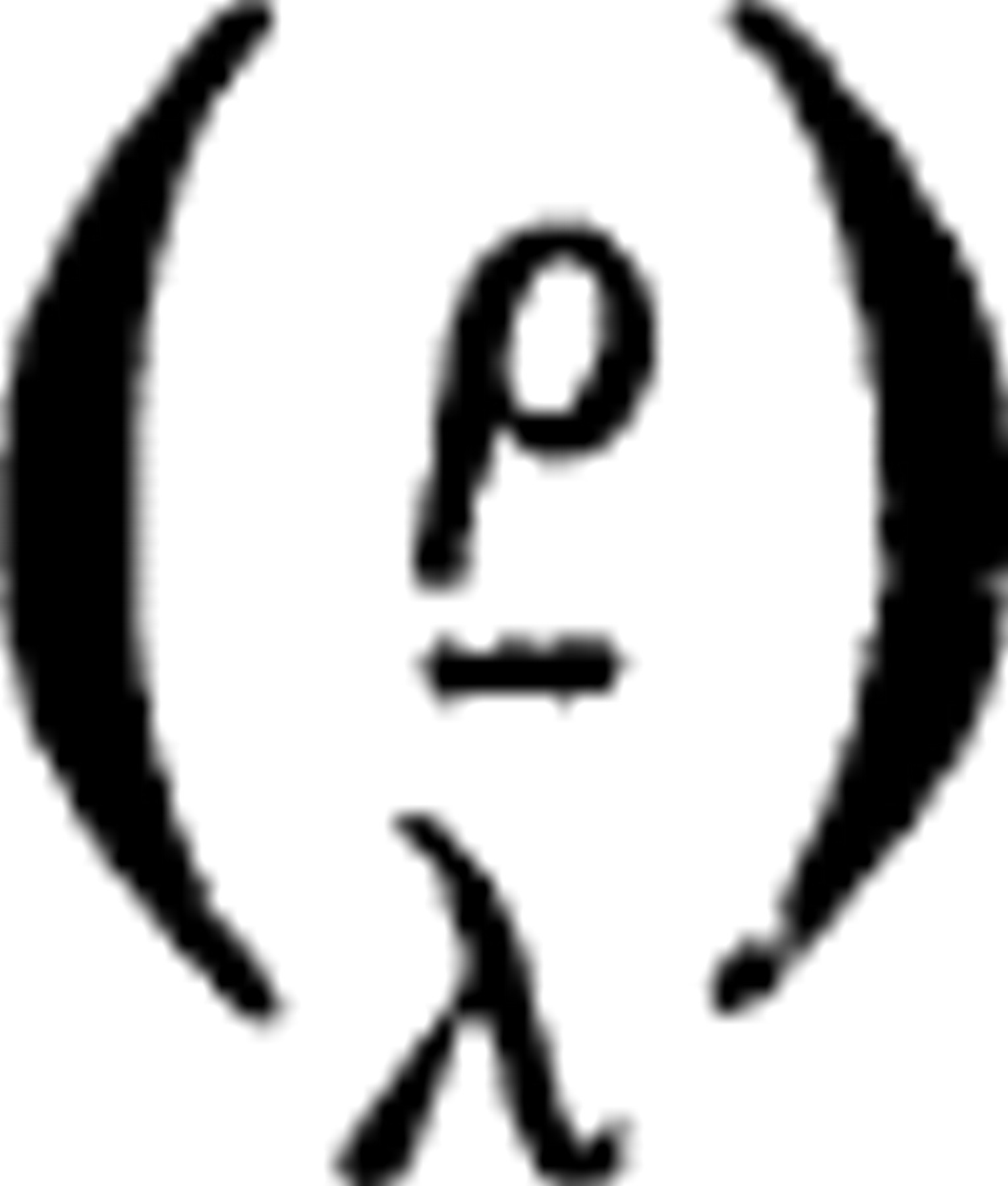 , and the product (λκ). But, if, as also noted, some independent relationship could be found, their computation would in general be a simple matter. Admittedly, the ultimate goal here must be a determination, if possible, not so much of the numerical values of λ, ρ and κ as of their fundamental physical and physiological attributes and counterparts; but from what has already been given,
1
even a knowledge merely of the values of any one of these coefficients would greatly aid in a fuller understanding of the basic mechanism at work. Many observations will, accordingly, need to be repeated with such an end in view.
, and the product (λκ). But, if, as also noted, some independent relationship could be found, their computation would in general be a simple matter. Admittedly, the ultimate goal here must be a determination, if possible, not so much of the numerical values of λ, ρ and κ as of their fundamental physical and physiological attributes and counterparts; but from what has already been given,
1
even a knowledge merely of the values of any one of these coefficients would greatly aid in a fuller understanding of the basic mechanism at work. Many observations will, accordingly, need to be repeated with such an end in view.
Thus, in seeking for some independent relation by which any one of these coefficients could be numerically determined, we were attracted almost at once, in view of the purely dissipative character of the energy accounted for in the term 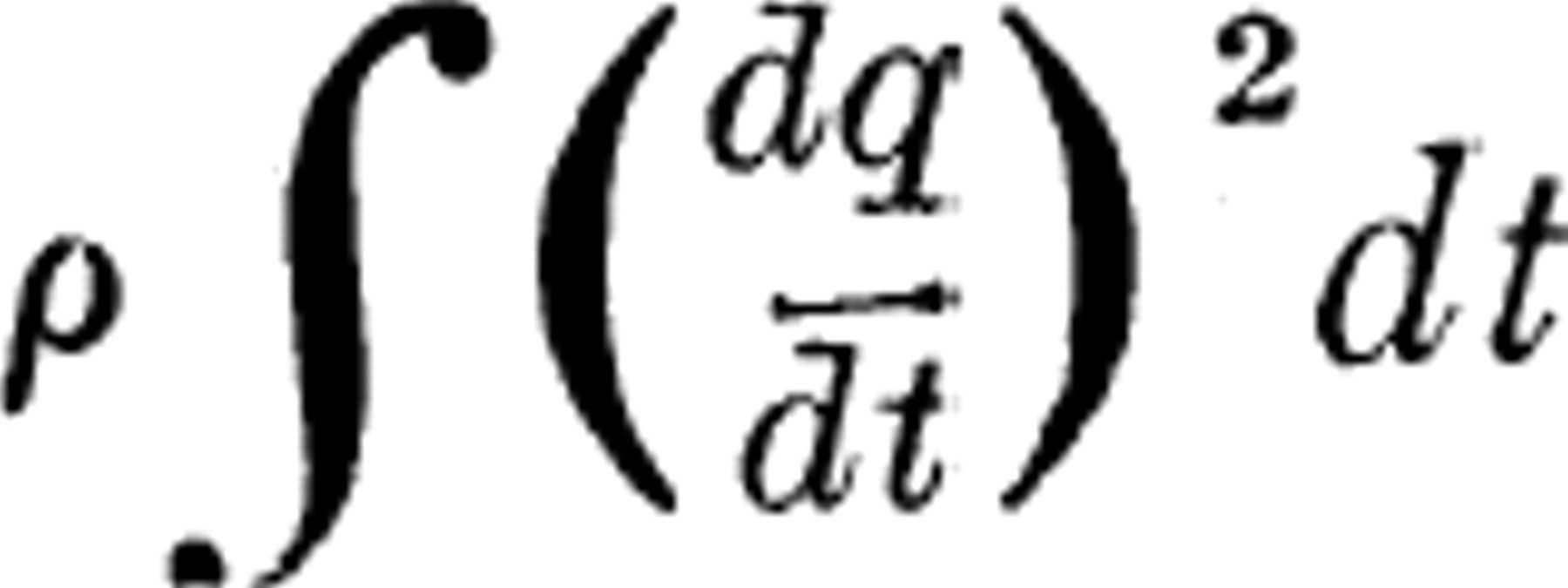 dt to an examination of heat production during life, under conditions necessarily recognized as “basal”. Further inquiry showed, moreover, that the term in ρ should not of itself account for the entire heat output, for the energy involved in synthesis as well as that concerned with nutrition and maintenance ought theoretically also to find an ultimate outlet in heat. The energy represented in the remaining terms of (1) could not, clearly, collaborate in this way, being, as it were, “bound” in doing work of another kind. Consequently, if U be taken as the rate of heat production per unit of weight, we have, for the human case, by selecting the terms just described,
Get full access to this article
View all access options for this article.