




Abstract
The study of protein fractions of normal serums, those in various diseases, and malignant tumors led to the development of a diagnostic procedure for malignant tumors. The essential constituents are: (1) Blood serum inactivated at 55°C. for 1/2 hour, which should be neither contaminated nor hemolized. (2) The antigen is prepared by extracting finely ground beef heart with 95% alcohol in the ratio 1:10 for 3 days at 37°C. and overnight at room temperature and then filtering. (3) A 1/2% watery solution of sodium sulphate serves as antigen diluent.
The serums are diluted before their use in the test according to the percentage of hemoglobin. Dare's hemoglobinometer is used as a standard, and to the percentage of hemoglobin obtained 10 is added and the sum is divided by 20, which gives the dilution for the respective serum. (For instance, the reading was 70% plus 10 = 80 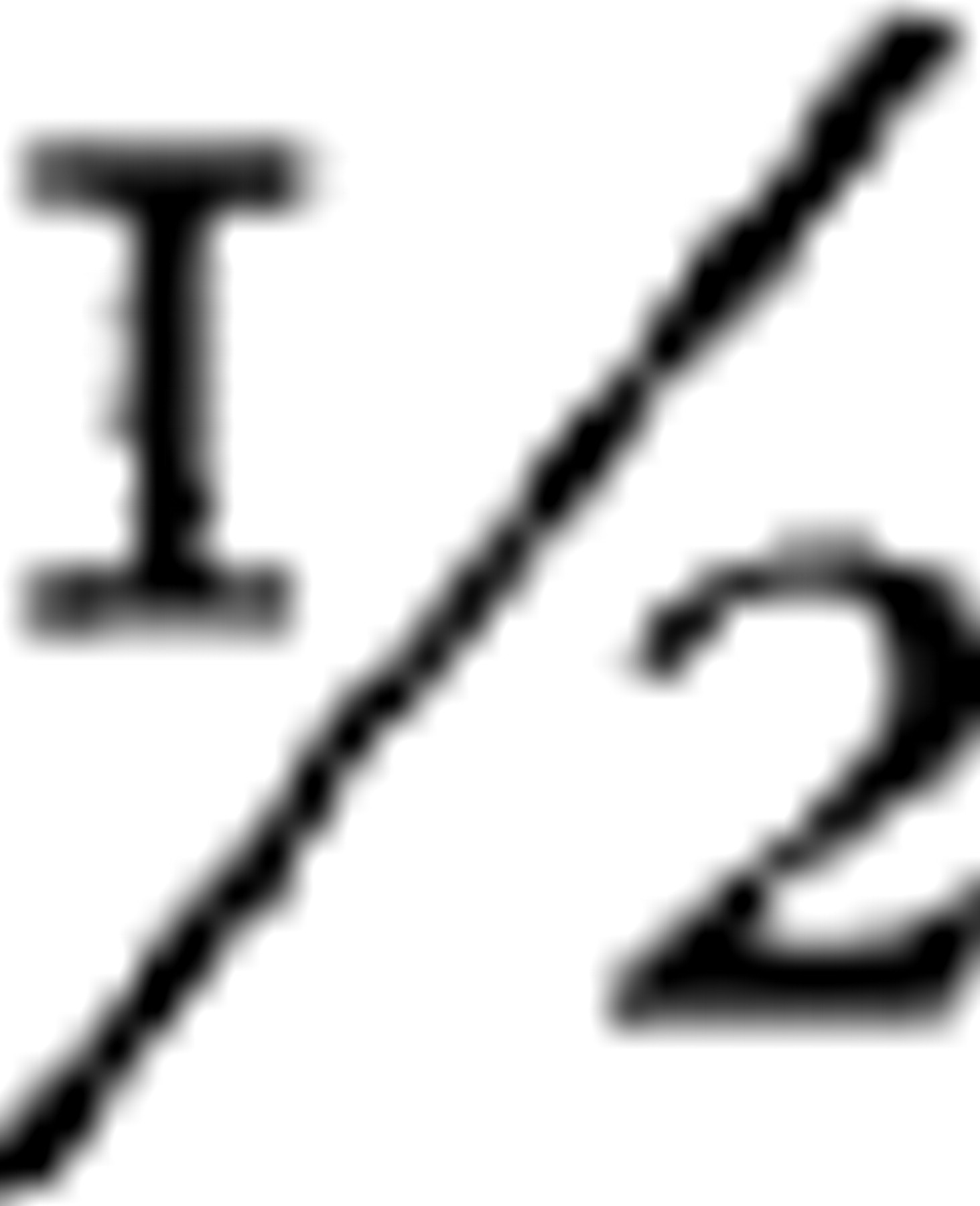 20 = 4. The dilution of the serum in this case would be 1:4.) Where the Dare reading is 45% or less, the serums should be diluted only to 1:3. All serums are diluted with the antigen—sodium sulphate mixture up to 1:3, and if a further dilution is necessary it is done with distilled water.
Titration of antigens is carried out as follows: Increasing amounts of undiluted antigen (.16 cc, .18 cc, .20 cc, .24 cc, .26 cc, etc.) are placed in the corresponding tubes of 2 rows, (each with 8 tubes). In each tube of the first row 0.6 cc. of the diluted malignant serum are added and each tube of the back row received 0.6 cc. of the diluted normal serum. The serums (0.2 cc.) when added to the antigen-sodium sulphate mixture (0.4 cc.) are diluted 1:3; if the serum requires a further dilution, it is done with distilled water before the addition of the serum.
Get full access to this article
View all access options for this article.