




Abstract
After orthotopic transplantation of the gonadic primordia of Amblystoma maculatum (Shaw) the writer
1
found a differentiation of the gonad according to the sex of the donor rather than the sex of the host. When an ovary and a testis developed together in any host, however, the testis, whether that of the graft or that of the host, usually induced a modification of the ovary, reducing it in extreme cases to a rudimentary structure containing relatively few germ cells (freemartin ovary). These results were in marked contrast to those of Burns
2
who found only unisexual (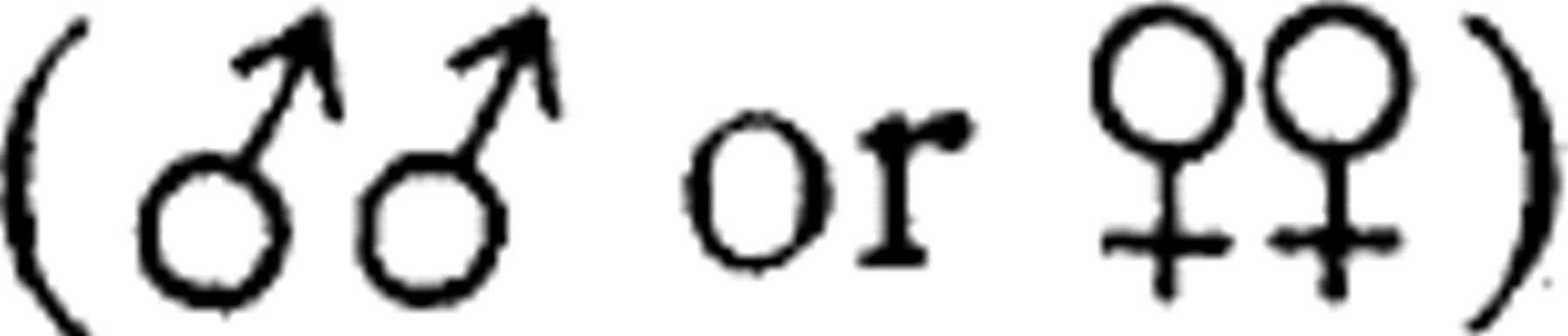 or
or  ) combinations in 80 pairs of animals of the same species which had been joined in parabiosis in embryonic stages comparable to those used by the writer for transplantation of gonadic primordia. To determine whether the local (Buffalo) strain of A. maculatum would yield similar results under the conditions of parabiosis, 60 pairs were joined in the spring of 1931. Since the operations were performed late in the season on embryos of rather low viability, only 16 pairs survived to ages of 50 days or over. In 15 of these the gonads of both members were sufficiently differentiated to permit positive identification of sex. The combinations of sexes in these pairs were found to be as follows: 1 1
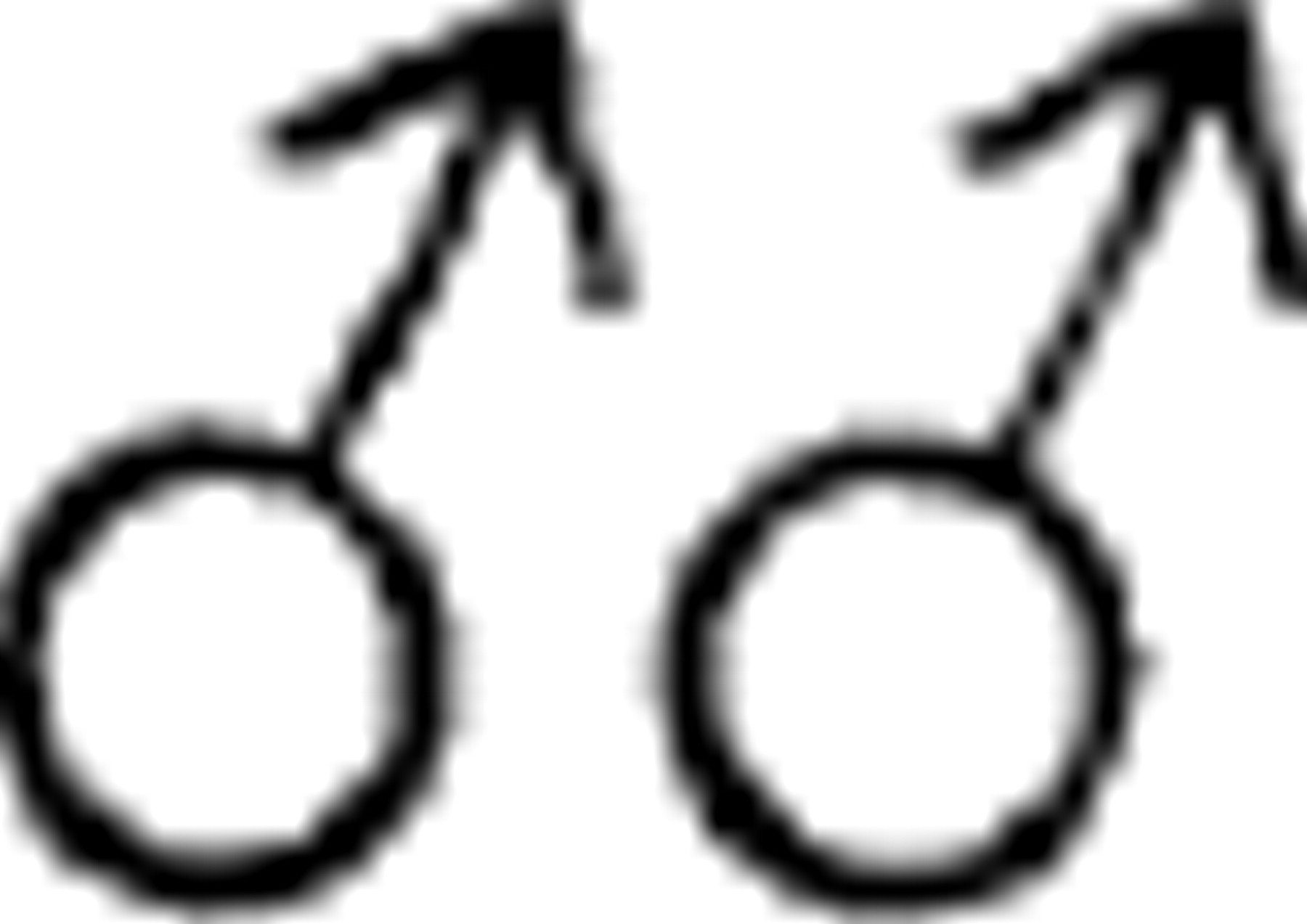 ; 6
; 6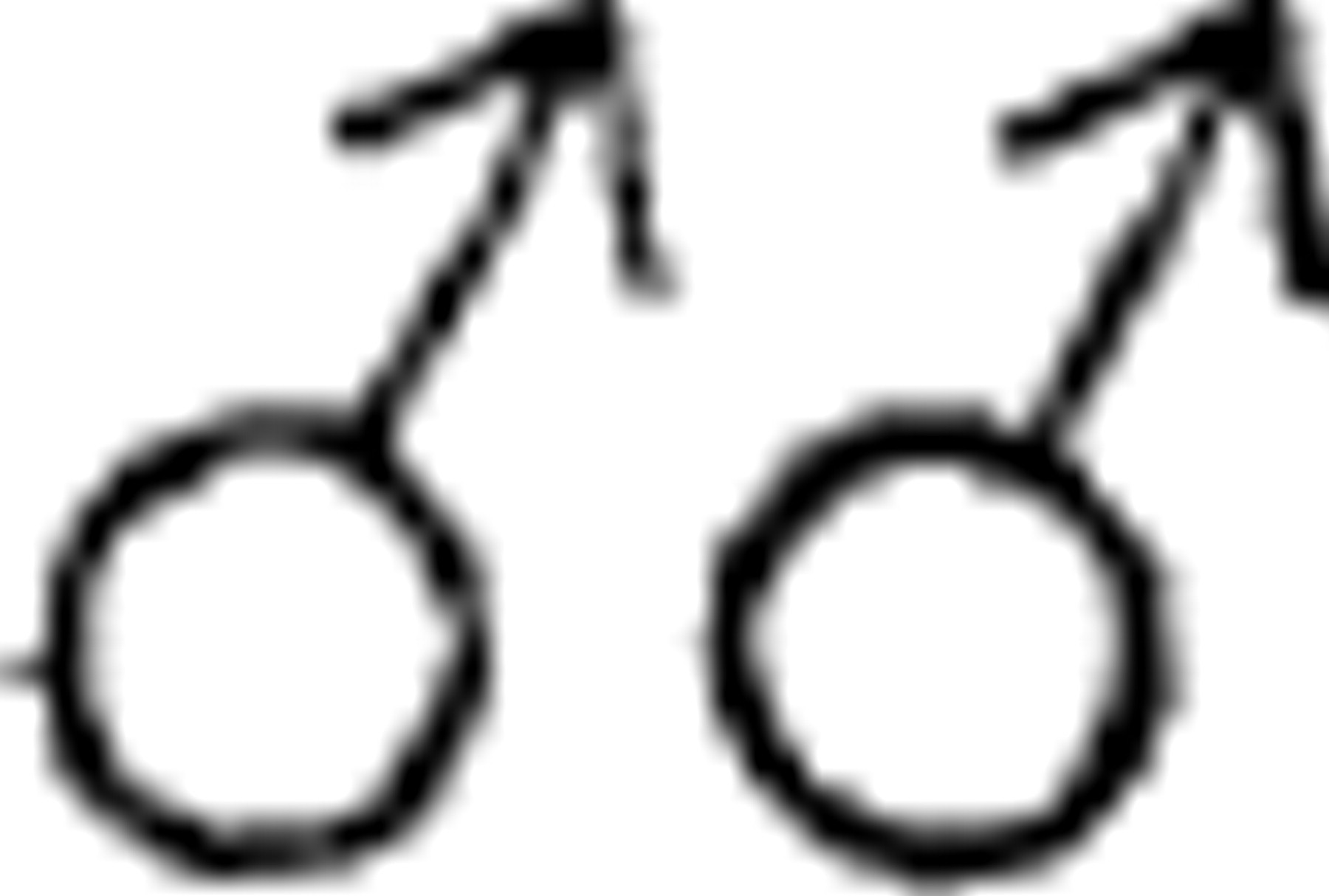 ; 8
; 8 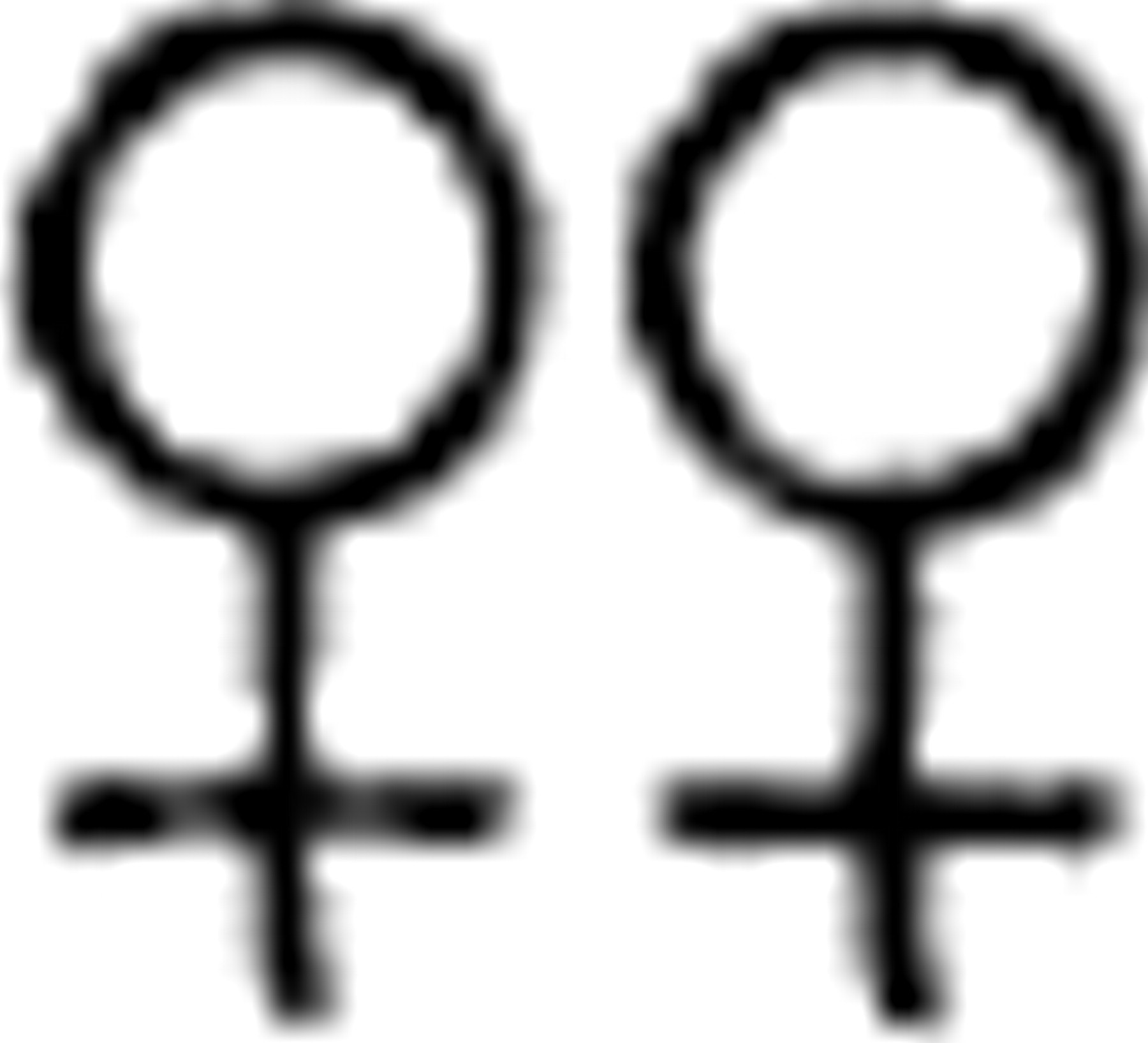 . In all 6 heterosexual pairs the ovaries of the female member had undergone modification under the influence of the male twin. The central ovarian cavity was absent and the cortex reduced, though in no case to a completely sterile condition. In 2 cases the development of hilar and medullary germ cells in one ovary of the female was sufficient to give that gonad the character of a retarded testis; the other ovary in each of these animals, however, exhibited only the usual freemartin state with little or no evidence of reversal.
Get full access to this article
View all access options for this article.