




Abstract
Upon 50 infants under 2 weeks of age, 234 observations of respiratory metabolism were made but of this number only 108 were truly basal. The methods used were all exactly as described previously for the study of premature infants. 1
The respiratory quotient and also heat production varied with age. The R. Q. was lowest on the second day and gradually rose. Heat production per square meter of body surface (Lissauer formula) was lowest on the 4th day, remained practically constant until the 8th day, and then rose.
Total heat production was found to be 6.67 calories per hour when all basal periods were averaged. Heat expressed per kilo of body weight per hour was 1.86 calories where only minimal production for each child was averaged but for all basal periods was 2.00 calories with a coefficient of variability of 13.0 per cent. When expressed per square meter per hour the average for minimal was 27.42 calories and for basal 29.16 calories with a coefficient of variability of 11.9 per cent.
Assuming that the Lissauer formula, 10.3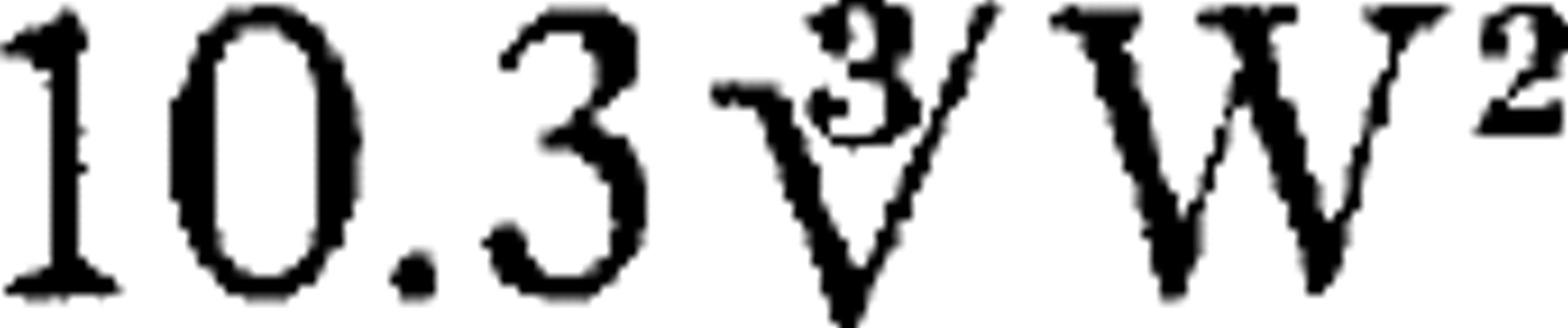 W2, gives an essentially correct surface area for the infant, surface area is a slightly better measure of metabolism than weight, since the coefficient of variability is slightly lower.
As a measure of metabolism, pulse must be considered a very poor criterion since the coefficient of correlation between the two was found to lx 0.178, whereas a perfect correlation is represented by unity.
Increases in heat production due to muscular activity went as high as 56 per cent in successive periods and as high as 117 per cent when maximum was compared with minimum for the whole series of observations on a single infant.
In several cases a material increase in metabolism was obtained when the amount of the feeding was increased over the amount given before a preceding observation.
Get full access to this article
View all access options for this article.