




Abstract
The autotrophic bacteria, or those bacteria which are capable of assimilating carbon dioxide chemosynthetically utilizing for that purpose the energy obtained from the oxidation of simple inorganic substances, range from obligate to facultative forms. In other words they range from those which are capable of obtaining their energy only from the oxidation of specific inorganic substances but from no other source to those that can exist autotrophically and heterotrophically; the latter can obtain their energy both from inorganic sources and, lacking these, also from the oxidation of organic compounds. The nitrite, nitrate and certain sulfur bacteria are the only strict autotrophic forms, while all the others, including various sulfur bacteria, the methane, hydrogen and particularly iron bacteria belong to the second group.
Respiration in the case of autotrophic bacteria is different from that of the heterotrophic forms; it consists in taking in carbon dioxide and giving out oxygen, at the same time consuming large quantities of oxygen for purposes of oxidation which yields the energy necessary for the activities of the organisms. Meyerhof was the first to demonstrate conclusively that the nitrite and nitrate forming bacteria obtain their carbon only from the carbon dioxide of the atmosphere or in the form of bicarbonate in solution. To demonstrate the carbon assimilation by the sulfur-oxidizing organism, Sulfomonas thiooxidans, the following procedure was followed: A medium consisting of 0.2 gm. (NH4)2SO4, 3 gm. KH2PO4, 0.5 gm. MgSO4, 0.25 gm. CaCl2, 0.01 gm. FeSO4 and 10 gm. of elementary sulfur per 1000 c.c. of distilled water, placed in 100 c.c. portions in 250 c.c. Erlenmeyer flasks was sterilized and inoculated in the usual manner. To some of the flasks 1 per cent. of dextrose was added, or 0.1 per cent. of NaHCO3 or 0.1 per cent. NaHCO3 and sufficient 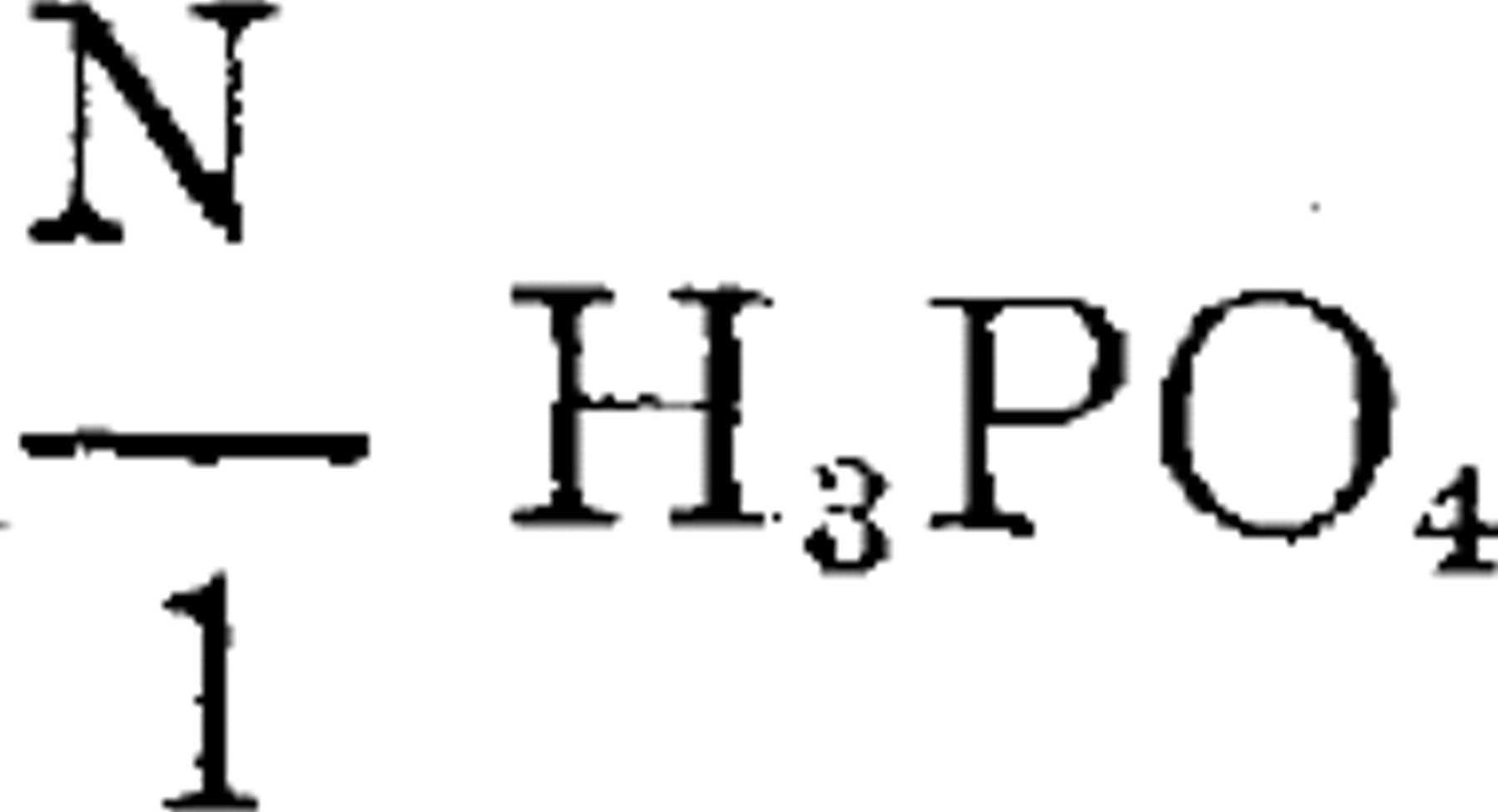 H3PO4 to neutralize the excess alkalinity.
Get full access to this article
View all access options for this article.