




Abstract
In 1908 R. and M. De W. Pearl
1
published data derived from the vital statistics of the city of Buenos Ayres, concerning the sex ratio in the following types of matings: (1) Italian × Italian, (2) Spanish × Spanish, (3) Argentine × Argentine, (4) Italian 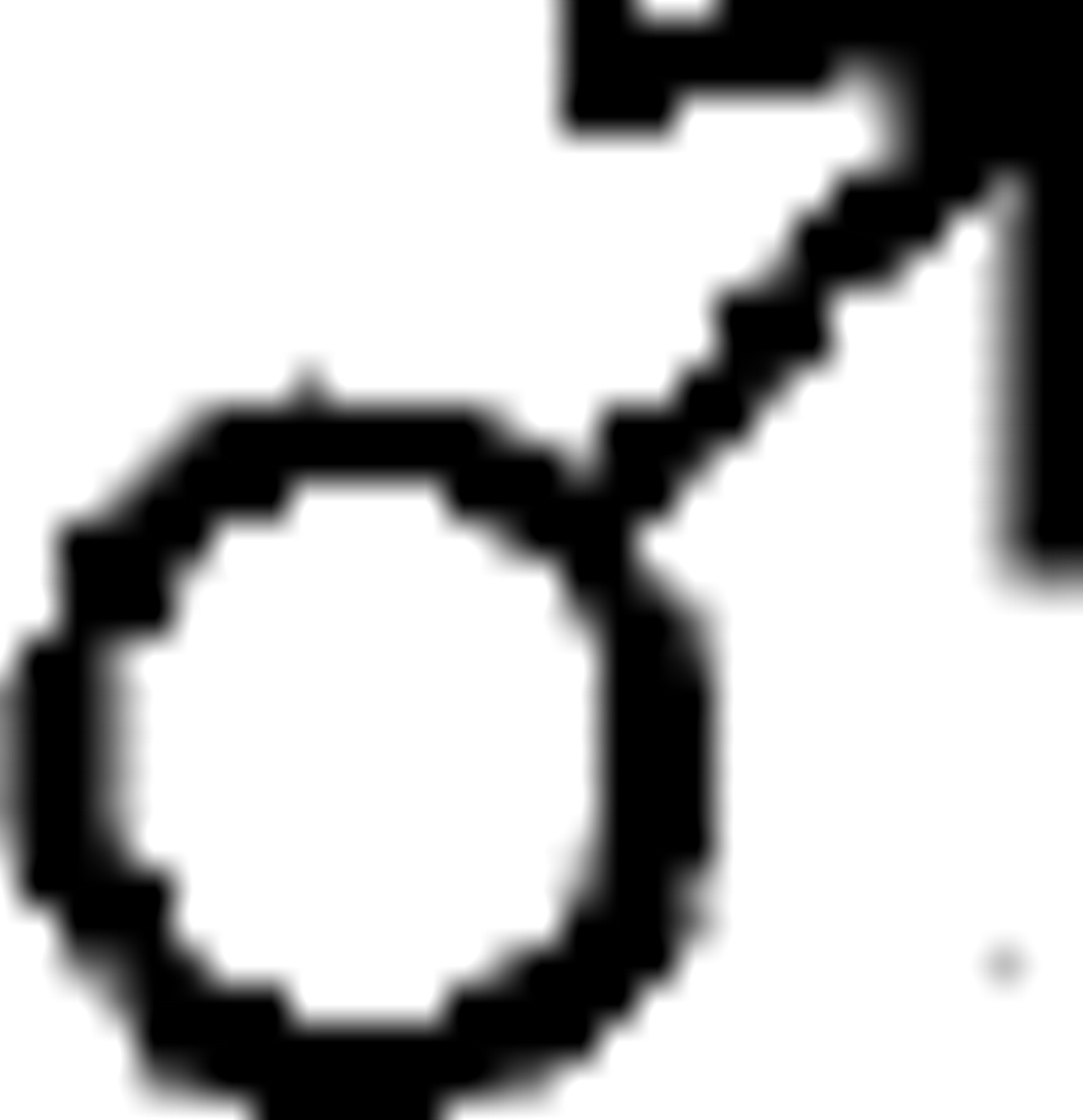 × Argentine
 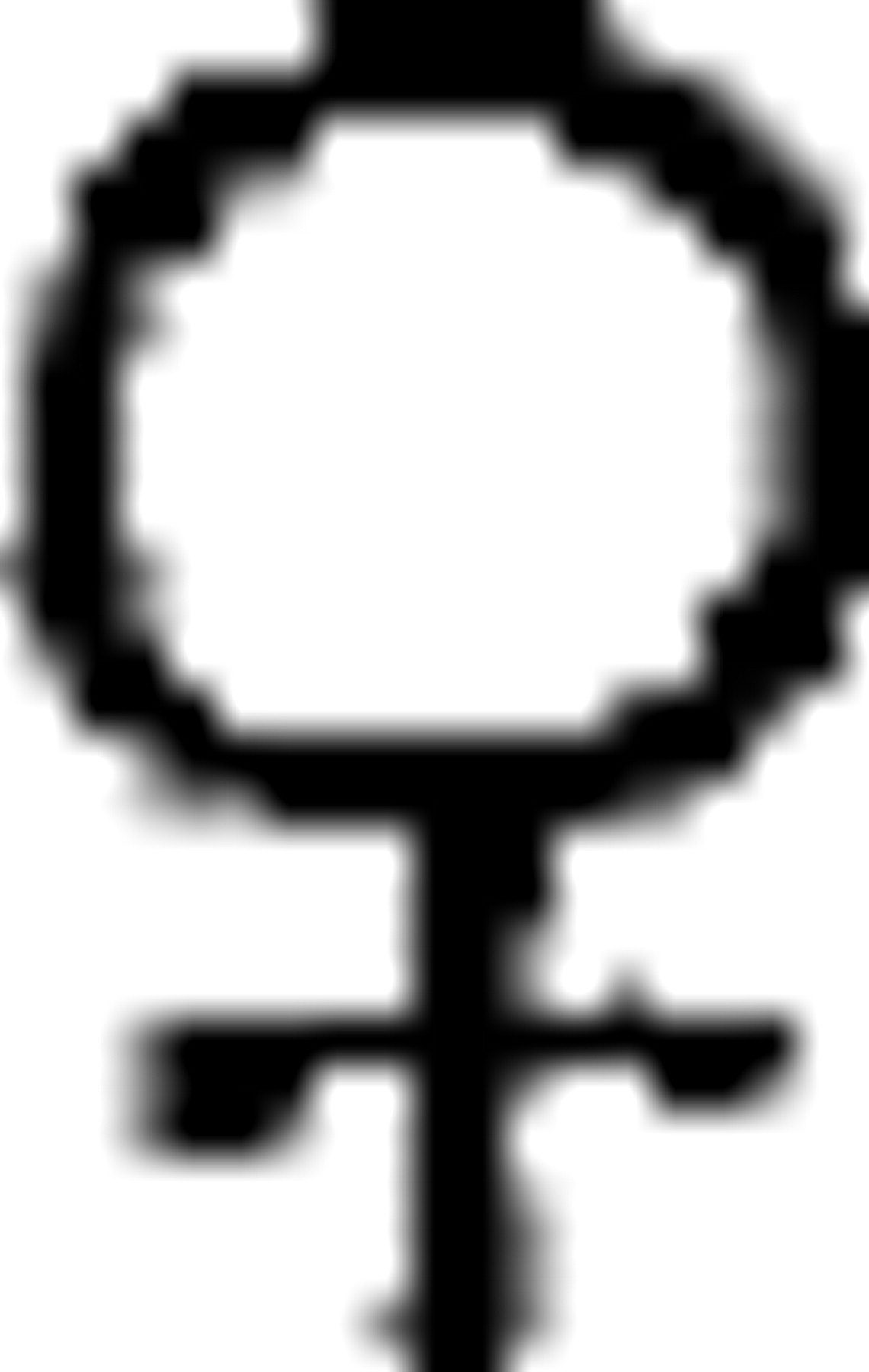 , (5) Spanish
 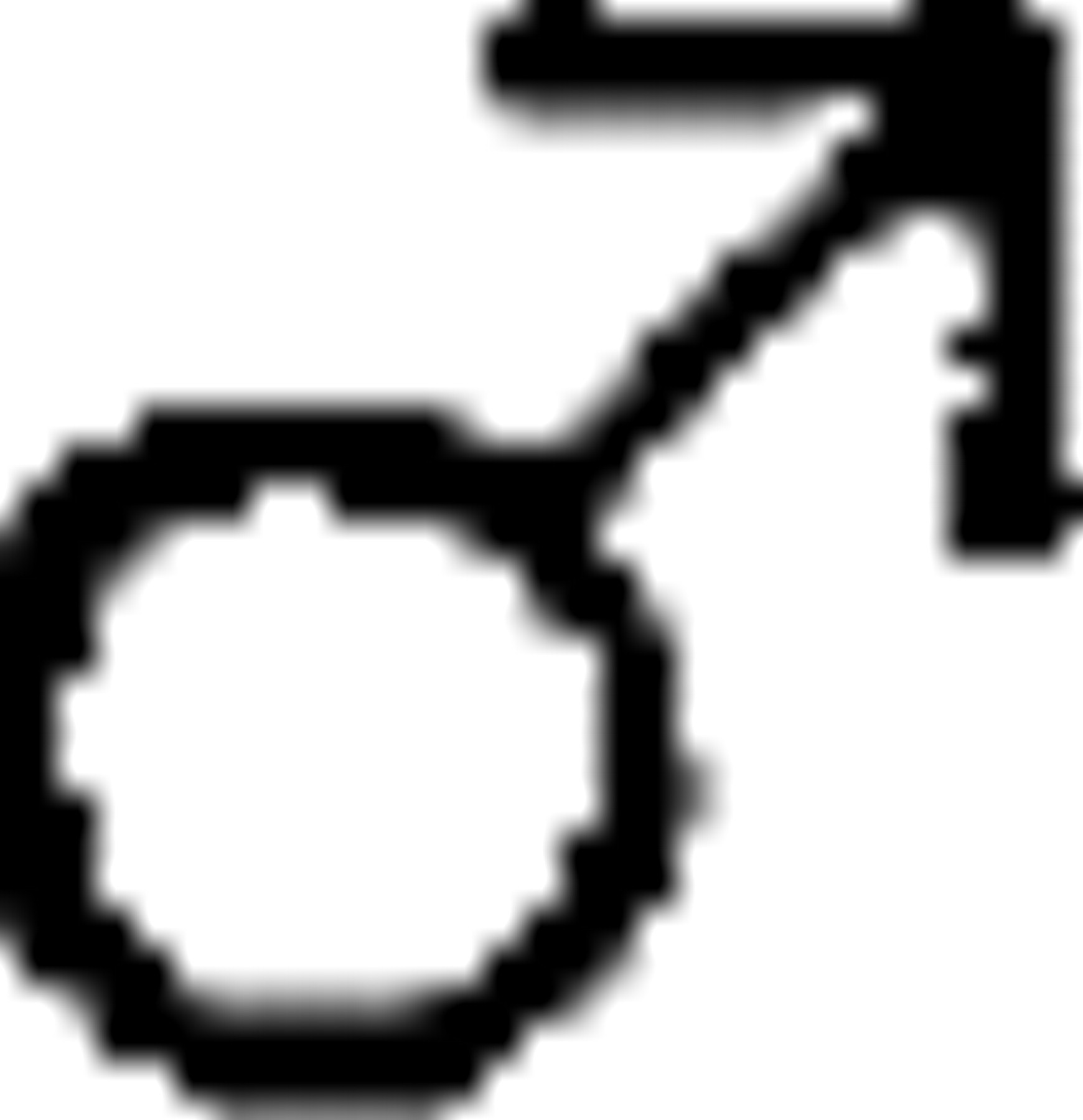 × Argentine
 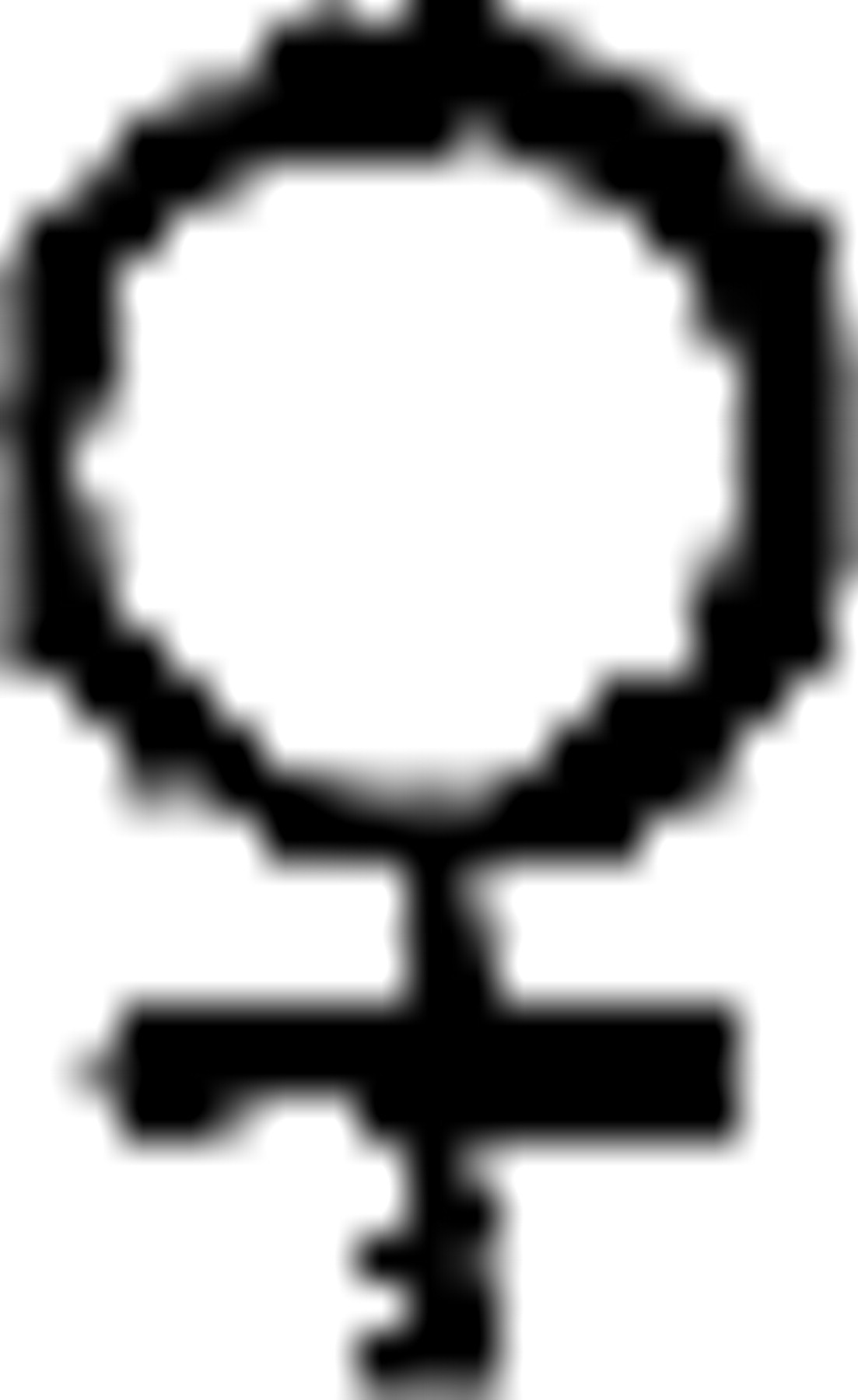 .
.
Of these crosses it will be noted that three are not racial crosses and two are. The data obtained by the Pearls stretched over a period of ten years. Although including very large numbers their data has certain minor disadvantages, for the most part frankly recognized by the authors themselves. First in importance is the fact that their data do not take still births into consideration, and second, the Argentine race may properly be considered as itself somewhat of a mixture and therefore less likely to breed as a pure race. If however the first three crosses be recorded as pure racial matings and the last two as racial hybrids, the ratio of males to 100 females in the two types may be compared as follows:
It will be noted that there is a significant excess of males in the hybrids. The Pearls note this fact and state in addition that environmental differences also fail to account for the results. They further agree that experimental investigations are necessary in order to reach adequate explanations for the observed facts.
It is believed that a close approximation to experimental conditions exists at the large lying-in hospitals. Here the patients are observed carefully, the sex of every offspring, including still births recorded, and the environmental conditions are for at least the period of confinement, as nearly equal as possible. The nationality of the parents of every child is recorded and the data thus obtained although not including nearly as large a number of cases as that of the Pearls, may, I believe, properly be considered accurate. During the past few months therefore, a study has been made of the records at the Sloane Lying-In Hospital, New York City.
Get full access to this article
View all access options for this article.