




Abstract
This study combines bibliometric performance and thematic analysis of the principal instructional leadership (PIL) research field using SciMAT. The analysis included 695 articles indexed on two reputable databases, Scopus and Web of Science (WoSCC), and offered a comparative and deeper understanding of the thematic evolution of the field across three periods of analysis between 1941 and 2024. The results showed that PIL, which was initially conceptualized as a top-down, directive leadership, evolved into a more indirect and integrated perspective of leadership, albeit maintaining the central role of the principal as the leader of leaders. The knowledge base of PIL evolved in the last 85 years from focusing on the instructional leadership roles of the principals as chief school administrators to the investigation of the roles of principals and teachers and finally to investigations with more integrated perspectives. This evolution parallels the evolution of leadership perspectives and models in the educational field broadly, and the increasing focus on leadership as key to school effectiveness and improvement.
Keywords
Introduction
School leadership is important for student and school success (Day et al., 2016; Hallinger, 2005; Hitt & Tucker, 2016; Louis et al., 2010; Robinson et al., 2008; Wu & Shen, 2022). Despite greater concern in recent times for the distribution of leadership (Karakose et al., 2022; Leithwood et al., 2007; Tian et al., 2016), principals remain of central importance (Day et al., 2016; Grissom et al., 2021; Wu & Shen, 2022). Of the many views of principal leadership, it is principal instructional leadership (PIL) that is the most enduring and significant view to describe how principals directly and indirectly lead the improvement of student learning (Arar & Oplatka, 2022; Blasé & Blasé, 2000; Gurr et al., 2010; Hallinger, 2005, 2011a; Hallinger et al., 2015, 2020, 2025).
Although many views of PIL exist in the literature, Hallinger and Murphy (1985) described a view that, with the development of the associated Principal Instructional Management Rating Scale (PIMRS), has become the most researched (Hallinger, 2009, 2011a; Hallinger et al., 2020, 2025), with more than 500 empirical studies noted by Hallinger et al. (2015). This view has three dimensions and associated instructional strategies: (i) defining the school mission which includes framing and communicating clear school goals; (ii) managing the instructional program which includes supervising and evaluating instruction, coordinating curriculum, and monitoring student progress; (iii) creating a positive school climate that includes protecting instructional time, promoting professional development, maintaining high visibility, providing incentives for teachers, and providing incentives for learning.
The enduring interest in PIL has led to an accumulation of research from diverse regions of the world and contributed significantly to the understanding of how principals as instructional leaders can promote improvement across a range of student outcomes. The current study aims to delineate the intellectual development and thematic evolution of the PIL research field by exploring the following questions:
What is the volume and growth trajectory of research on PIL in the K–12 context?
What is the nature of this research field concerning citation impacts, most influential authors, most influential journals, most influential publications, and the geographical distribution of this research?
How is the composition of prominent, emerging, or declining themes during different periods of this research field?
How have these thematic strands evolved throughout the chronological development of this research field (from 1941 to 2024)?
Theoretical Background
IL and PIL have a long history of development with origins tracing “back to the 19th century under the inspection systems that existed in North America, England and Australia” (Gurr et al., 2010). It gained prominence in the United States in 1970s during the early days of the school effectiveness research (Bossert et al., 1982; Edmonds, 1979). The history of IL indicates it has developed over three basic approaches to leadership. The first approach, which was particularly prominent between the 70s and 90s, was mostly principal-centered and attributed IL roles solely to the principal—PIL. Principals promoted student academic achievement by constructing a supportive climate, defining clear goals and objectives, and demonstrating higher expectations from teachers and students (Hallinger, 2011a; Hallinger & Heck, 1996; Hallinger & Murphy, 1985). The second approach, from the late 90s and into the early millennium, had a more shared/distributed perspective to practicing IL and including middle leaders in collaboration with the principal (Blase & Blase, 1998; Lambert, 2002; Marks & Printy, 2003). Since the mid-2000s, conceptions of IL have become more complicated through the incorporation of other leadership views. Various leadership for learning approaches have been developed, which incorporate instructional, transformational, and shared leadership in an integrative approach to improving teaching and learning (Daniëls et al., 2019; Hallinger, 2011b; MacBeath et al., 2018; Marks & Printy, 2003; Pan et al., 2015).
PIL continues to gather significant research interest and does so from increasingly diverse regions of the world (Hallinger, 2005; Hallinger et al., 2020, 2025). Many reviews of PIL research have been conducted over time. Researchers have reviewed PIL in different country contexts such as Taiwan (Pan et al., 2015), Malaysia (Hallinger et al., 2018; Harris et al., 2019; Sailesh et al., 2018), and Türkiye (Gümüş et al., 2021). Some reviews have explored the relationship between PIL and other variables such as principal gender (Hallinger et al., 2016), teacher self-efficacy (Alanoglu, 2022), teacher readiness to implement change (Aziz et al., 2015) and teacher attitudes (Hallinger et al., 2025). Others have conducted a broader exploration by including principals, teachers, and coaches (Neumerski, 2013). Most of these reviews were systematic reviews or meta-analyses of prior research findings and provided a variety of evidence regarding PIL.
More recently, Hallinger et al. (2020) conducted a bibliometric and science-mapping of PIL. Due to its bibliometric methodology, which differs significantly from systematic reviews and meta-analysis used by the other reviews, the study notably revealed the journals that published the highest number of articles, the geographical scope and size of the PIL corpus across these years, and the prevalent themes in this literature, such as the effects of PIL on teachers and students, contexts for PIL practice, and ways of developing instructional leaders. This review was also limited in several aspects. First, the study was comprised of research from 1941 to 2018, and it lacked the last six years of research in the field. However, as will be elaborated in the theoretical background section, the field faced several influential occurrences and alternative views. In addition, their methodology and analysis tools did not allow a comparison across different developmental periods in the PIL literature or the identification of subthemes underlying the development of prominent themes in the field. Doing so would provide significant benefits as it would present the current state of this research and identify strongly or weakly developed aspects to guide future development of the field (Pessin et al., 2022). In addition, the comparative analysis of different types of themes (elaborated in the methods section) helps to determine the boundaries of knowledge and intellectual landscape in its current state, as well as highlighting aspects that require further investigation (Pessin et al., 2022). The current study extends the review of Hallinger et al. (2020) by adding additional years (to 2024) and by using a combined bibliometric performance analysis and science mapping analysis.
As will be explained in the methodology, to conduct the thematic analysis using the SciMAT software, we divided the PIL research from 1941 to 2024 into three periods: Period 1: 1941–2006; Period 2: 2007–2019, and Period 3: 2020–2024. In this section, we also provide a description of each period in the development of PIL.
Period 1: 1941–2006
This is the period when the idea of PIL began to develop and, ultimately, flourish. Following the Second World War, in the United States and other jurisdictions, policies sought equitable and universal access to public education. However, “public education had evolved as an enterprise characterized by access-oriented mass public schooling . . . [rather than] as a collection of instructionally focused education systems among or within states” (Peurach et al., 2019, p. 38). The underlying assumption was that “if governments built schools, supplied them with teachers and books, and made sure students attended, students would learn” (Peurach et al., 2019, p. 35). From the 1960s, there was a concern for the quality and how schools used the resources supplied by governments to ensure the success of every student regardless of race, gender, or SES (Spillane et al., 2019). Principals were seen as key to this successful use of resources and creating the conditions for better teaching and learning (English, 2012)
At the beginning of this period, principals were viewed as school managers (Spears, 1941; Willey, 1942). With the rise of the effective schools movement, by the 1980s the IL role of principals was being emphasized. Initially there was an absence of clear conceptual frameworks and theoretical models to define IL, as well as weak research designs due to a lack of reliable instruments to investigate its practice (Barth, 2001; Bossert et al., 1982; Bridges, 1967; Cuban, 1984; Hallinger et al., 1983). However, as we have noted previously, Hallinger and Murphy (1985) developed a widely accepted and enduring model of IL and a scale to measure it, the PIMRS (Hallinger, 2011a; Hallinger et al., 2015).
Although PIL was emphasized, the administrative workload of principals and teacher autonomy considerations limited the scope of principals to impact on classrooms (Hallinger et al., 2020; Peurach et al., 2019). With the difficulties in implementing IL, other ideas like transformational leadership and distributed leadership were developing alongside IL to help understand and support the leadership work of principals and others in schools (Leithwood & Duke, 1999; Leithwood et al., 2007; Spillane, 2006; Spillane et al., 2004).
Period 2: 2007–2019
During this period, the models of transformational and IL that began development in 1980s, and distributed leadership that began development in the 1990s, became established as the three dominant views of educational leadership (Gümüş et al., 2018; Gurr, 2023; Leithwood & Duke, 1999; Spillane, 2006; Tian et al., 2016; UNESCO, 2024).
During this time, advances in statistics and technology led to models of social research that enabled the processing of complex relationships in large data sets. This research was able to explore the link between leadership and student learning, highlighting the impact of disparities in the use of resources and identifying achievement gaps among students (Louis et al., 2010; Peurach et al., 2019; Robinson et al., 2008). This was also the trigger for the performance and accountability movement at the turn of the twenty-first century, which prioritized student achievement for assessing educational effectiveness (Hallinger et al., 2020).
The focus on student achievement was also ignited globally. Two key initiatives were the use from 2000 of the OECD’s Programme for International Student Assessment (PISA), measuring reading, mathematics, and science knowledge in 15-year-olds, and the United Nations’ policy shift from a focus on universal student access to student learning success (Komatsu & Rappleye, 2021; Zhao, 2020).
In light of these developments and new research evidence of the impact of PIL on student outcomes (Hallinger, 2011b; Hallinger et al., 2015; Hitt & Tucker, 2016; Louis et al., 2010; Robinson et al., 2008), there was a renewed focus on PIL, as well as development of closely related ideas such as the various views of leadership for learning which acknowledged the involvement of other leaders in IL (Hallinger, 2011b; Hallinger et al., 2020; Louis & Wahlstrom, 2012; MacBeath et al., 2018; Zhan et al., 2023).
As policy and research interest in PIL continued to grow, PIL was used “to conceptualize, theorize, and guide the work of redesigning mass public schooling enterprises as instructionally focused education systems” (Peurach et al., 2019, p. 48). Corresponding with this interest, PIL has become the most investigated model of leadership in educational administration literature, particularly from 2007 onwards (Hallinger et al., 2020).
Period 3: 2020–2024
This period involved research published from 2020 to 2024, the year we conducted our study. It was characterized by the unprecedented flux of digital technologies that (re)shape the nature of societies and their demands for education, the profound influence of the COVID-19 pandemic, and a more globalized policy context of education. The years after 2020 have witnessed technology development, which has consistently changed not only the social and environmental conditions of schools, but also the nature of teaching and learning. This has made mastering change an essential ingredient of success and urged more systems thinking as opposed to a linear one in leading schools (Adams & Thompson, 2025; Hudson & Gurr, 2025; Karakose & Tulubas, 2025).
Defined as “a perfect storm with imperfect leadership responses . . . with no precedents and no guides to leading schools” (Harris & Jones, 2020, p. 244), the COVID-19 pandemic severely tested principals’ crisis leadership capabilities such as empathy, communication, adapting, and capitalizing on opportunities (Bush, 2021; Striepe & Cunningham, 2022a, 2022b), which not only turned school leaders attention on the well-being and safety of both students and teachers, as well as ensuring the best possible ways of using technology to support education (Longmuir, 2023; Shaked, 2022; Weiner et al., 2021), but also collaborative leadership models in schools as a pivotal approach to navigating crisis conditions (Schechter et al., 2024). Whilst there is renewed attention to the leadership roles of others in schools, and especially toward teacher and middle leaders (Gurr, 2024; Harris & Jones, 2017; Tang et al., 2022), the importance of principals as the key source of leadership remains (Grissom et al., 2021; UNESCO, 2024), reinforcing the need to focus on PIL.
As noted by Hargreaves and Harris (2015), “the impact of competent leaders is especially essential when schools function under challenging situations” (p. 28). Therefore, we anticipate that the fabric of all these challenging situations in the last five years (2020–2024) should have transmuted the direction of research on PIL.
Method
In this study, we combined bibliometric performance analysis and science mapping analysis (López-Robles et al., 2021; Moral Muñoz et al., 2020; Yu et al., 2019) to evaluate the conceptual structure and thematic development of the PIL research field, taking the most relevant publications and their impact into account.
Bibliometric performance analysis was used to reveal the most influential researchers, journals, articles, and countries that contribute significantly to the advancement of the PIL research field. This analysis uncovered information about publications, authors, journals, and their impact. In addition, this analysis specifically evaluated the research field in terms of citations and impact: (i) the overall production and impact of published documents; (ii) production of authors, countries, and the like; and (iii) the H-Classics approach based on the h-index to identify the most cited articles, journals, and countries (Cobo et al., 2011; López-Robles et al., 2021). The H-Classics analysis is based on the well-known h-index, which serves as an unbiased criterion to systematize the identification of classic articles in any research field. This analysis shows the performance of the themes in terms of publication and citation impact and helps in identifying contributing authors and countries (Hirsch, 2005; Martínez et al., 2014). Citation data are supplied by each database.
Science mapping analysis was used to reveal the intellectual framework and evolution of the thematic landscape of the PIL research field (Cobo et al., 2011, 2012; Cooper, 2016). Unlike systematic literature reviews that focus on synthesizing the accumulated findings of previously published research in a particular subfield of any field (Cooper, 2016), the present study revealed the patterns of “scientific knowledge that is manifested through an amalgamation of intellectual contributions from members of a scientific community” (Chen, 2017, p. 3) in the PIL field of study.
Within the scope of this study, a conceptual science mapping analysis was conducted using SciMAT software. The analysis was based on the network of co-occurring keywords that shows how often keywords relevant for analysis appear together in the same set of documents (Callon et al., 1991; Coulter et al., 1998). This is frequently used in bibliometric analyses to reveal the interconnected relations between topics of research. SciMAT was preferred as an analysis tool since it allows for conducting combined bibliometric performance analysis and thematic evolution analysis. It eventually produces a strategic diagram of central themes and thematic analysis networks (conceptual structure analysis) representing the subthemes of these major themes (Cobo et al., 2012). Thematic analysis (conceptual structure analysis) reveals the main thematic areas subject to research.
The thematic analysis conducted by SciMAT provides an overview of the evolution of a research field through science mapping analysis, complemented by a performance analysis. This overview is structured in two complementary subsections: (i) thematic analysis by periods of analysis and (ii) thematic evolution analysis (analysis of conceptual evolution) (López-Robles et al., 2021).
Data analysis on SciMAT typically follows four steps (Cobo et al., 2011):
(i) Keywords from all the included data sources are extracted by using the software.
(ii) The analysis is fundamentally conducted based on the frequency of co-occurrence of each keyword.
(iii) The similarities and the strength of the relationships between clusters of keywords are identified using the equivalence index and the clustering algorithm calculations of the software, which reveal the central themes belonging to each period of analysis.
(iv) The themes revealed by this analysis are demonstrated on a four-quadrant, two-dimensional strategic diagram using measures of density (the internal relationship of the themes in a cluster) and centrality (the external relationship of themes from different clusters and critical in understanding the relationship between the themes).
Further information on their interpretation is provided in the data analysis section to enable better insights into the SciMAT analysis results of the current study.
Data Collection and Extraction
We collected data for the present study using two bibliographic databases, Scopus and Web of Science (WoSCC). These databases were preferred due to their established utility in facilitating bibliometric analysis. They both afford access to and the retrieval of requisite data for such purposes. Scopus stands out as particularly advantageous for research in the field of education owing to its comprehensive coverage of education-related journals (Hallinger & Kulophas, 2019). In contrast, WoSCC offers an extensive temporal range, indexing research works from as early as 1900 to the contemporary period. WoSCC also maintains a wide spectrum of high-quality research content.
Given the diversity of research coverage and time frames associated with these databases, both Scopus and WoSCC were employed to collect data in this study. It is noteworthy that no temporal constraints were imposed during the search process, as the objective was to encompass all articles indexed within the field of PIL.
The data search and extraction processes were conducted on June 8, 2024. The PRISMA 2020 data extraction flow diagram is shown in Figure 1 (adapted from Page et al., 2021). We used the following search strings based on the previous review of Hallinger et al. (2020) and limited to the titles of the articles:
(“instructional leader*” OR “instructional manage*” OR “learning centered leadership” OR “learning-centered leadership” OR “leadership for learning” OR “leadership of learning” OR “pedagogical leader*” OR “pedagogical leadership” OR “pedagogic leader*” OR “pedagogic leadership” OR “achievement directed leadership” OR “achievement-directed leadership” OR “learning focused leadership” OR “learning-focused leadership”)
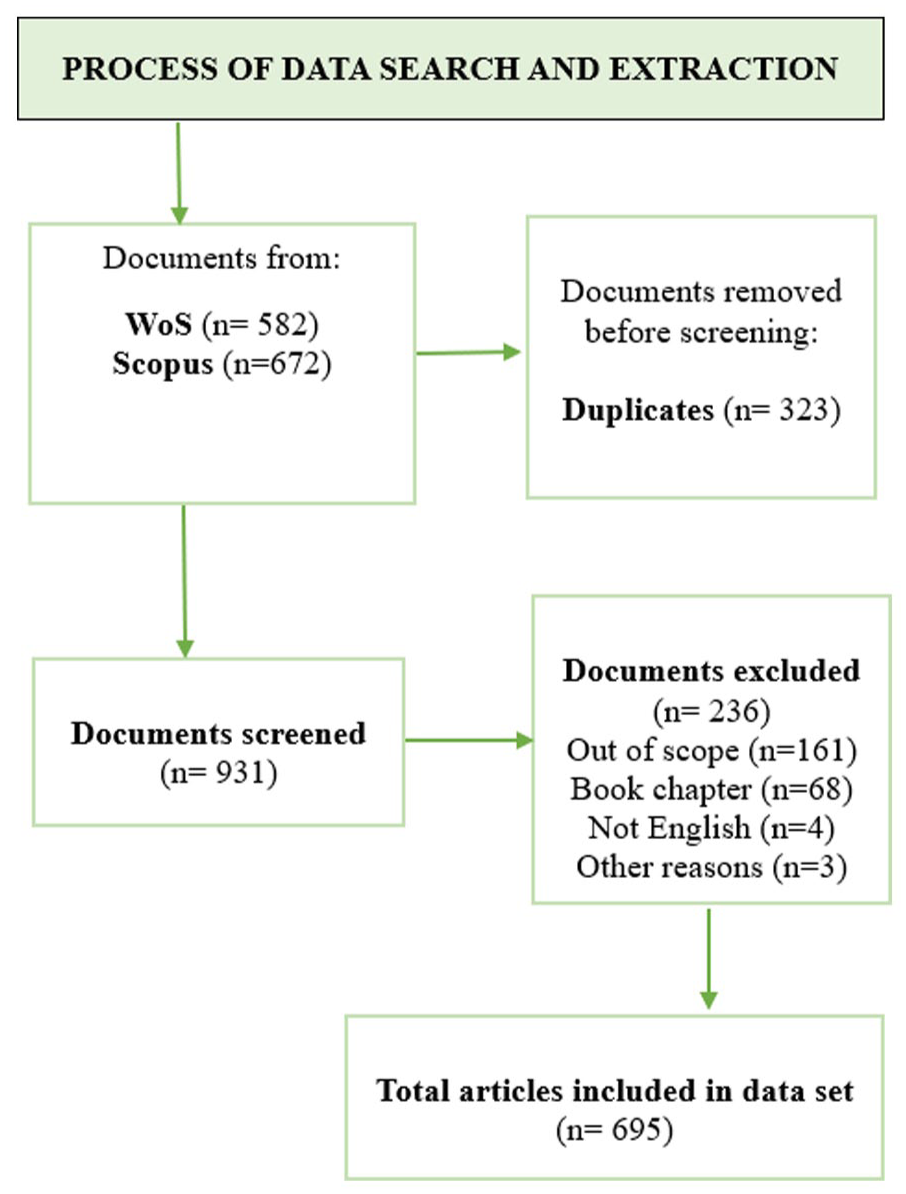
The PRISMA 2020 flow diagram showing data search and extraction process.
The data search of all available years yielded 582 documents from the first identified article published in 1970 through to June 2024 from the WoSCC database, and 672 documents from the first identified article published in 1941 through to June 2024 from the Scopus database. We first identified and excluded 323 duplicates, which meant 931 documents remained for further screening with the following inclusion and exclusion criteria:
In forming these criteria, three objectives required to obtain high-quality and rigorous results were given priority: ensuring all keywords included are in the same language; including research conducted in the same context (K–12 schools); and excluding publications that do not provide keywords or that were not published in refereed journals.
Although we limited our search to articles (excluding books, book chapters, and proceedings), the searches on both databases had inserted some book chapters into their list. Therefore, we excluded a total of 68 book chapters from the raw list. Then, we identified 161 documents that were out of scope (e.g., focusing on other leadership models, students, teachers, or other irrelevant populations) and four documents that were in a language other than English and did not provide English keywords. Finally, we identified that three documents in the raw list were excerpts from some other documents and were included by mistake. At the end of this process, we excluded 236 documents in total, which meant the final data set included 695 articles in total. The dataset is shared as a supplementary file, which shows both included and excluded documents; please see the online supplementary material.
Data Analysis
We began with a bibliometric analysis to answer research questions 1 and 2. During this stage, we analyzed the data set to reveal the most-cited journals, authors with the highest number of publications and citations, the countries that mostly contributed to the PIL knowledge base, and the most-cited articles based on information supplied from the databases. With a particular focus on the citation rates in addition to the total number of publications, the lists included the most prominent ten items related to each category to show the highest contributions to the PIL research field during the specified periods (1941–2024). The results of this performance analysis are given in the findings section.
One of the notable attributes of the SciMAT software lies in its proficiency in conducting a thematic evolution analysis both within and across distinct time frames in a particular research field. This functionality enables a more profound and longitudinal examination of prevailing themes (Sánchez-Camacho et al., 2021). To ensure a robust and meticulous analysis, scholars have recommended the judicious application of a tripartite set of criteria for selecting time frame, as articulated by Cobo et al. (2011) and López-Robles et al. (2019): (1) scrutiny of pivotal events and alterations, (2) inclusion of a sufficient number of documents in each period, and (3) incorporating a balanced number of documents within each defined period. To address the last two research questions, RQ3 and RQ4, we used SciMAT and, based on the selected time-frame criteria, identified three periods from the first research conducted in 1941 to 2024. As mentioned previously, the three periods are: Period 1 from 1941–2006, which included 146 articles; Period 2 from 2007–2019, which included 270 articles; and Period 3 from 2020–2024, which included 287 articles.
Interpretation of the Thematic Maps
SciMAT produces three types of diagrams to show: the strategic themes yielded for each period; network structures visualizing the subthemes of a theme as well as the relationships between them; and a thematic evolution map visualizing the evolving relationships between the themes across three periods of analysis. An example of each of these three diagrams is presented in Figure 2 (Sott et al., 2020).
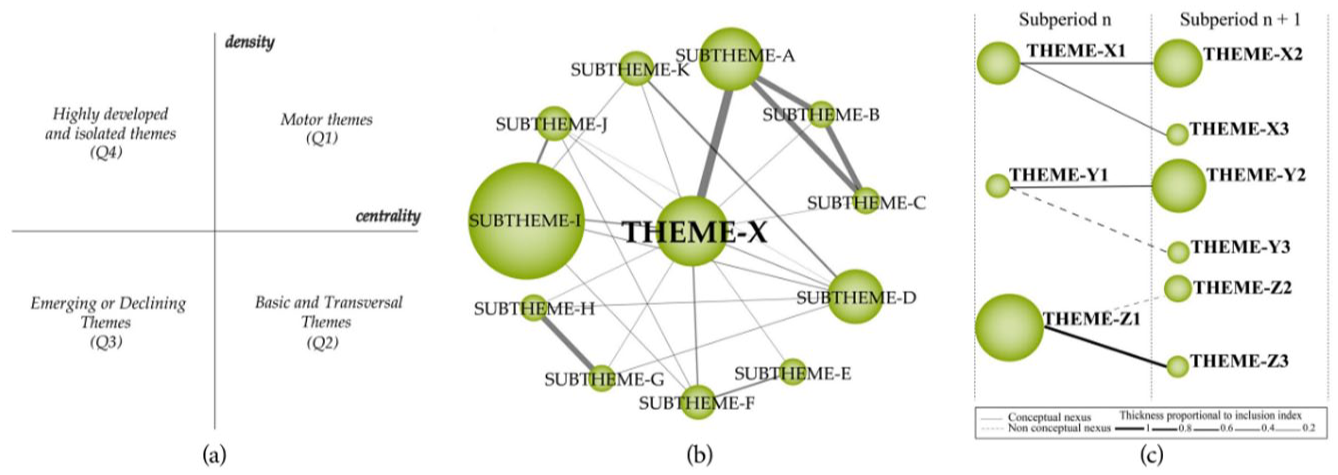
(a) Strategic diagram, (b) thematic network structure, and (c)thematic evolution structure.
The strategic diagram in Figure 2a is formed after an analysis based on Callon’s centrality and density values. These values are used to cluster themes yielded for each period. The centrality value (horizontal axis) gauges the external cohesion between different thematic networks. The density value (vertical axis), on the other hand, gauges the internal cohesion of a network (Cobo et al., 2012). The measurement based on centrality and density values produces four fundamental quadrants: Q1, motor themes; Q2, basic and transversal themes; Q3, emerging and declining themes; and Q4, highly developed and isolated themes (Sott et al., 2021). The motor themes are the most developed themes during a period of analysis. Both the centrality and the density values of motor themes are high. The basic and transversal themes were not developed sufficiently but nonetheless contributed significantly to the development of the field, particularly through supporting the motor themes. These themes have high centrality but lower density values. The emerging/declining themes are the underdeveloped or newly emerging themes in the field. Their centrality and density values are both low. Highly developed and isolated themes are those that are highly developed but still remain peripheral to the development of the field. Their centrality values are low while the density values are high.
As for the thematic network structure presented in Figure 2b, the size of the circles in the diagram aligns with the number of corresponding documents. The thickness of the lines connecting the subthemes in the cluster indicates the strength of the relationship between these themes (López-Robles et al., 2019). The labels used for the network structure are given in the center and produced from the most central keyword (theme) in the cluster. The other keywords associated with this central theme (subthemes) are placed around the central theme. As the relationship between these themes gets stronger, the lines connecting them get thicker.
The thematic evolution map in Figure 2c establishes the evolutionary nature of the themes that emerged from the period-based thematic analysis. When the themes associated across periods are connected with the same keywords as the theme labels, this relationship is shown with solid lines. These solid lines are thicker depending on the strength of this relationship. When the associated themes across periods share common keywords but not the theme labels, their relationship is shown with dashed lines (Cobo et al., 2012).
Results
This section reports the findings revealed by the bibliometric performance analysis addressing the first and second research questions, and the science-mapping analysis addressing the third and fourth research questions.
Bibliometric Performance Analysis
The performance analysis was performed to identify the publication trends in the PIL research field between 1941 and 2024. It provides the most influential journals, authors, countries, and articles.
Publication Trends
Figure 3 shows the volume and growth trajectory of articles published between 1941–2024. The number of publications for each year is shown with green bars, citation counts with the red line, and the number of publications accumulated across years of analysis with the gray line. The number of publications and citations showed a rising trend during the last two periods (2007–2019 and 2020–-2024). An increase in research interest was revealed during the COVID-19 pandemic. There were four years in Period 1 and four years in Period 2 in which citations were above 400. Two occurrences were in 1982 and 1985 in a period when the main research view of PIL was being formulated (e.g. Bossert et al., 1982; Hallinger & Murphy, 1985). The other two were in 2003 and 2005 when PIL was being reconsidered and expanded (e.g. Hallinger, 2005; Marks & Printy, 2003), particularly under the rising influence of distributed perspectives on educational leadership during this timeframe. The final four (2012, 2013, 2015, and 2018) were when there was renewed and increasing interest in PIL (e.g., Boyce & Bowers, 2018; Goddard et al., 2015; Hallinger, 2018; Honig, 2012; Neumerski, 2013; Townsend et al., 2013). In addition, although publications in 2020 are comparatively recent, they have already accumulated citations over 500. We imagine that over time, the citations for articles in the third period will be routinely above 400 citations, as the number of articles per year from 2020 to 2022 is each above 30 for the first time.
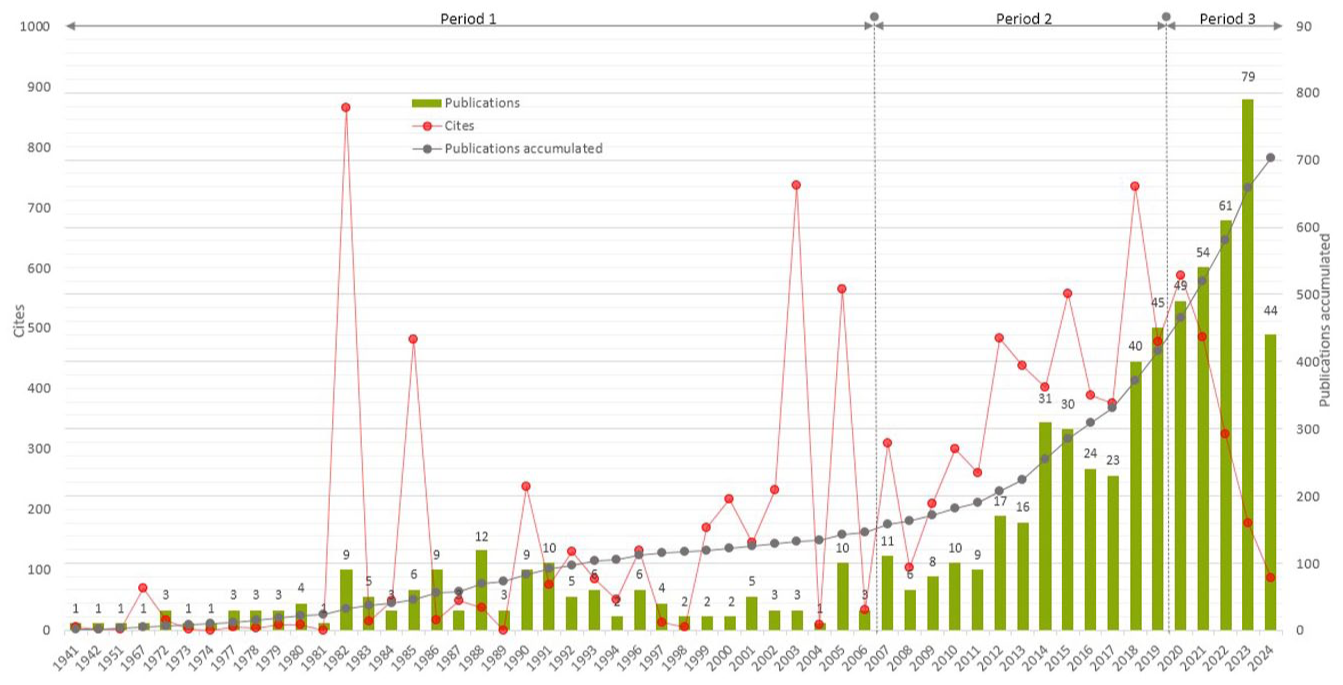
The distribution of publications and citation trends.
Most Influential Journals
The results of the bibliometric analysis are presented in the following tables. Table 1 shows the top 10 journals whose publications received the highest number of citations between 1941 and 2024.
Top 10 Journals for Most Publications and Citations.
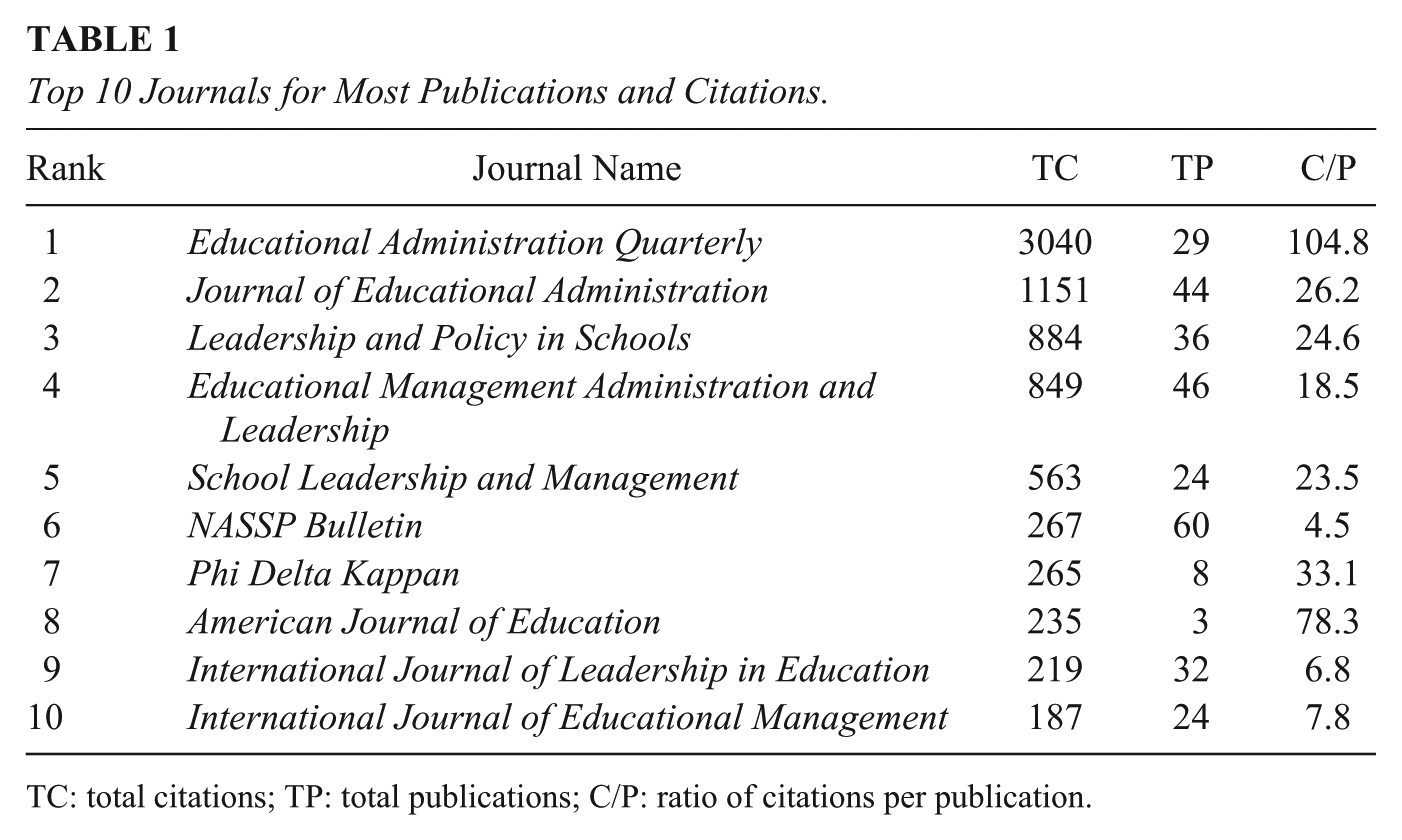
TC: total citations; TP: total publications; C/P: ratio of citations per publication.
As shown in Table 1, the two leading journals in the educational management research field, Educational Administration Quarterly (TC = 3040) and Journal of Educational Administration (TC = 1151) have realized the greatest impact on the investigation of PIL. Although the NASSP Bulletin published the highest number of articles, the citation rates per article were the lowest, perhaps due to its more practitioner-focused nature. The American Journal of Education reached a total of 235 citations with only three publications, indicating the significant impact of these articles on PIL research. The third highest impact was from the 36 articles published in Leadership and Policy in Schools, perhaps indicating policy implications associated with PIL.
Most Influential Authors
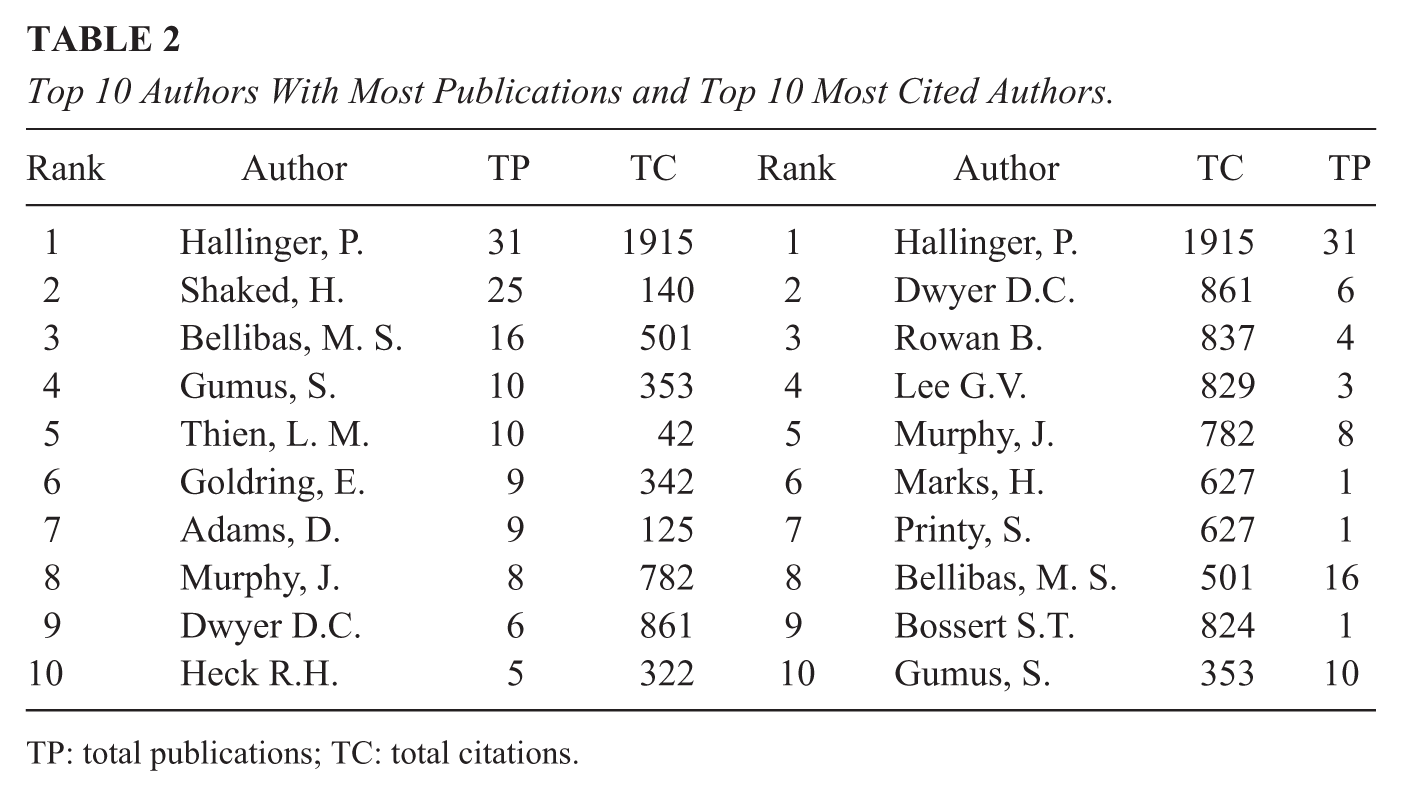
Table 2 shows the top 10 authors who published the highest number of articles and those who received the highest number of citations between 1941 and 2024.
Top 10 Authors With Most Publications and Top 10 Most Cited Authors.
TP: total publications; TC: total citations.
In terms of the most cited author, the top 10 are all scholars associated with the United States, although the top-cited author, Hallinger, has for over two decades been located in Asia, principally in Thailand and Hong Kong. When total publications are considered, there is more variety in terms of where scholars come from, with representation from the United States, Israel, Türkiye, China (Hong Kong and mainland), and Thailand.
Most Productive Countries
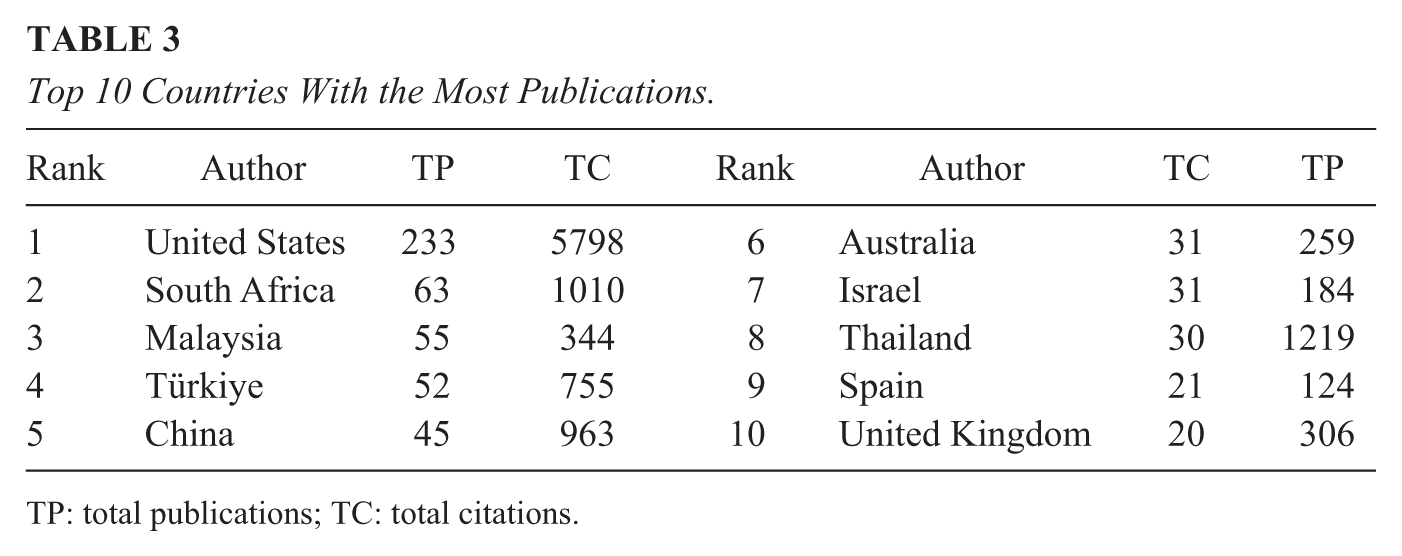
Table 3 shows the top 10 countries for PIL publication numbers and citation counts across 1941–2024. The dominance of United States scholarship is further evidenced by the number one ranking of the United States in terms of publications and citations. Indeed, the total publications and total citations of the other nine countries combined are less than those of the United States. However, the results in Table 3 also illustrate that research contributing to the PIL field has considerable country variety. This supports Hallinger’s (2011b) earlier observation that PIL research extended from its original birthplace in North America to an international landscape highlighting its wide applicability across contexts. The prominence of Asian countries in the list also supports the expansion noted by Hallinger et al. (2018) and Hallinger and Walker (2017), which is perhaps not surprising given the work and influence of Hallinger in Asia over the past two decades. Ahmed (2023), who investigated the contribution to the educational leadership field from Muslim countries, identified Türkiye and Malaysia as making the largest contribution in recent years, and Table 3 supports this rise in influence. In brief, given the emergence of scholarship from Asia and from Muslim countries, and the continuing research in countries like Australia, South Africa, and the United Kingdom, over time, our knowledge of PIL is becoming more contextually nuanced and global in contribution. Research on PIL continues to evolve with, for example, the emergence in recent years of PIL models contextualized to Vietnam (Hallinger & Walker, 2017) and Iran (Zeinabadi et al., 2023).
Top 10 Countries With the Most Publications.
TP: total publications; TC: total citations.
Most Cited Articles
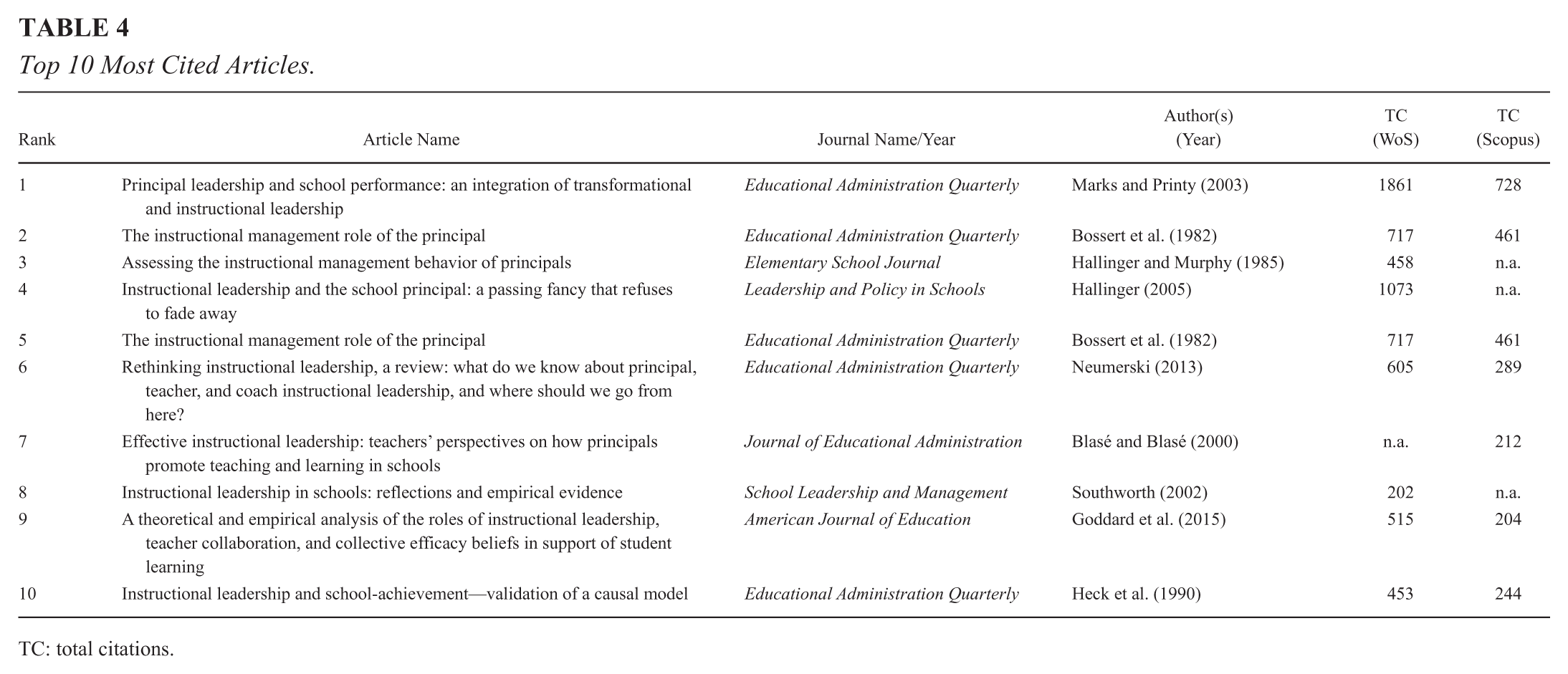
Table 4 shows the top 10 articles that received the highest number of citations between 1941 and 2024. Of the top 10 most cited articles, all but two were published in journals associated with the United States, with Educational Administration Quarterly publishing five of the papers. This is somewhat disconcerting as it shows the dominance of a narrow range of contexts (albeit that the United States is a very complex country). Eight of these highly cited papers were published during Period 1, while the other two were published during Period 2. Although their earlier publication dates might explain some of their high citation counts, they also indicate that publications and authors from Period 1 were highly influential in the growth of the PIL. In brief, Table 4 illustrates once again that PIL literature grew from a Western knowledge base.
Top 10 Most Cited Articles.
TC: total citations.
Science Mapping Analysis
In this section, the science mapping and performance analysis reveal the conceptual structure of the PIL. The findings are presented in two forms: (a) period-based thematic analysis (conceptual structure analysis) and (b) thematic evolution analysis (conceptual evolution analysis).
Thematic Analysis (Conceptual Structure Analysis)
The results of the thematic analysis conducted over the dataset using the SciMAT program are presented in this section. The analysis yielded the strategic themes and thematic networks for each period of analysis. As noted in the methodology section, Callon’s centrality and density values (Callon et al., 1991) were calculated to reveal the four main strategic themes and their thematic network structures by fundamentally assessing the external and internal relations between the themes.
While elaborating on the strategic themes and thematic network structures in the following text, for clarity, the main themes are written in bold italics and the associated subthemes in italics. The results are presented for each period consecutively.
Period 1 (1941–2006)
The 146 articles published during Period 1 were submitted to thematic analysis, which yielded three themes: (1) schools, (2) instructional leadership, and (3) principal leadership (Figure 4). Among these themes, the
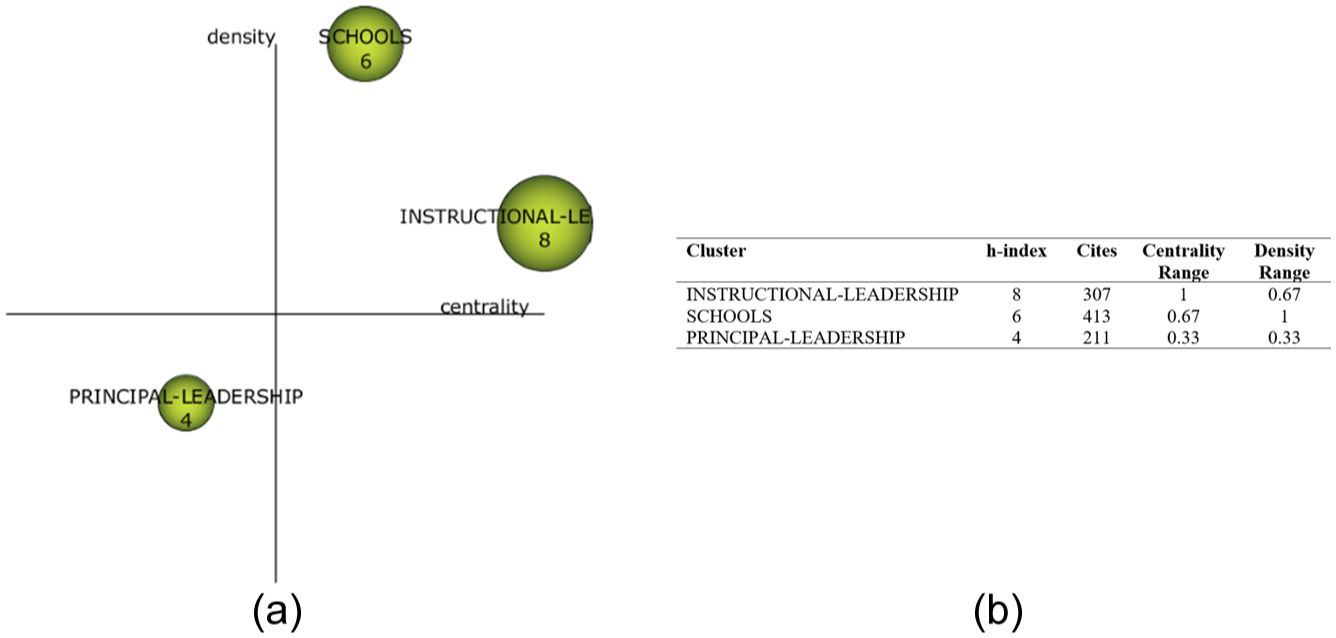
Strategic diagram for Period 1: (a) Period 1 (1941–2006) and (b) performance measures for Period 1.
Closer scrutiny of the thematic network structures concerning these three themes (Figure 5) provides some insights into the subthemes underpinning their development and helps explain the focus of research.
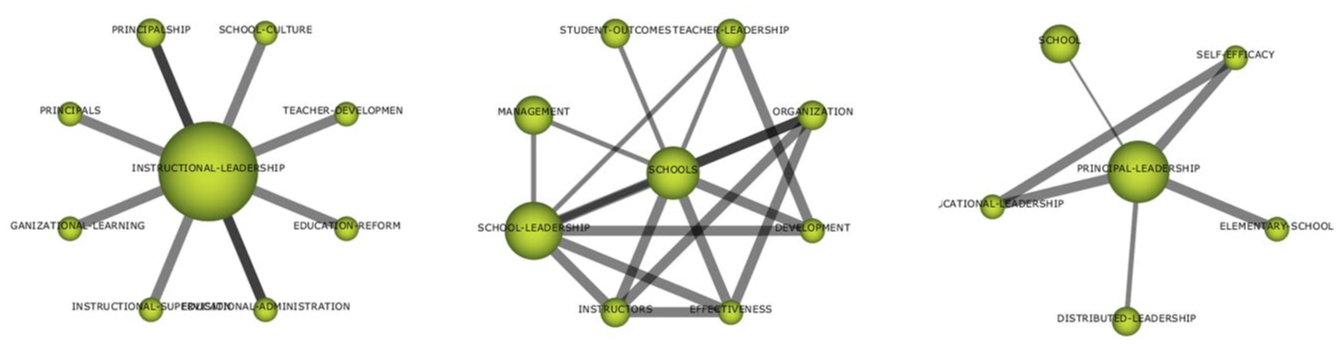
Thematic network structures for Period 1.
The
Hallinger’s (2012) conceptualization of IL in the PIMRS scale, used in much of this research, constituted principal behaviors such as coordinating the curriculum, supervising and evaluating instruction, and monitoring student progress, and reflected a rather hierarchical, managerial, and supervisory tone (Hitt & Tucker, 2016). This might explain why instructional-supervision emerged as a significant subtheme of the
The emerging theme of the period, the
Period 2 (2007-2019)
The 270 articles published during Period 2 were submitted to thematic analysis, which yielded a greater variety of themes compared to the previous period (Figure 6). As the motor themes
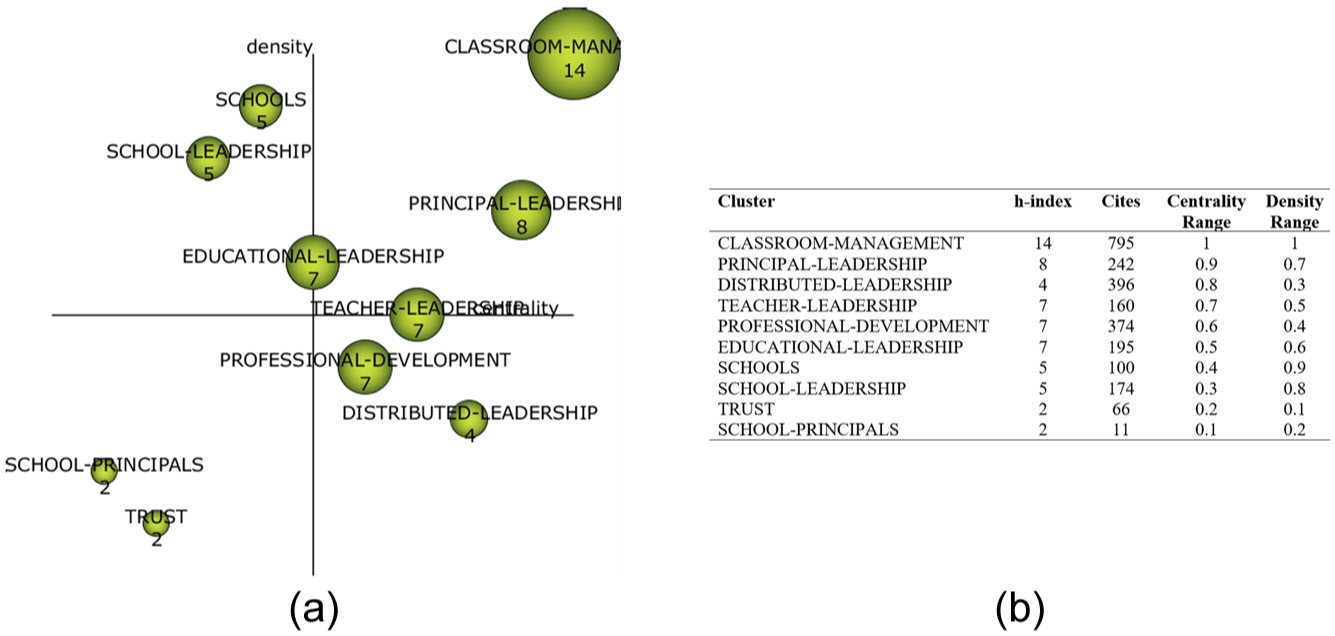
Strategic diagram for Period 2: (a) Period 2 (2007–2019), and (b) performance measures for Period 2.
Considering the motor themes that supported the development of PIL research during the second period, the thematic network structures presented in Figure 7 offers better insights. The central theme of
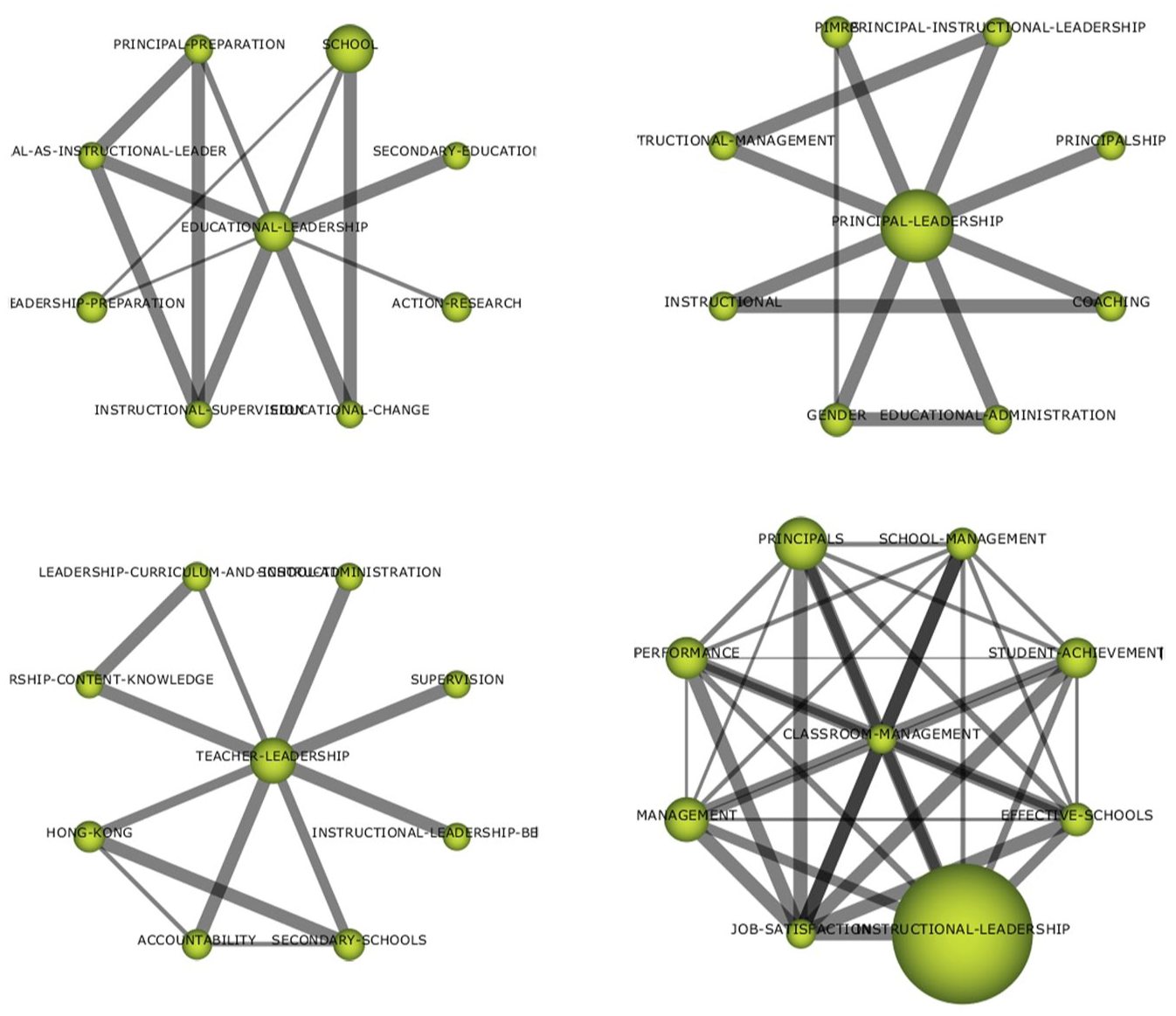
Thematic network structures for Period 2.
The other two subthemes, instructional-supervision and secondary-education, suggests the applicability of PIL to secondary schools; this shows an evolution as much of the previous PIL research had focused on elementary/primary schools (Hallinger, 2005).
The subthemes of action-research, leadership-preparation, and educational-change also indicate an increased research interest in understanding ways of cultivating both PIL and overall IL capacity in schools (Fullan, 2014; Liebowitz & Porter, 2019), and especially in relation to principals initiating and leading collaborative and professional community practices to improve teaching and learning (Hitt & Tucker, 2016; Tülübaş, 2022)
In the same cluster of
The PIMRS sub-theme naturally refers to the PIMRS (Hallinger, 2011a, 2012), which has been the most frequently used scale in the field.
The
The subthemes associated with the
The careful examination of the
The thematic analysis also yielded two emerging/declining themes during Period 2. Although it is hard to distinguish which one of these themes was emerging and which began to decline during this period, it is still possible to make an interpretation based on the existing literature. Accordingly, the
Period 3 (2020–2024)
The 287 articles published during Period 3 were submitted to thematic analysis, which identified a total of 14 themes (Figure 8). The motor themes central to the development of the field during the last period were
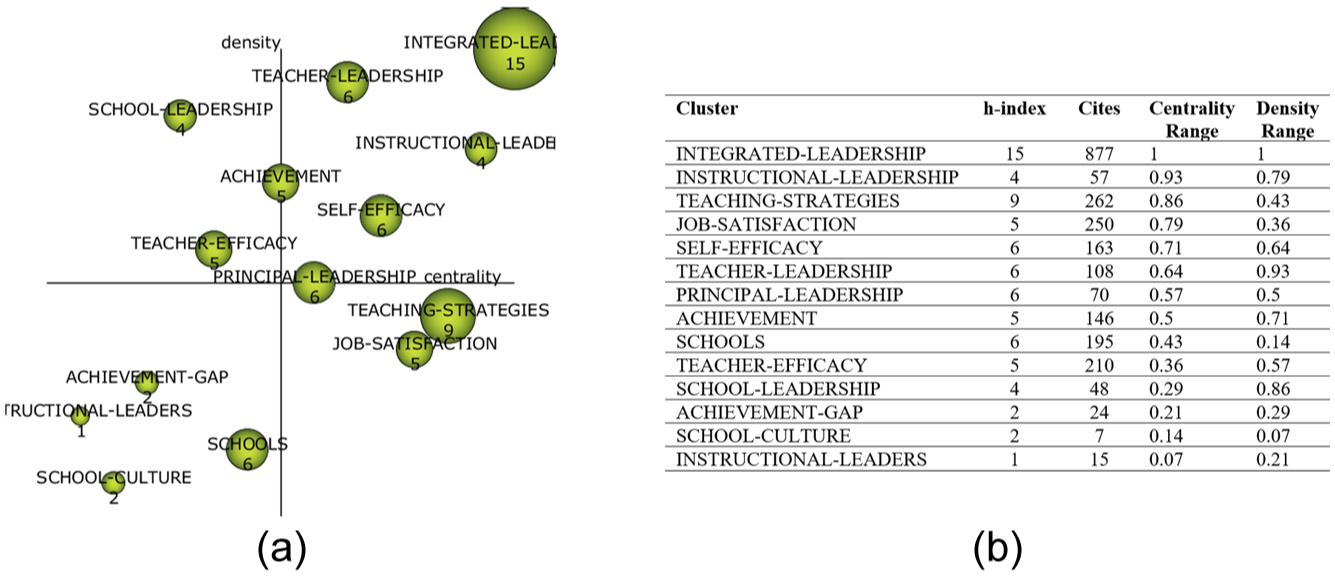
Strategic diagram for Period 3: (a) Period 3 (2020–2024) and (b) performance measures for Period 3.
The thematic network structure of the five motor themes is presented in Figure 9. The
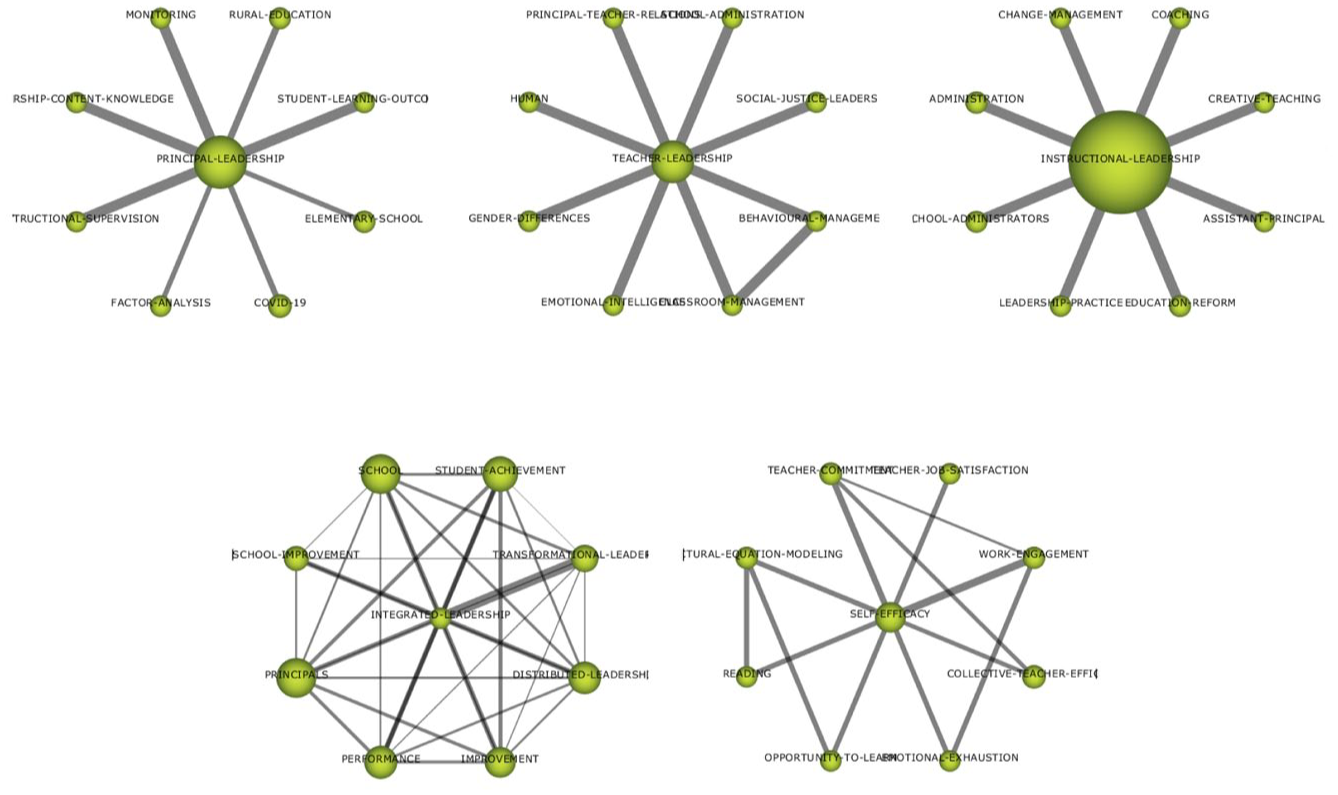
Thematic network structures for Period 3.
As for the factor-analysis subtheme apparent in this cluster, Zhan et al. (2023) seem to have contributed to its development with their recent work on developing an instrument to measure shared instructional leadership (SIL). The subtheme also indicates an interest in the design of different instruments than the PIMRS to investigate different views of IL and in different contexts (Antoniou & Lu, 2018; Fromm et al., 2017).
The thematic network of the
Commenting on the role of PIL during the pandemic, Shaked (2022) reiterated that “instructional leadership reduces social injustice . . . [as] an equity-driven approach that promotes excellence for all students, ensuring that each and every student achieves at high levels” (p. 2). In another recent study, Gümüş et al. (2022) addressed the role of PIL in enabling equal access to education for students from different socioeconomic backgrounds and showed that the focus of principals on teaching and learning helped reduce the impact of SES on student achievement. This might explain why social-justice-leadership emerged as a subtheme of
The thematic network of
Period 3 was the first time
Although it appeared as a subtheme during the initial period,
The subtheme of structural-equation-modelling suggests that some research during this period focused on the analysis of factors mediating/moderating the relationship between PIL and teacher-level variables important for improving teacher instructional performance and student achievement. The emergence of reading as a subtheme in this network structure suggests that improving student reading performance was a high priority. This might also suggest that other subjects such as mathematics were less frequently addressed despite their significance in overall academic and lifelong achievement.
Thematic Evolution Analysis (Conceptual Evolution Analysis)
SciMAT is a particularly strong tool for science mapping and thematic analysis since it can identify the evolutionary nature of themes that emerged across subsequent periods of a research field’s development. The thematic network analysis in the current study revealed a total of 27 themes, three of which emerged during Period 1, 10 during Period 2, and 14 during Period 3 (Figure 10). These results indicate that the PIL research field addressed an increased variety of themes throughout its development as a subfield of educational leadership. This also illustrates well the increasing complexity of the PIL knowledge base, as periods 2 and 3 were much shorter than period 1.
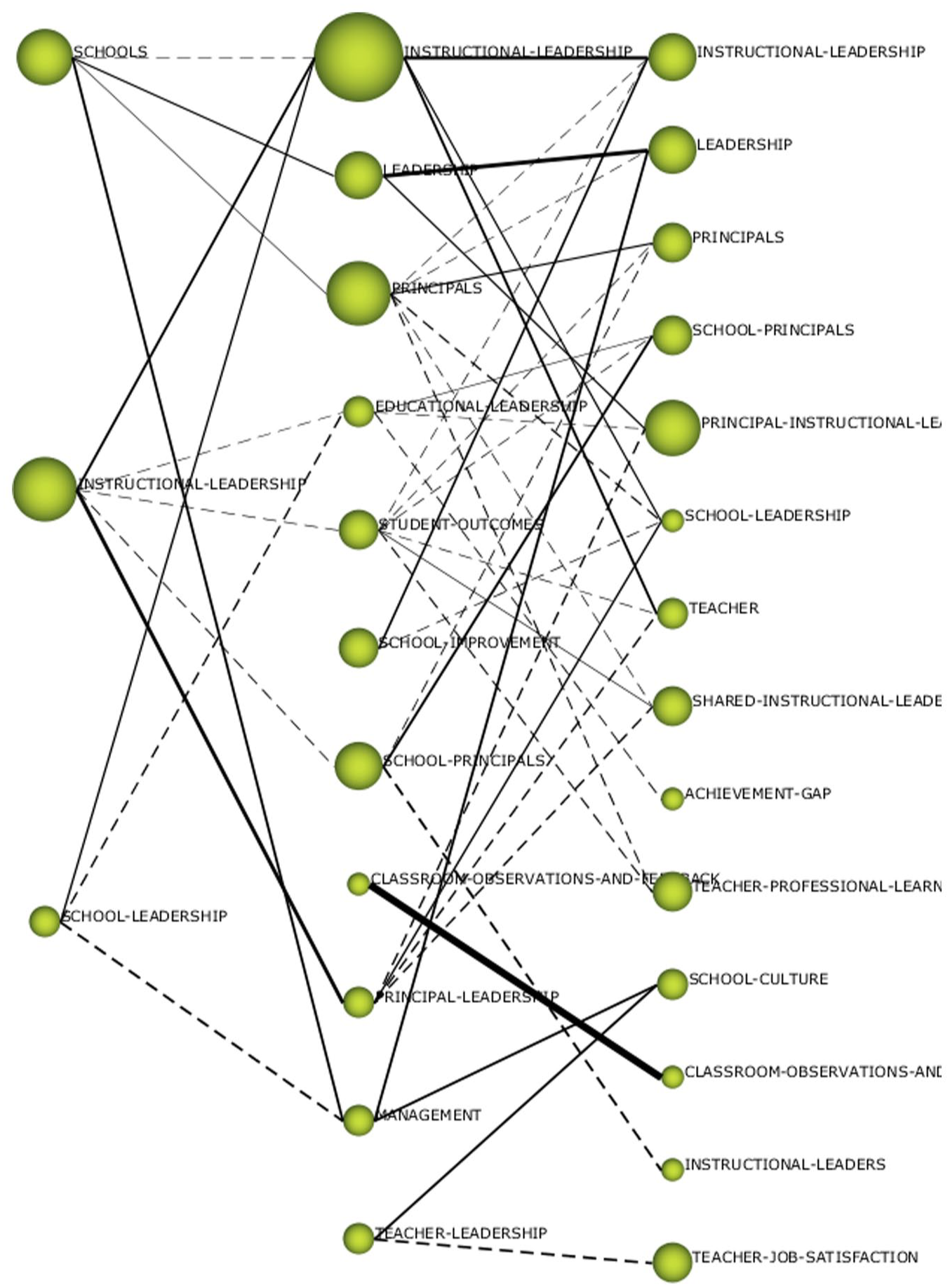
Thematic evolution structure.
As explained earlier in the methods section, the solid lines between themes in Figure 10 show that they share the same keywords. The dashed lines show that these themes share similar concepts. The thickness of the lines reflects the strength of the relationship between the themes. Accordingly, PIL appeared as a concrete model of leadership in the school leadership field starting from 1941 and has endured to the present day. Although the PIL framework was developed from evidence on effective principals, the “principal” as a prevalent theme did not appear during the initial developmental phase of the PIL field, perhaps due to the widely made assumption that IL was already vested in the principal.
During the second period, ranging from 2007 to 2019, the evolution map illustrates that research reached a dichotomy, one focusing on the roles of the principal and one focusing on the role of the teachers. The most significant theme of the period was classroom management, which was closely related to IL, teacher leadership, and integrated leadership in the following period. This supports the developing line of research on teacher leadership (Kılınç et al., 2021; Nguyen et al., 2019; Sebastian et al., 2017; Supovitz, 2018; Wenner & Campbell, 2017).
The focus on supporting teachers’ active involvement in leadership seems to have endured during the third period, enabling their professional development and facilitating their self-efficacy to become active agents of the school improvement process. Teacher self-efficacy seems to have become a topic of interest as a significant lever of teacher performance and success in managing diverse expectations and needs of their students and developing their belief in their ability to enact leadership (Bellibas & Liu, 2017; Hallinger et al., 2025; Täschner et al., 2024; Zee & Koomen, 2016).
Discussion
The current study investigated the thematic strands in the development of PIL research as a subfield of the broader educational leadership literature and identified the growth and volume of research that contributed to the conceptualization and understanding of PIL from 1941 to 2024.
The bibliometric performance analysis of the current study has shown that interest in PIL has gained increasing momentum starting from the mid-twentieth century to the present day. Despite some fluctuations in this interest, perhaps due to the emergence of other influential leadership models in the field such as transformational leadership, PIL seems to be regaining importance as a leadership model that has originated from the educational field and directly address the two core tasks of schools—teaching and learning. Importantly, the field has become more diverse with more research from the non-Western regions of the world. This both affirms the importance of PIL and adds richness to our understanding of it through how it is applied and modified in different contexts, and how it responds to the different challenges facing education across the world.
Regarding the thematic strands and their evolution across periods, the results are nuanced and match well with the complex and changing expectations and interests in the educational policy environment. Initially flourishing as a top-down, directive model of principal leadership emerging from the effective schools movement, first in North America and then across the world (Pan et al., 2015), the conceptualization of IL during the early periods is tightly aligned to principals (Hallinger, 2005) and hence the correct use of PIL to describe the field in this stage as described well by the three themes of
An interesting finding for the first period is related to the
During Period 2, the global emphasis on school accountability and performance, fueled by developments in national and international student learning and testing programs, assumed greater roles for school leadership (Sun, 2011). This made the position of a single “heroic leader . . . virtually untenable” (Townsend et al., 2013, p. 68). The results of a review of leadership models by Gümüş et al. (2018) highlighted that research interest in PIL was nourished once again after 2005 by the growing demands of accountability systems and the desire to improve student outcomes, and the importance of PIL to these (Gurr, 2023; Louis et al., 2010; Peurach & Russell, 2024). However, highlighting the need for more to be involved in leadership, distributed leadership perspectives gained prominence (Papadakis et al., 2024; Tian et al., 2016), and both teacher leadership and middle leadership began a period of significant research interest (Gurr, 2024; Harris & Jones, 2017; Tang et al., 2022; Tian et al., 2016). Neumerski (2013), for instance, called for a more collective understanding of IL practice in schools, arguing that “the way we have organized our studies on principal, teacher leader, and coach instructional leadership into separate and distinct bodies of literature may constrain our ability to develop new types of knowledge around how leaders improve instruction” (p. 335).
Some scholars gave reference to teachers as significant components of practicing IL early in the 90s when PIL was popular as an efficacious means of creating effective schools. Wasley (1991), for instance, defined teacher leadership as the capability of teachers “to enhance colleagues in experimentation and then examination of more powerful instructional practices in the service of more engaged student learning” (p. 170). Similarly, Pellicer and Anderson (1995) suggested that IL did not “necessarily begin and end with the principal . . . [but] must come from teachers if schools are to improve and teaching is to achieve professional status” (p. 16). Importantly, scholars emphasized the role of the principal in facilitating and supporting teacher and middle leadership. For instance, Crowther et al. (2002) suggested that “where we have seen teacher leadership begin to flourish, principals have actively supported it or, at least, encouraged it” (p. 33). According to Barth (2001), “good principals are more hero-makers than heroes” (p. 448). With a need for more people exercising leadership and new ways of working together to lead twenty-first-century schools, it is not surprising then that research in this period saw the continued rise in research on distributed, teacher, and middle leadership (Gurr, 2023; Harris & Jones, 2017; Nguyen et al., 2019; Tian et al., 2016).
The emphasis on the role of teachers as instructional leaders is understandable, given that they are the ones doing the teaching (Baldera, 2025; Boyce & Bowers, 2018; Tang et al., 2022). At the beginning of Period 2, for instance, Mangin and Stoelinga (2009, p. 1) underlined that “in response to increased performance expectations, schools . . . are turning to nonsupervisory, school-based, instructional teacher leader roles to help improve teachers’ instruction and enhance student learning,” and these teacher leaders can contribute to school improvement significantly through conducting professional development activities, utilizing their curriculum and content knowledge, and providing support for school leadership. As supported by Mangin’s (2007) earlier study, principals who were successful in developing healthy interactions with teachers and who supported teachers’ leadership as a resource for school improvement were also successful in enhancing the teaching-learning practice in school, which in turn promoted student success. These results nuance the idea that supporting the instructional leadership of teachers could be an integral part of PIL (Nguyen et al., 2019; Wenner & Campbell, 2017; York-Barr & Duke, 2004).
In support of these discussions, our results indicate that studies on IL were divided into two camps during the second period: one focusing on the role of the principal and one on the teacher. During the first period,
Our results suggest that much of the research addressing PIL during the second period addressed classroom management, perhaps indicating how principals supported teachers to improve teaching and learning (van der Merwe, 2016). Classroom management was also a significant component of Tschannen-Moran and Hoy’s (2001) teacher self-efficacy framework, which proposes that teachers’ belief in their ability to practice effective classroom management is crucially important for optimal teaching and learning (Bellibas & Liu, 2017). As such, classroom management was regarded as a significant means of practicing shared instructional leadership, both by teachers and the principal (van der Merwe, 2016).
During the third period, though, the emergence of
Another significant theme to mention from Period 3 is the emerging achievement-gap theme. The focus on student achievement gaps is not a recent phenomenon in the educational literature and is central to arguments over providing all students with a socially just educational environment (Gümüş et al., 2022; Karakose et al., 2023; Peurach & Russell, 2024; Tian & Huber, 2020). However, its appearance during the last period as a significant emerging theme might have resulted from the unique challenges of the COVID-19 pandemic and rapid technological developments, which increased concerns over enabling students’ equal access to education (Gurr, 2023; Shaked, 2022). For instance, the technology-based, remote teaching conditions of the pandemic put students with lower SES backgrounds at a disadvantage (Karakose et al., 2021).
A comparison between these current results and the review of Hallinger et al. (2020) reveals similarities and differences. Our study focused on PIL research in the K–12 context, whereas Hallinger et al. (2020) included all IL and all levels of education. Despite this, both studies evidenced the dominance of US and Western research, particularly during the initial development of the field, while also delineating increased contributions to the field from Asian countries. Although the current results supported the claim by Hallinger et al. (2020) that the NASSP Bulletin contributed the highest number of publications to the field, our results showed that two leading journals of the educational management field (i.e., Educational Administration Quarterly and Journal of Educational Administration) have been the most influential journals in the development of PIL. Our study also showed the most influential PIL paper was the integrated investigation of the principal transformational and instructional leadership by Marks and Printy (2003), followed by two early studies investigating the instructional management roles of the principal (Bossert et al., 1982; Hallinger & Heck, 1985). On the contrary, Hallinger et al. (2020) identified that the most influential paper was that of Robinson et al. (2008), a review of the leadership research investigating the impact of leadership on student learning. A major reason for these different results could be that Hallinger et al. (2020) addressed the broader IL research field, in contrast to our review, which was focused on PIL. Building on Hallinger et al. (2020), our review has some unique insights regarding the thematic evolution of the field. The first two periods in our analysis encompassed nearly the same years as Hallinger et al. (2020), and some themes revealed by the current study corresponded to the earlier findings. However, the current analysis delineated a clearer picture of how PIL shifted over time by conducting a deeper analysis into the underlying research interests (subthemes) that built the prominent themes during each period and identifying how these research interests evolved from one period to another.
Another significant contribution of the current study is related to the period beyond 2018. PIL seemed to be important during the COVID-19 pandemic for sustaining quality education and transforming the teaching-learning process to respond to the school closures. PIL, particularly its more collaborative forms, seemed to regain importance during the COVID-19 period, suggesting that it could be a complementary component of crisis management and leadership in educational contexts. In this regard, future investigations into crisis management and leadership in the field of education (e.g., Striepe & Cunningham, 2022a) could also consider involving PIL in their analysis to build an education-specific crisis leadership theory. During this period, it was evident that PIL research not only focused on leveraging student outcomes but was also concerned with enhancing teachers’ satisfaction, commitment, and efficacy beliefs, which was not emphasized by Hallinger et al.’s (2020) findings. Although these teacher-level variables are significant in leveraging student outcomes, they are also vital to support teacher well-being. Our results imply that despite the growing view of IL as a shared practice and a significant component of leadership for learning, PIL research continued its focus on the central role of the principal in enabling better working conditions for teachers so that they can perform better instruction and leverage student outcomes.
In conclusion, the results of our research give us an image of the work of PIL as cumulative, with additional layers of responsibilities being added and integrated over time as principals respond to escalating political and policy ambitions for students’ development, in contrast to common critiques of education reform as faddish and as prone to pendulum-like swings. This also suggests that PIL should be reframed into a broader theory of leadership that integrates all these accumulated layers of responsibilities over the course of time, which would also offer a renewed basis for further investigation of PIL.
Despite its significant contribution to the growth of the PIL knowledge base, the current study is not without limitations. Despite the wide coverage of journals and articles listed on Scopus and WoSCC, and the inclusion of a larger scope of research thanks to co-word analysis, the current study may still have missed some of the research published on PIL because the study only included articles from English-language journals. Similarly, unlike conventional literature reviews, the current study employs a bibliometric review of the PIL research field using metadata such as citation metrics and keyword co-occurrences, which may have inadvertently contributed to a selection bias, excluding the work of authors and regions that have less visibility.
The heterogeneity of keywords used to refer to the same phenomenon, such as self-efficacy/teacher self-efficacy, student achievement/student learning outcomes, can sometimes create ambiguity in the relationships displayed in thematic network structures. Although the increased number of keywords in the studies is often interpreted as a sign of conceptual growth in the field, this heterogeneity in referring to the same or similar concepts poses challenges for bibliometric thematic analysis, which depends largely on keyword co-occurrence analysis. This not only creates a limitation for such studies but also suggests significant implications for keyword selections in future publications.
Supplemental Material
sj-docx-1-rer-10.3102_00346543251403507 – Supplemental material for Reviewing the Intellectual Structure of the Knowledge Base on Principal Instructional Leadership: An Integrated Bibliometric and Thematic Analysis, 1941–2024
Supplemental material, sj-docx-1-rer-10.3102_00346543251403507 for Reviewing the Intellectual Structure of the Knowledge Base on Principal Instructional Leadership: An Integrated Bibliometric and Thematic Analysis, 1941–2024 by David Gurr, Turgut Karakose, Tijen Tülübaş and Hakan Polat in Review of Educational Research
Footnotes

Authors
References
Supplementary Material
Please find the following supplemental material available below.
For Open Access articles published under a Creative Commons License, all supplemental material carries the same license as the article it is associated with.
For non-Open Access articles published, all supplemental material carries a non-exclusive license, and permission requests for re-use of supplemental material or any part of supplemental material shall be sent directly to the copyright owner as specified in the copyright notice associated with the article.
