




Abstract
This systematic literature review focuses on attitudes and beliefs of administrators, teachers, and parents within dual language programs in the U.S. context. Language ideologies encompass attitudes and beliefs that influence decisions made within bilingual education policies and practices. The tenets of social justice leadership in the context of dual language provided by DeMatthews and Izquierdo are utilized to understand how these attitudes and beliefs could be perpetuating and/or disrupting ideologies that reflect the language-as-a-problem, language-as-a-resource, and raciolinguistic perspectives and are ultimately creating ideological dilemmas that threaten equitable policies and practices. Findings highlight the need for preparing and sustaining leadership within dual language programs that can address ideological tensions among administrators, teachers, and parents to promote distributive, cultural, and associational justice.
Keywords
Language ideologies and policies in the United States have shifted dramatically over the years, regardless of immigration waves. The Bilingual Education Act of 1968, a U.S. federal policy, aimed to address the needs of limited English-speaking children. However, despite its implementation, opposition persisted, particularly during Reagan’s administration, which perpetuated nationalist and English-only ideologies (Castañeda v. Pickard, 1981). Court cases like Lau v. Nichols (1974) highlighted disparities in English language support, reinforcing deficit-framing of Mexican American students within the U.S. education system.
However, bilingual education programs did not emerge solely from top-down policy decisions. Latinx families, immigrant communities, and grassroots organizers played a crucial role in advocating for language rights and expanding bilingual education. The Chicano movement in the Southwest, Puerto Rican activists in New York, and other Latinx-led efforts fought for bilingual education as a means of cultural and linguistic preservation (García & Kleifgen, 2018; San Miguel, 2004). Organizations such as the Mexican American Legal Defense and Educational Fund (MALDEF) led legal battles and community mobilization efforts, ensuring that students had access to instruction in their home language. These movements actively resisted deficit-minded policies that sought to assimilate students into English-only instruction, often framing bilingual education as a civil rights issue (Del Valle, 2003).
Despite the historical devaluation of Mexican American culture and the Spanish language in U.S. schools, bilingual education programs have expanded throughout the country (Galván, 2022). While some bilingual education models prioritize the transition from students’ home language to English, dual language programs offer students the opportunity to become proficient in both English and another language simultaneously. This systematic literature review focuses on dual language programs that provide Spanish and English instruction.
Language Allocation Models in Dual Language Programs
Across the United States, dual language programs follow different language allocation models, shaping both curriculum design and student experiences (García & Kleifgen, 2010, 2018). These models vary in how instructional time is distributed between languages and how linguistic resources are valued in the classroom.
These models are implemented differently across states. For example, in Utah and Texas, two-way dual language programs serve both emergent bilingual students whose native language is not English and native English speakers. However, in Utah, one-way dual language programs primarily serve native English speakers seeking bilingual and biliterate proficiency, whereas in Texas, one-way dual language programs consist mainly of emergent bilingual students whose native language is Spanish (or another non-English language) (Sikes & Villanueva, 2021; Why Immersion?, 2018).
The expansion of bilingual education, despite persistent opposition, reflects the success of grassroots advocacy, court cases, and shifting societal attitudes toward multilingualism. However, access to high-quality bilingual programs remains inequitable, often privileging white and affluent students while marginalizing the Latinx communities that historically fought for these programs (Flores & García, 2017; Valdés, 1997).
Theoretical Frameworks
The concept of language ideologies is present within this study, and it is important to consider the definition used to conceptualize an “ideology” and, more specifically, a “language ideology.” Gerring (1997) provides several examples of the definition of “ideology” within the literature. Specifically, an ideology is something that is present within groups of people with shared values, opinions, attitudes, and beliefs (Adorno et al., 1950; Geertz, 1964/1973; Hamilton, 1987; Rejai, 1991; Seliger, 1976). An ideology also seems to be rooted in a systematic structure (Campbell et al., 1960; Lane, 1962) and is used by its holder to justify the use of power to enforce these shared ideologies (Hamilton, 1987; Lane, 1962; McClosky, 1964; Nettl, 1967; Rejai, 1991; Seliger, 1976). On the other hand, language ideologies consist of “beliefs about language and as a concept designed to assist in the study of those beliefs” (Kroskrity, 2004, p. 501). Kroskrity (2004, p. 501) expresses that “language ideologies represent the perception of language and discourse that is constructed in the interest of a specific social or cultural group.” This review draws from this notion by conceptualizing language ideologies as encompassing beliefs, values, attitudes, and opinions around language in education, and the inability to untie itself from societal and political tensions.
Kroskrity (2004) discusses language ideologies and the interconnectedness with social, political, and cultural practices. Underlying beliefs about one’s social, political, and cultural environment are reflected in how one chooses to use language. For example, Kroskrity (2004) provides an example of the English-only policies within education and a devaluation of non-English languages as a reflection of beliefs around what is considered a valid language. Additionally, there are beliefs that English is a “threatened” language and using other languages would threaten the unified culture of the United States. These beliefs are related to how language is used socially, what is considered acceptable in the political environment of one’s country, and how the culture of not just the dominant society but of what Kroskrity (2004) would describe as practices as a result of a diverse set of beliefs about language. These notions are at the heart of how attitudes and beliefs underlying language ideologies affect practices and policies and can be used to understand the nature of these decisions that lead to various outcomes in bilingual education settings.
To better understand these dynamics, Ruíz’s (1984) orientations in language planning offer a useful framework for examining how language ideologies shape educational practices and policies. Through more traditional perspectives, Ruíz (1984) posited a “language-as-a-problem” orientation to language planning, in which any language aside from English in the United States is viewed as a “problem.” English-only requirements and policies within schools highlight attitudes toward the Spanish language as being a “problem.” Alternatively, these attitudes directly combat what Ruíz (1984) additionally posits as the “language-as-a-resource” ideology, which highlights attitudes around language being seen as an “asset” rather than a “problem.” Kaveh (2023) provides a critique of Ruíz’s (1984) orientations in language planning by explaining that these orientations can be used as frameworks to understand language ideologies and that these orientations should not be confined within themselves. Kaveh (2023) points out that these orientations fail to explain the power dynamics that are present within language policy and planning. For example, rather than categorizing administrators, teachers, or parents under a single, mutually exclusive language ideology, these stakeholders may hold multiple, overlapping language ideologies, shaped by experiences of oppression and marginalization. Additionally, within any one group of stakeholders, individuals may hold differing language ideologies that manifest in distinct ways. For instance, white parents may be more vocal about their needs and interests, while non-white parents who experience racial marginalization may be less likely to speak up. These notions from Kaveh (2023) are utilized in this systematic literature review to understand the underlying attitudes held by administrators, teachers, and parents that reflect language ideologies that can highlight the influence of power dynamics in decision-making within dual language programs.
With this philosophy in mind, Ruíz’s orientations in language planning, including language-as-a-problem and language-as-a-resource, are used as frameworks to understand how these social actors could be holding attitudes and beliefs that overlap in ways that can be understood through a critical lens. This systematic literature review does not incorporate Ruíz’s (1984) “language-as-a-right” orientation, and this exclusion is acknowledged as a limitation. While this framework primarily centers on legal protections and policy discourses around linguistic rights, it could also offer a valuable lens for interrogating how language ideologies are racialized and tied to power structures. The significance of the language-as-a-right orientation in bilingual education advocacy is not overlooked, and future research should incorporate this framework to better understand educational leaders’ beliefs about the legal and linguistic rights of students in dual language programs.
The raciolinguistic perspective (Alim et al., 2016; Flores & Rosa, 2015) is also drawn upon for this systematic literature review to not only expand on the critique from Kaveh (2023) that Ruíz’s orientations in language planning overlap with one another but also to understand how racialized groups are positioned through deficit-based languaging ideologies. This study leverages the raciolinguistic perspective to examine how racialized students are perceived as “linguistically deviant” even when speaking standardized English, due to their positioning against the “privileged white subject” (Flores & Rosa, 2015). This deficit-framing is a form of raciolinguistic ideology in which language is used to construct racial hierarchies, aligning with monoglossic ideologies that privilege white, standardized English speakers. Additionally, this study considers how specific linguistic practices are racialized, reinforcing social stratifications in bilingual education contexts.
These harmful practices continue the positioning of the “standard” or “norm” against minority communities. Furthermore, it seems that race and language cannot truly be untied from each other and, in fact, are used as tools to position those who are privileged in power against racialized others.
This systematic literature review seeks to use insight from these frameworks to further understand the nuances of how attitudes held by leadership in dual language programs reflect language ideologies around bilingualism that affect their decision-making. These decisions are not spelled out specifically in every article; however, insight is provided for how ideological tensions could result in inequitable decisions around practices and policies that do not reflect social justice leadership. Underneath the context of dual language, this social justice leadership lens is drawn from the framework provided by DeMatthews and Izquierdo (2018). They emphasize the importance of leadership centering distributive, cultural, and associational justice during the planning and implementation stage, and DeMatthews (2018) expands on the ideological tensions that may hinder the success of reaching these forms of justice. DeMatthews and Izquierdo (2018) describe the social justice leadership tenets (distributive, cultural, and associational) as encompassing the focus on distributing resources equitably, cultural and linguistic recognition, and shared decision-making inclusive of marginalized communities represented in the school. Distributive justice describes the equitable distribution of resources; cultural justice explains the importance of reflecting the culture and language of all students in the classroom; and associational justice emphasizes the collective decision-making by leadership, teachers, parents, and communities.
These forms of justice, as related to the success of social justice leadership in the context of dual language programs, are drawn upon further in the following sections regarding the unraveling of ideologies of administrators, teachers, and parents and the effects on decision-making around equitable practices and policies. This systematic literature review poses the following research question:
How do administrators, teachers, and parents display attitudes that perpetuate and/or disrupt language ideologies reflective of the language-as-a-resource or language-as-a-problem orientations or of the raciolinguistic lens?
Review Methods
To answer the research question, review methods are organized by groups of administrators, teachers, and parents. These three stakeholders are chosen to capture the school level and patterns in attitudes among those at differing leadership levels solely within the school (principals and teachers), as well as those within and outside of the school (administrators/teachers and parents). The district context is reflected upon in the findings and discussion sections, because even though attitudes of district leaders are not the focus of this literature review, it is important to consider the impact district level policies and pressures have on attitudes and decisions at the school level. In the following section, I explain the search criteria used as related to each of these three stakeholders: administrators, teachers, and parents. Additionally, I share my analysis approach and the final articles chosen to be included in this systematic literature review.
Selection Process
All literature searches utilize the following databases: Education Source, Educational Administration Abstracts, and ERIC. Years are limited to 2000–2023 to capture the last 23 years of scholarly work, and results are limited to academic journals that are peer-reviewed and had the full text available. This systematic literature review focuses on articles published between 2000 and 2023 to capture the most recent insights and findings regarding attitudes and beliefs within dual language programs in the U.S. context. The selected date range ensures the inclusion of current trends and developments in bilingual education, particularly as they relate to language ideologies and their impact on equitable policies and practices.
To address the overall topic of language ideologies in bilingual education, I create search terms to capture ideologies: “ideolog*” OR “attitude” OR “belief” OR “perception.” To capture language, I use the following search terms: “bilingual education” OR “dual language education” OR “dual language program” OR “two-way immersion.” These groups of search terms are used across literature searches for administrators, teachers, and parents. The number of resulting and remaining articles for each unique search query is provided in the appendix in more detail for administrators (see Figures 1–4), teachers (see Figures 5–8), and parents (see Figures 9–13).
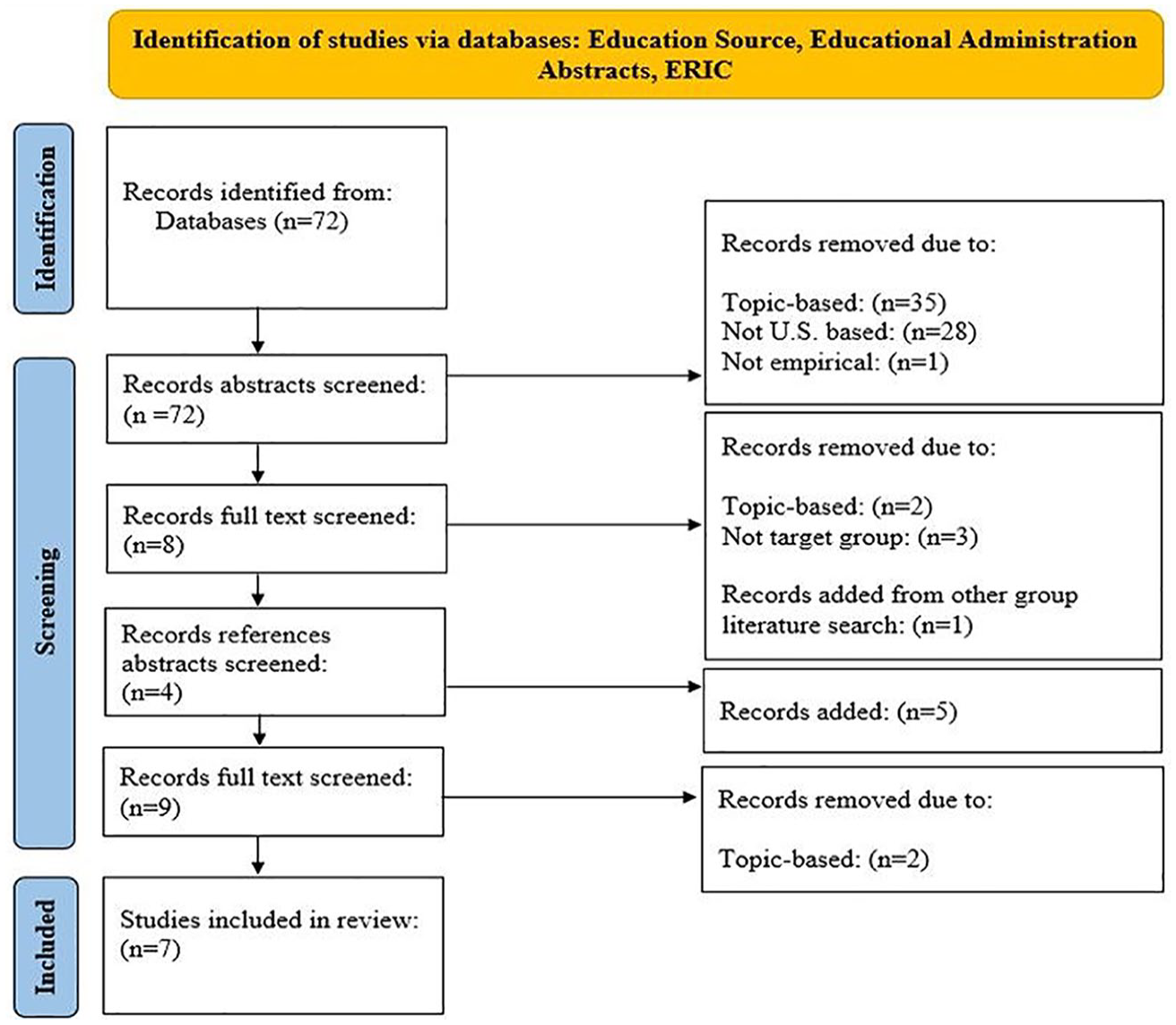
First round of screening for articles included search terms for ideologies (“ideolog*” OR “attitude” OR “belief” OR “perception”), language (“bilingual education” OR “dual language education” OR “dual language program” OR “two-way immersion”), administrators (“administrat*” OR “principal*” OR “leader*”).
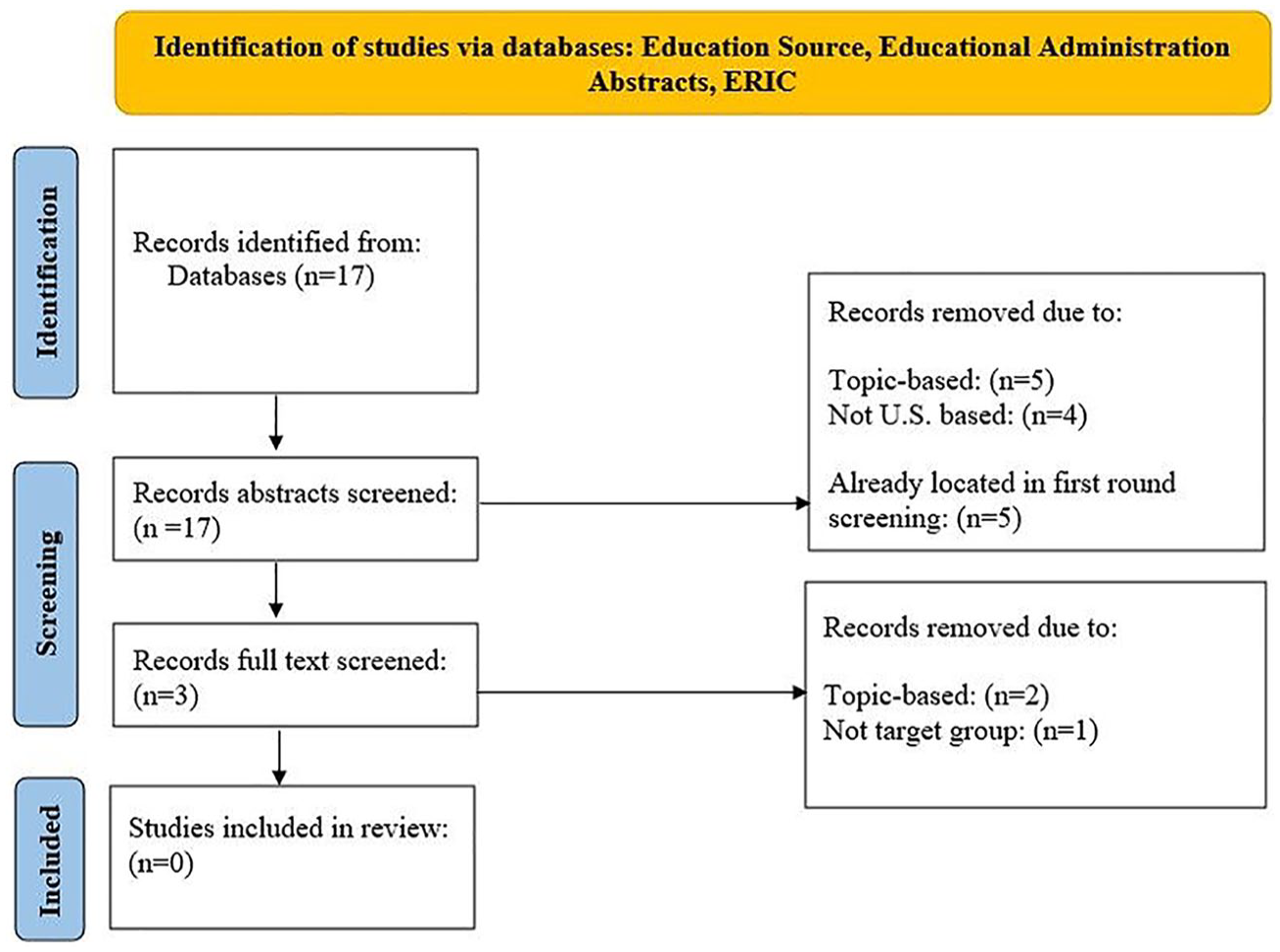
Second round of screening for articles included search terms for ideologies (“ideolog*” OR “attitude” OR “belief” OR “perception”), language (“bilingual education” OR “dual language education” OR “dual language program” OR “two-way immersion”), administrators (“administrat*” OR “principal*” OR “leader*”), and language-as-a-resource (“language-as-a-resource” OR “resource*” OR “asset*”).
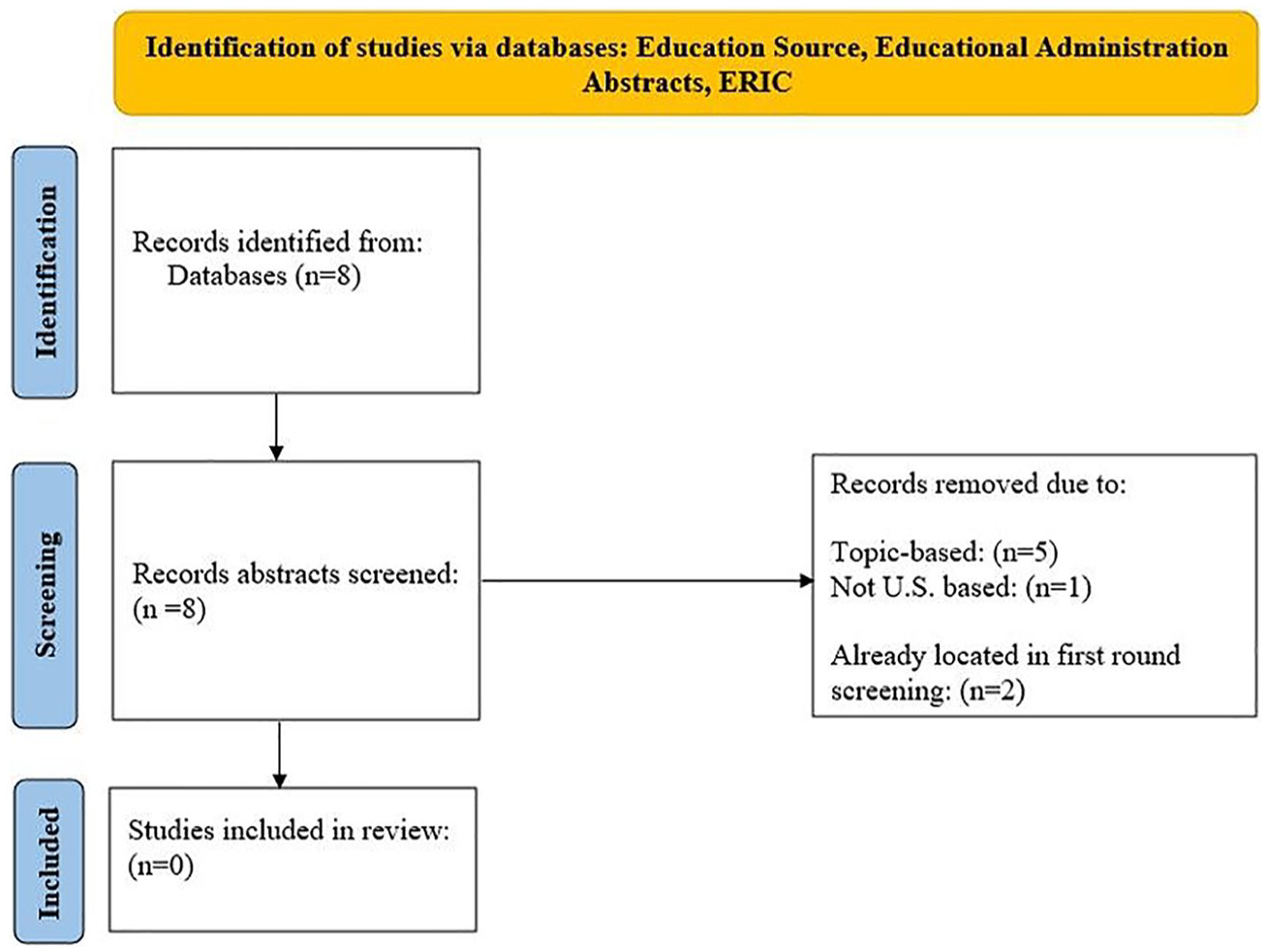
Third round of screening for articles included search terms for ideologies (“ideolog*” OR “attitude” OR “belief” OR “perception”), language (“bilingual education” OR “dual language education” OR “dual language program” OR “two-way immersion”), administrators (“administrat*” OR “principal*” OR “leader*”), and language-as-a-problem (“language-as-a-problem” OR “English-only”).
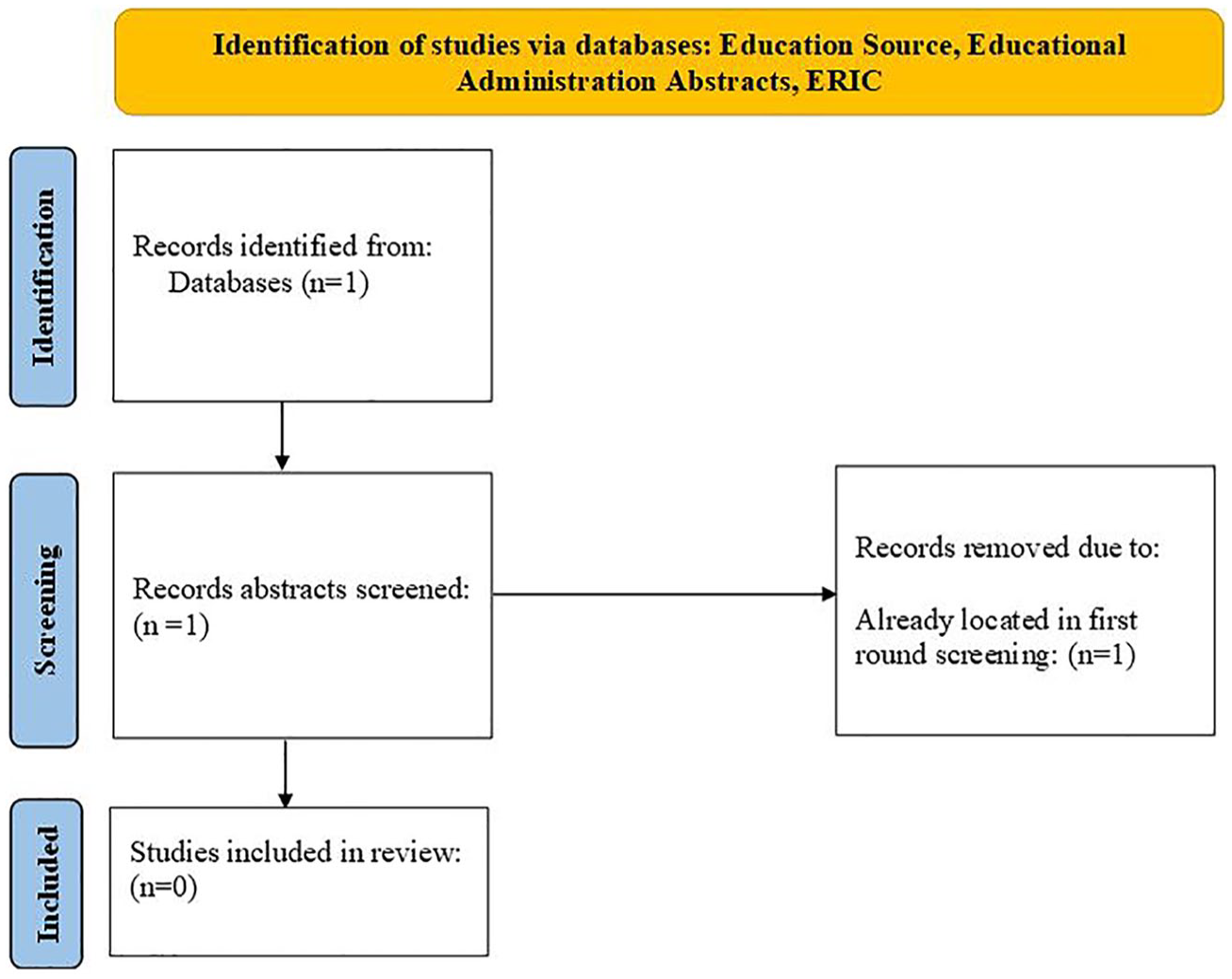
Fourth round of screening for articles included search terms for ideologies (“ideolog*” OR “attitude” OR “belief” OR “perception”), language (“bilingual education” OR “dual language education” OR “dual language program” OR “two-way immersion”), administrators (“administrat*” OR “principal*” OR “leader*”), and raciolinguistic perspectives (“raciolinguistic*” OR “race and language” OR deficit-framing” OR “position*” OR “color-blind*”).
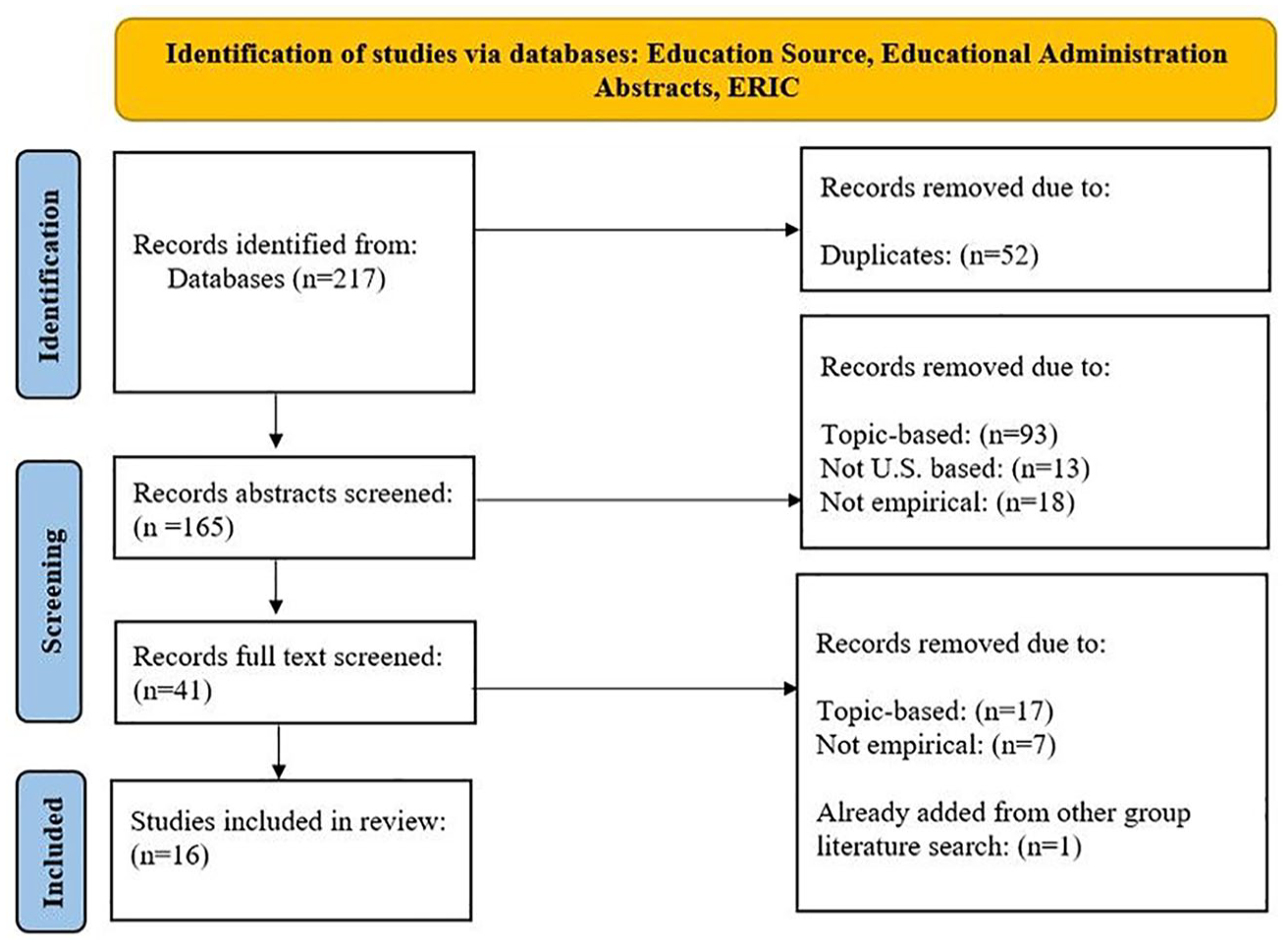
First round of screening for articles included search terms for ideologies (“ideolog*” OR “attitude” OR “belief” OR “perception”), language (“bilingual education” OR “dual language education” OR “dual language program” OR “two-way immersion”), and teachers (“teacher*” OR “educator*” OR “instructor*”).
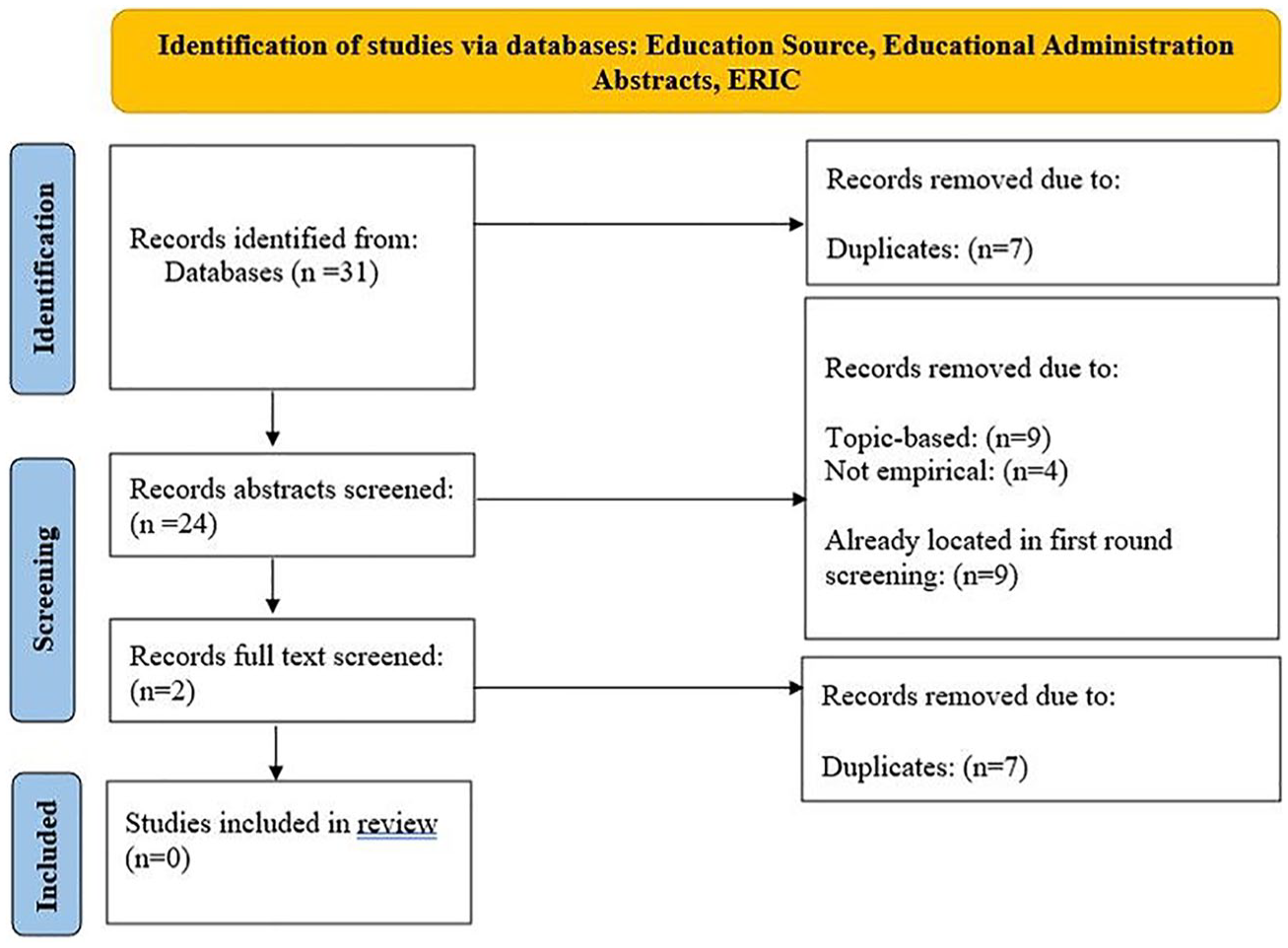
Second round of screening for articles included search terms for ideologies (“ideolog*” OR “attitude” OR “belief” OR “perception”), language (“bilingual education” OR “dual language education” OR “dual language program” OR “two-way immersion”), teachers (“teacher*” OR “educator*” OR “instructor*”), and language-as-a-resource (“language-as-a-resource” OR “resource*” OR “asset*”).
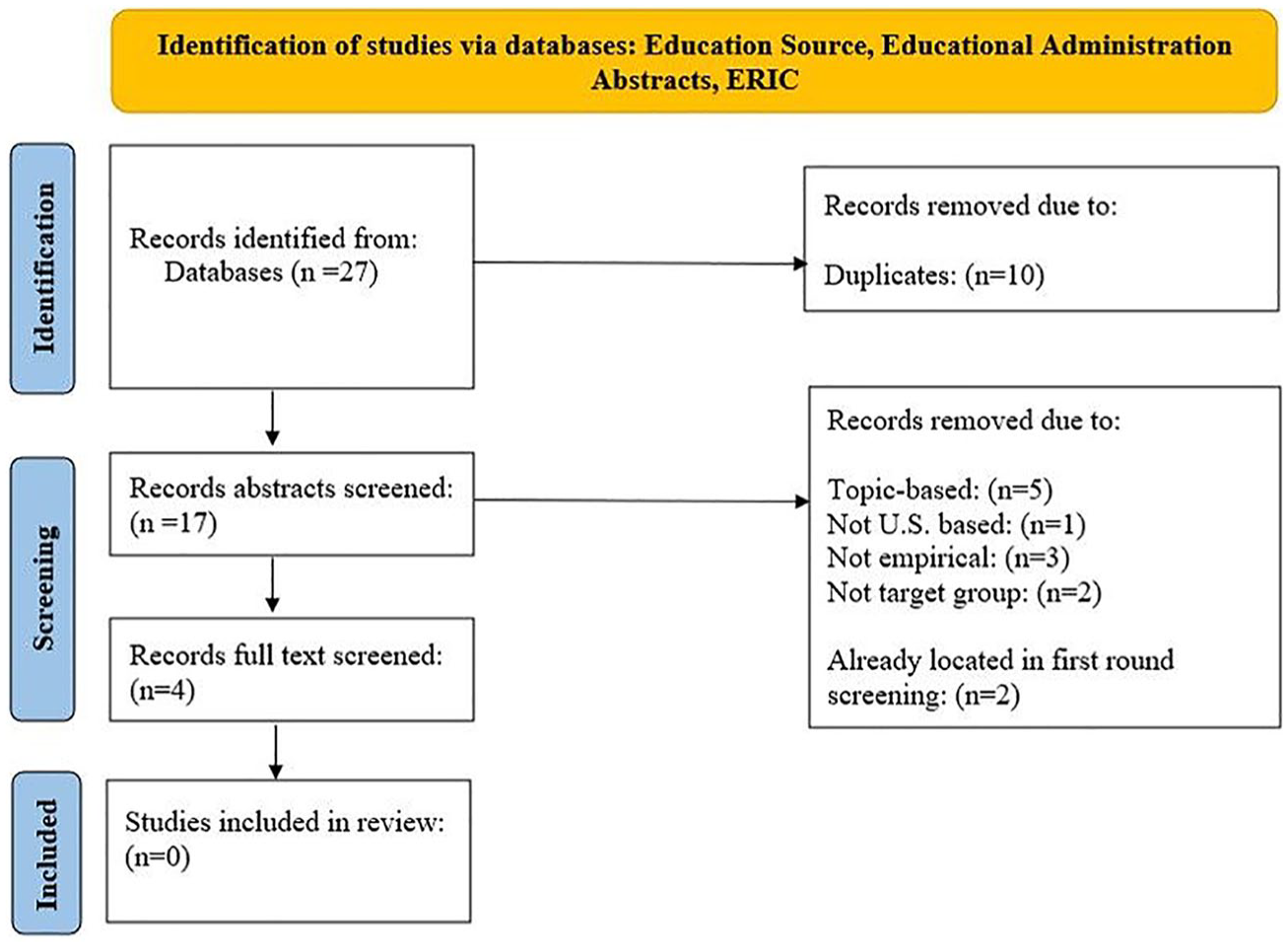
Third round of screening for articles included search terms for ideologies (“ideolog*” OR “attitude” OR “belief” OR “perception”), language (“bilingual education” OR “dual language education” OR “dual language program” OR “two-way immersion”), teachers (“teacher*” OR “educator*” OR “instructor*”), and language-as-a-problem (“language-as-a-problem” OR “English-only”).
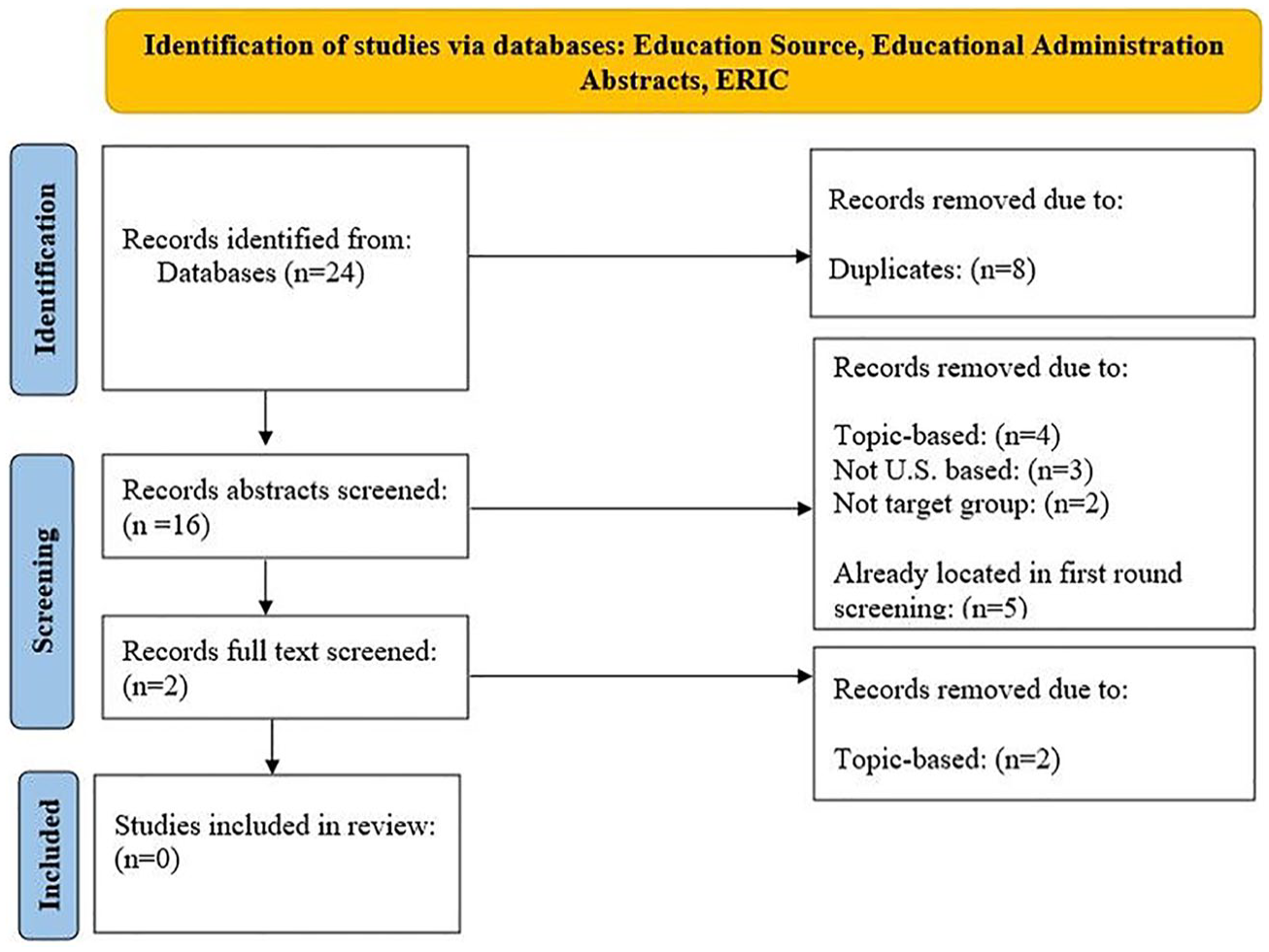
Fourth round of screening for articles included search terms for ideologies (“ideolog*” OR “attitude” OR “belief” OR “perception”), language (“bilingual education” OR “dual language education” OR “dual language program” OR “two-way immersion”), teachers (“teacher*” OR “educator*” OR “instructor*”), and raciolinguistic perspectives (“raciolinguistic*” OR “race and language” OR deficit framing” OR “position*” OR “color-blind*”).
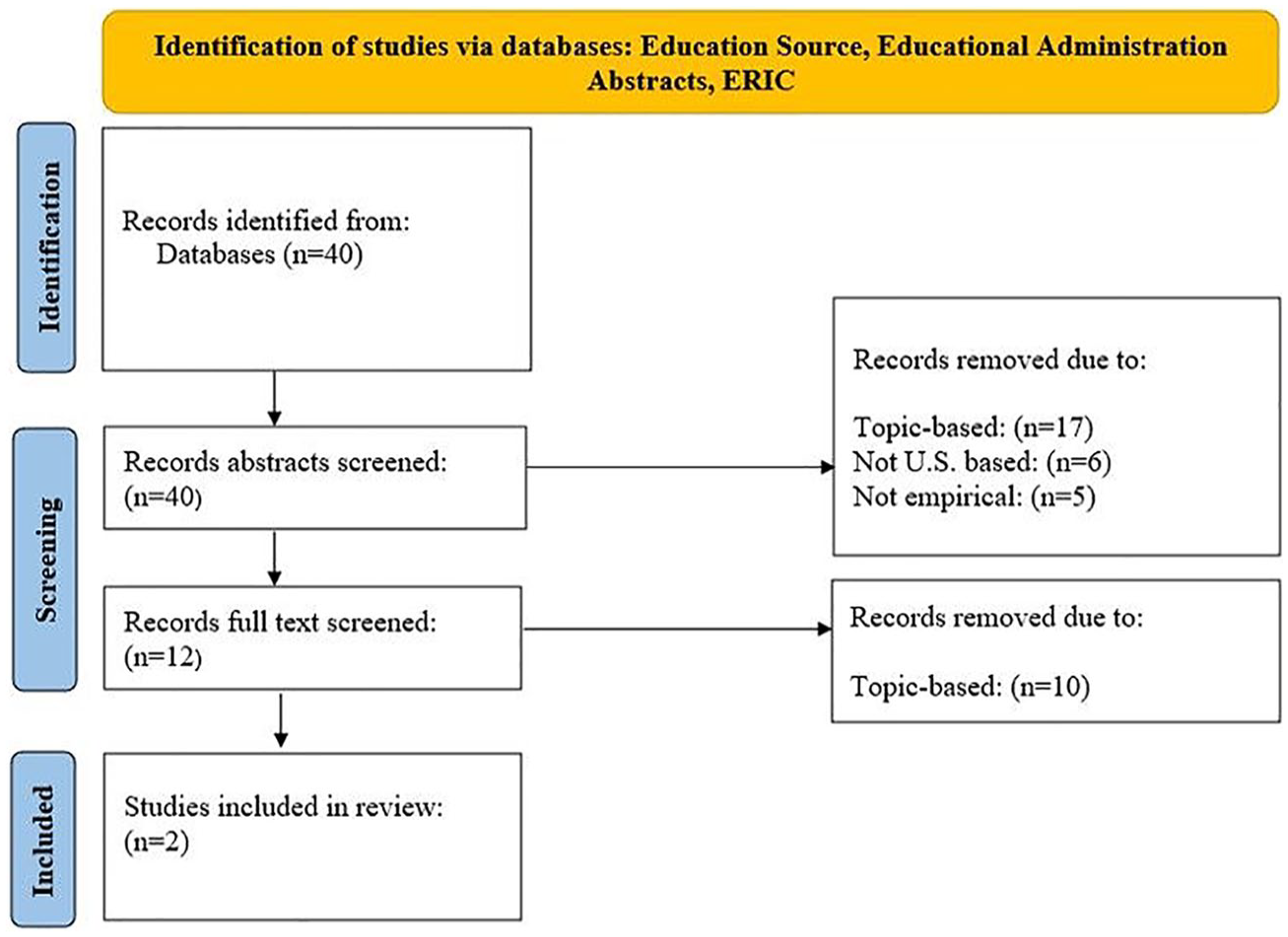
First round of screening for articles included search terms for ideologies (“ideolog*” OR “attitude” OR “belief” OR “perception”), language (“bilingual education” OR “dual language education” OR “dual language program” OR “two-way immersion”), and parents (“parent*” OR “caregiver” OR “guardian”).
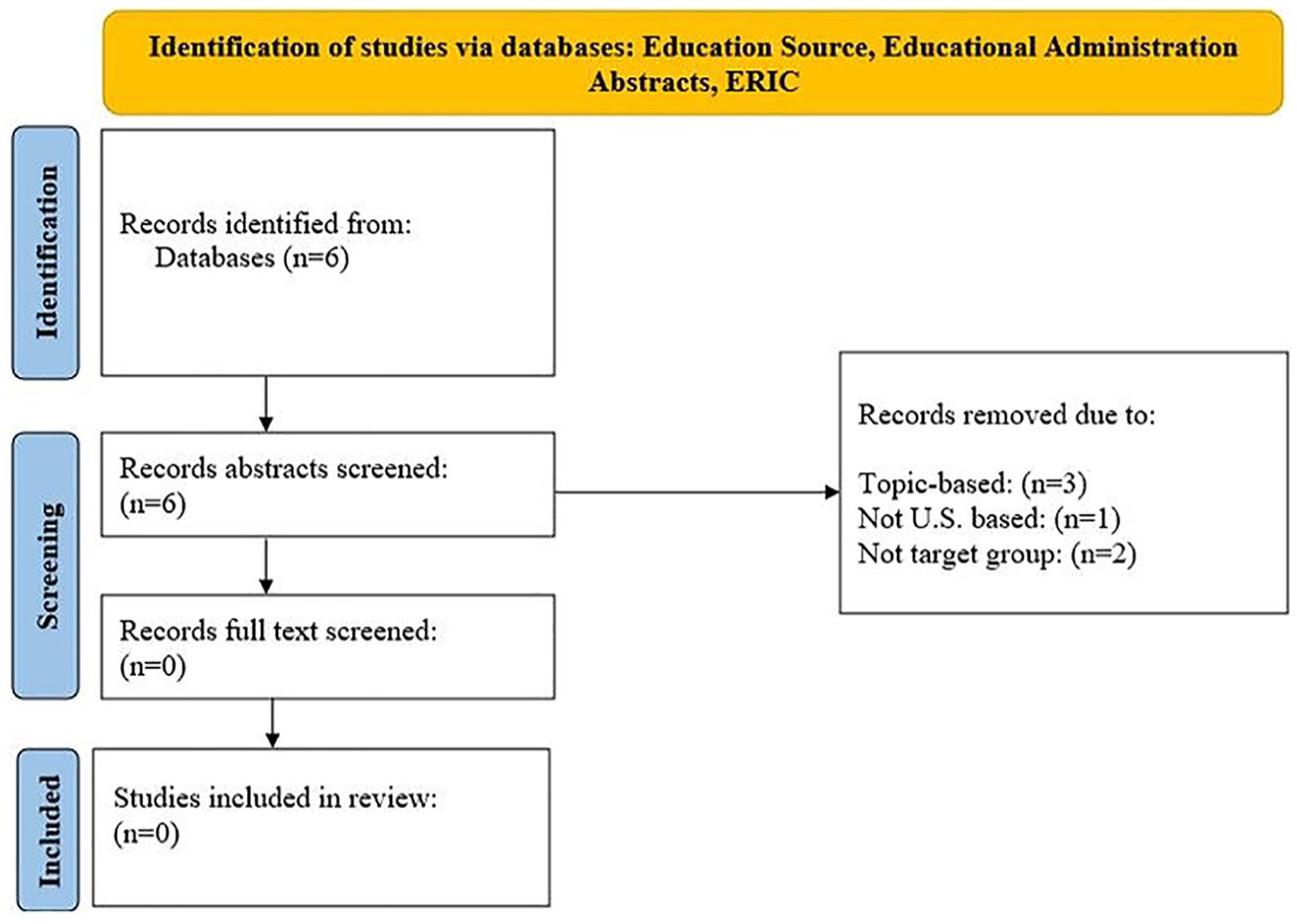
Second round of screening for articles included search terms for ideologies (“ideolog*” OR “attitude” OR “belief” OR “perception”), language (“bilingual education” OR “dual language education” OR “dual language program” OR “two-way immersion”), parents (“parent*” OR “caregiver” OR “guardian”), and language-as-a-resource (“language-as-a-resource” OR “resource*” OR “asset*”).
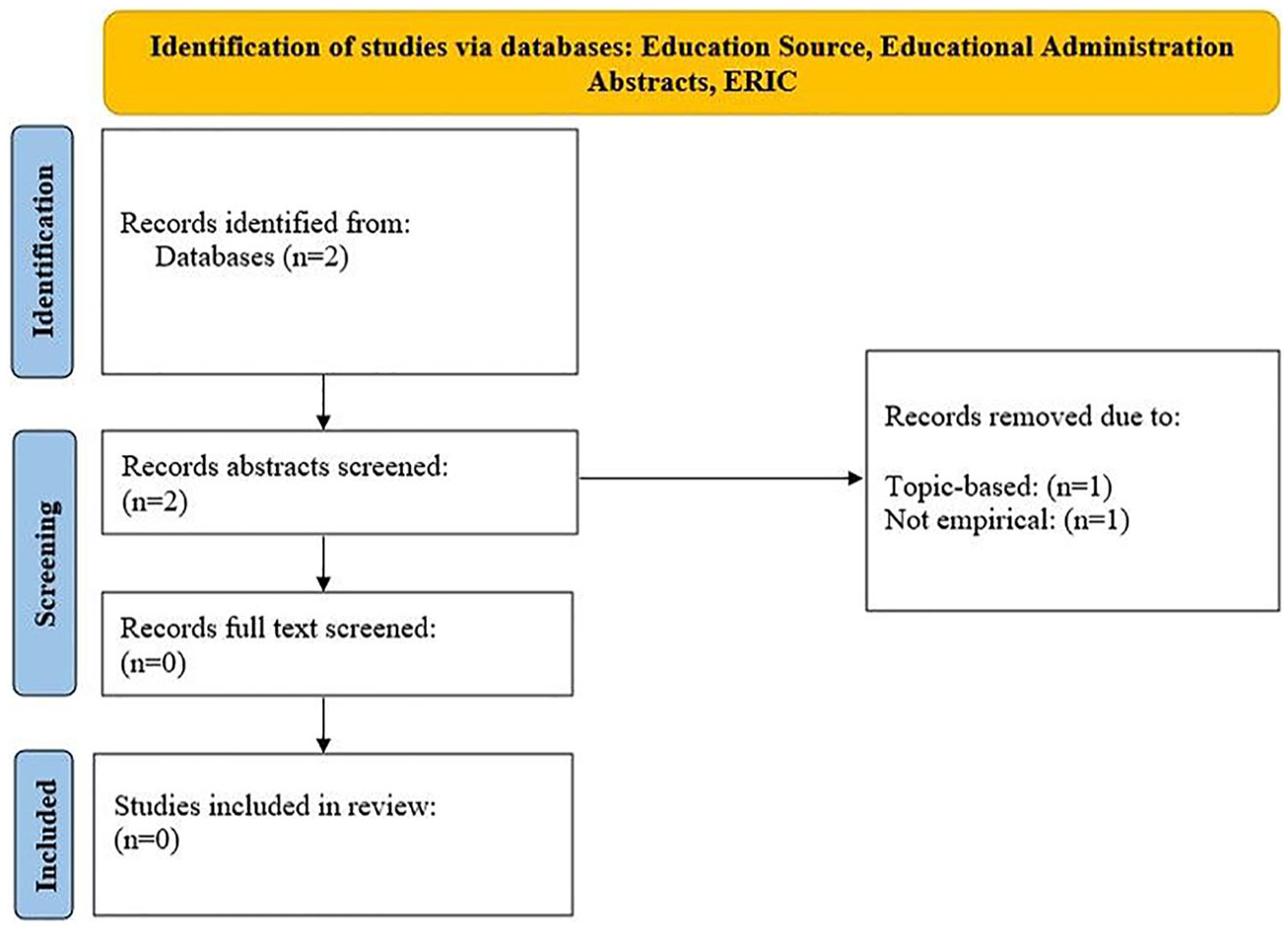
Third round of screening for articles included search terms for ideologies (“ideolog*” OR “attitude” OR “belief” OR “perception”), language (“bilingual education” OR “dual language education” OR “dual language program” OR “two-way immersion”), parents (“parent*” OR “caregiver” OR “guardian”), and language-as-a-problem (“language-as-a-problem” OR “English-only”).
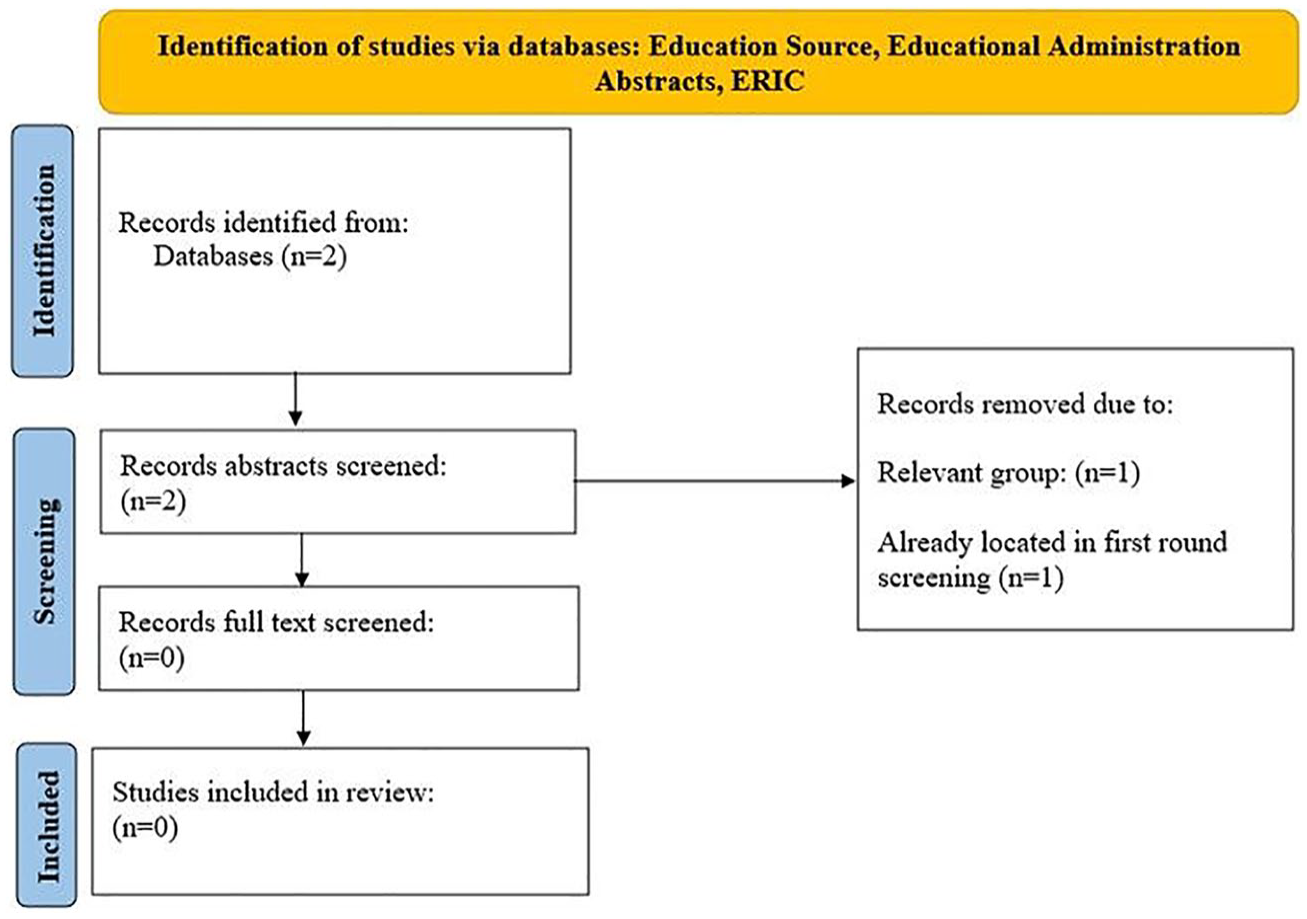
Fourth round of screening for articles included search terms for ideologies (“ideolog*” OR “attitude” OR “belief” OR “perception”), language (“bilingual education” OR “dual language education” OR “dual language program” OR “two-way immersion”), parents (“parent*” OR “caregiver” OR “guardian”), and raciolinguistic perspectives (“raciolinguistic*” OR “race and language” OR deficit-framing” OR “position*” OR “color-blind*”).
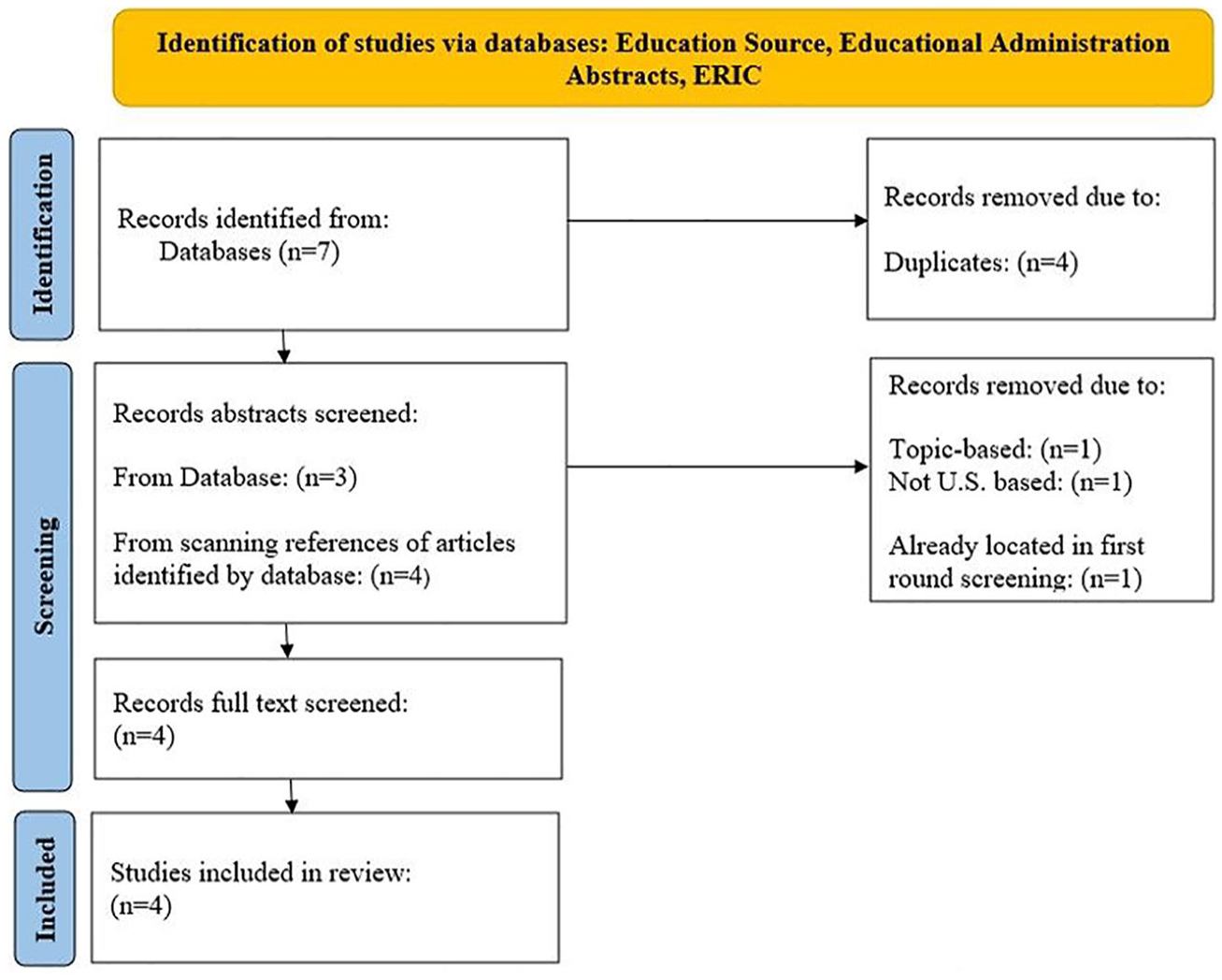
Fifth round of screening for articles included search terms for ideologies (“ideolog*” OR “attitude” OR “belief” OR “perception”), language (“bilingual education” OR “dual language education” OR “dual language program” OR “two-way immersion”), parents (“parent*” OR “caregiver” OR “guardian”), and reasons for enrollment (“reason*” OR “motivation*” OR “interest*” AND “enroll*”).
Article Analysis
Once articles are identified, they are systematically analyzed through a multi-step process to ensure alignment with the research question. First, articles are categorized by stakeholder focus—administrators, teachers, or parents. Articles that referenced two or more stakeholder groups are also notated to account for cross-group perspectives.
Next, I conduct a structured analysis within each stakeholder group. For each article, I document its overall purpose, methodological approach, and key findings. After compiling these notes, I examine how each study conceptualized language ideologies and categorize them under language-as-a-resource, language-as-a-problem, or raciolinguistic perspectives.
Building on this, I analyze the findings in relation to these language ideologies and identify whether they exemplified a perpetuation or disruption of particular ideological perspectives. This involves assessing both explicit and implicit discussions of language ideologies and determining whether studies engaged with frameworks such as Ruíz’s (1984) language orientations or raciolinguistic ideologies (Flores & Rosa, 2015). Articles that foreground power, equity, and race in relation to language ideologies are particularly relevant to this review.
Finally, findings are synthesized into a table, which categorizes patterns and informs the interpretations highlighted in the following section. This structured approach ensures that language ideologies are examined systematically across stakeholder groups while highlighting broader trends in the literature.
Findings
How administrators, teachers, and parents display attitudes that perpetuate and/or disrupt ideologies reflective of the language-as-a-resource or language-as-a-problem orientations, or of the raciolinguistic lens, is represented in Table 1. These connections are based on evidence of attitudes and beliefs within the articles provided, along with the conceptualization of language-as-a-resource, language-as-a-problem, and raciolinguistics to highlight overall language ideologies encompassed by administrators, teachers, and/or parents. These findings and how they connect to and inform aspects of social justice leadership are expanded upon in the following sections.
Patterns of Disruption and/or Perpetuation of Language Ideologies by Administrators, Teachers, and Parents
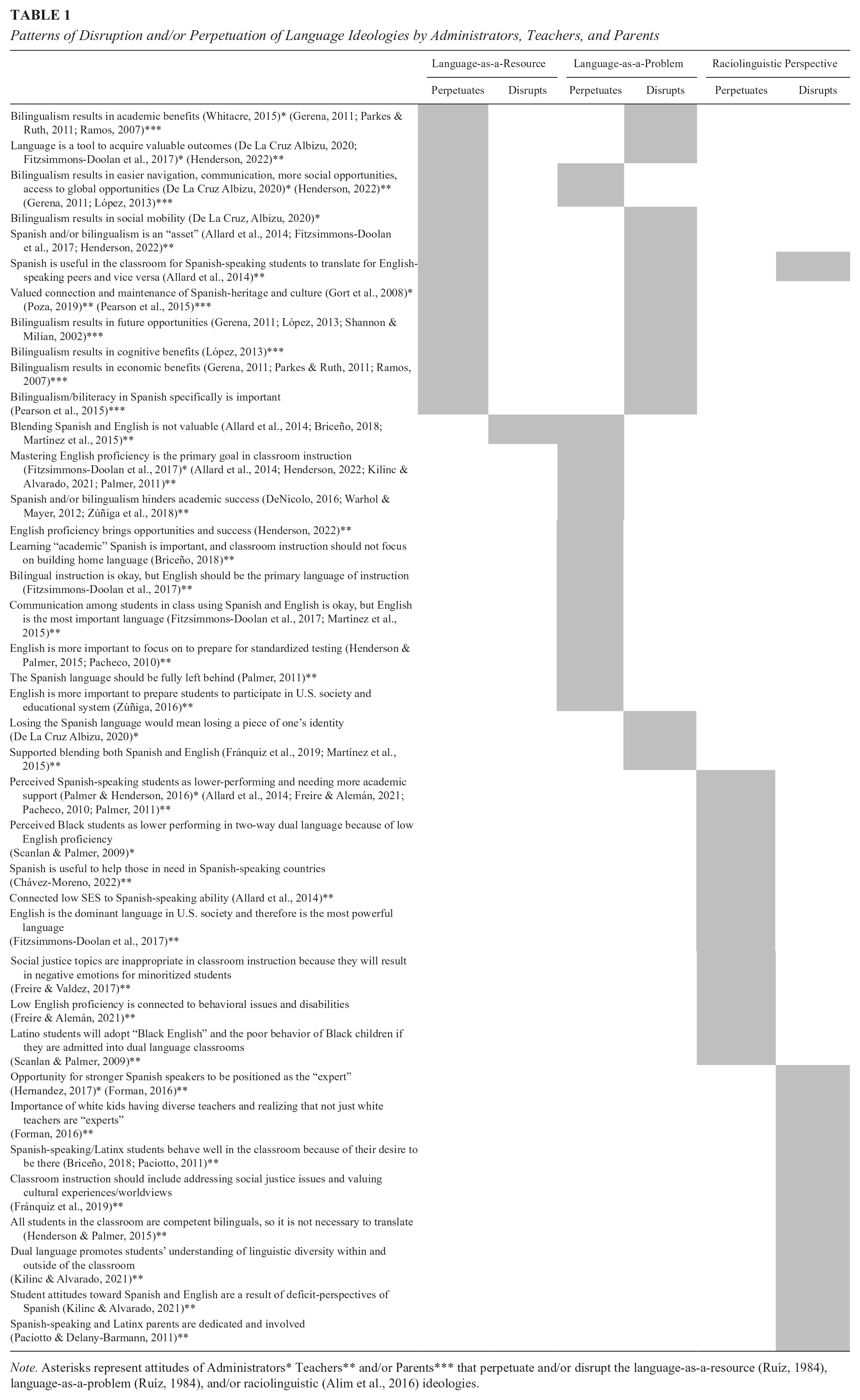
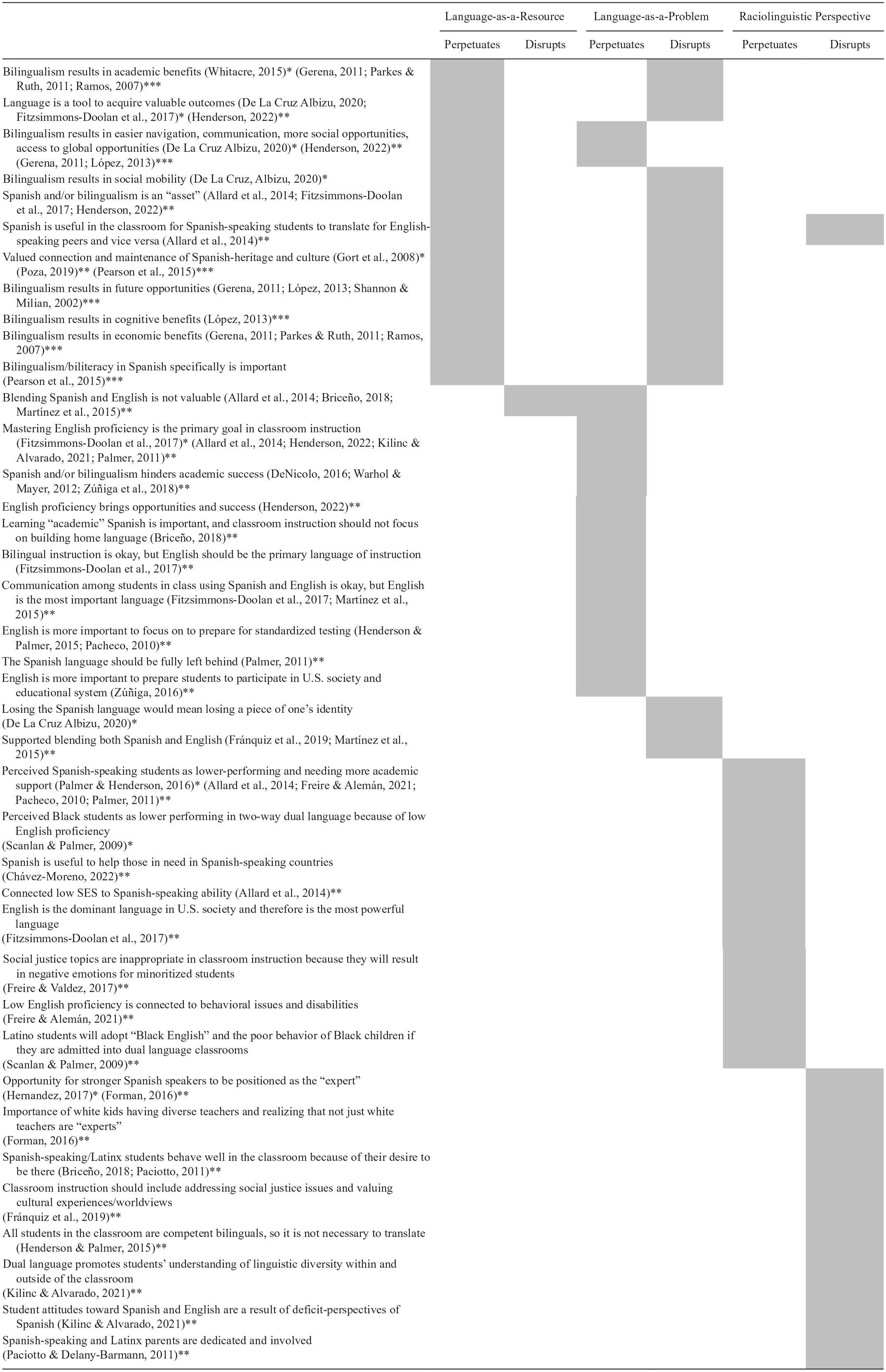
Note. Asterisks represent attitudes of Administrators* Teachers** and/or Parents*** that perpetuate and/or disrupt the language-as-a-resource (Ruíz, 1984), language-as-a-problem (Ruíz, 1984), and/or raciolinguistic (Alim et al., 2016) ideologies.
This systematic literature review spans various examples of how administrators, teachers, and parents could be disrupting and/or perpetuating language ideologies and reveals patterns that can inform leadership of how ideological dilemmas could arise in their schools. Three key patterns emerged in the literature: (1) accountability pressures shaping language ideologies, (2) curriculum and instructional choices reflecting ideological tensions, and (3) parent engagement practices influencing access and equity in dual language programs. These patterns vary across the perspectives of administrators, teachers, and parents, with different stakeholders holding overlapping and, at times, contradictory ideologies that impact bilingual education policies and practices.
In each section, I begin by introducing the key theme and its connection to language ideologies in dual language education. Then, I examine how this theme manifests across the perspectives of administrators, teachers, and parents, highlighting areas of alignment and divergence. The implications of these findings in terms of associational, distributive, and cultural justice are expanded upon in the discussion section.
Academic Success and Standardized Testing
The first pattern in the literature relates to the role of accountability pressures in shaping language ideologies among administrators, teachers, and parents. This section examines how standardized testing and academic performance frame language-as-a-resource ideologies among administrators, while simultaneously reinforcing language-as-a-problem ideologies among teachers. Additionally, it examines how deficit-framing ideologies intersect with accountability pressures, contributing to inequities in dual language education access and implementation.
Administrators: Language-as-a-Resource for Economic and Academic Outcomes
Administrators frequently articulated language-as-a-resource ideologies, citing the academic and economic benefits of bilingualism (De La Cruz Albizu, 2020; Fitzsimmons-Doolan et al., 2017; Whitacre, 2015). However, these perspectives are shaped by broader neoliberal discourses that prioritize language for its instrumental value in securing economic mobility rather than its connection to students’ unique cultural identities and experiences (De La Cruz Albizu, 2020). This tension is evident in language ideologies among administrators who emphasized academic outcomes as a justification for dual language implementation decisions, while failing to address the cultural and racial dimensions of marginalized students (Fitzsimmons-Doolan et al., 2017). For example, Whitacre (2015) found that administrators largely supported dual language programs based on their ability to enhance academic performance rather than their potential to affirm students’ linguistic and cultural identities. Similarly, De La Cruz Albizu (2020) documented how the concept of “resource instrumental mobility” emerged among administrators who view bilingualism as a means to enhance students’ global competitiveness. This instrumental framing of bilingualism reflects the tensions Kaveh (2023) describes, where administrators simultaneously advocated for bilingual education while upholding accountability policies that can undermine culturally and linguistically affirming practices.
Teachers: Language-as-a-Problem in the Classroom
Teachers, unlike administrators, often perceived bilingualism as an impediment to academic success, particularly in the context of standardized testing (DeNicolo, 2016; Warhol & Mayer, 2012; Zúñiga et al., 2018). Some teachers viewed Spanish use in the classroom as a factor that hinders students’ ability to meet academic benchmarks, leading them to promote instructional strategies that prioritize English acquisition over bilingual development (K. I. Henderson & Palmer, 2015; Pacheco, 2010).
For example, in an elementary school with dual language implemented in some classrooms and not others, teachers held conflicting attitudes. Specifically, while teachers within a dual language classroom did not view language as a problem, teachers within the school reflected attitudes that it was not the “best” way to teach students because of the large amount of Spanish used in later grades (DeNicolo, 2016). Academic performance is also emphasized among some teachers who attributed low standardized test scores to bilingual instruction rather than recognizing the systemic biases embedded in standardized test questions (Warhol & Mayer, 2012). The ideological contradictions identified by Kaveh (2023) are particularly evident in these cases—where teachers simultaneously recognize the potential benefits of bilingualism but revert to viewing language as a problem under the pressure of accountability measures.
These deficit discourses were evident among some teachers who reinforced racialized tracking practices (Zúñiga et al., 2018). Specifically, teachers perceived students with low Spanish proficiency as unable to participate and succeed in bilingual instruction. Rather than being supported in dual language classrooms, they are ultimately removed and placed in remedial English courses. These patterns demonstrate how accountability pressures intersect with language ideologies to create racialized barriers to equitable educational opportunities.
Administrators and Teachers: Deficit-Framing Based on Race and Language
Deficit-framing among both administrators and teachers further exacerbates educational inequities, particularly in how standardized testing is used to construct racialized hierarchies of academic ability (Allard et al., 2014; Freire & Alemán, 2021; D. K. Palmer & Henderson, 2016). Administrators, for example, have expressed concerns that Spanish-speaking students in one-way dual language programs require additional remediation due to lower test scores, despite the fact that English-dominant students in two-way programs are not subjected to the same scrutiny (D. K. Palmer & Henderson, 2016).
Literature demonstrates the deficit-framing of administrators and teachers, who conflate race and language and use these identity markers to label students as unable to perform well academically (Allard et al., 2014; Freire & Alemán, 2021). Some teachers have positioned the immigrant and Latinx community as inherently struggling in bilingual education spaces. These teachers even positioned immigrant students as not being proficient in Spanish. As a result of these teachers’ deficit-framing, exclusionary practices acted as barriers for enrollment in dual language education. Black students have also experienced deficit-framing as a result of the conflation of race and language and have been perceived by some administrators as “unfit” for dual language education (Scanlan & Palmer, 2009). Administrators feared that Latinx students in bilingual programs would adopt “Black English” and perceived negative behaviors from Black students, highlighting how language-as-a-problem ideologies intersect with anti-Blackness to shape educational access.
Curriculum and Instructional Choices
The second pattern focuses on how curriculum and instructional choices in bilingual education reflect various language ideologies. This section begins by highlighting how some administrators simultaneously view language as a resource along with perceiving language as a problem. Additionally, findings highlight how teachers who view language as a problem shape their own pedagogical decisions, influencing the extent to which students’ linguistic and cultural identities are valued or marginalized in the classroom. This section also highlights how teachers holding language as a resource and raciolinguistic perspectives impact their curriculum and instructional choices. Overall, this section explores how various overlapping patterns of language ideologies of administrators and teachers are displayed in bilingual education, reflecting Kaveh’s (2023) notion of overlapping language ideologies and DeMatthews’s (2018) notion of resulting ideological dilemmas.
Administrators: Language-as-a-Resource and Language-as-a-Problem
The literature points to the perpetuation of attitudes that language is a resource by leadership while simultaneously maintaining English-dominant instructional priorities, effectively problematizing the Spanish language. Within a dual language bilingual education program in an urban school district, administrators perceived language as an “endowment” (Fitzsimmons-Doolan et al., 2017), reflecting ideological alignment with Whitacre’s (2015) findings that principals recognize the valuable outcomes of bilingual education. However, tensions arose between these language ideologies. Administrators expressed in open-ended responses that while bilingualism and biliteracy are important, English should be the primary focus for instruction (Fitzsimmons-Doolan et al., 2017). This contradiction underscores the ideological dilemma of simultaneously valuing bilingualism while reinforcing the centering of English, a stance reflective of both language-as-a-resource and language-as-a-problem ideologies.
Viewing language as a resource through this lens creates a dilemma where curriculum decisions prioritize academic achievement as described by De La Cruz Albizu (2020), in which language is positioned as a tool for standardized testing and success in the global economy rather than as a means of cultural affirmation. Fitzsimmons-Doolan et al. (2017) and Whitacre (2015) further highlight how administrators’ language ideologies influence teachers’ instructional choices. These choices may lack cultural responsiveness, resulting in the reflection of white culture rather than the diverse cultures of their students.
Teachers: Language-as-a-Problem and Pedagogy
Teachers’ instructional decisions also reflected the consequences of viewing language as a problem, directly impacting cultural justice. Some teachers resisted the blending of Spanish and English in the classroom, asserting that strict language separation was necessary for academic success (Allard et al., 2014; Briceño, 2018; Martínez et al., 2015). Scholars have described this perspective as “linguistic purism” (Martínez et al., 2015, p. 31), “language separation” (Hamman, 2018, p. 22; Hamman-Ortiz, 2019, p. 388), or “two solitudes” (Cummins, 2008, p. 65).
Teachers who emphasized strict language boundaries dismissed translanguaging as a legitimate linguistic practice (Allard et al., 2014; Briceño, 2018; Martínez et al., 2015; Poza, 2019). They often devalued students’ home language, prioritizing “academic Spanish” over the blended linguistic practices that reflect students’ lived experiences. This mindset reinforces the idea that only a standardized version of Spanish is acceptable, marginalizing the voices of Spanish-speaking parents who value bilingualism as a resource but also seek cultural and heritage reflection within the curriculum (López, 2013).
Teachers: Language-as-a-Resource and Raciolinguistic Perspectives
Some teachers exhibited positive attitudes toward the Spanish language, viewing bilingualism as an “asset” (Fitzsimmons-Doolan et al., 2017). This perspective aligns with findings from Allard et al. (2014) and K. Henderson (2022), who highlighted how teachers viewing language as a resource make pedagogical decisions. Allard et al. (2014) highlighted how instructional practices that position Spanish-speaking students as experts can challenge deficit perspectives. Teachers encouraged students to translate for one another, positioning them as knowledge holders and reinforcing the value of Spanish within the classroom (Allard et al., 2014). This instructional strategy disrupts raciolinguistic perspectives that often frame Spanish-speaking students as linguistically deficient. However, ideological dilemmas can still arise when language is viewed as a resource. While teachers in K. Henderson’s (2022) study supported bilingualism—demonstrated through practices like reciting the pledge of allegiance in both Spanish and English—they still emphasized English as the ultimate goal of language acquisition, mirroring Fitzsimmons-Doolan et al. (2017). These studies indicate a pattern in which teachers’ recognition of bilingualism’s benefits coexists with an underlying prioritization of English dominance. The disruption of deficit-framing attitudes by teachers, while significant, remains limited unless the ideological dilemmas centering English are addressed.
The raciolinguistic perspective highlights attitudes that position Latinx/Spanish-speaking individuals as being “in need” (Chávez-Moreno, 2022). In one instance, a teacher praised a student for a class presentation in which the student stated they would use Spanish to “help” individuals in Guatemala gain access to water resources. While well-intentioned, this framing positioned Spanish-speaking individuals as deficit, reinforcing a white savior complex within dual language education. Furthermore, the avoidance of race and the reliance on culture as a proxy obscure the racialized nature of these dynamics, ultimately reinforcing racial hierarchies. This reflects broader raciolinguistic perspectives, where students’ linguistic and cultural identities are selectively valued in ways that perpetuate racial inequities rather than dismantling them.
Administrators and Teachers: Disrupting Raciolinguistic Perspectives
Some administrators and teachers actively disrupted raciolinguistic perspectives by positioning Latinx/Spanish-speaking students as experts in dual language programs (Allard et al., 2014; Hernandez, 2017). In fact, some teachers recognized deficit perspectives of Spanish present in their own students (Kilinc & Alvarado, 2021), and others push back by addressing social justice issues within their classroom practices (Fránquiz et al., 2019). Administrators similarly emphasized the importance of creating a “safe space” where Latinx students could be linguistic authorities alongside their white peers (Hernandez, 2017). Additionally, Briceño (2018) and Paciotto and Delany-Barmann (2011) found that teachers challenged deficit narratives by viewing Latinx parents as engaged and invested in their children’s education. This contradicts dominant stereotypes that depict Latinx parents as uninvolved and instead highlights their active participation in dual language programs.
Parent Engagement Practices
The final pattern highlights the role of parental engagement in reinforcing or disrupting language ideologies. This section discusses how ideological tensions between administrators and parents can influence the implementation of dual language programs. It also examines how Spanish-speaking and English-speaking parents can hold competing views on bilingual education, shaping school policies and access to resources.
Administrators and Parents: Language-as-a-Resource and Language-as-a-Problem
Literature pointed to the ideological dilemmas arising from the additional influence of parents’ ideologies. Whitacre (2015) noted that while administrators expressed the belief that academic achievement would result from bilingualism and biliteracy, they viewed the presence of dual language programs as a barrier when the school consisted of more English-speaking students, due to concerns that many parents would not “buy-in” to the program. This suggests that while administrators may recognize the Spanish language as an asset, the perceived resistance of English-speaking parents can shape decision-making in ways that deprioritize bilingual education.
Administrators face a dilemma to either push back against resistance from English-speaking parents and uphold practices that affirm the value of Spanish or succumb to these pressures and scale back dual language program implementation. These conflicting pressures highlight Kaveh’s (2023) assertion that actors can hold overlapping ideological stances that simultaneously endorse bilingualism while making decisions that ultimately undermine its implementation. Additionally, the avoidance of race in these discussions and the reliance on culture as a proxy obscure how language ideologies intersect with racial inequities. Administrators’ decisions, whether intentional or not, can contribute to the marginalization of Latinx/Spanish-speaking students by catering to the preferences of English-speaking, often more privileged, families.
Parents: Language-as-a-Resource for Cognitive and Economic Benefits
Unlike administrators and teachers, parents held attitudes that bilingualism results in future opportunities, cognitive benefits, and economic benefits (López, 2013; Gerena, 2011; Parkes & Ruth, 2011; Ramos, 2007; Shannon & Milian, 2002). These attitudes further highlight the unique position that parents hold and how their resulting language ideologies could look differently than administrators or teachers. English-speaking and Spanish-speaking mothers have both indicated similar reasons for enrollment in a two-way immersion program as related to providing their children with future educational and occupational opportunities, as well as the ability to navigate and communicate effectively while traveling (López, 2013). Mothers also expressed their attitudes around the cognitive benefits of the program, highlighting the broad range of vocabulary that their child(ren) would develop in both Spanish and English.
As a result of previously cited studies by Gerena (2011), Parkes and Ruth (2011), and Ramos (2007), scholars found patterns among parents when choosing to enroll in a dual language program, and satisfaction of the program, all related to the cumulative benefits for their child(ren)’s future, job market advantages, and overall cognitive abilities. The literature highlighted an example of Spanish-speaking parents specifically feeling positively about bilingual education and valuing the future opportunities that it would bring for their children (Shannon & Milian, 2022). The authors noted that this was important to convey in their study to challenge the underlying assumptions of opponents to bilingual education, who hold attitudes that immigrant parents do not want bilingual education for their children. Perhaps these studies are an insight into the voices of parents who are native Spanish speakers, who support the notion of language-as-a-resource in terms of future success. Elevating these voices could provide insight into how Spanish-speaking parents might support language-as-a-resource but would also support the valuing of culture as a reflection of the language practices in the classroom. Perhaps these parents have inner ideological dilemmas that are impacted by the neoliberal society in the United States that has created a system of survival based on academic and job success.
An example in the literature by Pearson et al. (2015) provides some insight into this, where it was revealed that some parents felt that bilingualism/biliteracy in Spanish specifically is important for their children. Spanish-speaking parents expressed attitudes that bilingual education was important to provide their child(ren) with exposure to the Spanish language, thereby staying connected to their heritage and culture. While this perpetuates positive attitudes centered around viewing the Spanish language as a resource, English-speaking parents disrupted these overarching ideologies by complaining about the presence of many Spanish cultural events and the “constant” translations into Spanish and Spanish music at these events. Therefore, this study provides an example of a clash between parents’ ideologies underneath one school context. These ideological dilemmas presented in this context shed light on how, even if Spanish-speaking parents push for the cultural aspect of language being reflected in school practices and events, there could be pushback by other parents with competing ideologies. Depending on whose voices are heard and reflected in the practices and policies in the school, the language-as-a-resource perspective by the Spanish-speaking parents who desire connections to their culture and heritage could persist, or the language-as-a-problem perspective among the English-speaking parents could disrupt this and result in inequitable practices that further marginalize and exclude Spanish-speaking parents.
Discussion and Implications
The studies included in this literature review provide examples of attitudes that perpetuate or disrupt language ideologies reflective of the language-as-a-resource, language-as-a-problem, and raciolinguistic perspectives within bilingual education. Patterns emerged to provide insight for leadership of dual language programs to consider when seeking to lead equitably.
Language-as-a-Resource Threatening Cultural and Distributive Justice
The literature highlighted the centering of academic success and standardized testing that is prominent in how administrators, teachers, and parents discussed the outcomes of the bilingual education program for students. Viewing language as a resource can center neoliberalism and perpetuate the importance of success in the U.S. and global economy. This, in turn, creates a response by administrators and teachers who view language as a tool for economic success, rather than as connected to the cultural identities of Latinx/Spanish-speaking students. This results in threats to the ability of leadership to provide cultural justice for these students.
Some administrators and teachers hold attitudes that the Spanish language hinders academic success. These attitudes potentiate the effect of viewing language as a resource in ways that center neoliberalism. Many teachers further exacerbate these harmful ideologies by holding attitudes that Spanish-speaking, low SES students are not academically capable of being in bilingual education. Many teachers additionally view Black students as causing problems for students, and preventing their ability to obtain language acquisition of English. Both attitudes result in access issues to bilingual education for these students and threaten distributive justice.
Teacher’s Language Ideologies Impacting Instructional Decisions
Choices by teachers around classroom practices and curriculum were seen to be impacted by attitudes around standardized testing in the context of dual language education. Therefore, it is unsurprising that similar patterns emerged within the overall curriculum and instructional choices by teachers as related to their language ideologies in the literature. These findings were separated, given that the sole focus was to highlight teachers’ practices specifically rather than the overarching impact of accountability pressures, but are also not mutually exclusive to these contexts.
These findings uniquely highlighted teachers’ attitudes toward language use in the dual language classroom. The Spanish language was used to elevate Spanish-speaking students as experts, disrupting raciolinguistic perspectives and impacting the ability for cultural justice to be met. The literature highlighted the importance placed on Spanish, but it is still held in second tier to the English language. This provides an example of a possibility for attitudes that reflect viewing language-as-a-resource to be disrupted by those that reflect viewing language-as-a problem. Additionally, it demonstrates how attitudes that disrupt raciolinguistic perspectives can counteract this effect and mitigate the possible negative impact on cultural justice for students.
Curriculum Choices and Gatekeeping
Katznelson et al. (2023) drew from Ruíz’s (1984) orientations to language planning and discussed the presence of language-as-a-problem attitudes as disrupting and muddying language-as-a-resource attitudes—specifically, how attitudes of viewing language as an asset by affluent communities can lead to these communities defining what languages are acceptable in the classroom and who the speaker of these languages is. This systematic literature review highlighted these notions similarly to how teachers’ curriculum choices provided “academic Spanish” rather than supporting the use of students’ home language. Language ideologies held by affluent communities, as well as administrators and teachers, can lead to gatekeeping (Katznelson et al., 2023), and within the context of this systematic literature review, it is important to consider the resulting threats to distributive justice.
Another key consideration for leadership is the extent to which curriculum choices are shaped by standardized testing pressures rather than culturally affirming pedagogy. Leadership must ensure that dual language programs do not merely serve as tools for achieving high test scores but rather function as spaces where students’ linguistic and cultural identities are actively valued. To do this, leadership should prioritize policies that encourage translanguaging and pedagogical approaches that affirm students’ lived experiences, resisting neoliberal frameworks that position bilingualism solely as an economic asset.
Parent Engagement and Power Dynamics in Decision-Making
There are also many examples that emerged in the literature that demonstrated the need for an in-depth assessment by leadership of parent engagement practices and what power dynamics might be leading to some voices being heard over others. Administrators, who viewed the Spanish language as an asset, could be impacted by parents who problematize the Spanish language. This can impact cultural justice if leadership is not careful about understanding the roles of certain parents whom they may wish to market the program toward, and as a result, cater to their needs rather than Latinx/Spanish-speaking communities. On the other hand, the literature highlighted parents who viewed the Spanish language as a resource and overlaps with attitudes by administrators who perceived its importance for economic and academic success. This further reflects the overarching and connecting context of accountability pressures and globalization that are present in dual language education. Ultimately, even if administrators and teachers value the Spanish language, parents who may also value the Spanish language, but do so in ways that center their needs as related to individualism and economic success, threaten cultural justice. Associational justice is additionally at risk if leadership does not respond in ways that elevate the voices of Latinx/Spanish-speaking communities.
Additionally, leadership must recognize the role of associational justice in ensuring that decision-making is not dominated by privileged voices. Findings indicate that power dynamics in decision-making spaces such as PTA meetings often silence Latinx/Spanish-speaking parents in favor of English-speaking, affluent parents. Leadership must intentionally create structures that elevate the voices of historically marginalized families and ensure that their perspectives influence bilingual education policies. Engaging in shared decision-making that reflects the priorities of Spanish-speaking families who value the cultural and heritage aspects of bilingual education is essential for promoting both cultural and associational justice.
Recommendations for Policy and Practice
The goals of cultural, distributive, and associational justice by leadership should drive inquiries that are proactive rather than reactive to protect social justice in their schools. Therefore, the following policy and practice recommendations are based on the analysis and findings of this systematic literature review, with the goal of social justice in mind.
District-Level Policies and Practices
On a district level, professional development that
Leadership should also recognize how ideological dilemmas impact instructional decision-making within dual language programs. The findings indicate that while many administrators and teachers support bilingualism in theory, they often uphold English as the dominant language in practice. Leadership should create professional development opportunities that help educators critically examine their own biases, particularly in relation to language ideologies that perpetuate English dominance. Providing training on culturally and linguistically sustaining pedagogies can equip educators with strategies to resist deficit-based narratives and neoliberal language ideologies, fostering more equitable dual language education spaces. Specifically, these professional development opportunities could provide vignettes similar to the examples in this literature review and support leadership in making equitable decisions. Vignettes could consist of multiple unique scenarios related to the ideological dilemmas that can arise due to competing attitudes that reflect various language ideologies of administrators, teachers, and parents. Additionally, these professional development opportunities should be frequent and consistent to support leadership in reaching social justice in dual language programs and ultimately result in the sustainability of the implementation of the program.
School-Level Policies and Practices
On a school level, leadership should embed communication practices that align with parents’ needs and their unique circumstances. For leadership to understand the various needs and to listen to the voices of marginalized parents within the context of dual language programs, they first need to create avenues for these parents to do so. For example, within the PTA meetings, leadership can facilitate discussions among parents and act as a mediator to ensure the inclusion of marginalized parents who might feel hesitant to speak about their needs and interests. In this way, associational justice can be met and shared governance within collective meetings can sustain the resulting equitable practices and policies that serve marginalized communities.
Classroom audits should be conducted by leadership to ensure equitable approaches by teachers and support them with any adjustments that could be made to their curriculum and pedagogical choices. Leadership can utilize the findings of this systematic literature review to consider circumstances where teachers exhibit deficit-minded views and are hindering the success of cultural justice within their classrooms. They can speak to teachers and intervene to support guiding them in how they can navigate ideological dilemmas that arise. Professional development would support the sustainability of equitable classroom practices as well, as previously mentioned in how the district could support social justice leadership.
Finally, educational meetings could be held for administrators, teachers, and parents to discuss the history of bilingual education in terms of policies and practices and the purpose of bilingual education aside from solely academic success. D. K. Palmer et al. (2019) pose the goal of critical consciousness in bilingual education programs, including the importance of critically assessing power dynamics and understanding the historical context in which current structural inequities exist. For leadership to truly understand the reason for serving marginalized students and families within bilingual education, they should understand the history behind why these programs exist and are important not only to provide access for marginalized communities but to serve them equitably by uplifting their culture and language and giving them a seat at the table in doing so.
This systematic literature review employs a social justice leadership framework to examine the impacts of ideological dilemmas among administrators, teachers, and parents. However, addressing inequitable practices should not fall solely on the shoulders of administrators. As highlighted in this review, many parents possess equitable mindsets and can take on leadership roles by amplifying the voices of other parents who share these values. Teachers, too, can play a leadership role by creating opportunities for parents to connect and engage with one another, such as through after-school activities and similar initiatives.
While this review does not explicitly address community engagement, there are significant opportunities for parents to collaborate with their surrounding communities to advocate for greater equity in education. This includes fostering awareness of how certain attitudes may perpetuate inequities. To ensure associational justice in these interactions, teachers can act as mediators, facilitating connections between parents from diverse communities and promoting meaningful, inclusive conversations.
In these spaces, ideological dilemmas among parents can also be addressed with the support of community organizations. These organizations can bring valuable expertise in the history of bilingual education and an understanding of how language ideologies shape parental attitudes. By partnering with parents, community organizations can enhance outreach efforts and cultivate a consistent critical consciousness, enabling more constructive and equitable interactions.
Overall, scholars should continue the discussion of how competing ideologies among leadership inform their decisions and how administrators, teachers, and parents could hold attitudes that reflect language ideologies that support the sustainability of equity in dual language programs but could act contrary to their inner thoughts and feelings.
Conclusion
This systematic literature review provides an overview of attitudes held by administrators, teachers, and parents that reflect language-as-a-resource, language-as-a-problem, and raciolinguistic ideologies in dual language education spaces. The in-depth analysis highlights cases where attitudes either perpetuated or disrupted these ideologies and what this means in relation to equitable or inequitable mindsets and goals.
The findings of this review provide a holistic perspective on how ideologies that are reflected in attitudes about standardized testing/academic outcomes, curriculum choices, and parent voices and needs should not solely be addressed by leadership in and of themselves but within these areas within their schools. Leadership should be aware of ideologies that can be present within certain contexts, as provided by this review, but seek to push past awareness to a deeper understanding of how inequity can be embedded systemically. Leadership should ultimately be proactive and put policies and practices into place that support the sustainability of systemic equity in bilingual education.
Footnotes
Author’s note
Jenna Doane is now affiliated with The University of New Mexico.

Notes
Author
JENNA DOANE, PhD. is an Assistant Professor in Educational Leadership and Policy at The University of New Mexico. Her work critically examines how language ideologies, whiteness, and enrollment practices shape access and participation in dual language immersion programs. Her research uses critical quantitative methods and qualitative approaches to investigate how systemic exclusion operates in these educational settings, often privileging white, affluent families while marginalizing nonwhite and non-affluent students. By analyzing these dynamics, she advocates for equity-driven policies and culturally sustaining leadership practices that center the strengths and needs of multilingual and historically excluded communities.