






Abstract
Premature ovarian insufficiency (POI) is a life-changing diagnosis, with profound physical and psychological consequences. Unfortunately, there are many deficiencies in our understanding of the condition as the underlying etiology and optimum management strategies are poorly understood. Improved awareness of POI and its long-term implications has led to increased research interest in recent years. Current research has allowed a greater understanding of the changing epidemiology in POI, genetic factors in its etiology and randomized controlled trials of hormone therapy are underway to provide evidence for treatment. This article reviews the latest literature on POI to summarize current understanding and future directions.
Keywords
Premature ovarian insufficiency (POI) is a life-changing diagnosis, with profound physical and psychological consequences, affecting approximately one in 100 women by the age of 40 years [1]. Unfortunately, there are many deficiencies in our understanding of the condition as the underlying etiology and optimum management strategies are poorly understood. Furthermore, controversy exists surrounding the terminology and diagnostic criteria, all of which can have a significant impact on the patients' well-being.
Improved awareness of POI and its long-term implications has led to increased research interest in recent years. Current research has allowed a greater understanding of the changing epidemiology in POI, genetic factors in its etiology and randomized controlled trials (RCTs) of hormone therapy (HT) are underway to provide evidence for treatment. Here we aim to review the latest literature on POI to summarize current understanding and future directions.
Terminology
There has been a long-standing lack of consensus over the nomenclature of the disorder, with a variety of other terms in use, such as primary ovarian insufficiency, premature ovarian failure, premature menopause and hypergonadotrophic hypogonadism. We use the term premature ovarian insufficiency as it encompasses both spontaneous POI and the increasing number of women who have suffered POI as a result of iatrogenic interventions. The term insufficiency, rather than failure, is thought to more accurately reflect the unpredictable nature of ovarian function in the disorder as intermittent ovarian function, resulting in ovulation and even pregnancy, can occur [2,3]. The use of the term ‘premature’ refers to the timeline rather than the etiology, that is, ovarian insufficiency which has occurred before 40 years of age from any cause. It is important to note, however, that the condition does not always develop by the same mechanism as the normal menopause, which is due to follicle depletion. For example, some women develop POI due to mutations in the follicle stimulating hormone (FSH) receptor – these women have follicles in the ovary that are unable to function. Another example is steroidogenic cell autoimmunity lymphocytic oophoritis as a cause of POI – this is a specific autoimmune attack against growing ovarian follicles.
POI has traditionally been defined as the triad of amenorrhea, elevated gonadotrophins and estrogen deficiency occurring in women under the age of 40 years. There is a lack of international consensus on diagnostic criteria for POI, with different age limits and cut-off levels used to define hypergonadotrophism. Whether these discrepancies have long-term clinical implications is not known; however, the lack of consensus may result in diagnostic confusion and a subsequent delay in diagnosis. Over half of patients see three or more clinicians before the diagnosis was made and in a quarter the diagnosis took more than 5 years [4].
As women increasingly choose to delay childbearing, the concept of diminished ovarian response (regular menses but with alterations in markers of ovarian reserve such as FSH or anti-Müllerian hormone (AMH) and associated with poor response to ovarian stimulation) is becoming increasingly recognized and may cause diagnostic confusion. Most likely these disorders represent a spectrum of impaired ovarian function of which POI is the most severe, diagnosed when FSH levels are repeatedly elevated within the menopausal range.
Epidemiology
There are limited contemporary studies investigating the incidence of POI but spontaneous POI is estimated to affect approximately 1% of women by the age of 40 years and 0.1% by 30 years [1]. Although the incidence of spontaneous POI appears to have remained stable, of increasing concern is the rising incidence of iatrogenic POI. As survival following childhood malignancies has improved, more young women are experiencing the long-term effects of chemo- or radiotherapy. Analyses from the Childhood Cancer Study have shown that 6.3% developed acute ovarian insufficiency at the time of treatment and a further 8% went on to develop POI compared with 0.8% of controls [5,6]. A recent longitudinal study of 4968 women from the 1958 birth Cohort study estimated the incidence of POI, both spontaneous and iatrogenic, at 7.4% [7].
Various risk factors for POI have been identified. Data from the longitudinal Study of Women's Health Across the Nation, a prospective, multi-ethnic study investigating the natural history of the menopause transition in 11,652 women, showed that the prevalence of POI varies by ethnicity. Statistically significant differences in prevalence were observed across different ethnic groups, ranging from 0.1% in Japanese to 1% in Caucasian and 1.4% in African American and Hispanic groups [8].
There is a strong heritability of age at menopause [9] and approximately 10–15% of women with POI will have a first degree relative who is also affected [10]. In a population-based study of 2060 first-degree relatives, Morris
Cigarette smoking (OR: 1.82, 95% CI: 1.03–3.23) [13] and lower social class [7] are associated with increased risk of POI. In contrast, certain factors relating to ovulation have shown to be protective, including later menarche, irregular menstruation and longer breastfeeding [13].
Etiology
POI is a heterogeneous, multifactorial disorder and its etiology remains poorly understood. In the majority of cases of spontaneous POI (90%) no underlying cause will be identified [14]. The natural history of the ovarian follicle cohort is of a gradual decline in primordial follicle numbers through atresia and folliculogenesis from around 2 million at birth to a few thousand at the age of 40 years. Therefore, in principle, POI can occur by three mechanisms including reduced peak follicle number, increased follicle depletion or follicle dysfunction.
X chromosome abnormalities
Abnormalities in the X chromosome have been estimated to occur in 12–14% of women with POI [15,16]; however, they are more frequent in those with a family history of POI or in patients presenting with primary amenorrhea (50%) [17].
Turner syndrome (45XO) has an incidence of 1:2500 live births [18] and is associated with a rapid degeneration of follicles, often resulting in POI prior to the onset of menarche. Patients therefore usually present with primary amenorrhea; however, in mosaic Turner syndrome (45X/46XX) patients have a milder phenotype and may present later, with secondary amenorrhea and hypergonadotrophic hypogonadism. Xq isochromosome, the abnormal transverse division of the centromere resulting in unbalanced chromosomal constitution, also presents with streak gonads and Turner-like characteristics and is a rare cause of POI.
The Xq13–27 loci in the long arm of the X chromosome have been identified as crucial for ovarian development and function. Various deletions or translocations occurring within this region and also on the short arm of the X chromosome have been associated with POI [19,20]. Potentially the most prevalent of these is BMP15, an ooctye-derived growth and differentiation factor essential for folliculogenesis located at the Xp11.2 region [21] and found in prevalence of 1.5–12% of POI [22–25]. At present these microdeletions are not normally identified by conventional karyotyping and so often go unrecognized.
Fragile X-associated POI
The most frequently identified single-gene mutation associated with POI is the Fragile X mental retardation 1 (FMR1) gene premutation, located at Xq27.3. This gene contains an unstable CGG repeat within the 5′ untranslated region, varying in length from 6 to 54 repeats in normal individuals, which can expand during transmission to the next generation. Full mutation of the gene is associated with abnormal expansion of the CGG trinucleotide repeat and Fragile X Syndrome, an X-linked disorder causing intellectual and developmental disability.
Carriers of the premutation have 55–199 CGG trinucleotide repeats and it is estimated that approximately 23% of these women will develop POI [26]. In a recent cohort study of 254 women with POI, Murray
Autosomal genetic disorders Isolated POI
Numerous autosomal genetic mutations have been associated with POI [31]. These are primarily aberrations in genes affecting sex hormone function (
Changing approaches in genetic association studies to genome-wide analysis in affected families will continue to identify novel genetic mutations associated with POI [19]. Currently these mutations are rarely identified in routine clinical practice but if found can help with family counseling.
Rare inherited syndromes
POI is occasionally seen in associated with rare inherited syndromes (Table 1) [31]. In most cases these present early in life with primary amenorrhea; however, in milder phenotypes later presentation can occur.
Rare inherited syndromes associated with premature ovarian insufficiency.

AD: Autosomal dominant; AR: Autosomal recessive; FSH: Follicle stimulating hormone; LH: Luteinizing hormone
Autoimmune POI
Autoimmune POI is associated with ovarian, adrenal or other steroidogenic cell autoantibodies resulting in an autoimmune lymphocytic oophoritis and is estimated to be responsible for approximately 5% of POI cases [32]. Adrenal autoimmunity is thought to account for 60–80% of autoimmune POI [32] and there is a strong association between the presence of adrenal antibodies and a diagnosis of autoimmune lymphocytic oophoritis [33]. In contrast, testing for ovarian autoantibodies is currently thought to be of limited diagnostic value as although they are found in around 50% of patients with POI, they also have a high prevalence in controls (31%) [34]. The presence of many other autoantibodies has been investigated; however, reliable markers to diagnose non-adrenal autoimmunity are yet to be identified [32].
Approximately 10–30% of women with POI may suffer from additional autoimmune disorders including hypothyroidism (25%), diabetes mellitus (2.5%), systemic lupus erythematosus, pernicious anemia, vitiligo and rheumatoid arthritis among others. Autoantibodies most commonly occur in association with Addison's disease, as part of one of two types of autoimmune polyendocrine syndromes (APS Types 1 and 2).
Infection
POI has been associated with several different infections including mumps, tuberculosis, malaria, varicella, cytomegalovirus and herpes simplex virus but direct causal links have not been established for the majority of infections. Ovarian insufficiency has been shown to occur in 2–8% of women following mumps oophoritis, although it is usually transient [35]. There are recent data which suggest that HIV infection may be associated with markers of reduced ovarian reserve [36]; however, data linking HIV infection and age at menopause are conflicting. A study by de Pommerol
Iatrogenic
It is estimated that approximately one in 50 women will have a diagnosis of cancer below 40 years of age [39] and the increasing success of childhood cancer treatments has resulted in a rising prevalence of iatrogenic POI [40]. In the authors' unit almost half of patients have iatrogenic POI as a result of treatment for benign or malignant disorders [41].
Radiotherapy to the abdomen, pelvis or spine can affect ovarian function even in low doses [42]. Doses of greater than 10 Gy are associated with high risk of ovarian insufficiency, especially above 20 Gy when approximately 70% develop ovarian insufficiency [5]. Many chemotherapy regimens are toxic to ovarian follicles, particularly the alkylating agents and a direct correlation between cumulative dose and risk of ovarian insufficiency has been observed [6]. Patients treated at an older age have a higher risk of ovarian insufficiency due to the smaller pool of remaining follicles prior to treatment as a result of age-related decline [42]. Combination therapy (chemo and radio therapy) and a diagnosis of Hodgkins lymphoma are associated with the highest risk of ovarian insufficiency [42].
Gynecological cancers (most commonly cervical and ovarian) requiring surgical treatment including bilateral salpingo-oophorectomy (BSO) account for approximately 25% of iatrogenic cases of POI [41]. In addition, women carrying the BRCA 1 or 2 mutations who are at greatly increased risk of breast and ovarian cancer are recommended to undergo risk-reducing surgery in the form of BSO by the age of 40 years [43,44]. Uptake rates are variable but is has been estimated that approximately 60% of women with a BRCA1 or BRCA2 mutation undergo risk-reducing BSO before the age of 40 [45,46]. Despite the long-term implications of iatrogenic POI, studies have demonstrated that BSO is associated with a reduction in overall mortality due to the reduction in breast and ovarian cancer [47]. The limited studies available on HT and oncological outcomes in BRCA carriers post BSO are supportive [48,49] but there are no data specific to POI population.
Less frequently POI is a result of treatment for benign gynecological disorders including severe endometriosis, premenstrual syndrome or other nonmalignant conditions which require bone marrow transplant [50], including B-thalassemia or sickle cell treatment. It can also occasionally occur as a result of inadvertent damage to the ovarian blood supply following hysterectomy or uterine artery embolization [51].
Diagnosis
Women usually present with secondary amenorrhea, menstrual irregularity or subfertility, with or without symptoms of estrogen deficiency. At least 25% do not experience the classical menopausal symptoms such as hot flushes, night sweats, mood disturbance, vaginal dryness, low libido, fatigue and joint pains [41]. A smaller group will present with primary amenorrhea. The lack of standardized diagnostic criteria for POI can generate diagnostic uncertainty; however, a timely diagnosis is vital to avoid prolonged estrogen deficiency.
Women presenting with oligo-amenorrhea should undergo a full history and examination to look for alternative causes. Diagnostic criteria and baseline investigations for POI can be seen in Box 1. It is usually recommended that estimation of gonadotrophin levels should be performed after 3–4 months of amenorrhea or menstrual irregularity. If elevated, FSH and LH should be repeated after at least 4 weeks for confirmation along with estradiol to confirm hypogonadism. Assessment of thyroid function and prolactin is also recommended to exclude alternative pathology. Transvaginal ultrasound can help exclude other pathologies and be used to assess AFC. A baseline assessment of bone density should be made. If this shows osteoporosis or osteopenia then this should be repeated in line with local guidelines to assess response to treatment.
Testing for adrenal antibodies, karyotype and the FMR1 gene premutation are the main diagnostic tests currently available to determine an underlying etiology. Autoantibody testing for anti-adrenal and anti-thyroid antibodies should be considered. Positive adrenal antibodies suggest autoimmune oophoritis as the underlying mechanism and identify those patients who are at risk of developing adrenal insufficiency and should thus undergo regular testing of adrenal function. Karyotyping and Fragile X testing should also be performed, especially in those presenting at a particularly young age, or with a family history of POI or learning difficulties.
Assessment of ovarian reserve
A further diagnostic tool that has received much interest over the past decade is AMH. AMH, produced by developing antral follicles, is currently thought to be the most reliable measure of reduced ovarian reserve. It has the advantage that it is not cycle-dependant and can therefore be estimated at any time in the menstrual cycle. Levels decline before the occurrence of menstrual irregularity or elevations in FSH and it has been shown to be useful in distinguishing patients with POI from controls [52], therefore can be helpful if there is diagnostic uncertainty.
The fall of AMH levels to undetectable has been associated with the occurrence of menopause within 5 years [53], and there has been much interest into its role in predicting age at menopause. AMH has widespread potential clinical applications in predicting onset of menopause as well as in several other aspects of female reproduction [54,55]; however, it cannot yet predict the onset of menopause with a high degree of precision [56]. Accuracy will be improved by the ongoing development of multimodal models incorporating AMH and other biomarkers to predict reproductive lifespan [57–59], as well as the ongoing development of ultra-sensitive AMH assays [60].
Management
Women with POI may have complex physical and psychological needs therefore a multidisciplinary approach is crucial. This may include gynecologists, endocrinologists, fertility specialists, oncologists, hematologists, psychologists, pharmacists, dieticians and patient support groups. Ideally patients should be seen initially in specialist units which can facilitate an integrated and holistic approach to their care.
Investigations to exclude alternative causes of secondary amenorrhea and investigate underlying cause
Age <40 years
Oligo-amenorrhea >3 months
FSH elevated within menopausal range on two occasions 4–6 weeks apart
Low estradiol (usually <50 pmol/l)
Karyotype and FMR1 premutation testing
Especially in <30 years or family history of POI or learning difficulties
Adrenal autoantibodies
Pelvic ultrasound
To assess antral follicle count
DEXA - baseline bone mineral density
TSH and thyroid peroxidase antibodies
Anti-Müllerian hormone
Usually only required if diagnostic uncertainty
DEXA: Dual-energy x-ray absorbtiometry; FSH: Follicle stimulating hormone; POI: Premature ovarian insufficiency; TSH: Thyroid stimulating hormone.
General lifestyle and dietary measures to reduce risk of cardiovascular disease (CVD) and osteoporosis should be recommended. This includes adequate dietary intake or supplementation of calcium (1000 mg) and Vitamin D (800 IU), regular weight bearing exercise and reduction in smoking alcohol and caffeine. Nonhormonal therapies such as selective serotonin reuptake inhibitors, serotonin and norepinephrine reuptake inhibitors or gabapentin may have a role in the management of vasomotor symptoms in women who decline HT or in whom HT is contraindicated but they will have no benefit on future risk of osteoporosis and CVD. There is no evidence for the use of complementary or herbal preparations in POI, and hormone replacement forms the mainstay of pharmacological management. Bisphosphonates are not recommended in women who wish to achieve pregnancy as they have a long half-life and fetal effects are unknown [61].
HT
HT is recommended to help alleviate the symptoms of estrogen deficiency, minimize the long-term effects and, in adolescents, will be required to help induce secondary sexual characteristics. Current hormone replacement options include HT or the combined oral contraceptive (COC). At present there is only limited data in support of particular HT regimens and therefore much variation in practice exists [62].
Most currently available HT preparations have been designed for women experiencing menopause around the expected age, whereas patients with POI typically require higher doses of estrogen. Data regarding the optimal estradiol levels in POI are lacking; however, physiological levels can usually be achieved by administration of around 100 μg 17β-estradiol by transdermal patch which typically results in serum estradiol levels equivalent to premenopausal mid-follicular levels (approximately 100 pg/ml) [63].
As a result of recent studies in the POI population, along with data in general menopause populations, there is a move toward physiological hormone replacement via the transdermal route. The transdermal route has the advantage of avoidance of first pass hepatic metabolism and the subsequent effect on clotting factors, with an associated reduction in risk of thromboembolism [64]. Clinicians should be aware of the need to discuss the potential benefits of transdermal therapy when counseling patients regarding treatment options. The transdermal route is supported by a recent randomized, double-blind controlled trial by Popat
Estrogen should be combined with a progestogen in women who need endometrial protection, for example, micronized progesterone 200 mg daily for 12 days/month, the levonorgestrel releasing intrauterine system or MPA as above [66,67]; however, the optimum type of progestogen is unclear. An RCT comparing the effects of micronized progesterone and MPA on cardiovascular health, lipid metabolism and the coagulation cascade in POI is currently underway and should help provide evidence for the choice of progestogen in this population [68]. Data are sparse to support sequential or continuous combined regimens; however, intermittent return of ovarian function may result in unscheduled breakthrough bleeding on continuous combined regimens.
COC
The COC is also commonly used as hormone replacement in POI. Patients often find the COC a simpler and more socially acceptable form of medication; however, concerns have been raised about symptoms resurgence and long-term effects of estrogen deficiency in the pill-free week. Furthermore, the COC results in supra-physiological doses of sex-steroid hormones [14] and detrimental effects of first-pass hepatic metabolism on the coagulation cascade and risk of thromboembolism. Non-oral contraceptives (transdermal or vaginal routes) may be a further option, although there are no data specific to the POI population.
To date there have been few studies comparing the effects of HT versus the COC. A small randomized cross-over study in 17 adult women with Turner syndrome reported that ethinyl estradiol was more effective at suppressing FSH and markers of bone turnover than conjugated estrogen but both had similarly beneficial effects on hyperinsulinemia [69].
In an open label, randomized, cross-over study, Langrish
The same group also reported on the effects of the above regimens on bone health [71]. Again there appeared to be a benefit from HT with increased bone formation markers, decreased bone resorption and improved lumbar spine bone mineral density (BMD). The results of a larger RCT comparing the effects of HT (estradiol 2 mg/norethisterone 1 mg) and a COC (ethinylestradiol 30 μg/levonorgestrel 150 μg) on bone density, markers of bone turnover, cardiovascular risk, quality of life, menopausal symptoms and ovarian function are awaited [72].
If pregnancy is not desirable, contraception should be considered when choosing hormone replacement options due the 5–10% chance of spontaneous conception. Use of the COC or the combination of systemic estrogen with the levonorgestrel-intrauterine system will provide adequate contraception and hormone replacement.
Continuation of HT
It is recommended that HT should be continued until at least the average age of menopause (52 years); however, HT discontinuation rates amongst women with POI are high, with approximately 7% choosing to stop HT within 5 years [41]. Patients should be carefully counseled regarding the risks and benefits of HT and reassured that there is no evidence suggesting an increased risk of breast cancer. Recent surveys have highlighted the misperceptions surrounding HT use in POI patients, with 56–79% perceiving that HT use was associated with breast cancer [73].
Sexual function & androgen replacement
Sexual dysfunction is a common problem among women with POI with decreased sexual well-being, arousal, frequency and increased dyspareunia [74,75]. Sexual dysfunction is more complex the younger the age at diagnosis [76] and also affected by etiology, parity, premorbid personality and the partners response. Management includes psychosexual counseling, estrogen replacement (both systemic and local if necessary) and consideration given to androgen replacement.
Women with POI have been shown to have lower androgen levels compared with control groups [77]. Meta-analysis of nine studies including 529 patients with spontaneous POI versus 319 controls demonstrated significantly lower total testosterone levels in the POI group (mean difference 20.38 nmol/l; 95% CI: 20.55–20.22) [77]. Despite this, there are only limited data investigating the role of androgen replacement in POI and no studies have explored its effect on sexual function.
Popat
A further randomized, placebo-controlled trial recently published [78] has examined the effects of testosterone replacement in 128 patients with POI on HT. A total of 12 months of transdermal testosterone was associated with a rise in serum testosterone levels (which remained in the physiological range) but no differences in quality of life, mood or self-esteem compared with controls.
Psychological effects
Levels of psychological distress are high in women with POI in both users and non-users of HT with increased anxiety, depression and somatization and reduced self-esteem and overall life satisfaction (Figure 1) [74,79,80]. In a recent cross-sectional questionnaire-based study by Singer
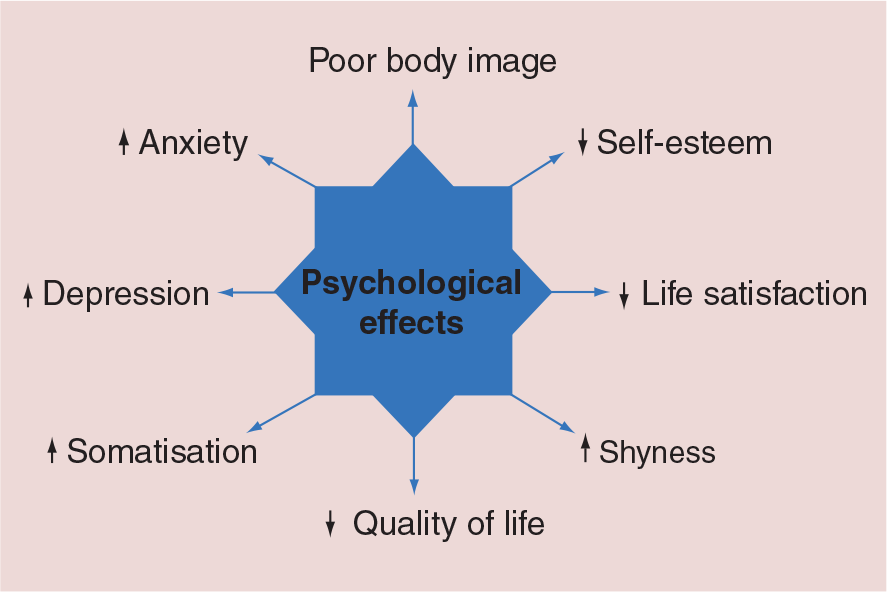
Psychological effects of premature ovarian insufficiency.
Long-term effects
Life expectancy in POI is 2 years less than those who have menopause over 55 years [83] and this is thought to be due to an excess of deaths due to CVD, osteoporosis and neurocognitive decline.
It is well established that women with POI have significantly lower BMD and increased fracture risk [84]. There is now evidence to suggest that HT use (transdermal estradiol 100 μg) not only preserves BMD but can actually restore BMD to levels comparable to control groups [65] and use for at least 3 years may reduce fracture risk [85].
Longitudinal studies have demonstrated an 80% increased risk of mortality from ischemic heart disease in POI compared with those with menopause at 49–55 years [86]. This risk is more pronounced in those who have never used estrogens. The increased risk of CVD may be due to direct effects on the endothelium [87], or through alterations to traditional cardiovascular risk factors such as adverse effects on lipid profile [88], reduced insulin sensitivity [89] and metabolic syndrome [90].
A recent review of the available evidence has suggested a significant increased risk of stroke associated with POI, with a protective role for estrogen used until the average age of menopause [91]. Additionally, data from the Womens Health Initiative Observational study showed that surgical POI was associated with 13% increased risk of stroke, rising to 44% increased risk in those who did not use HT [92]. These figures did not reach statistical significance, although as the authors acknowledge, the study was underpowered to detect differences within the POI group.
Early data demonstrating an increased risk of cognitive impairment [93] following premenopausal oophorectomy have now also been observed in POI [94]. In a French, population-based cohort study of 4868 women, both spontaneous and iatrogenic POI were associated with negative effects on cognitive function in later life including increased risk of poor verbal fluency and impaired visual memory. There was no clear evidence that use of HT reduced the risk of cognitive decline but HT use was self-reported at the age of at least 65 years and therefore recall bias may have affected the results [95].
Fertility
Up to 50% of patients may have intermittent return of ovarian function and approximately 5–10% conceive spontaneously [96]. There are several case reports of patients conceiving spontaneously on various HT regimens [97,98]. It has been hypothesized that exogenous estrogen administration may help reduce endogenous gonodotropin levels, resulting in upregulation of FSH receptors in remnant follicles and potentially ovulation [99]. Furthermore, Popat
The use of the COC to improve ovulation has also been investigated. In a study by Buckler
The potential role of 5-dehydroepiandrosterone (DHEA) has received much interest following case reports associating its use with ovulation and spontaneous pregnancies in women with POI [102]. A randomized, double-blind, placebo-controlled study by Yeung
Other treatments such as gonadotrophin releasing hormone agonists (GnRHa), steroids and clomiphene have been investigated as treatments for women with POI who wish to conceive with their own gametes; however, evidence remains inconclusive as to which is the preferred management [104].
At present IVF with donor oocytes confers the highest chance of pregnancy with success rates of around 40–50% per cycle. Embryo donation, surrogacy and adoption are other options which may be considered in those who wish to have children. The option of making a positive life decision to not have children should also be discussed.
Fertility preservation prior to cancer treatment
Much attention is currently being given to the preservation of ovarian function in young women undergoing treatment for malignancy. Various preventative strategies have been tried but available options depend on many factors including the mode of cancer treatment, urgency of treatment, patient age, partner presence and local facilities. A key aim for clinicians working in this emerging field is to improve the numbers of cancer patients who undergo fertility assessment prior to treatment and can be offered gamete storage where appropriate. Several guidelines have been created to help provide evidence-based management for fertility preservation in these patients [105,106].
Ovarian suppression prior to chemotherapy has been available for many years but data have been conflicted as to its efficacy. Del Mastro
Ovarian tissue is extremely sensitive to the effects of radiation and even with pelvic shielding, can be affected by scattered radiation. Ovarian transposition is estimated to reduce the risk of POI by 50%; failure may also occur as a result of scatter radiation and inadvertent damage to ovarian blood supply [39].
Advances over recent years have led to marked improvements in the availability and success rates of the various cryopreservation methods. These now provide a realistic option for fertility preservation in women who are to undergo chemotherapy. Embryo cryopreservation has been available for many years and is an option for those women in whom the delay of cancer treatment by 2–3 weeks for ovarian stimulation is acceptable. Embryo cryopreservation remains the most successful technique, with success rates approaching that of fresh embryo transfer [108,109]. Live birth rates of approximately 30% per embryo transfer have been reported, depending on the age of the patient [108].
Executive summary
Premature ovarian insufficiency (POI) is a life-changing diagnosis, with profound physical and psychological consequences.
There is a lack of consensus over the nomenclature of the disorder with a variety of terms in common use.
POI is usually defined as the triad of amenorrhea, elevated gonadotrophins and estrogen deficiency occurring in women under the age of 40 years.
Spontaneous POI is estimated to affect approximately 1% of women by the age of 40 years, but of increasing concern is the rising incidence of iatrogenic POI.
POI is a heterogeneous, multifactorial disorder and its etiology remains poorly understood. In the majority of cases (90%) no underlying cause will be identified.
The most commonly identified causes are X chromosome abnormalities, Fragile X-associated POI and autoimmunity.
Women usually present with secondary amenorrhea, menstrual irregularity or subfertility, with or without symptoms of estrogen deficiency.
At least 25% do not experience the classical menopausal symptoms.
Baseline assessment should exclude alternative pathology, confirm the diagnosis and investigate for underlying causes.
Women with POI may have complex physical and psychological needs therefore a multidisciplinary approach is crucial.
Hormone therapy (HT) is recommended to help symptoms of estrogen deficiency, minimize the long-term effects and, in adolescents, will be required to help induce secondary sexual characteristics.
Current hormone replacement options include HT or the combined oral contraceptive.
It is recommended that HT should be continued until at least the average age of menopause (52 years); however, HT discontinuation rates amongst women with POI are high.
Sexual dysfunction is a common problem among women with POI.
Management includes psychosexual counseling, estrogen replacement and consideration given to androgen replacement.
Levels of psychological distress are high in women with POI in both users and non-users of HT with increased anxiety, depression and reduced self-esteem and overall life satisfaction.
Life expectancy in POI is 2 years less than those who have menopause over 55 years due to an excess of deaths from cardiovascular disease, osteoporosis and neurocognitive decline.
IVF with donor oocytes confers the highest chance of pregnancy with success rates of around 40–50% per cycle.
Embryo donation, adoption, surrogacy or child-free living are other options.
Ovarian suppression prior to chemotherapy, ovarian shielding or transposition and cryopreservations techniques are currently being used to preserve fertility prior to cancer treatment.
Large-scale prospective data and international collaboration will be vital for the development of standardized guidelines to improve the diagnosis and treatment of the condition.
Recent findings have identified the presence of small numbers of oogonial stem cells which are capable of proliferation and production of mature oocytes both
The success of oocyte cryopreservation has also improved significantly in recent years and birth rates similar to that from fresh oocytes have been reported [110]. Current American guidelines have now recommended that this treatment should no longer be considered experimental [111].
Since the initial report of successful pregnancy following ovarian tissue cryopreservation and subsequent transplant in 2000 [112], there has been increasing success with the technique [113,114]. Ovarian tissue cryopreservation avoids the need for ovarian stimulation and is one of the few options for fertility preservation in prepubertal children who require gonadotoxic therapy. At present, further data on safety and success rates are required before this technique moves beyond the experimental stage.
Conclusion & future perspective
There is much that remains unknown about POI and an urgent need for long-term studies. Many questions remain unanswered including whether the type estrogen and progestogen, route of administration, dosage of estradiol and androgen replacement affect quality of life and long-term outcomes. RCTs currently in progress will help guide HT regimens based on surrogate markers of disease; however, there is a need for large-scale prospective observational data to explore in detail the long-term outcomes in the POI population and in the smaller subgroups such as those with hormonesensitive cancers which are unlikely to be studied in RCTs. The ongoing development of an online international registry [115] should help provide such data and create an evidence-based for care [116]. The urgent need for international collaboration has been recognized [117–120] and will be vital for the development of standardized guidelines to improve the diagnosis and treatment of the condition.
Finally, recent experimental data have challenged the traditional paradigm that women have a finite ovarian pool of primordial follicles which undergoes irreversible decline from conception until menopause [121,122]. Recent findings have identified the presence of small numbers of oogonial stem cells (OSCs) in mouse and human ovarian tissue. These cells are capable of proliferation and production of mature oocytes both
Financial & competing interests disclosure
The authors have no relevant affiliations or financial involvement with any organization or entity with a financial interest in or financial conflict with the subject matter or materials discussed in the manuscript. This includes employment, consultancies, honoraria, stock ownership or options, expert testimony, grants or patents received or pending, or royalties.
No writing assistance was utilized in the production of this manuscript.