





To the Editor:
One unusual form of food poisoning, commonly seen in the eastern Black Sea region, is caused by toxic honey, which is familiar to local people and which is known as “mad honey.” It has been known to be poisonous since 401
Grayanotoxins, which are extracted by bees from the flowers of rhododendron species, are the main compounds responsible for this poisoning. Ericaceae is one of the largest dicotelydon genera. The name “rhododendron” derives from the Greek rhodos, meaning “rose,” and dendron, meaning “tree.” There are some 700 different species in the area comprising China, Tibet, Myanmar, Assam, and Nepal; nearly 300 species in New Guinea; many in Japan; others in tropical Asia from Indochina to Indonesia and the Philippines; and a small number occur in Europe and North America. Purple-flowered (Rhododendron ponticum) (Figure 1) and yellow-flowered (Rhododendron luteum) (Figure 2) rhododendrons have become pernicious woody weeds in northern Turkey. 2 The former are also known as “black poison” and the latter as “yellow poison.” As a result of the grayanotoxins they contain, the flowers of these 2 rhododendron species, which are widely found in the mountains that extend along the Black Sea coast of northern Turkey, may lead to poisoning of honey made by local producers and produced by wild bees. The grayanotoxins bind to the sodium channels in cell membranes. These compounds prevent inactivation; thus, excitable cells (nerve and muscle) are maintained in a state of depolarization, during which entry of calcium into the cells may be facilitated. 3
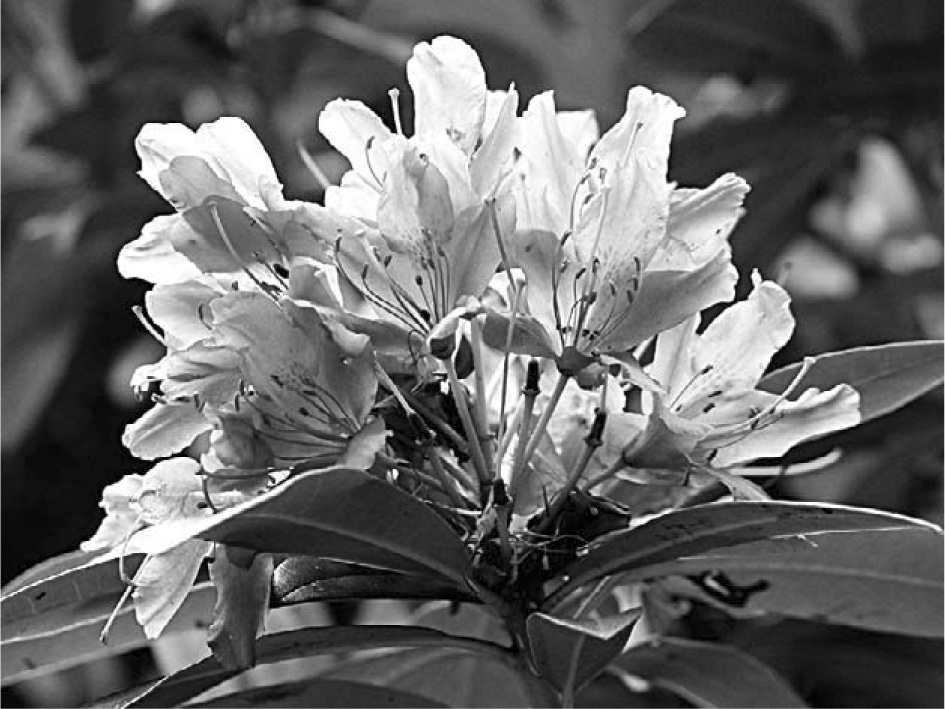
Rhododendron ponticum, also known as the “mountain rose” or “black poison.”
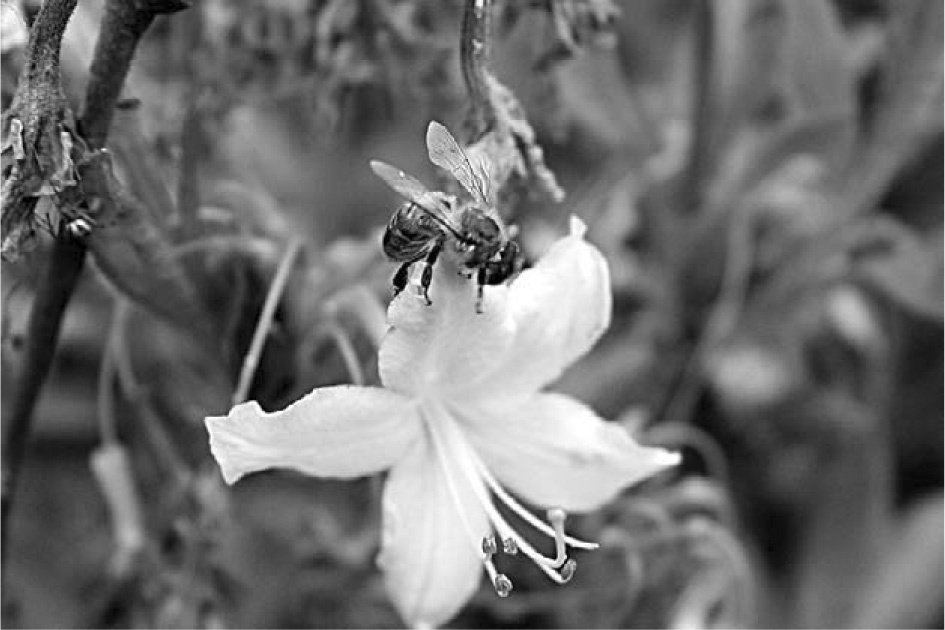
Rhododendron luteum, also known as the “mountain rose” or “yellow poison.”
Toxic Rhododendron species, particularly R ponticum, are commonly used in folk medicines of the Black Sea region. R ponticum is widely used both internally and externally as an analgesic for treatment of rheumatic or dental pain, common viral upper respiratory infections, and edema. 4 “Mad honey” is used as an alternative medicine for the treatment of gastric pains, bowel disorders, and hypertension and is also believed to be a sexual stimulant.
Beekeeping is a common activity among the inhabitants of the eastern Black Sea region. Native Caucasian bees (Apis mellifera caucasica), which fly in an area of only some 5 km, 2 are used in the traditional method of honey production. Since rhododendrons are long-lived plants, beekeepers know which honey is “mad.” Honey produced in springtime is more toxic and sometimes contains higher concentrations of grayanotoxins than that produced in other seasons. 5
Well-known toxic effects of honey poisoning are bradycardia, cardiac arrhythmia, hypotension, nausea, vomiting, sweating, salivation, dizziness, weakness, loss of consciousness, fainting, blurred vision, chills, cyanosis, and convulsions.5,6 Poisoning is frequently seen in this region, 7 and patients generally recover spontaneously without reporting to health institutions. The majority of those who do seek medical care recover with 0.5 to 1.0 mg of atropine and controlled fluid replacement. In rare, life-threatening cases, cardiac arrhythmias requiring cardiac pacing may occur. The potential hazards of these 2 wild flowers need to be appreciated along with their aesthetic qualities.