





Abstract
Keeping your eyes lined up, in no matter what direction you are looking, is important for stereoscopic vision. An inability to do it is called strabismus (taken directly from the Greek), or colloquially a squint or a cast in the eye. Illnesses in childhood can interfere with the development of the proper alignment. In some cases there is a hereditary element. 1 And at any time in life, damage to the ocular nerves or muscles can do it too.
There are two main types of squint – convergent (esotropia) and divergent (exotropia). In both types the lines of sight of the two eyes deviate. In the former the axes of vision cross; in the latter the non-fixating eye points outwards. The axis of deviation can also vary, and vertical, horizontal and torsional types are described.
Strabismus causes loss of binocular vision and can cause amblyopia. It is very common – it
affects 2–4% of the population
1
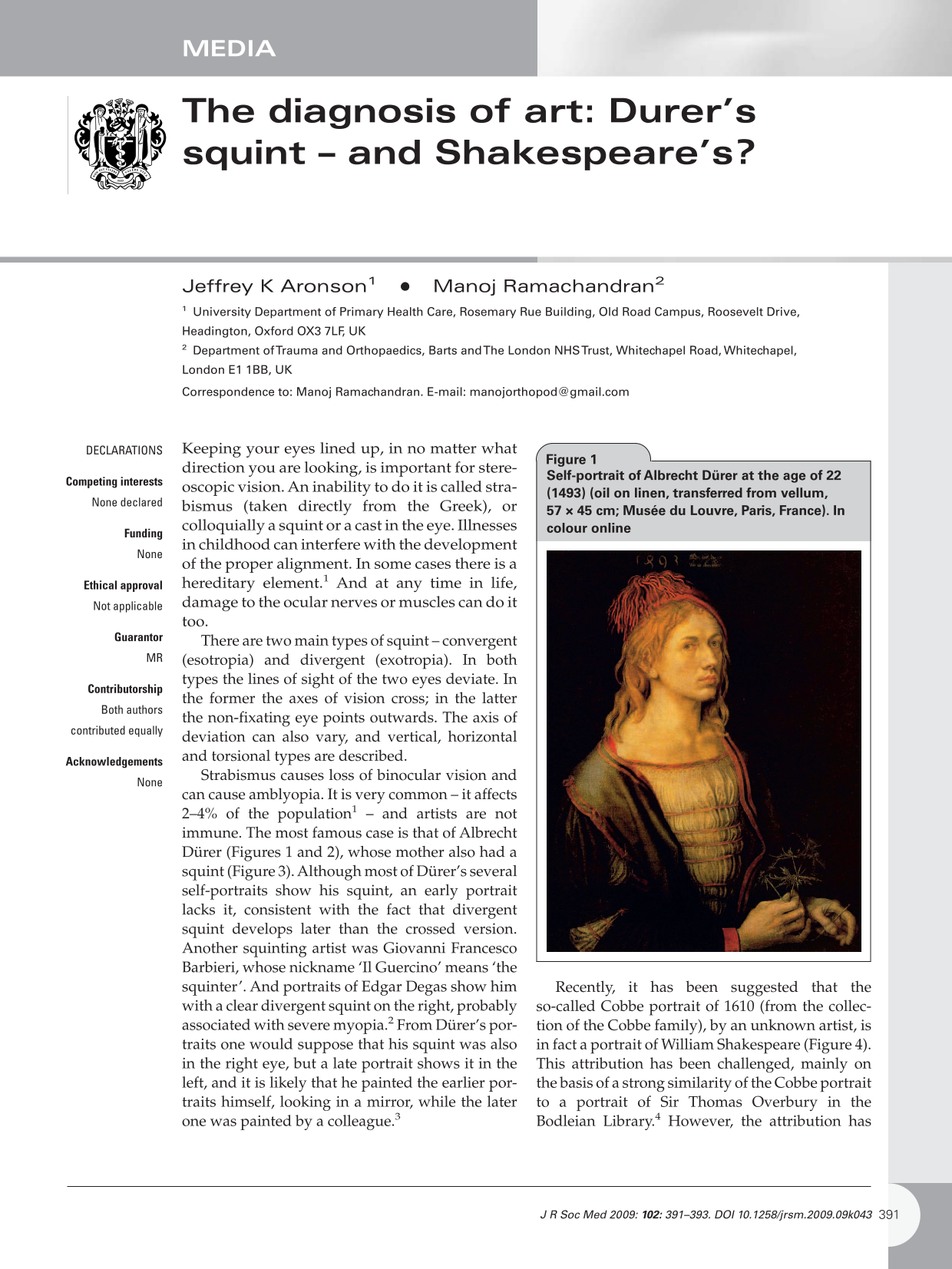
– and artists are not immune. The most famous case is that of Albrecht Dürer ( Self-portrait of Albrecht Dürer at the age of 22 (1493) (oil on linen, transferred
from vellum, 57 × 45 cm; Musée du Louvre, Paris, France). In colour online Self-portrait of Albrecht Dürer at the age of 26 (1498) (oil on panel, 56 × 71 cm;
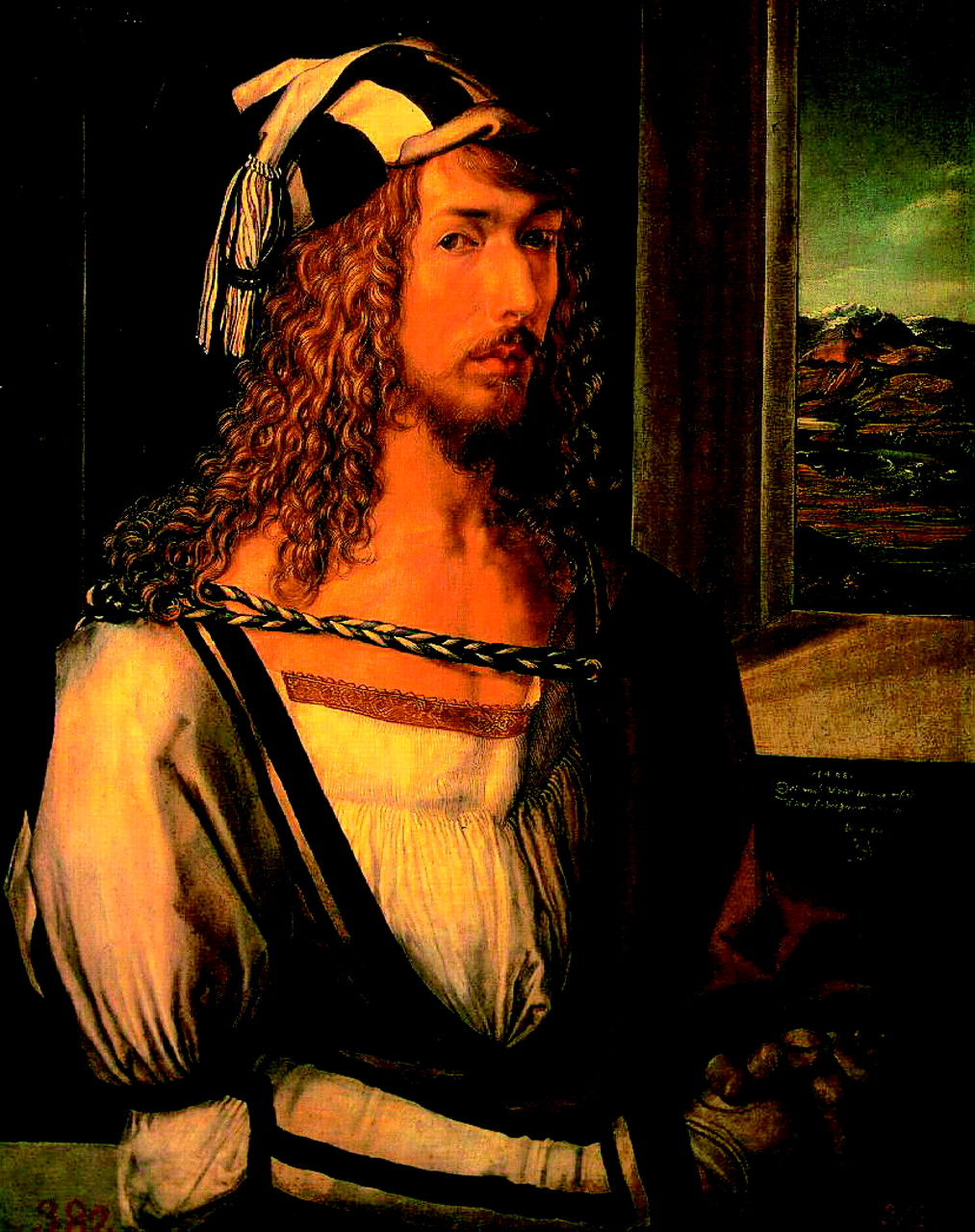
Museo del Prado, Madrid, Spain). In colour online Portrait of Albrecht Dürer's mother (1514) (charcoal on paper, 47 × 65 cm;
Kupferstichkabinett, Berlin, Germany)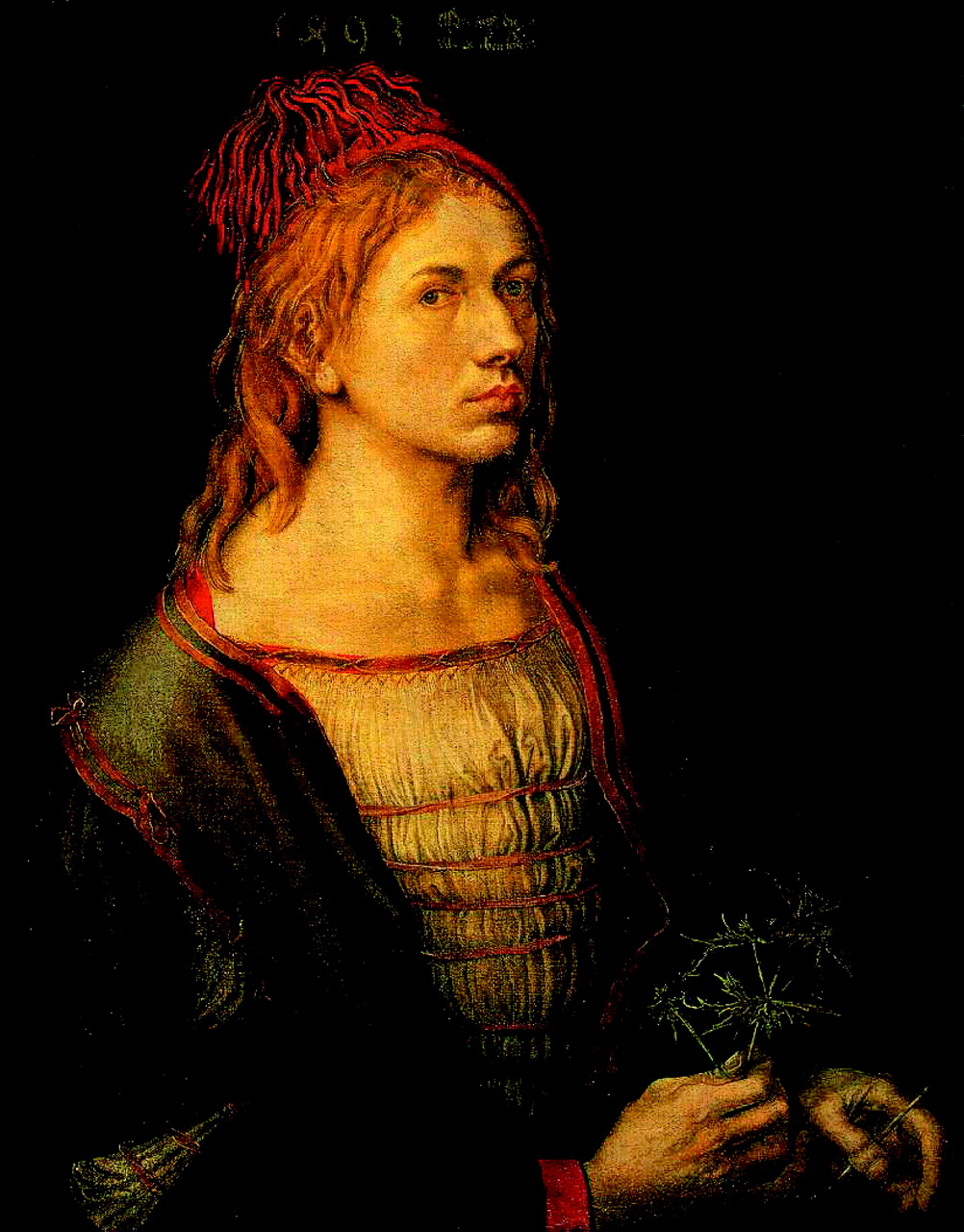
Recently, it has been suggested that the so-called Cobbe portrait of 1610 (from the
collection of the Cobbe family), by an unknown artist, is in fact a portrait of William
Shakespeare ( The Cobbe portrait, by an unknown artist (1610). The inscription ‘Principum
amicitias!’ is from one of Horace's Odes (the first in Book II, addressed to a
playwright): ‘gravesque principum amicitias’ – ‘the fatal friendships forged by
figureheads’. In colour online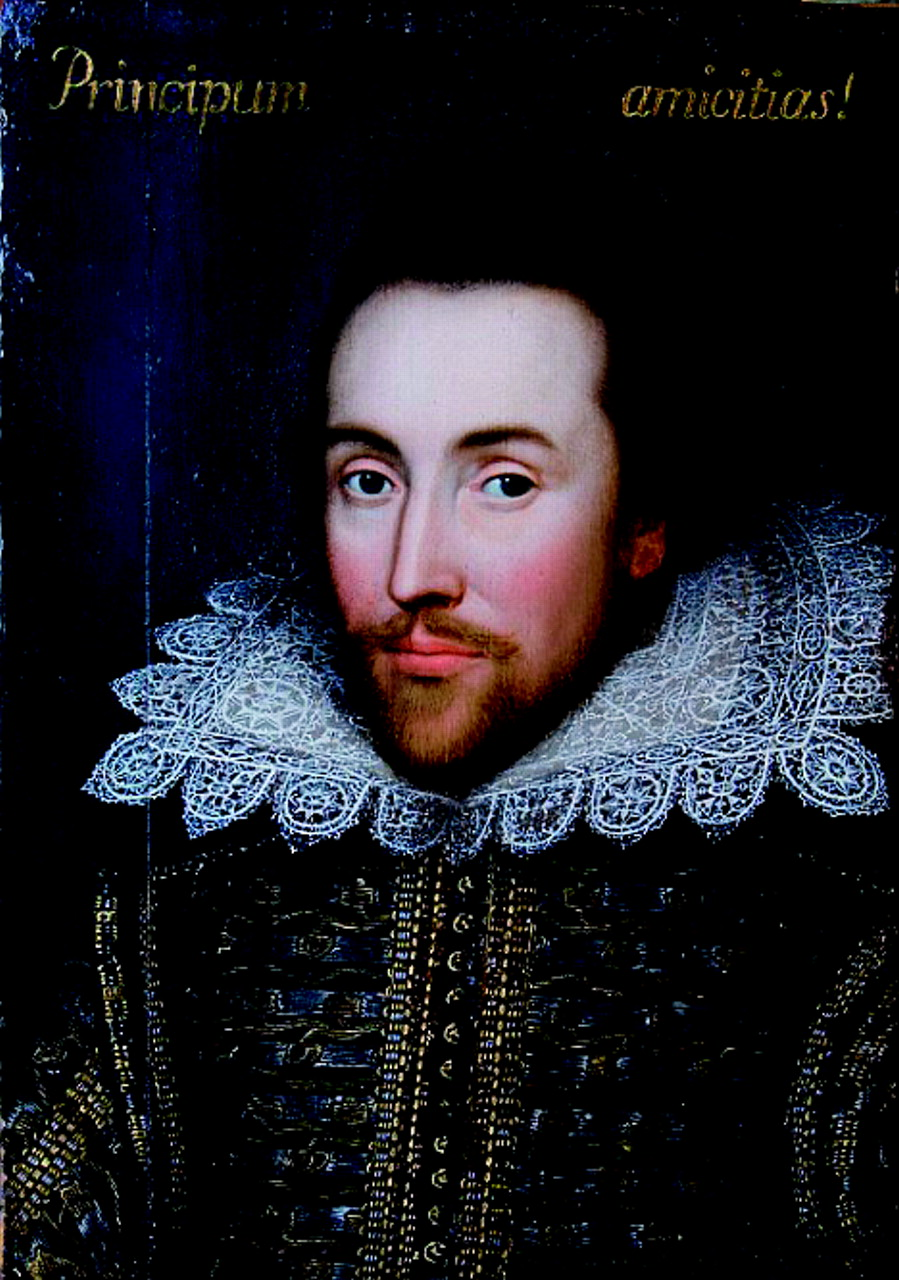
Shakespeare mentions a squint only once in his plays, when Edgar describes one of the five demons that afflict poor Tom in King Lear: ‘of lust, as Obidicut; Hobbididence, prince of darkness; Mahu, of stealing; Modo, of murder; and Flibbertigibbet, of mopping and mowing.’ Of the last he says, ‘He begins at curfew, and walks till the first cock; he gives the web and the pin, squints the eye, and makes the harelip; mildews the white wheat, and hurts the poor creature of earth.’ Elsewhere in Lear Shakespeare uses the word metaphorically. ‘Jesters do oft prove prophets,’ says Regan. ‘That eye that told you so,’ replies Goneril, ‘look'd but a-squint.’ This may be interesting, but it doesn't help.
The opening lines of sonnet 43 seem at first glance to be suggestive:
However, it is clear from the context of the following lines that the word ‘wink’ here has the obsolete meaning ‘to have the eyes closed in sleep’, not to close one eye alone. And the failure of the eyes during the day is because they do not see the beloved.
So we cannot be sure that Shakespeare had a squint, and of course the man portrayed in the Cobbe portrait may be someone else entirely, not Shakespeare or Overbury at all. Those who have visited the Stratford exhibition, Shakespeare Found, will have been able to make up their own minds.
Footnotes
DECLARATIONS
Footnotes
Acknowledgements
None