




Abstract
A new theory for multiaxial fatigue is presented that is based on a physical interpretation of the mechanisms of fatigue crack growth. It may be represented graphically by contours of constant life, which are expressed mathematically by
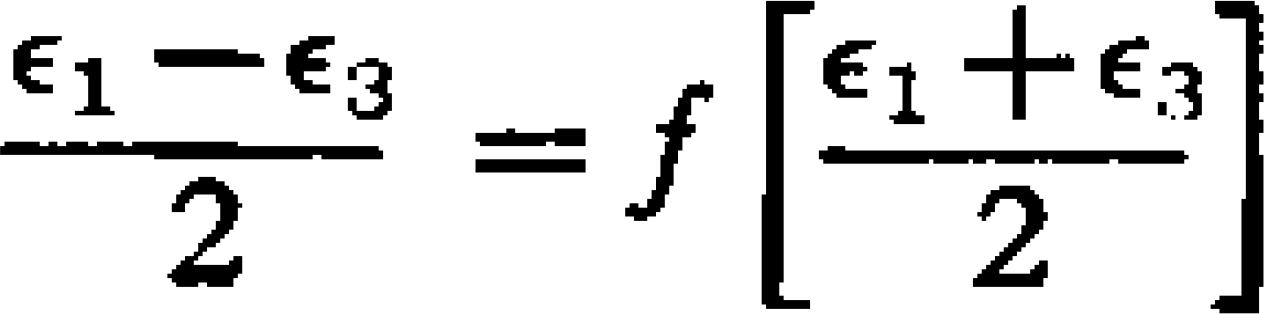
where ε1, ε2 and ε3 are the principal strains, •ε1 ≥ ε2 ≥ ε3.
This equation underlines the importance of strain parameters in correlating fatigue data. It illustrates the effect of both the shear strain and the tensile strain normal to the plane of maximum shear.
The theory is compared with several classical and recent theories, which are briefly reviewed. It is shown that classical theories of fatigue failure cannot correlate experimental data, and may be dangerous if used for design purposes.
Get full access to this article
View all access options for this article.