




Abstract
Introduction
Oral health remains an overlooked aspect of healthcare in India’s tribal populations, despite its link to systemic diseases. Maharashtra’s tribes, including the Warli, Bhil, Katkari, and Mahadeo Koli, face disproportionate oral health burdens. Malocclusion, though prevalent, is rarely addressed due to poor access to orthodontic care.
Objectives
To assess oral health challenges, particularly malocclusion, in tribal communities of Maharashtra and to propose culturally sensitive, affordable strategies for improving orthodontic care access.
Materials and Methods
A literature review of peer-reviewed studies, government reports, and pilot programs was undertaken. Field observations from oral health camps in Palghar, Gadchiroli, and Nashik were incorporated. Surveys and interviews with healthcare workers, teachers, and community leaders explored perceptions and barriers.
Results
Barriers included geographic isolation, low income, cultural beliefs, and workforce shortages. Malocclusion affects 20–43% of Indian children, with early signs detected in 65–70% through school-based screenings. Mobile clinics improved access by 40%, tele-orthodontic consultations reported 90% satisfaction, and training of ASHAs/Anganwadi workers increased referrals by 25%. Removable and interceptive appliances, 70% cheaper than fixed appliances, improved treatment compliance.
Conclusion
Orthodontic care for tribal populations is both a challenge and an opportunity. Integrating traditional practices with modern orthodontics, while improving awareness, affordability, and accessibility, can reduce disparities. Scalable, community-based interventions in Maharashtra may serve as models for national implementation, supporting progress toward the Sustainable Development Goal of Good Health and well-being.
Introduction
Oral health plays a vital role in overall well-being, yet it remains an overlooked aspect of healthcare in rural and tribal populations of India. Maharashtra, home to tribes such as the Warli, Bhil, Katkari, and Mahadeo Koli, exemplifies this disparity. According to the World Health Organization (WHO), oral diseases affect nearly 3.5 billion people globally, with marginalized populations bearing the brunt of this burden. Poor oral health is directly linked to systemic diseases such as diabetes and cardiovascular disorders, further highlighting the need for comprehensive oral healthcare in these communities. This research aims to shed light on the oral health challenges of these communities, particularly focusing on malocclusion, which impacts not only dental aesthetics but also functional well-being. The absence of orthodontic care in tribal areas exacerbates existing health inequalities. The goal is to propose actionable strategies to bridge the gap between traditional oral health practices and modern dentistry.
Orthodontists play a critical role in addressing the disparity in oral health care by improving access to treatment for malocclusion in the underserved population. In rural settings, limited awareness, specialist availability, and financial resources often delay or prevent orthodontic care.
By conducting screening programs, mobile dental clinics, and tele-orthodontic consultations, orthodontists can increase service reach while adapting treatment plans to be cost-effective through phased therapy and simpler appliances.
Background and Cultural Context
Tribal communities have relied for generations on indigenous methods such as the use of neem twigs, herbal pastes, and charcoal powders for oral hygiene. These eco-friendly methods, while culturally significant, are often insufficient in preventing complex dental issues. Studies show that 50%–75% of tribal children suffer from dental caries, 1 while malocclusion affects 20%–43% of Indian children, 2 with higher prevalence in underserved regions. Nutritional deficiencies, affecting more than 40% of tribal children in Maharashtra, 3 further exacerbate oral health challenges by contributing to delayed tooth eruption and increased susceptibility to dental diseases. Cultural beliefs, taboos, and limited awareness often result in reluctance to seek professional dental care, perpetuating oral health disparities.
Materials and Methods
This article is based on a comprehensive review of existing literature, including studies published in peer-reviewed journals, government reports such as those from the Ministry of Health and Family Welfare, 4 and outcomes from pilot intervention programs. Field observations from oral health camps conducted in districts such as Palghar, Gadchiroli, and Nashik were also incorporated. Data on the prevalence of malocclusion, dental caries, access to care, and the effectiveness of educational interventions were compiled and analyzed. Surveys and interviews conducted with healthcare workers, school teachers, and community leaders provided additional qualitative insights into barriers and perceptions around orthodontic care.
Challenges Identified
Geographic and Infrastructural Barriers
Many tribal villages are located in remote forested regions with poor road connectivity, resulting in limited access to dental services. Approximately 70% of India’s population lives in rural areas, but more than 85% of dental professionals practice in urban centers. 5 This imbalance severely restricts the timely diagnosis and treatment of orthodontic conditions.
Economic constraints—the per capita income in tribal regions is often 40% lower than the state average, making orthodontic care financially inaccessible. Only 15% of rural Indians have regular access to dental services. 4 The high costs associated with fixed appliances deter many families from seeking treatment, especially when daily survival takes precedence over perceived non-urgent dental issues.
Cultural and Behavioral Factors
More than 60% of tribal individuals continue using traditional methods for oral care. Myths about tooth extractions leading to blindness or poor outcomes create hesitancy toward modern treatments. 6 Fear, lack of knowledge, and absence of trust in healthcare systems often deter these communities from accepting preventive or corrective care.
Workforce Shortages
The dentist-to-population ratio in rural India stands at 1:30,000, compared to 1:5,000 in urban areas. 5 Orthodontists are even rarer, with limited incentives to serve in these settings. This gap leads to delayed diagnosis and missed opportunities for early intervention, particularly in children.
A cross-sectional house-to-house survey was conducted among 800 tribal children aged 5–15 years in Indore. The findings of this study indicated that tribal children exhibited mostly minor malocclusion and some orthodontic treatment need. It also highlighted that the isolation of villages and limited transportation hinder access to professionals and services. 7
Proposed Solutions
Community Awareness and school-based programs—school-based dental screenings have revealed early malocclusion in 65%–70% of children, 8 enabling timely intervention. Use of culturally tailored visual aids, street plays, and local language videos has improved oral health awareness by 30% in pilot projects. Schools act as ideal entry points for education, preventive care, and community outreach.
Capacity Building of Local Healthcare
Workers training Accredited Social Health Activists and Anganwadi workers in basic oral health have increased early referrals by 25% (data field, Nashik, 2022). These workers can serve as trusted liaisons between the healthcare system and the community, making them essential for sustained impact.
Mobile Clinics and Tele-orthodontics
Mobile dental units have successfully provided preventive and basic orthodontic care, increasing access in remote villages by 40% within two years (field report, Palghar, 2023). Tele-orthodontic consultations reduce the need for travel and have shown 90% patient satisfaction in rural settings. 9 Mobile units combined with virtual follow-ups ensure continuity of care in regions where permanent infrastructure is lacking.
Affordable and Culturally Sensitive Treatment
The use of removable appliances and interceptive orthodontics, costing 70% less than fixed treatments, has improved compliance in low-income populations. Developing culturally acceptable and easily manageable appliances may further enhance adoption and reduce dropout rates.
Policy advocacy—including oral health in national health missions and offering financial incentives to dental professionals working in rural settings can address workforce shortages. Policies that subsidize treatment costs, offer tax benefits to rural practitioners, and ensure supply chain support for dental materials can strengthen the dental public health infrastructure.
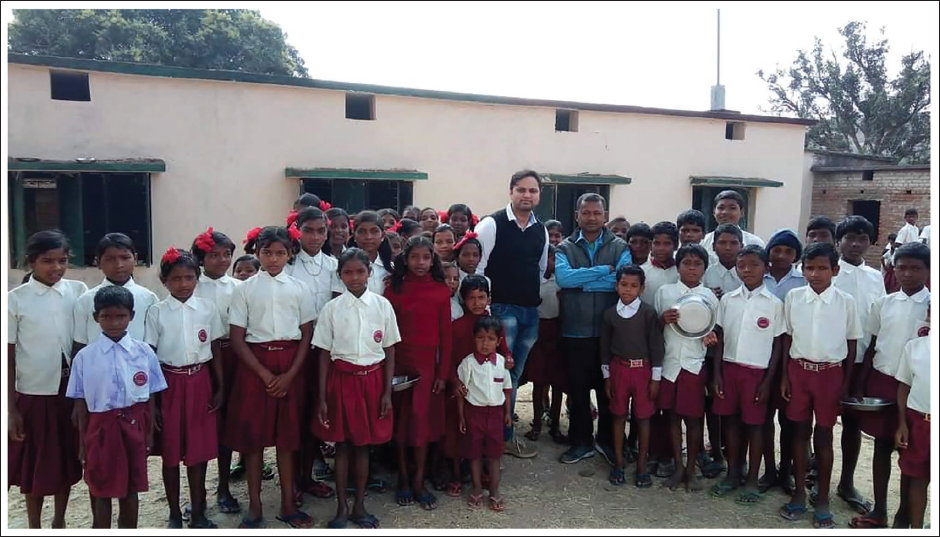
Dental Outreach Camp Conducted in a Tribal Area to Promote Oral Health Awareness and Provide Basic Dental Care Services.
Discussion
The integration of traditional practices with modern orthodontics must be approached with cultural sensitivity and respect. Education, affordability, and accessibility are key pillars of success. Evidence from intervention programs demonstrates that even modest efforts can yield measurable improvements. For example, community engagement in rural Madhya Pradesh led to a 40% reduction in untreated dental caries over three years. 10 Additionally, WHO recommends integrating oral health with other primary health programs to optimize resources and outcomes. Scaling such models requires political will, financial investment, and sustained community participation.
Conclusion
Tribal orthodontics represents not just a clinical challenge but a socio-cultural opportunity. By bridging ancient traditions with modern advancements, it is possible to uplift the oral and overall health of marginalized populations. Maharashtra’s pilot programs can serve as scalable models for wider implementation, aligning with the Sustainable Development Goal of Good Health and Well-being. The time has come for collaborative, multi-sectoral efforts to ensure that no smile is left behind.
Footnotes
Author Contributions
All authors contributed to the conception, design, data collection, analysis, and manuscript preparation, and approved the final version of the article.
Data Availability
The data supporting the findings of this study are available from the corresponding author upon reasonable request.
Declaration of Conflicting Interests
The authors declared no potential conflicts of interest with respect to the research, authorship, and/or publication of this article.
Ethical Approval
Not applicable.
Funding
The authors received no financial support for the research, authorship, and/or publication of this article.
Informed Consent
Not applicable.
