




Abstract
This study primarily aimed to explore how social network sites impact tourists during their destination selection process. The research involved collecting data through a snowball and convenience sampling method, targeting a sample size of 400 from the Indian states of Punjab, Haryana and Himachal Pradesh. The participants were specifically travellers who actively engaged with social media platforms. For data analysis, the PLS-SEM model was estimated. The findings suggest that social media plays a significant role in influencing consumers’ decisions when selecting destinations. Specifically, factors such as performance expectancy, social influence, hedonic motivation, effort expectancy, price value, trust, facilitating condition and habit were found to significantly affect behavioural intentions related to using social media network sites for choosing destinations. The insights gained from this study aim to assist key stakeholders in the tourism sector by shedding light on tourist behaviours. All entities involved in tourism need to recognize the importance of social media sites in today’s landscape. To effectively reach customers who favour technology-driven solutions, leveraging social networking sites is imperative. Furthermore, integrating social media into marketing strategies allows for providing users with relevant and necessary information. This research focuses on Web-based technologies such as social media and online networks to gain a deeper understanding of how these platforms influence consumers’ decision-making processes regarding destination choices by engaging in meaningful discussions.
Introduction
Consumer behaviour has undergone significant changes due to technological advancements and the widespread availability of the internet. Today, individuals rely on the internet to guide their decision-making processes. Furthermore, this increased internet usage has led to a rise in social media (SM) engagement (Agarwal & Mewafarosh, 2021; Shamsi et al., 2022). Prior studies have started to explore the various interpretations of SM (Wolf et al., 2018). Kaplan and Haenlein (2010) described SM as a set of online communication channels designed for community engagement, interaction, content sharing and collaboration. Social networking is becoming an increasingly vital aspect of daily life. The past decade has witnessed a remarkable expansion of social networking platforms, including Facebook, Instagram and Twitter. Since the inception of social media, its adoption has soared, attracting billions of users. Statistics indicate that 59% of the global population utilizes SM, with Facebook being the leading platform (Chaffey, 2023). Users can easily share and respond to posts, exchange information and stay informed about new developments and their applications in everyday life (Chaffey, 2023). Furthermore, the shift towards digital marketing has significantly changed the landscape of the tourism industry. As technological tools continue to develop quickly, digital marketing has emerged as a dynamic and interactive method for tourism organizations (Deb et al., 2022). Even during times of crisis, leveraging technology and digital communication strategies is crucial for building the resilience of tourism enterprises, encouraging policymakers and managers to reconsider their current models and strategies to engage more effectively with both existing and prospective customers (Nemec Rudez & Zabukovec Baruca, 2022).
Social media and networking sites have become essential resources for quickly obtaining comprehensive information about specific travel destinations (Di Pietro et al., 2012). Tourists select their destinations largely based on the image presented by those locations, which is significantly influenced by social media (Aftab & Khan, 2019; Sabari Shankar, 2020). The active sharing of stories, photos and videos on social media while travelling plays a role in encouraging other potential tourists to visit attractive places. While people utilize Web applications to plan and organize their leisure activities, the emergence of Web 2.0 and online platforms has made this process more interactive (Jore et al., 2020). In the tourism sector, social media platforms fulfil distinct roles that set them apart from other industries. Tourism businesses heavily depend on visual storytelling and user-generated content (Sadivnycha & HU, 2025), as well as destination imagery, which significantly influences travellers’ decisions (Keelson et al., 2024). Given the experiential nature of tourism products, which cannot be physically inspected before purchase, social media becomes essential for establishing trust and showcasing the authenticity of destinations through peer reviews, visual content and real-time experiences shared by travellers (Moreno et al., 2024). This evolution enhances transparency and allows users to create and share content, known as user-generated content (Simon, 2016). The appeal of these technologies can be attributed to people’s interest in social media (Sharma et al., 2021; Shukla et al., 2020).
Since the advent of digital Web 2.0 and its integration into tourism, numerous scholars have conducted both quantitative and qualitative research to grasp the evolving role of social media. Despite extensive research on social media and tourism, existing studies have primarily focused on general consumer engagement and online purchase behaviour. However, limited research has specifically examined how social media influences destination choice decisions using an integrated behavioural framework such as UTAUT2, particularly in the Indian context. Moreover, prior studies have not adequately incorporated psychological constructs such as trust and habit alongside traditional UTAUT2 variables. Therefore, this study aims to address this gap by applying and contextualizing the UTAUT2 model to understand tourists’ behavioural intentions in destination selection. As social media continues to expand and change, it is essential to deepen our understanding of its significant impact on tourists’ travel choices. Additionally, a practical research model is needed to help tourism officials effectively use SM to market their products and destinations. While many current studies rely on the Unified Theory of Acceptance and Use of Technology (UTAUT2) model across various fields, this study applies the UTAUT2 model in the context of tourism destination selection. It incorporates trust as an additional construct to better capture consumer decision-making in social media environments. The following objectives have been addressed in this study:
To examine the impact of UTAUT2 constructs (performance expectancy, effort expectancy, social influence, facilitating conditions, hedonic motivation, price value, and habit) on behavioural intention. To analyse the role of trust in influencing behavioural intention in the context of social media-based destination selection.
Literature Review
Social Media and Tourism
Based on the existing research, social media can be described as a cohesive process where a business communicates its marketing message to a specific audience using the internet and various social media marketing tools (Labanauskaitė et al., 2020). Social media is characterized as ‘a collection of Internet-based applications that utilize the principles and technology of Web 2.0, enabling the creation and sharing of user-generated content’ (Kaplan & Haenlein, 2010, p. 61). The interdependent development of digital marketing and social media highlights their complementary nature, with each influencing the other as they progress (Vrontis et al., 2021). Utilizing social media for digital marketing is marked by a dynamic conversation led by consumers or businesses, spreading promotional content among relevant audiences and promoting interactive communication and engagement in real-time (Dwivedi et al., 2015; Jara et al., 2014; Kim & Ko, 2012). This interactive process ultimately benefits all stakeholders by encouraging the exchange of valuable information and fostering mutual engagement (Dwivedi et al., 2015). This research employs the digital engagement framework (Brodie et al., 2011) to investigate how digital marketing affects consumer behaviour, business branding and sustainable tourism development. According to this framework, online interactions between consumers and businesses are dictated by content exposure, perceived value and interactive engagement (Brodie et al., 2011). In the tourism sector, digital marketing strategies act as catalysts to boost consumer awareness and affect decision-making processes (So et al., 2016). By using this framework, the research assesses the effectiveness of digital marketing within Kosovo’s tourism industry from the viewpoints of consumers, businesses and industry experts (IEs). This theoretical basis offers a structured method for understanding the influence of digital interactions on tourism-related decision-making. Previous research has conducted numerous studies focusing on how digital marketing and social media affect the identification of tourist destinations. These analyses cover a range of topics, including digital engagement’s role, the success of marketing strategies and the reliability of digital platforms (Bigne et al., 2018; Dieck et al., 2018; Shen et al., 2018). A core aspect of these studies is the importance of digital engagement and discovery in influencing how tourists interact with online platforms while exploring travel destinations. Engagement with digital channels has become a key factor in shaping tourists’ perceptions and decisions (Xiang & Pan, 2011).
Social media also plays a critical role in the pre-travel phase, where travellers heavily consult these platforms for planning and informational purposes, emphasizing their essential involvement in the overall travel-planning process (Zeng, 2013). The process of identifying tourist destinations is multifaceted, involving both awareness and selection. ‘Awareness’ pertains to the initial recognition and understanding of a destination by potential travellers (Becken et al., 2015), a stage affected by advancements in digital technology and changing sustainability practices (Cantino et al., 2019). During this phase, digital platforms are vital in disseminating information and enhancing visibility through storytelling and interactive content (Giaccone & Bonacini, 2019). As stakeholders engage with a destination’s unique characteristics, cultural heritage and sustainability initiatives, the ‘identification’ phase becomes more pronounced. Strategies promoting sustainable tourism and innovations in information and communication technology (ICT) significantly enhance destination identity and differentiation (Alfiero et al., 2017; Cortese et al., 2021). This stage involves stakeholders recognizing a destination’s features and aligning them with their own values and preferences.
Tourism and Consumer Decision-Making
Finally, ‘choice’ denotes the decision-making process, where travellers finalize their plans based on their expectations and perceived value (Gretzel et al., 2015). Effectively managing these stages through integrated tourism strategies and technology advancements ensures a holistic approach to destination management and visitor satisfaction (Cantino et al., 2019). Social media platforms such as TripAdvisor, Facebook, YouTube and Twitter have increasingly influenced travel-related decision-making processes (McCarthy et al., 2010; Sigala et al., 2012). The decision-making process has been extensively examined under various labels, sometimes referred to as models and other times as theories, particularly in the realms of consumer behaviour and tourism research. Notable decision-making models include the EKB model (Engel et al., 1990), Kotler’s five-stage model (Kotler et al., 2010), Mathieson and Wall’s travel buying behaviour (1982) and the travel planning process (Cox et al., 2009). These models propose that the decision-making process consists of five sequential stages: need recognition, information search, evaluation of alternatives, purchase decision and post-purchase behaviour. Although researchers do not agree on the precise order or terminology of these stages (Engel et al., 1990; Nicosia, 1966; Tyagi & Kumar, 2004), the five-stage model is widely regarded as the most ‘accepted model’ of decision-making (Gulati, 2022; Kotler & Armstrong, 2016; Kotler & Keller, 2016; Schiffman & Wisenblit, 2015). Even with the absence of a fixed sequence, marketers focus on each stage since they represent critical steps in the decision-making process (Kotler & Armstrong, 2016; Osei & Abenyin, 2016; Rad & Benyoucef, 2011). The concept of ‘Travel 2.0’ reflects the industry’s shift towards new platforms and online social interactions, fundamentally changing travellers’ behaviour and consumption patterns (Buhalis & Law, 2008; Hudson & Thal, 2013). Stylianou et al. (2025) highlight the significance of social media in co-creating tourism experiences, noting that digital platforms enhance engagement between stakeholders and consumers, thereby shaping the destination’s image and branding strategies. User-generated content (UGC) on these platforms considerably impacts travellers’ decisions regarding destination visits, underscoring the importance of digital marketing strategies that effectively utilize social media (Bigne et al., 2018; Dieck et al., 2018). Thus, the digital landscape—particularly through social media—plays a crucial role in assisting travellers in identifying and exploring tourist destinations (Angeloni & Rossi, 2020; Hu & Olivieri, 2020). The reliance on digital platforms for information and decision-making reinforces the necessity for tourism marketers to effectively leverage digital marketing strategies to promote destinations and engage potential visitors (Amaro & Duarte, 2017; Varkaris & Neuhofer, 2017).
The Applications of Unified Theory of Acceptance and Use of Technology
Some major theories and models have been proposed for technology acceptance. Fishbein and Ajzen (1975) proposed the first model, the theory of reasoned action (TRA). This theory focuses on the customers’ intention to perform a behaviour as an immediate determinant. Davis (1986) proposed a second model of technology adoption, the Technology Acceptance Model (TAM), which includes the perceived ease of use (PEOU) and perceived usefulness (PU), which then influences acceptance behaviour. These are the determinants of the intention to use technology. Venkatesh et al. (2003) found the model to be an integrated theory of technology acceptance known as the Unified Theory of Acceptance and Use of Technology and utilized it to understand consumer behaviour. They suggest that the presence of both organizational and technical infrastructure can affect the adoption and usage of social media. Edumadze and Demuyakor (2022) highlight that universities in Ghana recognize the significance of new media technologies and are investing in infrastructure to ensure consumers can effectively utilize social media. Conversely, Kumar (2015) indicates that during the early stages of travel planning, tourists often rely on search engines for information before moving on to more interactive platforms, such as destination marketing organizations’ websites and transaction-based portals. Additionally, Mosha et al. (2015) argue that social media marketing affects consumer behaviour, business branding and sustainable tourism development. UTAUT2 was used to understand the social influence on consumer behaviour, acknowledging that the use of technology by consumers frequently encompasses extra psychological and experiential elements. These factors are particularly pertinent to the current study, which examines the sustained use of mobile applications and social media. In this context, ongoing engagement is influenced not only by practical advantages but also by enjoyment and established habits (Venkatesh et al., 2016).
Performance Expectancy
Lutfie and Marcelino (2020) said that performance expectancy is the degree to which an individual believes that using a specific technology will enhance their job or task performance. In the context of our research, this component is crucial for assessing whether consumers perceive that the use of social media in the choice of destinations will positively impact their experience.
Effort Expectancy
Venkatesh et al. (2012) said that effort expectancy is the degree to which an individual believes that using a particular technology will be free from effort. In the context of our research, this component is important for understanding how easily customers believe they can integrate social media into their travel routines.
Social Influence
Venkatesh et al. (2012) consider social influence to be the impact of external influences on an individual’s decision to use technology. It involves factors such as social norms, opinions of important individuals and peer pressure. In our research, we will assess how social influence plays a role in customers’ acceptance and use of social media in tourism.
Facilitating Conditions
Venkatesh et al. (2003) said that a facilitating condition is the degree to which an individual believes that an organizational and technical infrastructure exists to support the use of the system. Zhou et al (2010) said that using social media requires a particular kind of skill, the availability of technical infrastructure and access to resources. In terms of our research, we will define a user’s perception of support and resource availability to use the social media applications.
Hedonic Motivation
Venkatesh et al. (2012) said that hedonic motivation is the pleasure or enjoyment individuals derive from using technology. It goes beyond functional utility to include the emotional satisfaction and enjoyment associated with using a technology. In our study, we will explore whether consumers find using social media in tourism enjoyable and whether this hedonic motivation impacts their intention to use it for destination choice.
Price Value
Venkatesh et al. (2012) defined price value as a cost assessment in an organizational setting. Using technology in the customers’ context could involve a higher financial cost to the customers. We will define it as the relationship between price value and service value, and cognitively compare the utilities (benefits) of using new systems with the financial cost that will be paid for using such systems.
Trust
Koksal (2016) said that building individual trust is indispensable as it tends to reduce consumers’ fears and uncertainties, thus decreasing the decision intricacy and boosting adoption intentions. In the context of our research, we will investigate whether consumers have developed their trust in using social media for travel.
Habit
Venkatesh et al. (2012) said that habit involves the automatic and routine use of technology in daily life. It reflects how individuals have integrated technology usage into their everyday routines. In the context of our research, we will investigate whether consumers have developed a habit of using social media for travel.
Behavioural Intention
Venkatesh et al. (2012) said that an individual’s and user’s behavioural intention is influenced more by others’ opinions and social norms followed by users or adopted by them. In our research, we will investigate whether consumers are influenced by social opinions about using such media’s information.
Conceptual Model and Hypothesis Development
Performance Expectancy and Behavioural Intention
As defined by Venkatesh et al. (2012) and Amaro and Duarte (2013), performance expectancy (PE)refers to the degree to which individuals believe that using a particular system enhances their task performance. In the context of tourism, social media platforms provide travellers with detailed, real-time and user-generated information about destinations, including reviews, images, itineraries and recommendations. Such information improves decision quality and reduces uncertainty associated with destination selection. When users perceive that social media enhances their travel planning efficiency and outcomes, they are more likely to rely on it for decision-making. Therefore, PE is expected to positively influence behavioural intention (BI). Additional studies have also highlighted PE as an essential precursor to technology adoption in tourism settings (Huh et al., 2009; San Martín & Herrero, 2012). Consequently, the following hypothesis is proposed:
H1: Performance expectancy has a significant positive impact on behavioural intention.
Effort Expectancy and Behavioural Intention
Venkatesh et al. (2012) said that effort expectancy (EE) indicates how easy users perceive a system to be. In the tourism sector, travellers favour platforms that provide straightforward access to essential information without unnecessary complexity. As per Williams et al. (2021), social media applications are typically designed to be user-friendly, allowing users to effortlessly search for destinations, compare choices and engage with content generated by peers. When tourists view social media as easy to navigate, they are more inclined to incorporate it into their travel planning. Consequently, a lower perceived effort increases the intention to adopt these platforms.
H2: Effort expectancy significantly positively influences behavioural intention.
Social Influence and Behavioural Intention
Venkatesh et al. (2012) said that social influence (SI) describes the degree to which individuals feel that significant others impact their actions. Humaid and Ibrahim (2019) said that in tourism, travel decisions are frequently influenced socially, as individuals look to the recommendations, reviews and shared experiences of friends, family, influencers and online communities. Social media enhances this influence by fostering ongoing interaction and exposure to peer perspectives. When travellers recognize a strong social endorsement for using social media in choosing destinations, their intention to adopt these platforms rises.
H3: Social influence significantly positively influences behavioural intention.
Hedonic Motivation and Behavioural Intention
García Botero et al. (2018) describe that hedonic motivation (HM) involves the pleasure or enjoyment people derive from using technology. Social media platforms often feature engaging and visually stimulating content, such as travel videos, photos and stories, which can inspire users and make the journey of discovering destinations enjoyable. In the tourism realm, such emotional and experiential engagement can encourage users to explore destinations through social media (Salloum et al., 2019). As a result, when users find social media enjoyable, they are more likely to rely on it for travel-related decisions.
H4: Hedonic motivation has a significant impact on behavioural intention.
Price Value and Behavioural Intention
Palau-Saumell et al. (2019) describe price value (PV) as the balance between the perceived benefits and costs of using a technology. For social media, many platforms are free and offer valuable information that helps travellers make budget-conscious decisions regarding destinations, accommodations and activities. When users believe that the advantages of using social media surpass any associated costs (e.g., data usage or time), they are more inclined to adopt it for travel planning. However, Gharaibeh et al. (2020) argue that price value has a limited influence on the intention to use mobile commerce applications, and this also applies to social media. Age significantly moderates the relationship between PV and BI (Venkatesh et al., 2012).
H5: Price value significantly positively influences behavioural intention.
Trust and Behavioural Intention
Trust is essential for minimizing uncertainty and perceived risk in online settings. In tourism, where services are intangible and not assessable before consumption, travellers depend significantly on information from social media, as noted by Ramadani et al. (2014) and Wu (2015). Pentina et al. (2012) indicated that trust drives the intention to engage with social network applications. Research corroborates that trust significantly influences intentions related to social media use for destination choice (Abdat, 2020; Ramadani et al., 2014; Salloum et al., 2018a).
H6: Trust significantly positively influences behavioural intention.
Facilitating Conditions and Behavioural Intention
Facilitating conditions (FC) pertain to the resources and support necessary to utilize a technology. In the context of social media for tourism, this includes access to smartphones, internet connectivity and digital literacy. When users believe that they have sufficient technical resources and support to utilize social media platforms effectively, their likelihood of adopting them for travel planning increases (Venkatesh et al., 2003, 2012). Puriwat and Tripopsakul (2021) also found that FC affect BI regarding social media applications like Facebook.
H7: Facilitating conditions significantly positively influence behavioural intention.
Habit and Behavioural Intention
Habit indicates the degree to which individuals perform behaviours automatically based on past experiences (Khang et al., 2014). Limayem et al. (2007) observed that, given the prevalent use of social media in daily life, many users develop habitual patterns of searching, browsing and interacting with content. In tourism, regular use of social media for information retrieval can significantly affect decision-making behaviour. When users get habituated to depending on social media, they are more likely to persist in using it for destination selection without conscious effort.
H8: Habit significantly positively influences behavioural intention.
Research Methodology
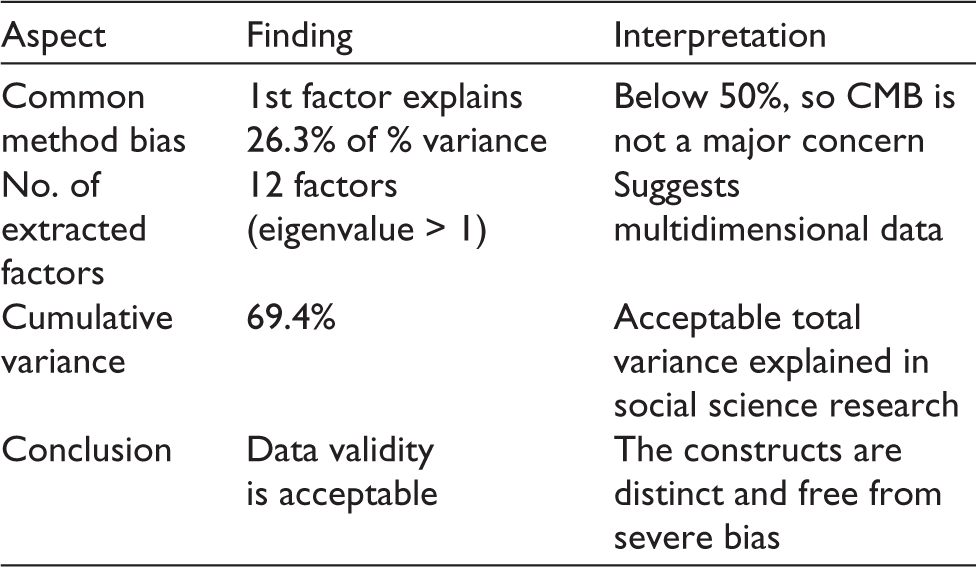
The research involved collecting data through a snowball and convenience sampling method, targeting a sample size of 400 from the Indian states of Punjab, Haryana and Himachal Pradesh. Due to the absence of a comprehensive sampling frame of social media users involved in tourism-related activities, probability sampling was not feasible. As a result, non-probability sampling methods, specifically convenience and snowball sampling, were utilized. Leighton et al. (2021) said that these techniques are commonly applied in research related to social media and behaviour, enabling researchers to connect with active digital platform users who are typically hard to identify through formal sampling methods. Additionally, snowball sampling helped recruit respondents through referrals from current participants, thereby broadening the outreach within the target user groups (Nov, 2008). The participants were specifically travellers who actively engaged with social media platforms. In this case, the pertinent data for the current investigation were gathered using the virtual snowball sampling and convenience sampling techniques. The usefulness of virtual snowball sampling in social media research led to the selection of this method. It is consistent with the research done by Brunet and Baltar (2012). Some of the respondents’ data were collected manually. WhatsApp, e-mail and Instagram were used to post the link to the online questionnaire that was created for the current study based on a Google Survey. For data analysis, PLS-SEM was used. Additionally, Harman’s single-factor analysis was conducted to assess the presence of common method bias in the study.
The findings revealed that the total variance was 26.34%, falling below the maximum threshold of 50%, indicating that there was no common method bias (Podsakoff et al., 2012). The information was gathered using a Google Form, and each response was designated as necessary. There was no longer any chance of missing data values.
Measurement Instrument and Scale Development
The study’s data were gathered through a structured questionnaire, with all constructs assessed using multiple items derived from previously validated scales. Participants responded on a 5-point Likert scale, where 1 indicated ‘strongly disagree’ and 5 indicated ‘strongly agree’. The measurement items for the constructs were based on earlier research related to the UTAUT2 model and social media adoption. Constructs such as PE, EE, SI, FC, HM, PV, habit and BI were adapted from the work of Venkatesh et al. (2012). The trust construct was based on previous studies of online consumer behaviour (e.g., Koksal, 2016), while items regarding information-related constructs such as argument quality and source credibility were sourced from the information adoption literature. Each construct was evaluated using several indicators: PE with three items, SI with six items, HM with six items, EE with five items, PV with three items, trust with five items, FC with four items, habit with three items and BI with five items. The complete questionnaire used for the study is provided in the Annexure.
Descriptive Analysis
Table 1 outlines the demographic characteristics of the survey participants. The majority of the sample consists of young adults aged 20–30 years (59%), highlighting that the research primarily focuses on early travellers who are engaged with social media. Gender distribution is nearly equal, minimizing potential bias in the results. Regarding social media habits, most respondents (45.3%) indicated they spend 1–4 hours per day on these platforms, showing a moderate to high level of engagement. Furthermore, over 80% participants hold graduate or postgraduate degrees, indicating a generally well-educated group. In summary, the sample reflects a digitally engaged and educated audience, making it suitable for exploring social media’s impact on tourism decision-making.
Demographic Profile.
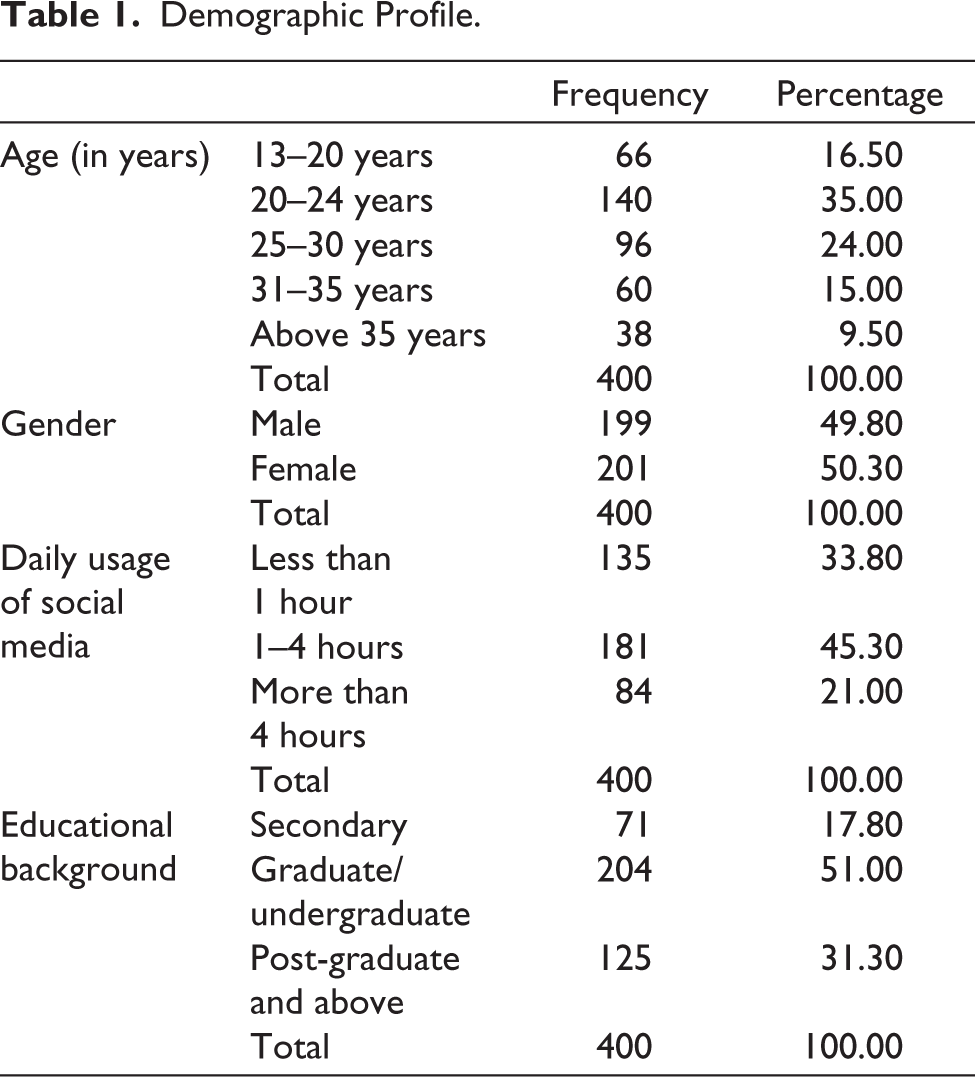
Table 2 displays the validity measures for the constructs of PE, habit, FC, Trust, HM, PV, EE, SI and BI. The values along the diagonal (ranging from 0.731 to 0.805) represent the square roots of the average variance extracted (AVE) for each construct, all surpassing the suggested threshold of 0.70, which indicates adequate convergent validity for the measurement model. Additionally, discriminant validity is well supported, as these diagonal values for each construct are greater than their respective correlations with other constructs. This implies that each construct is empirically separate and reflects a distinct aspect of the model. For example, BI is most closely correlated with SI (0.622), EE (0.591) and PE (0.554), suggesting that SI, perceived ease of use and performance benefits are significant predictors of BI. Likewise, SI displays a strong correlation with EE (0.595), indicating that perceptions of effort are significantly tied to social influences.
Model Validity Measure.
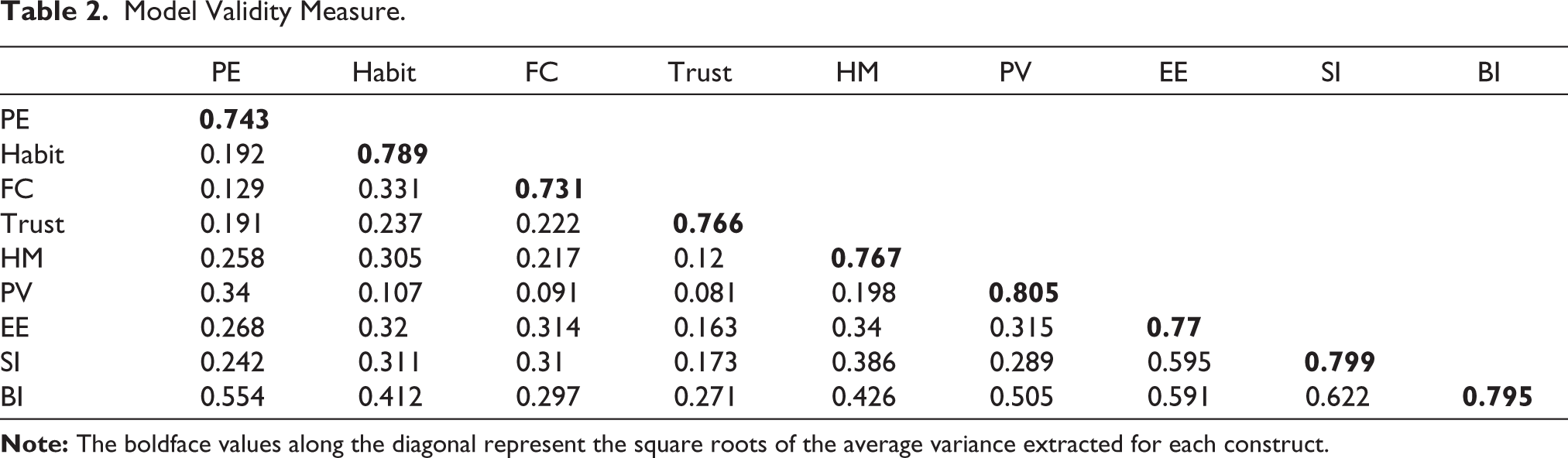
Table 3 displays the outcomes of the measurement model, including reliability, convergent validity and descriptive statistics for all constructs examined in the study. The Cronbach’s α values range from 0.781 to 0.907, while the composite reliability (CR) values are between 0.787 and 0.908, all surpassing the acceptable threshold of 0.70. This suggests that all constructs exhibit a satisfactory level of internal consistency and reliability. Convergent validity is confirmed, as the AVE for each variable is above the minimum acceptable threshold of 0.50, ranging from 0.534 to 0.648, indicating that the indicators effectively explain their respective constructs.
Results of the Measurement Model.
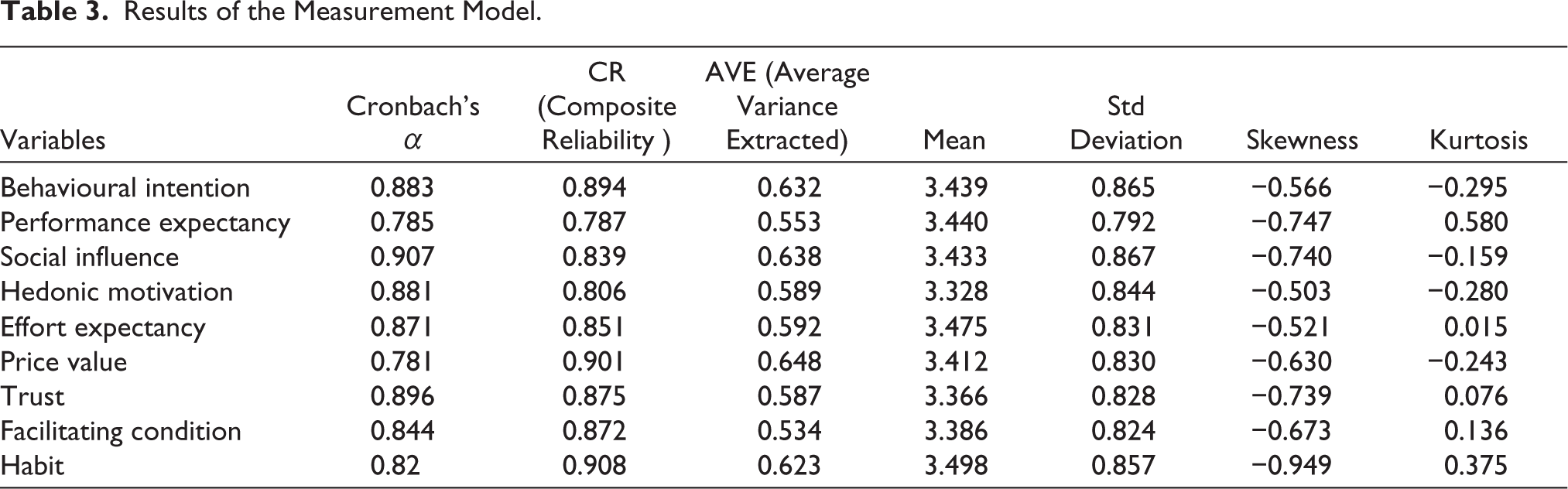
The mean scores for all constructs fall between 3.328 and 3.498, reflecting a moderately positive perception among respondents regarding BI, PE, SI, HM, EE, PV, trust, FC and habit. The standard deviation values are relatively low, ranging from approximately 0.79 to 0.87, indicating minimal variability and consistent responses from participants. All constructs show negative skewness, pointing to a slight leftward distribution where responses lean towards higher levels of agreement. Kurtosis values are near zero, suggesting that the data are roughly normally distributed. In summary, the results affirm that the measurement model is reliable, valid and appropriate for further analysis of the structural model.
Main Results
This includes a PLS-SEM analysis performed. The model fit was assessed using various fit indices. The CMIN/DF value of 2.516 is within an acceptable range, signifying a reasonable alignment between the model and the data. Incremental fit indices such as TLI and IFI are above the suggested threshold of 0.90, indicating a strong comparative fit. Furthermore, the RMSEA value of 0.062 reflects an acceptable level of approximation error. However, GFI and AGFI values, at 0.798 and 0.773, respectively, are below the preferred threshold of 0.90, suggesting that the model does not achieve an optimal absolute fit. Although GFI (0.798) and AGFI (0.773) values are below the advisable threshold of 0.90, these indicators are known to be influenced by the size of the sample and the complexity of the model. In contrast, other fit indices such as CMIN/DF, TLI, IFI and RMSEA show that the model has an adequate fit. Based on the suggestions of Hu and Bentler (1999), Hair et al. (2019) and Kline (2016), more importance is placed on incremental and absolute fit indices, such as RMSEA and TLI. As a result, the overall fit of the model can be regarded as acceptable. Parsimony indices such as PNFI (Parsimony Normed Fit Index) and PCFI (Parsimony Comparative Fit Index) each exceed 0.8, suggesting that the model maintains a suitable level of complexity for the data. The Hoelter Index at the 0.01 level is 201, indicating a good fit with a sample size of 201 or greater. Overall, the model fit summary supports the appropriateness of the hypothesized relationships.
The following sections give a quick description of the various elements of a typical SEM diagram of the entire model, based on Figure 1.
SEM Analysis of a Comprehensive Framework.
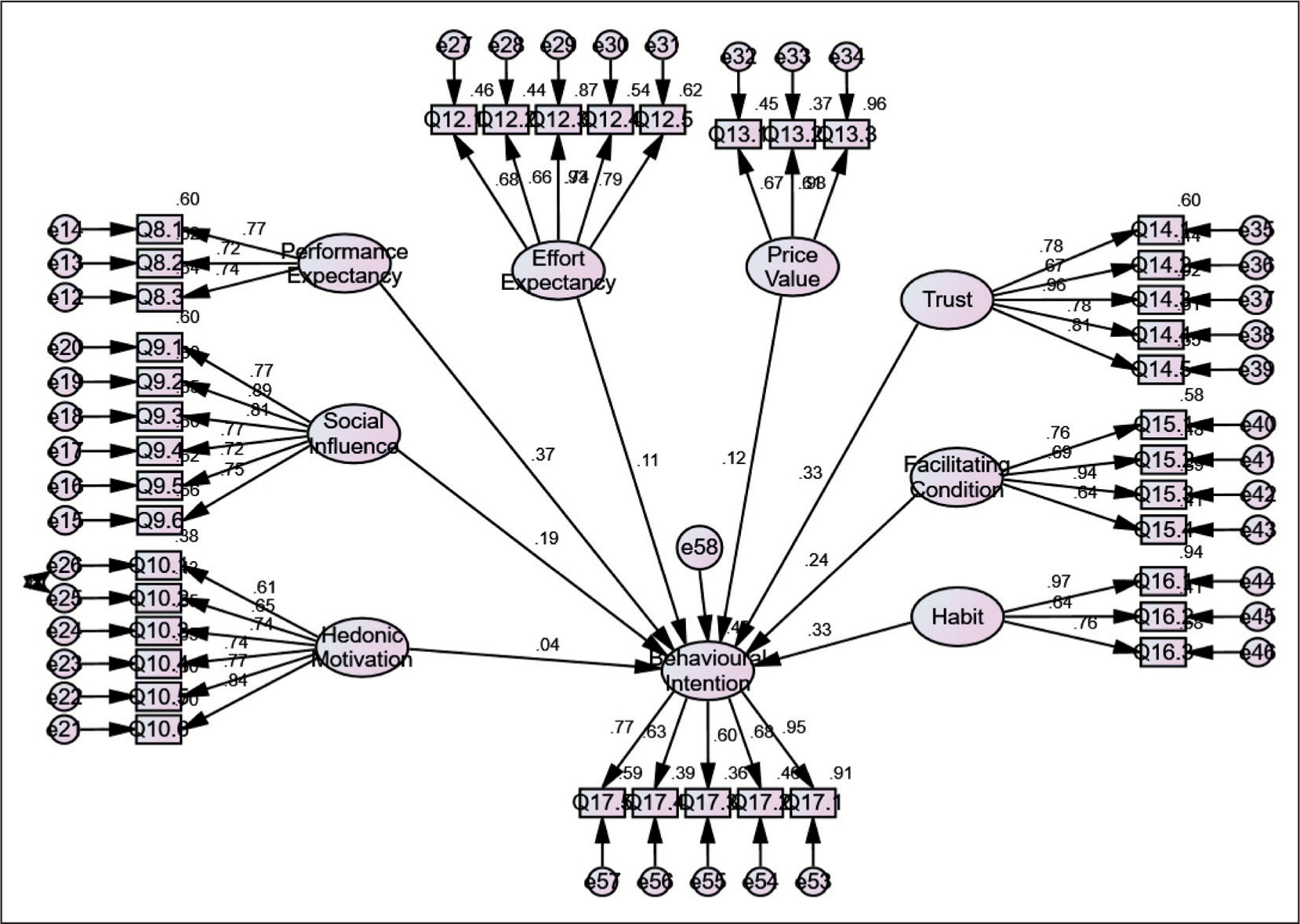
Latent Variables
These are the latent (unobserved) structures that are shown in Figure 1 as ellipses or circles. In Figure 1, habit, FC, trust, HM, PV, PE, EE, SI, information usefulness and BI are included.
Observed Variables
These are the measured variables, also known as manifest variables, represented by rectangles or squares. In Figure 1, Q6.1, Q6.2, Q6.3, etc., are the manifest (observed) variables that serve as symbols of the unobserved (latent) constructs.
Path Coefficients
These are the standardized regression weights that show the direction and degree of the link between variables; they are comparable to the β weights in multiple regression. The arrows that connect the variables represent them.
Error Terms
These denote the measurement error or variation in the observable variables or the latent constructs that the model is unable to explain. They are represented by the letters e1, e2, e37 and so on.
Table 4 represents an individual’s relationships, as shown in the structural equation modelling (SEM) diagram.
Results of the Measurement Model (Regression Weights).
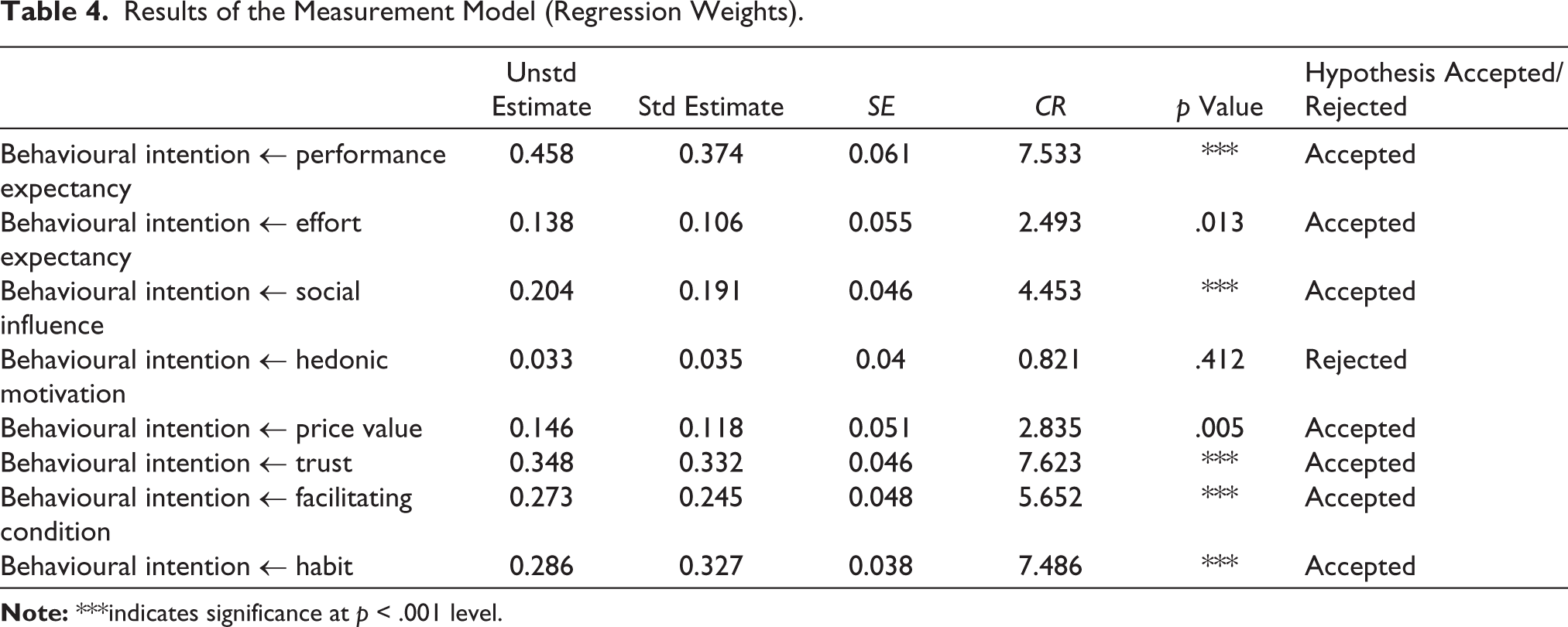
Table 4 outlines the regression analysis, which explores how various constructs impact BI. It includes both unstandardized and standardized estimates along with critical ratios (CR) and p values to evaluate the strength and significance of each relationship.
The regression analysis reveals that various factors have a significant impact on BI, each with differing levels of influence. PE (β = 0.374), trust (β = 0.332) and habit (β = 0.327) are identified as the most influential predictors, underscoring the importance of perceived usefulness, the reliability of information and habitual usage in tourists’ reliance on social media for choosing travel destinations. FC (β = 0.245) and SI (β = 0.191) also have significant positive effects, indicating that both technological support and peer influence are crucial in promoting social media usage. EE (β = 0.106) and PV (β = 0.118) demonstrate weaker yet noteworthy impacts, suggesting that ease of use and cost considerations are less important but still relevant in this setting.
On the other hand, HM does not significantly affect BI, implying that users primarily perceive social media as a practical and informational resource rather than a source of enjoyment when making travel decisions.
In summary, the results indicate that utilitarian, trust-related and habitual elements are more pivotal than hedonic factors in influencing the use of social media for destination selection.
Discussion
This research explores the impact of social media on tourists’ choices of destinations through the UTAUT2 framework. The results indicate that PE is the primary factor influencing BI, suggesting that travellers primarily utilize social media for its functional benefits, particularly in accessing useful and reliable travel information. This finding aligns with previous studies that emphasize the importance of perceived usefulness in tourism decision-making (Amaro & Duarte, 2013; Gupta et al., 2018). Trust is also crucial, as it indicates that reliable and credible information is vital for alleviating uncertainty in selecting a destination. This supports earlier research highlighting trust as a significant factor in online contexts (Pentina et al., 2012). Additionally, habit enhances behavioural intention, suggesting that regular use of social media increases dependence on these platforms (Limayem et al., 2007). FC and SI have notable effects as well, underscoring the role of technological support and peer influence in travel decisions. These findings are in line with existing literature on the impact of electronic word-of-mouth in tourism (Hew et al., 2015). On the other hand, HM is not a significant factor, indicating that users view social media more as a source of information rather than entertainment when it comes to destination selection. The non-significant effect of HM contrasts with prior studies (Çera et al., 2020), which found enjoyment to be a key driver of social media use.
In summary, the results suggest that utilitarian, trust-driven and habitual considerations outweigh hedonic factors in the use of social media for making tourism-related decisions.
Conclusion
This research enhances the comprehension of consumer behaviour in tourism by analysing how social media affects destination choice using the UTAUT2 framework. The results indicate that factors such as PE, trust, habit and FC have a significant impact on BI, while HM does not. The study reveals that travellers mostly rely on social media as a trustworthy and practical source of information rather than for entertainment. This highlights the necessity of delivering precise, credible and relevant content on social media platforms to influence travellers’ decision-making. However, the study faces limitations due to its non-probability sampling and the restricted geographical area of the sample. Future research could investigate different demographic groups, consider moderating factors such as gender or age, and explore additional variables to further deepen the understanding of social media’s role in tourism.
Implications
Theoretical Implications
This research adds to the existing body of knowledge by utilizing and situating the UTAUT2 model within the tourism sector, specifically to analyse social media’s role in destination choice. Instead of expanding the original model, it confirms its relevance in this new context by showing that essential factors such as PE, trust, habit and FC have a significant impact on BI. The results underscore the crucial role of trust in tourism decision-making, an area characterized by high levels of uncertainty and perceived risk. This finding emphasizes the need to integrate trust-related aspects into technology adoption models within experiential and high-involvement contexts like tourism. Additionally, the lack of a significant impact from HM offers an important theoretical perspective, indicating that the use of social media for tourism purposes differs from general technology applications. It suggests that destination choice is mainly influenced by practical and informational considerations rather than entertainment, thus enhancing our understanding of the UTAUT2 constructs in this specific setting.
Managerial Implications
The results of this study provide valuable insights for tourism marketers, travel agencies and destination management organizations. First, given that PE is the strongest indicator, marketers should concentrate on delivering precise, detailed and current information on social media to improve users’ decision-making processes. Second, the importance of trust emphasizes the need to establish credibility. This can be done by sharing authentic user-generated content and verified reviews and maintaining transparent communication to lessen perceived risks for potential travellers. Third, the significance of habit suggests that ongoing engagement strategies—such as frequent content updates, interactive posts and tailored recommendations—can promote the repeated use of social media for travel planning purposes.
Additionally, the effect of SI underscores the importance of utilizing peer reviews, influencer marketing and online communities to foster positive views of various destinations. Lastly, since HM was found to be insignificant, marketers should focus on providing informative and trustworthy content rather than solely entertaining materials when appealing to consumers in the destination selection process.
Directions for Future Study and Limitations
It is important to recognize the limitations of the current investigation. The results of this study may apply to populations with comparable sociocultural backgrounds because it was conducted on people who lived in the Indian states of Punjab, Haryana and Himachal Pradesh. Furthermore, because of time constraints, the data for this study were gathered via an online Google Survey that used the virtual snowball technique, which may have problems with sample representativeness and sampling bias. Future research on the uptake of mobile social media is thought to be able to address these limitations. Although this study was carried out in the Indian states of Punjab, Haryana and Himachal Pradesh, other populations from different geographical areas could be the subject of future research using the constructs employed in this study. Future research may shed light on other social media platforms that have not been discussed here. This would allow the researchers to make a significant addition to the body of knowledge regarding the uptake and utilization of social media applications. In future, research can be conducted by considering other constructs and the IAM (Information Adoption Model), with variables habit and age as moderators.
Footnotes
Data Availability Statement
The data that support the findings of this study are openly available in figshare at 10.6084/m9.figshare.30946112
Declaration of Conflicting Interests
The authors declared no potential conflicts of interest with respect to the research, authorship and/or publication of this article.
Funding
The authors received no financial support for the research, authorship and/or publication of this article.