




Abstract
In an increasingly competitive and digitally driven retail environment, customer-centricity has emerged as a critical determinant of success, particularly in the fast-moving consumer goods sector. This study explores the influence of key strategic dimensions: customer experience, competitive advantage, point of sale and after-sales Service on customer-centricity, drawing insights from a diverse consumer base across retail establishments in Bengaluru. Utilizing structural equation modelling and factor analysis, the research validates five core constructs and investigates their interrelationships. The findings reveal that customer experience, competitive advantage and after-sales service significantly impact customer-centricity, while point of sale demonstrates a lesser effect. The study also uncovers notable demographic variations, with urban, educated and higher-income consumers exhibiting stronger perceptions of customer-centric practices. These insights offer actionable guidance for retailers seeking to enhance engagement, foster loyalty and tailor strategies across demographic segments. The research not only advances theoretical frameworks on customer-centricity but also provides practical implications for implementing inclusive, data-driven and emotionally intelligent retail strategies in evolving market contexts.
Keywords
Introduction
In today’s dynamic marketplace, the concept of customer-centricity in retail has undergone a profound transformation. Fuelled by advancements in technology and ever-increasing consumer expectations, businesses are redefining their strategies to place the customer at the absolute core of their operations. This paradigm shift necessitates a deep dive into how personalized engagement, data analytics and ethical considerations are shaping the future of retail success. Recent literature illuminates key facets of this evolving landscape, offering critical insights for businesses aiming to thrive. Sampaio et al. (2021) emphasize the crucial role of real-time customer analytics in tailoring retail experiences, noting that businesses leveraging predictive personalization are significantly better equipped to anticipate consumer behaviour, leading to enhanced customer loyalty and improved business outcomes. Islam et al. (2022) further explore how omnichannel retailing acts as a powerful enabler of customer-centricity by ensuring consistency and seamless integration across all digital and physical touchpoints, thereby reinforcing brand trust and fostering deeper customer engagement. Meanwhile, Berman and Thelen (2021) contend that personalization is now a fundamental customer expectation, presenting compelling findings that demonstrate how adaptive AI-based recommendation systems significantly influence both perceived service quality and subsequent repurchase intentions. Srivastava and Kaul (2022) bring to light the often-underestimated significance of emotional intelligence in customer interactions, particularly within service contexts, suggesting that fostering emotional connections boosts customer satisfaction and cultivates deeper relational value vital for brand differentiation in increasingly saturated markets. Additionally, Wang and Lin (2023) investigate the growing influence of ethical branding on customer-centric perceptions, revealing that consumers, notably gen Z and millennial demographics, are increasingly aligning their loyalty with brands that demonstrate transparency, sustainability and inclusivity. This indicates a shift where customer-centric strategies must resonate not only with functional demands but also with ethical and emotional values. Collectively, these scholarly contributions underscore a clear imperative: to flourish in the highly competitive retail environment, businesses must adopt holistic, technology-driven and ethically grounded approaches that skilfully address both rational and emotional dimensions of contemporary consumer behaviour.
This study aims to identify and evaluate the key components of customer-centric retail strategies, with a specific focus on their impact on customer satisfaction, loyalty and overall customer experience. Utilizing structural equation modelling (SEM), the research empirically investigates the relationships between real-time personalization, omnichannel integration, emotional intelligence, ethical branding and their collective influence on customer loyalty. The study addresses a notable gap between theoretical models of customer-centricity and their practical application, particularly within complex omnichannel environments. Emphasis is placed on critical retail touchpoints, including the point of sale (POS) and after-sales service, where personalized engagement and service quality are essential for sustaining customer trust. As consumers increasingly seek seamless, emotionally resonant and ethically aligned experiences, retailers must adapt by restructuring their business models to retain a competitive advantage. By advancing traditional frameworks of service quality and customer satisfaction, this study contributes to the evolving discourse on customer-centricity in the digital age and offers strategic insights for enhancing customer engagement across the retail life cycle.
Literature Review and Hypotheses Developed
Over the past decade, customer-centricity has evolved from a slogan to a critical strategic imperative. Rather than merely completing transactions, firms now seek to form ongoing emotional bonds, leveraging personalized, data-driven engagements to earn lasting loyalty (Kumar et al., 2010; Payne & Frow, 2013; Vargo & Lusch, 2008). Xu et al. (2021) found that real-time AI chatbots in FMCG retail improved personalization and speed of response, significantly raising customer satisfaction and centricity. Fernandez-Rovira et al. (2022) demonstrated that integrating augmented reality into search and product menus enhances perceived personalization, increasing customer trust and loyalty. Patel and Mehta (2023) argued that predictive analytics for replenishment and targeted offers fosters a sense of individualized care, strengthening long-term customer commitment. Tan and Lim (2022) revealed that internal silos between marketing, IT and operations impede omnichannel integration, undermining customer-centric initiatives unless cross-functional collaboration is established. Odoom and Mensah (2021) highlighted that SMEs often struggle to institutionalize long-term customer-centricity, with inconsistent leadership and cultural inertia cited as key barriers. Ramos-Soler and Cuadrado-Ballesteros (2023) emphasized regulatory and data-privacy concerns especially GDPR and local standards as major constraints on personalized customer engagement models.
The Role of Globalization and Emerging Trends
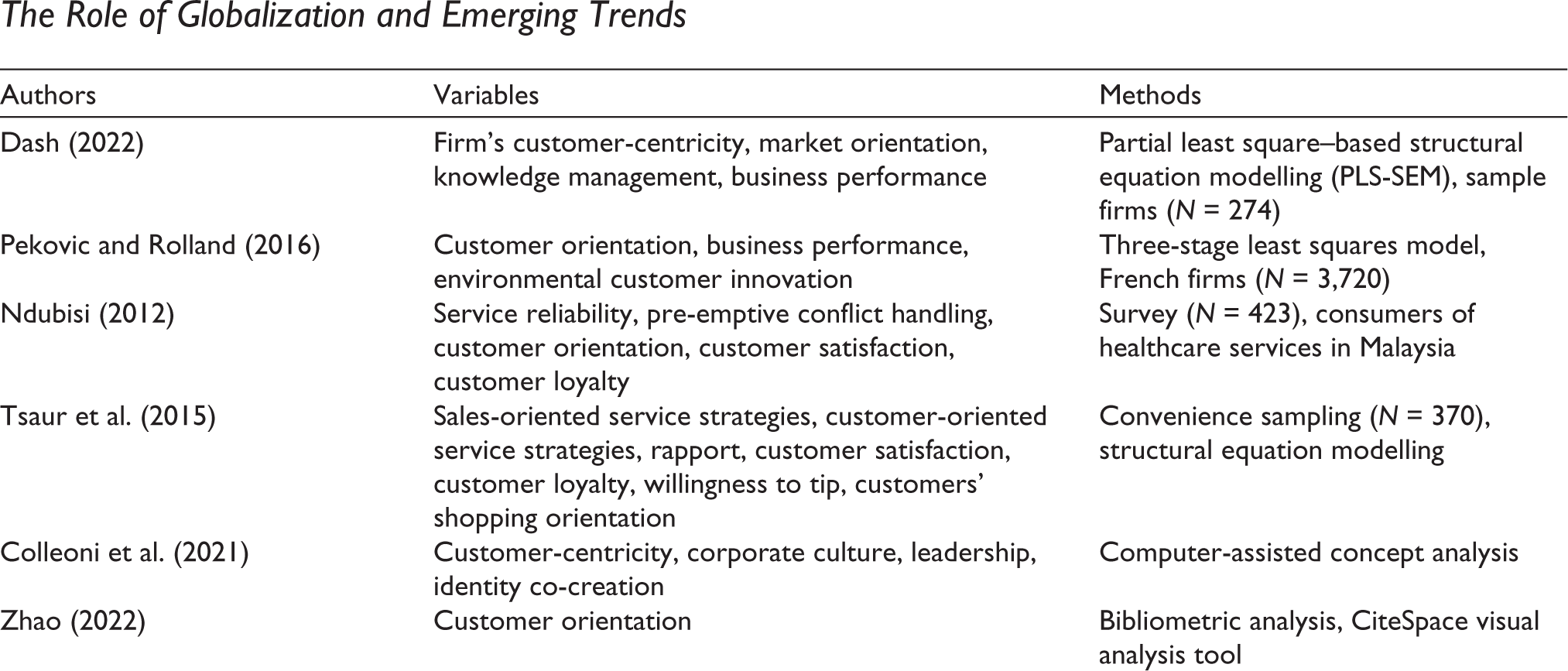
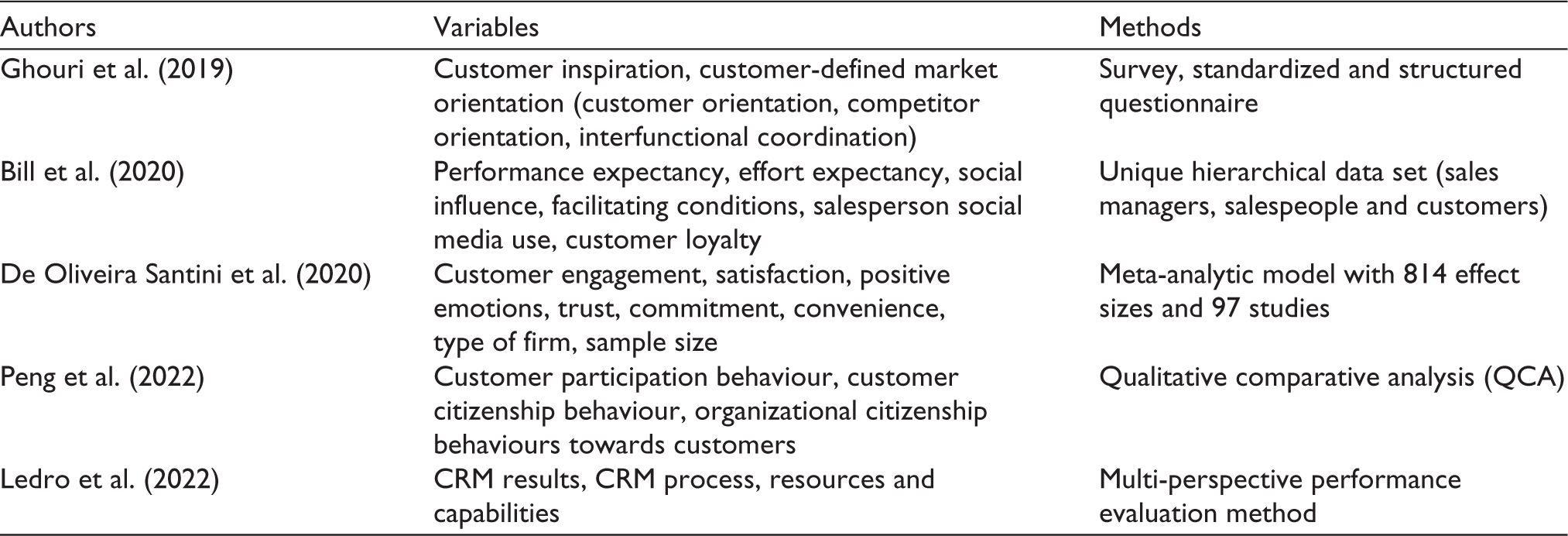
As businesses expand globally, understanding cultural nuances becomes increasingly important in shaping customer experiences. Hofstede’s (1980) cultural dimensions theory provides a framework for adapting customer-centric strategies across diverse markets, while Keillor et al. (2016) explore the impact of cultural differences on online and offline customer engagement. The omnichannel experience, which ensures seamless integration across multiple retail channels, plays a crucial role in creating a unified brand experience (Riaz et al., 2021). Additionally, customer satisfaction has been linked to enhanced brand equity, highlighting its long-term impact on brand perception (Pappu & Quester, 2006). Looking ahead, research on customer centricity is expected to focus on emerging technologies, ethical considerations and evolving consumer expectations. Verhoef et al. (2021) emphasize the need for continuous adaptation, urging businesses to remain proactive in aligning their strategies with shifting market dynamics. The marketing literature continues to explore customer-centricity’s implications, with scholars advocating for its role in value creation for both customers and firms (Serpico et al., 2015; Shah et al., 2006).
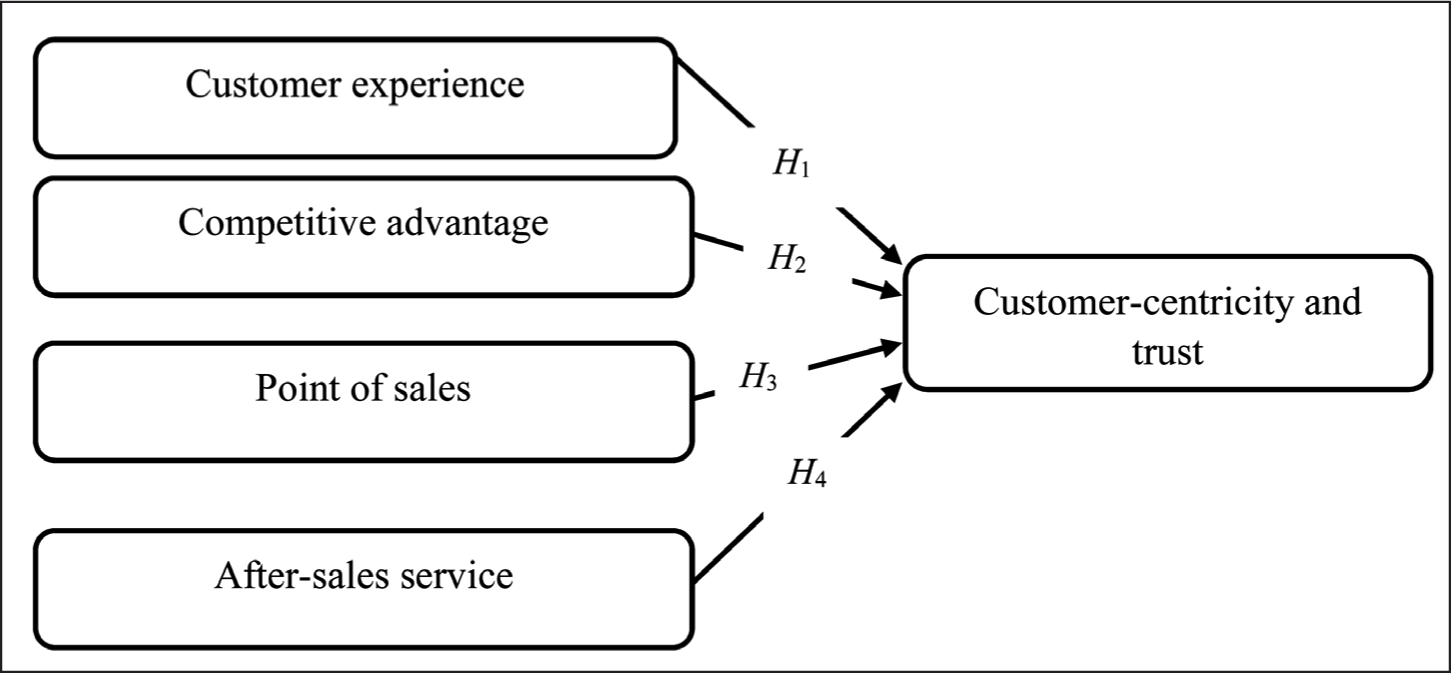
Customer-centricity remains a critical driver of business success, integrating personalized marketing, data analytics and seamless omnichannel experiences. While challenges persist in its implementation, businesses that prioritize customer engagement and cultural adaptability can achieve long-term sustainability and profitability. As the field evolves, continuous innovation and customer-focused strategies will be essential in maintaining competitive advantage in the retail landscape (Figure 1).
Hypothesis Development
Customer Experience Influences Customer-centricity
Waqas et al. (2021) conducted a comprehensive review, identifying staff knowledge, responsiveness and reliability as key factors shaping customer experience. Their findings indicate that these dimensions significantly support the development of customer-centric strategies, nurturing both satisfaction and trust. Gremler et al.’s (2022) meta-analysis shows that relational benefits such as customer confidence, emotional bonds and perceived value derived from high service quality boost both customer engagement and trust, reinforcing customer-centric initiatives. Pillai et al. (2020) find that integrating AI, AR, VR and IoT across retail channels delivers personalized experiences, which significantly enhance customer engagement and loyalty by fostering centric relationships. Kim et al. (2022) demonstrate how ethical data handling and transparency in omnichannel retail maintain consumer trust, especially when sensitive technologies manage customer information. Lin et al. (2022) conducted empirical study across multiple service industries, demonstrating that service personalization significantly enhances emotional engagement, which in turn strengthens customer-centric brand loyalty. Nguyen et al. (2023) found that seamless online–offline customer journeys increase perceived customer-centricity, especially in omnichannel FMCG retail contexts, due to unified brand experiences. Park and Jang’s (2021) experiment revealed that empathetic employee interactions at service touchpoints boost customers’ sense of being understood, directly correlating with higher centricity perceptions. Smith et al.’s (2022) study highlights that real-time feedback handling during in-store interactions enhances trust and reinforces a customer-first orientation among FMCG retailers.
H1: Customer experience significantly influences customer centricity.
Competitive Advantage Influences Customer-centricity
Grandhi et al.’s (2021) ‘Investigating Nigerian FMCG Firms’ study finds that service-based KPIs such as net promoter score (NPS) and first-contact resolution strongly predict customer loyalty. These metrics, tied to competitive advantage, reinforce customer-centric approaches. Al Karim et al.’s (2024) study reveals how customer orientation and technology capabilities help retailers carve out competitive advantages, which in turn strengthen customers’ perceptions of centricity and trust in brand relationships. Dash (2024) finds that in SaaS firms, total quality management improves performance through customer focus and innovation, suggesting service-centric strategies elevate competitive positioning. Fornell et al. (2020) show that high customer satisfaction correlates with stronger stock market returns, proving customer-centric strategies yield measurable competitive gains. Zhang et al. (2021) showed that leveraging big-data insights to tailor product assortments leads to dual outcomes: greater competitive edge and heightened customer-centric brand perception. Verhoef et al.’s (2022) integrated model shows that strategic IT–marketing alignment drives competitive advantage, fuelling customer-focused operations and stronger loyalty. Kumar and Gupta (2023) emphasize that value-based pricing, positioned strategically, enhances competitive advantage and aligns consumer perceptions with brand-centric values. Lopez et al. (2021) argue that co-created value propositions with customers not only provide competitive separation but also increase perceived brand centricity.
H2: Competitive advantage significantly influences customer-centricity.
Point of Sale Influences Customer-centricity
Frings’s (2023) study highlights how multi-sensory POS design encompassing colour, layout, lighting and scent can elevate immediate engagement and experiential value. Such design elements improve purchase experience and nurture customer-centric loyalty. Xue et al. (2023) explore augmented reality (AR) use at POS; the research finds entertainment may not directly motivate AR uptake, but the clarity and relevance of digital POS content significantly improve customer perceptions of centricity and ease of use. Tung and Payo (2022) found that interactive POS screens with customer data triggers personalized tips during checkout, significantly elevating perceived centricity and brand affinity. Borges and Ramos (2023) study shows that integrating loyalty programmes at POS results in a stronger customer-centric paradigm through immediate rewards, especially in grocery retail. Chen et al. (2021) explored VR-enhanced POS experiences; they discovered heightened immersion and satisfaction, translating to stronger perceptions of customer-centric service. Ali et al. (2022) demonstrate that contactless POS systems equipped with intuitive interfaces boost customer comfort and trust, supporting a centric customer journey.
H3: POS significantly influences customer-centricity.
After-service Influences Customer-centricity
Johnson and Brown (2020a, 2020b) emphasize that personalized, proactive post-sale support fosters a sense of care and value, boosting trust. Efficient complaints resolution enhances service recovery and overall perceptions of retailer centricity. Chen et al.’s (2021) work shows effective after-sales complaint handling not only improves satisfaction but also turns negative experiences into loyalty-enhancing moments. Prompt follow-up actions are crucial to strengthening customer-centric impressions. Lee et al. (2022) showed that proactive post-sale notifications on delivery status and maintenance result in higher trust and greater perceptions of customer-first service. Hernandez and Perez (2023) conducted their mixed-method study, which revealed that empathetic customer service calls post-purchase significantly enhance relationship strength and centricity. Ivanov et al. (2021) emphasize that transparent and structured warranty and return policies strengthen brand trust and reinforce a customer-centric orientation. Wang and Lin (2023) found that after-sales digital communities for product users enhance peer support and trust, fostering brand-centric loyalty among customers.
H4: After-sales service significantly influences customer-centricity.
Methodology
This research employs a structured methodology for data collection and analysis to investigate the influence of FMCG product quality on customer loyalty and repurchase intention. The study was conducted across various retail outlets situated within multiple shopping malls in Bangalore, thereby ensuring a comprehensive representation of the city’s diverse retail environment. A convenience sampling technique was adopted to include both small and large-scale retailers, providing a balanced view of customer experiences across different retail formats. A total of 600 questionnaires were initially distributed to customers visiting these retail stores. Of these, 89 individuals declined to participate, 26 questionnaires contained invalid responses and 47 exhibited missing values. After eliminating incomplete and unusable responses, a final sample of 438 valid responses was obtained. Primary data collected from these customers offered meaningful insights into their perceptions of product quality, brand loyalty and purchasing behaviour. A structured questionnaire served as the main instrument for data collection, encompassing key variables such as customer satisfaction, perceived product quality, brand loyalty and repurchase intention. This standardized approach facilitated consistent and reliable data collection, enabling a robust analysis of emerging patterns and consumer behaviour trends within the FMCG sector.
Data Analysis
Statistical analyses were carried out using ANOVA and mean difference analysis, with additional comparisons across various income groups to uncover demographic variations. The reliability and validity of the identified factors were thoroughly evaluated to ensure the robustness of the measurement model. Research hypotheses were tested using appropriate statistical modelling techniques to validate the proposed relationships. The findings reveal that customer-centric strategies play a pivotal role in the FMCG retail sector. These strategies were found to significantly influence customer satisfaction, engagement and loyalty. The results offer valuable insights that retailers can leverage to refine their customer relationship management efforts. Furthermore, the analysis highlights the importance of tailoring loyalty programmes to meet diverse consumer needs. Overall, the study emphasizes the strategic value of data-driven customer engagement initiatives in achieving long-term competitive advantage.
The test results in Table 1 show the demographic profiles of the respondents depict their background traits. Geographically, most of them represent the semi-urban region (42%), followed by urban (33%) and rural (26%) areas, reflecting a balanced but marginally higher contribution from emerging transitional areas. With respect to educational qualification, the respondents are reasonably spread out, with postgraduates being the highest (26%), followed by graduates (25%), school-level educated (25%) and no formal education (24%), which indicates a spread of educational backgrounds.
Descriptive Analysis and ANOVA Result.
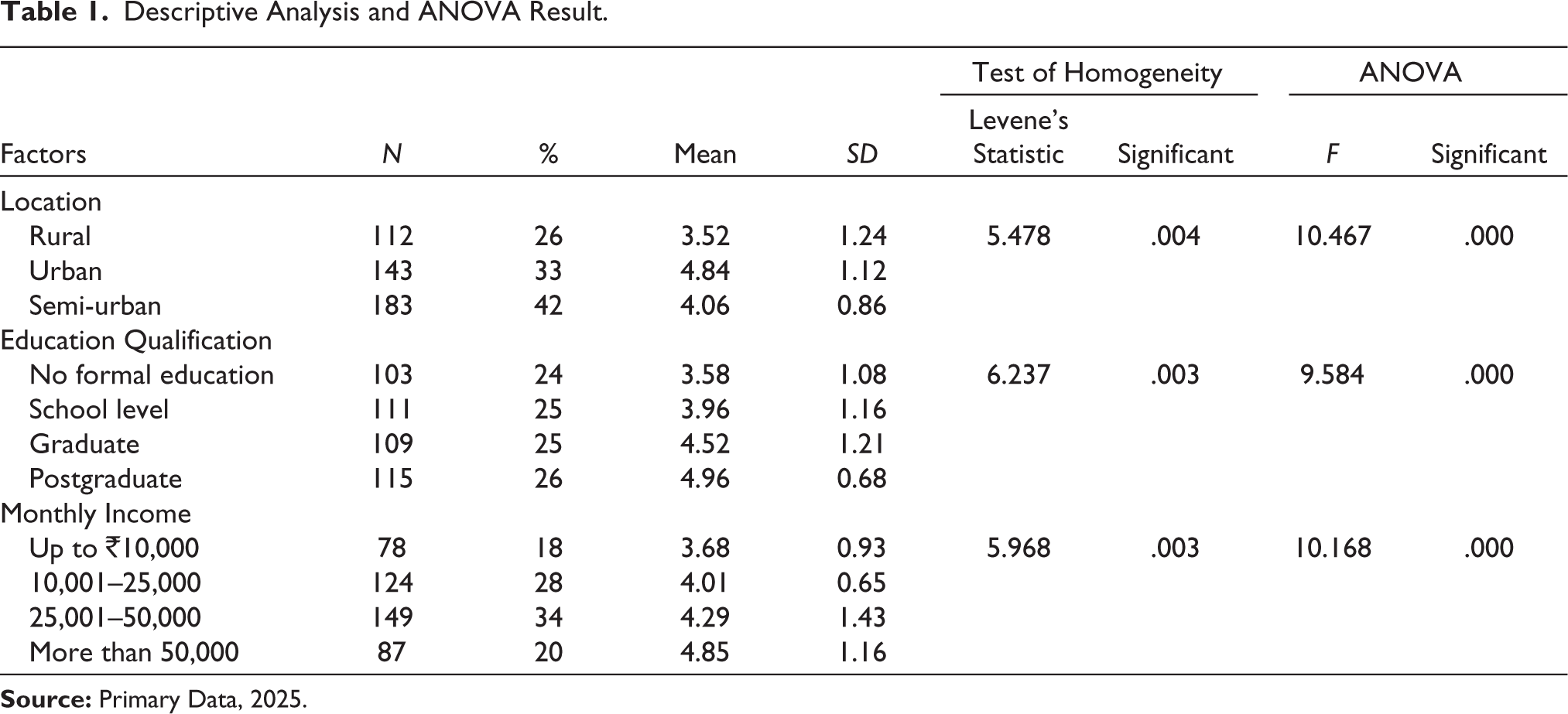
Monthly income data indicate the largest percentage of respondents (34%) fall in the income range of ₹25,001–50,000, followed by 28% in the ₹10,001–25,000 category. Approximately 20% receive above ₹50,000, and the lowest stratum (18%) receive ₹10,000 or less, reflecting a midpoint skew towards middle-income groups. This spread in the population is relatively even across education and income brackets, which gives a balanced view in research involving consumer behaviour, attitudes or perceptions especially in semi-urban economic conditions.
Customer-centric factors significantly impact customer perception across location, education level and income groups. Urban customers have higher expectations and engagement with customer-centric strategies, possibly due to exposure to modern retail environments, digital services and competitive offerings. Higher education levels correspond to higher customer-centric perception, with postgraduates valuing these strategies the most. Higher-income groups exhibit stronger customer-centric perception, with those earning more than ₹50,000 valuing them more than lower-income groups. This suggests that higher-income consumers are more likely to engage with premium services, personalized marketing and enhanced customer experiences, possibly due to increased purchasing power and exposure to high-end retail offerings. Businesses should tailor their strategies to cater to different consumer segments, enhancing personalization and service quality across demographic groups.
The test results in Table 2 reveal that urban customers have a higher perception of customer-centric strategies than rural customers, with a negative mean difference of −1.32 indicating lower perception due to limited exposure to modern retail formats and fewer digital touchpoints. Urban customers also perceive customer-centric strategies higher than semi-urban customers, with a mean difference of 0.78. The study suggests that retailers should focus on digital engagement, personalized services and improved customer experiences in rural and semi-urban areas.
Mean Difference Analysis of Entrepreneurial Factors Across Rural, Urban and Semi-urban Groups.

The test results in Table 3 reveal significant differences in customer-centric perceptions among individuals with different education levels. Graduates perceive customer-centric strategies better than those without formal education, possibly due to limited exposure to modern retail formats and digital engagement. Postgraduates have a higher perception of customer-centric strategies, with higher education levels associated with greater awareness, expectations and recognition of customer-centric initiatives. This suggests that retailers should consider their educational background when designing marketing campaigns and digital engagement strategies to ensure accessibility and appeal to less-educated consumers.
Impact of Educational Qualification on Entrepreneurial Factors: Mean Difference Analysis.

The test results in Table 4 found that rural customers had significantly higher mean scores than urban customers, and semi-urban customers had significantly higher mean scores. Customers with no formal education were significantly different from graduate and postgraduate customers, while those with school-level education were significantly different from postgraduate customers. Additionally, customers with income up to ₹10,000 had significantly higher mean scores than those with income over ₹50,000. However, no significant differences were found between customers with income up to ₹10,000, income from ₹10,000 to ₹25,000 or income from ₹25,001 to ₹50,000.
Mean Difference Analysis of Income Groups on Entrepreneurial Factors.

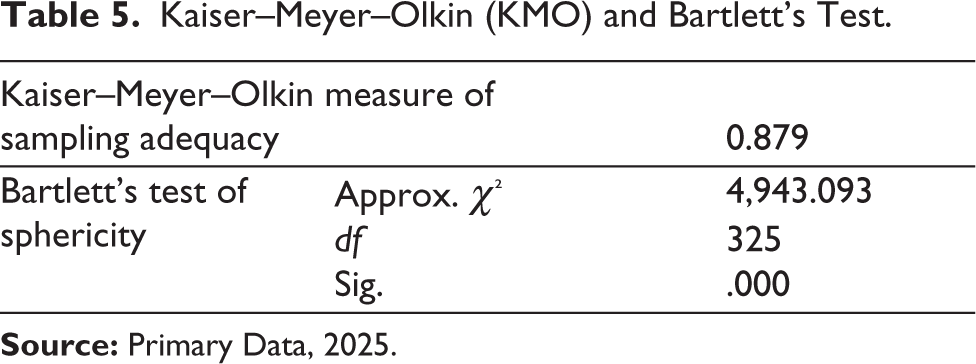
The study analysed customer-centricity using factor analysis and principal component analysis (PCA). Table 5 presents the KMO and Bartlett’s test. The data were deemed suitable for analysis, with a KMO value of 0.879 and Bartlett’s test of sphericity being significant. Four key factors were identified: competitive advantage, POS, after-sales service and customer experience. These factors explained a significant proportion of the total variance in customer-centric strategies.
Kaiser–Meyer–Olkin (KMO) and Bartlett’s Test.
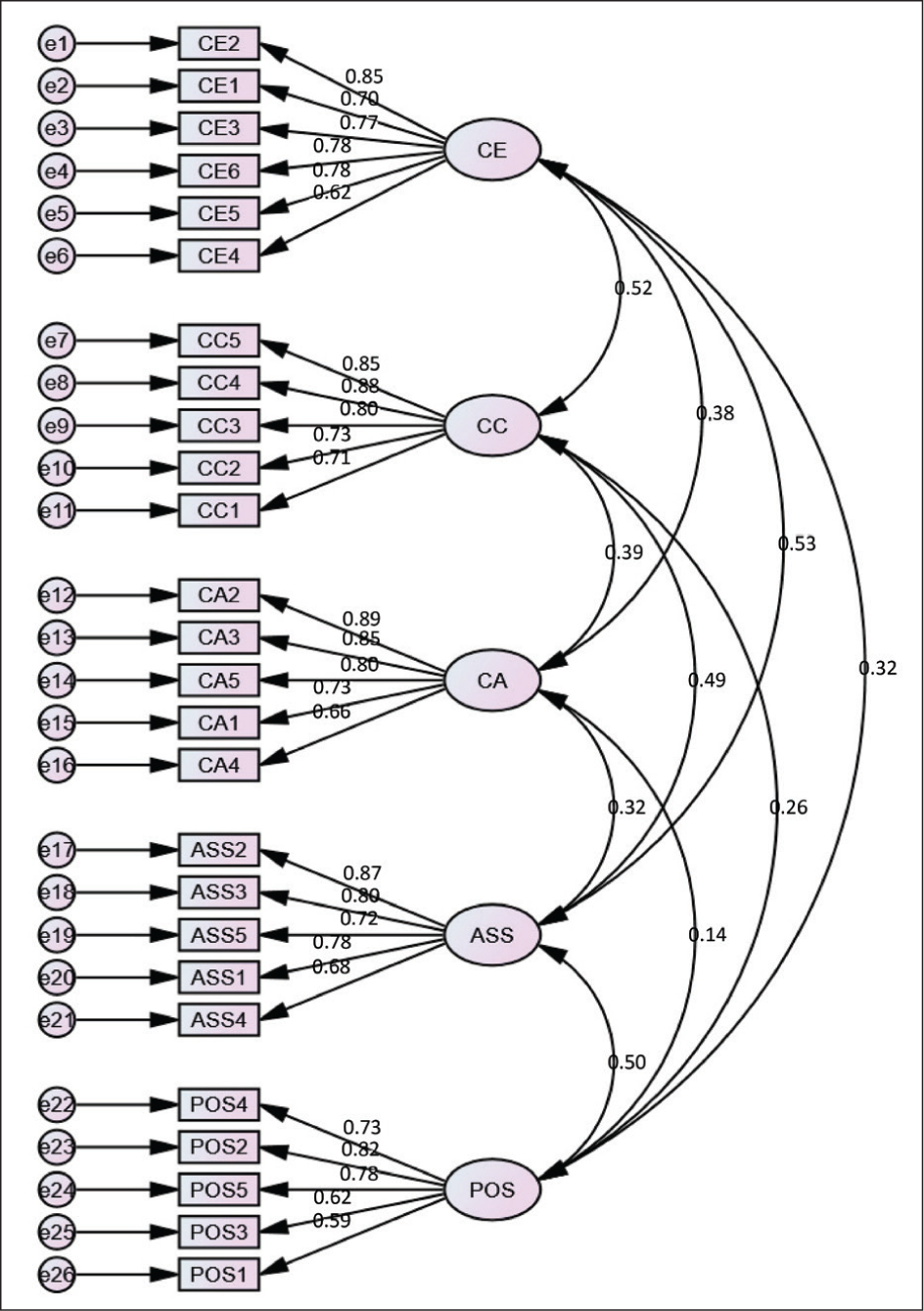
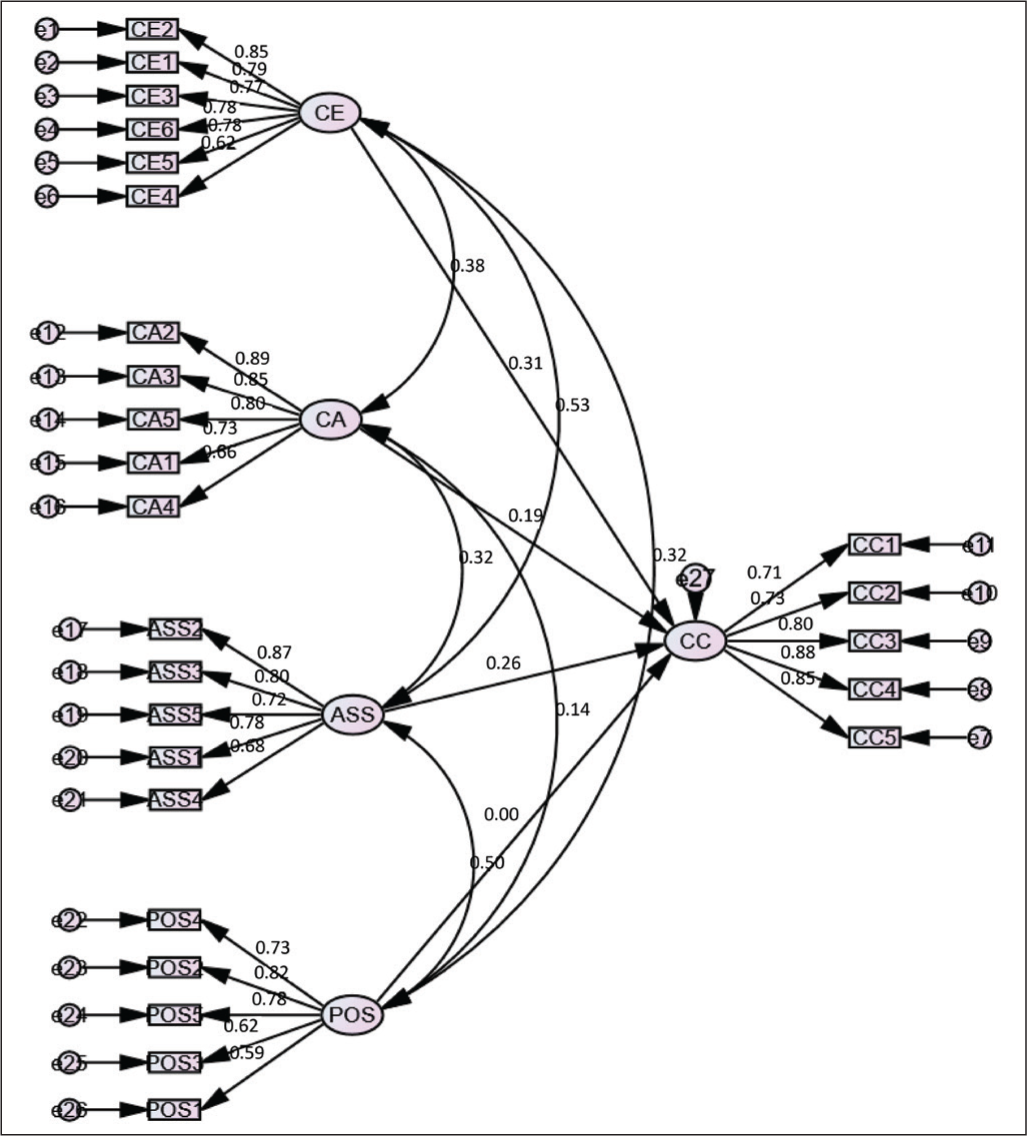
The test results in Table 6 and Figure 2 reveal the rotated component matrix, where the indicators are mapped to the factors. Five key factors are identified: competitive advantage (CA), after-sales Service (ASS), POS, customer experience (CE) and consumer-centricity (CC). The rotated component matrix provided by PCA Varimax rotation distinctly indicates five components corresponding to the constructs of the study. Component 1 consists of CE1–CE6 with high loadings from 0.697 to 0.839, portraying customer experience, which indicates how favourably customers feel regarding their interactions with the firm. Component 2 consists of CC1–CC5, all of which are loading highly between 0.709 and 0.849, capturing the construct of customer centricity. Component 3 is characterized by CA1–CA5 with loadings ranging from 0.758 to 0.856, capturing the dimension of competitive advantage, comprising the capability of the company to differentiate itself and provide superior value to customers. Component 4 consists of ASS1–ASS5 with loadings from 0.668 to 0.812, representing after-sales service, indicating post-purchase service and care efficiency. Component 5 clusters POS1–POS5, with loadings from 0.650 to 0.815, representing POS, which is for the quality of service and customer interaction at the time of purchase. The structure verifies clean and clear factor loadings, validating the constructs. The six-iteration convergence also suggests a stable and consistent factor solution congruent with the conceptual model of customer-centricity and its antecedents.
Confirmatory Factor Analysis.
Rotated Component Matrix.a
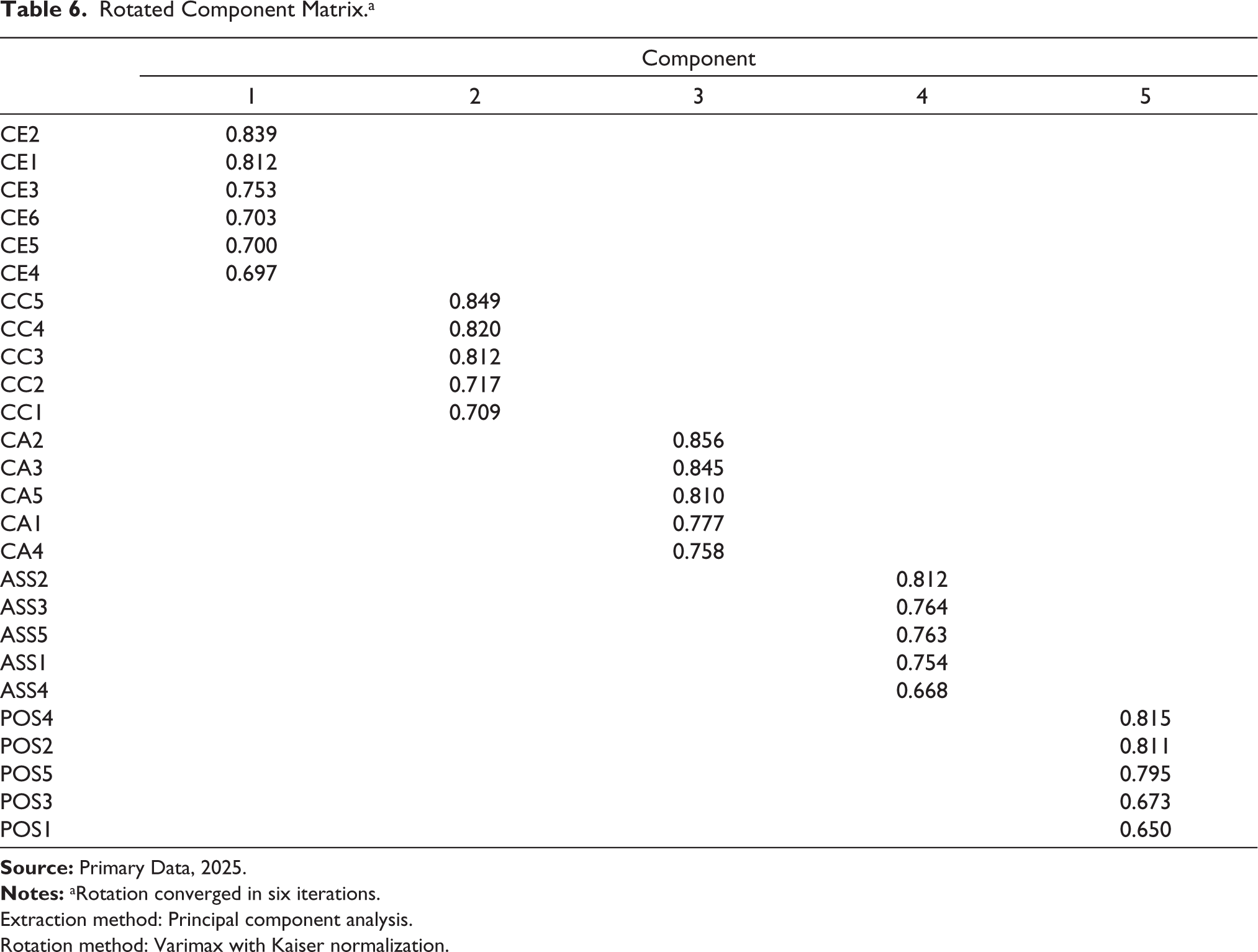
Extraction method: Principal component analysis.
Rotation method: Varimax with Kaiser normalization.
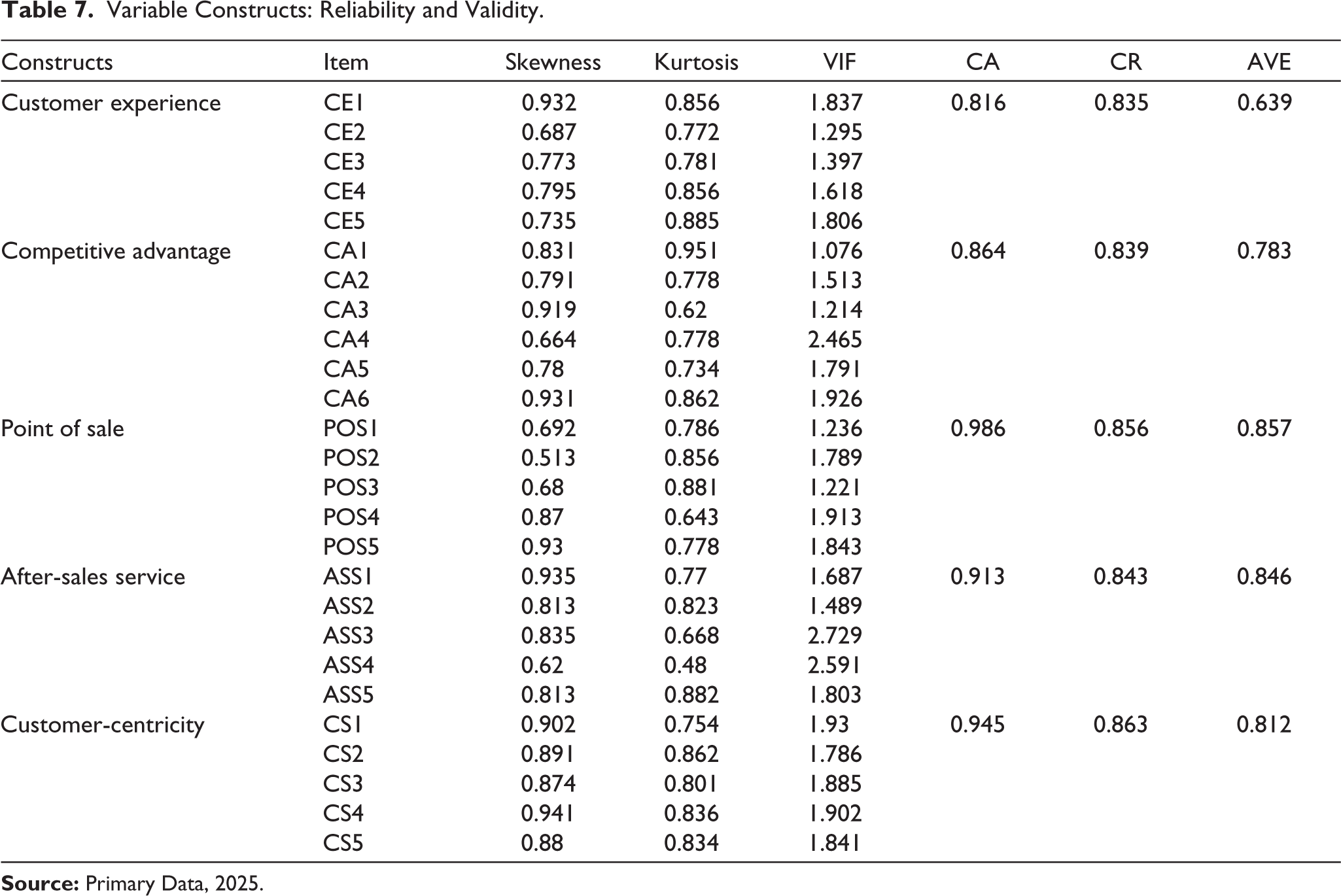
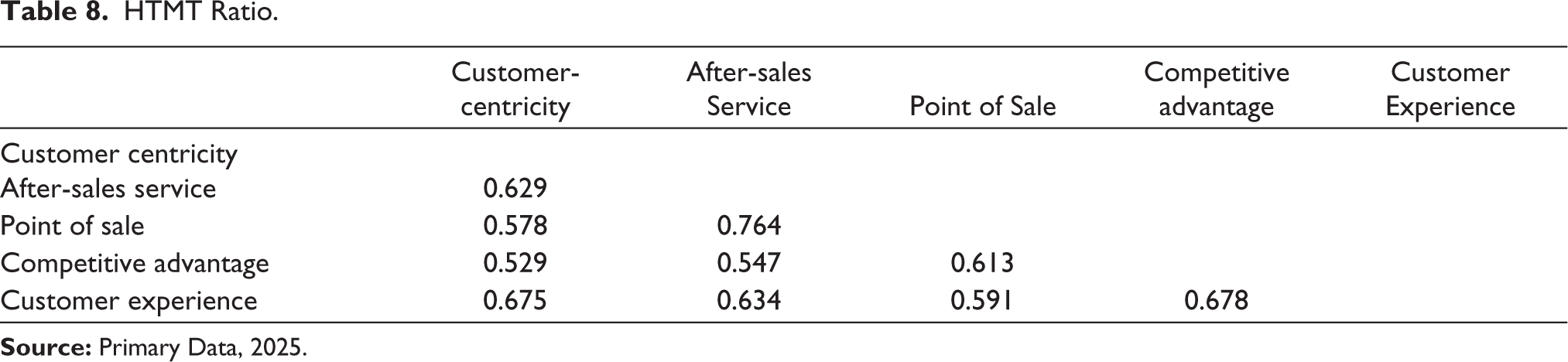
The measurement model is the first step in SEM; the current study focuses on measuring the impact of customer experience, competitive advantage, point of sale and after-sale service on customer-centricity. The reliability and validity have been measured using Cronbach’s alpha, composite reliability, convergent validity (average variance extracted (AVE)) and discriminant validity (HTMT ratio). The normality of the data has been checked using skewness and kurtosis. The value of skewness and kurtosis shows that the data are normally distributed; variance inflation factor also shows that there is no multicollinearity issue in the data considered for the study. Convergent validity is measured with AVE, where the values are more than 0.50, and all the constructs have AVE values measured more than 0.50.
The test results in Table 7 assess the validity, reliability and factor loadings of key constructs related to customer-centricity in FMCG retail strategies. The constructs include CE, CA, POS, ASS and CC. The key parameters assessed include skewness, kurtosis, factor loadings, VIF, Cronbach’s alpha, composite reliability and AVE. The results show that customer experience is a well-defined construct with strong internal consistency, while competitive advantage is a reliable construct with well-loaded indicators. Point of sale is highly reliable with excellent internal consistency and strong measurement properties. After-sales service is a well-structured construct, but ASS3 and ASS4 exhibit higher multicollinearity, which should be addressed in further analysis. Customer-centricity is a highly reliable construct with strong internal consistency and well-structured factor loadings.
Variable Constructs: Reliability and Validity.
The test results in Table 8 reveal the correlation values among five key constructs: CC, ASS, POS, CA and CE. The strongest correlation is found with customer experience, indicating that a positive customer experience significantly enhances customer-centric strategies. Other constructs show moderate correlations with after-sales service, point of sale and competitive advantage, suggesting that each contributes to customer-centricity to varying degrees. After-sales service is strongly correlated with point of sale, suggesting that efficient in-store service is often linked to customer perceptions and competitive positioning. Effective sales strategies enhance customer satisfaction and brand positioning. The strongest relationships exist between after-sales service and point of sale, highlighting the importance of seamless retail interactions and strong post-purchase support.
HTMT Ratio.
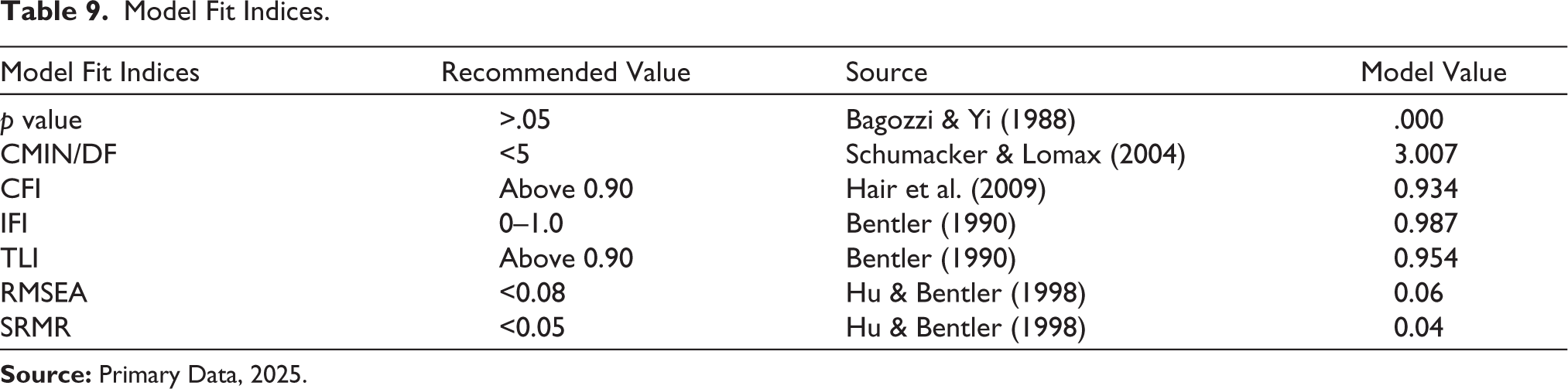
SEM analysis has been undertaken to analyse the relationship between the independent and dependent variables; the impact of customer experience, competitive advantage, point of sale and after-sales service on customer-centricity is measured, and the good fit of the model is measured with the indices of CMIN/df (Hair et al., 2009), the Tucker and Lewis index (TLI), the incremental fit indices (IFI) and the goodness-of-fit (GFI) indices; in addition to this, the value of RMSEA and RMR is considered to assess the model fit, where CMIN/df = 3.45; GFI = 0.984; IFI = 0.987; TLI = 0.954; CFI = 0.934; RMSEA = 0.06; SRMR = 0.04 (Figure 3 and Table 9).
Model Fit Indices.
The study was initiated to find the significant influence of customer experience, competitive advantage, point of sale and after-sales service on customer-centricity; the impact of customer experience (β = 0.423, t = 4.441, p value = .000), competitive advantage (β = 0.233, t = 3.269, p value = .001) and after-sales service (β = 0.003, t = 0.053, p value = .000) on customer-centricity was found to be positive and significant. Thus, H2, H3 and H5 are supported and accepted. The squared correlation value of 0.592 shows that customer experience, competitive advantage, and after-sales service collectively explain 59.2% of the variance in customer-centricity. Point of sale does not have an impact on customer-centricity; thus, H4 is rejected (Table 10).
Structural Model Hypothesis Testing Results.
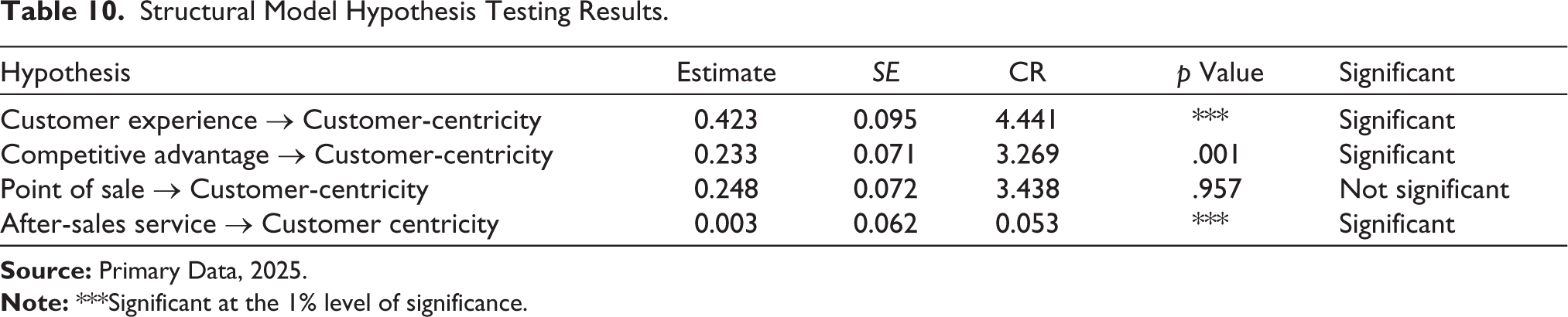
The squared correlation value of 0.592 indicates that the dependent variable 59.2% of the variance in customer-centricity is explained by customer experience, competitive advantage and after-sales service.
Results and Discussion
This study provides a comprehensive examination of how various customer-centric factors influence consumer perceptions and behaviour within the fast-moving consumer goods retail sector. The demographic analysis reveals a diverse sample, particularly skewed towards semi-urban regions and middle-income groups, offering a balanced lens into consumer behaviour in transitioning economies. This heterogeneity enhances the generalizability of the findings, particularly in contexts where urbanization and digitalization are unevenly distributed. The results clearly establish that customer-centric strategies are not uniformly perceived across demographics. Urban consumers exhibit higher levels of awareness and engagement, likely due to greater exposure to modern retail infrastructure and digital services. Similarly, respondents with higher education levels and higher income brackets display stronger recognition of and preference for customer-centric practices. This indicates that consumer expectations evolve with socio-economic status, and retailers must tailor their strategies accordingly, leveraging digital tools in urban areas while improving accessibility and personalization in rural and less-educated markets.
Factor analysis and PCA further refined the conceptual framework, identifying five robust constructs: customer experience, competitive advantage, point of sale, after-sales service and customer-centricity. These dimensions are statistically validated and provide a structured approach for evaluating retail effectiveness in a customer-focused paradigm. The high KMO value and clean component loadings support the reliability of the underlying model. The SEM results offer critical insights. Customer experience emerged as the most significant predictor of customer-centricity (β = 0.423), highlighting the importance of consistent, positive interactions across all retail touchpoints. Competitive advantage (β = 0.233) and after-sales service (β = 0.003) also significantly contribute to customer-centric perceptions, underscoring the value customers place on both differentiation and post-purchase support. Surprisingly, point of sale did not show a significant impact, indicating a possible shift in consumer priorities from transactional efficiency to broader relational and emotional engagement with brands.
The model’s strong fit indices (GFI = 0.984, IFI = 0.987, TLI = 0.954, RMSEA = 0.06) confirm the robustness of the proposed relationships. Furthermore, the squared correlation values (R² = 0.592) indicate that nearly 59.2% of the variance in customer-centricity can be explained by the identified variables, reinforcing the practical relevance of the model for retail decision-making. For practitioners, this study suggests that investing in superior customer experience and after-sales support while articulating a clear competitive value proposition can substantially enhance customer-centricity. For policymakers and retail strategists, the findings advocate for more inclusive retail strategies that bridge digital divides and accommodate varying levels of consumer awareness and access. Overall, the research not only strengthens the empirical base surrounding customer-centric retail strategies but also contributes practical, demographically nuanced insights for businesses aiming to foster sustainable customer relationships in a digitally transforming economy.
Theoretical Implications
This study contributes to the growing body of literature on customer-centric strategies in the FMCG retail sector by offering an empirically validated framework that integrates five critical constructs: customer experience, competitive advantage, point of sale, after-sales service and customer-centricity. It extends traditional models of customer satisfaction by embedding contemporary variables shaped by digital transformation and consumer empowerment. The findings particularly emphasize the evolving role of experiential and emotional dimensions in shaping consumer loyalty, offering a more holistic view beyond transactional metrics. Moreover, the study highlights the varying impact of these constructs across demographic groups—such as education, income and geography—thereby encouraging future research to explore contextual differences and segment-specific strategies in retail marketing theory.
Practical Implications
From a managerial perspective, this research provides actionable insights into designing and executing effective customer-centric strategies. Retailers should prioritize enhancing customer experience, as it emerged as the strongest predictor of customer-centricity. This includes investing in staff training, personalized communication, seamless in-store and digital interactions, and emotional engagement. After-sales service and competitive differentiation should be viewed as strategic levers to build trust and repeat purchase behaviour. The study also recommends tailoring engagement based on demographic profiles: for instance, deploying tech-enabled solutions in urban settings, while focusing on human touchpoints and trust-building in rural and semi-urban areas. Given the insignificance of the point-of-sale factor, businesses may need to re-evaluate traditional sales counters, shifting focus towards a more integrated, post-purchase customer journey.
Conclusion
This study underscores the pivotal role of customer-centric strategies in driving consumer loyalty and engagement within the FMCG retail sector. By empirically examining the influence of customer experience, competitive advantage, after-sales service and point of sale on customer-centricity, the findings reveal that customer experience, competitive advantage and after-sales service significantly contribute to shaping customer-centric perceptions, whereas the point of sale shows a limited impact. These results highlight the importance of shifting from transactional approaches to relationship-driven models that prioritize personalized engagement, consistent after-sales support and differentiated value delivery. The study provides a comprehensive, data-driven framework that retailers can adopt to realign their operations towards more customer-focused strategies, particularly in a digitally evolving and demographically diverse marketplace.
Limitations of the Study
While the study offers valuable insights, it is not without limitations. The use of convenience sampling may limit the generalizability of the findings across broader populations. The research is geographically concentrated in select shopping malls in Bengaluru, which may not fully capture consumer behaviour in rural or metropolitan areas beyond this region. Additionally, the reliance on self-reported data through structured questionnaires could introduce response bias. The study also focuses solely on FMCG retail, which means the applicability of the results to other retail sectors, such as electronics or luxury goods, remains uncertain.
Scope for Future Research
Future research could expand the geographical scope to include diverse regions across India or other lower-middle income economies to enhance the external validity of the findings. Comparative studies across multiple retail sectors such as fashion, electronics or e-commerce could provide deeper insights into sector-specific customer-centric strategies. Longitudinal studies may also help to examine changes in consumer perceptions over time, especially as digital transformation and AI integration evolve further. Moreover, qualitative methods such as interviews or focus groups could supplement quantitative findings to uncover deeper behavioural insights, particularly regarding emotional engagement and brand relationships.
Footnotes
Declaration of Conflicting Interests
The authors declared no potential conflicts of interest with respect to the research, authorship and/or publication of this article.
Funding
The authors received no financial support for the research, authorship and/or publication of this article.