



Abstract
A major challenge facing policymakers in Scotland, like most western economies, is how to sustain the workforce required to provide care and support for its ageing population. As a secondary segment of the labour market, the social care sector relies heavily on migrant labour force with a significant proportion of the workforce in Scotland being made up of nationals from EU countries. However, Brexit poses additional challenges to the sustainability of the social care workforce. For example, post-Brexit policies such as ending the ‘freedom of movement’ have some knock-on effects on the social care labour market in Scotland. This study explores the perspectives of some relevant stakeholders on how the social care workforce would be impacted by post-Brexit policy changes by employing a combination of qualitative and qualitative research techniques involving in-depth semi-structured interviews of ‘care managers’ in Scotland as well as online surveys of some EU nationals who are frontline workers in the sector. Findings from this study highlight the concerns of the stakeholders about the effects of restrictive immigration policies and inadequate funding of the social care sector on workforce sustainability considering the perennial problem of labour shortages in the sector and an increasing demand for social care.
Introduction
A major challenge facing policymakers in Scotland, like most western economies, is how to sustain the workforce required to provide care and support for its ageing population. In addition to being at the heart of most welfare systems, the social care sector makes enormous contributions to the economy of the various constituent nations of the UK. For example, a study conducted in 2018 showed that the economic value of both direct and indirect adult social care sector in Scotland was estimated to be £3.92 billion (Kearney and White 2018). Another study projected the total expenditure on adult social care in Scotland to rise to about £4.4 billion in 2044/45 (Bucher 2022). Similarly, the adult social care sector is estimated to contribute £41.2 billion annually to the economy in England (Skills for Care, 2021). However, the social care sector has not enjoyed the same attention as the NHS in terms of national workforce planning efforts (UNISON Scotland 2018; Anderson et al., 2021; Prowse et al., 2022). This is similar to the situation in other countries where the medical workforce has always been privileged in demand and supply projections over the social care workforce (Sutton et al., 2023). The UK government in 2020, for example, announced the employment of 50,000 more nurses by 2025, focusing solely on the NHS but without mentioning how many of these would be employed by the social care sector (Devi et al., 2021).
However, the social care sector is a secondary segment of the labour market and thus unattractive to the domestic labour force owing to the low status, poor remuneration and other poor working conditions associated with it (Booth 2020; Hussein 2017; Werner 2021). Consequently, the social care sector is rife with high staff vacancy and turnover rates (Care Inspectorate, 2023; CCPS 2024). Yet, to provide its eligible citizens with access to social care services, Scotland like other constituent nations of the UK has had to rely heavily on migrant labour force with a significant proportion of these workers being nationals from European Union (EU) and non-EU countries (OECD 2020).
Adult social care provision and international migration in Scotland
Social care involves the provision of social work, personal care, protection or social support services to children or adults in need or at risk, as well as adults with needs arising from illness, disability, old age or poverty. The formal social care system in the UK is made of various subsectors such as adult care homes, housing support/care at home, adult day care, child minding and child day care as well as residential childcare. Social care services are being provided by independent providers (including private companies and family-run businesses), the voluntary or third sector (charities and not-for-profit organisations), through local government (social care and health services) and people arranging their own support through personal assistants.
Like in other parts of the UK, social care provision in Scotland follows a decentralised quasi-market model involving the public, private and voluntary (or third) sectors (Glendinning 2012; Henderson et al., 2018). In quasi-markets, a public service is provided free, or largely free, at the point of use to its users (or their agents) by profit or non-profit (or even public sector) organisations operating in a competitive (‘pure’) market, but the service is largely financed by state resources (Grand 2011). Unlike in a state-owned (monopoly) provision, the service user can freely choose the provider from which they (wish to) purchase the service concerned, with the state then paying the service provider on behalf of the service user (Bach-Mortensen and Barlow 2021).
Scotland, like most industrialised economies, has an ageing population. Population ageing is the direct result of increased life expectancies (largely from advancement in medical care) and decreased fertility rates. Compared to other constituent nations of the UK, these demographic trends are particularly more pronounced in Scotland (Trevena 2018). For example, while the fertility rate is 1.61 in England and Wales, and 1.81 in Northern Ireland, it is currently 1.31 in Scotland having increased slightly from its lowest ever level of 1.29 in 2021 (NRS 2022). These have not only led to a decline in the number and proportion of young people but also an increase in the number and proportion of older people (Hussein and Manthorpe 2005). However, old age is also associated with co-morbidities such as dementia, stroke and joint problems, and meeting the health and social care needs of this growing age group has been a formidable challenge to policymakers. Unlike the health care system in the UK where most of the services are free at the point or use and funded through taxes, most adult social care services are provided by private (mostly for-profit) organisations and funded privately from the assets and income of individual service users (Glendinning 2012; Mayhew, Smith and O’Leary, 2017). Although the eligibility of service users for state support in social care financing across all the four constituent nations is determined through strict means-tested criteria (Tanner, Ward and Ray, 2017), the levels of social care services available to eligible service users differ among the various constituent nations of the UK. This variation has been explained in terms of ‘policy drift’ in social care funding and reform across the various constituent nations (Needham and Hall, 2023). For example, Scotland and Northern Ireland have the policy of providing some free home care to not just those who pass a means test, but all people in need of social care (Atkins et al., 2021). ‘Home care’ refers to care provided in a person’s own home such as washing, managing medication, or helping with routine household tasks. Whilst Northern Ireland provides free home care, Scotland only provides free ‘personal care’, which refers to most aspects of home care but excludes some household tasks like meal preparation (Atkins et al., 2021). Consequently, these differences in policy are reflected in differences in adult social care spending (Atkins et al., 2021). For example, all the other three constituent nations proportionally spend more on adult social care than England.
As a secondary segment of the labour market, the social care sector in Scotland has had to rely heavily on migrant labour force with a sizeable proportion of the workforce being made up of nationals from European Union (EU) and other non-EU countries. However, the Withdrawal of the United Kingdom from the European Union (known more popularly as Brexit) posed additional challenges to the sustainability of the social care workforce. For example, post-Brexit policies such as ending the ‘freedom of movement’ have had some knock-on effects on the social care labour market in Scotland. Whilst the social care sector is a devolved matter, allowing the Scottish Government to be directly responsible for its own planning in relation to the social care workforce, migration policy is a reserved matter – exclusively under the control of the central UK Government (Atkins et al., 2021). Thus, there is often a mismatch between the workforce needs in the social care sector and the supply of the workforce especially of migrant workers to meet these needs (Anderson et al., 2021).
Although migrants, especially those from Black and Minority Ethnic (BAME) groups make vital contributions to the sustainability of the social care workforce in the UK, they often experience precariousness, exploitation and discrimination in their employment in the sector (Hussein 2022; Turnpenny and Hussein 2022; Åhlberg et al., 2022). For example, Hussein and colleagues (2024) found that migrant care workers from Zimbabwe were not only paid less but also discriminated against in terms of career progression than their European counterparts. The precarious situation is worse for those with who had entered the country through irregular routes or are overstaying their visas as they are more likely to accept even much worse working conditions than those with valid immigration permits (Griffiths and Yeo 2021; Webber 2019). Although there are various laws such as the Modern Slavery Act 2015 to protect vulnerable migrants from labour exploitation, the hostile environment policy in the UK has continued to actively reinforce the migrants’ precarity and vulnerability in the labour market (Hodkinson et al., 2021).
This study is aimed at exploring the perspectives of stakeholders on the impact of post-Brexit policies on the sustainability of the social care workforce in Scotland. Given that social care is a devolved matter in Scotland, this study also explores the impact of these policy changes on planning for a sustainable workforce in the sector.
Methodology
The adopted methodology for this exploratory study is a combination of qualitative and quantitative methods. The qualitative data was obtained from in-depth semi-structured interviews of care managers of five selected care organisations operating in five different cities across Scotland. Care managers are used for the purpose of this study to refer to those directly involved in the recruitment and retention of frontline staff in the selected organisations. Their formal job titles in these organisations may however vary thus including HR managers, registered managers, CEOs, directors, etc. The care organisations and their respective care mangers are designated in this study as AberCare, DunCare, EdinCare, GlasCare and InverCare. It should be noted that migrants as used throughout this study refer to people with non-UK nationalities regardless of their countries of birth.
The qualitative data also included exploring the perspectives of a representative of a major trade union in Scotland on the implications of post-Brexit (immigration) policies for the employment rights of their members. The quantitative data was obtained from an online survey of care assistants (as well as nurses in some cases) who directly provide social care services to clients in care/nursing homes being operated by the selected care organisations as well as in other care homes and subsectors of social care located in the identified major cities Scotland. However, only care workers who are nationals of EU countries were recruited for the study.
Context, data collection and data analysis
This study utilised online methods for its data gathering process due to the prevailing COVID-19 restrictions at the time. Following the granting of the research ethical approval by the Queen Margaret University Division of Nursing Research Ethics Committee on 23rd October, 2020, the entire fieldwork for the data gathering was carried out between March and September, 2021. However, the fieldwork took place after the formal withdrawal of the UK from the European Union on 31st January, 2020, the following Transition Period and the End of FoM on 31st December, 2020. At the time, the prevailing migration policy most relevant to this study was the ‘points-based immigration system’ for skilled workers but under which frontline care workers were ineligible as they were then classed as ‘unskilled’ or ‘low-skilled’ under the system. However, care worker occupation was eventually made eligible on the Skilled Worker route on 15th February, 2022 following the recommendations of the Migration Advisory Committee (MAC). As a result of limited information and rapidly changing situation at the time of the fieldwork, the research participants were only able to give their viewpoints on implications of the points-based immigration system which initially excluded frontline care workers for Scotland’s social care workforce.
Although the interviews were semi-structured, respondents were able to freely express their views on the topics of discussion (Adams 2015; Ruslin et al., 2022). The researcher was also able to ask questions to ensure clarity of responses or gather further information on the topics being discussed. However, politically sensitive questions such as questions about the respondents’ nationalities or how they voted in the 2016 Brexit referendum were avoided. All interviews were audio- and/or video-recorded and transcribed verbatim using the transcription software Trint®. All transcripts were then checked twice with the audio recordings to ensure accuracy. Manual corrections of spelling and grammatical errors were made to the transcripts where necessary. Each transcript was read several times in order to become well acquainted with the data. Using the method of thematic analysis as described by Braun and Clarke (2006), the transcripts were analysed, coded and developed into patterns or themes and subthemes.
The quantitative data was obtained from an online survey of EU care workers in adult care homes across Scotland to explore their perspectives on the potential impact of Brexit on their employment and career in the sector. The findings from the survey were analysed and then expressed in tables, percentages and charts to further support or expatiate on the qualitative data.
Research findings
Analysis of the qualitative data revealed four main themes and 14 subthemes that provide answers to the research questions: (1) recruitment and retention challenges, (2) contribution of migrant workers, (3) implications of post-Brexit policies, and (4) planning for the future of adult social care workforce in Scotland.
Theme 1: Recruitment and retention challenges in adult social care in Scotland
Almost all the care managers in this study described the challenges they faced in recent years in attracting, recruiting and retaining frontline workers in their organisations. They attributed these difficulties to the low pay and other poor working conditions in the sector. They also mentioned that they have had to rely heavily on agency staff to address their short-term staffing shortages. However, they also noted that not only had this practice been proven unreliable but also unsustainable as a workforce strategy as it had huge financial implications for their organisations. ……….We hardly receive applications for nurses and other frontline roles nowadays unlike some years back when we used to reject applications…..(InverCare). Yes, we have a very high turnover of staff, partly because they come to us and then they get trained and then to realise that what sort of other companies are paying higher wages than we do (GlasCare). ……We’ve got to use agency staff to cover shifts which is really expensive for us….(GlasCare).
Whilst all care managers in this study pointed out that the staffing challenges had predated Brexit, they all agreed that the situation had been worsened by both Brexit and COVID-19 pandemic. About 5 of our EU staff left in the last one year due to Brexit, and unfortunately, we can’t find somebody similar to replace them… (GlasCare). ……..if they’re showing any mild symptoms [of covid], you have to isolate. So, then we have to get in either relief staff or agency staff if we can’t get relief. So, there's an impact there in terms of having enough staff on the floor to run a shift or to meet the needs of our service users (AberCare).
The care managers also mentioned the steps that they had taken to address the staffing challenges including recruitment advertisements in the print and social media, referral and retention bonuses, regular increase in staff salaries, reduction in employment requirements, job fairs as well as engaging the services of recruitment consultants and online platforms such as Reed and Indeed.
Theme 2: Contribution of migrant workers to adult social care workforce in Scotland
The care managers described how they have had to rely on migrants especially those from the EU to fill staffing gaps. We’ve got about 60 European staff at the moment and from a range of European countries and which is really good, you know…. I couldn’t put a finger on [those] from other countries. I think the reason I know the EU is I had to write to them regarding the joining the EU Settlement Scheme, which is required for them to remain in the UK after the 1st of July [2021]. So that's how I know the EU countries……. So, we are quite reliant and very grateful to have that mix of staff, and we do find that the staff we have are very good so, you know. So, it’s good to have that mix……(EdinCare).
They also mentioned that the migrant workers in their organisations have made some significant contributions to the cultural diversity as well as in terms of transferable skills in the workforce. For me, I’ve always felt like a team is stronger when we've got a range of different skills and knowledge like nursing, psychology,…because different people bring different things to a team and different strengths and, areas to develop, of course. Well, I think we're better for having a diverse, you know, staff in the team…(DunCare). So, we certainly have a quite a good mix of Europeans and overseas staff……which obviously brings diversity, which is good. I think it brings…..a mixture of culture, cultural side of things…..two different ways of working….(GlasCare).
Moreover, they mentioned the positive impact of the EU ‘freedom of movement’ on their recruitment practices as they did not have to worry about immigration restrictions when recruiting staff from EU countries. I totally believe in freedom of travel, you know, freedom of movement…… for example, myself, well, I grew up in Manchester and, I lived further up north and then came and lived in Edinburgh. Yeah, I've travelled and I can see the benefits to me and I’ve also travelled a bit like the holidays and things like that up to various countries all over the world but a few of them anyway…..But I can see the benefits to myself….(EdinCare). Although we receive a lot of applications from foreign students, but they can’t do many hours due to their visa rules. That is not the case with EU applicants……(DunCare).
Theme 3: Implications of post-Brexit policies for Scotland’s adult social care workforce sustainability
Most of the care managers were concerned about the future impact of ending of Freedom of Movement on the staffing crisis in the sector. They believed that this would likely worsen the recruitment and retention challenges in the sector. They pointed out that many of their frontline EU staff would likely return to their countries and it would be very difficult to fill the resultant staffing gaps with non-EU migrants due to existing immigration policies. I think it’s going to make things more difficult for us, recruitment and retention wise. So, you know, it might put off people applying here and might put people off living in Scotland and then, you know, it might reduce the amount of people that are applying to us. But then also the hoops that they have to jump through might be too, you know, significant for them to come through our process (InverCare).
The trade union representative was concerned about the risks posed to workers’ rights by post-Brexit policies and how these, with the impact of COVID-19 pandemic, have become unsettling for their members in the social care sector. ……We are deeply concerned about direct attacks on worker’s rights by post-Brexit legislations being proposed by this……government (Union Rep). Covid has really caused a lot of disruption to the settlement scheme. Many of our members couldn’t access the scheme on time……. maybe due to lockdown or actually being down with Covid……A lot of anxiety really about the deadline…(Union Rep).
Theme 4: Planning for the future sustainability of adult social care workforce in Scotland following Brexit
All the care managers in this study mentioned the need to increase the funding or investment in the social care sector. They pointed out that such investment would not only improve the remuneration for workers in the sector but also raise the status of the workforce. They believed that this would not only attract the domestic labour force to the sector but also help to retain the existing staff in the sector. As a matter of urgency, ministers should approve an across-the-board pay rise for all care workers. I believe this would encourage workers for all they’ve been through during this pandemic and persuade others who are thinking about quitting to stay (Union Rep).
A care manager suggested the introduction of a special visa route for the social care sector to ensure that migrant workers are attracted to as well as retained in the sector (Table 1). Well, I think if it comes to the stage where if we think there’s going to be shortages, I think there should be some sort of immigration system whereby I think it’s like the farm workers at the moment. there is a special visa or I think there should be some sort of track for social care workers in terms of migration. I don’t know enough details, but that would allow that shortage to be filled by people coming in. But, I don’t know how that would work……whether it would be for a limited period of years or something. And but this could well have been in the future if we’re struggling. I think it’s obvious with doctors, they’re obviously highly skilled but again, they may start [as] we’ve got such a big shortage at that level too. So, this is one that I think the government is going to have to review in the future as to once we know the whole effects of Brexit and this new migration. And you may find things will change. I don’t know in what way, but I think things will have to be reviewed over the next few years as to how it's going to work…(InverCare). Summary of Themes and Subthemes.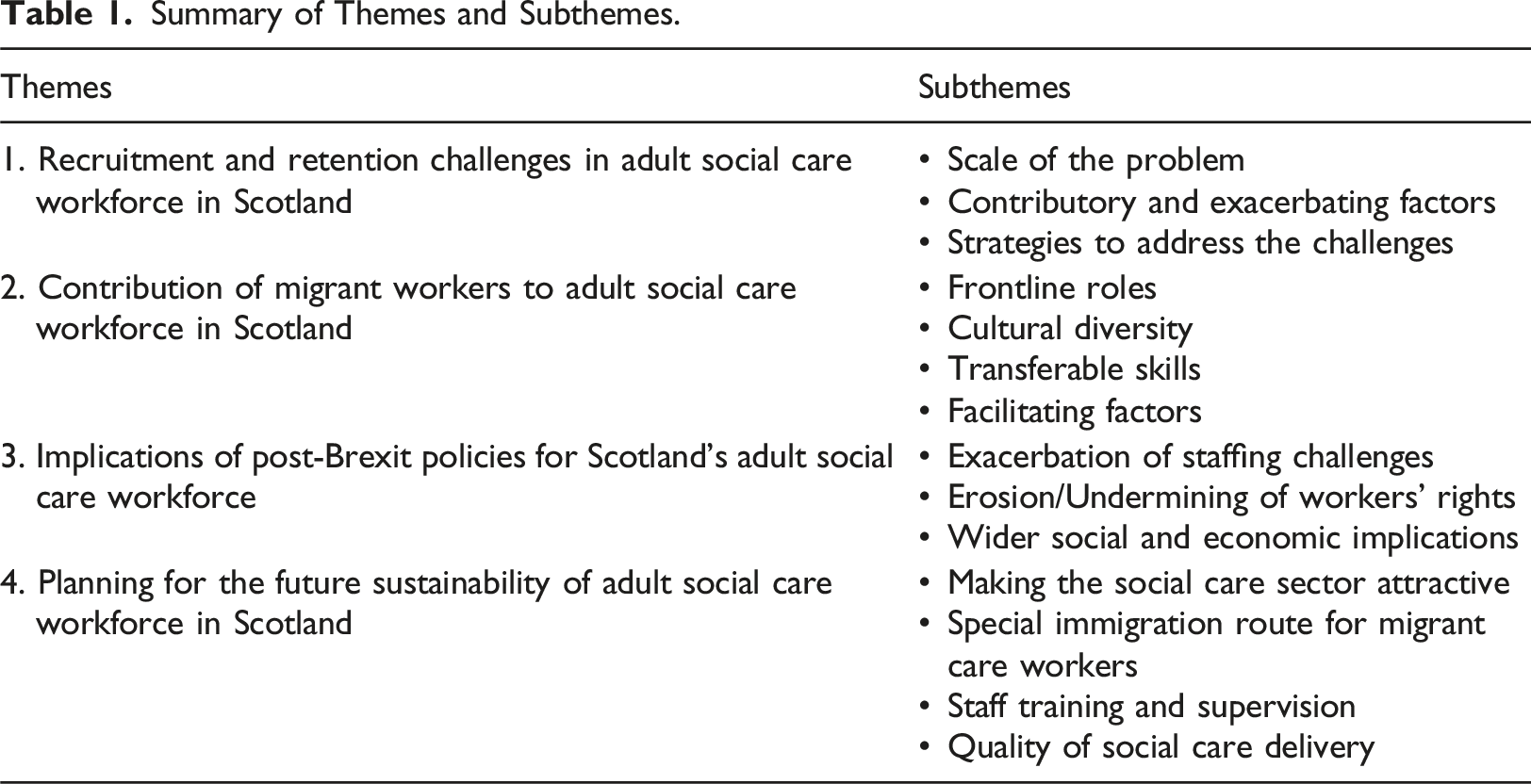
Survey findings
A total of 113 frontline care workers of various EU nationalities participated in the online survey which was conducted between April and June 2021. The profile of the research participants and survey findings are presented in the charts below (Figure 1): Geographical distribution of survey participants.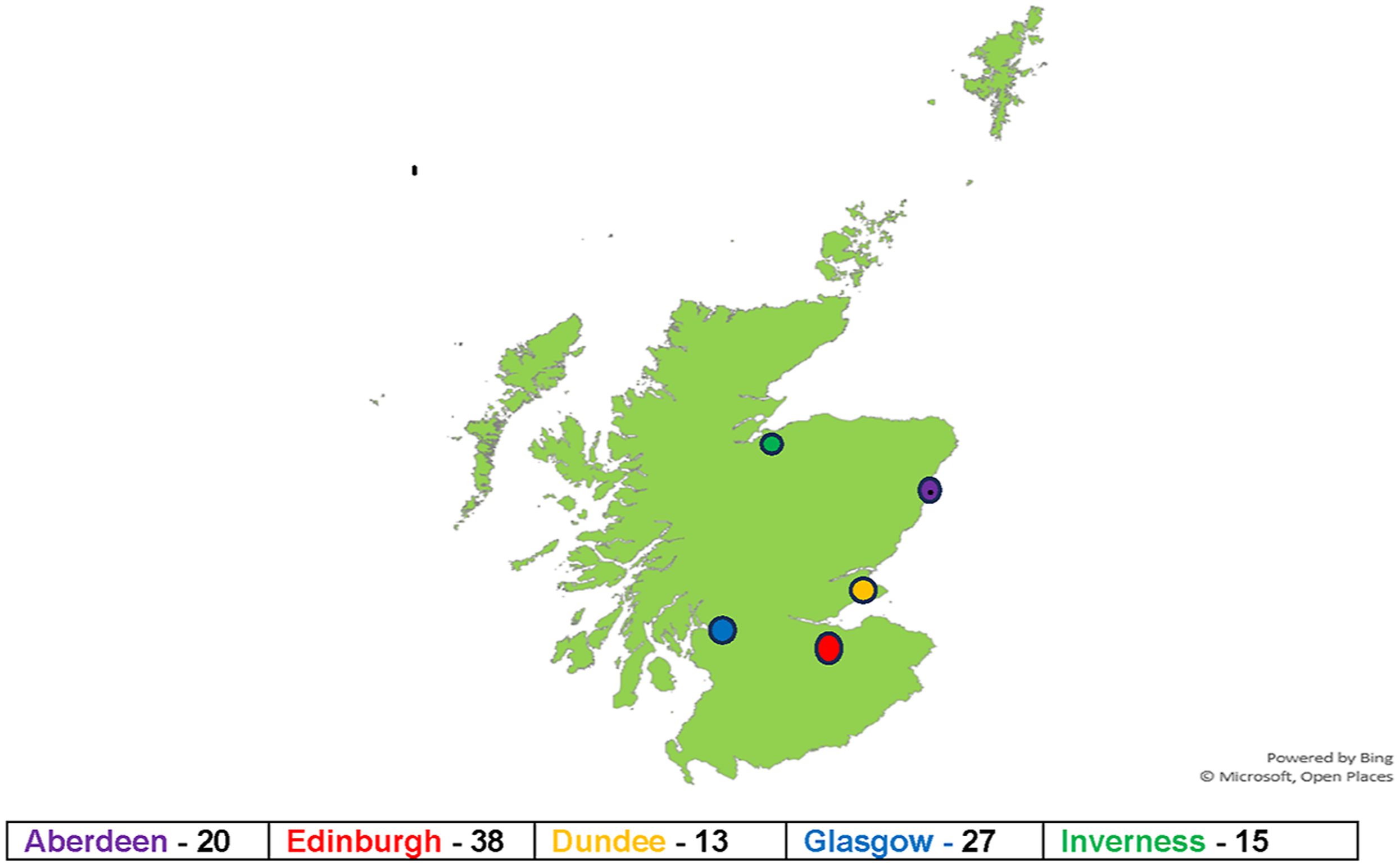
Like the semi-structured interviews, the survey participants were recruited across 5 major cities in Scotland. In terms of nationalities (Figure 2), the 5 topmost nationalities of the participants were Poland (26%), Romania (18%), Italy (15%), Portugal (9%), and Greece (6%). The rest of the EU member states (22) collectively accounted for the nationalities of the remaining survey participants (29%). Nationality profile of survey participants.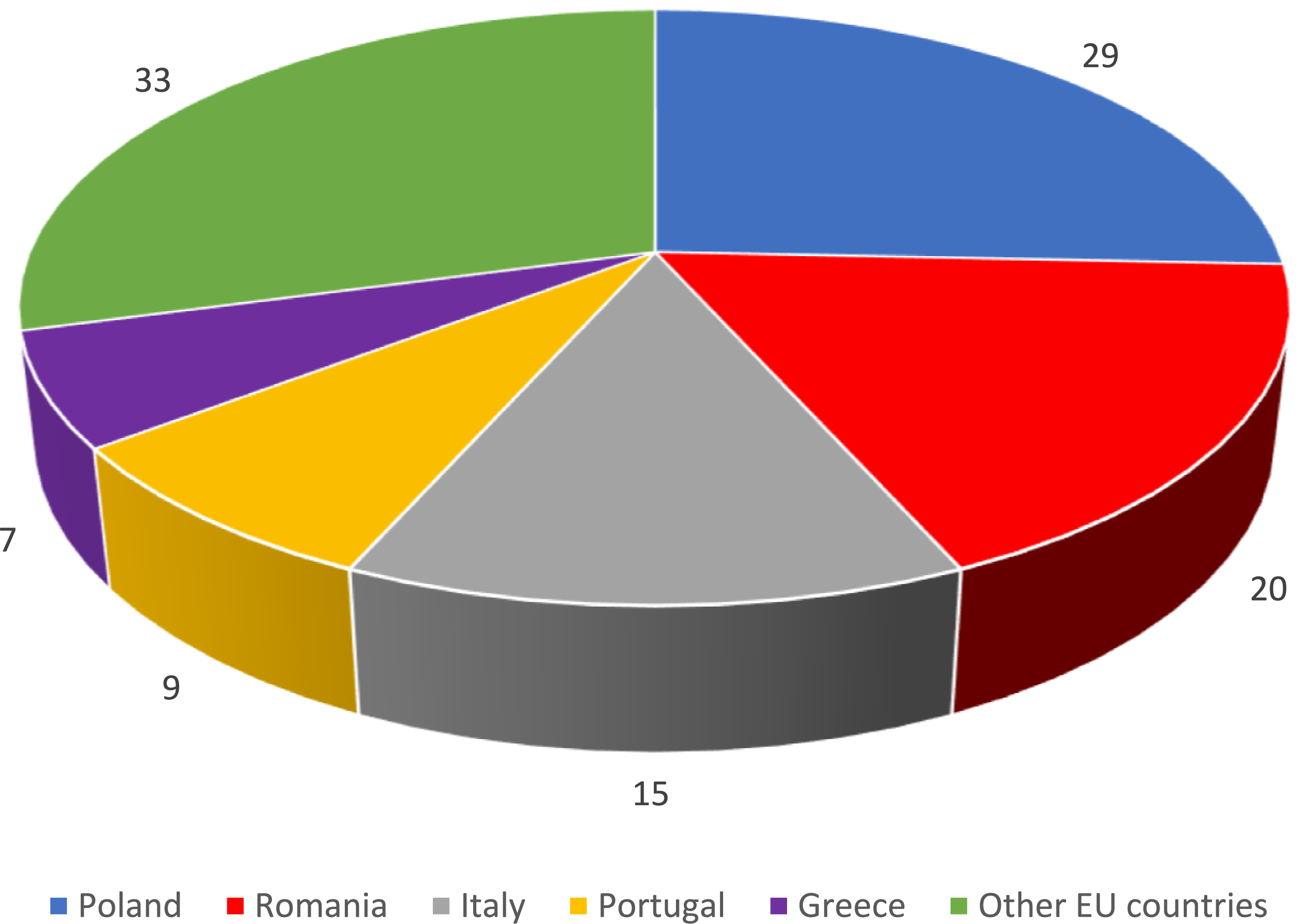
Socio-demographic profile of survey participants.
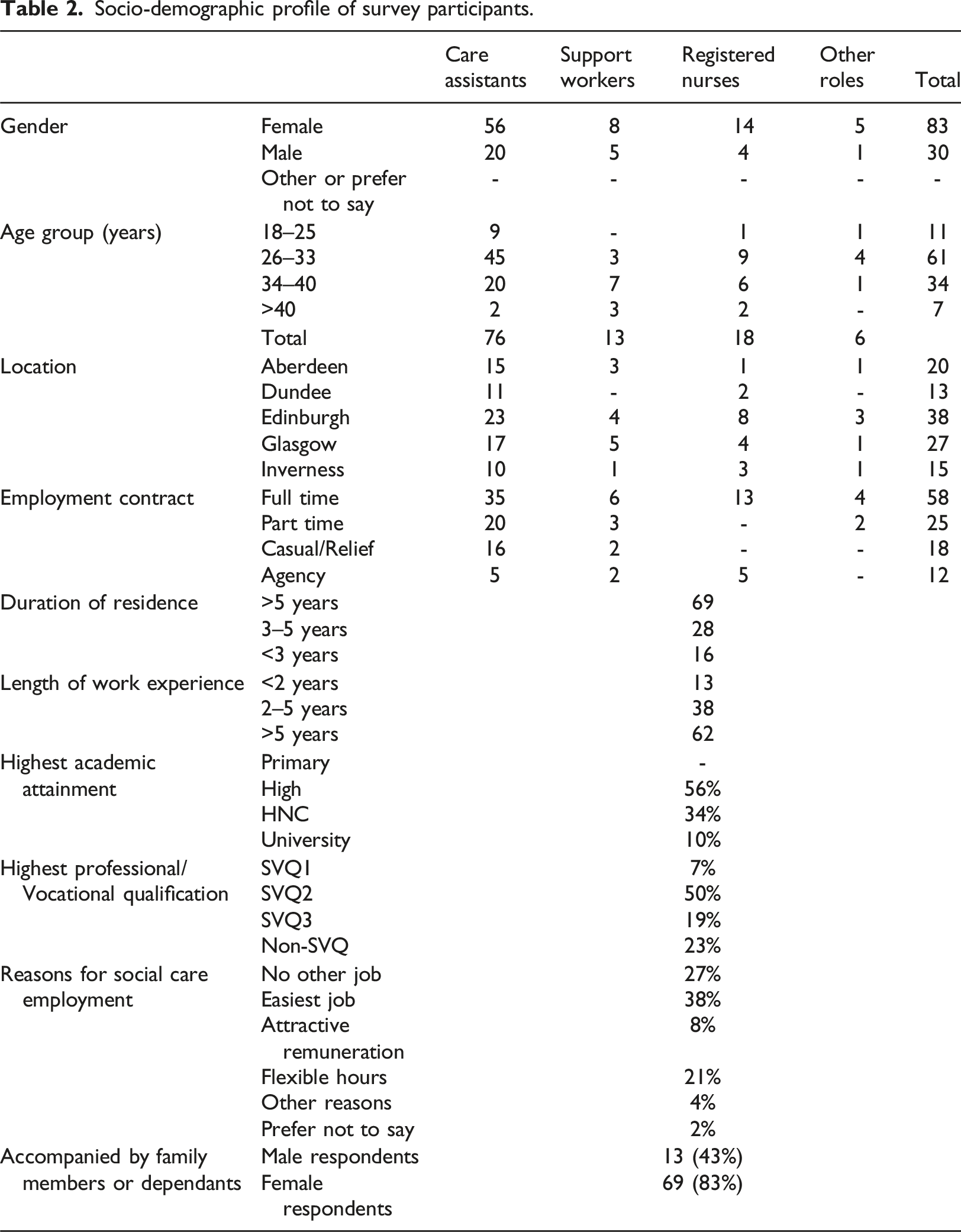
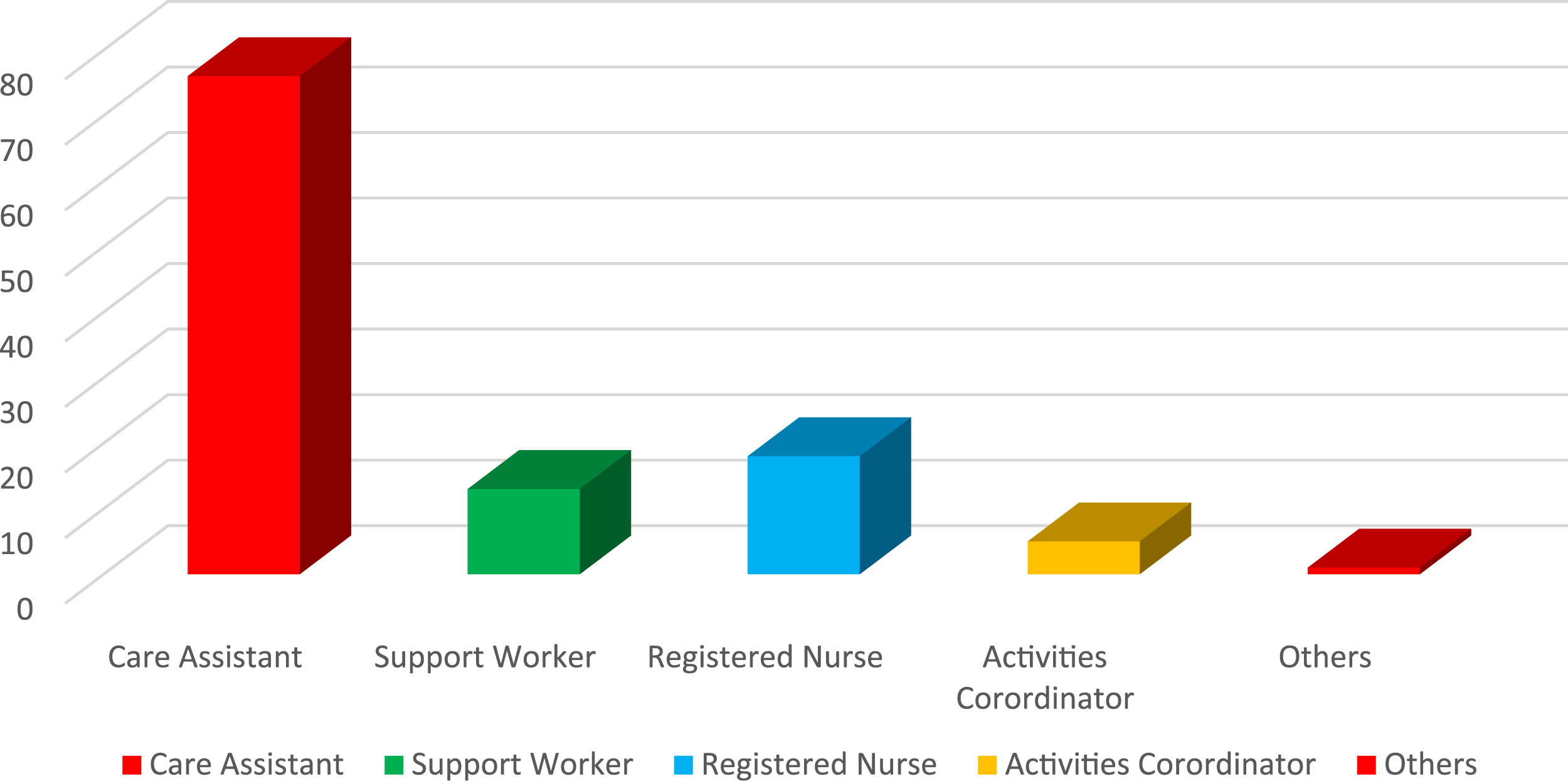
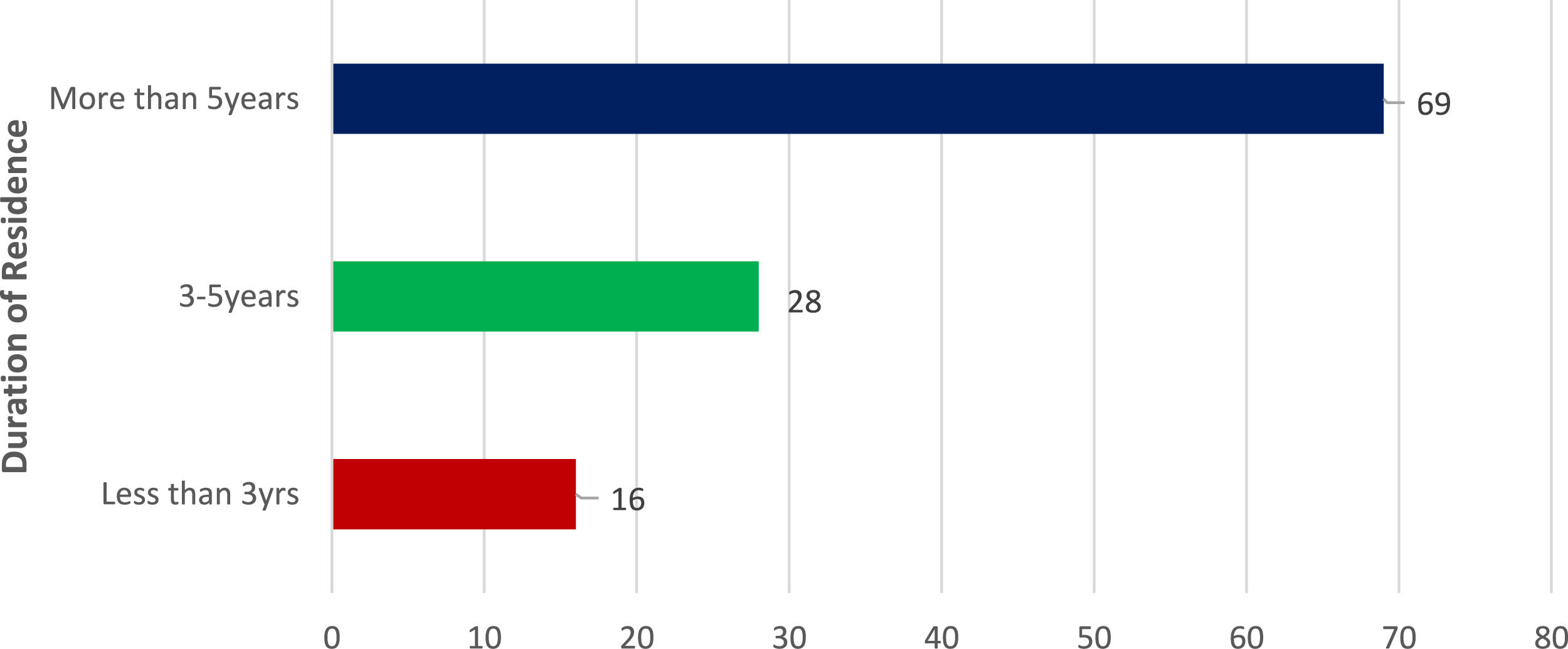
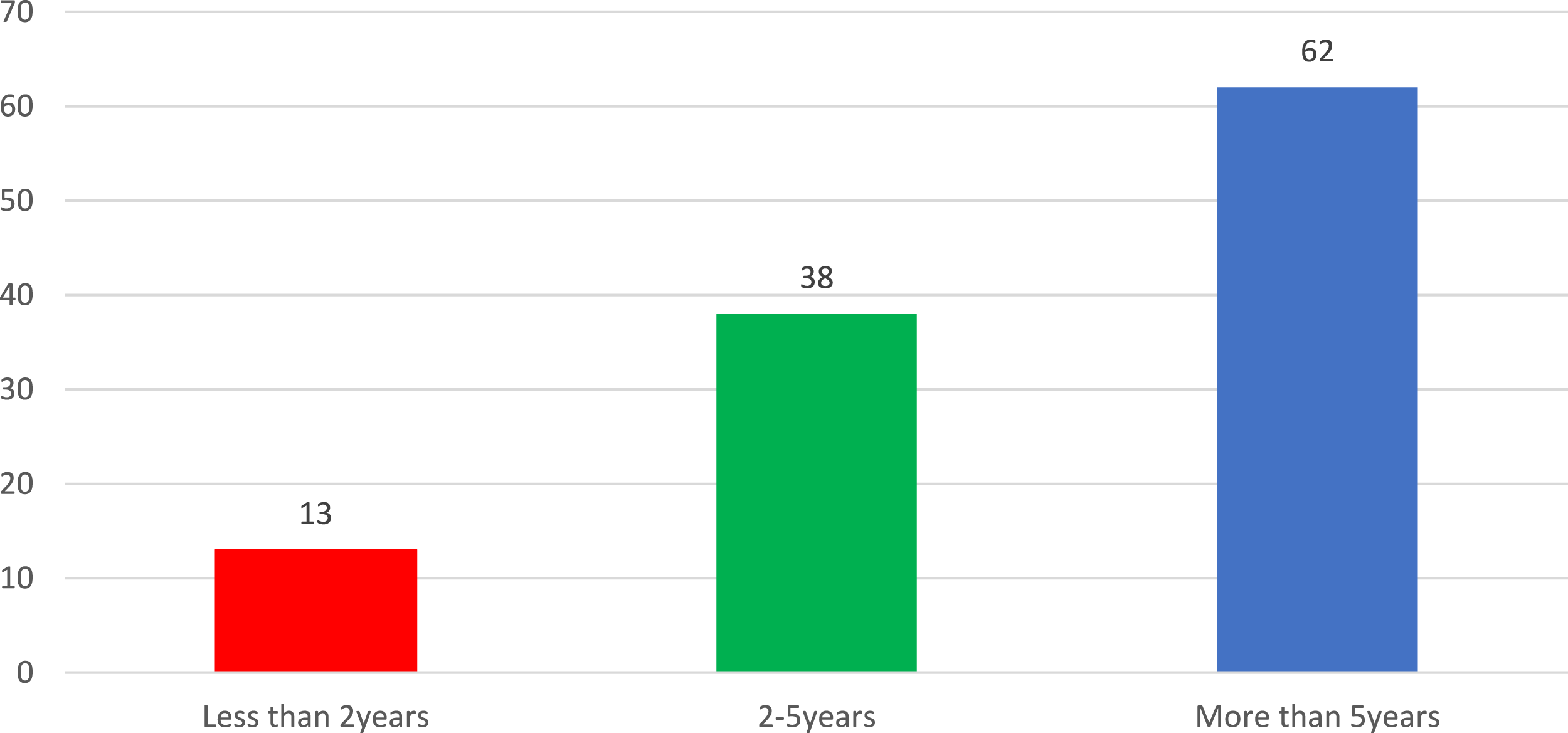
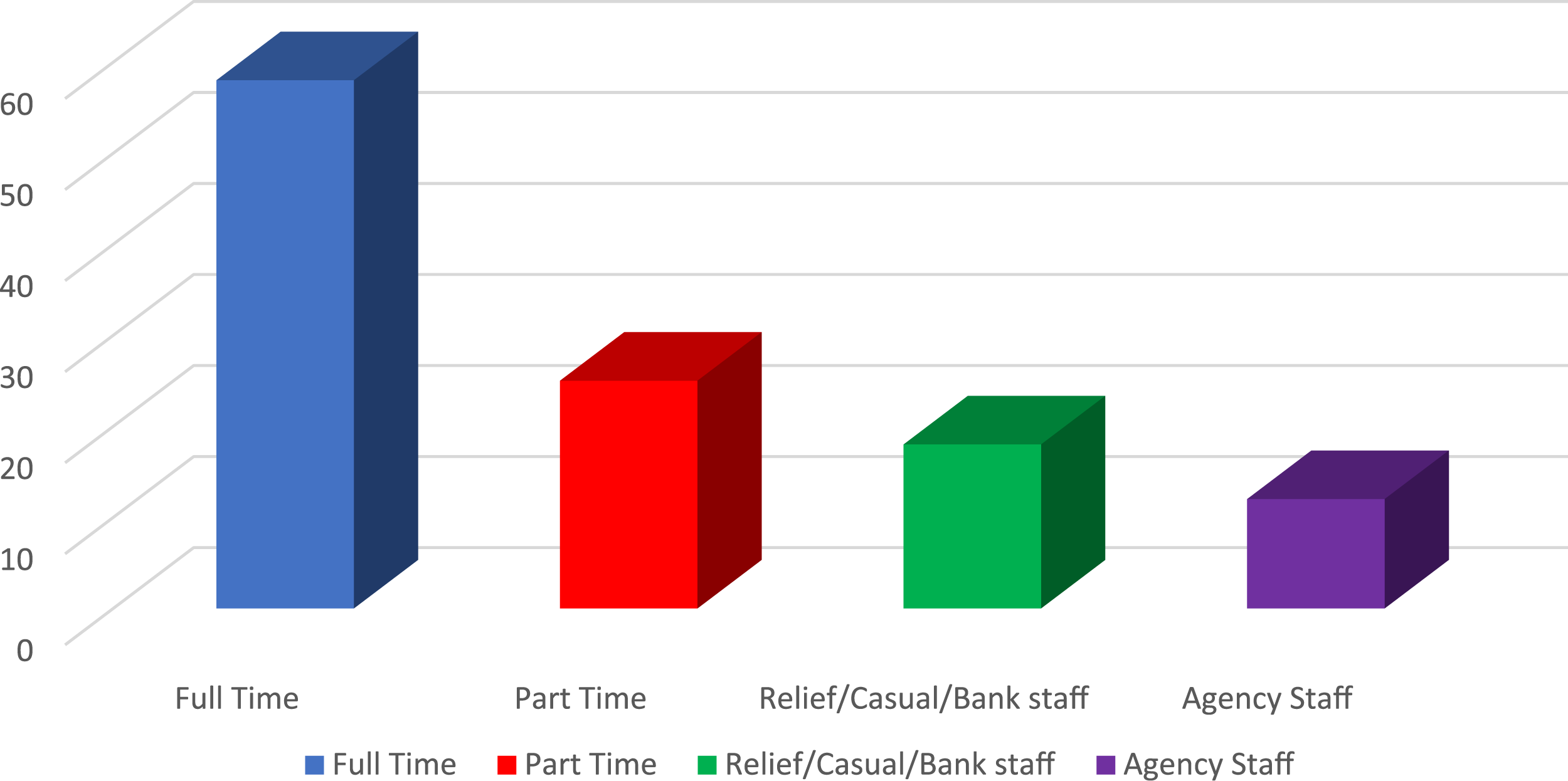
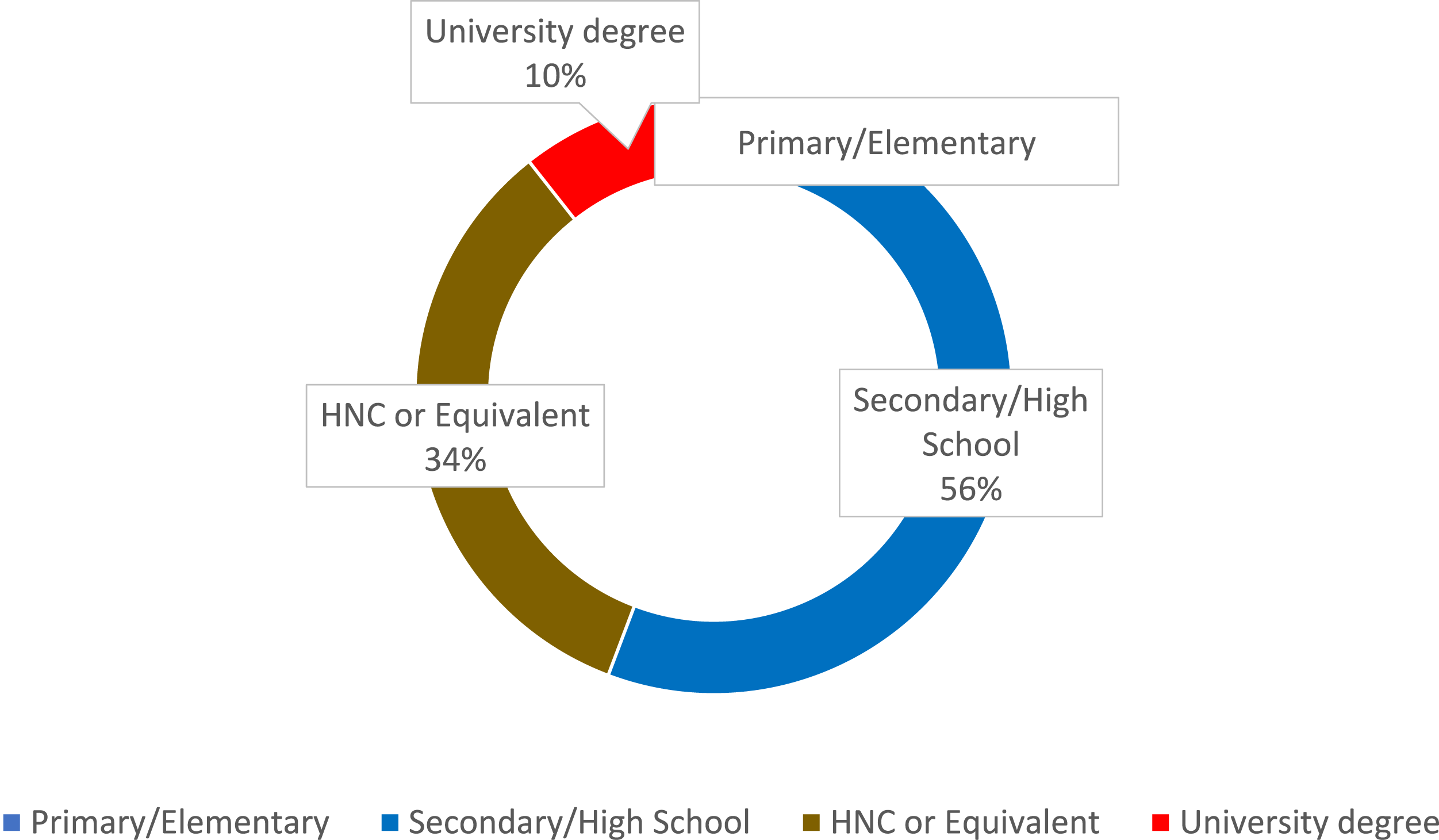
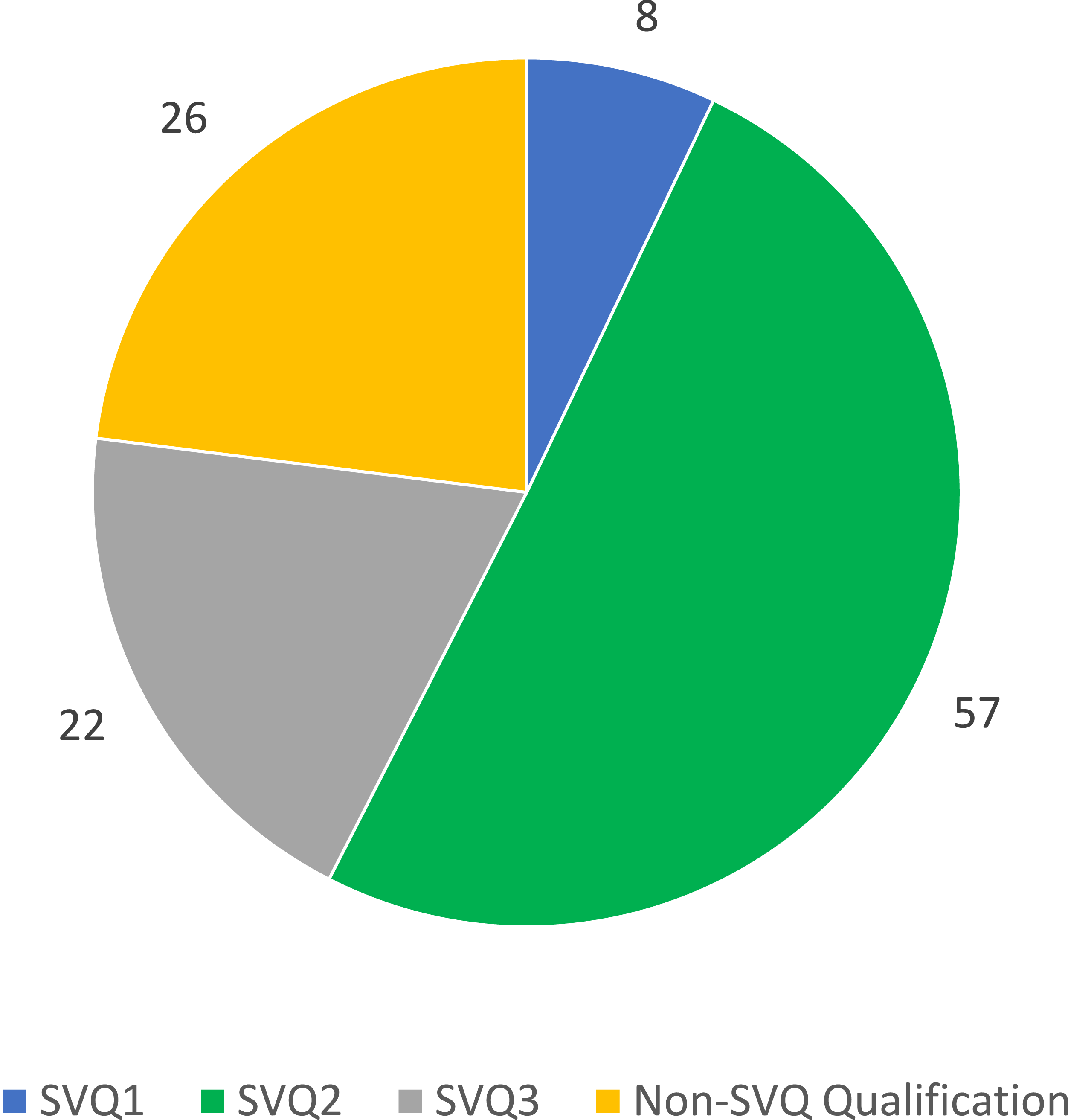
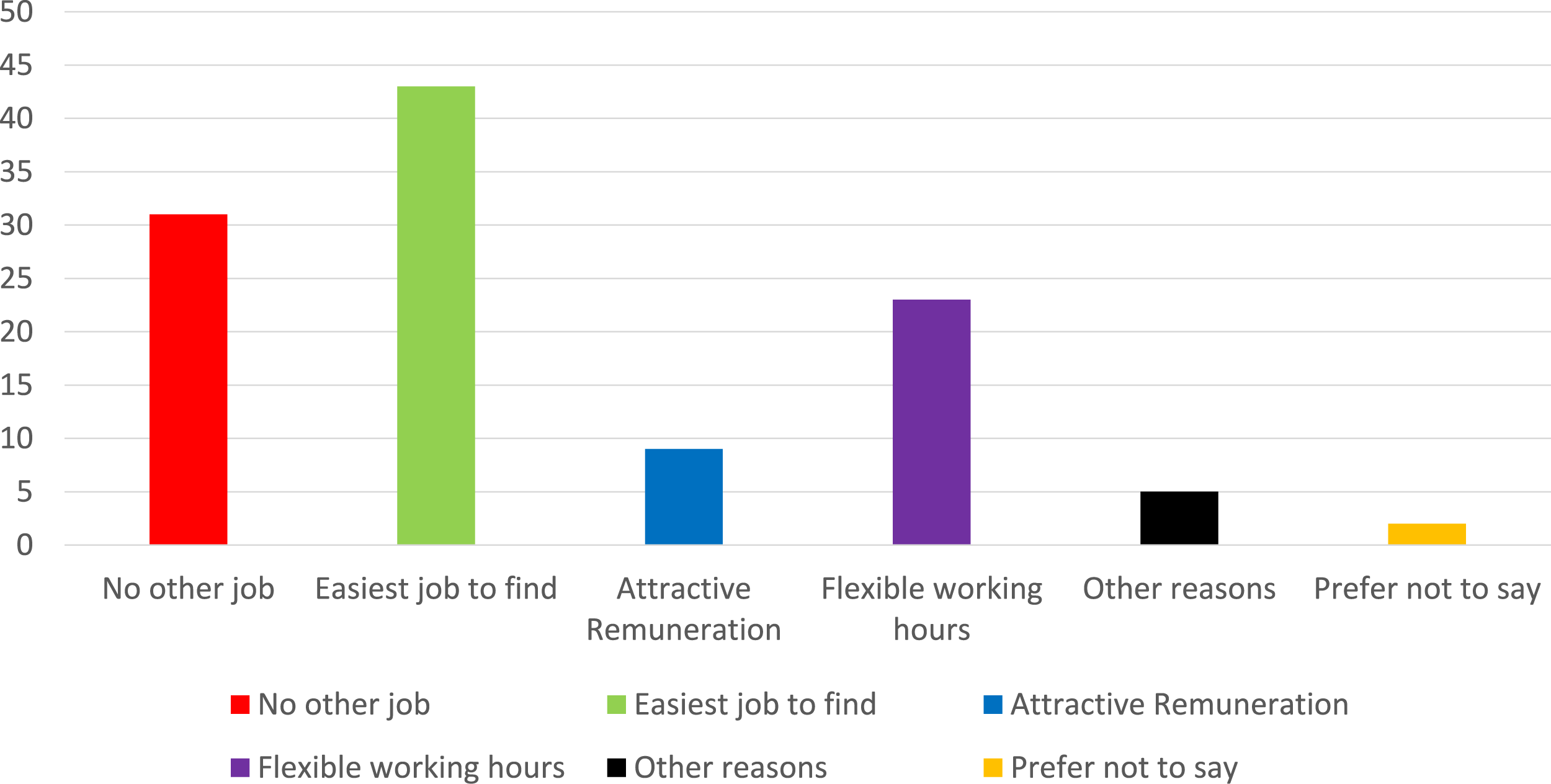
Although the SSSC does not include the nationality of care workers in its workforce data, the proportion of the nationalities of the survey participants roughly mirror the situation around the same period in England where Romania and Poland were the top leading nationalities of EU care workers in England (SfC 2021) (Figures 3–10). Gender & age distribution of survey participants. Job titles of survey participants. Duration of residence of survey participants in Scotland. Length of work experience in the social care sector. Type of employment contract. Highest academic attainment by survey participants. Highest professional/vocational qualification of survey participants. Reasons for working in the social care sector.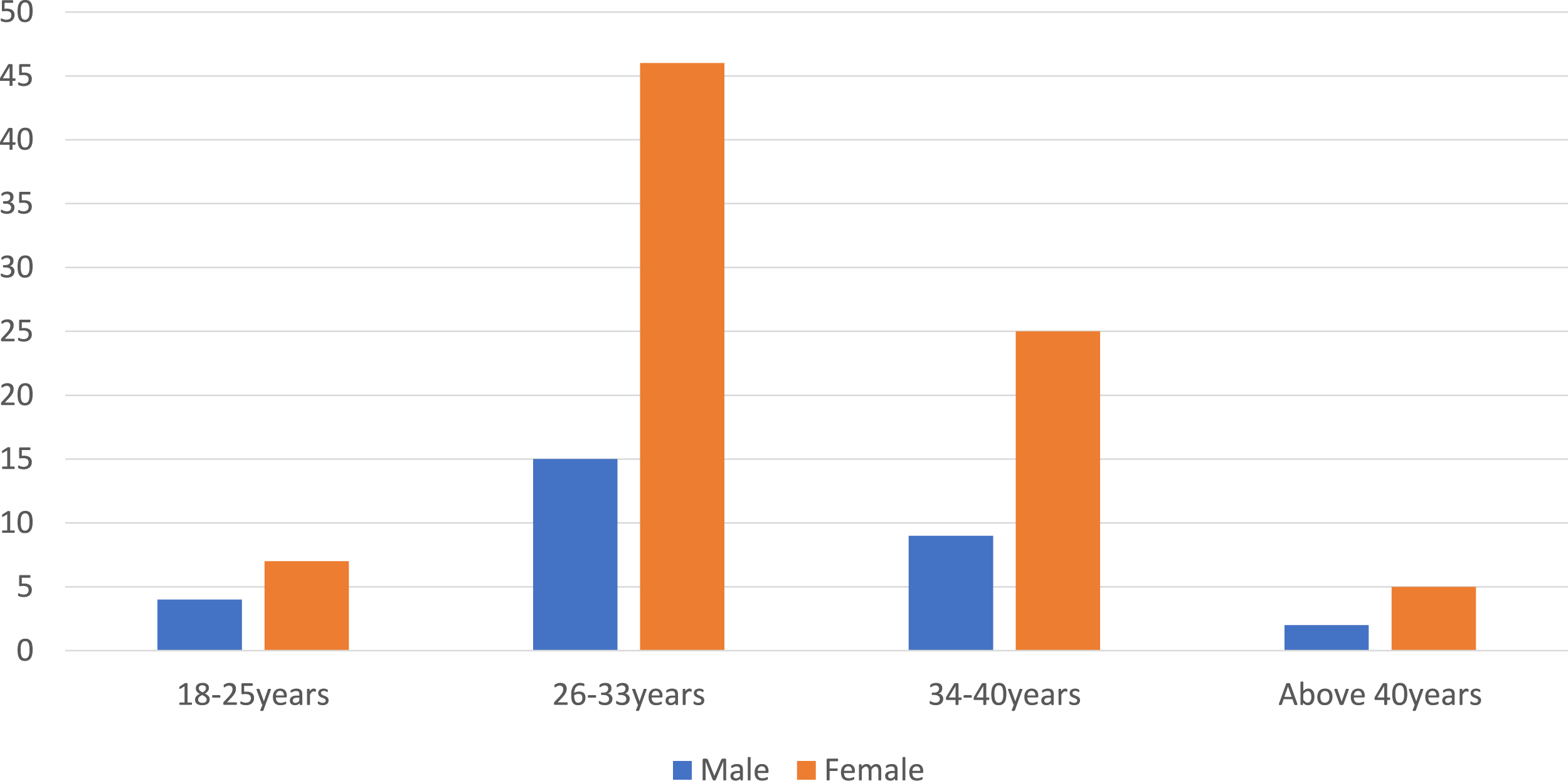
The survey participants where asked some questions to explore their viewpoints on the potential effects of Brexit on various issues including their career in the social care sector, the state of remuneration and other employment conditions, staffing challenges in the sector and their future immigration status as well as their ability to deliver high quality care to their service users.
Over four-fifths (87%) of the respondents were concerned (i.e. strongly agree) that the current poor remuneration of care workers and other employment conditions would become worsened or at least persist following Brexit. Similarly, three-quarters (75%) of the respondents also believed that the current staffing crisis being experienced in the sector would be exacerbated by Brexit, with another 78% of the respondents concerned that the workload for an average care worker would increase as a result of EU nationals returning to their countries of origin following Brexit. Nearly one-third (32%) of the respondents were either contemplating or knew at least an EU colleague who had already returned or was planning to return to their countries because of Brexit.
On the potential impact of post-Brexit policies on immigration and workers’ rights, nearly 9 in 10 (89%) were worried that post-Brexit policies would make it difficult for EU nationals to come or stay in the UK as well as erode some of the rights being enjoyed by care workers such as holiday pay, flexible and part-time working, etc. Many of the respondents also voiced their concerns about the impact of restrictive immigration policies on the availability as well as quality of care as EU citizens returned to their home countries. For example, 74% of the respondents were concerned that the loss of dedicated and experience staff following Brexit would negatively affect the quality of care being given to the service users in their organisations. Finally, on possible steps that could be taken to minimise the risks posed by Brexit to the sustainability of the social care workforce, over two-thirds (68%) of the respondents supported the idea of ‘a special settlement visa’ to encourage migrant care workers to stay in Scotland.
Discussion
As the participants in this study have pointed out, the social care workforce is known for its high vacancy and turnover rates. They attributed this to the perceived low status of care work, poor remuneration, limited opportunities for career progression as well as training and in-work support. These appear to align with the findings from the wider literature (Rusbridge and Ahmed 2017). The low pay and poor working conditions in the social care sector appear to emanate from the level of funding in the sector. In order to remain in business and avoid bankruptcy, care providers tend to minimise costs by offering low wages to their workers as well as other cost-cutting measures and practices such as paying workers only for contact time with service users excluding travel time between home care visits, break or on call (Burns et al., 2023; Donohoe 2020; Fell 2023; Huang and Bowblis 2018; Rubery et al., 2011, 2015; UKCHA 2011). Consequently, there is tendency for the quality of care they provide to service users to diminish, facilities are likely to deteriorate, staffing levels tend to fall and the additional ‘services’ for service users, such as outings and entertainment are considerably reduced or stopped altogether (Benbow, 2008; Huang and Bowblis 2018; Huang and Bowblis 2020; Lu and Lu 2022).
As also mentioned by the participants in this study, the staffing shortages in the social care sector were acutely exacerbated by Brexit following the ending of the Freedom of Movement as well as during the COVID-19 pandemic largely due to pay cuts and COVID-related restrictions (Martin et al., 2022; Shembavnekar, Allen and Idriss 2021). There were major difficulties in recruiting EU staff as the number of applications to frontline roles in the sector from EU nationals fell significantly and many EU nationals left their roles in the workforce in the aftermath of the Brexit referendum (Martin et al., 2022). Moreover, frequent cancellations of elective procedures and other medical appointments during the pandemic put considerable pressure especially on the social care workers who had to cope with the aftermath of delayed care (Hussein et al., 2020). This led to increased turnover rates due to increased workload and burnouts among staff.
As a result of these poor working conditions and the unattractiveness of care work to the domestic labour force (Choi et al., 2018), care employers have had to rely heavily on migrant workers to meet the staffing challenges in the sector. In addition to their perceived ‘willingness’ to accept the low pay and other poor working conditions, migrant workers often bring transferable skills into the sector and have been identified by care employers to have some attributes which make them suitable for care work (Hussein et al., 2011).
Prior to Brexit, there was no dedicated visa route to work through which migrants could work in the social care sector. In addition to EU nationals and their dependants who could work in any sector of the economy under the FoM, visa routes to the frontline social care roles had been through Tier 4 (General Student) route and their dependants as well as through dependants of migrants on Tier 2 (Skilled Worker) route (MAC, 2022). To address the acute staffing shortages in the health and social care sectors following Brexit, the UK Government launched the Health and Care Worker (H&CW) Visa in August 2020 to provide a direct route to employment in both sectors. However, frontline care workers (care assistants, support workers, home carers, etc) were not eligible under the initial criteria for this visa route and would take a further recommendation by the Migration Advisory Committee (MAC) to include these frontline care workers in February 2022. The visa route initially enjoyed considerable interest from migrant care workers. The immigration conditions under which most migrant care workers are employed, however, make them vulnerable to exploitation and abuse (Gayle et al., 2024). For example, workers under the H&CW visa are tied to a particular care employer and they cannot change their employer unless they update their visa.
International students as well as their adult dependants constitute a significant pool of labour force for the social care sector in the UK. Whilst students (on Tier 4 visa) have limits on their work hours during term time, their adult dependants are allowed to work full time. Similarly, the dependants of migrants on H&CW visa are not restricted on work hours as they also allowed to work full time, even outside the social care sector. However, recent changes to the visa rules have drastically reduced the contribution from both categories of dependants to the social care workforce. As from 1st January, 2024, only dependants of international students on certain research courses are allowed to come to the UK (Seddon 2023). In a similar vein, dependants of migrants on H&CW are no longer allowed to join or stay in the UK effective from 11th March 2024.
The initial success stories of the H&CW visa as well as other visa routes in alleviating the workforce crisis in the social care sector are at risk of being undone given the potential impact of these recent changes to the immigration rules. As mentioned earlier, the dependants on these visa routes contribute significantly to the social care workforce. Thus, these post-Brexit policy changes will likely worsen the current recruitment and retention challenges of frontline workers in the sector (Church 2023).
Conclusion, limitations of study and recommendations for future research
To the best of the researcher’s knowledge, this is the first independent study to explore the perspectives of stakeholders in the social care sector in Scotland on the impact of Brexit on the workforce. Previous studies on the subject were either commissioned by governments and organisations with political interests (e.g. Ipsos MORI, 2018 and Martin et al., 2022) or based on the data collected in England and focusing mainly on the impact of Brexit on the social care workforce in England (e.g. Read and Fenge, 2018). In contrast, this study is essentially academic and therefore free from any political interest in the Brexit debate or its socio-economic implications.
Although Brexit has happened, its impact on the social care workforce is still ongoing and may never be fully known especially when Brexit coincided with the peak of the COVID-19 pandemic – essentially conflating the impact of both events in many areas of the UK economy (Walker et al., 2021; Kolb and Haitzinger, 2023). However, the overall conclusion in this study is that Brexit poses a significant risk to the sustainability of the social care workforce in Scotland given its impact on the recruitment and retention of frontline workers in the sector amid a growing demand for care by the ageing population. This study highlights the need for an effective workforce planning to mitigate this risk and tackle the various challenges facing the social care workforce in Scotland. However, an effective workforce planning would require not only an improved funding in the sector but also increased professionalisation of the workforce. Both measures would in turn raise the status of care work and increase the attractiveness of the social care sector to the domestic workforce thereby reducing the current heavy reliance on migrant labour to meet the staffing shortages in the sector (Hayes et al., 2020; Hemmings et al., 2022). There is also the need to systematically address the recruitment and retention challenges in the sector through close collaboration between workforce researchers in the academia and stakeholders in the social care sector in Scotland as well as policymakers. This collaboration would help to bridge the gap between workforce research and decision-making in policy and practice (Lamont et al., 2024). The major limitations of this study include the relatively small sample size as well as the focus on adult social care which may not be representative of the perspectives of the entire stakeholders and other decision-makers in the social care sector. Wider applicability of the findings from this study could be established by further research with a larger sample of relevant stakeholders and covering other subsectors of social care (Hepburn 2020; Iusmen 2019).
Overall, it appeared from the perspectives of the stakeholders in this study that, when compared to other constituent nations of the UK, Scotland has a relatively positive attitude towards immigration and the significant contributions of migrants to vital sectors of the economy such as health and social care are increasingly being recognised (Atkinson and Atkinson 2023; McCollum et al., 2014). Finally, whilst the main aim of this research is not to inform policy but considering the demographic peculiarities of Scotland as highlighted above in this study, it might be useful in future to research into the potential economic impact (especially in the social care sector) of having an autonomous and Scotland-centred immigration policy (Kyambi 2018; UNISON Scotland 2017).
Footnotes
Declaration of conflicting interests
The author(s) declared no potential conflicts of interest with respect to the research, authorship, and/or publication of this article.
Funding
The author(s) received no financial support for the research, authorship, and/or publication of this article.
