




Abstract
This study investigates the intersection of artificial intelligence (AI) and audience development strategies within the cultural sector. Building on existing research on cultural participation, this article draws from a nationally funded project which employs AI-powered computer vision to monitor and predict analytics to forecast visitor and non-visitor flow outside Malta's National Centre for Creativity. By mapping movement patterns outside the creative centre complemented with a survey research, the study provides insights not only into who visits and when, but also into who remains outside and why. This study explores how big data on people flow can be useful for decision-making, improving and promoting the site and the overall visitor experience. This study examines how neural network-based footfall monitoring and machine learning forecasting models support cultural sites in analysing visitor behaviour, movement, and patterns, enabling better resource allocation and targeted promotional activities. Central research questions include: How can AI-driven methodologies support the conversion of non-visitors into visitors? By integrating AI-driven insights with traditional audience research, this study offers data-based recommendations for audience development. In summary, this article contributes to insight on the use of computer vision and machine learning algorithms in enhancing cultural site management by providing valuable insights and increasing visitations and cultural participation.
Introduction
The long-standing issue of enhancing cultural participation acquires a new dimension within the broader context of digital transformation. Recent developments in digital transformation across museums, heritage institutions, and cultural organisations have set the momentum for deeper discussions on the use of artificial intelligence as a strategic tool in cultural management. The accelerated shift toward digital platforms during the COVID-19 pandemic highlighted the critical need for innovation in audience engagement, collections management, and operational resilience (Eulenstein and Faber, 2023). As cultural institutions embraced digitalisation through virtual exhibitions, online mediation, and remote access to collections, AI technologies began to emerge as a complementary force, offering new possibilities for personalising visitor experiences, enhancing accessibility, and optimising decision-making processes (BRAID, 2024; Network of European Museum Organisations, 2024).
In recent decades, the challenge of democratising access to cultural institutions, particularly museums, has become central to debates in cultural policy and audience development. Efforts have increasingly focused on engaging non-visitors and expanding cultural participation beyond traditional audiences. This study contributes to this discourse by examining visitation and non-visitation patterns at the National Centre for Creativity (rebranded as Spazju Kreattiv in 2015) in Malta, located within a protected cultural heritage site.
Traditional sensor-based movement tracking has existed for decades through beam interrupt sensors that only provide basic counting without tracking capabilities, and most computer vision sensors cannot operate in public areas within the EU due to GDPR regulations requiring personal data protection. The novelty of this approach lies in the FlowHint sensors’ ability to execute computer vision algorithms in real-time while maintaining GDPR compliance, in turn enabling monitoring of non-visitors (who are in public spaces outside of the cultural venue). Further, this was coupled with machine learning algorithms that allowed footfall forecasting outside the building. The system enables dynamic resource allocation recommendations that adapt in real-time to changing conditions without human intervention or privacy violations. These sensors enable real-time tracking and forecasting of pedestrian flows, offering a novel methodological contribution to audience research.
In terms of cultural heritage management, physical footfall within the venue remains a key performance indicator (KPI), signalling both the effectiveness of outreach initiatives and the institution's capacity to attract diverse publics. However, this study extends the evaluative scope by assessing external foot traffic and its correlation with potential interest or barriers to visitation. Building on this, this study adopts a mixed-methods approach, combining survey research with AI-based monitoring of movement in the vicinity of the Centre using FlowHint sensors. By analysing movement patterns beyond the creative centre, in conjunction with survey-based research, the study generates an understanding of the dynamics of visitors, as well as the characteristics and underlying factors contributing to non-visitors.
Thus, the integration of AI-based data collection with on-the-ground surveys allows for the triangulation of insights. FlowHint sensors were deployed to track anonymised movement data in the area surrounding the cultural centre, while surveys were distributed to pedestrians during peak and off-peak periods across both summer and winter seasons. Fieldwork locations were strategically selected to identify correlations between proximity to the chosen cultural centre and visitation tendencies, and to distinguish between residents of Malta and international visitors in terms of motivations and deterrents.
From a sociological standpoint, the research interrogates the underlying drivers of cultural visitation. Key factors considered include demographic characteristics, cultural capital, accessibility, prior exposure to cultural institutions, and perceived relevance. These variables are analysed about audience segmentation and behavioural trends, allowing for a contextualised understanding of cultural participation within broader societal dynamics.
The research findings were the guiding frame for targeted interventions based on AI-generated insights to convert pedestrians into visitors. During high footfall periods identified by the AI system, trained Guest Relations Officers were strategically positioned in nearby public spaces to engage directly with potential visitors. These staff members provided information about current programming, distributed promotional materials, and offered assistance with directions and ticketing. This approach transformed anonymous pedestrian data into personalised visitor interactions, addressing key barriers such as a lack of awareness and uncertainty about venue accessibility and programming. The increase in daily visitation demonstrates that technological insights can translate into concrete audience growth, though we recognise this represents one dimension of the multifaceted audience development process that includes sustaining engagement, diversifying demographics, and deepening cultural participation. The focus on footfall thus serves as a starting point for broader audience development initiatives rather than their conclusion.
While not the main focus of the study, a critical limitation lies in the generalisability of the findings. Conducted within a single cultural venue in a specific urban setting, the results are shaped by unique spatial and social dynamics that may not apply elsewhere. Future research should explore broader, multi-site studies to develop adaptable models suitable for varying institutional and contextual conditions.
This study acknowledges that the equation of footfall with audience requires clarification, particularly given the evolving definitions of audience development in cultural institutions. The use of internal footfall as the primary Key Performance Indicator (KPI) was specifically requested by Spazju Kreattiv management, reflecting their institutional priority of increasing physical visitation as a measurable outcome of cultural engagement. While audience development encompasses broader concepts of cultural participation, community engagement, and inclusive programming, footfall represents a quantifiable and falsifiable benchmark that enables objective evaluation of intervention success.
This study offers a multi-dimensional analysis of visitation behaviour, leveraging AI technologies to inform evidence-based audience development strategies. Its findings outline the value of integrating technological innovation with sociological inquiry and cultural policy frameworks to promote more inclusive and responsive cultural institutions.
Literature review
Within the context of increased digitalisation and the emergence of an algorithmic society, where digital media becomes central to everyday interactions (Burrell and Fourcade, 2021), the cultural sector is experiencing profound shifts. The algorithmic sphere, shaped by AI technologies, increasingly sees machine learning algorithms replacing traditional forms of human judgment. In this evolving landscape, algorithms act as new mediators of cultural participation, undermining the traditional monopoly of intermediaries and gatekeepers such as galleries, museums, and specialist presses.
AI-driven tools have been increasingly explored for conservation practices, archival documentation, and automated content creation, signalling a shift in how cultural organisations envision future sustainability (Akyol and Avcı, 2023). These developments outline the importance of critically examining both the opportunities and ethical challenges AI introduces into the cultural sector (Pansoni et al. 2023). These include concerns around bias, data governance, and the preservation of human-centred values. The ongoing dialogue around digital transformation and AI integration is shaping the strategic priorities of cultural management, urging institutions to adopt frameworks that ensure the responsible and inclusive use of emerging technologies.
Discussion on the use of AI is often steered around risk, uncertainty and ethical issues, emphasising the need for amendments in legislation to safeguard, in general, the creative sector, and specifically employees and artists. The International Monetary Fund (IMF) has projected that AI could impact approximately 40% of global employment, with the potential to exacerbate existing economic inequalities (BBC, 2025). Prominent figures in the field of AI have voiced divergent views on its broader societal implications.
In addition, scholars and critics have also raised concerns about AI's potential to perpetuate social biases and discrimination (Crawford, 2021). This risk largely stems from the data used to train machine learning models, which sometimes includes publicly available social media posts. These data sources can encode and reflect societal prejudices, including those based on race, gender, and other identity categories, thereby embedding these biases into AI outputs (ibid.).
Acknowledging these concerns is essential, particularly amid the growing intensification of uncertainty and risk in the Giddensian sense (Giddens, 1991), as AI advances within contemporary developed societies. However, it is equally important to consider the benefits of employing AI as a tool. In the context of this study, AI is utilised as a tool to monitor and forecast visitation inside a cultural venue. This can lead to a better understanding of when and why people visit a cultural venue.
Traditional critiques of technology and market-driven innovation provide valuable perspectives that are worth incorporating into contemporary discussions of AI and cultural production. Thinkers such as Theodor Adorno and Horkheimer (1998 [1944]) and Pierre Bourdieu (1984) have long warned against the commodification of culture under capitalist logic. Adorno's critique of the culture industry emphasised how mass-produced cultural goods promote passive consumption and conformity, undermining genuine artistic expression (Adorno and Horkheimer, 1998[1944]). Similarly, Bourdieu (1984) examined how cultural production is shaped by social structures and power relations, suggesting that cultural policy often serves to reproduce existing hierarchies rather than democratise access to the arts.
Beyond cultural policy, other theorists have explored the societal implications of technology and media. Jacques Ellul (1964) warned of the autonomy of technological progress, arguing that technological systems tend to evolve beyond human control and reshape society in unintended ways. Jean Baudrillard (1981/1994) critiqued the media's role in creating hyperreality, where simulations and representations replace direct experience. Likewise, Guy Debord (1967/1994) described the modern world as a society of the spectacle where social relations are increasingly mediated by images and commodified representations. These foundational critiques remain highly relevant in evaluating how AI tools are integrated into the cultural and creative industries today, often under the guise of innovation, efficiency, and scalability, but not without significant implications for authenticity, agency, and meaning.
In regard to audience development strategies, various studies have analysed audience flow in museums using tracking tools and next-generation sensors (Casolla et al., 2020; Centorrino et al., 2021). For example, Centorrino et al. (2021) conducted a study on visitor flow at the Galleria Borghese in Rome, employing a system of fixed-position tracking devices throughout the museum and portable Bluetooth Low Energy beacons distributed to visitors. Their analysis focused on visitor pathways to gain behavioural insights, including identifying the most common flow patterns.
More traditional studies on cultural participation have highlighted several factors influencing the propensity to visit cultural sites, particularly regarding cultural preferences. One important concept is the rise of the cultural omnivore (Peterson and Simkus, 1992). Van Eijck and Knulst (2005) found that individuals with higher levels of education not only attend cultural events more frequently but are also more open to a variety of cultural experiences. These findings suggest that the propensity to visit cultural sites is not merely a function of access or interest but is deeply embedded in broader sociological patterns of taste, education, and social capital. Although the study on Spazju Kreattiv does not explore these factors in depth, these sociological studies offer a critical framework for understanding audience composition and the motivations underlying visitation.
Scholars and practitioners alike have pointed out how technology and big data can assist in audience development by analysing visitor data to tailor programmes and exhibitions more effectively (Centorrino et al., 2019; Ridge, 2020). Another example of the usage of Internet of Things (IoT) sensors is the research done by Pierdicca et al. (2019) at the fortress, Rocca di Gradara, a somewhat similar context to the site examined in this study, in Malta.
Existing research, however, has often been limited by: Using sample-based methods for data collection. In the study by Centorrino et al., for example, researchers distributed Bluetooth Low Energy (BLE) beacons to 900 visitors. In the study by Pierdicca et al., researchers asked visitors to download a smartphone app that would enable researchers to track the smartphones themselves via BLE. In both cases, researchers used these to track visitor movements inside Galleria Borgese and Rocca di Gradara, respectively. This potentially exposed the researchers to the following biases: • Participation bias Only visitors who agree to carry a BLE beacon or download the app are tracked, which may exclude certain demographics (those concerned about privacy, older visitors, or those uninterested in technology). This can lead to underrepresentation of certain groups in the movement data, skewing results toward more curious, tech-savvy or willing participants • Sampling bias If the 900 beacon recipients or those who download the app are not randomly selected or do not reflect the full diversity of the museum's visitors (in terms of age, nationality, visit purpose, or group size), the recorded trajectories may not generalise to the entire visitor population. • Behavioural modification Knowing they are being tracked, some participants might alter their natural behaviour (spending more or less time in certain rooms, or changing their movement patterns), introducing artificiality into the data. • Temporal bias If beacons or download instructions for the app are distributed only during certain times of day, days of the week, or special events, the data may not capture typical visitor flows or account for seasonal variations Collecting only visitors data. This excludes non-visitors from the analysis. This used to be the case at Malta's National Centre for Creativity, where only visitors were counted (using door-mounted people counters). But no monitoring was done of non-audiences.
The study by Pierdicca et al. (2019) was limited by its exclusive use of Bluetooth beacon sensors and low participation in the required mobile app, resulting in only 25% of visitors being tracked. This led to a sparse dataset and prevented analysis of crowding patterns within the museum.
Methodology
A key methodological advancement of this study lies in its adoption of GDPR-compliant computer vision sensors, which fundamentally address the participation and sampling biases present in earlier BLE or app-based research. The use of FlowHint computer vision sensors in this research enabled continuous, anonymous monitoring of both visitors and non-visitors without requiring any active participation or behavioural change from individuals studied. The sensors processed video data locally, extracting only anonymised counts and movement patterns with no facial recognition or storage of personal data, thereby ensuring full GDPR compliance and addressing privacy concerns. This innovation allowed for the collection of a more representative and comprehensive dataset, capturing the real-world dynamics of cultural participation and enabling, for the first time, the systematic study and activation of non-audiences in the cultural sector.
The research involved collecting both external data on daily foot traffic around the building and internal data on individuals visiting the cultural site. To complement these data sets, a survey research was conducted throughout the year. This dual approach allowed for a comprehensive understanding of visitor behaviour, capturing seasonal footfall variations and providing valuable insights into the motivations and obstacles to visiting the site. By integrating quantitative data with qualitative feedback from direct interactions with potential visitors, the study aims to create a well-rounded picture of the factors influencing cultural site attendance.
The National Centre for creativity, Spazju Kreattiv, Malta
Malta is a small Southern European island state situated in the Mediterranean Sea. An archipelago covering just 315 km2, with a rich history dating to around 5000 BCE (Blouet, 1993), Malta is located 93 km south of Sicily and approximately 300 km from the coasts of Tunisia and Libya. The nation occupies a marginal position in Europe, not only geographically but also culturally.
Malta's designation of Valletta as European Capital of Culture in 2018 catalysed renewed interest in cultural infrastructure, urban regeneration, and audience development. However, it also sparked critical debate about cultural inclusivity, representation, and the sustainability of such large-scale cultural events in smaller contexts. Research into the cultural and social effects of Valletta's role as European Capital of Culture in 2018 highlighted both the positive impact on Malta's cultural sector and the challenges faced (Ebejer et al. 2020). While the programme was innovative, expectations for lasting cultural transformation were unmet due to politicised governance. Though part of broader regeneration efforts, the event also raised concerns about over-commercialisation and its impact on local liveability (ibid.).
The development of arts and culture hubs like the National Centre for Creativity, known as Spazju Kreattiv, has contributed to a growing body of cultural research. Topics such as heritage preservation, cultural diplomacy, and the digital transformation of the arts are increasingly prominent, as is the role of AI and data in shaping cultural policy and audience engagement strategies. Spazju Kreattiv is centrally located in Valletta, Malta's capital, just steps from other culture centres: Castille Place, MUŻA, Auberge de Castille, Parliament, and the Upper Barrakka Gardens. Its prime location makes it an ideal stop for visitors exploring the culture of the city. As a hub for diverse artistic expression, Spazju Kreattiv offers a dynamic programme spanning multiple art forms, ensuring engaging experiences for all audiences regardless of age or interest.
Spazju Kreattiv is a cultural programme featuring a wide range of creative arts events primarily across Malta and the neighbouring island of Gozo. Founded by Fondazzjoni Kreattività in 2000, the Centre's base is located within St James Cavalier in Valletta – a 16th-century fort repurposed as Malta's National Centre for Creativity (Kreattivita.org).
The Centre for Creativity has functioned primarily as an arts centre, with various temporary exhibitions and events, attracting a range of age groups. A previously published study on audience development at this site found that, while the general public regarded the venue as a space for high-brow art forms, many felt disconnected from it and expressed little intention of attending (Visanich and Sant, 2017). One of the study's key recommendations was to democratise the space, proposing strategic interventions such as incorporating folk events and engaging younger audiences.
Since 2017, Spazju Kreattiv has undergone substantial transformation in its programming vision, operational structure, and communication strategies. These advancements are evident in the Centre's expanded and diversified event calendar, as well as its enhanced outreach efforts, making it considerably more inclusive and dynamic than in previous years.
With regard to AI research in Malta, it has increasingly gained prominence and has been positioned as a strategic priority on the national agenda. Over recent years, the Maltese government has taken active steps to foster innovation and digital transformation, identifying artificial intelligence as a key driver of future economic growth and public sector efficiency. This commitment is reflected in the publication of Malta's National AI Strategy (Government of Malta, 2019), which outlines the country's vision to become a global leader in AI by promoting research, development, and ethical deployment of AI technologies. At the same time, institutions such as the University of Malta and various tech hubs have begun to play a more active role in advancing AI-related research, contributing to a growing ecosystem that supports experimentation, interdisciplinary collaboration, and capacity-building. Although still in its developmental stages, Malta's AI research landscape is steadily evolving and holds potential for significant contributions both locally and internationally.
In Malta, research on the development and application of AI systems to tackle critical public challenges is actively underway. For instance, a notable example is the Digital Traffic Brain, developed by AI expert Alexiei Dingli (Cummings, 2024). This explainable AI solution optimises traffic flow by making real-time adjustments to traffic signal patterns and lane usage, while ensuring that humans retain ultimate control over all decisions.
Sociological methodology
From a sociological standpoint, understanding the motivators for both visitation and non-visitation is crucial. This study delved into these dynamics, offering valuable insights into the sociological factors at play. A specific challenge identified by Spazju Kreattiv, including in a previous sociological analysis (Visanich and Sant, 2017), was the difficulty in attracting visitors from the surrounding areas into a building originally designed as a military fortification intended to keep people out.
The methodology for this study was designed to monitor footfall and the propensity to visit the cultural heritage site. Surveys were distributed across four distinct phases of the research. Participants responded to a structured set of questions aimed at capturing their perspectives and experiences related to cultural visitation, with a specific focus on Spazju Kreattiv. The questionnaire was carefully designed to gather insights from both local residents and tourists, exploring their cultural activities and their awareness, perceptions, and motivations concerning Spazju Kreattiv.
The questionnaire incorporated Likert scale statements, which allowed respondents to express the intensity of their approval or disapproval. This design facilitated the interpretation of responses and provided deeper insights into cultural participation. Questions solicited both general views on cultural participation and specific perceptions of the cultural site in question.
Ethical considerations were rigorously followed throughout the research process. The administration of the questionnaire adhered to confidentiality protocols and complied with General Data Protection Regulation (GDPR) standards. Furthermore, the use of AI-driven monitoring was ethically sound, as it fully complied with GDPR by not collecting any personal data; video inputs were processed locally with no facial recognition, image retention, or personally identifiable information collected or stored. This ensured the complete anonymisation of participants and upheld the highest standards of data protection and research integrity. The system, which was easy to set up with plug-and-play devices, counted individuals who spent at least a few seconds within the sensor's range, ensuring that only those who lingered within the area were included in the data, thereby avoiding counting quick passersby.
AI-driven methodology
The AI-driven methodology employed in this research represents a significant advancement over conventional sensor-based tracking systems through its integration of neural network architectures and machine learning algorithms. Unlike traditional people-counting sensors that merely aggregate numerical data, the FlowHint system utilises computer vision deep learning models trained on pedestrian movement patterns, combined with machine learning algorithms that process temporal, meteorological, and event-based variables to generate predictive forecasts. The novelty lies not just in the sensors themselves but also in the automated pattern recognition capabilities of the machine learning, which identify subtle correlations between footfall patterns and external factors that would be imperceptible to conventional analysis, thus enabling proactive audience development interventions based on AI-generated insights.
Building on these AI capabilities, the FlowHint hardware and the predictive algorithms deployed in this study played a pivotal role in monitoring and forecasting visitor flows around the building. This study engaged the professional expertise of Culture Hint in the use of AI for cultural research. The company specialises in precise visitor monitoring and forecasting.
According to Cesare Fialà, one of this article's co-authors and CEO of Culture Hint, the company integrates cultural visitor data and utilises predictive analytics to identify new revenue opportunities and optimise venue management. The company's approach aims to enable cultural institutions, museums, and other public venues to streamline their operations and improve the efficiency of their engagement strategies. By leveraging big data, Culture Hint provides information to managers for decision-making purposes relating to operational performance and audience satisfaction.
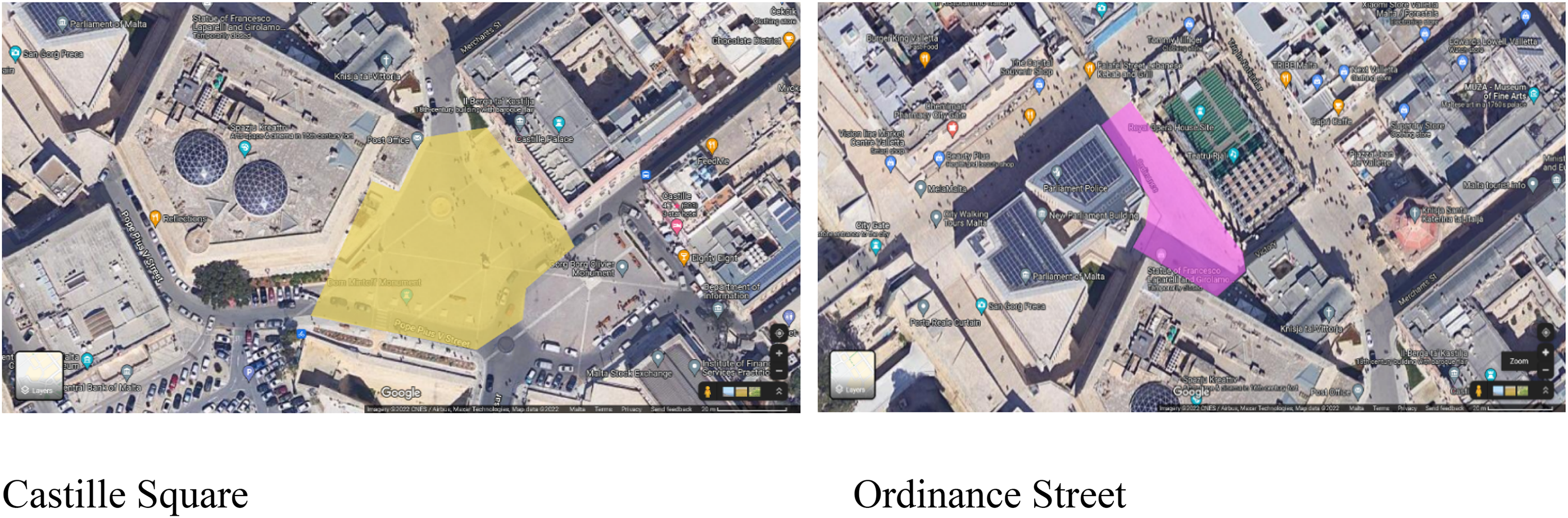
Culture Hint's algorithm forecasted visitor flows for upcoming periods, with these predictions automatically integrated into CH's optimisation engine. For Spazju Kreattiv, the engine proposed the optimal allocation of personnel outside the venue, strategically positioning them to engage passersby to encourage visitation. The focus was primarily on Castille Square, which experienced higher foot traffic compared to Ordinance Street and offered easier access to Spazju Kreattiv.
Research population and location
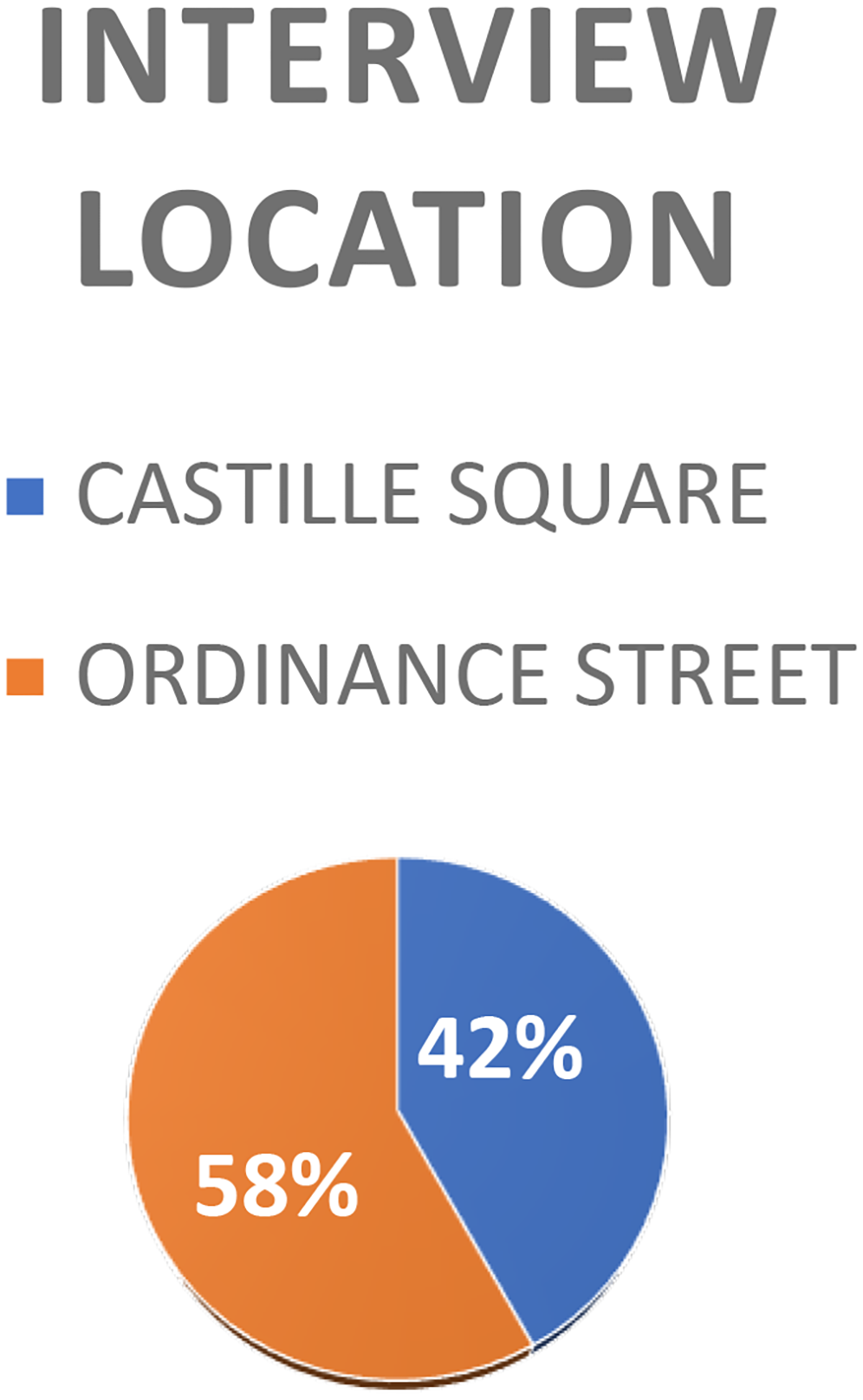
During the fieldwork phase of the study, a total of 280 valid survey responses were collected. Among these respondents, 118 individuals (42.5%) indicated that they were not residing in Malta at the time of the survey, suggesting that a significant proportion of the sample consisted of international visitors or temporary residents. In contrast, 161 respondents (57.5%) reported that they were living in Malta, thus representing the local population. This distribution allowed for a comparative analysis between resident and non-resident audiences, providing insights into differing patterns of cultural participation, motivations for visitation, and levels of awareness about Spazju Kreattiv and its offerings.
Among the respondents who reported residing in Malta, the majority were women, accounting for approximately 60% of this subgroup. This gender distribution suggests a higher level of engagement or willingness to participate in the survey among female residents. In terms of age, 55% of the Malta-based respondents were aged 50 years or older, indicating that middle-aged and older adults were more prominently represented in the sample. This demographic profile provided valuable insight into the characteristics of local cultural audiences and reflect broader patterns of cultural participation among older age groups in Malta. These findings also have implications for the development of targeted audience engagement strategies, particularly those aimed at sustaining or expanding participation among both women and older adults.
While the sample population may be skewed toward females over the age of 55, this demographic pattern is also reflective of broader characteristics of local cultural audiences in Malta, where older adults, particularly women, tend to participate more regularly in cultural and creative activities. Several studies and cultural reports in the Maltese context have noted that older age groups often demonstrate higher levels of engagement with traditional forms of cultural expression, such as heritage events, religious festivals, and community-based arts. The Cultural Participation Survey (2016) revealed that 67% of Maltese adults attended parish feasts, with older age groups showing particularly strong participation in village festas, Good Friday processions, and Carnival (Arts Council Malta, 2016). More recent surveys, including the Cultural and Creative Practice Survey 2024 (Arts Council Malta and National Statistics Office, 2024) also reported a high concentration of female respondents in the older age group (33.8%). In line with this, studies have further shown that seniors often play active roles in organising and interpreting cultural events, such as in the Active Ageing in Practice initiative, where older individuals serve as storytellers and cultural mediators (Cassar and Avellino, 2017). These findings support the view that the overrepresentation of older women in cultural surveys reflects genuine participation patterns in Malta's cultural landscape. This trend may be influenced by factors such as available leisure time post-retirement, established cultural habits, and a strong sense of community belonging. For this reason, the overrepresentation of this demographic in cultural participation surveys not only reflects the actual makeup of local audiences but also points to wider patterns in cultural consumption that merit consideration in the design of inclusive cultural policies.
The educational attainment among respondents revealed that the largest proportion, 41%, had completed secondary education. This suggests that a significant segment of the sample had formal schooling up to the compulsory level. Notably, 28% of respondents reported having attained tertiary-level education. This finding highlights a relatively well-educated cohort within the older population, which may correlate with higher levels of cultural awareness and participation.
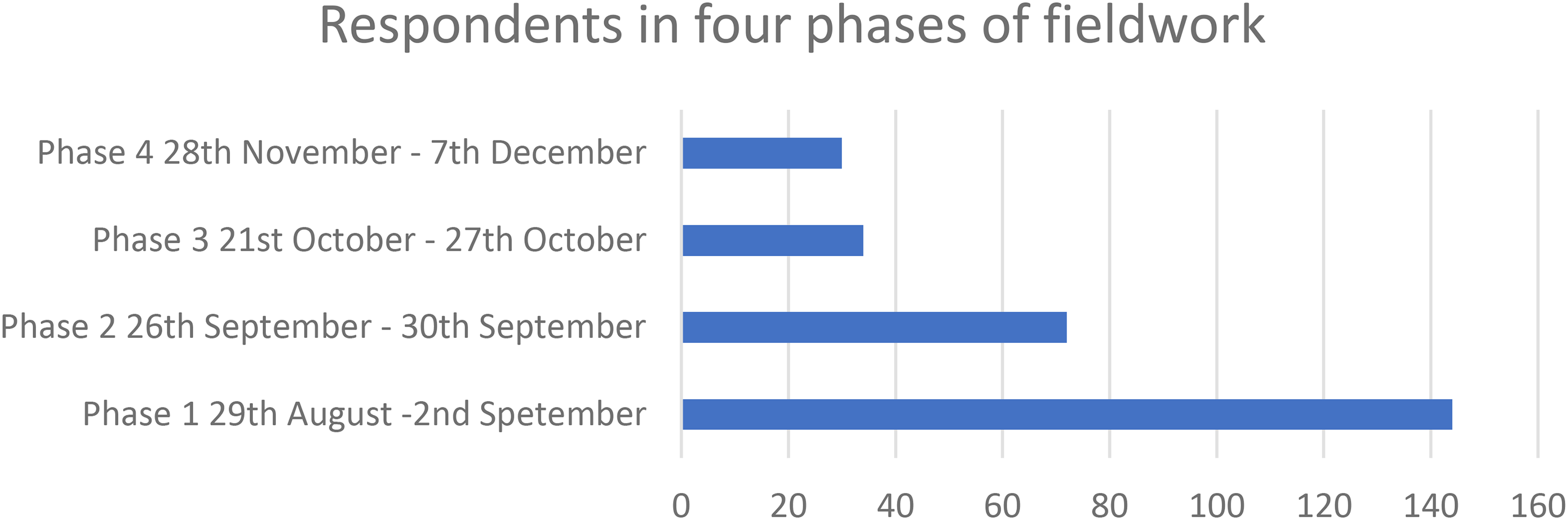
Phase 1: 144 responses
Phase 2: 72 responses
Phase 3: 34 responses
Phase 4: 30 responses
Total valid responses: 280
Findings
This section presents the findings from the mixed-methods approach, illustrating how survey data, sensor-based monitoring, and machine learning forecasts were combined to deliver ongoing, actionable recommendations to Spazju Kreattiv throughout the study. By triangulating insights from surveys with footfall data and predictive analytics, this study identified key barriers and opportunities for audience development, informed targeted interventions, and dynamically adjusted strategies in response to observed patterns. The iterative process enabled Spazju Kreattiv to implement evidence-based changes, ultimately resulting in an increase in visitation compared to the established benchmark.
The following section is organised into four parts. The first part presents the main results from the survey, focusing on visitors’ motivations for attending as well as the barriers they face. The second part discusses the key findings derived from sensor-based monitoring, which tracked footfall and movement patterns in the space. Following is an outline of the implementation of data-driven interventions at Spazju Kreattiv, explaining how insights from the data informed strategic changes. Finally, the last part evaluates the outcomes of these interventions, including the observed increase in visitor numbers.
The survey: Understanding visitor patterns and behaviour
An important first step was to ask participants about their primary reasons for visiting Valletta before introducing questions related to the specific cultural site under study. While the AI sensors used for monitoring footfall could not distinguish between locals and non-locals, this distinction was made possible using the survey. Among local respondents, the most commonly cited purposes for visiting Valletta included commuting to work, running errands, and shopping. In contrast, tourists reported visiting the city primarily to explore attractions and heritage sites, or simply to wander and experience the city without a fixed itinerary. Interestingly, tourists surveyed during the autumn of the study period were more inclined to visit Malta for cultural purposes as opposed to those who visited Malta in summer. The main purposes for visiting the city of Valletta, itself a UNESCO world heritage site, were for site and attraction visits, as the most common for culturally motivated respondents (n = 35) and for the non-culturally motivated (n = 17). Also, the idea of roaming around without any plan was equally important for tourist participants (n = 14 for culturally motivated, n = 22 for non-culturally motivated).
Results from the survey provided useful information for audience development. It outlined some of the factors influencing the likelihood of visiting a cultural site when walking past a cultural building. In effect, results pointed to the fact that the surveyed population reported that they would visit if events were free of charge.
Tourists were asked which sites in Valletta they had visited before the interview. While a majority indicated that they had not yet visited any specific sites, likely due to the timing of the interview coinciding with their arrival in the city, others mentioned having visited prominent landmarks such as the Upper Barrakka Gardens and various public squares. Notably, Spazju Kreattiv was mentioned less frequently than other museums and historic sites located nearby, suggesting a lower level of visibility or recognition compared to more established cultural attractions in the area.
The majority of tourist participants stated that they had not heard of or visited Spazju Kreattiv, yet expressed interest in visiting after receiving basic information. The lack of knowledge about the venue was evident in both culturally motivated and non-culturally motivated respondents.
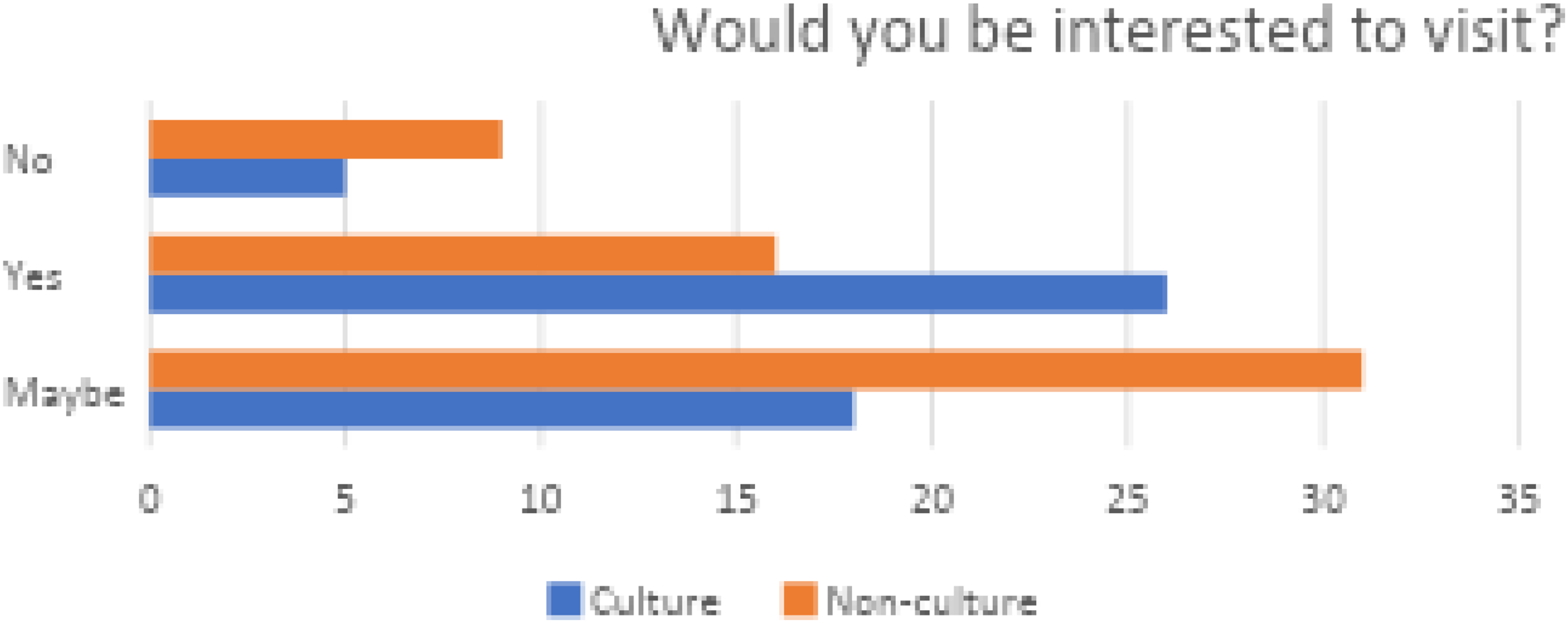
Local research participants maintained that they would visit the premises if events were free of charge. Another important factor was the availability of more time, with 55% of respondents stating that they were likely or highly likely to visit if they had more time. The most popular types of events to visit were musicals: performances (55%) and art exhibitions (48%).
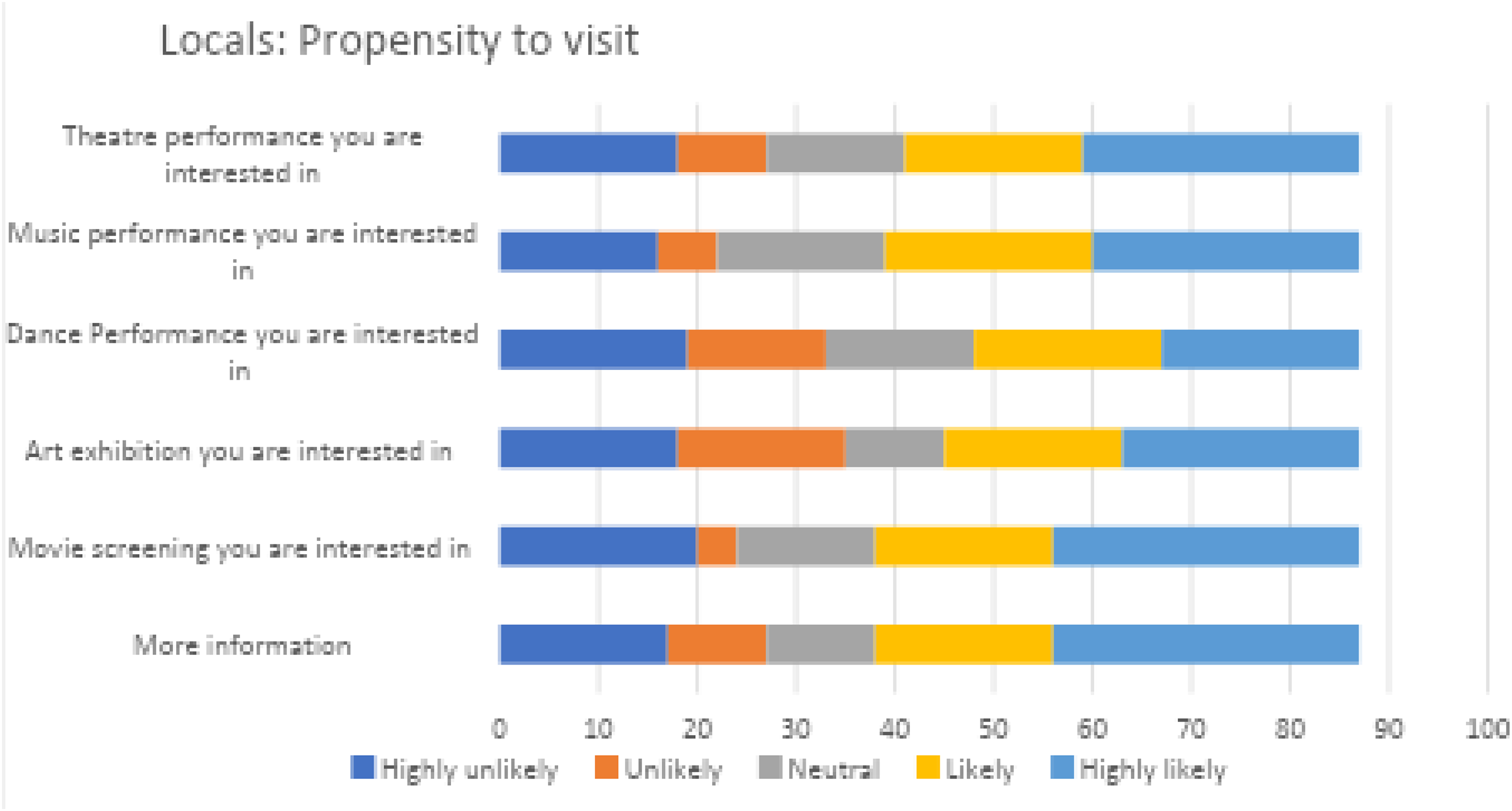
The data reveal key insights into cultural participation behaviours among respondents in Valletta. Among those who indicated they were highly unlikely or unlikely to attend an event even if it were free of charge, 76% also reported not having visited any cultural site or attraction in Valletta on the day of the interview. Conversely, 47% of respondents who stated they were highly likely or likely to attend a free cultural event had visited at least one other cultural site or attraction that same day.
In addition, half (50%) of local respondents who had never visited Spazju Kreattiv also reported not visiting any cultural site in Valletta on the day they were surveyed. These findings suggest a correlation between general cultural participation and the likelihood of visiting specific venues, even when cost is not a barrier.
Potential conversion was also tested and recorded during the distribution of the survey. At the end of the interview, respondents were given information about St James Cavalier as a historical building and Spazju Kreattiv. They were then invited to visit, and their response was recorded in one of the five stages of conversion observed by the interviewers.
The persistent awareness gap regarding Spazju Kreattiv among both local and international visitors must be contextualised within Valletta's broader challenges as a UNESCO World Heritage Site. Despite its inscription on the World Heritage List in 1980 and designation as European Capital of Culture in 2018, the Valletta Management Plan (Pace et al. 2023) acknowledges that the city faces ongoing recognition challenges, particularly regarding lesser-known cultural venues within its boundaries.
The Management Plan notes that while Valletta's World Heritage status “increases visibility nationally and internationally” (Pace et al., 2023, p. 44), this recognition primarily benefits major attractions such as St John's Co-Cathedral and the National Museums, leaving smaller cultural institutions like Spazju Kreattiv struggling for visibility.
The Plan's SWOT analysis identifies tourism concentration in central zones as a weakness, observing that “far less tourists roam the peripheral zones of Valletta where most of the residential units of the city are located” (Pace et al., 2023, p. 43), creating uneven distribution of cultural engagement. This aligns with our survey findings that even tourists visiting Valletta for cultural purposes remained largely unaware of Spazju Kreattiv's programming. Furthermore, the Management Plan emphasises that successful cultural tourism requires integrated approaches that bridge competing interests between heritage preservation and contemporary cultural programming, suggesting that venues like Spazju Kreattiv face structural challenges in achieving visibility in Malta's tourism ecosystem despite their location within a World Heritage context.
It is also worth noting that Malta and Valletta are often promoted to international visitors primarily as sun-and-sea destinations, which contrasts with what Spazju Kreattiv has to offer. The cultural value of this site lies more in its heritage as a fortified site, emphasising military history and architecture rather than contemporary creative programming.
Insights from computer vision sensor monitoring
To achieve a detailed, objective, and comprehensive understanding of non-visitor behaviour, the survey-based research was supplemented with the deployment of Culture Hint's FlowHint sensors. These sensors remained active throughout the entire research period to ensure continuous monitoring. The FlowHint sensors revealed patterns in pedestrian movement outside Spazju Kreattiv, both in Ordinance Street and Castille Square. Significant variations in footfall were observed at different times of the day and across different days of the week.
This data was then integrated into ML models designed to forecast short- and medium-term trends in foot traffic. The models incorporated temporal variables (such as time of day, day of week, and season), event schedules, and weather conditions to improve predictive accuracy.
Given that Castille Square consistently emerged as the busiest area surrounding Spazju Kreattiv, based on footfall data and movement pattern analysis, it was identified as a high-potential, strategic location for targeted outreach and audience development. The study's findings directly informed marketing and operational decisions, leading to the recommendation that staff presence and promotional activities be concentrated in this prominent, high-traffic zone.
By situating staff in Castille Square, the goal was to actively engage passersby, many of whom may not have been aware of Spazju Kreattiv's cultural offerings, and to bridge the gap between foot traffic and site visitation. This proactive approach was designed to increase public visibility of the site in question, provide immediate information to potential visitors, and encourage spontaneous attendance. The strategy also sought to address known barriers to visitation, such as lack of awareness or perceived inaccessibility, by meeting potential audiences where they already were. Ultimately, leveraging the dense and diverse footfall in Castille Square was seen as a critical step in expanding outreach, broadening audience demographics, and fostering greater participation in cultural heritage experiences at Spazju Kreattiv.
Implementation of AI-driven strategies at Spazju Kreattiv
The integration of AI-driven insights into Spazju Kreattiv's daily operations enabled a significant shift towards more dynamic and responsive resource management. Leveraging forecasts and sensor data, Spazju Kreattiv was able to optimise staff deployment in direct response to fluctuations in footfall outside the venue.
The use of AI-driven methodologies, specifically computer-vision footfall sensors and machine-learning forecasts, enabled the research team to pinpoint where and when large volumes of passersby lingered around Spazju Kreattiv, yet chose not to enter.
Consequently, one of the key interventions was the introduction of the Guest Relations Officer role, specifically designed to engage with potential visitors in Castille Square – the area identified as having the highest pedestrian flow. The machine learning forecasting algorithm provided recommendations on the optimal times for Guest Relations Officers to be present, and the survey revealed the most effective approaches for interacting with passersby. Researchers worked closely with Spazju Kreattiv to define the responsibilities and strategies for this new role, emphasising proactive, helpful engagement with the public.
Guest Relations Officers were tasked with informing, directing, and assisting individuals in the vicinity of Spazju Kreattiv. Their performance was closely monitored by tracking subsequent increases in footfall and visitation. This targeted, data-informed approach allowed Spazju Kreattiv to maximise the impact of its outreach efforts, ensuring that staff resources were allocated where and when they could make the most difference in attracting new audiences and enhancing the overall visitor experience.
Noteworthy results and impact
The implementation of AI-driven, data-informed strategies at Spazju Kreattiv yielded noteworthy results for audience development practice. For the first time in the local cultural sector, this research combined AI-powered computer vision monitoring with survey research. This dual approach enabled an understanding of not only who was not entering Spazju Kreattiv, but also forecasted the behaviours of non-visitors, transforming them from an invisible group into a strategic focus for audience activation.
By leveraging these insights, Spazju Kreattiv was able to pilot targeted non-audience activation through the deployment of Guest Relations Officers in Castille Square, directly engaging potential visitors at optimal times identified by the predictive models. Despite operational constraints and Guest Relations Officers’ shortages, which meant that only some of the recommended shifts could be executed, the impact was clear and measurable.
Using Spazju Kreatti's internal footfall benchmarks as a reference, this study observed a measurable impact following the implementation of AI-recommended staffing shifts. Specifically, on days when AI-informed recommendations were applied, average daily visitor numbers increased from 55 to 61 – an approximate rise of 11%.
While it is acknowledged that the physical number of additional visitors resulting from the Guest Relations Officer interventions may appear relatively modest in absolute terms, it is important to qualify this outcome within the specific operational context of Spazju Kreattiv. The AI-driven shifts on Castille Square achieved an 11% increase in visitation, which surpassed the project's set KPI. This result is not insignificant, particularly given that the Centre historically experienced very low levels of spontaneous footfall conversion from the surrounding high-traffic public spaces. Moreover, the research team faced practical constraints in fully resourcing the distribution of information flyers and in testing the intervention with a higher number of Guest Relation Officers’ shifts. The limited staff availability meant that only a portion of the suggested shifts could be implemented. This inevitably constrained the scale of impact that could be achieved during the pilot phase. Nonetheless, the testing demonstrated that combining AI-generated flow data with direct audience engagement can provide a practical, evidence-based method for shifting visitor numbers upwards, however incrementally. Crucially, the study's mixed methodology demonstrated how paired AI monitoring and forecasting with on-the-ground survey insights and live interventions offer an agile approach that may help cultural sites better understand baseline conditions and test realistic scenarios for audience development. In this regard, while the numerical increase was modest, the findings validate the potential for AI tools when integrated with human-centred strategies to inform smarter resource allocation and incremental growth in visitation, even in sites that historically face physical or perceptual barriers to entry.

The table compares average daily visitor numbers at Spazju Kreattiv between the benchmark period and the days on which AI-recommended Guest Relations Officer shifts were in place. Over the benchmarking period (between August 25 and October 24), the average was 55 visitors per day. On days when AI-recommended staff shifts were implemented, the average increased to 61 visitors per day. Overall, this represents an 11% improvement in daily visitation, demonstrating the positive impact of the AI-driven intervention. The average duration of these shifts was approximately 2.78 hours.
The baseline measurement period was conducted without Guest Relations Officer deployment, following specific requirements established by Spazju Kreattiv management. This methodological approach reflected organisational concerns that continuous Guest Relations Officer presence would likely increase visitor numbers but would represent inefficient resource allocation. The average Guest Relations Officer shift duration of 2.78 hours represented a limited intervention compared to standard full-day staffing models. Prior to this study, no systematic forecasting of peak pedestrian activity periods around the venue had been conducted, consequently no staff had been positioned in external locations for engagement. The study recognises this methodological limitation and suggests that future research could incorporate randomised Guest Relations Officer interventions for comparison with AI-recommended deployment schedules. However, the research team acknowledges that random timing interventions would impose additional costs on host institutions and may encounter operational resistance. The observed 11% increase in visitation represents a statistically significant improvement that Spazju Kreattiv management considered substantial given the challenging baseline conditions and resource constraints of the venue.
The numerical outcomes presented in this case study provide a foundation for modelling similar interventions across cultural venues with varying visitor volumes and operational costs. Within the specific context of Spazju Kreattiv, where admission is free, management priorities focus on visitor engagement and participation rather than revenue generation. Commercial cultural venues operating with ticketed admission may utilise these findings as a reference framework to estimate potential financial returns when implementing comparable AI-driven audience development methodologies.
Recommendations
This project not only set a new standard for integrating AI and audience research in the cultural sector but also provided concrete evidence that such innovations can effectively convert non-visitors into audiences, driving measurable growth in participation. Cultural institutions can make use of AI technologies, particularly machine learning models, to forecast and interpret audience behaviour in ways that were previously not possible. One of the most immediate applications is the ability to predict peak visitor times. By analysing attendance data, AI systems can identify consistent patterns, such as increased footfall during specific seasons, and forecast future attendance with a high degree of accuracy. This insight allows institutions to prepare staff, resources, and space more effectively, enhancing both visitor experience and operational efficiency.
In addition to highlighting when institutions are likely to be busiest, AI can also be used to identify underused time slots or physical areas within a venue, such as galleries or exhibition spaces that receive little traffic. These insights enable strategic scheduling of events, special exhibitions, or targeted promotions designed specifically to redistribute visitor flow more evenly across time and space, avoiding overcrowding and underuse.
Moreover, similar to this research on Spazju Kreattiv, AI makes it possible to simulate audience growth by modelling the potential impact of specific interventions. For instance, before launching a new marketing campaign or changing programming strategy, institutions can use AI simulations to project how such changes may influence future attendance figures. This helps decision-makers evaluate the return on investment of audience development initiatives without needing to rely solely on trial-and-error.
Statistical analysis can also detect correlations that may not be obvious through observation alone. For example, it might reveal that a particular type of social media post consistently leads to an uptick in visits, or that exhibitions on certain topics draw higher numbers from specific demographics. Understanding these connections empowers institutions to refine their outreach and content strategies for maximum impact.
Classification models can be applied to categorise audience types according to behaviour or demographics, helping institutions target and personalise communication. Clustering algorithms are also effective for audience segmentation, grouping visitors with similar behaviours or preferences to tailor experiences and improve satisfaction.
The Spazju Kreattiv model demonstrates that cultural institutions of any size can harness AI for measurable audience development through two core technologies among those discussed above: computer vision monitoring and machine learning forecasts. The first component (GDPR-compliant computer vision sensors) provides continuous, anonymous tracking of pedestrian flows around the venue, eliminating the participation bias inherent in app-based or beacon-distributed studies. The second component (ML forecasting models) processes this footfall data alongside leading variables (time, weather, events) to predict optimal intervention windows.
At Spazju Kreattiv, this approach enabled targeted deployment of Guest Relations Officers during high-potential periods, resulting in an 11% increase in daily visitation compared to the benchmark. Cultural venues can replicate this success: modern plug-and-play sensor systems require minimal technical expertise to install, while cloud-based ML platforms can process the data and generate actionable recommendations within weeks of deployment. The key is combining technological insights with human engagement: using AI to identify when and where to position staff for maximum conversion impact. This scalable, cost-effective methodology offers cultural institutions a proven pathway to evidence-based audience development, regardless of their size, budget, or technical capacity. In sum, these AI tools enable cultural institutions to become more data-driven, proactive, and responsive in how they attract, serve, and retain diverse audiences.
Planning the calendar of events around footfall data
While calendar planning based on footfall data was not implemented during this research phase, it emerged as a key recommendation for Spazju Kreattiv's future audience development strategy. The application of AI-driven technologies can enable a transformation in the planning calendar of events, based on the consumptive and forecasted patterns of non-visitors and visitors. Combining AI with audience development techniques opens up transformative possibilities for how cultural institutions plan, curate, and promote their programming.
One particularly powerful application lies in using AI to shape the calendar of events, ensuring that cultural offerings are strategically aligned with predicted audience behaviour, community needs, and engagement. AI devices can analyse historical footfall trends across different times of the year, week, or even times of day. By layering this data with external variables (like school holidays, tourism seasons, or public transport availability), institutions can strategically plan their calendars to maximise engagement. For instance, if footfall is typically low in early February, an AI model might suggest scheduling a family-friendly exhibition or festival at that time to drive attendance. Conversely, during peak months (summer), premium, high-demand events could be scheduled to take advantage of naturally higher foot traffic.
When survey data obtained in this research was combined with AI systems, it added a qualitative dimension to quantitative footfall data. This information can directly influence the calendar: if surveys show that exhibitions with strong community participation have higher visitor satisfaction and better return rates, institutions can plan more of these events during periods when AI has predicted lower visitation. Based on knowledge obtained from this research, cultural calendars became more responsive and adaptive, driven by AI analysis and forecasts.
Conclusion
This article presented a case study examining the application of artificial intelligence tools in the cultural sector, highlighting how such technologies can support data-driven decision-making, enhance audience engagement, and optimise operational strategies in cultural institutions. Focused on Spazju Kreattiv in Malta, and its surrounding area as a case study, the research showed how AI tools can be effectively applied to monitor and forecast cultural participation in heritage and cultural sites. AI-enabled footfall monitoring revealed significant temporal variability in pedestrian traffic across the area, outlining the importance of data-driven insights for effective strategic planning. In particular, the use of AI-informed promotional shifts at Castille Square led to an 11% increase in visitation, exceeding the set benchmark on the KPI and demonstrating the potential of AI for improving audience development outcomes.
Despite the location's centrality and high visibility, the survey results highlighted a persistent awareness gap regarding Spazju Kreattiv among both cultural and non-cultural tourists. Among non-cultural tourists, only 4 out of 61 were aware of the site, and just 7 out of 56 cultural tourists had previously heard of it. However, when respondents were informed about the building's historical and cultural significance, many indicated a willingness to visit, suggesting that awareness campaigns, strategically timed and targeted using AI-generated visitor patterns, could significantly improve cultural participation.
The study's mixed-methods design enabled a nuanced understanding of visitation. AI provided consumptive data and forecasts on visitor flows, while survey data offered context on motivations, perceptions, and barriers to visitation. Together, these insights point to the value of combining technology and sociological inquiry to enhance audience outreach. That said, limitations such as the relatively modest survey sample size and the relatively low visitor numbers at Spazju Krreativ must be considered when interpreting the broader applicability of the findings.
A further limitation concerns the generalisability of the findings. The study focused on a single cultural venue located in a specific urban context, with unique spatial, social, and cultural dynamics. Factors such as the physical layout of Spazju Kreattiv, the characteristics of Castille Square, and the patterns of local pedestrian traffic may not be directly comparable to other cities or cultural institutions. For this reason, caution should be exercised in extrapolating these results to different settings without considering local variations in audience behaviour, public space usage, and institutional capacity. Future research should address these limitations by conducting multi-site studies, exploring longitudinal impacts, and developing scalable models that can be tailored to the specific needs and constraints of diverse cultural organisations.
Footnotes
Acknowledgements
The study is based on a project nationally funded by the Malta Digital Innovation Agency and spearheaded by Malta's Superintendence of Cultural Heritage. The project research partners were Culture Hint and Culture Venture. Spazju Kreattiv, Malta's national arts centre in Valletta served as the research subject.
Funding
The authors disclosed receipt of the following financial support for the research, authorship, and/or publication of this article: This work was supported by the Superintendence of Cultural Heritage, Malta, and funded by the Malta Digital Innovation Agency.
Declaration of conflicting interests
The authors declared no potential conflicts of interest with respect to the research, authorship, and/or publication of this article.

Correction (October 2025):
The affiliation for author Toni Attard has been corrected from “Venture, Zurrieq, Malta” to “Culture Venture, Zurrieq, Malta”.