




Abstract
Background:
Sex communication within family and relationships is an essential aspect of the sexual and reproductive health (SRH) of the individual. Family sex communication orientation is the degree to which families engage in open and supportive discussions about sex. In contrast, dyadic sexual communication is the exchange of sexual preferences, boundaries, and desires between partners in a romantic relationship.
Materials and Methods:
This article aimed to study the influence of family sex communication orientation and gender on dyadic sexual communication among emerging adults in romantic relationships. A total of 175 participants, comprising 89 females and 86 males aged between 18 and 25, were included in the study. Data was collected using the Family Sex Communication Quotient (FSCQ) and the Dyadic Sexual Communication Scale (DSCS). The hypothesis was tested using Two-way ANOVA.
Results:
Results showed a significant influence of family sex communication orientation on dyadic sexual communication (P = .052). However, neither gender (P = .582) nor the interaction of family sex communication orientation and gender has a significant influence on dyadic sexual communication (P = .176) among emerging adults.
Conclusion:
The findings suggest that while family sex communication influences the sexual communication of couples, its impact is consistent across genders. The results indicate the need for further research to deepen the understanding of other factors of sexual communication. It also implies the importance of bringing the concepts of family sex communication into couple and family counseling.
Keywords
Introduction
Understanding the impact of family communication on individual behaviors has long been a focal point in developmental psychology. As primary sources of information, parents play a crucial role in shaping various domains of a child’s development. This influence extends significantly to sexual and reproductive health (SRH) education. According to Vygotsky’s theory of social interaction, early interactions with caregivers are fundamental to cognitive development. 1 Despite its importance, communication about sex within families is often limited, particularly in contexts where such discussions are considered taboo, as seen in many parts of India. Emerging adulthood, a transitional phase between adolescence and full adulthood, is marked by significant decisions and relationship dynamics influenced by earlier family interactions. 2 The Family Communication Patterns Theory 3 and Social Learning Theory 4 provide frameworks for understanding how family communication patterns and observed behaviors shape individuals’ sexual attitudes and interactions.
While family is a critical site for early sexual socialization, communication about sex must be viewed within a broader ecological and intergenerational framework. According to Family Systems Theory, 5 patterns of communication, particularly those involving sensitive topics such as sex, are transmitted across generations, shaped by family roles, hierarchies, and emotional dynamics. Bronfenbrenner’s (1979) Social Ecological Model further expands this understanding by placing the family within a larger network of influences, including peers, schools, media, and cultural institutions. 6 These systems collectively form an ecosystem in which sexual knowledge is shared, silenced, or distorted. In India, where cultural norms often inhibit open discussions around sexuality, this multi-layered ecosystem becomes especially significant in shaping how adolescents and emerging adults receive and internalize sexual information.
Evidence from Indian research also highlights these broader influences. A recent study on adolescents with and without sex education found significant behavioral differences; those with access to formal education demonstrated greater awareness and healthier sexual decision-making, underscoring the role of schools as vital sites of intervention. 7 Another study showed that family structure and parental involvement significantly impacted sexual assertiveness and awareness among Indian young adults, suggesting that family communication interacts with broader social contexts to shape sexual attitudes. 8
This study explores two key variables: family sex communication orientation and dyadic sexual communication. It examines how family sex communication orientation interacts with gender to influence sexual communication in romantic relationships among emerging adults. Family sex communication orientation refers to the degree to which families engage in open and supportive discussions about sex. It encompasses dimensions such as comfort, information, and value, which reflect the ease, adequacy, and importance of sexual communication within the family. 9 Dyadic sexual communication involves the exchange of sexual preferences, boundaries, and desires between partners in a romantic relationship. Effective dyadic communication is essential for relationship satisfaction and intimacy.
The relationship between family sex communication orientation and dyadic sexual communication is hypothesized to be significant. It is expected that individuals who experience open and supportive sexual communication within their families will exhibit more effective and comfortable sexual communication with their romantic partners. Gender differences are also anticipated to play a role, with variations in communication patterns and comfort levels potentially influencing the quality of dyadic sexual communication.
Previous research has highlighted various aspects of family sex communication and its effects on sexual attitudes and behaviors. Abboud et al. investigated family sex communication among Arab American young adults and found that such communication was rare and often uncomfortable, with gender differences in communication topics. 10 Women reported less comfort compared to men, and many perceived their parents as conservative and less knowledgeable about sex.
In a study by Meenakumari et al. in Rajasthan, India, gender differences in family sex communication were explored using the Family Sex Communication Quotient (FSCQ) scale. The findings indicated that adolescent girls felt they could openly talk about sex within the family and believed they learned more about sex through family discussions compared to boys. In contrast, adolescent boys viewed the family as an important source of sexual knowledge, even more so than girls, but did not report the same level of openness in communication. 11 These results suggest varying experiences of family sex communication based on gender.
Regarding dyadic sexual communication, Galizia et al. tested a mediation model showing that high-quality dyadic sexual communication is associated with increased sexual satisfaction and reduced perceived sexual desire discrepancies. 12 Similarly, Bibby and Davila found that higher perceived sexual communication quality was linked to greater daily sexual satisfaction among couples. 13 These studies underscore the importance of effective sexual communication in enhancing relationship satisfaction and emotional connection.
Despite the valuable insights provided by existing research, several gaps and inconsistencies remain. There is a lack of empirical studies specifically examining the combined effects of family sex communication orientation and gender on dyadic sexual communication, particularly in the Indian context. Most previous research has either focused on parental perspectives or small-scale qualitative studies, limiting the generalizability of findings. Additionally, few studies have addressed how family communication patterns influence sexual communication with romantic partners among emerging adults.
This article attempted to fill these gaps by examining how different levels of family sex communication orientation and gender impact dyadic sexual communication. By focusing on emerging adults, this research has provided a clearer understanding of how family communication influences intimate relationships and contributes to the development of targeted interventions. The findings are expected to offer valuable insights for improving sexual health education and communication practices, both within families and in romantic relationships. This article aimed to examine the influence of family sex communication orientation and gender on dyadic sexual communication among emerging adults who are in a heterosexual romantic relationship.
Materials and Methods
Settings and Participants
A non-experimental comparative factorial design was used, with a 3 × 2 factorial structure involving family sex communication orientation (high, moderate, and low) and gender (male and female). The sample consisted of 175 emerging adults aged 18-25, who were recruited using convenience sampling techniques. All participants in the study self-identified as cisgender and heterosexual. Therefore, references to gender in this manuscript pertain to participants’ lived gender identity, which in this sample aligns with their sex assigned at birth. The participants included approximately equal numbers of males and females, with 86 males and 89 females represented. Among the 175 participants, 95 were in relationships lasting between 6 months and 2 years, while 80 had been in relationships for more than 2 years. All participants met the inclusion criteria of being in a heterosexual romantic relationship for at least 6 months and currently residing in India.
Data Collection and Analysis
Data were collected using the FSCQ, the Dyadic Sexual Communication Scale (DSCS), and a sociodemographic sheet. The FSCQ is a 5-point Likert scale (1 = strongly disagree to 5 = strongly agree) with 18 items across three dimensions: comfort, information, and value. 14 It gauges family comfort in discussing sex between parents and children and has good reliability (Cronbach’s α = 0.92). 15 Six items are reverse scored, resulting in total scores ranging from 18 to 90, interpreted as low (18-39), moderate (40-69), and high (70-90) family sex communication orientation. The DSCS is a 13-item scale using a 6-point Likert scale (1 = disagree strongly, 6 = agree strongly) to assess perceptions of sexual discussions with partners. 16 It has good internal consistency (Cronbach’s α = 0.81 overall, 0.83 for cohabiting couples) and adequate test-retest reliability (α = 0.89), with significant discriminant validity (P = .001) between individuals with and without sexual issues. Total scores range from 13 to 78, with higher scores reflecting better dyadic sexual communication. Internal norms were established for interpreting DSC levels, and data were analyzed using SPSS version 21 with two-way ANOVA for hypothesis testing.
Ethical Considerations
This article is part of the first author’s postgraduate dissertation. It was approved by the institution’s Research Advisory Committee. All the necessary ethical considerations were ensured in this study. It includes obtaining informed consent, ensuring confidentiality and anonymity, maintaining respect for all participants, and various ethical and legal considerations for reporting and publication. Participants were informed of their right to withdraw, and data were securely stored and reported honestly.
Results and Discussion
The collected data was analyzed and discussed. Descriptive analyses were done to explore the profile of the sample and the occurrence of study variables among them. Two-way ANOVA was done to test the hypothesis to explore the influence of family sex communication orientation and gender on dyadic sexual communication among the sample.
Table 1 shows that while a little over half the participants engaged in sex communication with parents, most reported only moderate levels of family sex communication orientation. The following figure discusses the various topics of sexual communication of participants with their parents.
Frequency Analysis of Variables on Sex Communication of Participants with Parents (N = 175).
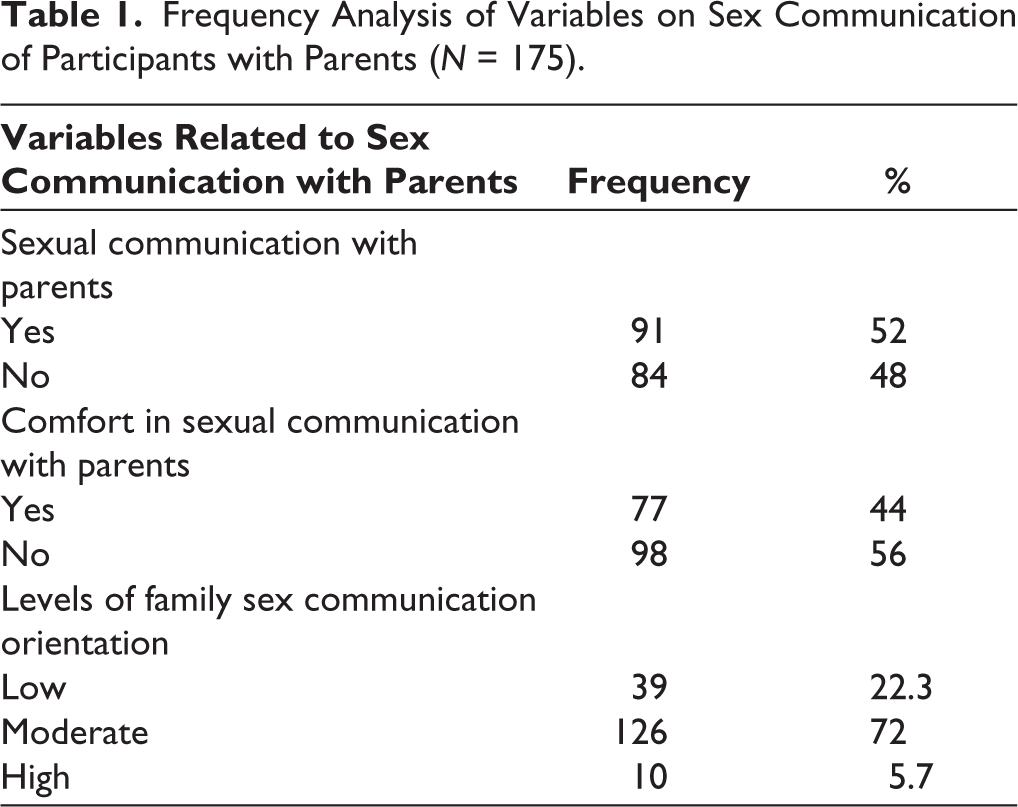
Figure 1 depicts the distribution of both male and female participants on the topics of sexual communication with their parents. The data indicate that female emerging adult participants reported higher levels of communication on most topics compared to male emerging adult participants. As observed, menstruation was the most frequently discussed topic among female emerging adults (n = 81) compared to male emerging adults (n = 50). Pregnancy was also more commonly discussed by female emerging adults (n = 56) than by male emerging adults (n = 47). Other topics, such as fertilization (females n = 20; males n = 13), sexual intercourse/activities (females n = 27; males n = 15), and sexually transmitted diseases (STDs) (females n = 25; males n = 19), followed a similar trend, with female emerging adults reporting more communication on these topics. Interestingly, birth control was discussed equally among male and female emerging adults (n = 22 for both), indicating that this topic might be seen as equally relevant regardless of gender. On the topic of abortion, more male emerging adults reported talking about it (n = 28) compared to female emerging adults (n = 23). Homosexuality was another topic where female emerging adults reported more communication (n = 36) compared to male emerging adults (n = 27). A notable finding is that a higher number of male emerging adults reported having no communication on these topics at all (n = 29) compared to female emerging adults (n = 7), suggesting that males might be less likely to engage in sexual communication with their parents across these topics. This distribution highlights gender differences in the topics of sexual communication with parents, with female emerging adults generally reporting more communication on these topics than male emerging adults, except for abortion and birth control, where communication levels were more comparable or slightly higher among male emerging adults. Similar results have been observed across different populations. A research study conducted among American parents of children aged 10-14 years revealed that fathers engage in significantly less communication with their children than mothers do. 17
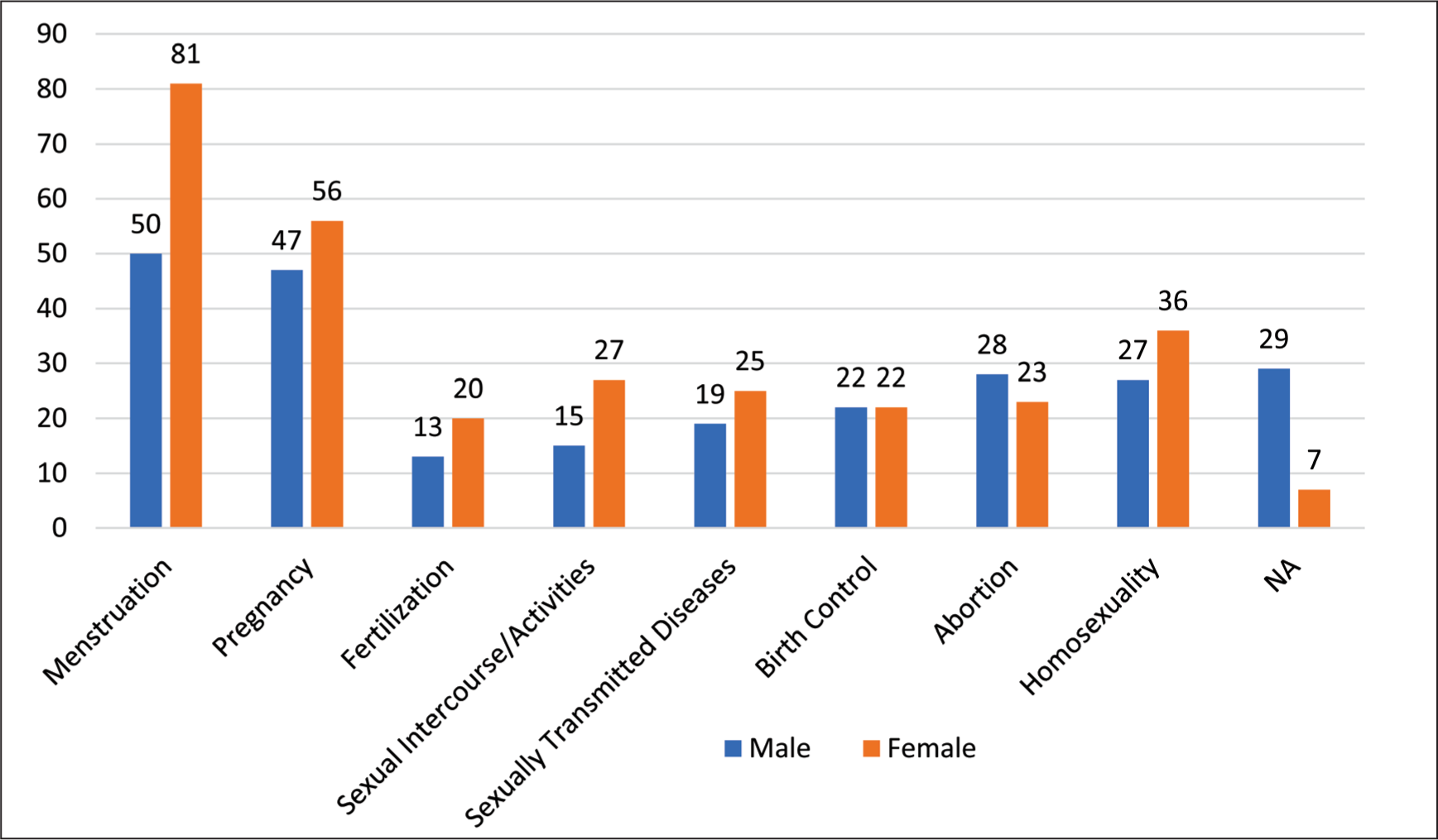
Table 2 demonstrates that the majority of the participants were engaging in sex communication with their partners, and they were comfortable in that process. The levels of dyadic sexual communication among the participants show that the majority fall in the category of moderate level of sexual communication. The following figure explains the various topics of sexual communication of participants with their partners.
Frequency Analysis of Variables on Sex Communication of Participants with Partners (N = 175).
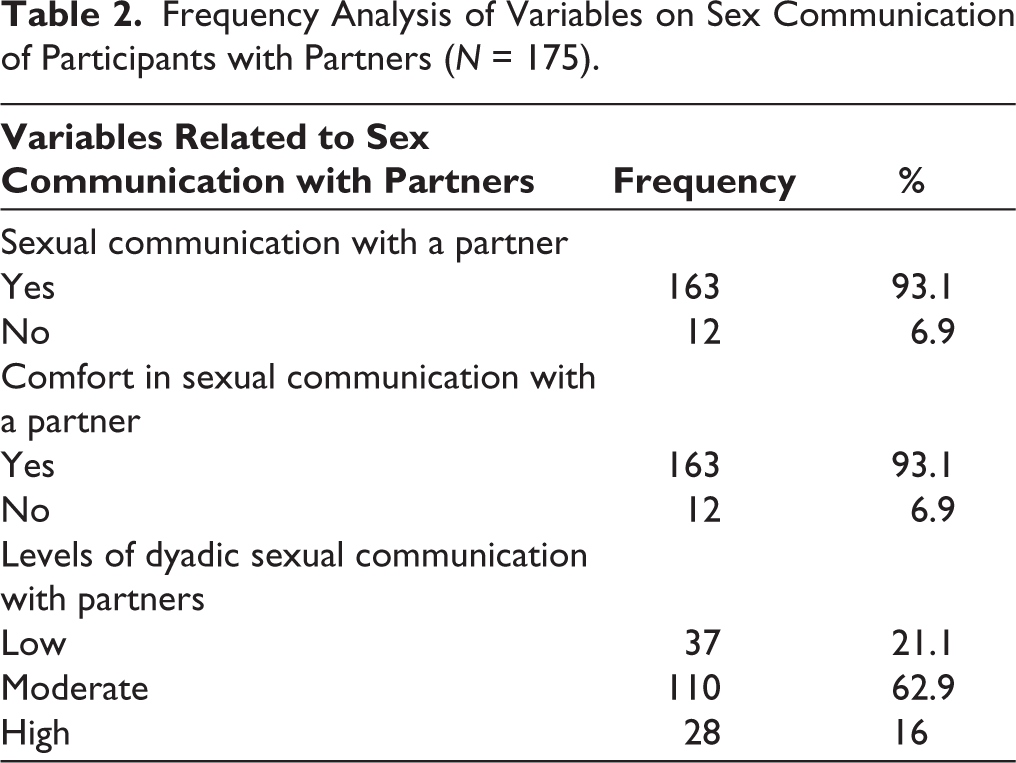
Figure 2 portrays the distribution of both male and female emerging adult participants on the topics of sexual communication with their partners. The data shows that both male and female participants engage in sexual communication on a wide range of topics with their partners, with some variations between genders. Menstruation was discussed nearly equally among male emerging adults (n = 83) and female emerging adults (n = 81), indicating that this topic is commonly addressed by both genders in their relationships. Similarly, pregnancy was frequently discussed by both male emerging adults (n = 81) and female emerging adults (n = 78), showing a high level of communication about reproductive health. Topics such as sexual intercourse/activities were also widely discussed by both genders, with female emerging adults (n = 85) slightly more likely to discuss this topic than male emerging adults (n = 79). Communication about STDs was more frequent among female emerging adults (n = 72) compared to male emerging adults (n = 63), reflecting a slightly higher tendency among female emerging adults to address sexual health concerns. For topics such as birth control, the distribution was nearly even, with 66 male and 62 female emerging adults reporting discussions, indicating that contraception is a shared concern in partnerships. Fertilization and abortion were also discussed relatively equally by both genders, with slightly more female emerging adults (n = 56 for fertilization, n = 52 for abortion) reporting these conversations compared to male emerging adults (n = 52 for fertilization, n = 55 for abortion). When it comes to the topic of homosexuality, female emerging adults (n = 62) were more likely to discuss this with their partners compared to male emerging adults (n = 52). Last, only one female emerging adult participant reported not having any sexual communication with her partner on these topics (NA, n = 1), while all male emerging adult participants engaged in at least one of the topics listed. Overall, the data suggests that both genders are actively engaged in sexual communication with their partners across various topics, with some differences in the frequency of certain discussions. However, the communication patterns are largely comparable between male and female emerging adults, reflecting a broad willingness to discuss a wide range of SRH topics within their relationships.
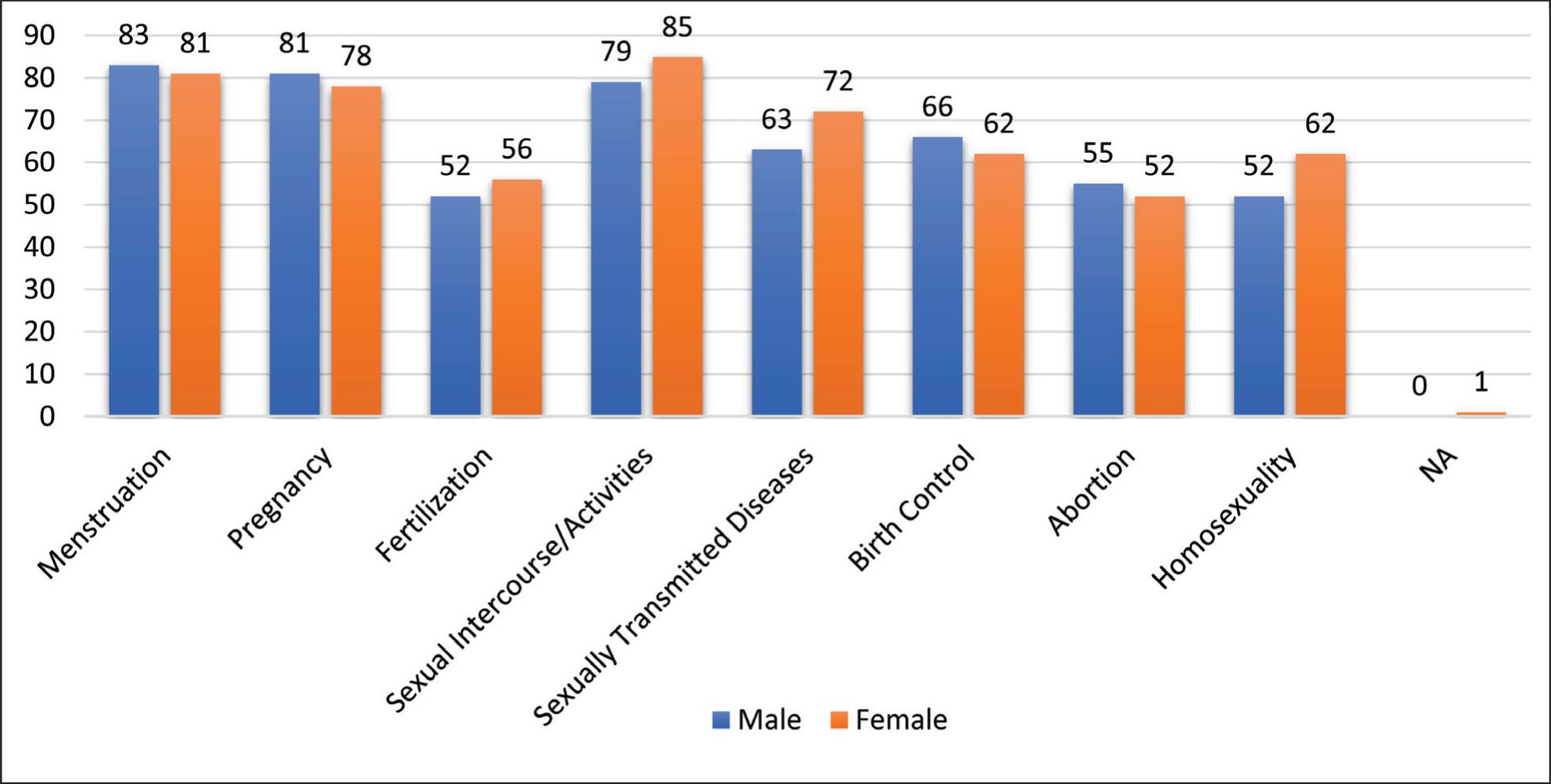
Table 3 indicates that participants with higher levels of family sex communication orientation generally reported higher mean scores on dyadic sexual communication. This trend was observed across both men and women, though individual variations existed.
Descriptive Statistics: A Test of Homogeneity of Variances of Dyadic Sexual Communication.
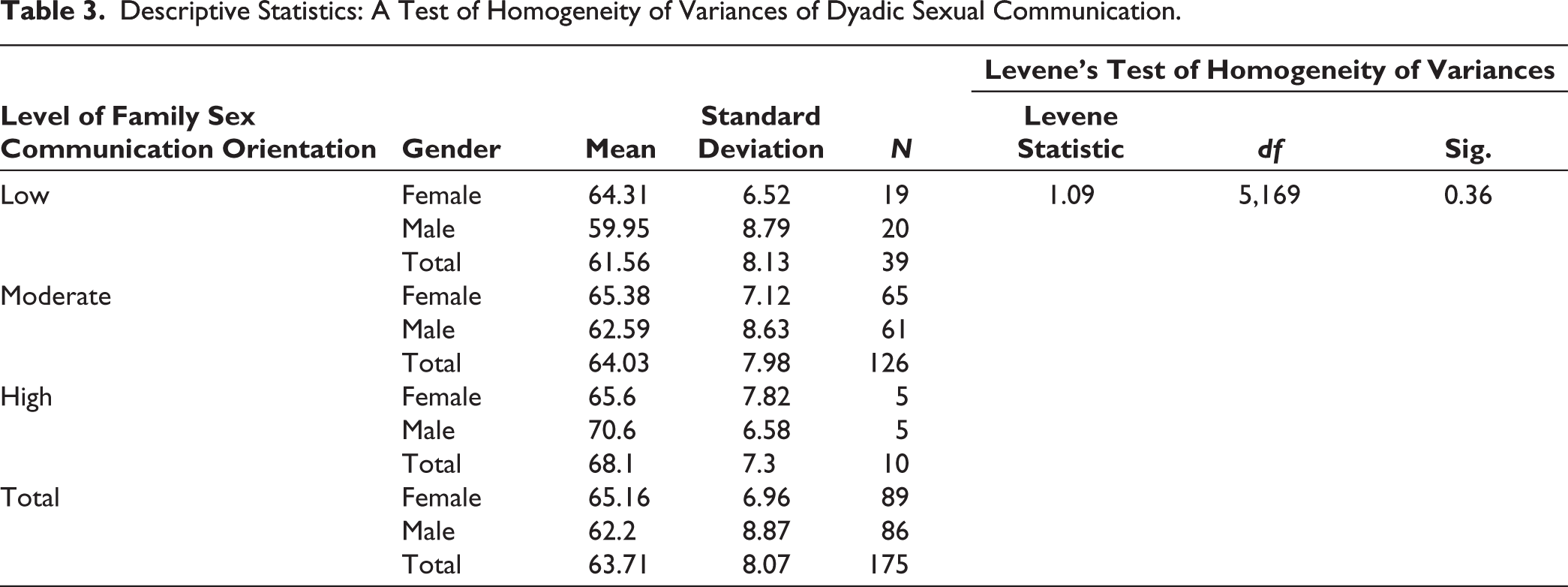
The results indicate that Levene’s statistic for dyadic sexual communication is 1.09 (df = 5,169) and is not significant (P = .360), indicating that there are no significant differences in variances across the groups. This suggests that the assumption of homogeneity of variances for two-way ANOVA analysis is met.
Table 4 provides the results of the two-way ANOVA analysis examining the main effects of family sex communication orientation and gender, along with their interaction effects on dyadic sexual communication. The ANOVA results suggest a marginally significant main effect of family sex communication orientation on dyadic sexual communication, but no significant effects for gender (sex assigned at birth) or interaction effects. These results provide insights into how family sex communication orientation influences dyadic sexual communication and highlight areas for further research where the factors that influence sexual communication can be explored and studied.
Tests of Between-subjects Effects: Two-way ANOVA Analysis.

Discussion
The study’s findings underscore the significant role of family sex communication orientation in shaping dyadic sexual communication among emerging adults, though the results also reveal considerable insights. The significant influence of family sex communication orientation on dyadic sexual communication (P = .052) supports the hypothesis that more open family discussions about sex correlate with better communication within romantic relationships. This aligns with previous research that highlights how family communication can influence sexual behaviors and communication skills. 18 However, the lack of significant differences in dyadic sexual communication based on gender (P = .582) and the absence of a significant interaction effect between family sex communication orientation and gender (P = .176) suggest that gender may not be a primary factor in how family communication affects sexual communication with partners. This is supported by recent literature that found decreasing gender differences in sexual communication among couples. 19
Another major finding of the study was that female emerging adults are more engaged in sexual communication on various topics with their parents than male emerging adults. The finding is both supported and contradicted by existing literature. For instance, Meenakumari et al. found that adolescent girls in Rajasthan, India, felt they could discuss sex more openly within their families as compared to boys, which aligns with the present study. 11 However, other studies have reported contrasting results. For example, Abboud et al. who researched Arab American young adults found that young women in their study were less comfortable than men in discussing sexual topics with their parents, which contradicts the present finding. 10 Various sociocultural factors can play a significant role in the opposing result.
It was also found that the majority of the participants, including both males and females, are equally engaged in sexual communication on various topics with their partners. This finding is supported by existing literature. MacNeil and Byers found that sexual communication was associated with higher levels of relationship satisfaction, with no significant differences between genders in their communication patterns. 20 This aligns with the current study’s result.
It was found that the most commonly spoken about topics in sexual communication of participants with their parents were menstruation, pregnancy, and homosexuality, while the topics that were talked about the least were fertilization, sexual intercourse/activities, and STDs. It was found that topics such as contraception and safe sex were often less frequently discussed, especially when compared to biological or less explicit topics. 21 However, other topics, such as homosexuality being commonly discussed, have been less explored in earlier research, indicating a potential shift in modern parent-child communication patterns that may not have been widely captured in previous studies. Another research study highlighted that specific topics, such as birth control and STD prevention, were often avoided or discussed less openly in conservative or less communicative families, contrasting with more frequently covered subjects such as menstruation. 22
Similarly, the most commonly discussed topics in the sexual communication of participants with their partners were menstruation, pregnancy, and sexual intercourse/activities, while the topics least talked about were fertilization, abortion, and homosexuality. Despite the significance of sexual communication in relationships, there have not been enough studies exploring the specific topics discussed between partners, highlighting a gap in the existing literature that warrants further investigation.
These patterns may reflect the influence of sociocultural norms and comfort levels in Indian society. Topics such as menstruation and pregnancy are often seen as “appropriate” or biologically necessary to discuss, especially within the context of marriage or family. In contrast, topics such as sexually transmitted infections, abortion, and homosexuality tend to be more stigmatized and are often avoided due to cultural taboos, discomfort, or lack of accurate knowledge. This reflects a broader pattern in sexual cultures where heteronormative and reproductive themes dominate, while other critical areas of sexual health and identity are sidelined. Such selective communication may restrict comprehensive sexual understanding, leaving significant gaps in knowledge. These findings highlight the need for culturally sensitive sex education programs and family-based interventions that normalize open conversations across the full spectrum of sexual health topics.
In addition to using validated instruments and robust statistical analysis, a key strength of this study lies in its focus on emerging adults within the Indian sociocultural context, an understudied population in sexual communication research. By exploring both family-based and dyadic sexual communication, the study offers a more holistic understanding of how early communication experiences shape adult romantic interactions. Integrating gender-based patterns and family communication orientation adds depth to the analysis and provides valuable insight for culturally sensitive intervention and education strategies. However, limitations include its cross-sectional design, which prevents causal inferences, and potential biases from self-report measures. Additionally, the sample was recruited using convenience sampling from primarily urban, educated, and digitally connected populations, which limits the generalizability of the findings to the wider population, particularly those from rural or underrepresented backgrounds. Future research should address these limitations by employing longitudinal designs, diverse samples, and mixed-method approaches to deepen the understanding of these dynamics. Although data on sociodemographic and socioeconomic background were collected, they were not analyzed in depth due to time and resource constraints. Future researchers are encouraged to build on this study by exploring the influence of variables such as class, region, religion, and intersectional identity on sexual communication patterns. Comparative research between Indian and other Asian or Western contexts may also reveal important cultural nuances. Expanding the scope to include non-cisgender and LGBTQIA+ individuals would further enrich the discourse and contribute to more inclusive and representative models of sexual communication in emerging adulthood.
Implications
The findings of this study offer valuable implications for educational, clinical, and policy-based interventions. While family communication is a critical influence on sexual communication outcomes, it operates within a broader ecosystem that includes schools, peers, media, and public health frameworks. To address the limited scope of family-based communication, especially around stigmatized topics such as homosexuality, abortion, and STDs, comprehensive and culturally sensitive sex education programs should be implemented within school curricula. These should be designed in collaboration with families and communities to foster open and informed dialogue across generations.
Additionally, mental health professionals and sexual health experts can act as mediators in bridging the communication gap between youth and their families, particularly in cases involving shame, misinformation, or silence. Policymakers and educational institutions should also initiate awareness campaigns and parent-training modules to normalize healthy conversations around sexuality. A multi-level approach, where families, schools, and health professionals work together, can play a pivotal role in promoting inclusive, accurate, and comfortable sexual communication for emerging adults in India.
Conclusion
In conclusion, the study found a significant influence of family sex communication orientation on dyadic sexual communication. Females engage more in sexual communication with their parents than males, and both males and females demonstrate effective sexual communication with their partners. The topics discussed most frequently among participants in their family and romantic relationships include menstruation, pregnancy, and sexual intercourse/activities, while homosexuality, abortion, and fertilization are discussed very rarely with their parents and partners. These findings underscore the need for further research to explore the relationships and influences of variables related to sex communication with parents and partners more deeply, by focusing on various sociocultural and family factors. Future research should expand sample diversity and employ longitudinal methods to provide a more comprehensive understanding of these dynamics.
Footnotes
Authors’ Contribution
All four authors have significantly contributed to the study’s conception, preparation of the study protocol, and process of review of the literature. The first author collected the data and processed it. Both the first and third authors have participated in the quantitative data analysis, reporting and interpreting the results. The second author has significantly contributed to the quantitative analysis and its reporting by providing expert guidance and continuous suggestions to improve the same. The first author has prepared the first draft of the manuscript under the guidance of the third author. All four authors have read the manuscript and revised and approved the final version. All four authors declare that there is no conflict of interest.
The Statement by Authors Regrading Contribution: The manuscript has been read and approved by all the authors, and they confirm that the requirements for authorship as stated earlier in this document have been met, and each author believes that the manuscript represents honest work.
Data Availability Statement
Upon request, anonymized data will be provided by the corresponding author.
Declaration of Conflicting Interests
The authors declared no potential conflicts of interest with respect to the research, authorship, and/or publication of this article.
Declaration Regarding the Use of Generative AI
No generative AI tools were used for this manuscript to collect or gather data, produce images or graphs, or write the manuscript. Authors assume full responsibility for the entire content of the manuscript.
Ethical Approval
Ethical Approval obtained from Research Advisory Committee (RAC), IIPR, Bangalore, in February 2024.
Funding
The authors received no financial support for the research, authorship, and/or publication of this article.
Informed Consent
Written informed consent was taken from all the study participants.
Patient Consent
Not required.
Previous Publication & Presentation
This work has not been published before and is not being considered for publication elsewhere.