




Abstract
Background:
Dhat syndrome is a culture-bound syndrome found in men from India (and other South Asian countries), leading to a number of psychiatric problems.
Aim:
The study is aimed at studying the sociodemographic correlates of patients with Dhat syndrome and the occurrence of comorbid neurotic, stress-related, and somatic symptoms. It also aims to study the severity of comorbid anxiety and depressive symptoms.
Settings and Design:
This cross-sectional descriptive study was conducted in the Department of Psychiatry, Sri Ramachandra Medical College and Research Institute (Chennai).
Materials and Methods:
Fifty patients were recruited from consecutive outpatients attending the psychiatry department and assessment was carried out using a semi-structured pro forma, Dhat Syndrome Questionnaire, and Depression, Anxiety and Stress Scale.
Statistical Analysis:
The data collected here was analyzed using Statistical Package for Social Sciences (SPSS) version 20.
Results:
Most patients were found to be in the second decade of life and hailed from urban areas and lower socioeconomic status. Media and peer group were the source of information for three-fourths of the patients. A majority of the patients reported with somatic symptoms. Mild to moderate anxiety and depression scores were most commonly observed.
Conclusion:
The current study has illustrated that Dhat syndrome is associated with a lot of misinformation and leads to mild–moderate depression and anxiety symptoms, making its awareness and treatment extremely important.
Introduction
Ayurveda mentions about the formation of semen by the processing and condensation through many steps (through blood, from food, flesh, and even marrow). 1 In other Asian countries of Sri Lanka and China, the effects of semen loss are described as “Shen K’uei” and “Prameha,” respectively. 2 This common umbrella of misbeliefs extends across nations and regions. In India, the word “Dhat” is often used.
Dhat syndrome is a clinical entity recognized both by medical professionals and common public in which nocturnal emissions lead to hypochondriasis and anxiety, often associated with sexual impotence. 3 Patient usually presents with various somatic, psychological, and sexual symptoms. Patient attributes it to the passing of whitish discharge, believed to be semen (Dhat), in urine. 4 Current evidences suggest that Dhat syndrome is more prevalent among less-educated males in their second and third decade of life. 5 The number of such studies is very low in southern part of India. 6
Aims and Objectives
To study the sociodemographic correlates of patients with Dhat syndrome.
To study the occurrence of comorbid stress-related and somatic symptoms in patients with Dhat syndrome.
To study the severity of comorbid anxiety and depressive symptoms in patients with Dhat syndrome.
Materials and Methods
Design
This descriptive cross-sectional study was carried out at the Department of Psychiatry, Sri Ramachandra Medical College and Research Institute, Porur, Chennai. As per the protocol, the Institutional Ethical Committee (IEC) approval was obtained. The IEC of the institution adheres to Indian Council of Medical Research (ICMR) guidelines for biomedical research in human beings.
Participants
The sample contained 50 patients (with the diagnosis of Dhat syndrome). All the samples were collected via consecutive sampling method.
Inclusion Criteria
The inclusion criteria were: patients above 18 years of age who were diagnosed to have Dhat syndrome (as per ICD-10 criteria). Consent was obtained.
Exclusion Criteria
Patients suffering from psychotic illness, dementia, substance use disorder (except nicotine use), or organic brain syndrome were excluded. Patients with intellectual disability were also excluded.
Assessments
The sample was chosen from Department of Psychiatry at Sri Ramachandra Medical College and Research Institute, Porur, Chennai. These were patients who were attending the outpatient department. Sampling was carried out over a period of 14 months from April 2016 to July 2017. During this period, 60 patients were approached of which 4 patients did not fulfil the inclusion and exclusion criteria. About 3 participants refused to give consent. Three participants who gave consent could not complete the study. Thus, the end sample comprised of 50 patients who were diagnosed according to ICD-10 criteria for Dhat syndrome with or without sexual dysfunction.
A semi-structured pro forma was employed to collect the sociodemographic details like name, marital status, education, age, occupation, monthly income, family type, religion, socioeconomic status, and the source of information about Dhat Syndrome. Assessing the source of information regarding Dhat to the patient such as through media, friends, relatives, faith healers, homeopathic practitioners, Ayurvedic practitioners, allopathic doctors, local sex specialists, or registered medical practitioners.
Dhat Syndrome Questionnaire was used. It has many questions with no/yes responses and specific responses in various other formats, open-ended questions dealing with all aspects of Dhat syndrome. This questionnaire has adequate face validity. Hindi and English version have good test–retest reliability.
Depression and Anxiety Stress Scale (DASS) was also used to study the severity of anxiety and depression scores. The DASS has self-report scales for calculating depression, anxiety, and stress.
Statistical Analysis
Statistical Package for Social Scientists, version 20 (SPSS-20) was used. Discrete variables were calculated as percentage and frequency. Standard deviation and mean were calculated for all the variables that were continuous. Correlations of parametric variables were calculated using Karl Pearson’s correlation. Two-tailed P values were used for comparing significance. The significance level was fixed at <0.05.
Results
Sociodemographic Profile of Patient
As shown in the Table 1, the mean age of the patients participating in the study is 24 years (Mean ± SD: 24.2 ± 5.17) and the range extends from 18 to 32 years.
Sociodemographic Profile of Patients
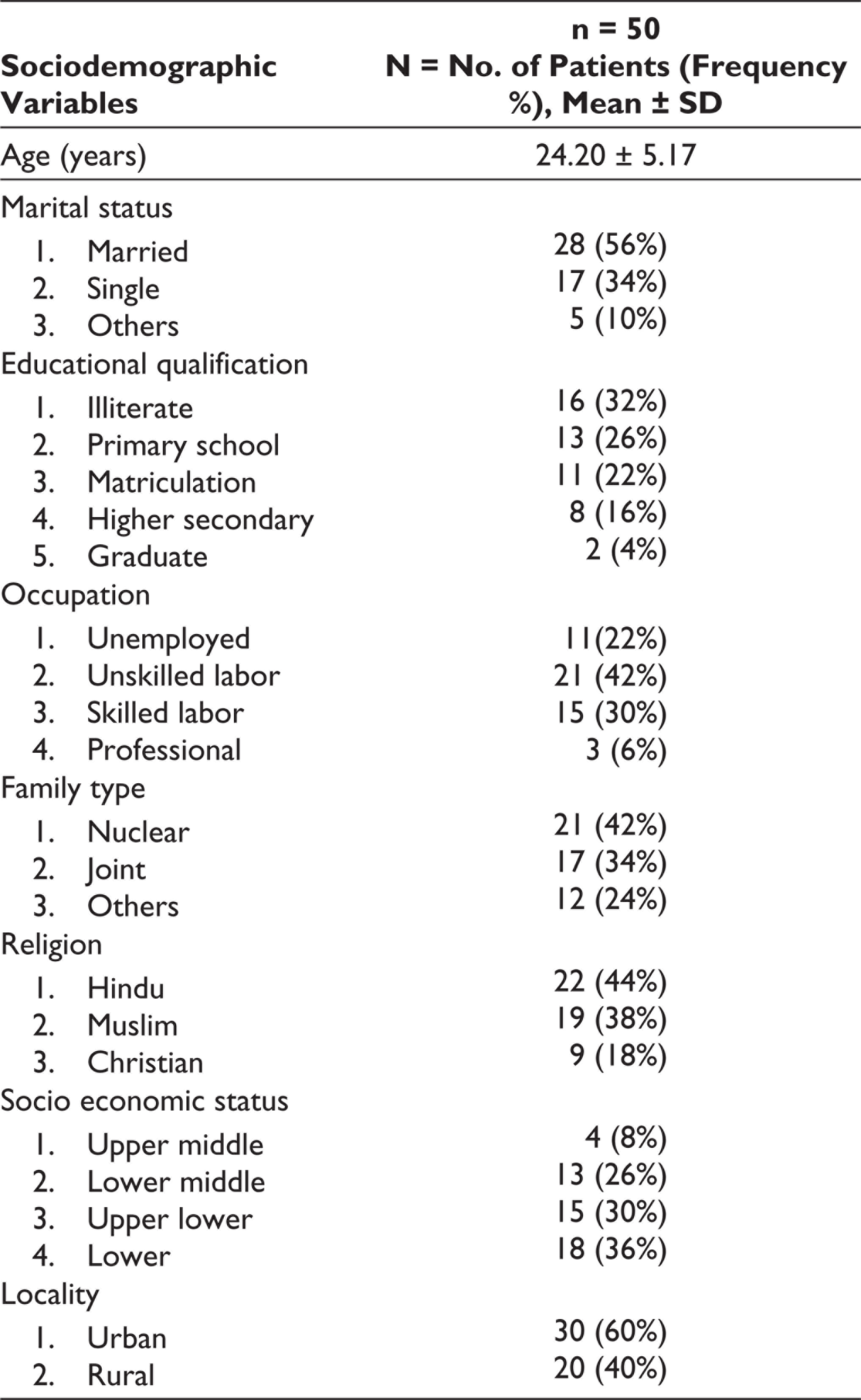
More than half of the participants were married while one-third were single and very few belonged to the other category (separated, divorced). Nearly one-third of the patients were illiterate, about one-fourth were educated up to primary school.
More than two-thirds of our study samples were unskilled labors while one-third were skilled labors. Few professionals were involved (including those working as clerks or in shops). Most of our participants belonged to nuclear families. In our study, the number of participants belonging to Hinduism was the highest while Muslim participants came second. Almost all of our study sample belonged to lower-socioeconomic to middle-socioeconomic group.
Source of Information About Dhat Syndrome
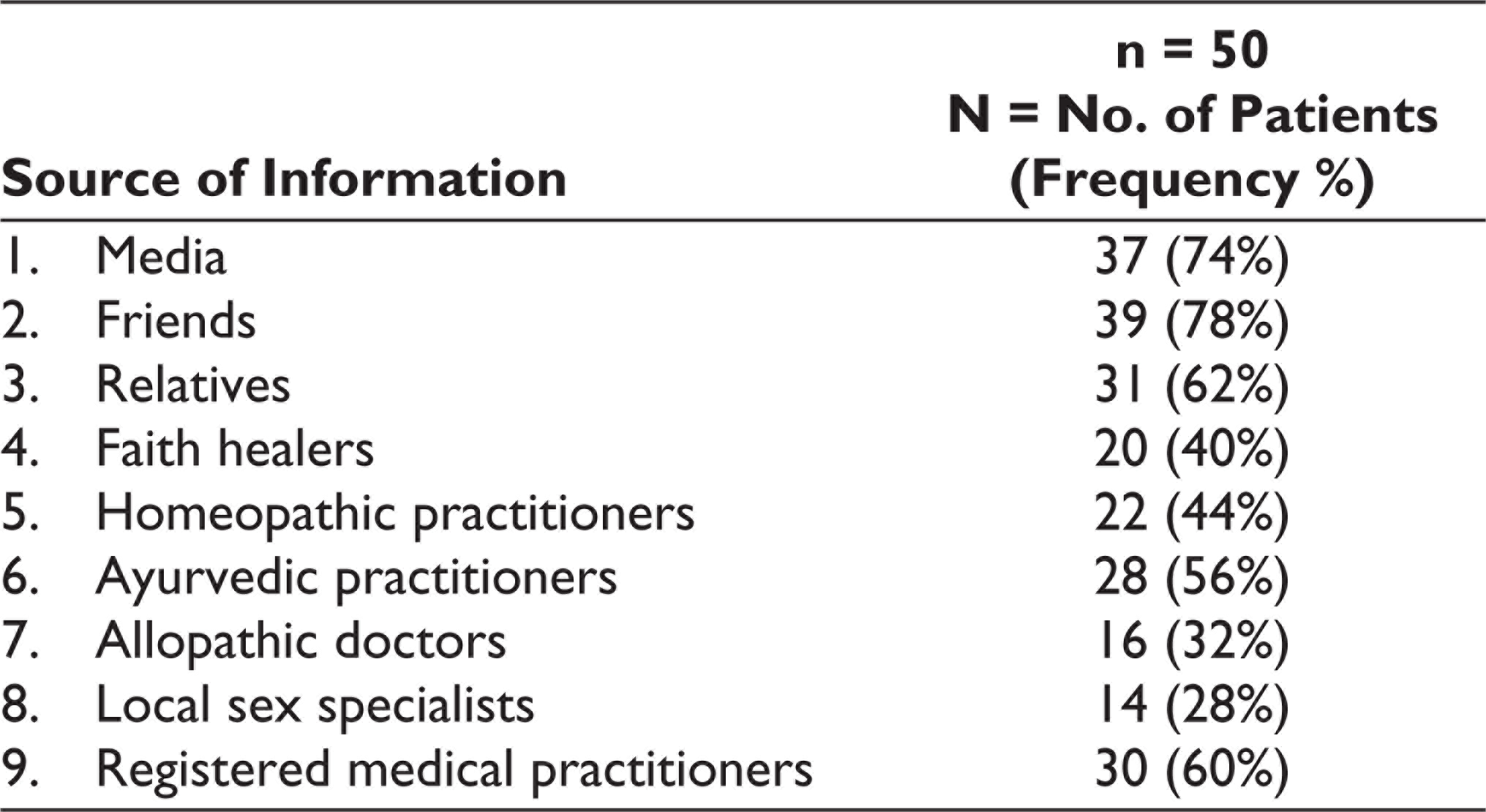
As shown in Table 2, majority of the persons with Dhat syndrome received their information from friends. Media sources (television, newspapers) contributed to and provided the same for three-fourths of the patients. Relatives and family members provided information for most of the patients. In almost one-third of the patients, allopathic practitioners provided the information. Additionally, various alternative medicine specialists provided information in rest of the patients.
Source of Information About Dhat Syndrome
Dhat-associated Symptoms Experienced by the Patients
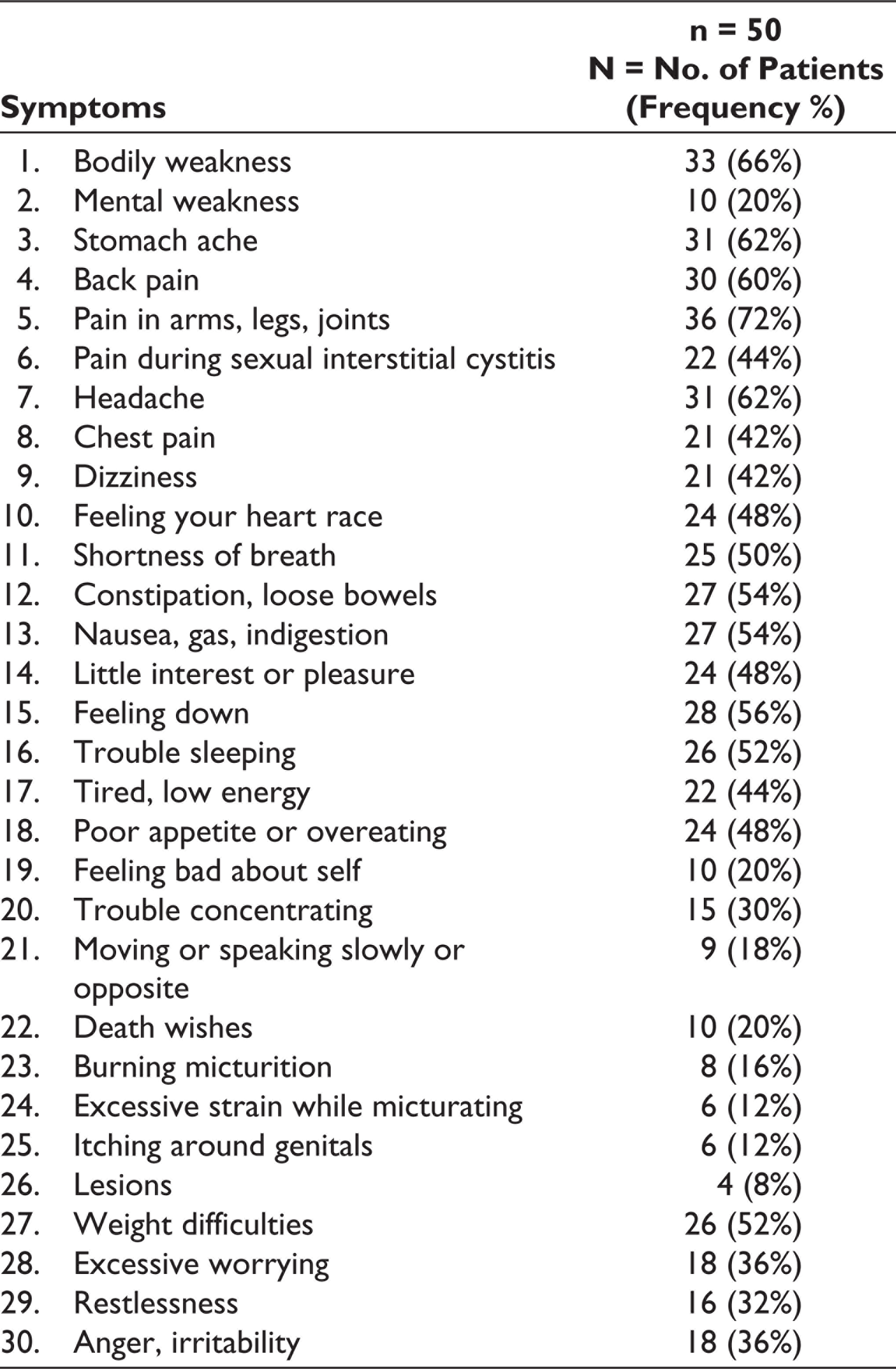
Table 3 depicts the various symptoms as experienced by the individual due to discharge of Dhat. A multitude of physical and mental symptoms were attributed to the discharge of Dhat.
Dhat-Associated Symptoms Experienced by the Patient
Severity of Depressive Symptoms
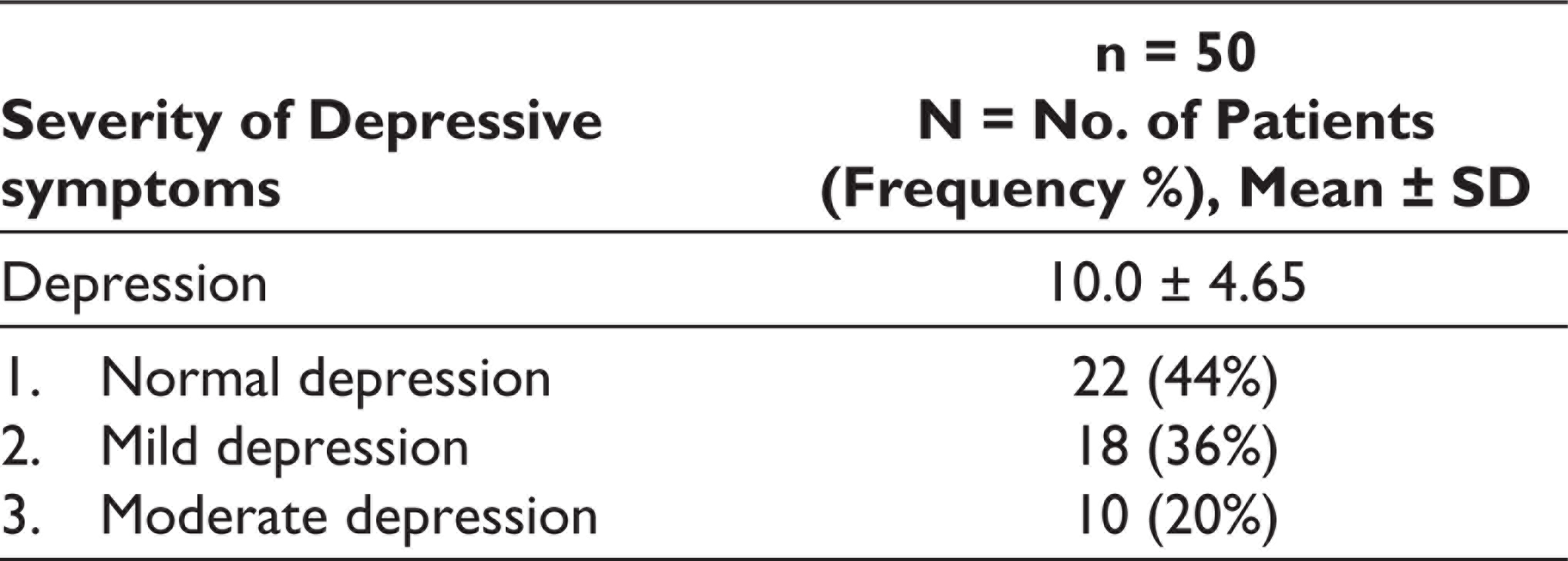
As shown in Table 4, majority of the persons in the sample came with normal depression symptoms. Whereas, almost a third had mild depressive symptoms and one-fifth had moderate depressive features.
Severity of Depressive Symptoms
Severity of Anxiety Symptoms
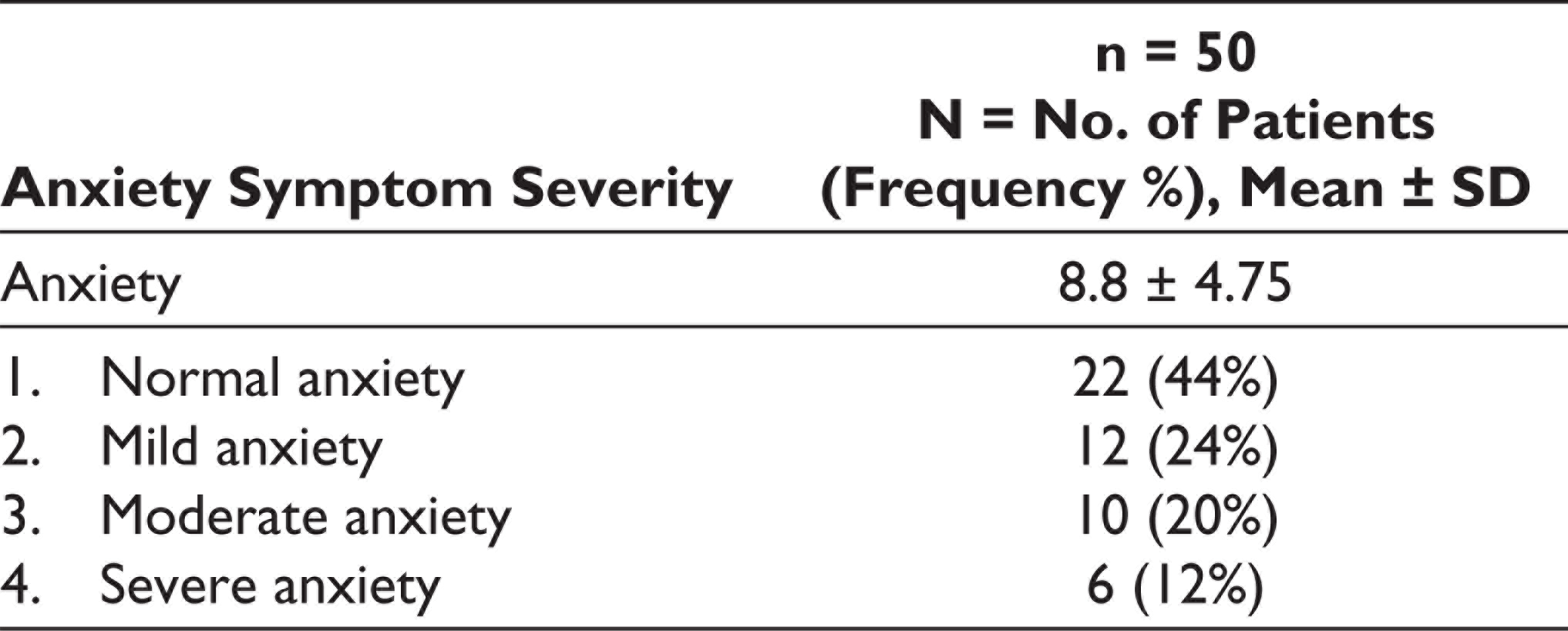
Table 5 represents the severity of anxiety symptoms in the sample of 50 persons with Dhat syndrome. Majority of the people came with normal level of anxiety, almost one-fourth came with mild anxiety symptoms, one-fifth had moderate anxiety, and very few had severe anxiety symptoms.
Severity of Anxiety Symptoms
Discussion
Dhat syndrome remains a concern for those in the mental health field, both in India and other south Asian countries. It also adds to the burden of those in research. Thus, it becomes essential to look into the distress and psychiatric comorbidities that it leads to. It is also essential to look into the false beliefs that exist in the society. These factors are often exploited while the patient goes to various consultants looking for the right information and treatment and often gets misguided.
Nature of the Sample of Patients
Majority of the population we studied belongs to sexually active group where it is easier to get influenced by peer pressure, and concerns about marriage and children in the future is paramount. This was in agreement with the study done by Grover et al, 7 where the mean age was found to be 23.9.
Dhat syndrome has been usually reported in young males of lower-socioeconomic groups. 8 Typically, patients with Dhat syndrome reported to be are single or recently married, 9 come from rural areas, and have a negative outlook toward sex. 10
In our study, these findings were consistent as almost half of the participants were married.
A large percentage of those studied were illiterate or had studied only up to primary school. Though most of our subjects came from the cities, a lot of them belonged to lower-middle income group. This is probably due to the rapid expansion of the urban areas with migrant from nearby towns.
Source of Information About Dhat Syndrome
Grover et al showed that majority of the persons with Dhat syndrome received their information from their people around them while other sources such as practitioners of alternative medicine and media also played a significant role in providing the information. Our study was consistent with the above findings. Almost three-fourths of the participants had received the information from their friends and relatives. Ayurvedic practitioners and registered medical practitioners also played an important role in providing the information.
Mental health care is not a priority in most developing countries. Negative attitudes toward mental health practitioners are not restricted just to the laymen in India. Gupta et al 11 found that interns and medical students in medical colleges were discouraged by family members and colleagues from taking up psychiatry as a subject in postgraduation. Other studied correlated strong beliefs in religion and low standard of education correlate with negative attitudes toward psychiatry in India. 12
Somatic Symptoms Associated With Dhat
Earlier studies 13 reported a one-fifth prevalence for comorbid stress-related and somatoform disorders. In our study, most patients presented with somatic symptoms were related to the gastrointestinal and musculoskeletal system. Most common complaints were of cramps and indigestion, which in turn led to loss of weight and disinterest in doing work. Around half the patients were found to be worried about their somatic symptoms to the extent that they found it difficult to focus and presented with anxiety symptoms too. Studies on stigma somatization and depression in India14,15 concluded that the social meaning of somatic symptoms is less perplexing because they are more acceptable. Patients feel more comfortable expressing these symptoms rather than discussing about their sexual problems culturally.
Anxiety and Depression Symptoms Associated With Dhat Syndrome
Depression is by far the most common reported comorbidity (between 40% and 66% prevalence in various studies).16,17 Anxiety disorders were found in one-third of patients.18,19 In our study, mild depression was found in only one-third of the patients, while only one-fifth suffered with moderate depression.
Almost half of the participants in our study were found to have mild to moderate anxiety symptoms. Patient’s initial anxiety results from seeing the passage of Dhat and recognizing that it is something not normal. Not surprisingly, one-tenth of our patients presented with severe anxiety symptoms.
These results were indicative of how Dhat syndrome manifests itself across many spectrums. The sociocultural aspects of the problem cannot be ignored. They form an integral part of the symptomatology and prognosis. The excess belief in native healers and inaccurate sources added to the delay in approaching right sources. The other underlying psychiatric aspects were also uncovered, thus adding to the need for proper management.
Limitations
The following limitations must be considered while interpreting the results of this study.
The sample size was relatively small. Thus, finding association between variables with such small sample size will reduce the effect size of the results.
The study samples have been taken from our department. Since it is general hospital setting, there would be likely chance of selection bias.
The study samples were recruited from a tertiary care center, hence the findings could not be extrapolated to the community samples.
Assessment of the comorbidities was cross-sectional and no subsequent follow-ups were done after pharmacological management.
Conclusion
The present study found that Dhat syndrome was present in younger patients with lower socioeconomic and educational status. Most of the information was received from media and peer groups, while nonallopathic practitioners also played a significant role. Most participants were clear about the constituent of Dhat, however it was associated with numerous somatic symptoms and misconceptions about its treatment and consequence. There were mild to moderate anxiety and depressive symptoms present in the patients with Dhat syndrome. Therefore, it is important to assess and evaluate these symptoms while providing the patient with accurate information.
The need for removing the stigma attached to sex (and related problems) is also a major issue. Most problems get compounded due to the social and cultural taboos in place. There is also the need to explore the relationship between psychiatry disorders and sexual dysfunction. The sexual health of the individual is intricately linked with his mental (and physical) health. The awareness about Dhat syndrome also needs to be increased. The various sources that provide misleading information are a big part of the problem.
Footnotes
Acknowledgements
The authors thank all the contributors of this study for their inputs.
Declaration of Conflicting Interests
The authors declared no potential conflicts of interest with respect to the research, authorship, and/or publication of this article.
Funding
The authors received no financial support for the research, authorship, and/or publication of this article.