



Abstract
Abstract
Founded by Mr. Rawal, Kooda Collection Ltd. was started in 2010 to collect waste paper from Vadodara. In contrast to the traditional operating model, where there were 4–7 intermediaries between the suppliers (households) and paper mills, Kooda Collection Ltd.’s operating model consists of being the sole intermediary between the suppliers and buyers. The firm had captured 20 percent of the market in Vadodara and was now eyeing expansion opportunities in other cities in Gujarat. Two possible options are Surat and Ahmedabad, both of which have a larger supplier base than Vadodara. Surat and Ahmedabad have large industrial bases and that is another potential source of raw material. Some of the questions on which the firm needs to take a decision are: city selected for expansion, operational challenges, supplier base to be targeted and mode of financing for expansion. The firm also has to decide whether to open a branch in the new city or run it from Vadodara.
On 15 February 2019, Mr Vinay Rawal, the founder of Kooda Collection Ltd, invited Mr Devang Bisht, chief executive officer (CEO) of Kooda Collection Ltd, and Mr Ashish Yadav, chief financial officer (CFO) of Kooda Collection Ltd, for a meeting. The purpose of the meeting was to take a decision on the expansion of Kooda Collection Ltd operations into either Surat or Ahmedabad. Kooda Collection Ltd was a waste paper collection firm that was currently operating in Vadodara. The Vadodara waste paper market was estimated at around ₹550 million. The Surat market was estimated to be 3.5 times the Vadodara market, while the Ahmedabad market was estimated to be about 6 times the Vadodara market. Both Surat and Ahmedabad were about 130 km from Vadodara. Ahmedabad covered 464 square kilometres while Surat covered 326 square kilometres. Surat’s population had grown by 83 per cent during 2001–2011, while Ahmedabad’s population had grown by 58 per cent during the corresponding period.
History of Kooda Collection Ltd
After completing his Master in Information Systems (MIS) from Paris, France, and Master in Business Administration (MBA) from London, UK, Mr Vinay Rawal entered the waste management business. His waste management firm was located in London and dealt with collection of paper and plastics waste. The waste from Europe was thereafter transported to India for processing. The business was running quite successful in its operations.
On comparing the waste management practices of India with Europe, he found that the existing waste management collection industry in India was completely unorganized and was highly inefficient from the economic and social point of view. For example, India recycled only 20 per cent of its waste paper compared to 60–70 per cent for developed markets. Hence, he started exploring plans to start a waste management firm in India.
Mr Rawal believed that business should solve social problems such as unemployment while generating profit for the entrepreneurs. With this aim in mind, he started ‘Clean India’ to symbolize initiatives which would help solve India’s problems. Kooda Collection Ltd was a part of this vision. Waste paper collection was chosen because of two reasons:
Founder’s prior experience in this market The employment generation potential for each unit of capital invested. Waste paper collection generated 20 jobs per ₹10 million of investment compared to 6 jobs in construction.
Mr Rawal’s aim was to create a billion USD waste management company by 2024 while creating a million jobs. Before starting operations, he surveyed around 30 cities in India to gauge the market dynamics. Finally, he decided to start operations in Vadodara in 2010 because of its good air connections to Europe, where Mr Rawal was based; proximity to the industrial centres of Vapi and Morbi, where many paper mills were located and a high proportion of households who generated substantial amount of waste paper per capita.
The waste paper collection businesses had two major sources of capital expenditure: baling machines and vehicles. 1
Mr Rawal started Clean India Transport Ltd (CITL) for buying vehicles.
Traditional Operating Model
The traditional waste paper collection market in India was unorganized and made up of several layers. At the bottom layer was the door-to-door hawker who bought waste paper from households and sold it to the neighbourhood waste collection shop. In a large city, there were at least two layers of intermediaries above the neighbourhood waste paper shop, that is, the area waste collection shop and the large city waste collection shop. The large city waste collection shop supplied the waste paper to the paper mills where the paper was recycled. Exhibit 1 shows the traditional operational model of Kooda Collection Ltd.
The door-to-door hawker usually used a bicycle to collect waste paper. To finance his purchase of waste paper from households, he borrowed money at the rates of 5 per cent to 10 per cent per day. There were no standard rates for the different categories of waste paper. As the hawker was usually from a lower socio-economic background than the households who sold paper, there was a lack of trust in transactions. Also, there was the popular perception that the hawkers cheated on price, and this perception was strengthened by the fact that the hawkers had to pay back their daily loans with high interest to the financier and still make a profit from their transactions with the neighbourhood waste collection shop.
Operating Model of Kooda Collection Ltd
Due to the hassles involved in the transactions and the low level of trust in the hawkers, many rich and upper middle-class people allowed large quantity of waste paper to collect in their houses. As these households generated a substantial amount of waste and were geographically concentrated, it was economically viable for Kooda Collection Ltd to collect waste paper from them. Kooda Collection Ltd displaced all the intermediaries between the households and the paper mills. People could call Kooda Collection Ltd office to collect waste paper from their houses. Kooda Collection Ltd would aggregate orders from a particular locality and let the households know the date and time of their waste paper collection (see Exhibit 2).
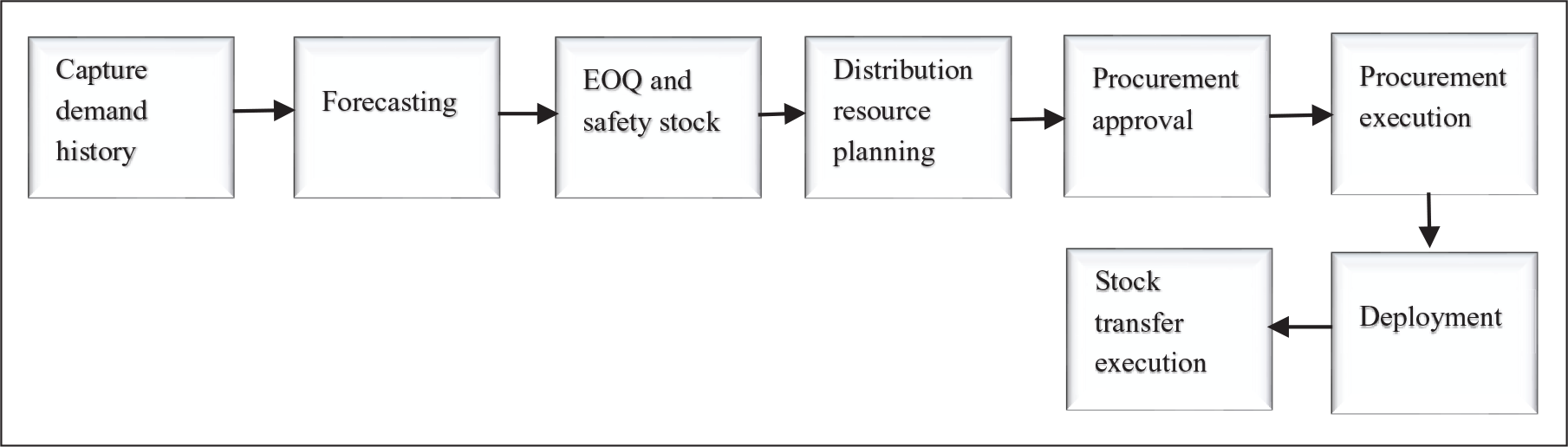

According to Mr Rawal, Kooda Collection Ltd achieved competitive advantage over the door-to-door hawkers by stressing on four parameters: trust, credibility, price and no stealing on weight. To develop trust and credibility among the households regarding the people who did the collection, the employees were given uniforms and identity cards. The waste paper collectors were trained about how to approach clients in terms of dos and don’ts. Some of the dos include: knocking on a door before entering and waiting patiently and don’ts included not entering a room without permission.
The firm also developed a customer relationship management (CRM) software to ensure that all transactions were carried out in time. Kooda Collection Ltd offered higher prices than the door-to-door hawkers. To ensure that there was no cheating in the weights, the weighing machines were ISSO certified. Mr Rawal noted that Kooda Collection Ltd had captured around 20 per cent of the Vadodara market. The annual collection was around 30,000 tons (1 ton = 1,000 kg). The firm employed 30 regular employees and 70 irregular employees.
Mr Rawal stated that the firm had leased two warehouses in Vadodara, one with 5,000 square foot area and the other one with 37,500 square foot area. The second warehouse had a built-up area of 10,000 square feet.
Processing
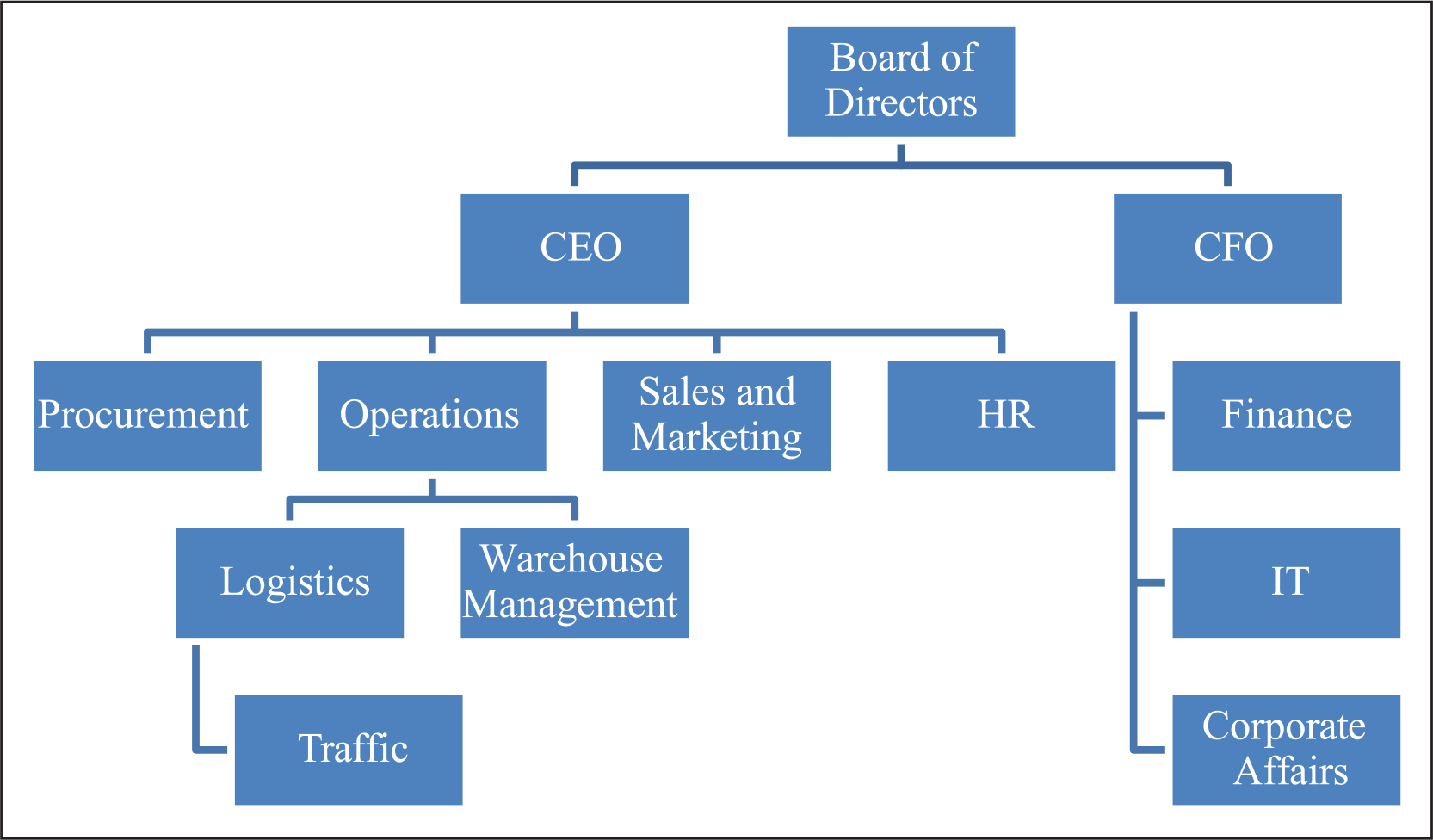
The waste collected by Kooda Collection Ltd included mainly old newspapers, over issue newspapers from the printing presses, magazines, notebooks, textbooks, old records and reports, archive records, old corrugated cartons, corrugated cutting, duplex board, duplex cuttings, tissue paper, silicon paper and wood free white paper. The collected paper was sorted by the firm into different categories such as newsprint writing/printing paper, book paper and craft paper board. For the sorting and processing processes, the firm employed around 50 people as daily workers. The firm was planning to implement an enterprise resource planning software to streamline its operations.
Marketing
Mr Ashish believed that Kooda Collection Ltd was the first waste paper management firm that had created a brand. Kooda Collection Ltd created and owned the brand ‘Kooda Collection Wala’ which had its own calling number and a dedicated online presence. Another move by the firm was the announcement of procurement price of recovered paper and board upfront on radio and TV channels. The firm also collaborated with social service organizations to build awareness on paper collection. Initiatives on this front include:
Cooperated with a social activist in Bhavnagar, Gujarat, to collect waste paper there and donated the profits on these proceedings to charity. Cooperated with a charity to organize a waste paper collection event in 16 Indian cities. The profit from this event went towards funding a new eye hospital. Created the world’s largest paper bank.
Competitive Dynamics
Mr Rawal and Mr Ashish attributed three competitive advantages to Kooda Collection Ltd over current and potential competitors. These were as follows:
Social dynamics of the caste-ridden Indian society would deter entry of potential competitors. Kooda Collection Ltd had acquired proprietary primary market intelligence on the waste paper markets in urban centres in Gujarat. The strong relationships that Kooda Collection Ltd had developed with the paper mills.
Business Philosophy
In Vadodara, Kooda Collection Ltd collected waste paper mostly from the households. The firm’s business model aimed to capture around 40 per cent to 50 per cent of the total waste paper market of a city. The firm wanted to restrict itself to the 40 per cent to 50 per cent target as it believed that capturing more than 40 per cent to 50 per cent of the market would damage the traditional waste paper collection mechanism and threaten the livelihoods of thousands.
Mr Rawal believed that the market that Kooda Collection Ltd had captured was essentially created by it through improvements in overall recycle rate. The improvements in recycle rate came from both better collection techniques and more efficient management of waste paper from households to paper mills.
Mr Rawal believed that satisfied employees were its best marketers. The firm also stressed on the fact that people at the bottom of the pyramid had high loyalties. To facilitate loyalty among employees, the firm focused on giving people full-time jobs along with insurance. Mr Rawal suggested that giving job security and insurance facilities to unskilled and semi-skilled labourers was a novel move in Vadodara business circles.
Market Demand
In 2010, the installed capacity for paper in India was 12.7 million tons with an estimated capacity utilization of 80 per cent, an increase from 8.5 million tons in 2007. About 47 per cent of the production was using recovered paper and board, creating an annual demand of around 6 million tons. Of the 6 million tons demand for recovered paper and board per annum, 50 per cent was met through imports. The inability of current suppliers of waste paper to guarantee adequate supply of waste paper at scheduled times and the better fibre quality of imported paper led many paper mill owners to focus on imports. However, the depreciation of the Indian rupee with respect to the dollar was making imports costlier. The demand for paper was expected to grow at CAGR of 9.6 per cent during 2012–2017. 2
Source: Tech Sci Research ‘India Paper Industry Forecast & Opportunities, 2017’.
Expansion Plans
The firm planned for expansion as it expected to reach saturation level, that is, 40 per cent of the market share in Vadodara. The firm planned to start operations in at least 25 cities in and outside Gujarat as part of its target to become a billion-dollar firm. Some of the parameters based on which the firm wanted to select cities for expansion included:
The reading habits of the people The number of schools and universities The geographical layout of the city, that is, whether the areas with high usage of paper were concentrated or dispersed
While considering a target city, the firm considered all areas lying within a 30 km radius from a prominent landmark in the city.
Based on primary market intelligence, the firm had concluded that Surat and Ahmedabad afforded the largest supplier markets in Gujarat. Mr Rawal also stated that targeting the smaller cities in Gujarat was another option. Although the smaller cities had a smaller supplier base, they were more compact in size, and hence it was easier for the firm to achieve market dominance. Also, it was easier to get employees in the smaller towns as there was a comparative lack of opportunities there and hence Kooda Collection Ltd’s wages and benefits looked highly lucrative in comparison to the alternatives.
The firms also found that the lease rates in the two cities were similar. The firms were planning to lease a warehouse of 25,000 square feet in either of the cities and did not consider availability a problem.
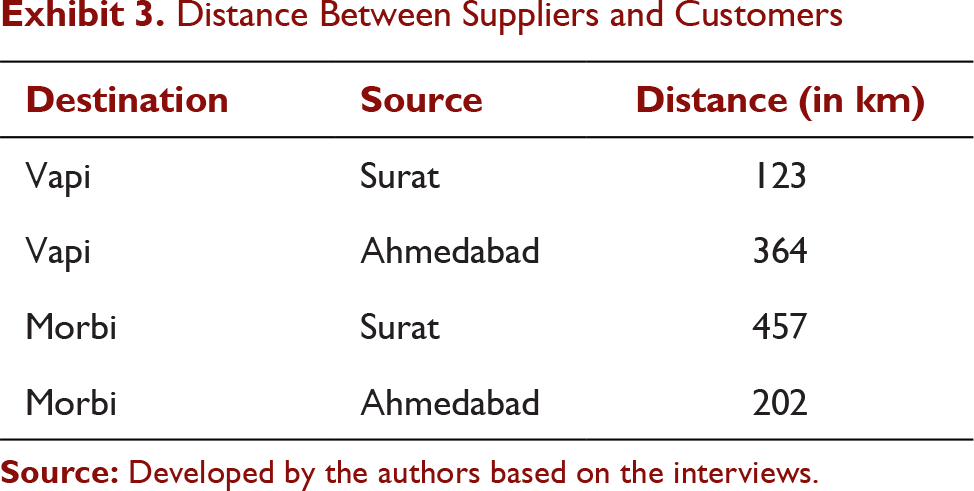
The customers, that is, paper mills were mostly located in Vapi and Morbi. Vapi had at least 28 paper mills and Morbi had at least 13 paper mills. See Exhibit 3 for the distance of Vapi and Morbi from Ahmedabad and Surat.
A New Market
While studying the market dynamics of Ahmedabad and Surat, the firm found that the two cities had a much higher proportion of industries than Vadodara. Thus, industries were a potential source of supply. Unlike households which focused on price, industries focused more on timeliness of collection. The amount of waste collected per supplier was much higher in the case of industrial suppliers but there was a fear that the firm would become dependent on a few clients. Currently, institutional clients’ waste paper was collected by contractors.
The firm estimated the supply from the industrial sector in Surat to be about 1.2 times the supply from the household sector. The corresponding figure for Ahmedabad was estimated to be 0.9. The scope for the overall improvement in recycle rate was estimated to be higher for households than industries.
Funding
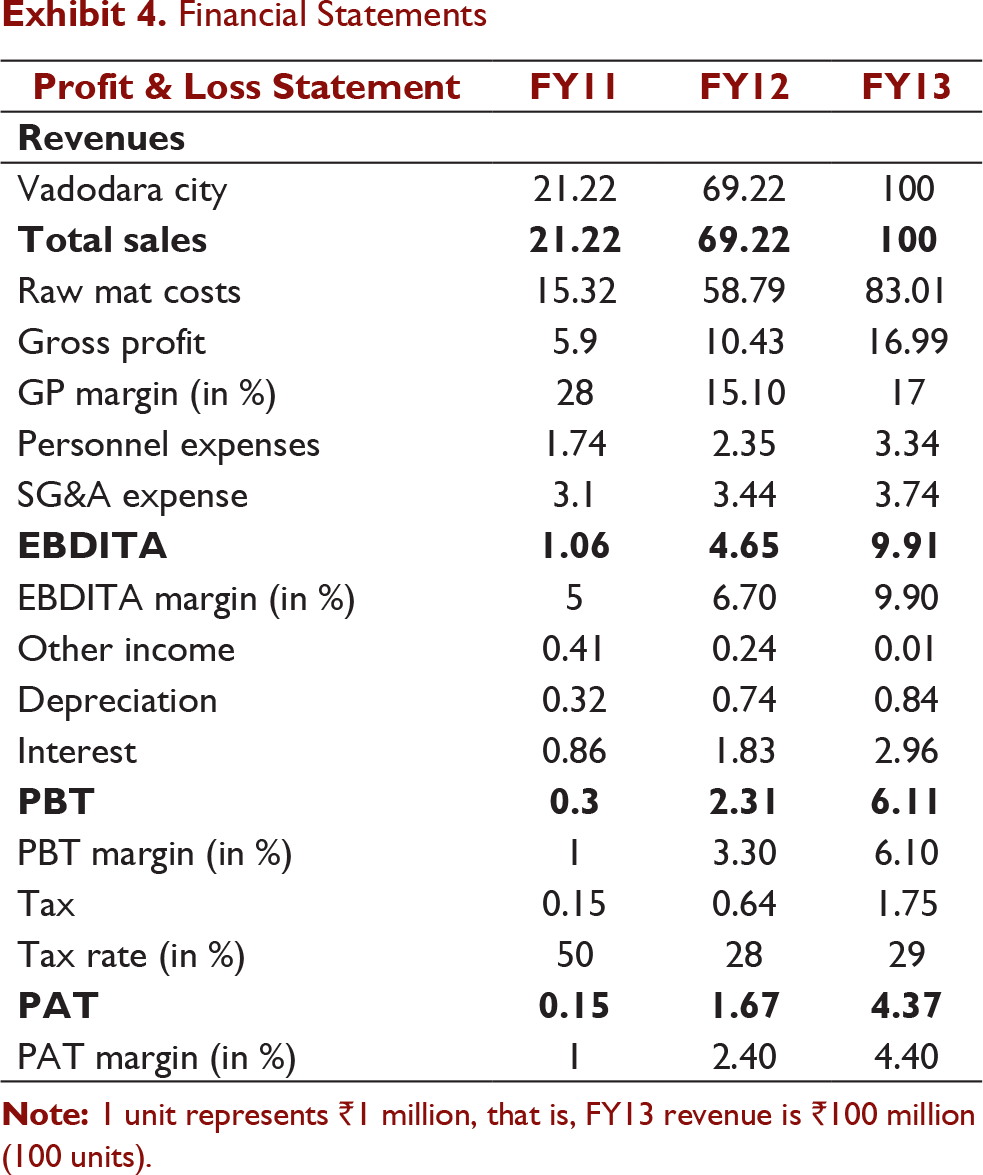
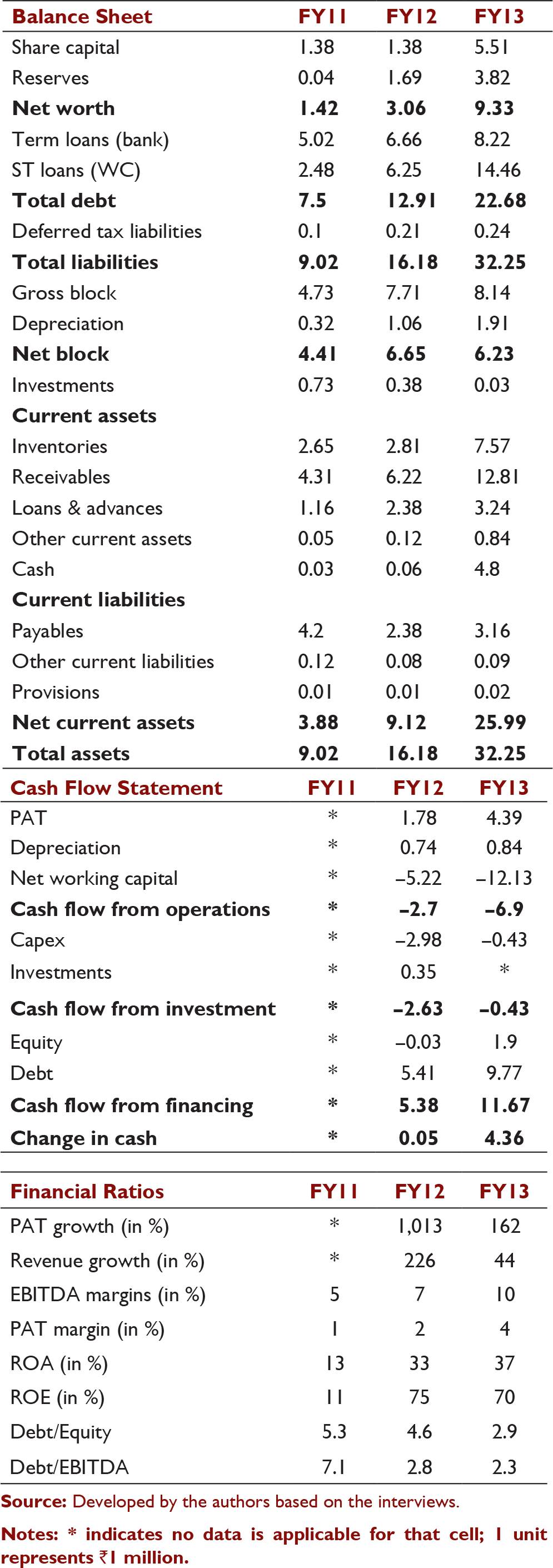
Mr Rawal wanted to use internal resources for funding Kooda Collection Ltd’s growth. The firm had approached banks for loans to fund its aggressive expansion plans, but banks were reluctant to lend money, as the firm’s current asset base was small. Banks are demanding collateral equivalent to the demanded loan amount, but the firm’s asset base is not sufficient to be used as mortgage.
Distance Between Suppliers and Customers
Financial Statements
The Decision
Mr Rawal, Mr Bisht and Mr Ashish reflected over the firm’s action plans. They wanted to take a decision on three parameters: the new city where operation will be located; the mode of operations in the new city; and the customer segment.
Assignment Questions
Should they target Surat or Ahmedabad or any smaller city?
Will they depute someone to run the new operation or will they run it from Vadodara?
Should the operations in the new city be run as a branch or as a subsidiary?
What are the operational challenges that the Surat/Ahmedabad operation is likely to face?
Should they accept the offers from private equity funds?
Should the operations in Surat/Ahmedabad focus on industries or households as the suppliers?
Footnotes
Acknowledgement
We would like to thank Professor Suman Saurabh, IIT Kanpur, and Professor Anand Sharma, OP Jindal University, for their inputs.
Declaration of Conflicting Interests
The authors declared no potential conflicts of interest with respect to the research, authorship and/or publication of this article.
Funding
The authors received no financial support for the research, authorship and/or publication of this article.

This case is based upon primary data. However, the names of the organization and its employees have been disguised to maintain confidentiality. The case is purely meant for teaching purpose at MBA or BBA level. It is not designed to illustrate any correct or incorrect way of handling administrative functions.