




Abstract
Powerful ventilation systems are a crucial technology in industrial livestock production, mitigating the unhealthy ambient conditions that result from great densities of animal bodies, biowastes, and chemical agents, and enabling the rapid production of massive quantities of flesh and eggs in such crowded indoor spaces. But bad air is just one of many biophysical and technoscientific challenges managed in these spaces, chief among them the ever-present risks of infectious disease transmission and evolution that threaten animal health and productivity and pose untold risks for humans. This article examines the intersection of these two central problems, where ventilation systems that are normally used to manage bad air within enclosures have been repurposed in the context of disease outbreaks to quickly and cheaply kill infected populations by hyperthermia. An analysis of this nascent practice, euphemistically termed “ventilation shutdown,” shows how governments and publicly funded scientific institutions have worked with private industry to develop and systematize the use of this and other technologies of mass death to respond to infectious disease emergencies, a dynamic that, we argue, sheds new light on both the precarity and the violence of industrial livestock production.
Keywords
Introduction
The industrialized production of animal flesh, eggs, and milk produces and exacerbates an array of interconnected biological and physical problems, and relies on an array of technologies and materials to override them in the continued pursuit of economies of scale (Imhoff, 2010; Lymbery 2014; Weis, 2013). A basic biophysical contradiction associated with spaces of livestock 1 production is that large populations of densely confined animals produce immense amounts of body heat, ammonia, and other wastes, creating noxious ambient conditions that compromise animal health to a degree that would, if not mitigated, impede intensification. Large electric ventilation systems are crucial mechanisms for overriding this biophysical barrier to scale, sufficiently ameliorating bad air so that livestock animals can survive, grow, and generate bodily and reproductive outputs in otherwise unsurvivable environments.
Another intractable biophysical challenge associated with intensification stems from the risk that infectious diseases can spread rapidly among large, dense animal populations, accelerating the evolution of variants that could be more virulent, more transmissible, or more capable of emerging as a novel zoonosis afflicting humans. The scale and density of animal populations amplify disease evolution in conjunction with other factors, such as the widespread reliance on subtherapeutic antibiotic use, greatly accelerated animal lifecycles leading to greater opportunities for genetic selection for transmissibility, the radical narrowing of genetic diversity, and a lack of access to fresh air, sunlight, natural sources of nutrition, and opportunities for exercise (Wallace, 2016). The problem of poor but ameliorated ambient conditions also contributes to infectious disease risks as it increases susceptibility to illness, especially for birds, who are particularly prone to respiratory infections.
In recent decades, dangerous infectious diseases have emerged from or made their way into industrial livestock operations on many occasions, with the chronic circulation and evolution of influenza being a clear and repeated danger (Davis, 2020; Wallace, 2016). Once a virulent strain of avian or swine influenza is identified, it incites a race to contain the threat to production, and potentially to public health. This containment has involved both the livestock industry (from operators to integrators) and governments (with the support of a global-scale scientific infrastructure tracking disease risks, led by the World Health Organization), which have participated in a series of sweeping “depopulations”—a euphemistic term used to describe the mass killing of animals believed to be infected. 2 In some years, emergency depopulations have taken the lives of tens of millions of animals.
In the early stages of the COVID-19 pandemic, a different impetus for depopulating pigs emerged during the temporary closure of slaughter and meatpacking facilities following the rapid transmission of COVID-19 in these sites, as many workers fell ill and some refused to work (Schlosser, 2020). Since modern pigs have been bred to grow extremely quickly and these facilities have been designed for moving consistently sized bodies through fast-moving lines, even a short-term closure was enough to cause a backlog of pigs who quickly outgrew the industrial apparatus for killing and disassembling them. Without the ability to send them to slaughter, operators killed nearly a quarter million individuals and sent their bodies to be rendered and composted to recuperate a portion of their lost value (Padilla et al., 2021).
Whether in response to infectious disease outbreaks or supply chain disruptions, the underlying pressure that shapes approaches to emergency depopulations is essentially the same. In normal times, each animal body bears little potential value, to be valorized in a series of cheap commodities. But when the ability to realize this value suddenly vanishes, animal bodies become both a direct cost to industry and a wider threat to production and therefore must be eradicated as quickly and cheaply as possible. Although emergency depopulations are invariably entangled in the ways that production is organized, operators lack a clear mechanism for disposal at the scale and speed required. As a result, depopulation has involved an array of killing techniques, implemented on an ad hoc basis, including burning and burying animals alive, suffocating them with foam, asphyxiating them with carbon dioxide gas, breaking their necks one by one, and shooting them with captive bolt pistols or handguns (Davis, 2020; McNeil, 2006).
While the livestock industry attempts to portray such episodes as rare and random, mounting concerns about the growing scale and frequency of infectious disease outbreaks are now driving the pursuit of more systematic responses to these inevitable but unpredictable emergencies. Experts in the private and public sectors (scientists, veterinarians, engineers, and policymakers) have aligned in the search for effective depopulation methods, with one prominent result being the rapid development of a method that is euphemistically termed “ventilation shutdown” (or “VSD”). As the term implies, VSD entails closing existing ventilation systems, allowing air temperatures to rise until animals die, painfully and protractedly, of hyperthermia-induced organ failure (Reyes-Illg et al., 2023). 3 Adding heat and other inputs, such as CO2 or steam, can speed this process, and the sanctioned use of VSD in the United States now requires at least one such input (USDA APHIS, 2022). In short, with VSD, the ventilation systems that serve as fundamental overrides enabling life and productivity to persist amidst the bad air of industrial livestock environments are repurposed as an emergency response mechanism to contain the spread of a dangerous pathogen or break an unanticipated processing backlog, weaponizing bad air as the means to cheaply kill large populations of diseased or otherwise unsaleable animals.
We begin this article by discussing the biophysical contradictions of industrial capitalist livestock production and the need to perpetually override intractable problems before focusing on the problem of bad air quality in pig and poultry sheds and the need for ventilation systems to mitigate it. Next, we examine the often-violent ways that chronic infectious disease risks and periodic disease outbreaks are managed. We then turn our attention to VSD and consider how government, industry, and university-based experts worked to develop VSD from an appalling proposal to arguably the industry's preferred depopulation method, sweeping aside strenuous resistance from animal advocates. Ultimately, we argue that the recent research into VSD, which states have had important roles in underwriting (from permissive regulations to the subsidization of research and implementation), reveals how those engaged in the management of industrial livestock production on the one hand are deeply aware of its immense volatility and the potentially catastrophic risks it poses for human societies, while on the other hand maintain a myopic commitment to technoscientific innovation that indefinitely postpones a genuine reckoning with these risks. This innovation not only involves extraordinary forms of episodic violence against animals but helps perpetuate the normalized violence of everyday production.
Industrial livestock production and its contradictions
As in all capitalist production, industrial agriculture is driven by the pursuit of economies of scale and the associated pressure to minimize labor costs and maximize relative surplus value. Mechanization reduces labor costs per unit of output which, in monoculture and livestock production, requires the radical simplification and standardization of productive environments to grow large amounts of the same, high-yielding plants or animals in the same place at the same time.
The industrialization of agriculture has achieved extraordinary increases in yields and labor productivity, but this efficiency is deeply contradictory, as mechanization creates or exacerbates an array of biological and physical problems, or biophysical barriers to scale (Weis, 2010). Capital is characterized by an “endless and limitless drive to go beyond its limiting barrier” (Marx, 1941/1973: 334), and, in capitalist agriculture, the biophysical barriers associated with mechanization are met with applications of various external inputs, or biophysical overrides. These overrides never resolve the underlying contradictions but enable industrial practices to continue indefinitely, even as ecological and public health problems and risks persist or deepen and new ones are established (Gunderson, 2011; Weis, 2010, 2013).
In industrial systems, increasing animal yields and labor productivity are pursued in a variety of ways. Selective breeding has had an important role in increasing yields by profoundly altering animal bodies to gain weight or produce milk or eggs at ever-faster rates. Reproduction is greatly accelerated through artificial insemination and the specialization of breeding populations, and bodily yields are increased further through specialized feed and pharmaceutical regimens and by limiting animal movement to reduce the feed that is expended in non-productive metabolic processes. A central way that labor productivity is increased is by disarticulating animals from land and confining them to small spaces within crowded environments. Very little human labor is needed per animal to manage the growing, laying, and lactation of dense populations in large sheds and feedlots, where routine tasks such as feeding, watering, and monitoring physical conditions are increasingly automated. The total population of animals produced in industrial operations has grown at a staggering rate since the middle of the 20th century, nowhere more dramatically than in the US. In 2017, 99.6% of all US “broiler” chickens (i.e. those specialized for meat) were grown in operations that sold over 100,000 birds annually, and 93.6% of all US pigs were grown in operations with average inventories of over 5000 individuals at a time (USDA NASS, 2019).
These extraordinary increases in the scale of livestock production are complicated by a combination of biophysical and psychosocial problems, the latter stemming from the suffering that animals are forced to endure. The reliance on artificial insemination and the increasing specialization of breeding populations results in the separation of infants from their mothers and is part of the denial of natural familial bonds and social structures, hindering their physical and mental health. Confinement, immobility, and a lack of mental stimulation also cause suffering, leading some animals to harm themselves or their peers with anguished behaviors such as biting, pecking, climbing, and thrashing. Greatly accelerated growth rates result in physical handicaps caused by too much body weight relative to their skeletal development, and accelerated rates of reproduction, laying, and lactation strain the bodies of female animals. Large, dense populations generate immense aggregations of biowastes, body heat, and noxious gases that threaten the respiratory health of animals and can be lethal if not ameliorated.
These problems are met with a range of overrides. Physical mutilations, such as dehorning, beak and tooth clipping, and tail docking (all without anesthetic) reduce the harm that animals can inflict upon themselves and their neighbors. Most male “dairy” calves are confined to veal crates and are slaughtered after short lives and male “layer” chicks (i.e. those specialized for eggs) are destroyed immediately upon birth 4 because it is not profitable to raise them. Repeated applications of subtherapeutic antibiotics keep some amount of disease at bay—while exacerbating the long-term risks of antibiotic resistance emerging over time (Morehead and Scarbrough, 2018; Ventola, 2015)—and induce lethargy that helps to minimize metabolic losses and enhance feed conversion ratios. Enclosures must be regularly sprayed with high-pressure water and chemical disinfectants, and massive ventilation systems are needed to clear out bad air and maintain survivable ambient conditions.
In sum, industrial systems are highly efficient in terms of animal yields and labor productivity, but these efficiency gains are complicated by barriers to scale that must be perpetually overridden. Examining these barriers and overrides provides a basis for understanding a range of uncounted costs and deepening long-term risks, and why what appears to be efficient in certain narrow terms—the productive capacity that generates enormous quantities of cheap commodities—is in fact highly precarious. The illusory nature of this efficiency comes into sharper focus when we shine a spotlight on one barrier to scale and the associated override: the problem of bad air and the reliance on ventilation.
The crucial role of ventilation systems in modern poultry and pig sheds
Well into the early 20th century, chickens were ubiquitous on farms across large parts of the world and tended to be valued first and foremost for their eggs, taken for household consumption or local sale. In the early 1920s, commercialized hatcheries and egg production began to emerge, followed by broiler chicken production, starting in the eastern US. The first sheds used to house chickens were small, so any relatively large operations (which, in the 1920s, could still be counted in the hundreds rather than thousands of birds) required many sheds, and chickens were still permitted to spend much of their time outdoors. It was not until the 1930s that some operators began to house birds by the thousands in larger, longhouse-style sheds, and to confine them indoors year-round (Williams, 1998).
By this time, it was well established that these enclosures would require ventilation systems (Kennard, 1928). This recognition stemmed from the knowledge that indoor air quality affects human health and comfort, which scientists were beginning to understand with greater empirical precision in the 19th century through research into the effects of different variables (e.g. oxygen and carbon dioxide concentrations, temperature, humidity, harmful airborne compounds, and pathogens) on human bodies in confined spaces, and through research to determine the minimum ventilation rates required for a range of potentially dangerous indoor spaces such as coal mines and crowded hospitals (Janssen, 1999). Early experiments involving animals showed an awareness that the impact of air quality on bodily health was not unique to humans.
For chicken producers to expand the scale of their operations, ventilation systems were needed to mitigate high levels of airborne ammonia from growing accumulations of urine and feces, which damages birds’ respiratory and immune systems, and to reduce rates of disease transmission. Temperature posed a further challenge for the design of large sheds, as the combined body heat of large populations of birds could raise indoor temperatures to intolerable levels (Widowski, 2010). In the 1920s and 1930s, ventilation systems in poultry sheds were passive, controlled using shutters and curtains that could be opened or closed depending on weather conditions, and these systems failed to prevent high mortality rates and frequent outbreaks of respiratory illness (Williams, 1998). Options were limited, however, as rural electrification in the US lagged behind many European nations (Beall, 1940), and it was not until the 1950s that most American farms were electrified.
The spread of rural electrification enabled the introduction of mechanical ventilation in poultry sheds (see Figure 1), which was essential to control air temperatures, especially in warm or moderate climates in the summertime, and to make air quality tolerable amid the increasing populations and densities of animals. 5 This function was such that mechanical ventilation systems quickly became a ubiquitous part of the design of both broiler and layer sheds. However, as Boyd (2001: 633–634) suggested in his analysis of the industrialization of poultry production, “any program aimed at the systematic intensification of biological productivity will almost inevitably be confronted with new sources of risk and vulnerability.” A risk embedded in the scale-enabling reliance on ventilation meant that any periodic failure (e.g. a loss of electricity due to a storm or brownout) could result in dangerously rising temperatures that would cause birds to experience heat stress and die.
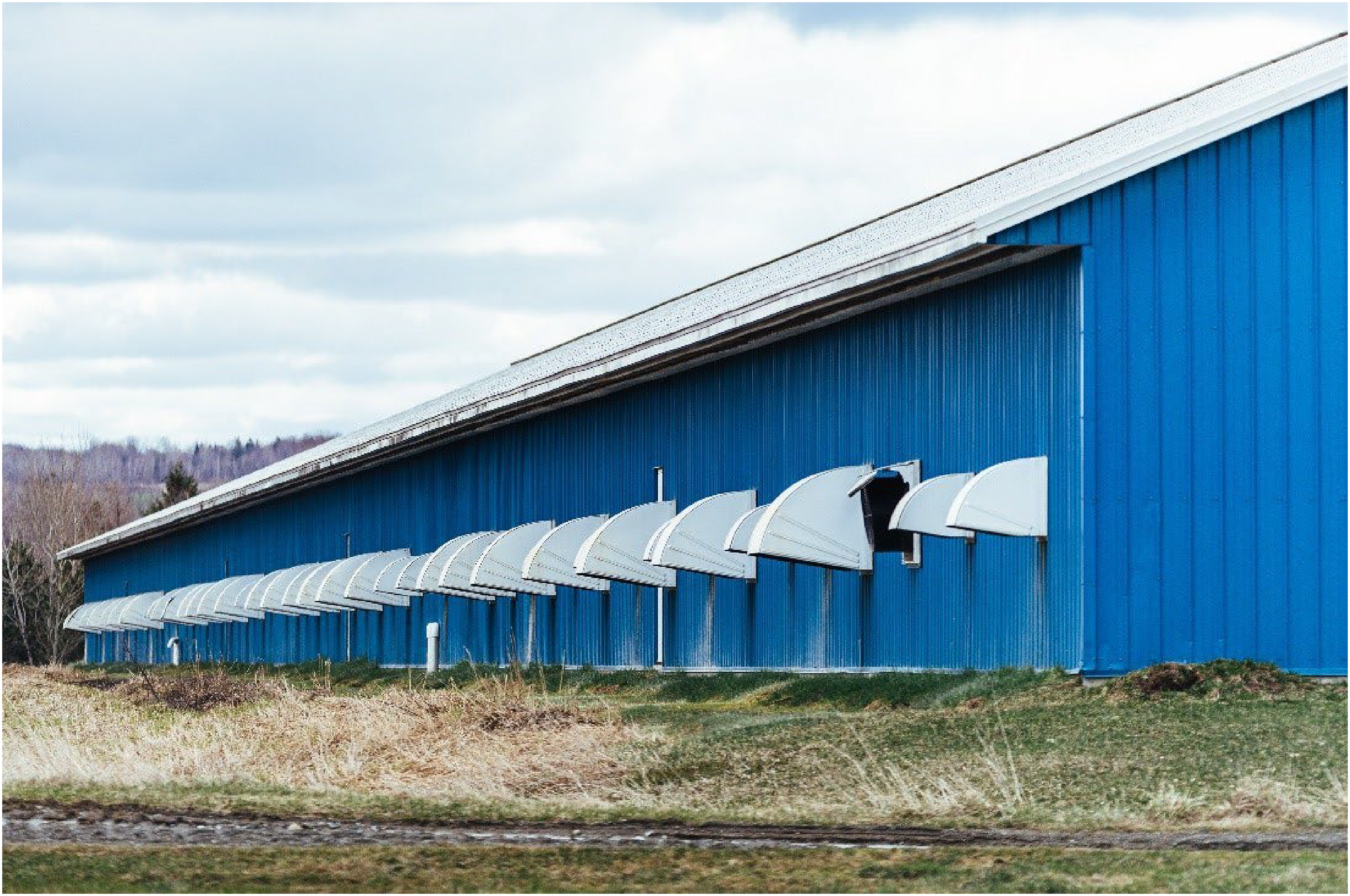
Ventilation hoods line the side of a poultry shed housing thousands of birds in Quebec. Source: We Animals Media (2022).
Although the industrialization of pig slaughter in the US began in the 19th century, roughly a century before that of poultry, intensive indoor confinement of pigs did not begin to become common in the US until the 1950s and 1960s, and it was not until the 1970s that a large share of all pigs were grown indoors (Watts, 2004). Within concrete and steel enclosures, pigs lack any chance to engage in wallowing behaviors to cool themselves, and the enormous quantities of urine and feces they generate result in unhealthy concentrations of ammonia fumes, with ambient conditions made worse still by the compulsion for operators to regularly spray chemical disinfectants (Tietz, 2010). Thus, the necessity of the mechanical ventilation innovations pioneered in poultry production was immediately apparent for pig sheds. As with birds, the scale-enabling reliance on ventilation established a new vulnerability for pig production, as any disruption to the system could result in ambient temperatures rising to dangerous levels, resulting in slow and painful deaths if not addressed in time (Baysinger et al., 2021; Leonard, 2020).
Everyday and extraordinary violence in the management of infectious disease risks
The circulation of infectious diseases represents another intractable and growing biophysical barrier to scale in industrial livestock production, simultaneously posing immediate managerial challenges and long-term risks that are impossible to precisely anticipate or fully comprehend. The lack of fresh air discussed in the previous section, made tolerable by ventilation, is but one of many profound biophysical and psychosocial deprivations facing animals in industrial enclosures; they also lack sunlight, exercise, dietary diversity, and anything resembling natural maternal care and social lives. As a result, animals produced in these environments are distressed, have weak immune systems, and are exposed to biowastes, bacteria, insects, rodents, and constant opportunities for disease transmission among their peers. Operators increasingly make use of biosecurity measures such as hazmat suits, decontamination showers, and sophisticated monitoring technologies to try to prevent microbes from entering or exiting.
Despite these measures, a chronic level of premature mortality (i.e. animals dying before reaching optimal slaughter weight) is accepted and accounted for on the balance sheets of industrial livestock operations as a cost of increasing scale and its associated labor savings. Prior to industrialization, when animals were reared at low densities, if a few died or were deemed a risk to others and killed prior to slaughter, disposing of their bodies did not typically present a significant challenge. However, as populations grew, pre-slaughter deaths made disposal more problematic, and one common response was to construct large, below-ground receptacles (Williams, 1998). But these are now often insufficient to absorb the sheer mass of animals who have died prior to slaughter. Many undercover investigations of industrial livestock operations have revealed dumpsters full of dead bodies (e.g. Direct Action Everywhere, 2017; We Animals Media, 2020), and there has been a growing use of on-site incinerators to manage this challenge—the starkest illustration of how a level of pre-slaughter mortality and disposal is assumed as a basic cost of operations. 6
Another key override to the barrier to scale imposed by infectious disease risks is the ubiquitous use of pharmaceuticals, particularly antibiotics, which never resolves the problem but instead creates bigger risks. Over three-quarters of all antibiotics in the US are consumed by livestock, mostly at subtherapeutic levels (Hollis and Ahmed, 2013). Rather than treating a particular infection, low levels of antibiotics are administered to manage the chronic poor health of concentrated populations, a practice that was also found to improve feed conversion ratios and help mitigate the effects of distress from confinement. But the extent of antibiotics in industrial livestock production is now recognized as a major public health risk that greatly amplifies the opportunities for antibiotic-resistant microbes to emerge, threatening to undercut the effectiveness of antibiotics, which is a pillar of modern medicine (Morehead and Scarbrough, 2018; Mulchandani et al., 2023; Review on Antimicrobial Resistance, 2016; Ventola, 2015).
The frequent circulation of infectious diseases amid great densities of animals with weakened immune systems increases opportunities for viruses, bacteria, and other pathogens to mutate, and the acceleration of animal lives constitutes an evolutionary pressure for viruses to select for increased transmissibility. In other words, the growing size and density of global livestock populations and the speed with which the great majority of poultry birds and pigs are turned over increase the risk that a new variant will emerge that is more virulent, more transmissible, or both. Such variants can be catastrophic for animals and for production and could also constitute much broader ecological and societal risks. Of particular concern is the common presence and evolution of influenza viruses in livestock together with the risks of new variants moving between species (Davis, 2020; Wallace, 2016).
Wild aquatic birds (e.g. ducks and geese) are the reservoir host for the greatest range of influenza subtypes, but various subtypes of influenza are also chronically circulating within a range of bird and mammalian species, including domesticated birds, pigs, and cattle, as well as within the human population. 7 The massive and growing global populations of chickens, geese, ducks, turkeys, and pigs present an abundant habitat for influenzas, with poultry birds now far outweighing the total biomass of all wild birds on the planet and roughly 70 billion birds slaughtered in 2021 (Bar-On et al., 2018; FAOSTATS, 2023). The perpetual movement and evolution of influenza among wild and livestock animals presents an abiding danger for production. Beyond this lies great risk when variants of avian and swine influenza jump the species barrier and circulate within other animal species, which can inflict immense harm on both wild animal and human populations. Infectious disease experts have long warned that the next pandemic could well emerge from a virulent new variant of avian or swine influenza spilling over into a human population and becoming transmissible through human-to-human contact (Davis, 2020; Wallace, 2016).
Although debates remain about the origins of COVID-19, there is much evidence to suggest that it was zoonotic, first infecting bats before moving through an amplifier host (Temmam et al., 2022). COVID-19 illustrates the enormous social and economic ramifications of a global pandemic and should make it clear how the amplified evolution of avian influenza within industrial poultry production represents an incalculable danger, which Davis (2020) has likened to a “monster at our door.” There have been several outbreaks of avian influenza in industrial poultry production since the 1990s, and a dangerous variant of avian influenza emerged in 2022 in both wild waterfowl and poultry birds in North America before jumping to mammalian species including foxes, bobcats, coyotes, raccoons, skunks, minks, bears, seals, and a small number of humans (CDC, 2022). Fortunately for human societies, virulent influenza strains have not developed a mechanism for rapid transmission between humans, but it is impossible to predict how near or far off such a development could be.
As indicated earlier, the prevailing response to the identification of a dangerous strain of influenza or other infectious diseases (whether the danger is to production or to human health) is to kill all infected animals, as well as those housed with or near them who may or may not also be infected, with the killing zone sometimes stretching across a significant geographic radius. When this occurs, animals who were previously used in the production of low-value commodities (with most of that value controlled by slaughter processors and retailers) are suddenly reconfigured as threats to both individual operations and the industry in a particular region and are quickly eliminated before they result in much wider damages. The scale of animal depopulation can be staggering, as illustrated by numerous cases over the past three decades. In 1996, roughly four million cattle in the UK were killed to control an outbreak of bovine spongiform encephalopathy, or “mad cow disease.” Five years later, around four million cattle and sheep were killed to control an outbreak of foot-and-mouth disease (despite posing little risk to humans and most often being non-fatal to other animals), and another two million were killed because they lived within the quarantine zone and could not be sent to slaughter on time (National Audit Office, 2002; National Research Council, 2002). In 2004, an avian influenza outbreak resulted in the killing of millions of birds in Southeast Asia and the Canadian province of British Columbia, with animals dumped into pits and buried or burned alive en masse (Davis, 2020). In 2009, a dangerous swine influenza outbreak originated in Mexico and spread to various locations, including Egypt, where the government ordered every pig in the nation to be killed (Dixon, 2015). In 2018, an African swine influenza outbreak began in China, the world's largest pork producer, and Southeast Asia, and the ensuing mortality coupled with the scale of depopulations (in some cases, by burying animals alive) was so great that it impacted the scale of global meat production (Kassam, 2022). Since 2020, there have been sizable depopulations in response to avian influenza scares in Vietnam, India, Russia, France, England, the Netherlands, the US, and Canada.
The pursuit of more systematic emergency response mechanisms
Industrial livestock production is undoubtedly amplifying the risks of infectious disease evolution in ways that threaten production on a wide scale, as well as posing incalculable ecological and societal risks. While disease evolution is impossible to predict or control, it is becoming increasingly clear to the livestock industry and allied institutions (e.g. universities, governments, and multilateral agencies) that decentralized, ad hoc emergency management is insufficient to cope with these mounting risks. The resulting search for more systematic emergency response mechanisms illuminates this recognition and reveals how animal lives are conceived in industrial systems. While depopulations have been pursued in various ways, our analysis focuses on VSD because of its recent emergence along with the fact that it has been the subject of increasing research and development efforts and appears to be among the leading candidates to become the dominant mode of depopulation.
The research and development of VSD can be understood to have unfolded within what Twine (2012: 23, 28) calls the “animal–industrial complex,” which comprises the “partly opaque and multiple set of networks and relationships between the corporate (agricultural) sector, governments, and public and private science” that is geared toward “disciplining the animal body and inciting new strategies of capital accumulation from farmed animals.” Twine (2012) highlights the importance of efforts to draw specific aims and strategies of the animal–industrial complex out of the shadows by unpacking the close ties between livestock genetics companies, government agencies, and university animal science departments. The account that follows stems from a similar intention, as we believe that a critical examination of the networks and relationships that are striving to develop and systematize depopulation techniques can shine a powerful light on both the abiding infectious disease risks and the use of extreme violence to preserve the profitability of production. 8
The idea of VSD first appeared following a 2006 outbreak of avian influenza in Norfolk, England, when the UK Department for Environment Food and Rural Affairs (DEFRA) amended its slaughter regulations to include VSD as a permitted method of killing birds for disease control (The Welfare of Animals (Slaughter or Killing) (Amendment) (England) Regulations, 2006). This allowed VSD if no other permitted methods were deemed practicable, but only with written permission and under the direct supervision of an official of the Secretary of State. Within days, Conservative Party Leader David Cameron unsuccessfully tabled a motion in Parliament to annul the amendment (Cameron, 2006), promptly followed by a separate motion urging the government against using VSD (Taylor, 2006), and an attempt by some Members of Parliament to voice their concerns to a committee meeting of the House of Commons (Standing Committee on Delegated Legislation, 2006). In the ensuing debate, Ben Bradshaw, the DEFRA Undersecretary and the person who first coined the term “ventilation shutdown” in the original amendment, 9 defended VSD as a necessary option for depopulations, highlighting the fact that it relies only on existing technology and could be pursued quickly amid a labor shortage, which had been part of the challenge of containing the Norfolk outbreak.
The Royal Society for the Prevention of Cruelty to Animals (RSPCA) subsequently sued the government on the basis of existing legislation that prohibited the infliction of avoidable pain and suffering in the killing of animals. More specifically, this suit emphasized a lack of empirical evidence that VSD induces and sustains unconsciousness in animals prior to their deaths (R v. Secretary of State, 2009). In the hearing, a witness for DEFRA argued that experimentation to gather such data would be illegal under the same legislation that the RSPCA was appealing to, and the suit was dismissed, upholding the DEFRA position that the use of VSD is justified when a disease outbreak threatens human life.
The next crisis to spur the advance of VSD began in 2014 when a virulent strain of avian influenza spread quickly through the US poultry sector (Seeger et al., 2021). By September 2015, the US Department of Agriculture (USDA) established an official policy that sanctioned the use of VSD in a disease outbreak and integrated it into the response plan of its Animal and Plant Health Inspection Service (USDA APHIS), explicitly citing the potential cost savings of speedier depopulation methods and the importance of swiftly resuming production as key considerations (USDA, 2015; USDA APHIS, 2016). The plan also claimed that VSD had the capacity to “save the lives of thousands of birds” by containing the spread of disease (USDA APHIS, 2016: 15), failing to mention that any “saved” lives would soon end in slaughter. The first use of VSD in the US occurred in January 2016 when around 400,000 birds were killed at two turkey farms in Indiana in response to an outbreak of avian influenza (Poultry World, 2016).
Since it was initially sanctioned, the practice of VSD has been researched and modified, as we discuss further below, and has been deployed in response to multiple disease outbreaks. In 2022, a virulent strain of avian influenza led to the deaths of an estimated 53 million poultry birds in the US, including both those who died of infection and those who were killed through various depopulation methods. VSD (with supplemental heat) was used in over 45% of the depopulation events completed in US commercial poultry operations that year, including nearly 90% of the depopulation events completed in commercial egg-laying operations, according to data obtained from the USDA APHIS by veterinarian Crystal Heath and shared with the authors. 10
Figure 2 is an image captured by activists from a drone-mounted camera that shows the scale of one of these depopulation events and reflects another important aspect of the advance of VSD in the US: its concealment. In recent decades, industrial livestock production has been shielded from investigation and critique by “ag-gag” laws, which criminalize the collection, possession, and dissemination of information taken from industrial livestock facilities, including documentary footage (Sorenson, 2016), and by increasing biosecurity measures that seek to keep out potentially dangerous microbes by limiting and sanitizing human entrants (Blanchette, 2015; Dixon, 2015). The combination of ag-gag laws and increased physical barriers to entry has undoubtedly contributed to the paucity of images and reporting on VSD relative to the scale of deaths inflicted by its deployment.
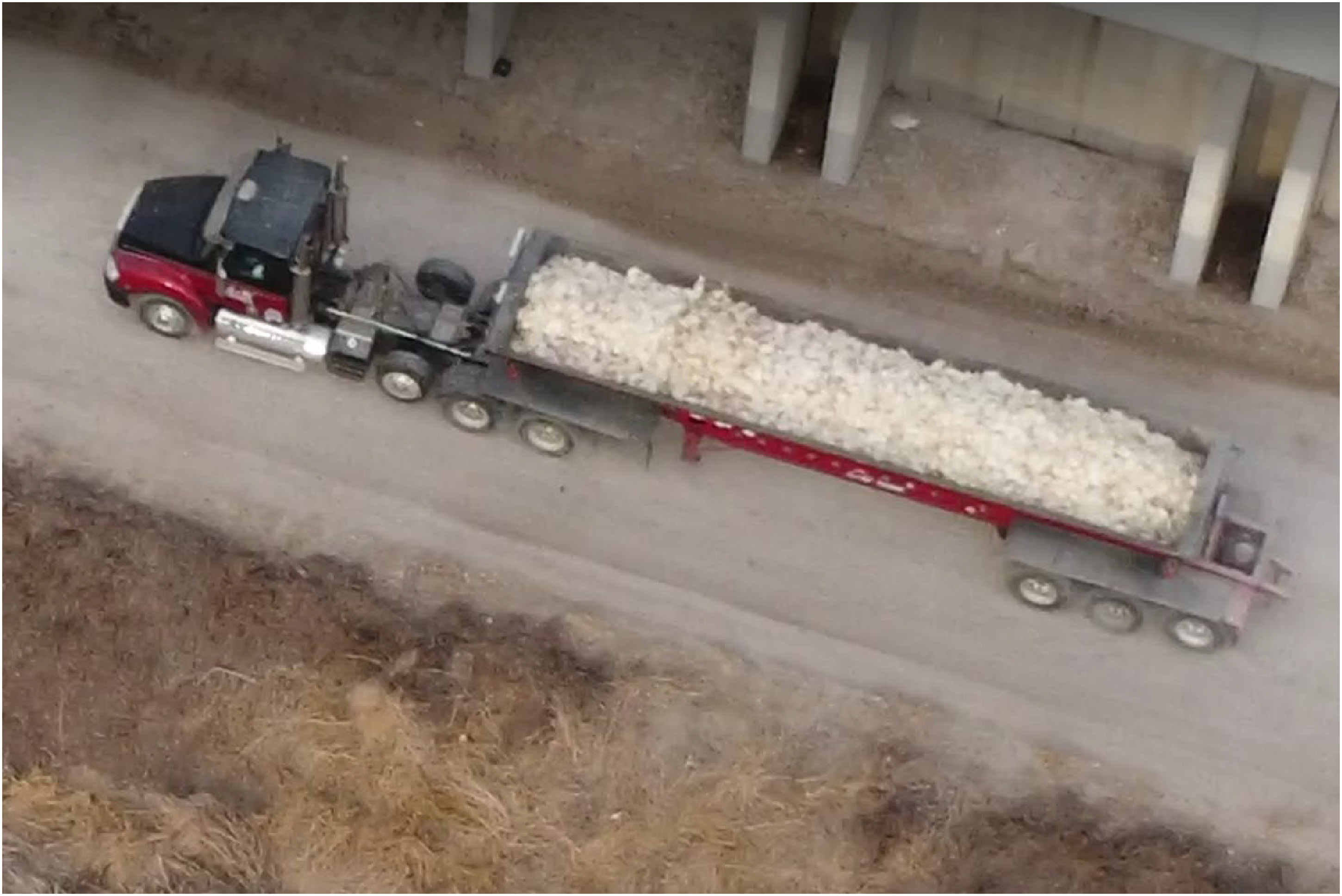
Drone footage shows thousands of hens killed by ventilation shutdown being hauled away from an egg production facility. Source: We Animals Media (2022)
While VSD has not generated much political attention in the US, there has been some opposition. In 2022, Senator Cory Booker introduced the Industrial Agriculture Accountability Act which, if passed, would prohibit the use of VSD (or VSD+, discussed below), with the notable condition that operators must develop depopulation plans that rely on other methods instead (Booker, 2022). This further highlights the growing recognition that systematic mechanisms are needed in the face of deepening systemic risks, and an acceptance, even among VSD opponents, of mass killing as an unavoidable emergency measure to contain dangerous disease outbreaks.
In both the UK and the US, the livestock industry exerts considerable political influence over the state regulatory agencies tasked with overseeing it (Boyd, 2001; Ken and León, 2022; Lymbery, 2014). In the US, this has long included significant coordination between industry and federal agencies in responding to disease outbreaks among livestock populations, with the first discussion of depopulation interventions dating to the early stages of industrialization and the National Poultry Improvement Plan in the 1930s to contain the spread of pullorum disease. Publicly financed compensation for operators who have been adversely affected by disease outbreaks is a key aspect of the state–industry relationship. This amounts to a form of subsidized insurance that encourages the continuation of risk-laden practices by enhancing operators’ ability to forecast payments for future losses and their associated management (Boyd, 2001), including the costs of depopulation. The advance of VSD in the UK and US illustrates the crucial role that the state plays in bracing operators against disease risks. In both cases, government agencies have defined the terms for how VSD is deployed, and US operators must seek the approval of the USDA to use VSD on a case-by-case basis and comply with USDA terms in order to be reimbursed for depopulation costs.
Along with insuring operators against losses, state agencies and public universities have also had key roles in subsidizing research into various depopulation techniques. Even before the first sanctioned use of VSD in 2015, its proponents had begun to suggest that it be enhanced with supplemental inputs and efforts to better seal enclosures to speed the deadly effect of shutting off ventilation systems, and researchers at North Carolina State University (NCSU) were conducting experiments (funded by the US Poultry and Egg Association) to compare the outcomes of VSD with no additional inputs, with supplemental heat, and with supplemental CO2 (Eberle-Krish et al., 2018; Krish, 2018). Some records and images from this study were later obtained by animal advocates and released to the public, including evidence of hens struggling as they died over the course of 1.5 to 3 hours (see Figure 3). 11 This research empirically demonstrated that VSD with supplemental heat and CO2, either individually or in combination—termed “VSD+”—increased the speed at which animals die (Eberle-Krish et al., 2018; Krish, 2018). The following year, research at the University of Mississippi (jointly funded by the USDA and two egg industry associations) used a combination of physical experimentation and computer modeling to predict the amount of each supplemental input needed for successful depopulation relative to shed-specific conditions (Zhao et al., 2019). Experiments have also been conducted in which chickens or pigs were killed by filling cages or bins with foam or gas (Arruda et al., 2020; Gurung et al., 2018a, 2018b; Kieffer et al., 2022; Lorbach et al., 2021).
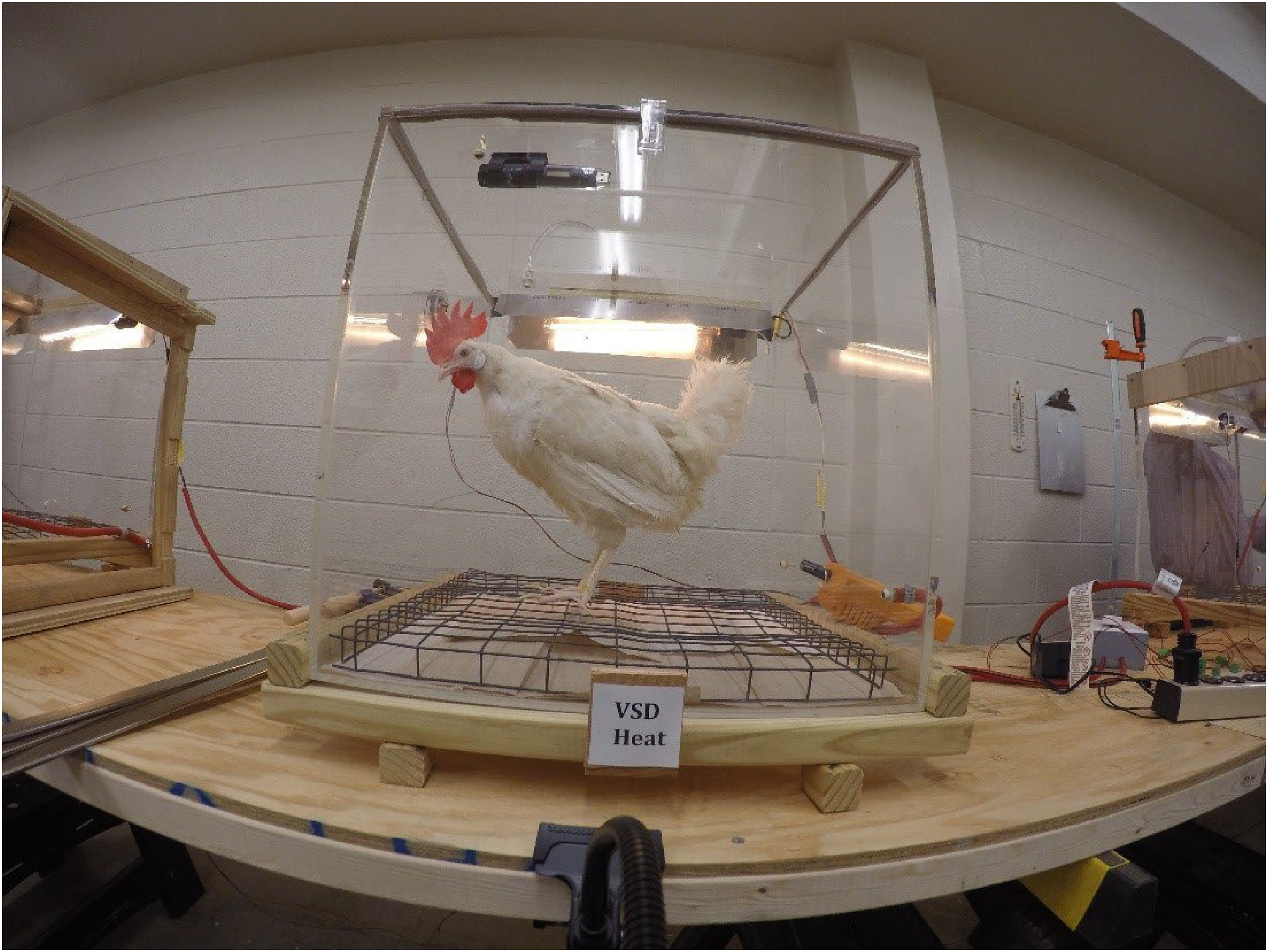
A hen awaits death by ventilation shutdown with supplemental heat in an experiment conducted at North Carolina State University in 2016. Source: Animal Outlook (2022).
Along with this university-based research, the American Veterinary Medical Association (AVMA) has also had a significant role in shaping the regulation of VSD and other modes of depopulation, providing guidance on acceptable practices that directly inform the USDA APHIS. 12 In 2017, the AVMA developed depopulation guidelines that listed VSD as an acceptable depopulation method in “constrained circumstances” (DVM 360, 2017), which the AVMA's internal correspondence indicates was led in part by an official from the National Pork Board (a USDA program bracing industrial pig production). In 2019, following the aforenoted research at NCSU and the University of Mississippi, the AVMA updated its position to no longer recommend VSD alone and instead identify VSD+ as an acceptable depopulation method (AVMA, 2019) and, in 2022, the USDA APHIS adopted the AVMA's guidance as part of its policy for responding to highly pathogenic avian influenza (USDA APHIS, 2022).
The nature of the problem that VSD and VSD+ are responding to—infectious disease outbreaks deemed dangerous for production or that risk potential spillover to humans—clearly demands speed above all. One reflection of this is that some have argued for operators to have greater autonomy in determining when to deploy it. In 2015, a Georgia Congressman appealed to the USDA to allow operators to deploy VSD without prior approval (Collins, 2015), and in 2022, the National Association of State Departments of Agriculture made the same case with respect to VSD+ (NASDA, 2022). In 2023, the Pennsylvania Department of Agriculture purchased industrial heaters to facilitate rapid deployment should operators in the state seek to use VSD+ in the future (Bolotnikova, 2023). The primary argument in favor of VSD has always been that it can be accomplished quickly with minimal labor and equipment, which is important since neither can always be procured on short notice, especially when outbreaks affect many facilities in the same region. This remains true of VSD+ as it is currently sanctioned, which can be accomplished using the heating systems already in place in most poultry facilities, though the capacity to augment with CO2 is much less common.
As discussed earlier, industrial livestock production is characterized by the pressure to accelerate growth and reproductive outputs and precisely time the death of animals, with little regard for their suffering apart from attempts to mitigate how it bears on output. But when depopulation is deemed necessary and there is no longer a profitable commodity on the other end of the kill floor, a different and even greater pressure to control the time of death arises, as every moment that these animals remain alive increases costs, delays the re-stocking of the next group of productive animals, and extends the risk of spreading disease. It is important to note that while VSD or VSD+ can be deployed with less delay than other methods, this does not guarantee a swift death for all animals, with a degree of protracted suffering inevitable. In responding to the 2022 avian influenza outbreak in the US, 10% of all depopulation events involving VSD+ (all of which utilized supplemental heat) left some survivors, who were then killed by manual or mechanical means, most often by neck-breaking by hand or using a Koechner euthanizing device, which resembles an oversized pair of pliers. In addition to the suffering inflicted upon animals, this brings workers into close contact with potentially infected animals, both in the killing of survivors and in the removal of dead bodies from sheds, contributing to further risks of disease transmission that are especially volatile in cases where the potential for spillover to humans has been identified. While the relative labor efficiency of VSD is part of its appeal to operators (and the governments that reimburse them), the additional labor costs that ensue when it fails are another motivation for continuing efforts to develop faster and more comprehensive depopulation techniques.
COVID-19 supply chain disruptions and the widening use of VSD
Outbreaks of swine influenzas have led to massive depopulations on several occasions, but the first known use of VSD to kill pigs resulted not from a viral outbreak among pigs but rather from the impacts of COVID-19 on the human population. In early 2020, as slaughterhouses and meatpacking plants in the US began to close amid efforts to contain the COVID-19 pandemic, leaders in the meat industry warned of both meat shortages in grocery stores and imminent depopulation events for animals who could not be sent to slaughter due to sudden supply chain bottlenecks (Tyson, 2020). Although it was quickly evident that slaughter and packing facilities were major sites of disease transmission (due to the unavoidable proximity of workers, moist ambient conditions, and shortages of high-quality personal protective equipment), US President Trump signed an executive order designed to force plants to stay open (Schlosser, 2020). Around the same time, the USDA was preparing a contingency plan for plant closures and announced that the USDA APHIS was ready to assist operators with depopulation “much as it did during the large-scale Highly Pathogenic Avian Influenza emergency in 2015” (USDA APHIS, 2020: para. 3).
But this comparison made by the USDA was misleading, as the issue was not that pigs were deemed to be at risk of infection with COVID-19 or transmitting it to humans, but that any protracted shutdown of slaughter and packing plants meant that operators growing pigs would be unable to send them to slaughter when they needed to (Shike, 2020). The essence of the complication was rooted in the extraordinary speed at which modern pig breeds grow and are killed in industrial systems, normally reaching the optimal slaughter weight of roughly 300 lbs. in around six months. If these fast-growing pigs surpass their typical slaughter timeline and weight, they become much more likely to encounter health problems, behave aggressively toward one another, and become too big to be safely handled by slaughterhouse workers and machinery (Schulz, 2020; Thrift, 2021). 13 As a result, while a few possible alternatives such as altered feed regimes were assessed, some operators and experts in the industry concluded that depopulations would be the most economical response if slaughter and packing plants had to be closed for as little as just a few days (Baysinger et al., 2021).
At the time that closures of slaughter and packing plants began in 2020, neither VSD nor VSD+ had ever been tested on pigs (Arruda et al., 2020), nor had the computer modeling intended to better understand the process yet been published (Leonard, 2020). 14 In April 2020, industry-based scientists along with researchers from several state universities worked with a large-scale pig operation (that was kept anonymous) to execute and study depopulation events. After the operator decided that depopulation using VSD+ was the best way to cut its losses amid the closure of slaughter and packing plants, researchers conducted an unsuccessful trial using VSD plus supplemental heat, followed by another trial with VSD plus steam, and the operator proceeded with the depopulation using the latter method (Baysinger et al., 2021). To accomplish this, four sheds at one location were selected, the equipment inside them was removed, manure pits below the floors were filled with gravel (to limit airflow and support the weight of vehicles that would remove the bodies), air inlets and seams were sealed, fans were covered, and rented industrial heat and steam generators were connected to the sheds (see Figure 4). After these modifications were completed, the operator then trucked in pigs from various locations in surrounding states and used VSD+ to kill more than 240,000 (Baysinger et al., 2021).
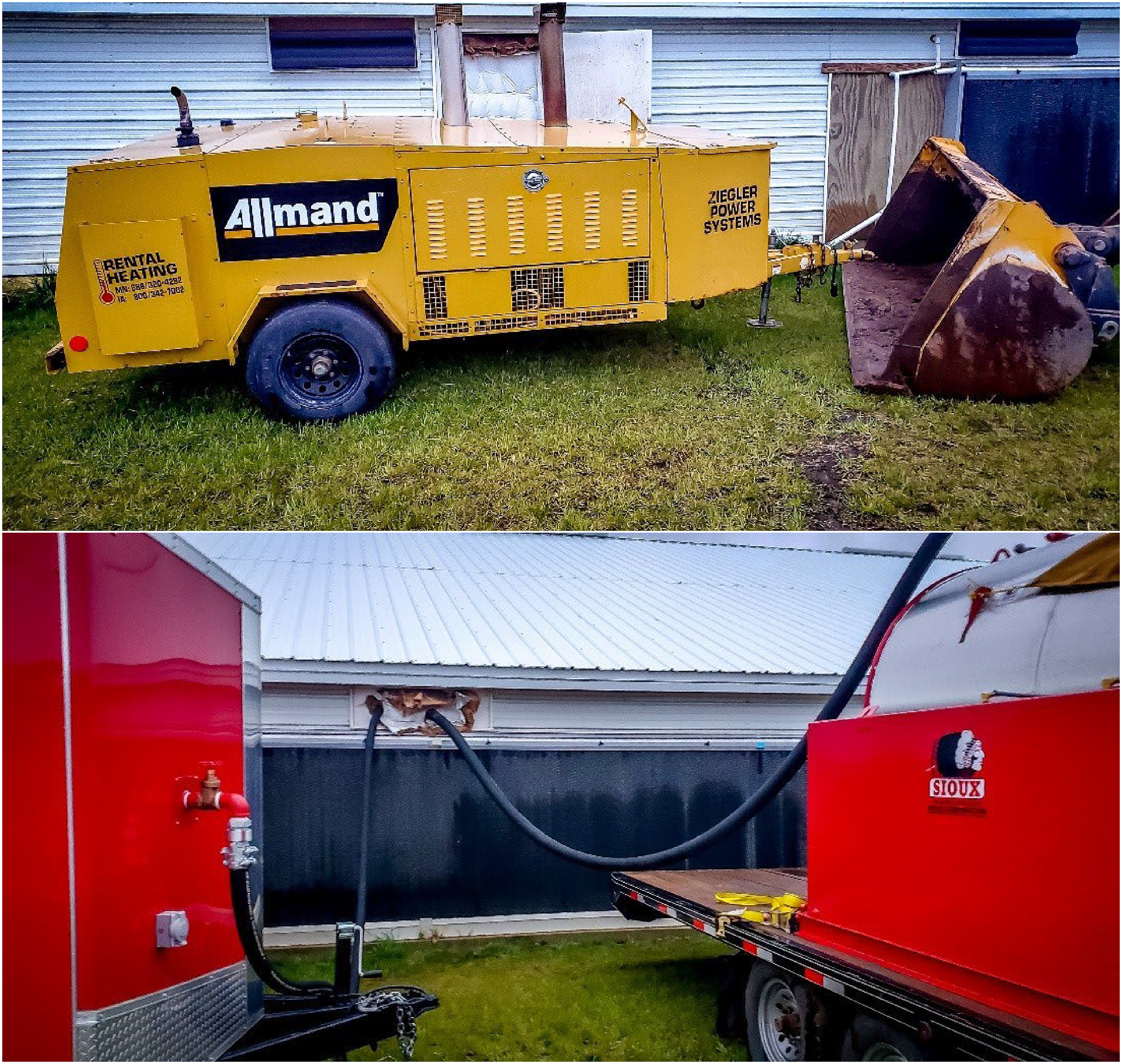
Rented industrial heater and steam generators are connected to a shed in preparation for depopulation by ventilation shutdown. Source: Direct Action Everywhere (2020).
During these depopulation events, researchers assessed how quickly pigs were killed by measuring the time elapsed between the point at which shed temperatures reached 130°F and the point at which pigs were no longer heard vocalizing, and reported that the median “time to silent” was 65 minutes for “finishing” pigs (nearing slaughter weight) and 55 minutes for “nursery” pigs (still months away from slaughter weight) (Baysinger et al., 2021). However, as Reyes-Illg et al. (2023) point out, starting the timer only when temperatures reach 130°F discounts the length of suffering experienced by pigs, both by starting the clock too late (as their preferred temperature is less than 80°F and they experience considerable physiological distress beyond 95°F) and potentially by stopping it too early when audible cries of pain and distress were no longer heard, as many pigs may have been quietly gasping for some time before they died. Making matters still worse, researchers reported that even after the sheds were deemed to have fallen silent, 728 pigs were found alive and subsequently killed by hand (Baysinger et al., 2021). 15 Figure 5 shows the killing of survivors in the aftermath of a VSD depopulation event in Iowa in 2020, but it is impossible to know whether this image comes from one of the depopulation events that Baysinger et al. (2021) were examining since they did not identify the operator or precise location.
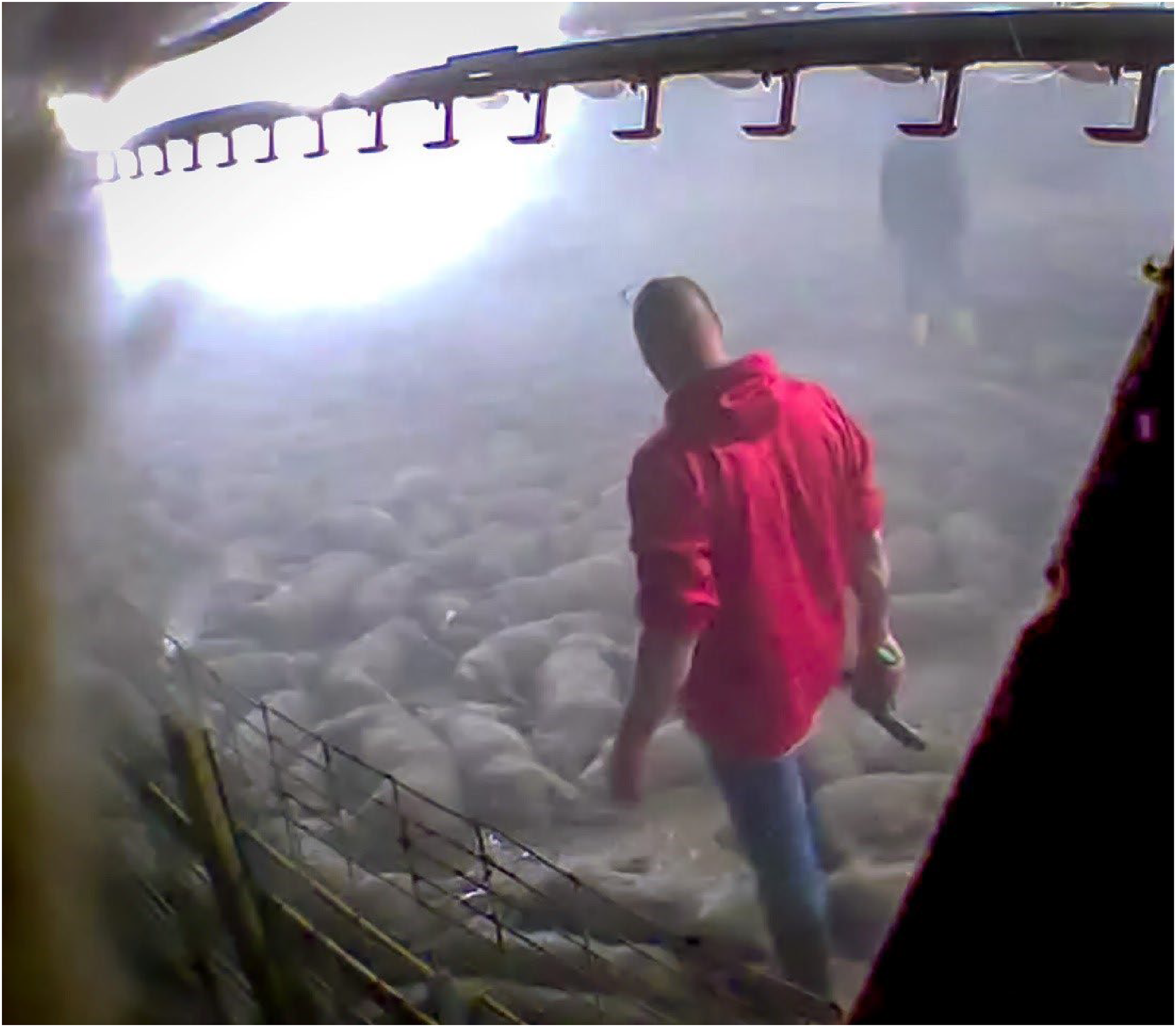
A hidden camera recording shows workers with captive bolt guns searching a steam-filled shed for survivors among pigs who have been killed by ventilation shutdown in Iowa. Source: Direct Action Everywhere (2020).
Since the pigs killed in these depopulations posed no known disease risk, operators were able to send over two-thirds of their bodies to a rendering facility to be turned into a range of products, while the remainder were composted on-site under state supervision for later agricultural use (Baysinger et al., 2021). On-site composting at such a scale presents serious challenges, requiring a large amount of space (as bodies packed too densely break down more slowly) and additional inputs such as sawdust or straw to enhance decomposition (Iowa State University, 2008). Once these depopulation events were completed, the sheds were destroyed, as this was deemed to be cheaper than undoing various modifications, such as unpacking the gravel-filled manure pits (Baysinger et al., 2021). 16
Estimates of how many pigs were killed in US depopulation events in 2020 range from one to ten million animals, and there is no way of knowing what share of the total was accomplished using VSD, as depopulations for reasons other than disease control are not required to be reported to the USDA (Baysinger et al., 2021; Reyes-Illg et al., 2023). Yet, whatever its precise scale, the use of VSD on pigs in the US in response to the temporary shuttering of slaughter and packing plants is illustrative of how this mode of depopulation could have wider applicability. While VSD has been primarily conceived and deployed as a way to contain the spread of infectious disease, it could also advance in the future as a way to cope with other vulnerabilities associated with how industrial livestock production is organized, such as drought and feed crop failures, water scarcity, and extreme weather events that incapacitate slaughter and packing facilities.
Conclusion
This article has examined how depopulation events are becoming a significant subject of research and development involving collaborations between industry, governments, and academia focusing on the advance of VSD and VSD+. These depopulation methods involve the transformation of an existing set of technologies used to override longstanding barriers to scale in livestock production—the bad air quality caused by animal respiration, body heat, and great concentrations of feces and urine—into an increasingly systematic response that can be quickly deployed to mitigate a range of emergencies. Although it is described as an option of last resort by the USDA, AVMA, and the livestock industry more generally, VSD+ is officially sanctioned for specific uses in USDA APHIS policy, and the research and deployment of VSD and VSD+ have advanced to the point that it was the method used in nearly half of all industrial bird depopulations and the majority of laying hen depopulations in the US in 2022, and played a major part in pig depopulations conducted by some operators in the US in 2020 in response to temporary slaughterhouse shutdowns. These deployments suggest that, despite expressed reservations, this mode has advantages, as it can be initiated relatively quickly, easily, and cheaply, and speed is a crucial factor for disease containment and to reduce the time until sheds can be repopulated and production restarted.
There has been a substantial amount of scholarly and journalistic attention given to the brutal labor involved in industrial livestock production, in growing operations and especially at sites of slaughter and packing, in terms of physical and emotional harm to workers, routinized suffering endured by animals, and how these are interrelated (Blanchette, 2020; Eisnitz, 1997; Genoways, 2014; Gillespie, 2018; Pachirat, 2011; Striffler, 2007). Much less attention has been given to the vast amount of intellectual labor associated with the design of these systems—including innovations in breeding and genetics, feed enhancement, buildings and enclosures, and disease management—which is often conducted at state universities and backed by a combination of public and industry funding (Twine, 2012; Williams, 1998). The research and development of VSD is illustrative of this largely hidden technoscientific apparatus and the role that intellectual labor plays in the violence of livestock production. It is also important to recognize that state support for research and development into VSD and other modes of depopulation and the ensuing reimbursements to operators represents further subsidies to an industry that already benefits from explicit (e.g. feed and other inputs, direct payments) and implicit subsidies (e.g. the externalization of public health and ecological costs, to say nothing of the untold suffering of animals) (Lymbery, 2014; Weis, 2013). Further, this reactive approach to disease risks is complicit in the deepening long-term threat of pathogen evolution (Davis, 2020; Wallace, 2016) and in projecting forward the incalculable costs to be paid if a dangerous new variant emerges from one of these spaces and makes its way beyond the ensuing wave of depopulations. And while the crises that lead to depopulation events are sporadic and unpredictable, the more they occur and the more research and development are invested into different methods of mass killing, the harder it will be for the industry to sustain the illusion that disease risks are under control.
The innovation of modes of depopulation bear some relation to the increasing biosecuritization of industrial livestock operations intended to restrict the movement of potentially dangerous microbes in the normal course of production through the use of sealed double-doorways and air-locked clean zones, hazmat suits and the separation of outside clothing, decontamination showers, and other measures (Blanchette, 2015; Dixon, 2015). Unlike biosecuritization, however, depopulation events are responses to crises that upend the normal functioning of livestock operations and amount to something like pulling an emergency brake on production. Advocates of industrial livestock production want to portray these events as rare and exceptional and as responses to unforeseen or external threats. Yet the concerted efforts to systematize modes of depopulation such as VSD tell a different story of deepening concern among experts about systemic risks. This recognition could lead to the capacity for VSD+ (and perhaps other modes of depopulation) to become a ubiquitous part of the design of industrial pig and poultry sheds in the future. Given the trajectory of research and innovation, it is hardly far-fetched to envision that many industrial livestock operations may soon commonly contain some combination of higher-capacity heaters; hookups for foam, gas, or steam generators; fans and air inlets deliberately engineered to be more airtight when shut down; tighter seams; improved insulation to retain heat; re-engineered manure pits that can be more easily sealed off; and higher-capacity incinerators than those that have already become common in large poultry sheds. On the current course, it is also plausible that future increases in the capacity for emergency depopulations could be mandated in government policies, braced by veterinary guidance on best practices, and rooted in further industry- and government-funded research and development, including more painful experiments on animals designed to enhance efficiencies in modes of mass death.
It is difficult to adequately describe the horrors of VSD, in which large numbers of animals die excruciating deaths as they are slowly cooked alive. But in considering the research, innovation, and deployment of VSD, we are not seeking to compare the inhumanity or the nature of suffering in these events to that which occurs in crowded sheds, trucks, or fast-moving slaughter lines in the normal course of production. On the contrary, our examination of the recent search for systematic responses to infectious disease emergencies (and how this was later applied to a very different crisis of production associated with the temporary shuttering of slaughterhouses in the early stages of the COVID-19 pandemic) yields new insights into the pathological logic of everyday practices.
As Collard and Dempsey (2017) argue, different forms of violence inflicted upon animals stem from whether they are valued, not valued, or conceived as a threat to value. Following this conception, whether the trigger is a disease outbreak or a supply chain disruption, depopulation events can be expected whenever livestock populations no longer bear value for individual operators, with infectious disease also posing an untold threat to value at much wider scales. Depopulation events lay bare the nature of human violence against animals, not as discrete episodes but as structural relations (Wadiwel, 2015). For Wadiwel (2015), the act of defining the exceptional circumstances that justify exceptional forms of violence in depopulations actually reflects everyday norms and operations. In other words, depopulation events are bound up in the ways that the immense suffering and violence that occur in industrial livestock production are made imperceptible as violence. In truth, the primary way that depopulation events are exceptional is that, amid unpredictable yet increasingly probable crises, the profitable circuits of rapidly growing and killing large populations of animals are interrupted and can only resume through extraordinary intervention. We hope that increasing attention to depopulation events and their systematization will make it more difficult to conceal the ordinary forms of violence that they are intended to perpetuate.
Highlights
The evolution and spread of dangerous variants of infectious diseases pose enormous risks to industrial livestock production and beyond.
Efforts are underway to systematize responses to the emergence and spread of infectious diseases in industrial livestock.
The essential objective is to quickly and cheaply kill (or “depopulate”) large populations of animals that cannot be conventionally slaughtered.
One prominent method centers on the reliance on ventilation systems in large sheds to mitigate unhealthy air conditions.
The research and increasing use of ventilation systems to inflict mass death illustrate both the precarity and the violence of production.
Footnotes
Acknowledgements
We gratefully acknowledge Dr. Crystal Heath for sharing important data and insights with us that improved this article, as well as the anonymous reviewers for their thoughtful suggestions.
Declaration of conflicting interests
The authors declared no potential conflicts of interest with respect to the research, authorship, and/or publication of this article.
Funding
The authors received no financial support for the research, authorship, and/or publication of this article.
