




Abstract
A core component of the Paris Agreement is reducing emissions from deforestation and forest degradation (REDD+). Originally envisioned as a form of payments for ecosystem services, REDD+ has played out in a myriad of ways on the ground. Examining the transition of REDD+ from theory to practice, this article provides an ethnographic account of local experiences with the Kalimantan Forests and Climate Partnership in Indonesia. Challenges with the invisibility of “carbon” as a resource—both literally and figuratively—was a common theme as community members questioned the feasibility of carbon as a commodity and expressed concerns that if REDD+ did succeed, their land rights might be usurped by more powerful interests. Concurrent to REDD+, communities were navigating imminent threats from forest fires and oil palm expansion. Village government leaders saw REDD+ as a potential buffer against these threats, but due to a history of failed development interventions they proceeded carefully in REDD+. Because the Kalimantan Forests and Climate Partnership was funded by bi-lateral aid, it was less susceptible to fluctuations in the carbon market but more vulnerable to changes in Australia’s administration and aid priorities, which ultimately led to the project’s closure in 2014. Since the project’s closure, villages have experienced the expansion of oil palm plantations onto community lands, and local forests and croplands have been engulfed in massive peatland fires—both threats that REDD+ was designed to confront. A key lesson from the Kalimantan Forests and Climate Partnership is that if the international community wants to work with local communities to make a lasting impact, it is essential that their engagement be built upon commitment, transparency, and trust.
Keywords
Introduction
In order to limit global warming to 1.5°C, the Intergovernmental Panel on Climate Change recommends that global human-caused carbon dioxide (CO2) emissions be reduced 45% from 2010 levels by 2030, and that emissions continue to decline until reaching net zero mid-century (IPCC, 2018: 12). Deforestation and forest degradation together account for an estimated 12–17% of global annual greenhouse gas (GHG) emissions (Stern et al., 2006), making the forest sector critical to limiting global warming to 1.5°C (Seymour and Busch, 2016). For over a decade, international institutions, national governments, non-governmental organizations, and businesses have been piloting a mechanism known as Reducing Emissions from Deforestation and Forest Degradation (REDD+) with the goal of curbing carbon emissions from forest loss in tropical countries. Originally envisioned as a form of payments for ecosystem services (PES), in which high-emission countries and companies could pay rainforest-rich nations and communities to conserve forests, REDD+ has played out in a myriad of ways on the ground and struggled to achieve the “market-based” aspect of its design (Shapiro-Garza et al., 2020). Examining the transition of REDD+ from theory to practice, this article explores ways in which the Kalimantan Forests and Climate Partnership (KFCP) REDD+ pilot project in Indonesia was influenced by local and global actors, as well as the lingering effects of past development interventions in the region.
Taking as a premise that global GHG emissions need to be reduced quickly and ethically, this article examines potential benefits and challenges of implementing forest carbon offsetting locally, and stresses the importance of trusted relationships and long-term commitment for more equitable outcomes. The article is based on ethnographic research in communities neighboring the KFCP REDD+ pilot project in Central Kalimantan, Indonesia, as well as interviews with individuals involved in KFCP at the regional, national, and international levels. The analysis is informed by the analytical framework developed by Shapiro-Garza et al. (2020: 18–19), who advocate for “a grounded approach in PES research, one which, following in the tradition of political ecology, understands the dynamics and outcomes of any intervention are dictated by the interaction of structure and the development pathways and situated agency of relevant actors in the sites of implementation.” As a researcher, I perceived REDD+ as a proposed “technical solution” to climate change being applied to the real world in all of its “messiness” (Li, 2007a: 265), and followed the examples set by others who have explored the ways complex human–environmental processes are simplified and depoliticized through narratives of a problem solvable by technical means (Adger et al., 2001; Forsyth, 2008; Lele et al., 2013; Li, 2007b; Peluso, 1992).
When field research for this article took place in 2011–2012, market-oriented discourses were prevalent in REDD+, which was being called the “world’s largest experiment in Payments for Ecosystem Services” (Corbera, 2012: 612). Conducted at a time when the Indonesia-Australia Forest Carbon Partnership (IAFCP) was striving to create the necessary institutional framework for REDD+ to work, this research documents community members’ interactions with this process. In doing so, it contributes to a recognized gap in the literature on the operationalization of PES theory (Jespersen and Gallemore, 2018: 507–510), and responds to calls for “action-oriented, socially-informed and power-sensitive” research on PES (Van Hecken et al., 2015: 117) that “takes into account the complexity of the social-ecological systems within which REDD+ actions will unfold” (Corbera and Schroeder, 2017: 8).
This article utilizes Shapiro-Garza et al.'s (2020) conceptual framework for examining how the structure of the KFCP REDD+ intervention, the complex historical context it entered into, and the agency of the actors involved all shaped its trajectory. In the next section,
REDD+’s evolution
REDD+ first came onto the international stage in 2005 at the United Nations Framework Convention on Climate Change’s (UNFCCC) 11th Conference of the Parties (COP-11) in Montreal, when a coalition of tropical countries’ government representatives—led by Papua New Guinea and Costa Rica—proposed that a mechanism for “reducing emissions from deforestation” in developing countries (“RED”) be added to the post-Kyoto Protocol agreement. Two years later, at the 2007 UNFCCC meeting in Bali (COP-13), national representatives expanded this mechanism to include forest “degradation”, adding a second “D”. Following this, a “+” was added to represent the enhancement of forest carbon stocks, sustainable management of forests, and potential co-benefits such as biodiversity conservation and improved local livelihoods. One decade after REDD+’s introduction, the Paris Agreement incorporated the concept and encouraged action on REDD+ through results-based payments (UN, 2015: Article 5).
In its conception, REDD+ was envisioned as a mechanism through which high-emission countries and companies could pay rainforest-rich nations and communities to conserve forests, thus “offsetting” carbon emissions in one location through the sequestration of carbon in another. A key design element of REDD+ during those early years was that payments would be made toward safeguarding tropical forests’ role in sequestering carbon (Corbera, 2012), and that these payments would be funded by an anticipated growth in carbon markets (Angelsen, 2017). REDD+ was thus envisioned as a form of payments for ecosystem services. There was hope that by putting a price on forests’ environmental services, the economic value of standing forests would go up, thereby leading to increased efficiency and cost-effectiveness of emissions reductions and forest conservation simultaneously (Corbera, 2012; Daily, 1997; Ferraro and Kiss, 2002; Liverman, 2004; McAfee, 1999). In policy circles, many hoped that REDD+ might become a “win-win-win” scenario, addressing conservation, climate change mitigation, and poverty reduction simultaneously (Evans et al., 2014). Since REDD+ would be protecting forests for their climate services, the continued harvesting of non-timber forest products by local people would be possible in theory. REDD+ projects could also provide local communities with new sources of income from reforestation work, forest monitoring, and carbon-credit payments (Angelsen, 2008).
The first wave of REDD+ pilot programs and readiness activities received most of their funding from bi-lateral and multi-lateral organizations. The intention of these initial funds was to prepare tropical forest countries for results-based payments from the carbon market (Angelsen, 2017; Guizol and Atmadja, 2008). Anticipating the emergence of an international carbon market, numerous conservation organizations and private investors began exploring forest carbon offsetting options (Brockington et al., 2008). In 2012, REDD+ initiatives were active in 33 recipient countries and 17 donor countries, with a rough estimation of 1,300 self-proclaimed REDD+ projects globally. By 2020, these numbers had grown to 44 recipient countries and 2,119 REDD+ related projects (FAO, 2020).
Underlying REDD+’s planned transition to a market-based mechanism was an internationally binding resolution on cap-and-trade and the emergence of a large-scale market in forest carbon, both of which have yet to occur (Lund et al., 2017; Sunderlin et al., 2014). Angelsen (2017: 237–242) observes that REDD+ has become more akin to a light form of results-based aid, with only a small segment of projects including “payments for verified emission reductions” from the voluntary carbon market. Through time the concepts of REDD+ (Angelsen, 2017) and PES (Gómez-Baggethun et al., 2010; Wunder, 2015) have both been refined in response to real-world complexities (Angelsen et al., 2017; Corbera, 2015; Fletcher et al., 2017; Vatn, 2015), and the discourses surrounding REDD+ have changed (Den Besten et al., 2014; Nielsen, 2016). These changes include a shift from emphasizing intact forests to more integrated landscapes (Nielsen, 2016), and from focusing on carbon to multiple objectives (including local livelihoods, biodiversity, indigenous rights, good governance, and adaptation) (Angelsen, 2017: 238).
Early framings of REDD+ utilized the concept of “economic efficiency”, arguing that deforestation is the consequence of forests being undervalued, and therefore the solution was to readjust society’s valuation of forests by pricing their ecosystem services—specifically carbon sequestration—which is currently supplied free of cost. Implementation of the economic efficiency approach in environmental management is inherently political—however—because with changes in the economic value of a resource comes increased competition for access to and control over that resource (Robbins, 2004). In regions where people depend on forests for their livelihoods, restricting access can place an unequal burden for climate change mitigation on the shoulders of already marginalized communities. If economic benefits are exchanged for new restrictions to forest access, there is also the risk of elite capture of such benefits. For reasons such as these, the operationalization of social safeguards has been a central issue in preventing unjust outcomes from occurring in the implementation of REDD+ on the ground (Chhatre et al., 2012, McDermott et al., 2012; Pascual et al., 2014).
In recent years, policy makers and academics have increasingly distinguished REDD+ from market-based mechanisms, because to-date it rarely performs as such (Angelsen, 2017; Angelsen et al., 2017). In public discourse, the REDD+ acronym remains closely associated with the carbon market (Sunderlin et al., 2014: 15). In practice, however, Shapiro-Garza et al. (2020: 17) observe that the majority of PES initiatives—not just REDD+—have “defied the economistic model, including legitimacy and social justice criteria in their design in an attempt to maximize both environmental and social outcomes.” Understanding how and why these initiatives evolve from their initial market-based program logics and theories of change, into unique models shaped by local actors and contexts, is an area of research with both theoretical and policy implications.
Although the growth of the carbon market has stagnated, interest in strategies for forest carbon sequestration as well as CO2 sequestration by marine and coastal systems (known as “blue carbon”) will inevitably uptick as the pressure to address global climate change continues. Serious concerns remain that increased economic incentives for carbon offsetting will motivate governments to (re)centralize forest governance—potentially neglecting issues of local tenure, benefit sharing, and community engagement (Phelps et al., 2010). Research at the nexus of forest carbon offsetting and environmental justice thus remains relevant and necessary.
Research design
Given the intertwining of people’s lives and carbon-rich landscapes in REDD+, my research design asked: Are the carbon- and market-oriented logics underpinning REDD+ influencing people’s forest values and behaviors and if so, why and how? My operative research questions investigated this by bringing attention to the diversity of values (both economic and non-economic) that people place on forest services, and examining if and how these values are influenced by the market-oriented language of payments for forest carbon offsetting. Under the umbrella of this inquiry, I explored the physical, historical, economic, and political contexts of people’s relationships to the environment, and the ways they shaped different stakeholders’ experiences and motivations in REDD+ (Miles, 2015). By situating the implementation of REDD+ in each of these contexts, the ways in which REDD+ discourses were (and were not) influencing people’s perceptions and interactions with the environment became more apparent, as did some of the reasons why. A second theme explored during field research was local influence in REDD+ project planning and implementation. Again, I used contextualization as a means for understanding how community involvement and influence in REDD+ compared to past development and conservation interventions in the region, and the ways it has changed and remained the same (Miles, 2015). Taking a political ecology approach, this study was designed to seek cross-scale chains of explanation, contextualize present-day environmental problems in social and historical contexts, and better understand local perspectives and experiences in the context of ongoing environmental change (Blaikie and Brookfield, 1987).
My analysis draws from field research conducted in Indonesia from October 2011 to December 2012. Primary data collection for this study consisted of semi-structured interviews with 196 individuals, 60 livelihoods matrix rankings, participant observation, and 18 focus group discussions (e.g. with women’s groups, a local reforestation crew, REDD+ village-level management, village governments, and KFCP management staff from CARE and IAFCP, as well as World Bank officials preparing to join KFCP). I aimed for an equal distribution of males and females, varying age groups, and from households relatively evenly distributed through the focal communities. Of the 196 interviewees, 30 participated in oral history interviews. For the oral history interviews, I interviewed older community members (>50 years in age) from the villages of Katunjung, Kalumpang, and Petak Puti (10 interviewees each). This subset of interviews focused on landscape and livelihoods changes over the lifetime of interviewees, and included discussions of the history of external development and conservation projects in the villages. Interviews were transcribed and key events and timelines were compared between interviewees and sources for accuracy. The descriptions of community member experiences and quotes shared in this article are representative of larger patterns that surfaced during the process of analysis, which drew from grounded theory (Charmaz, 2006; Strauss, 1987) and utilized NVivo software to assist in the identification of some of the commonly expressed issues across the interviews, focus group discussions, and field notes. Details about interviewees (e.g. gender, profession, village) are not shared in this article in order to maintain their anonymity.
In this article, Shapiro-Garza et al.'s (2020) conceptual framework for examining PES and similar interventions is used to help elucidate the interplay between the structural intervention (the KFCP REDD+ pilot project), the development pathways of the site (local communities in or neighboring the Mantangai peat dome in Central Kalimantan), and the situated agency of the diverse actors involved, with an emphasis on local community members. The inclusion of development pathways in PES analysis is advocated for by Shapiro-Garza et al. (2020: 12), who call for recognizing that PES initiatives enter into “complex and dynamic systems, co-produced by the interaction of human activity and natural processes and inevitably influenced by historically built and evolving rules and norms, livelihood strategies, culture and worldviews, and underpinned by state policies, markets and changing environmental conditions.” Situated agency refers to the agency of the actors involved, including the ways people actively shape interventions through the adoption, adaptation, and contestation of these projects so that they better align with local objectives and context (Shapiro-Garza et al. 2020: 13). Taken together, this approach interprets interventions evolving due to their structure (e.g. conceptualization, resources, and limitations), local development pathways, and the situated agency of those involved (Shapiro-Garza et al. 2020: 18–19).
Case study: Kalimantan Forests and Climate Partnership
In 2011–2012, REDD+ funding in Indonesia had reached an all-time high (World Bank, 2012). Substantial funding was flowing into Indonesia’s pilot REDD+ province—Central Kalimantan—where this research took place. One of the most promising REDD+ pilot projects in Indonesia at the time was the Kalimantan Forests and Climate Partnership (KFCP), which Howell (2014: 267) described as “one of the few REDD pilot projects actually established”. Preliminary research carried out in preparation for this case study found that as of 2011, KFCP was one of only a handful of Indonesia REDD+ projects with an on-the-ground presence in local communities.
Agreed upon by the Indonesian and Australian governments in June 2008, KFCP included CARE-Indonesia and the Borneo Orangutan Survival (BOS) Foundation as partners. KFCP’s (2009: 2) goal was “to demonstrate a credible, equitable, and effective approach to reducing greenhouse gas emissions from deforestation and forest degradation, including from the degradation of peatlands, that can inform a post-2012 global climate change agreement and enable Indonesia’s meaningful participation in future international carbon markets.” The total budget for KFCP’s pilot phase was $37.47 million Australian dollars (Atmadja et al., 2014), funded through Australia’s International Forest Carbon Initiative and overseen by the Indonesia-Australia Forest Carbon Partnership. The project targeted an entire peat dome hydrological system, covering 120,000 hectaes (Figure 1), with carbon-rich peat soils reaching depths of more than 8 meters (KFCP, 2009). KFCP originally included seven villages (desa) and seven hamlets (dusun) located on or adjacent to this peat dome. Village agreements were developed between local communities and the KFCP REDD+ pilot project, a process described by Mulyani and Jepson (2015). Creation of the village agreements took approximately 12 months and involved extensive consultation and feedback (Mulyani and Jepson, 2015). Mulyani and Jepson (2015: 89) write that community concerns about KFCP centered on the potential for (a) changes in land tenure, (b) restricted access to natural resources, (c) unequal opportunities to participate in KFCP, and (d) unequal distribution of REDD+ benefits. I concur with Mulyani and Jepson’s (2015) conclusion that the content of the final KFCP agreements “placed significant attention on ensuring equitable participation in the decision-making process, in benefit-sharing and on equal opportunity for all villagers to be involved in REDD+ activities.” Separate from the village agreements, the goals of the KFCP (2009: 2) project focused on piloting REDD+ through:
“Reducing greenhouse gas emissions through incentives to local people and technical means; Developing methods and capacity to measure and monitor GHG emissions; Developing and testing equitable and practical payment mechanisms to channel financial payments to those people and organizations that contribute to achieving emissions reductions; and Building institutional and technical readiness on the part of local government and villages to implement REDD+ on a sustainable basis.”
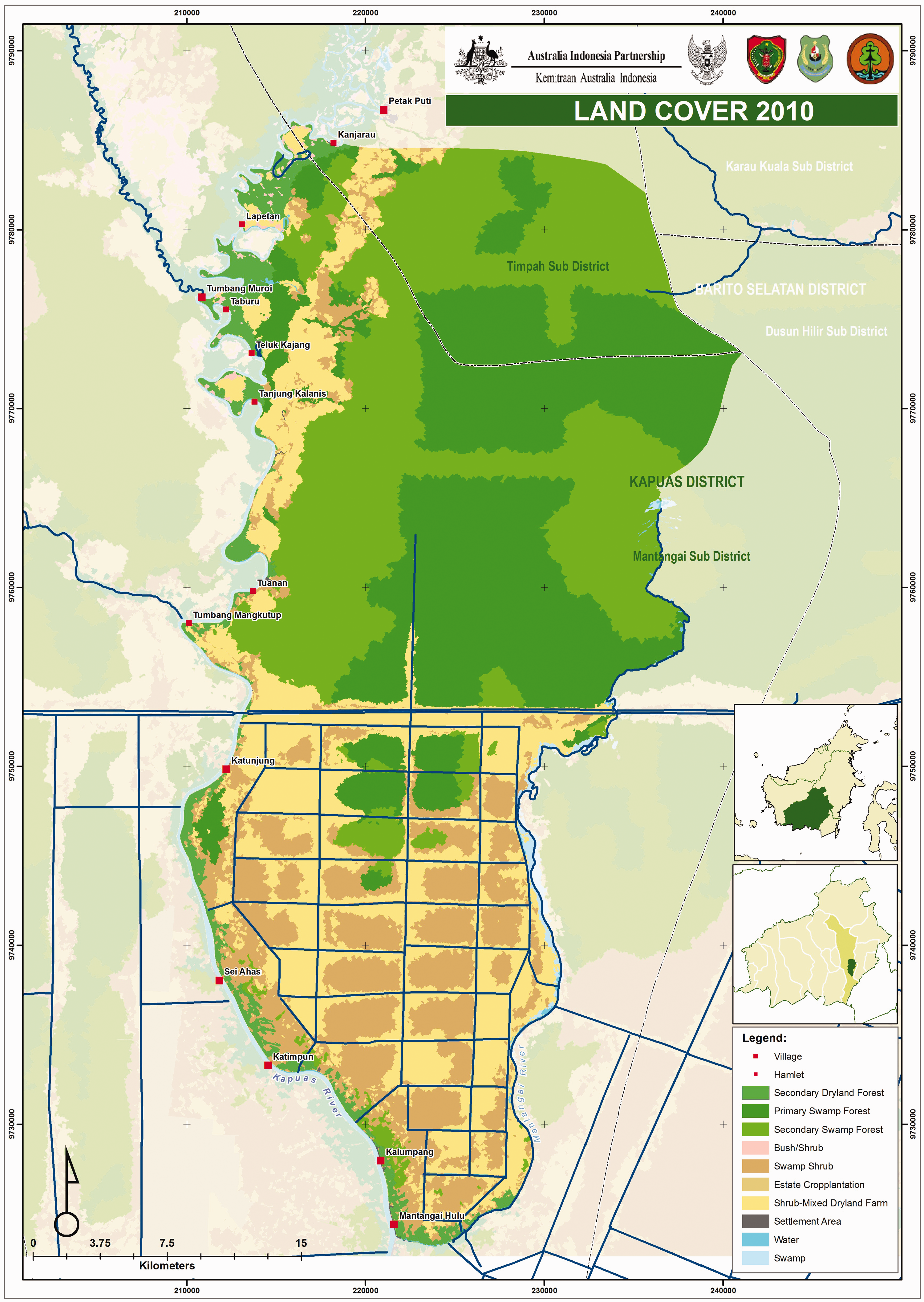
KFCP REDD+ pilot project. Source: Map used with permission from the IAFCP.
At the time of this research, KFCP was taking the necessary steps to test payments for verified emissions reductions in local communities, and the initiative was utilizing market-oriented language (e.g. “payments” and the “carbon market”). KFCP was designed to test three kinds of economic incentives in focal communities: input-based, performance-based, and outcome-based. The initiative quickly began with input-based incentives, which were given in the form of “remuneration or other direct benefits linked to adopting and implementing interventions” (KFCP, 2009: 5). This translated into payment packages for work carried out by community members (i.e. salaries). The second form of benefits—performance-based—was intended to be annual payments for sustaining interventions so that they reached their desired results. In 2013, this came in the form of rubber seedlings or assistance with traditional freshwater fishery systems (beje) establishment for households in villages participating in the REDD+ program. The last form of economic incentives was outcome-based. These payments were intended to be “commensurate with GHG emissions reductions, initially as a proxy for tradeable credits” but later possibly as “part of a forest carbon market” (KFCP, 2009: 5). In 2012, the World Bank was preparing to manage the project’s REDD+ Trust Fund, through which payments for carbon emissions reductions would be made. However, KFCP ended in 2014, before this last payment form was ever tested.
Focal communities and landscape
This research took place in the villages of Katunjung, Kalumpang, Petak Puti, Katimpun, Sei Ahas, Tumbang Muroi, and Mantangai Hulu, as well as the hamlets of Tuanan, Kanjarau, and Tumbang Mangkutup. These communities are located on the banks of the Kapuas River, which forms the western border of the KFCP REDD+ pilot project (Figure 1). Ethnographic research focused on the communities of Kalumpang, Katunjung, and Petak Puti. The project area is home to a population of approximately 9,000 people total (PTS URS, 2012), 90% of whom are indigenous Dayak Ngaju (KFCP, 2011). The remaining population is primarily Banjar or Javanese, many of whom have intermarried with Dayak Ngaju. The majority of the population (roughly 95%) has converted to Islam or Christianity from the Kaharingan belief system, which originated in this region. However, Kaharingan continues to influence natural resource practices and local customs.
According to the National Bureau of Statistics, 38% of the population in Kapuas District live below the poverty line. KFCP (2009: 18) estimated that this percentage was higher in their target communities, due to the remoteness of the region and limited livelihood options. Less than half of the population in the KFCP pilot villages had received more than six years of schooling, except for Kalumpang where 60% had achieved more than six years of formal education (ICRAF, 2009). The majority of livelihoods available to local people are directly tied to the natural resource base, e.g. rubber-tapping, swidden agriculture, rattan collection, fishing, hunting, and harvesting of non-timber forest products such as gemor bark and kalanis root. Young men often travel elsewhere in Central Kalimantan to find wage-labor—particularly in gold mining, an extremely dangerous but more lucrative livelihood than what is available at home. As of 2012, gold mining opportunities were becoming available closer to home, with hydraulic dredges off the shores of both Petak Puti and Tumbang Muroi, resulting in mercury pollution and sedimentation in the Kapuas River.
The communities selected for involvement in KFCP were all located along the western edge of the Mantangai Peat Dome. This hydrological landscape unit has exceptionally deep peat—over 8 meters in some areas. The depth of the peat decreases toward the edges of the dome, where mineral soils accumulate near the shores of the rivers (IAFCP, 2009: 16). Local communities live along the shore of the river and farm the mineral soils found there. Few food crops can grow in the deep peat soils, which are viewed as less valuable than the mineral soils and shallow peat. However, a small portion of villagers do use the degraded peat seasonally to collect fish (burning the grasses to reveal the water inundations where fish are found).
Peat soils are unique from other soil types because they are composed of organic forest matter that falls to the watery understory where it is not able to fully decompose due to anaerobic conditions. Layers of organic matter build up over thousands of years, developing an immense carbon sink. When deforested and drained, the peat dries and becomes highly flammable. Peatland fires can burn uncontrollably, threatening local economies and lives. Indonesia has more tropical peat swamp forests than any other nation (MacKinnon, 1996: 472), hence their strong emphasis on below- versus above-ground biomass in the national REDD+ program.
REDD+ in the context of past development and conservation interventions
For local communities, the KFCP pilot REDD+ project did not occur in a vacuum, but in the context of dwindling forests, decreased access to remaining forests, and a series of external interventions. Forest governance in Indonesia had been undergoing a process of government centralization since the Dutch colonial period. This process dramatically intensified with the Basic Forestry Law (Act 5 of 1967), which established state control over the archipelago’s forests, comprising more than 70% of the nation’s total land area (Peluso, 1992; Peluso et al., 2008; Vandergeest and Peluso, 2006a, 2006b). Indonesia’s logging boom arrived in these communities in the 1980s, bringing with it local jobs. Forest loss was gradual in the 1980s and early 1990s, but dramatically increased in the late 1990s with the entrance of President Suharto’s Mega Rice Project (Pengembangan Lahan Gambut). Created as a food security project to feed Indonesia’s growing population, the Mega Rice Project aimed to convert one-million hectares of primarily lowland peat swamp and rainforest into rice paddies. The industrial-scale draining and deforestation of the peat from 1996 to 1998, combined with the exceptionally long dry season due to the 1997–1998 El Niño, and the use of fire for swidden agricultural practices, resulted in massive forest fires. Scientists estimate that during the Indonesian fires of 1997, between 0.81 and 2.67 gigatons of carbon were released into Earth’s atmosphere. This is comparable to 13–40% of the fossil fuels emitted globally that same year (Page et al., 2002). Noxious fumes impaired people’s vision, lowered their productivity, and affected their health. Over 23,000 Central Kalimantan residents sought medical help for respiratory diseases during the 1997–1998 fires (Suratmo, 1998). The fires coincided with the Asian financial crisis and the fall of the Suharto regime, resulting in the complete abandonment of the project.
After the closure of the Mega Rice Project, the Borneo Orangutan Survival (BOS) Foundation worked with the post-Suharto government to conserve an area of forest spared from the 1997 to 1998 fires, and containing an estimated 3,000 wild orangutans (or approximately 7% of the remaining Bornean orangutans world-wide) (Shell and BOS, 2008). The “Mawas Area”, which in the past was largely viewed as open access, gained conservation status in 2007 (ICRAF, 2009). To reach the Mawas Area and the Tuanan Research Station managed by BOS, researchers travel along the Kapuas River to Tuanan hamlet and then hike inland. Community member interviewees described regularly seeing researchers coming in-and-out of the Mawas Area, but outside of the hamlet of Tuanan people’s interactions with BOS were extremely limited. In interviews, there was mixed views on their presence—some expressed appreciation that the forest remained intact, but many voiced frustrations with their lost access to and benefits from the forest enclosed by BOS.
Following the establishment of the Mawas Area, the next externally driven conservation program to enter was the Central Kalimantan Peatland Project (CKPP). Active from 2006–2008 and receiving funding from the Dutch Government, CKPP included CARE-Indonesia, Wetlands International, the World Wide Fund for Nature, BOS, the University of Palangkaraya, and the provincial and national Indonesian governments. The primary goal of CKPP was peatland rehabilitation, which was accompanied by efforts to reduce poverty in communities located in the former Mega Rice Project (CKPP, 2008). The key activities of CKPP consisted of work toward fire prevention, rehabilitation of peatland hydrology, “re-greening” of areas that had been deforested, biodiversity conservation, and small-scale development activities in villages (KFCP, 2009: 21). Soon after the project ended in 2008, the majority of constructed dams were either damaged naturally or removed by local people who had begun using the canals for transportation following the Mega Rice Project. In interviews, CKPP was not perceived as negative, but it also was not seen as having a sustainable impact on the environment and local livelihoods. Some interviewees compared CKPP with the REDD+ pilot project because it involved many of the same people and organizations, but now under a new name: “KFCP”.
When KFCP entered into these communities, a grid of over 300 kilometers of canals ran through the Mantangai Peat Dome like roadways, clear remnants of the Mega Rice Project. The canals had changed the hydrology of the groundwater, resulting in an overall draining effect that had kick-started the decomposition process—releasing carbon emissions as the peat dried and became highly combustible. The previous peat swamp topography of hummocks, hollows, and rainforest was leveled in various places, with the overall ground elevation lowered and many species from the former forest ecosystem no longer able to grow in the new conditions.
Local experiences and agency in REDD+
Trust and commitment
Community members’ experiences with past conservation and development projects directly influenced their perceptions of and interactions with the KFCP REDD+ pilot project. The physical transformation of the landscape under President Suharto’s Mega Rice Project of the 1990s, followed by the enclosure of the remaining forest in the BOS Mawas Reserve, displaced communities from the local landscape without physically moving them. Although this severing happened in the past, the impacts linger and continue to structure the way community members relate to and access the local environment and natural resources (Büscher and Davidov, 2016). Due to the development pathways specific to these communities, and the cycle of hopes and disappointments described in the previous section, interviewees experienced heightened skepticism of new projects, as articulated by a community member in this way, “KFCP said that there is already allocation of carbon funds for everyone from babies to the elderly. But for me, I doubt it. Why do I doubt it? Because we have had experience in the past that [external interventions] didn’t realize what we wanted.”
A variation of the theme of “trust” in REDD+ was community members’ uncertainty about the duration of KFCP’s commitment. In official communications, the time-limited commitment of the initiative clearly stated that KFCP was a pilot project with only four years of guaranteed funding. During interviews, external project proponents were cautiously optimistic that funds would be continued and plans were being made accordingly. Community members, however, expressed doubt in KFCP’s long-term continuation. This doubt influenced community engagement in KFCP, as people consistently prioritized their long-term livelihood practices over REDD+ work opportunities.
Community members also questioned KFCP’s commitment to taking “action”. Interviewees expressed concerns that the REDD+ pilot project and other interventions were “not serious” about resolving the problems they set out to address. One example of this perceived lack of commitment was variations between local recommendations versus KFCP management strategies for addressing human-set forest fires. Extensive interviews revealed that local people and KFCP management almost unanimously ranked peatland fires as the #1 most important environmental problem that needed to be addressed. However, there was skepticism from both parties about whether the other side’s actions would match with their words. Community members said that KFCP’s efforts were only focusing on “socializing” the community to not set forest fires. All-too-familiar with the dangers of uncontrolled fires, in focus group discussions locals agreed with KFCP’s awareness raising campaign because “it only takes one person to light a fire.” However, frustration was expressed by community members who wanted more than a social campaign (i.e. “just talk”). Village governments were seeking KFCP’s support in learning forestry management skills, including training and tools for early fire prevention and the formation of local fire brigades so that when fires did happen, they had the ability to take action in fighting them.
Unevenly applied rules in REDD+
The aspirations of KFCP’s work on the Mantangai Peat Dome stood in stark contrast with the transforming landscape of Central Kalimantan province in 2012. Floating down the Kapuas River from Kalimantan’s forested interior, barges filled with timber and coal were reminders that these new REDD+ policies were not being uniformly applied. One community member lamented, “Compared to the seedlings [we planted for REDD+], which are still small, the trees that are cut by the coal companies upstream are big, and it keeps expanding …”
Interviewees expressed support for forest restoration and environmental stewardship, but also made comparisons between downstream (their communities) and upstream (where intact forests continued to be logged), rural Kalimantan and urban Jakarta, and developing versus developed countries. A Traditional (Adat) Leader emphasized this juxtaposition by saying, “Why does REDD ask us to do reforestation when they do not look after the existing forest?! The existing forest is in danger, why all the concern to replant?”
Part of the appeal of the Mantangai Peat Dome for REDD+ was its dense carbon storage below-ground compared to its low economic value above-ground. The argument for selecting this site is one of economic efficiency: the high density of carbon contained in this relatively ‘cheap’ land means that each carbon credit will cost less to ‘produce’. Such logic can perpetuate environmental injustices, as more powerful actors continue extracting wealth from intact forests while the responsibility of curbing climate change is placed on marginalized communities whose lands have already been stripped of much of their wealth. The communities that joined KFCP were in a predicament: their land tenure was insecure (even though the majority were indigenous), they were searching for additional revenue sources, and they did not have the needed resources to rehabilitate the landscape lost during the Mega Rice Project and subsequent fires. It is important to distinguish the structure of REDD+, which was not designed to fight social injustices, and the agency of those who enact it. There were KFCP project staff and community members actively working to secure local tenure claims through REDD+, rehabilitate the landscape so it could again provide for local people, and stop the premature deaths resulting from low air quality. Structurally, however, KFCP was not equipped to address the corruption and collusion occurring in the forestry, agriculture, and mining sectors of Central Kalimantan.
Joining the ‘carbon work force’
If KFCP was to show measurable reductions in carbon emissions from the Mantangai Peat Dome, the canals that ran through it would have to be blocked, the area rewetted, and vegetation planted to maintain soil moisture so that the decomposition of peat (and release of carbon) would be paused. This would require an immense amount of physical labor, thus a ‘carbon work force’ was necessary. To recruit the work force, KFCP guaranteed job opportunities to every local household in the form of collecting seedlings, managing seedling nurseries, and planting saplings. The program allotted one position per household, and family members could decide among themselves who received the employment. Those assigned to planting saplings had the most difficult work conditions: to save on fuel expenses they would go to the reforestation areas for days at a time. These areas had no canopy cover, leaving them directly exposed to the tropical sun and at risk of heat stroke. Despite the challenging conditions, community members expressed appreciation for the new job opportunities. But rather than sending their most able-bodied family members, households often gave this work to members that were unemployed (e.g. the widowed grandmother or the unemployed brother-in-law) so that it would complement their household’s other livelihood sources. When surveying community member perceptions on REDD+ job opportunities and how they compared to other livelihoods, the local plant nurseries received the most positive feedback—particularly among young mothers who enjoyed the work and could bring their young children with them.
During the rubber off-season, when more people were available to work, households still prioritized income opportunities other than those from REDD+. The reason for this was that the financial income from REDD+ was perceived as akin to seasonal labor—inconsistent (dependent on the requests and timing of the project) and unpredictable in the long-term. This interpretation existed even though people were being told by KFCP staff that the international carbon market might result in regular payments to the communities for simply leaving the forest intact. Some locals mocked the idea of being paid after there was no longer manual work to be done. Community members struggled to believe they would receive future payments for the forest being left alone, and they were acutely aware that their rights to these forests (and carbon) were insecure. Having no previous experience being paid for work that did not require labor, in response to the idea of payments for the forest carbon credits one community member exclaimed, “There is no way we can get money without working! If we want to get money, we should work. If we don’t work, there is no way to get money.”
Dunlap and Sullivan (2019: 12) write that the “outcomes of neoliberal environmental governance are often precarious. Jobs are temporary, part-time, and deliver only a portion of the imagined expectations raised in neoliberal environmental governance proposals. Social development projects are limited and/or tokenistic in relation to broader societal transformation.” While this critique can be applied to KFCP, it does not negate that work opportunities with KFCP created tangible (albeit short-term) benefits locally, particularly for households with members in need of employment. It is also important to recognize that while it had financial backing, the local forest carbon workforce was effective in their nursery and tree planting efforts, and in curbing local fires (IAFCP, 2014). If the funding for this effort had not hinged on Australia’s aid priorities, or on the projected growth of an international carbon market, what might have been accomplished? If future forest carbon sequestration initiatives can incorporate the lessons learned through REDD+, but have long-term funding streams not dependent on the market or short-term aid packages, what transformations might be possible?
Language from the sky
Locals lamented that KFCP staff would sometimes speak in the “language from the sky” (bahasa langit) and use “code words” (kata-kata sandi) in conversations about carbon. Accessing independent and reliable information about the carbon market was difficult for community members who did not speak English and did not have access to a computer and internet. There was uncertainty about how the carbon market would work, and what roles KFCP and community members would play in the future. The lack of access to external information on REDD+ put community members in a weaker position to make strategic decisions, bargain, and hold leaders accountable—a challenge also documented by Nantongo et al. (2019) in research on REDD+ in Tanzania.
When asked what “KFCP” was, responses varied widely among community members, including: a development aid project, a business, an environmental program, and a timber company. One interviewee thought it was a ploy for the BOS Foundation to usurp more land for their orangutan reserve. Another interviewee refused to believe that KFCP was just interested in reforesting the heavily degraded and infertile peatlands, and instead offered a well thought-out conspiracy theory in which REDD+ was a cover for Australians and outsiders working to secure the rights to oil reserves hidden below-ground (hence all of the measurements being taken in the peat soil). Some community members who had received special trainings on REDD+ from KFCP expressed that they were nervous to talk about what they learned with fellow villagers for fear that they misunderstood something in the training, that their peers would ask them more questions than they could answer, or that what they were taught might actually not be true.
At the time, a billboard in the provincial capital of Palangkaraya read, “No forests, no oxygen” (“Tidak ada hutan, tidak ada oksigen”), while another one featuring President Susilo Bambang Yudhoyono stated, “If there are fewer trees, breathing will be more difficult” (“Pohon makin sedikit, bernafas makin sulit”). In villages, KFCP staff gave informational presentations on climate change and the important role forests play in sequestering carbon dioxide from the atmosphere. In these presentations, the emphasis on conserving above-ground forests led many to question: Why is KFCP working in a deforested area if they are trying to conserve the carbon in trees? KFCP’s site selection underlines the emphasis of REDD+ on carbon credits. People assume REDD+ will focus on intact rainforests, but to reduce carbon emissions one of the most strategic landscapes to protect will be Indonesia’s tropical peatlands—forested or not.
KFCP’s community engagement was extensive, and by 2012 many community members understood KFCP’s underlying “theory of change”, which paraphrased was: If no one cuts the forest or burns the peatlands, and if the reforestation efforts succeed, then the vegetation will continue to grow and absorb carbon gas, and the international community might pay us for this carbon. However, this logic begged questions that local leaders (and REDD+ proponents) could not answer, including: Who owns the carbon? How much is the carbon worth? How do we know that what we are being paid is a fair price? Who will pay for the carbon? Who will be given the payments? When will the payments be made?
The invisible commodity
In the oral history interviews conducted for this research, one question was, “How have your livelihoods changed from the past to present?” To which one community member responded, “Today, everything has value …” Previously, if a fisherman had a large harvest of fish or a successful hunt resulting in more meat than his family could consume, the extra would be freely shared with neighbors and relatives, whereas now the extra bounty would likely be sold, due in part to the decreased availability of meat and fish. At the time of this research, local perceptions of the economic value of peat soil were also changing. Deforested peat, generally considered to be of low value due to its infertility, was now being referred to as “carbon soil” by some community members, with the understanding that it, too, might have value in the future. Although community members prioritized their primary livelihoods (e.g. rubber cultivation) over KFCP activities, outside interest in REDD+ fostered local speculation about the carbon market.
Part of the challenge with the carbon market is its invisibility. By this, I am not so much referring to the “invisibility” of CO2 to the naked eye, but rather to the challenge of seeing CO2 as a resource to be captured, sold, and profited from. Carbon will be ‘seen’ as a resource to those that believe they can benefit from it. In the case of KFCP, community members remained contracted laborers in a large-scale reforestation project, while national governments were the ones brokering deals. When local people explained what carbon was to one another, they used two useful analogies. One was carbon as phone credits, “Carbon is like pulsa (phone credits), but pulsa is much better because although we cannot see pulsa, we can use it. We can sms (text message) and call.”
The second was carbon as a ghost, “I don’t believe in carbon because I cannot see it. Like a ghost, you can believe or not. But sometimes I can believe in ghosts because some people can see ghosts.”
In the REDD+ pilot villages, locals questioned the utility of carbon as a resource due to both its invisibility and the lack of ownership rights to the air. Jokes and metaphors about the ‘invisibility’ of carbon were not just about the physicality of carbon, but also people’s potential relationship to this new commodity: Would forest carbon sequestration materialize as a resource for local people, or would the benefits from carbon offsetting only be ‘seen’ by outsiders (government agencies, businesses, and NGOs)? One interviewee summarized the community’s challenge with carbon by saying, “Whether people believe in carbon or not – people don’t have jobs or alternatives so they join the program because they want the work. But, if we think about the future, there is no guarantee. It is different from if we plant fruit trees in the forest. When the trees grow we can see the fruits and harvest the trees … You can see the result and the result is fruits. But with carbon, we cannot see the result because we cannot see the carbon.”
Given the power differentials between the many entities involved in REDD+, it is not surprising that local community members expressed concerns about the losses they might experience in the long-run due to the carbon market. Many expressed that they did not want the area the REDD+ pilot project used for carbon sequestration to be on their land near the village—they wanted it to be in the deep peat away from the village. Their concern was that the government might change the status of the land used for the project and that people’s access would become prohibited. Community members explained that if the REDD+ reforestation areas were outside of the village border they would have a weak claim to the carbon later on. But, they preferred this over risking that their own land would be claimed by the government for carbon in the future. Locals worried that if the value of carbon as a resource increased, their rights to both carbon and the landscape which stored it would be usurped, leaving them with potentially less than they started with. Concerned about the future status of the REDD+ area, a local adat leader shared, “I worry if the government will claim this area to be a conservation area, and we will lose our access to the forest. Because there is no statement from the government that this area will be owned by the masyarakat adat (local indigenous/customary community), I don’t know what will happen in the future with this land.”
“Among the forest dwellers who search for diamonds in the hills above Martapura, there is a saying: ‘Whoever finds a big stone, he will eventually suffer [as a result]’. Tales are told in the area of the woe that befell men who found truly large, valuable stones. The problem with such stones is that they cannot be sold: their value is out of proportion to the marketing channels that are normally used by these part-time miners … Big gemstones become sources of ‘dissonance’ within the local and regional political-economic structure: they represent great wealth held by orang kecil – ‘little men’ – but never for long. News of such finds quickly comes to the attention of orang besar (‘big men’) in Martapura, Banjarmasin, and even Jakarta …” — Parable of “The Little Man and The Big Stone” (Dove, 1993: 17–18)
Post-REDD+
Despite the efforts of all those involved in the KFCP REDD+ pilot project in Indonesia, the fate of the project was ultimately determined in Australia. As of mid-2012, KFCP’s project proponents in Indonesia were quite confident that the pilot project would be extended until 2018 or beyond. Staff at the World Bank were under a similar assumption and were preparing to join as a partner. However, 2013 was a national election year in Australia, and the Labor Party was struggling with a deficit. In attempts to balance the budget, the federal government announced that it would delay their promised increases in foreign aid until 2016 (Fairfax Media, 2012a; Flitton, 2012). This was a controversial move, and they later reversed this decision and assured the public that the aid budget would not be cut (Coorey, 2012). Instead of directly cutting the aid budget, they diverted a total of $375 million Australian dollars from overseas aid to paying for costs associated with asylum seekers (Fairfax Media, 2012b; Ireland and Taylor, 2012). Meanwhile, Tony Abbott was campaigning on the promise to abolish the carbon tax and decrease foreign aid by $4.5 billion Australian dollars (Marks, 2013). Abbott went on to win the 2013 election and become prime minister. Upon entering office, Abbott set out to “ax the tax” (i.e. eliminate Australia’s “carbon price” scheme introduced by former Prime Minister Julia Gillard). July 1, 2014, the Australian Government’s abolishment of the country’s carbon tax went into effect (Australian Government, 2014). The fate of the Indonesia-Australia Forest and Carbon Partnership, the KFCP, and the Australian carbon price were sealed. There were more factors influencing the closure of KFCP (see Davies, 2015 for an analysis), but Australia’s policy reversals and lack of ownership for project outcomes were major.
In a Jakarta Post op-ed responding to the closure of KFCP, Murdiyarso and Tacconi (2013) warned that the “basic field research necessary to reduce future haze events is likely to be lost,” which would mean that “Indonesian policy makers, land managers and peatland communities are left without practical strategies for rehabilitating cleared peatlands” (Murdiyarso and Tacconi, 2013). At the time that KFCP’s closure was announced, project staff had been preparing to block the network of drainage canals and rewet the peatland. Not rewetting the area meant that the peat dome remained highly vulnerable to fires as it continued to decompose. Arrangements were made for KFCP to have an additional sum for “wrapping-up” the project in 2013–2014, and it was decided that these funds would be dedicated to meeting KFCP’s commitments to villages—in the form of livelihoods benefits, information sharing, and capacity building—rather than the original scientific and environmental goals of the project (IAFCP, 2014).
While KFCP was active, it created a barrier of sorts between these communities and oil palm interests. These interests resumed in 2013, when the oil palm company PT Rezeki Alam Semesta Raya made claims on the village customary lands of Sei Ahas, Katimpun, and Kalumpang. All three communities staged protests in response (Parker, 2013). Another company, PT Usaha Handalan Perkasa, planted oil palm saplings on locally claimed lands near Mantangai, which villagers responded to with multiple demonstrations that were documented by a local non-governmental organization and posted online in a YouTube video (Save Our Borneo, 2013). In both cases, these demonstrations made it into the international news outlet, Mongabay (Parker, 2013).
What the KFCP REDD+ initiative was designed to prevent happened soon after its closure. With the strong El Niño in 2015 came a prolonged dry season, and fires burned uncontrollably through the former REDD+ pilot site and across Indonesia’s peatlands. Satellite images of the Mantangai Peat Dome in 2012 versus 2016 show the stark difference. Figure 2 is from when the KFCP REDD+ program was actively working to rehabilitate and conserve the area, and Figure 3 shows the scars of the 2015 peatland fires. It was estimated that for 21 days from September 1 to October 14, 2015, the GHG emissions from Indonesia’s peat fires exceeded the daily average GHG emissions from the entire United States (Harris et al., 2015). In the provincial capital of Palangka Raya, the Pollutants Standard Index (PSI) reached 1575 PSI. This is staggering given that anything over 300 PSI is classified as “hazardous” to human health (Jenito, 2015). While Central Kalimantan’s politicians wore face masks in the parliament building, young activists organized protests calling for the government to stop permitting oil palm companies to operate in the peatlands (Mongabay Haze Beat, 2015).
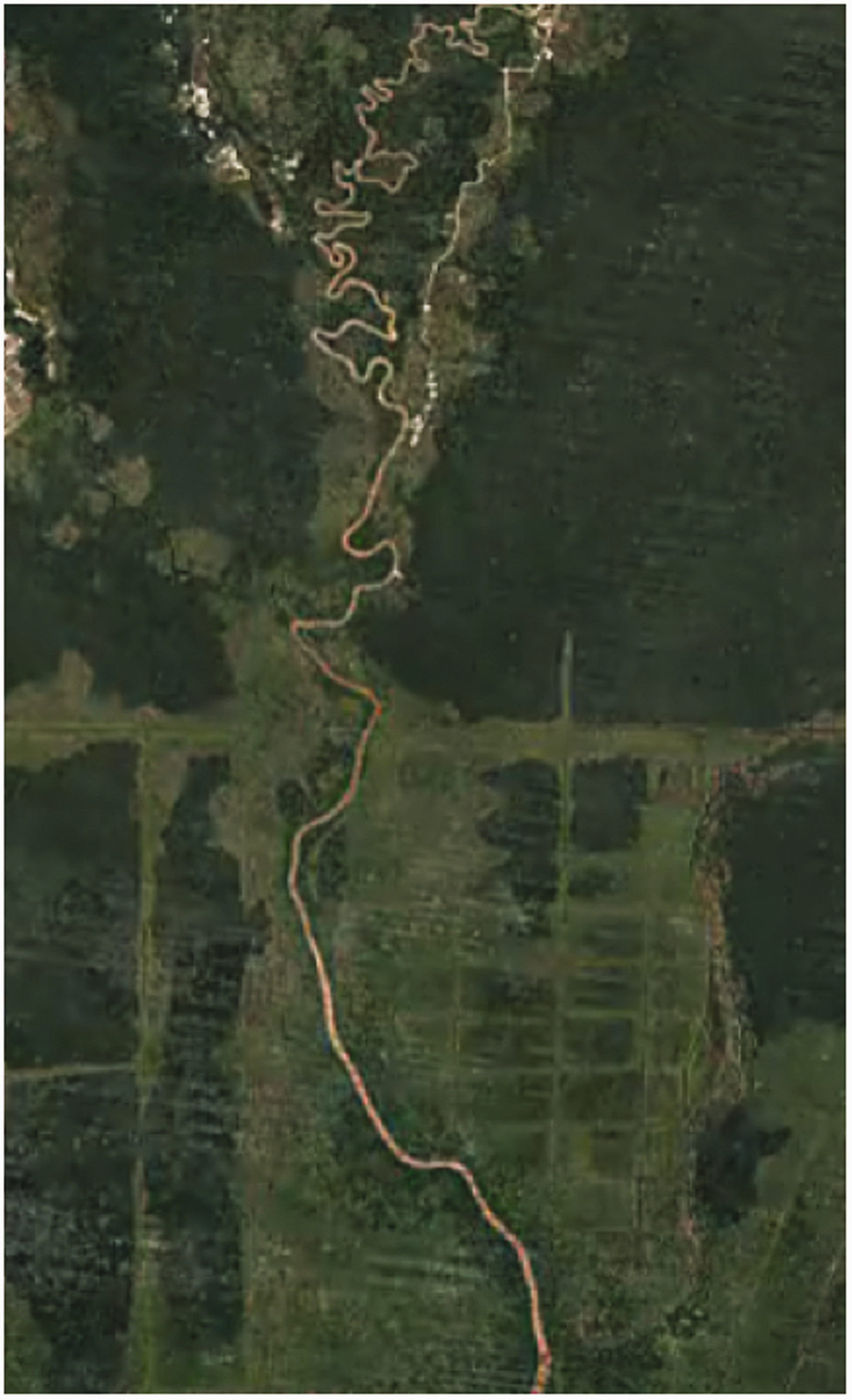
Site of the KFCP REDD+ pilot project in 2012. Source: Google Earth (2016).
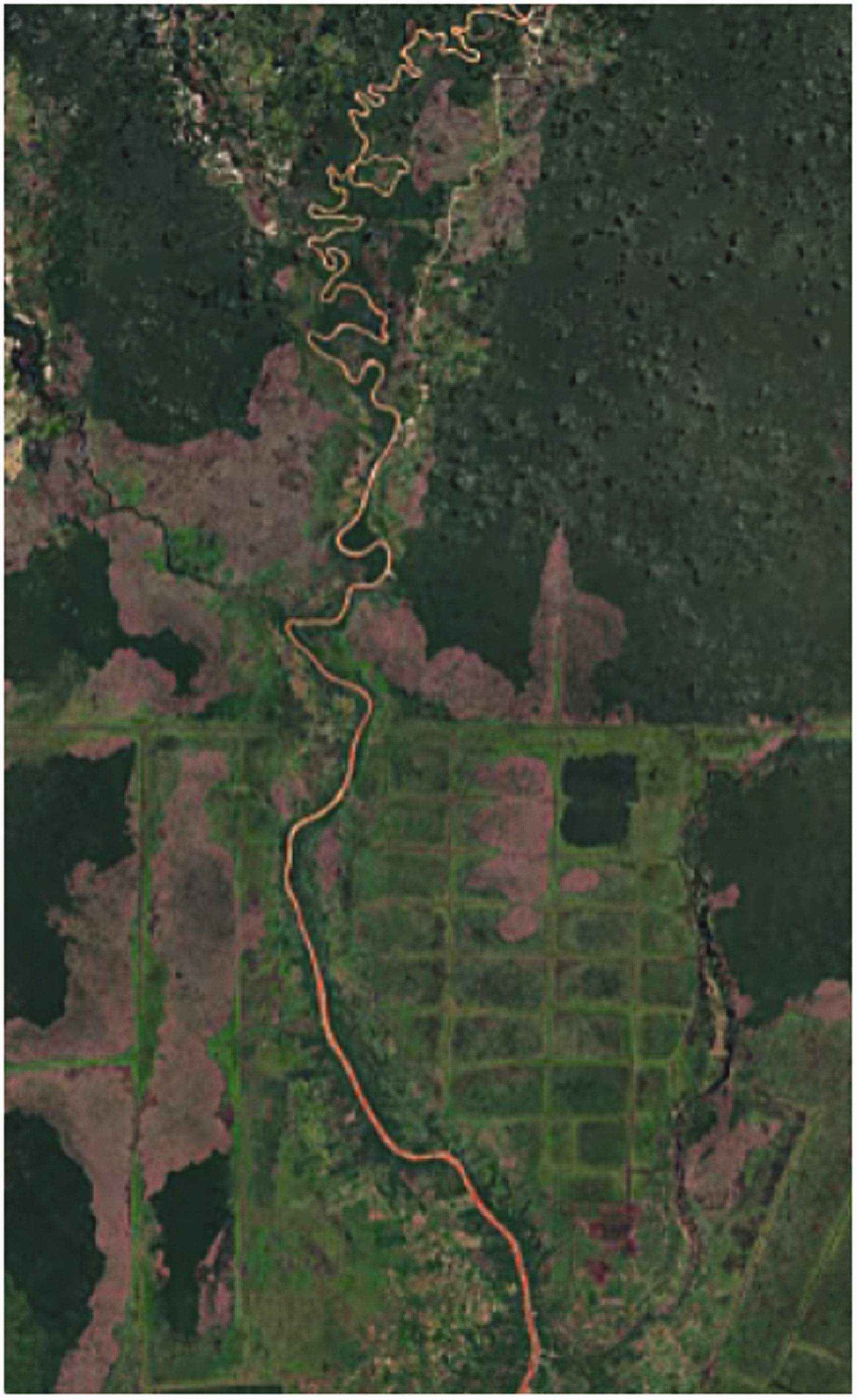
Site of the closed KFCP REDD+ pilot project, in 2016 with fresh burn scars from the fires that occurred during the 2015–2016 El Niño. Source: Google Earth (2016).
Conclusion
The Kalimantan Forests and Climate Partnership was one of the first REDD+ initiatives to take on the challenge of local implementation, and in doing so became a “laboratory for REDD+” (Lounela, 2015: 64). KFCP brought in new income sources for community members from peatland rehabilitation work, as well as unplanned local income opportunities that arose as researchers, journalists, and project staff arrived in the villages requesting lodging, river transport, and food. In a region where locals have weak tenure rights and the pressure for oil palm conversion is high, REDD+ offered an option that could have potentially met the government’s needs for income generation, increased indigenous and local people’s tenure rights, and started to address an immense source of local heartache and global GHG emissions: Indonesia’s peatland fires. The KFCP village agreements gave individual communities the ability to withdrawal from the project at any time with democratic vote, but these agreements did not give them control over whether Australia’s funding support would be sustained. With the closing of KFCP, local communities found themselves yet again the test bed for an external intervention that was ultimately accountable to outside interests.
The closure of the KFCP will have its own consequences for future development and conservation projects in the region, and for local communities and their environment. As a case study, KFCP reflects some of the challenges faced in implementing REDD+ on the ground. As summarized in the following paragraphs, these challenges have included: the opaqueness of how REDD+ mechanisms will work, stark inequalities among REDD+ stakeholders, and a trust deficit between local communities and project proponents.
In theory, PES schemes pay for a “well-defined” ecosystem service, or for a land use that can secure this service (Wunder, 2005, 2006, 2015). However, in the implementation of KFCP and other REDD+ initiatives, carbon sequestration as an ecosystem service has not been well defined for communities that lack the tools to measure and monitor this process (e.g. Corbera et al., 2007). Furthermore, determining the economic worth of carbon sequestered in a given area requires multiple levels of abstraction—both technical (measuring and monitoring between anticipated and actual trends) and value-laden (changing societal trends, market shifts, and policy priorities) (Büscher, 2014). For these reasons, the concept of carbon as a resource—and its valuation—remained opaque for local communities. Access to independent, reliable, and unbiased information about the carbon market is especially difficult for community members who do not speak English and do not have access to a computer and internet, as was the case for villagers involved in KFCP. While REDD+ added another element to local people’s already complex relationship with the landscape, it simplified this landscape for external actors (e.g. potential investors), making it ‘legible’ to those who sought to track its changing ‘value’ by the metrics of carbon sequestration (Fischer et al., 2019; Osborne, 2015; Scott, 1998, 2009).
If a large-scale international carbon market emerges, actors with formal land titles, political connections, and greater access to information will be at an advantage. Knowing this, community members in this case study were particularly risk adverse in REDD+. The KFCP program management told community members that if the project succeeded, they would receive regular payments for forest carbon. However, locals recognized their weak positioning in REDD+ and did not lose sight of the project being a “pilot”. People were cautious, prioritizing livelihood activities that were more reliable and/or profitable over the opportunities offered by the REDD+ pilot project. They also preferred that the REDD+ reforestation areas be in the deep peat far from their communities, even though their case for ownership over those areas was weaker. This preference was due to fears that if REDD+ was profitable, they might lose their access rights to these areas, and they could not afford for this to happen to their rubber gardens (kebun karet) and community forests (hutan adat), which were located closer to the villages.
Economic incentives were not the only factor driving community (dis)engagement in REDD+, but also relationships, trust, and long-term security. Due to a history of damaging external interventions in these communities, local people were particularly cautious in KFCP. But this cautious engagement in REDD+ is not unique to these villages. Research from elsewhere in Kalimantan has also documented local distrust of REDD+ as top-down and externally driven, with local communities serving as “guinea pigs” in these interventions (Sanders et al., 2017). Fletcher et al. (2016: 674) rightly warn of the potential backlash of communities “disillusioned by undelivered benefits from their participation in REDD+ and previous initiatives.”
When KFCP was underway, local households were experiencing modest but tangible economic benefits through part-time work and the REDD+ pilot program provided a buffer of protection from oil palm interests and peatland fires. People’s agency in KFCP and other REDD+ initiatives should not be diminished, and I concur with Van Hecken et al. (2018: 314) that “a focus on the actions of local actors is key to understanding how and why such governmentality fails or succeeds in performing as theorized.” In this vein, there are also important lessons to be exchanged between communities, practitioners, and policy makers through dialogue and research that compares the reasons for variations across REDD+ initiatives shaped by diverse actors and geographies (such as the Center for International Forestry Research’s Global Comparative Study on REDD+, www.cifor.org/gcs). I concur with Angelsen et al. (2017: 720) on the need for evidence-based policy-making informed by empirical studies of what works under varying circumstances, as well as Fletcher et al.’s (2016: 673) assertion that to critically analyze REDD+, we must do so in the context of the “power structures that influence their rise, decline, and transformation over time.” Shapiro-Garza et al.'s (2020) conceptual framework responds to these calls for more critical and empirically sound research on PES. There is also an environmental justice aspect to Shapiro-Garza et al.’s (2020) framework in that it is focused on the experiences of those personally involved in or impacted by REDD+. The representation of these voices is crucial to the design of more effective and equitable approaches to reducing carbon emissions from deforestation and forest degradation. As environmental policies continue to evolve in response to the growing climate crises, research at the nexus of climate action and environmental justice is urgently needed so that future policies do not perpetuate social inequalities.
Looking to the future, if forest loss and carbon emissions are to be addressed in Kalimantan, it will require sustained funding streams for peatland rehabilitation, fire prevention, and improved forest governance. These needs have not been met by the awaited carbon market, and it is doubtful that such a mechanism could counterbalance market demands for palm oil, coal, and minerals. Echoing Milne et al. (2019: 93), “flexible, meaningful and grounded problem-solving that prioritizes local benefit flows” is needed in order to address forest carbon emissions in ways that are culturally appropriate and socially just. A key lesson from KFCP is that if the international community wants to work with local communities to make a lasting impact, it is essential that their engagement be built upon commitment, transparency, and trust.
Highlights
Community members were cautious in REDD+ due to the literal and figurative ‘invisibility’ of carbon as a resource Past development and conservation interventions influenced local receptivity to and engagement in REDD+ Economic incentives were not the only factor informing community actions, but also relationships, trust, and long-term security
Footnotes
Author’s note
The described research received approval through the University of Hawaii Institutional Review Board. The purpose of the study was explained and consent was granted from all individuals who participated in this qualitative research. Preliminary findings were shared through community meetings with focal villages.
Acknowledgements
Thank you to the community members of Katunjung, Kalumpang, Petak Puti, Katimpun, Sei Ahas, Tumbang Muroi, and Mantangai Hulu whose insights are shared throughout this article. Rut Dini Prasti Hartono served as the primary research assistant in Central Kalimantan, strengthening the overall quality of this study. Rut Dini Prasti Hartono, Fioreni Antika, Migraliette Urvidya Purbaranti, and Aini Abdul transcribed interviews and did translations from Dayak Ngaju. Rachel Diprose, Timothy Jessup, and Yeyet Suryatno ensured that I had access to interviews with KFCP and IAFCP staff in Kapuas, Palangkaraya, and Jakarta. Thank you to Krisnawati Suryanata and three anonymous reviewers for their detailed review and feedback on this article.
Declaration of conflicting interests
The author(s) declared no potential conflicts of interest with respect to the research, authorship, and/or publication of this article.
Funding
The author(s) disclosed receipt of the following financial support for the research, authorship, and/or publication of this article: This research was funded through a US Environmental Protection Agency “Science to Achieve Results” Fellowship (2011, 2013–2015), East-West Center Graduate Degree Fellowship (2007–2011), Fulbright Fellowship (2012), and Ann Dunham Soetoro Scholarship (2012).