




Abstract
Sagada is a municipality in the Philippine Cordillera Central mountain range in the northwest of Luzon Island. Throughout much of its history, Sagada’s Northern Kankanaey indigenous community practised subsistence farming. Today, living traditions in Sagada remain closely interwoven with indigenous knowledge and engagement with the land, traditional practices and rituals, conservation of indigenous places and cooperative community approaches. The rituals associated with the begnas—a collection of agro-cultural ceremonies and a community feast—are still practised but face the risk of discontinuation or being performed with compromised integrity. The article presents three types of indigenous sacred places integral to the begnas. These places comprise a landscape of ceremonies, rituals and customs of Sagada Kankanaey life and identity. The dap-ay is a stone-paved council meeting area within villages, the patpatayan is a sacred tree or grove on a hilltop and the babawi-an is used for omen observation during rituals. The study illuminates their role in the begnas and the broader cultural landscape, as well as varying approaches to conserving these sites. Safeguarding these tangible places is essential to safeguarding the intangible cultural practices and indigenous knowledge, ultimately ensuring the well-being of the Kankanaey community.
Keywords
Introduction
Sagada is a municipality in the Philippine Cordillera Central mountain range in the northwest of the Luzon Island. Throughout much of its history, Sagada’s Northern Kankanaey indigenous community practised subsistence farming. Sagada is one of the 10 municipalities of the Philippine Mountain Province. It is the ancestral domain of the Sagada indigenous people, mostly belonging to the Kankanaey Applai tribe. In present-day Sagada, many living traditions remain closely interwoven with indigenous knowledge, engagement with the land, traditional practices and rituals, and cooperative community approaches. For instance, the rituals associated with the begnas—a collection of agro-cultural ceremonies and community feasts—continue to be practised but are at risk of discontinuation or performance with compromised integrity. Integrity is used as a measure of the coherence and ‘wholeness and intactness’ of its attributes (UNESCO, 2023, Art. 88). 1 Similarly, many indigenous heritage sites associated with community activities, rituals and ceremonies still exist and are used, but they remain poorly documented and understood, and many suffer from urbanization or inadequate conservation.
The Burra Charter for Places of Cultural Significance, by Australia The International Council on Monuments and Sites (ICOMOS, 2013, p. 2, Art. 1.1), emphasizes that a place can include both tangible and intangible dimensions. The traditional indigenous sites in Sagada examined in this article represent these dimensions and are an integral part of the ceremonial landscape of the begnas ritual. The article explores the origins and meanings of these places and demonstrates how they are integral to ceremonies, rituals and customs associated with vernacular practices and, by extension, community welfare. The main tangible features and landscape characteristics are studied alongside current conditions and examples of threats to their safeguarding, which also directly affect the continuity of the intangible traditional practices of Sagada Kankanaey.
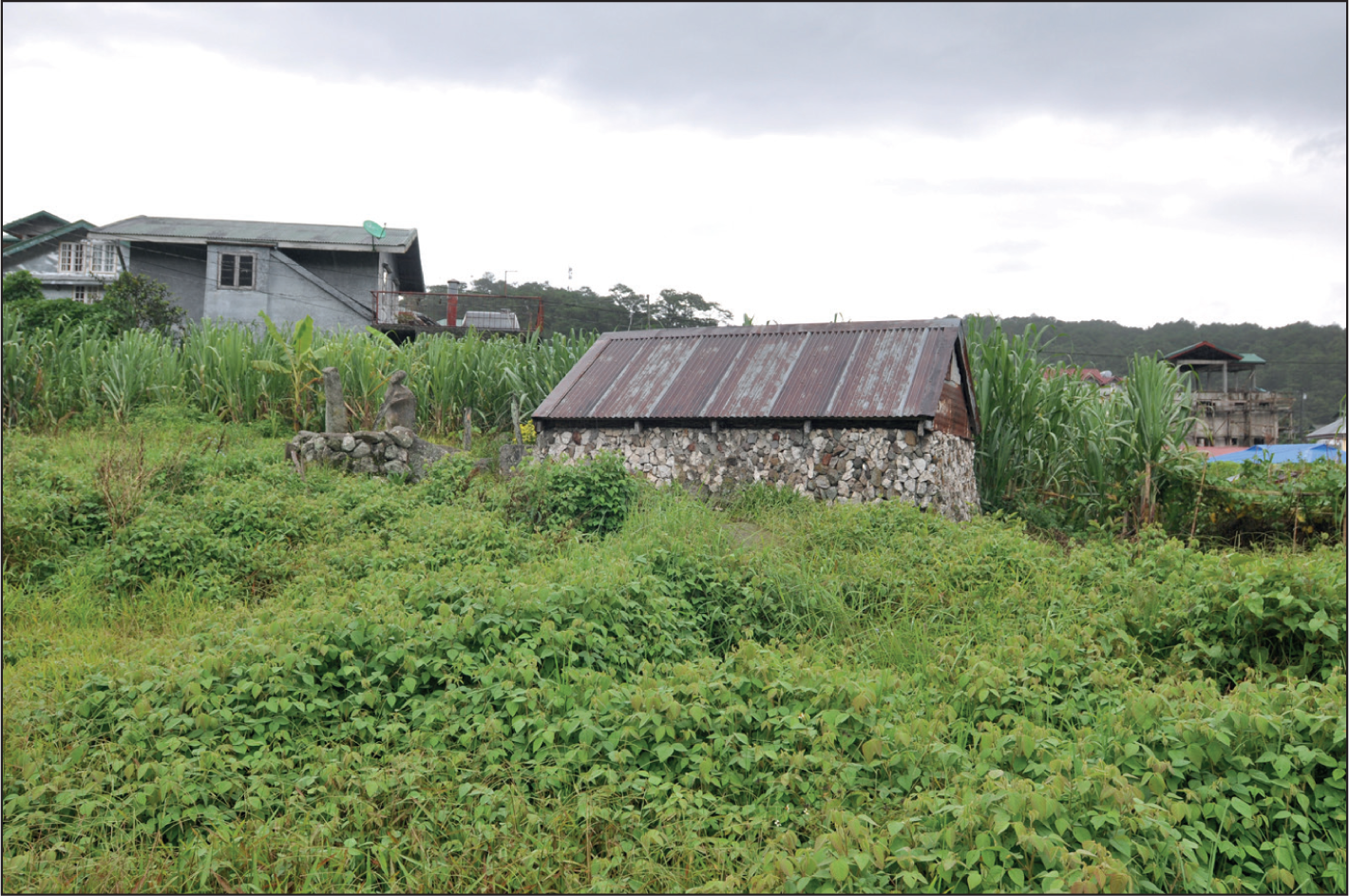
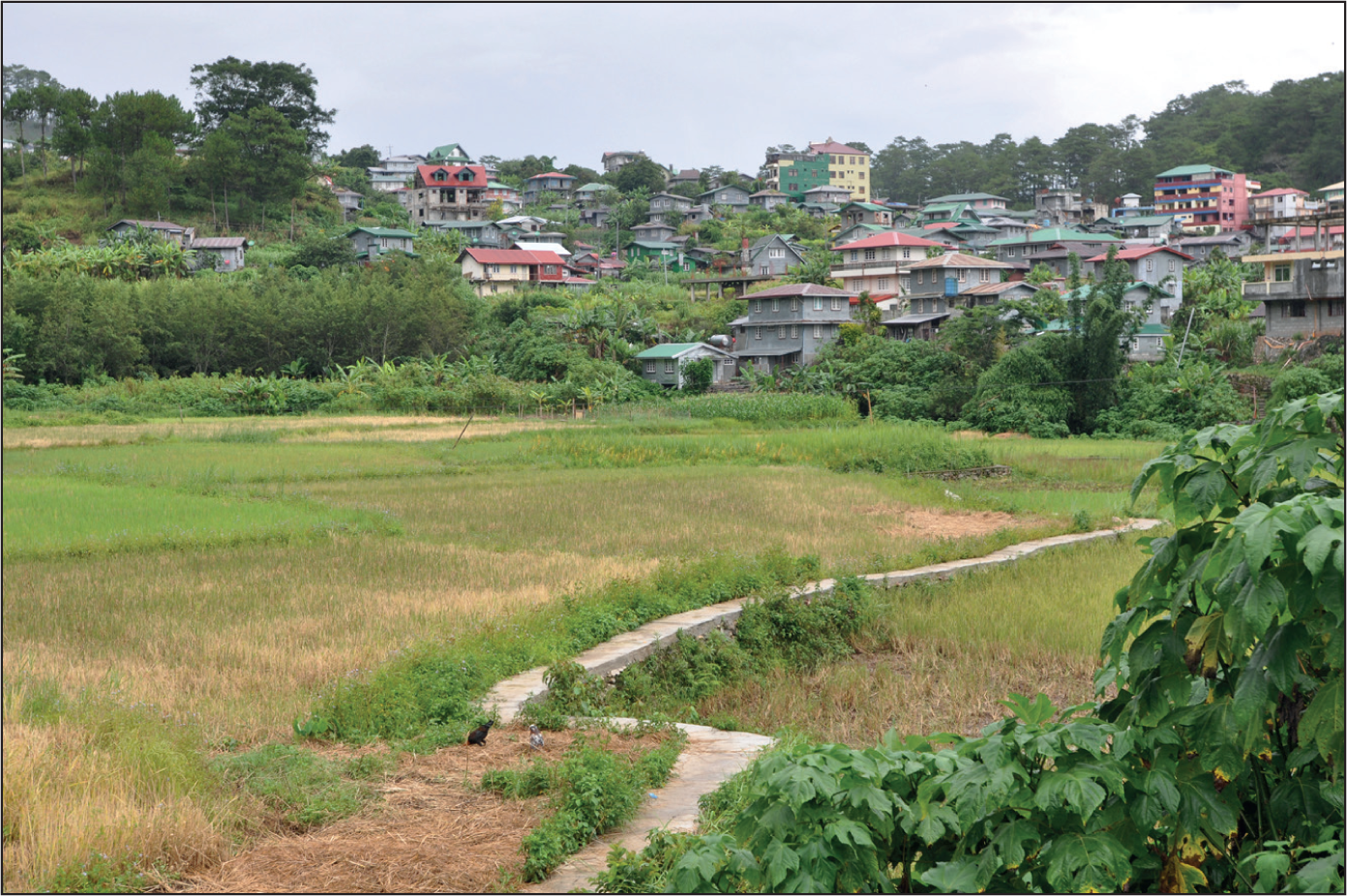
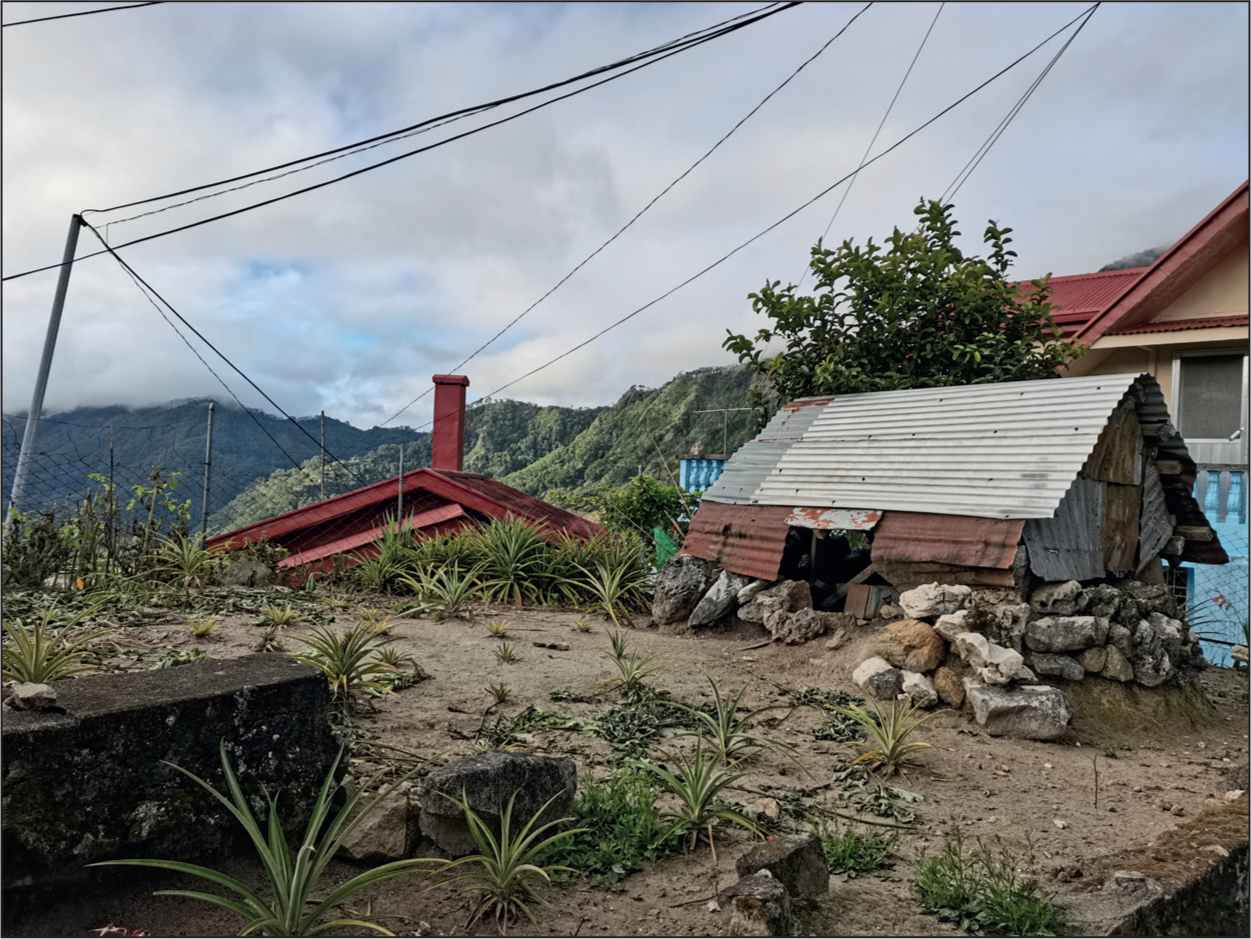
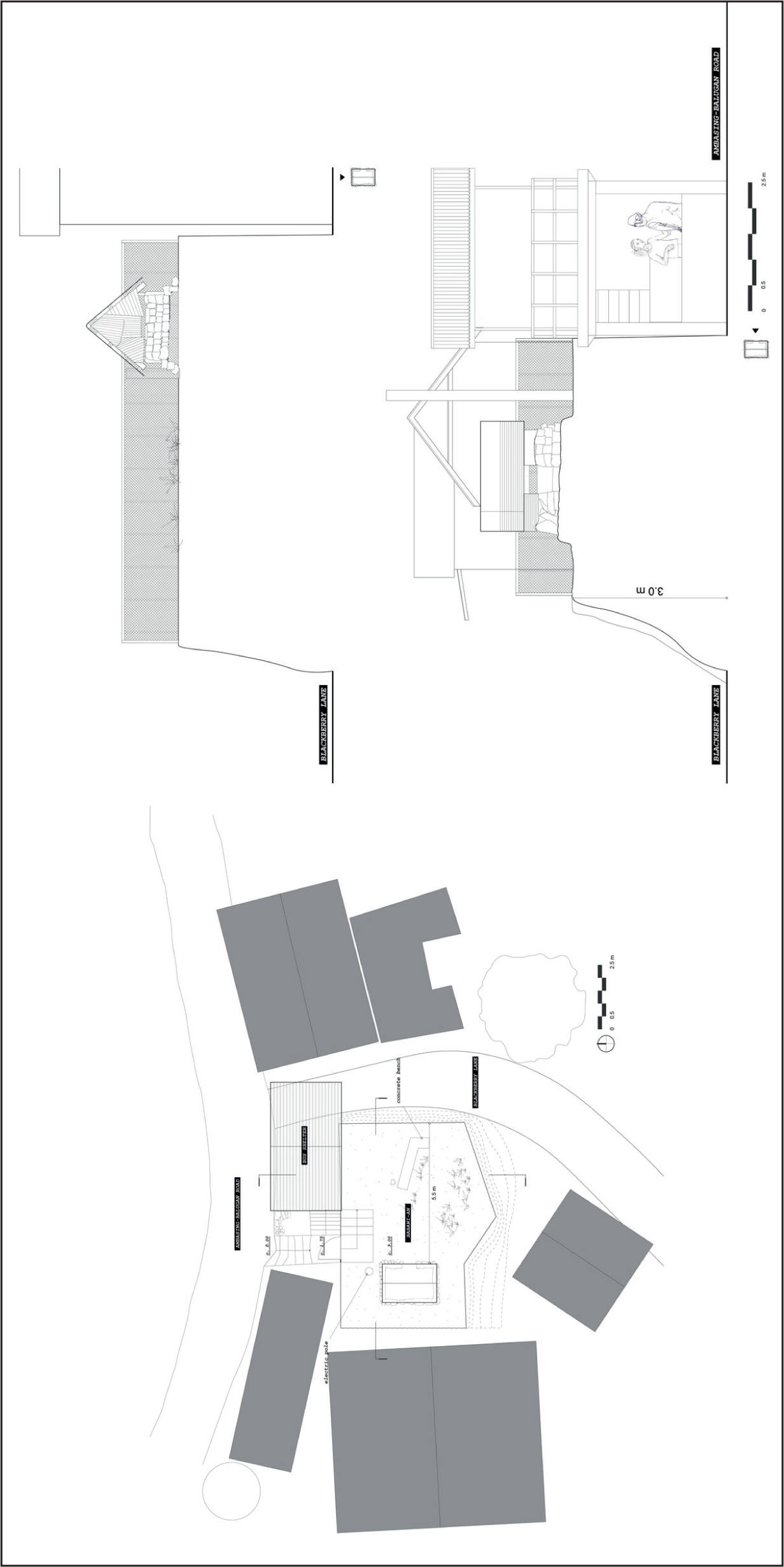
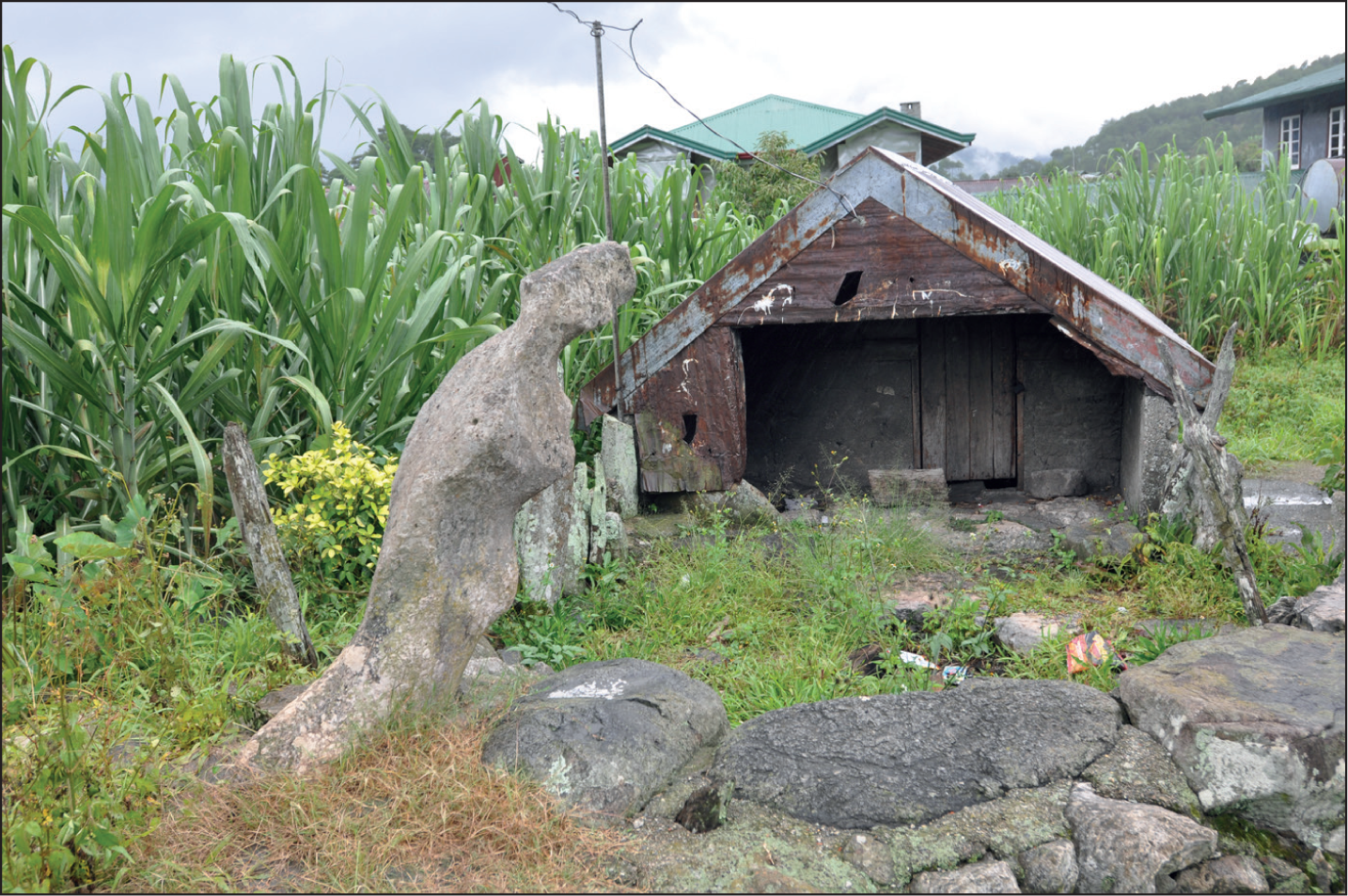
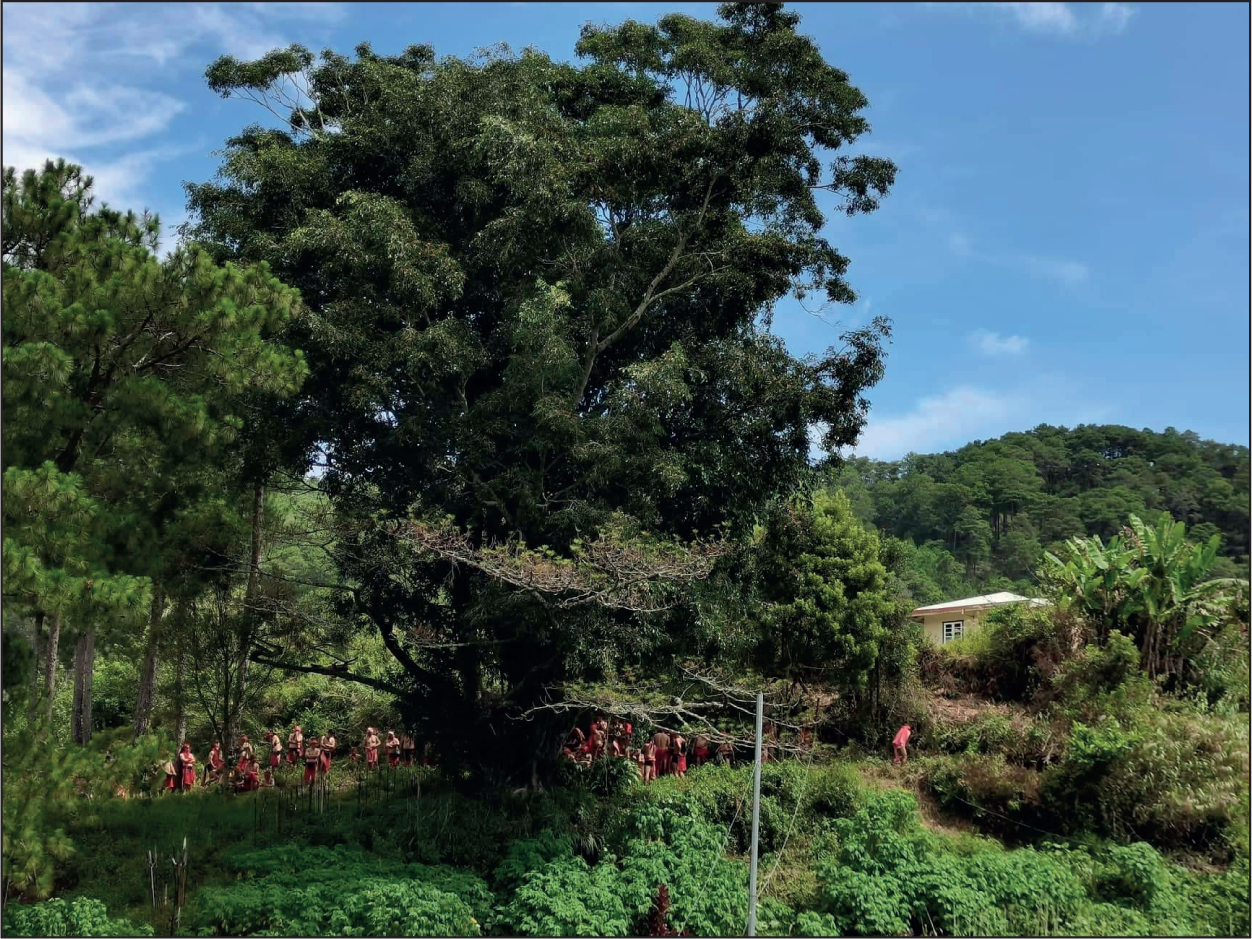
By assessing the cultural, historical and current conditions of these sites, along with their importance to local communities, this study begins to explore how these heritage sites, their associated rituals and the well-being of the communities are preserved or at risk. The study will highlight that there remains a need to improve the safeguarding, conservation and understanding of both the sites and their intangible traditions to prevent irreversible damage to this cultural heritage. 2 First, the narrative will introduce the research methodology and background of the project. This will be followed by a discussion of the sociocultural and geographical context of Sagada and the indigenous Northern Kankanaey people, along with an introduction to intangible traditions and indigenous knowledge, with particular focus on the begnas. 3 This provides a theoretical framework for analysing three types of sacred indigenous places that are integral to the larger begnas landscape of ceremonies, rituals and customs of Sagada Kankanaey life and identity: The dap-ay (Figure 1), a stone-paved council area located centrally in villages or barangays; the patpatayan (Figure 2), which can be either a sacred tree or grove on a hilltop and the babawi-an (Figure 3), a sacred site used for omen observation. This leads to a conclusion with preliminary lessons about the needs for future research and documentation of similar sites, as well as recommendations for enhancing the conservation of their cultural and physical integrity.
Methodology
The article is an outcome of a collaborative trial project aimed at increasing and sharing understanding of Sagada’s cultural landscape, traditional heritage and horticulture, while assisting in its safeguarding and heritage management. The cultural mapping toolkit of the Philippines’ National Commission for Culture and the Arts (Borrinaga, 2019, pp. ix–x) recommends the physical documentation and mapping of places of significance to support communities’ ability and authority to maintain them. This study was seen as an opportunity to contribute to ongoing initiatives in Sagada. Additionally, the UNESCO Convention for the Safeguarding of the Intangible Cultural Heritage highlights the importance of ‘participation of communities, groups and individuals’ in safeguarding and conservation processes, together with the significance of capacity-building and education (UNESCO, 2003, p. 7, Art. 14 and 15). During the initial project scoping conversations in Sagada in 2017, a desire was expressed to prepare documentation that benefits and involves the community, establishes material sources and new insights and allows for educational opportunities and avenues for student research. To meet these objectives, the study employed a qualitative approach, utilizing desktop research and archival documentation to analyse material sources, combined with an on-site case study approach towards mapping initial samples of indigenous sites and associated traditions.
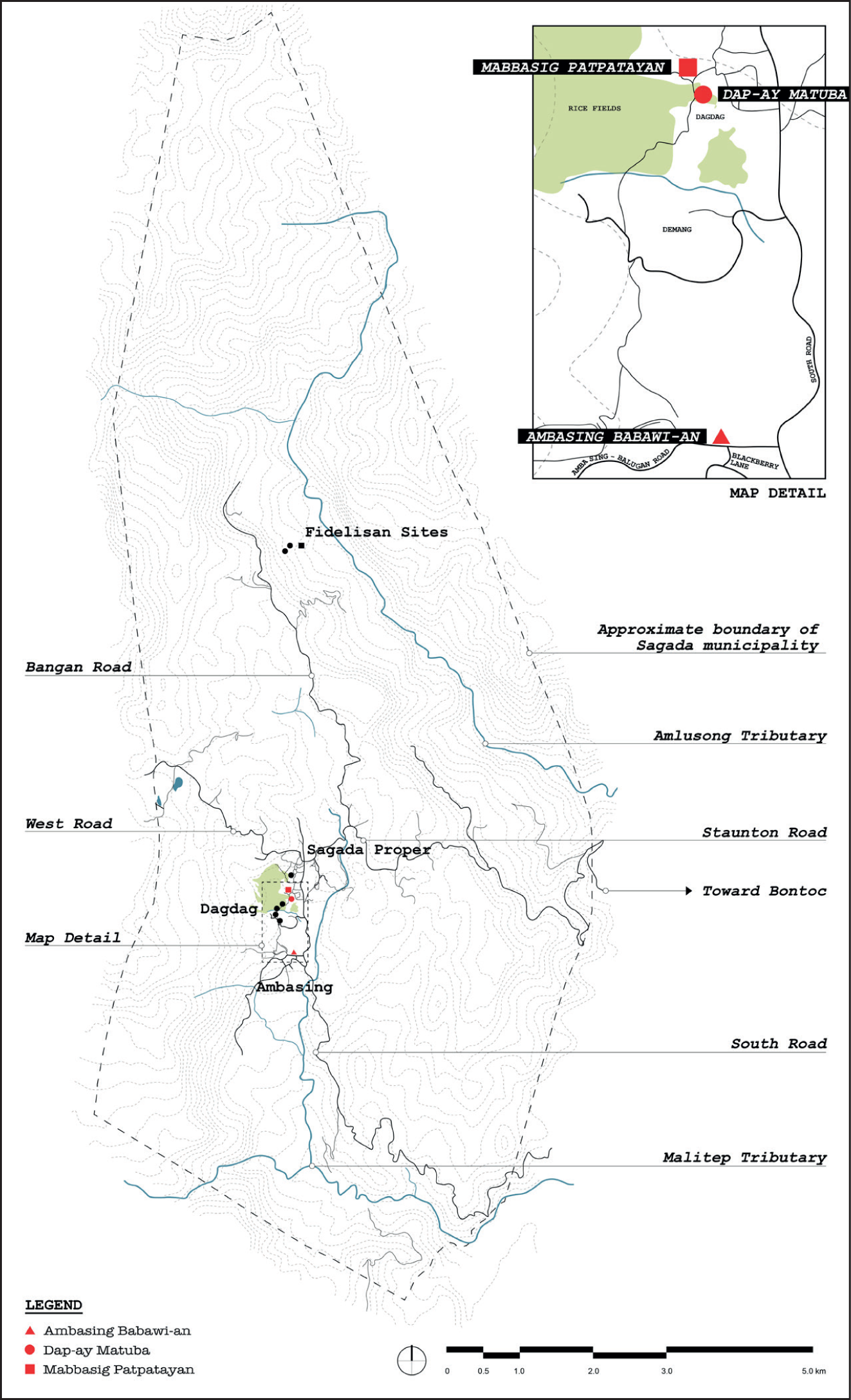
In the first stage, sources were gathered on Sagada’s cultural heritage sites and landscape history, its traditional agricultural rituals and ceremonies, landscape knowledge, skills and crafts. From the onset, student opportunities were created to engage Philippine and Philippine–American students at Boston University and the University of Manitoba and foster a reconnection with their ancestral roots (Sison-Gilmore, 2021, pp. 5–6). Meanwhile, in 2020, the COVID-19 pandemic disrupted additional on-site engagements and documentation. As a result, a remote assessment of previously collected site visit materials, sources, photographs and satellite images helped inform the mapping of selected sample sites. Within the parameters of the trial, eight dap-ays, two patpatayans and one babawi-an in central Sagada were investigated (Figure 4). Main features and settings were visualized through site drawings, while maps illustrating the broader ceremonial landscape were created. This was complemented by on-site inspections and verification, as well as knowledge exchange and dialogue with members of the local community, including indigenous stewards of the sites, elders and knowledge-bearers. These assessments helped deepen an understanding of the sites’ meanings, uses, existing conditions, threats and conservation status. By 2022, the improving conditions amid the COVID-19 pandemic allowed for new site visits and further exploration and verification of initial findings.
The partnership and collaborative studies are endorsed by the Sangunnian Bayan (Municipal Council) of Sagada, the municipality’s Indigenous Peoples Mandatory Representative (IPMR), the council members and elders of the Barangays of Ambasing, Demang, Dagdag and Patay. Proposals and objectives for the next steps include community workshops and stakeholder engagements that build on initial findings and establish ways to share materials. The trial project can also assist the indigenous community in taking leadership in the next phases of ongoing efforts to implement the Republic Act No. 11961 or the Cultural Mapping Act (Congress of the Philippines, 2023), which mandates Local Government Units to carry out coordinated cultural mapping of significant places within their jurisdiction and submit results to the Philippine Registry of Heritage.
Sagada’s Intangible Cultural Heritage
Sagada’s Sociocultural and Geographical Context
The Philippine archipelago consists of over 7,000 islands and is home to approximately 110 different ethno-linguistic groups. The Sagada municipality is part of the Cordillera Administrative Region, which was established by an executive order in 1987, and is characterized by the Cordillera Central mountain range. Of the 14–17 million indigenous peoples in the Philippines, 33% reside in the Cordillera Administrative Region (United Nations Development Programme Philippines, 2010, p. 1). Most of Sagada’s indigenous population belong to the Northern Kankanaey ethno-linguistic group of the Applai tribe. The history of Sagada and the Northern Kankanaey is told through oral-based traditions (Arboleda, 2017, pp. 2–17). According to these accounts, Sagada was originally called Ganduyan (Macagne, 2011, p. 2). It was founded by people from nearby villages who sought to evade headhunting tribal warfare. The traditional cultural significance of headhunting is honoured in many rituals and prayers (Scott, 1958, pp. 61–72).
Sagada’s elevation ranges from about 1,300 to 2,300 m above sea level, and its year-round climate is moderately temperate. It has a population of approximately 11,000 spread across 19 barangays, or administrative neighbourhood units, situated among mountain ranges that form valleys in the west-central and northeast parts of the municipality (Jefremovas, 2001, p. 31). These ranges feature pine and mossy forests and verdant rice terraces. In neighbouring Ifugao province, these rice terraces are expansive and were designated a UNESCO World Heritage site in 1995 (UNESCO, 1995). Sagada’s landscape also includes distinctive limestone rock formations, caves and underground rivers. Rivulets serve as irrigation sources for cultivation and are visited for rituals during the ceremonial days of the begnas (Eggan, 1960, p. 27).
An important historical figure in Sagada’s history is Biag, who is believed to have arrived there in the seventeenth century from Mabika in the northeast of the Cordillera region (Scott, 1964, p. 93). Biag is considered a cultural hero in Sagada and linked to the successful introduction of agricultural rites and rituals that aided food production and prosperity to the new community during a time of scarcity and hardship. Throughout much of its long history, Sagada’s indigenous communities practised subsistence farming, where the people worked together as a community to ensure every family contributed labour, provided help and received food equitably. Cultivated wet-rice terraces are called payew, while uma are swidden farms that use rotational slash-and-burn methods involving clearing land by fire and allowing an interval fallow period to regenerate soil fertility. This method is often used to grow camote or sweet potato. Growing vegetables is a more recent addition to the subsistence practices (Cariño, 1996, p. 82).
Sagada’s Intangible Living Traditions and Indigenous Knowledge
In present-day Sagada, living traditions continue to be closely intertwined with indigenous knowledge derived from engagement with the land, traditional practices and rituals, and cooperative community approaches. The Convention for the Safeguarding of the Intangible Cultural Heritage by UNESCO groups intangible cultural heritage into five main domains: oral traditions and expressions, performing arts, social practices, rituals and festive events, knowledge and practices concerning nature and the universe and traditional craftsmanship, and explains that intangible cultural heritage can be ‘the practices, representations, expressions, knowledge, skills—as well as the instruments, objects, artifacts and cultural spaces associated therewith—that communities, groups and, in some cases, individuals recognize as part of their cultural heritage’ (UNESCO, 2003, p. 4, Art. 2.1 and 2.2). In Sagada, the lived experiences of daily life are connected to the land and relationships with it. This indigenous knowledge and the relationship cultivated and strengthened over centuries form part of Sagada’s intangible cultural heritage.
Indigenous knowledge passed from generation to generation is a foundational part of communities’ cultural identity and informs decisions (Labadi et al., 2021, p. 124). 4 Traditions illustrate how indigenous knowledge and its associated practices are interwoven with larger cultural morals, values and ethics. Indigenous knowledge functions from and within cultural structures of thought because observing, processing and conceptualizing one’s environment is filtered through sociocultural categorizations and measurements of the surrounding world (Prill-Brett, 2001, pp. 4–29). Northern Kankanaey agro-cultural practices have been repeated for their success in productivity and ecological benefits.
As a result, in Sagada, indigenous knowledge continues to shape agricultural responsibilities, rituals, interpersonal relationships and relationships with nature and ancestral spirits that reside in the environment, such as trees, streams, springs, cliffs, rivers and caves (Prill-Brett, 2001, p. 11). Rituals and taboos are observed to maintain harmony and balance with these spirits. Violations lead to misfortune, accidents, illness, calamities and overall disruption enacted by the displeased spirits. Through collective care for these interconnected practices, the Kankanaey of Sagada endeavour to maintain the well-being of all human and non-human actors within their world. It is an ontology or worldview that is integral to their indigenous identity and forms the basis for maintaining and reclaiming their ancestral domains.
Aware of the cultural and religious transformations occurring in his community due to Christianized education, Kankanaey elder Eugenio Bayang documented the history of Sagada and the Demang village in the mid-twentieth century in collaboration with William Henry Scott (1921–1993), an American historian and anthropologist who settled in Sagada to study pre-Hispanic Philippines in the Cordillera Central (Bayang & Scott, 1974, pp. 51–90). Songs and stories presented in their research illustrate how Sagada’s traditional practices and rituals honour their ancestors’ accumulation of new agro-cultural practices within their society through diverse routes and connections with neighbouring communities. Their studies contribute towards understanding how indigenous knowledge developed over time through people’s interactions with their environment and how certain knowledge and instructions were passed through oral traditions from place to place and reached Sagada.
The origins of many contemporary agricultural practices and techniques, traced through oral traditions, inform the reasons and conditions under which these practices were created. Ethical views on the relationship with the land and the cultural significance of traditional agricultural practices are embedded in these stories. Through daily agricultural practices and rituals, the role of ancestors in sustaining and advancing their communities is celebrated. Stories often specify the origin of customs surrounding the sacredness of rice, such as the creation of scarecrows to protect it from birds. Likewise, water is revered as a life source and respected for its healing properties. Central to these oral stories are the roles and responsibilities of individuals, parents, children and spouses towards the land and each other.
The Begnas Ceremonial Landscape: Rituals and Traditions Associated with the Dap-ay, Patpatayan and Babawi-an
One of the intangible traditions practised in Sagada is the begnas, a collection of agro-cultural ceremonies and a community feast that was earlier associated with the ‘waste grain ceremony’—pertaining to ‘those grains which drop from the basket on the way home from the harvest’ (Scott, 1964, p. 101). Integral to these ceremonies and intangible practices are the traditional sites such as the dap-ay, patpatayan and babawi-an, which will be examined hereafter.
The begnas traditionally last between three and five days, involving rituals, prayers and sacrifices that honour ancestors and nature spirits. It aims to bring prosperity, peace and wellness to the community (Macagne, 2011, p. 4; Voss et al., 2005, p. 55). The begnas ceremonies are led by male elders (amam-a or lallakay) of the dap-ay, with women and other community members participating in different aspects of the rituals. Although the male elders primarily perform and interpret the rituals, the entire community bears responsibility for participation. For instance, obaya (ubaya) or community holiday is declared, during which community members are prohibited from working in the fields during begnas (Macagne, 2011, p. 5, 7). There is a shared sense of dedication, embodiment and accountability. During the ceremonies and rituals, men dress in traditional garments, rooster tail feather headdresses, boar tusk armlets, holding their spears and shields, and adorning dogtooth and crocodile tooth necklaces—symbolizing their ancestral lineage to warriors (Macagne, 2011, p. 4, 7; Maranan, 2017, pp. 282–303). Elders, with their wisdom and experience, interpret divine omens observed during rituals, sacrifices, offerings, birds, clouds, dreams and other events (Macagne, 2011, p. 5).
During these rituals, offerings of pigs or chickens are made, omens are read and spirits are invoked. The Begnas di Yabyab is performed when rice seedlings begin to develop their first leaves. The Begnas di Dook or Kiyang takes place before the harvest, when the rice fields start to turn golden with grains, while the Begnas di Tangeb di Lakat occurs at the end of the harvest season. Contemporary sports activities such as basketball and baseball have replaced some of the traditional games held during begnas. American missionaries replaced the traditional mock or practice fights, which were held after the harvest to test strength, with sports activities (Macagne, 2011, p. 5).
Findings: Mapping Sample Sites and Conservation Status
The sequence of begnas activities illustrates how the movement between the dap-ay, patpatayan, babawi-an and nearby sites, such as the rivulets, forms a larger ceremonial landscape. The next sample case studies show how these sites have independent functions and, at the same time, do not stand alone but are part of an integrated landscape.
The Babawi-an of Ambasing, Sagada and the Tradition of Omen Observation
The first day of the begnas is known as i-yag and begins in the evening when representatives from each dap-ay gather at the babawi-an using lit bundles of rice stalks for light. A babawi-an (babbawiyan, babawiyan or bawi) is a field shelter or lookout hut that can also function as a sacred site for omen observation (Kollin, 2012, pp. 89–90; Voss et al., 2005, p. 39, 57), and as such, plays a key role in deciding on appropriate actions to safeguard the agricultural cycle and reaffirm food security in the community. At sunrise, the beating of a wooden gaklab (shield) awakens the birds. Birds are usually, if not always, the omen that the men wait for, and elders interpret their flight. After the representatives of each dap-ay take account of the omens (or lack thereof) at the babawi-an, etag, salted pork, is cooked at the dap-ay (Macagne, 2011, pp. 8–9; Voss et al., 2005, p. 39). 5
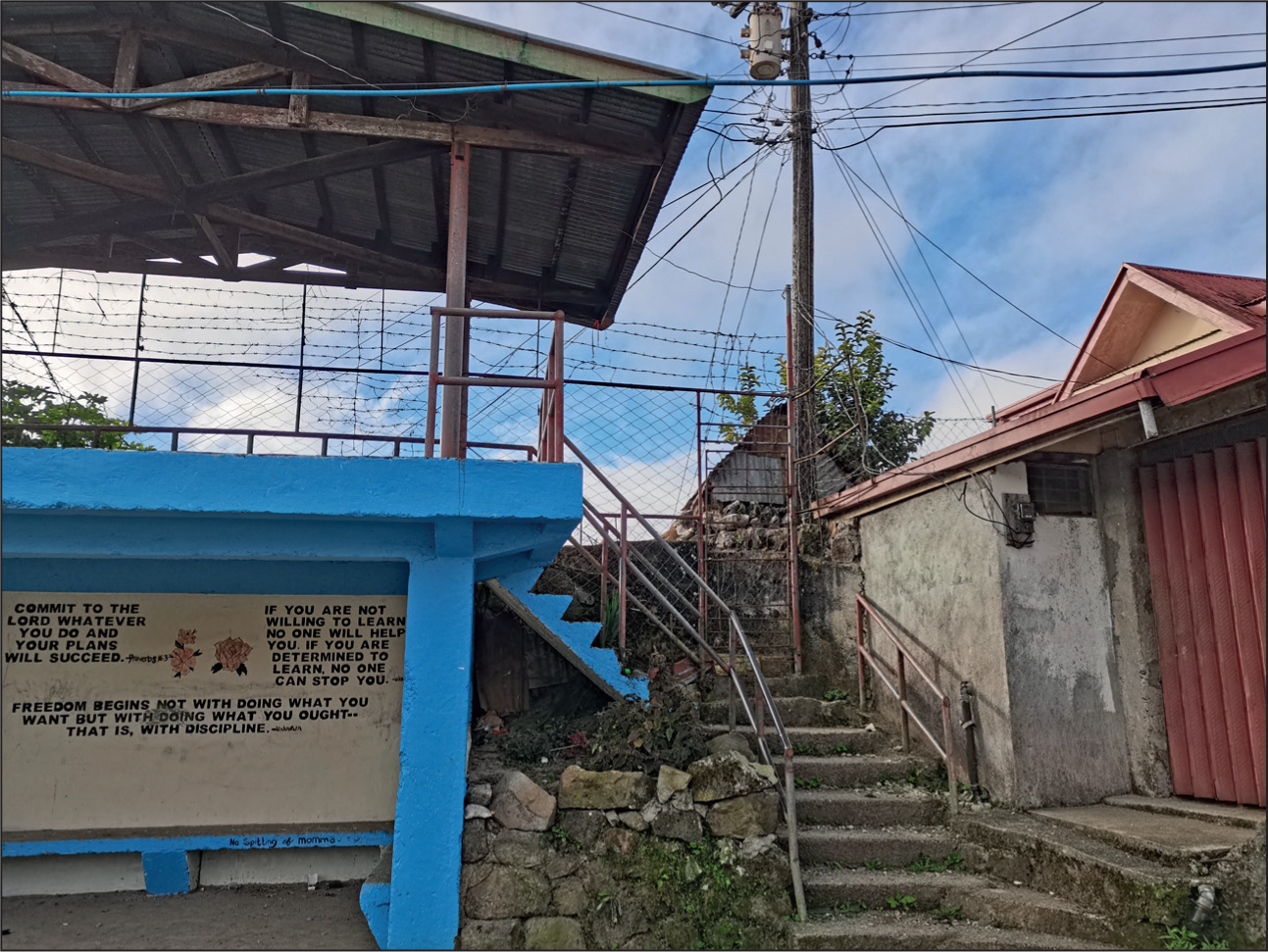
The surveyed babawi-an is situated in barangay Ambasing along the Ambasing-Balugan Road, at the southern periphery of the central villages of Sagada (Figure 3). The exact date of its construction is unknown. Due to its elevated position, the babawi-an also served as a watchtower during the kayaw (journey to war) ceremony (Macagne, 2011, p. 8). The elevated location on a natural ridge shows the importance of the vistas for omen observation. Today, this babawi-an is surrounded by private houses and lies near the Ambasing elementary school and a convenience store. It can be accessed via the second floor of a modern concrete commuters’ waiting shed to the south of the Ambasing-Balugan Road. 6 An unpaved alley runs immediately east of the babawi-an and the waiting shed, connecting to Blackberry Lane. From this alley, the babawi-an can also be reached (Figure 5). Due to the construction of the concrete waiting shed, the babawi-an now appears as a hybrid between a waiting shelter and a traditional omen observation site (Figure 6). Behind the shed, remnants of traditional stone walls remain, which may have been an integral part of the elevated terrace of the babawi-an, while today a modern steel fence and gate enclose the site (Figure 5). The babawi-an features a hut, clearing, concrete bench and a small garden with plant beds. The hut is positioned at the west side of the babawi-an’s terrace, with its entrance facing east. It has a base made of stacked stones, and its walls and roof were renovated with haphazardly placed corrugated metal sheets, whereas traditionally, it would have been constructed in locally sourced wood and thatch.
The Stone-paved Council Area of the Dap-ay Matuba in Dagdag, Sagada
On the second day, the representatives of each dap-ay hold a ritual at the patpatayan. Afterwards, women and the community meet the men at the dap-ay to offer tambo. This usually includes rice wine, tobacco, rice steamed in sugarcane leaves and other foods. A ceremonial sacrifice of a pig, dog and chicken follows, accompanied by prayers from elders. Gongs are sounded, and the community members are invited to dance. The food and offerings are redistributed among the community and enjoyed in a festive mood (Macagne, 2011, p. 9; Voss et al., 2005, p. 57).
The dap-ay is revisited several times during the successive days of the begnas (Voss et al., 2005, p. 57). For instance, the third day of the begnas, known as sabosab, begins with another chicken sacrifice at the dap-ay. Prayers are recited by the fire pit in the presence of the previous day’s sacrificial pig’s head, a bowl of water, leaves and a knife. The daw-es or cleansing rites may then be performed at the homes of some families and could continue into the fourth day of the begnas. The closing ceremonies take place at the babawi-an on the fifth day (Macagne, 2011, p. 10; Voss et al., 2005, p. 57).
The dap-ay serves multiple functions, acting both as a physical meeting place and as a political, judicial and ceremonial assembly of individuals who divide Sagada into household units (Eggan, 1960, p. 59; Voss et al., 2005, p. 42). It is where the council of male elders, called amam-a, discuss community matters, make decisions and historically enculture young boys who would eventually become future generations of elders (Scott, 1958, p. 69). Discussions allow for the ratification of decisions, and opinions from women who can sit around the dap-ay and have their views considered (Jefremovas, 2001, p. 36). As described above, the dap-ay is visited at various times during the begnas. The ili is a community unit with ‘rights over an ancestral domain’ (Prill-Brett, 2007, p. 13), comprising families and neighbours that belong to a single dap-ay. The ili is where one grows up and who they learn from, the home that teaches them about ancestors, history, beliefs and values.
Scott (1958, pp. 66–67) explains that the dap-ay began as a stone-paved gathering place for elders and gradually developed into the village centre, featuring a covered shelter under which young boys and unmarried men slept. The gathering space is a stone-paved platform lined with stone backrests and may have a fire at its centre, along with an extension for ceremonial dancing. Boys around the age of 7 learn from their elders in these spaces through storytelling and assigned duties (Macagne, 2011, p. 3). In the essay Boyhood in Sagada, Scott (1958) describes the social function of the dap-ay in disciplining and introducing them to Sagada values, customs and norms. Boys are not given explicit instructions about their duties but must instead observe their peers and elders to determine proper behaviour. Scott (1958, p. 68) notes that the progression of boys’ development depends on their maturity, which is assessed by elders through ‘a sort of public opinion based on various considerations, not the least of which is the personality of the boy in question’ (1958, p. 68). The dap-ay structure is deeply embedded in the agricultural cycle and the rituals performed throughout the year. Dap-ay boys are responsible for enforcing some of these traditions. Scott states,
They are sent round the village to declare holidays during which labor and travel are forbidden, and to seize chickens as fines levied on those who do not keep such holidays. They are sometimes called on to assist their priestly elders in the performance of pig or chicken sacrifices and for this duty there is compensation in the form of certain specified portions of the meat so provided. (Scott, 1958, pp. 69–70)
The elders’ responsibilities are integral to the agricultural and religious ceremonies of the entire ili. They are responsible for enforcing the customs within the community and reflect how society functions and perceives itself.
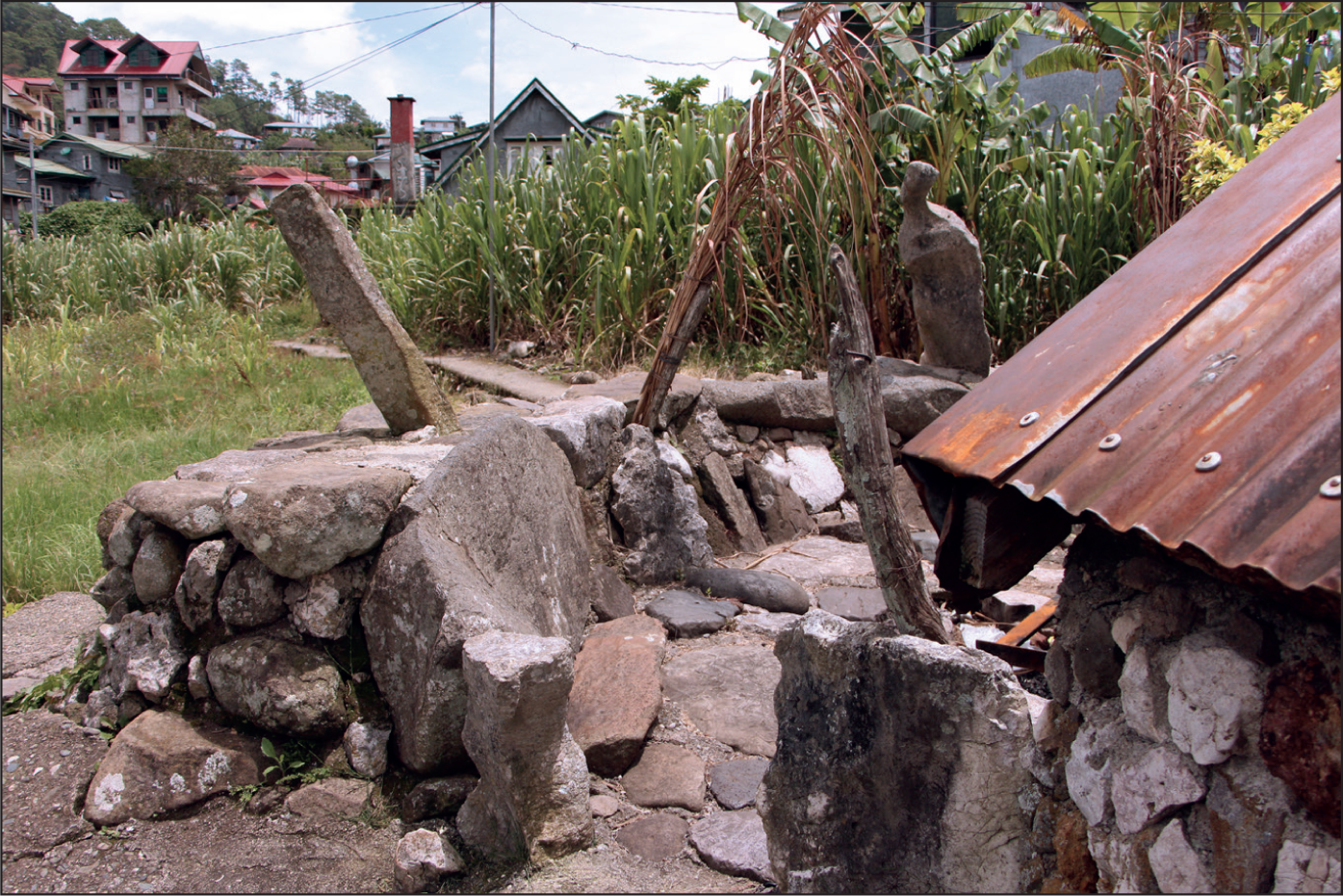
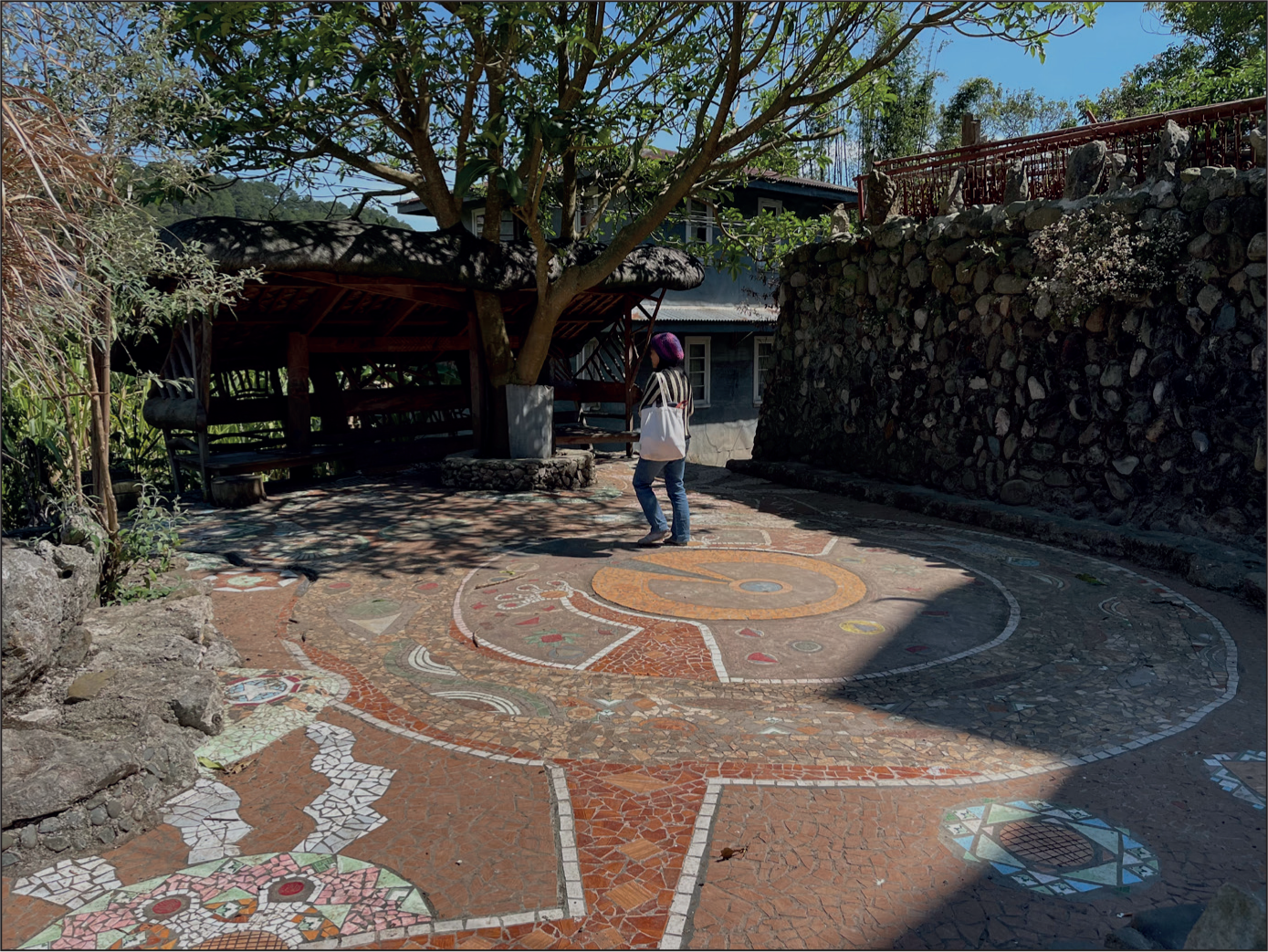
Similar features were observed during the investigation of the dap-ay Matuba, which is in Dagdag, Sagada (Figure 1). 7 The exact date of the construction and founding of the dap-ay Matuba is unknown. At the dap-ay Matuba, one access serves as the entrance to the gathering space and forms part of the main footpath, while a second access leads to a tributary path (Figure 7). Both access points connect to a walkway encircling the dap-ay’s gathering space (Figure 8), with paths made of stone topped with modern concrete. The tributary path zigzags and bisects a small overgrowth of vegetation. The gathering space is roughly circular, measuring approximately 2.5 to 3.5 m in diameter, entirely constructed from stone, with a fire pit at its centre. The circumference features a stone wall about 45 to 50 cm high and 40 cm wide, with its interior side lined with large stone slabs set at an angle to serve as backrests (Figure 8). Two bundles of grass are tied to wooden poles called padaw and embedded in the stone wall. Knotted grass is traditionally placed along the path to the dap-ay during the agricultural cycle to signify that a ritual is ongoing. Two upright stones on top of the stone wall signify the burial site of enemy heads from the days of head-hunting. Another large stone is positioned opposite the entrance, east of the dap-ay (Figure 8).
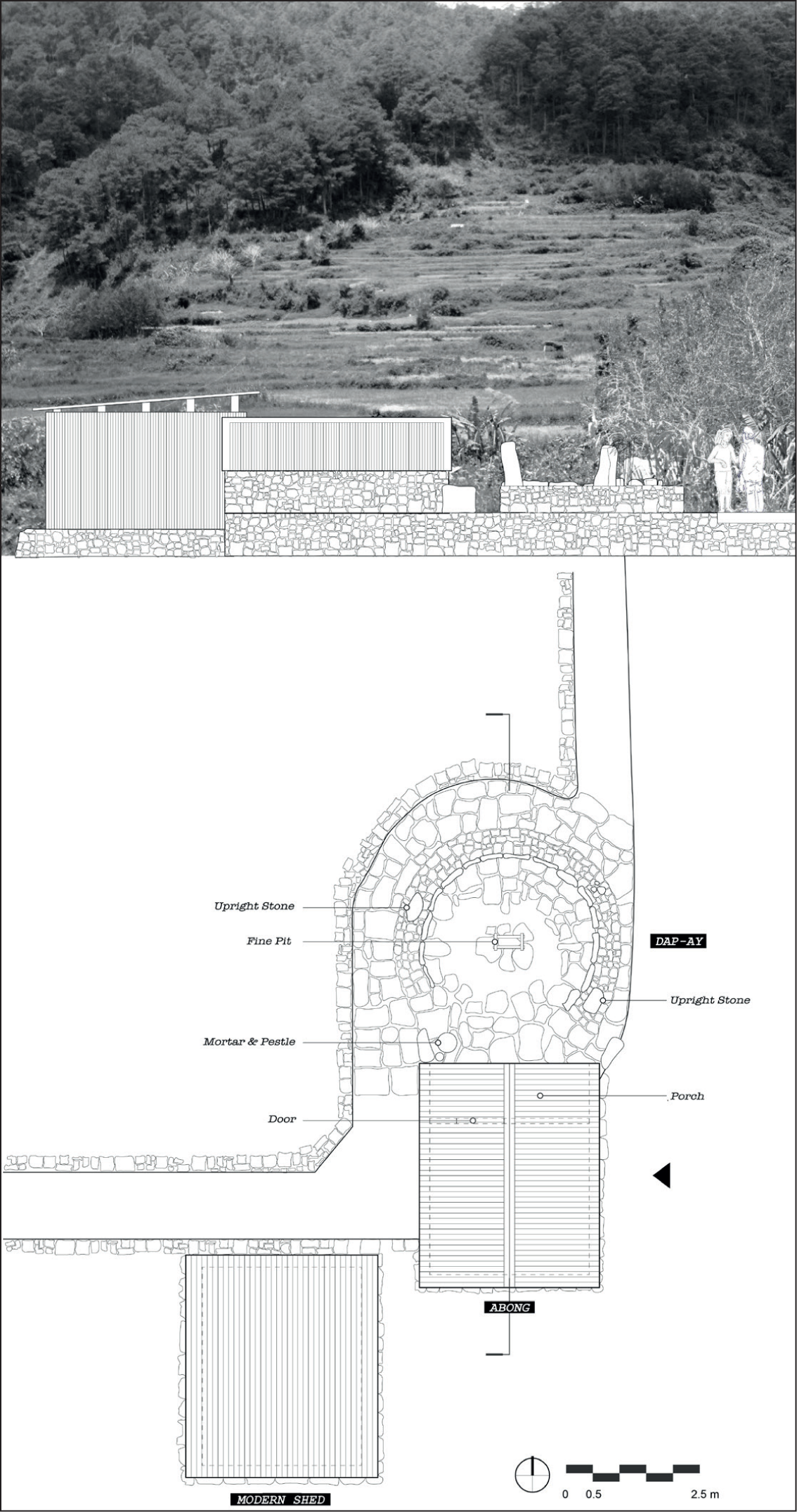
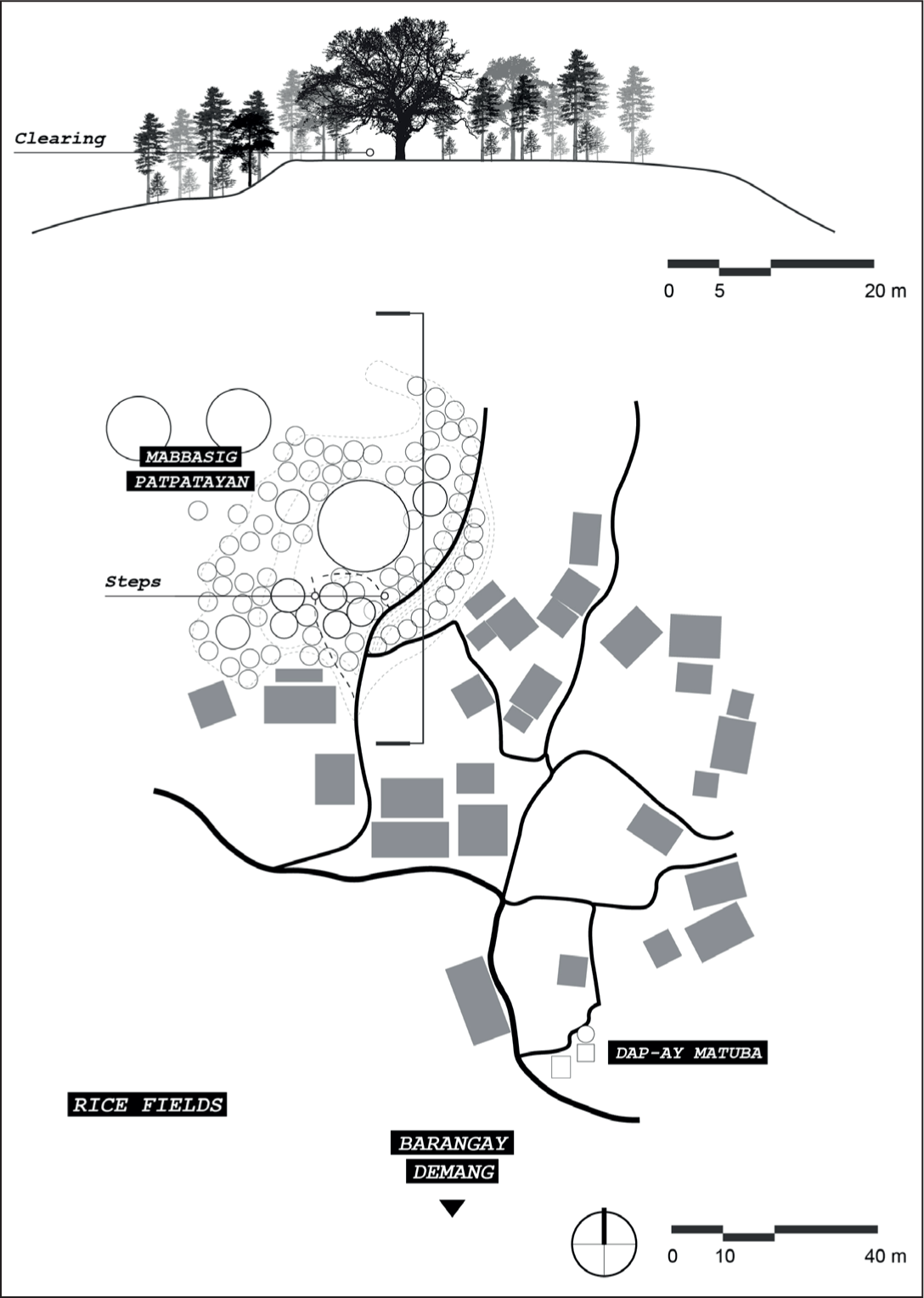
The shelter is located on the south side of the dap-ay, east of the tributary path (Figure 9). Traditionally, dap-ays were built with locally sourced materials, and labour was shared to gather stones, constructing the platform and shelter walls using mud as a mortar. The shelter features a porch about 1 m wide and a gabled roof for shade, with a height of less than 3 m. Timber and thatch were used for the pitched roofs, which have now been replaced with thin corrugated galvanized iron. A timber truss construction supports the roof. To the east of the dap-ay, there is a small plantation with sugarcane. Terraced rice fields lie less than 100 m west of the dap-ay. Approximately 100 m northeast, the patpatayan of Dagdag is situated on a hill, as described in Figure 2. The proximity of the cultivated fields and other traditional places highlights how all these sites, along with their associated rituals and communities, are deeply interconnected.
The Sacred Hill-top Grove of the Mabbasig Patpatayan in Dagdag, Sagada
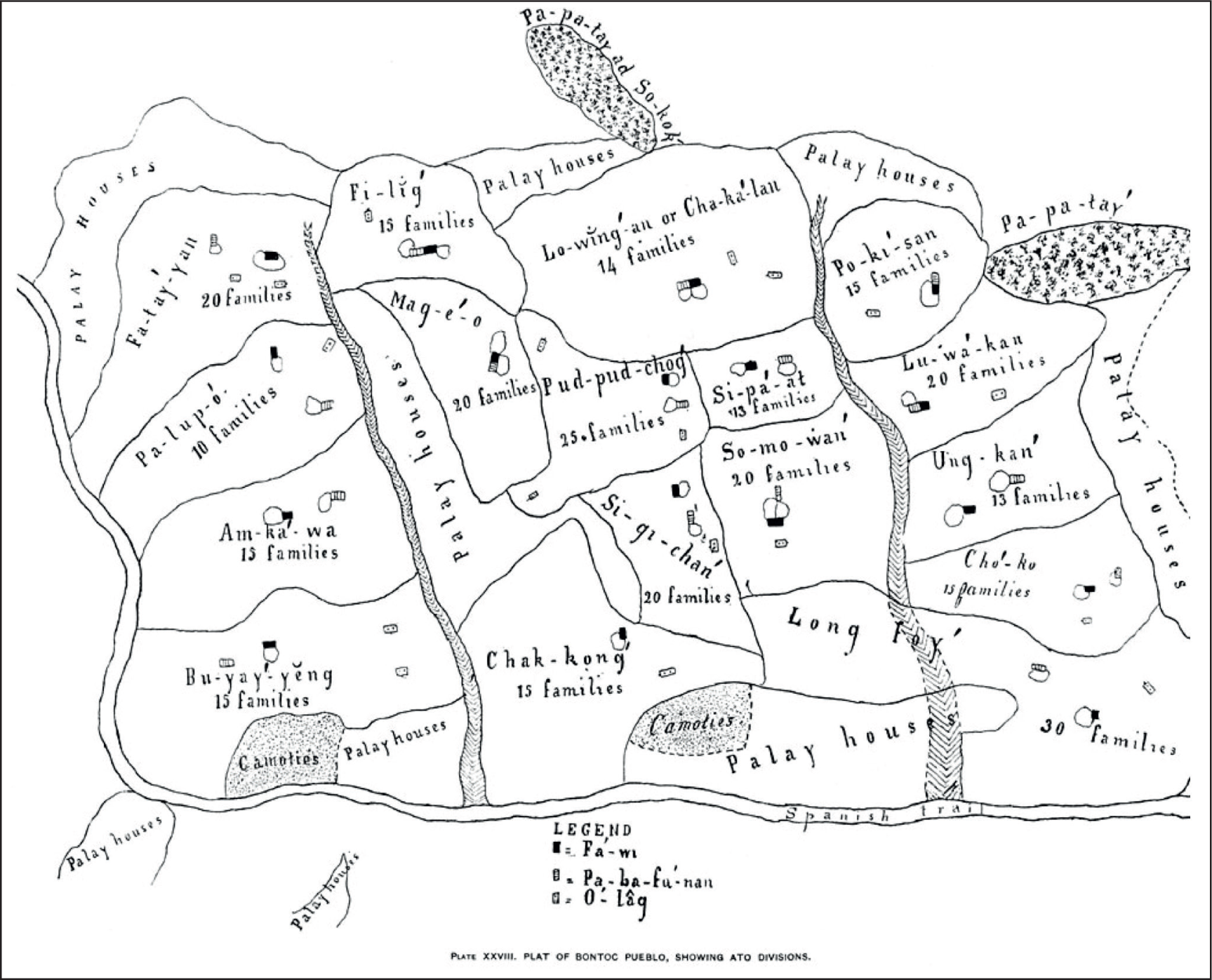
On the second day of the begnas, referred to as toling, male representatives of the dap-ays walk to the portion of the river called totolingan for a ceremonial bath (Voss et al., 2005, p. 41). The men then proceed to the patpatayan, where a pig is sacrificed and prayers are recited for community welfare, fertility, a good harvest and rainfall (Figure 10). Meat is distributed among the men who walk back to the dap-ay chanting wawe, signalling victory (Jefremovas, 2001, pp. 38–39; Macagne, 2011, p. 9). The surveyed Mabbasig patpatayan (Figure 11) is situated in Dagdag near the dap-ay Matuba (Figure 2), which is described below. 8 Fred Eggan (1960, p. 27) mentioned a patpatayan in Demang and Dagdag, with the latter presented here. The origins of the traditions of the patpatayan in the region can be traced to the Bontok people’s pa-pa-tay’, a sacred grove where the patay (pa’-tay) ceremony for community well-being is held (Jenks, 1905). An early 1900s sketch of the Bontoc village shows the pa-pa-tay’ ad so-kok’ and pa-pa-tay’ (Figure 12) (Jenks, 1905, Plate 28). The groves are sacred to the Bontok because they are the burial places of the children of the Igorot god and supreme being Lu-ma′-wĭg (Jenks, 1905, p. 203). The sketch plan also illustrates the different barangays and the number of families belonging to them, with the dap-ay (called ato in Bontoc) marked for each family. The barangays had between 13 and 30 families each. Interactions between the Bontok people and Northern Kankanaey resulted in many shared traditions and belief systems.
It is believed that when Sagada was established in the 1700s, several patpatayan sites were identified as dwelling sites for guardian spirits, usually where the oldest tree was found. 9 Eggan noted that ‘each division has its own sacred grove (patpatayan) with its guardian spirits (pinading), and each has its own sacred spring’ (Eggan, 1960, p. 27). The patpatayan and sacred springs with guardian spirits are interconnected in many rituals and rites. The Dagdag patpatayan is called Mabbasig, and its pinading is known as Bitnayan, while the Demang patpatayan is called Sakkang, and its pinading is Ambaboy (Scott & Bayang, 1974, p. 51; Voss et al., 2005, p. 41). The sacred spring at Dagdag is called Gedangan, and the one at Demang is known as Todey (Eggan & Scott, 1965, p. 78; Voss et al., 2005, p. 41). The Todey and Gendangan waters and their pinading spirits, ‘who are peaceful and good’, are called upon ‘so that the people offering the rituals may likewise live long and be happy’ (Eggan & Scott, 1965, p. 78). Villia Jefremovas (2001, pp. 38–39), a researcher in the cultural anthropology of Northern Luzon, describes how the patpatayan are visited during the begnas and that ‘water, trees, and rice production are seen as intricately linked in the begnas’. The patpatayan and sacred springs are also recognized as places for offerings to ancestors and are closely tied to courtship and marriage (Eggan & Scott, 1965, p. 90). This reflects how the two patpatayan in Bontoc were places of ancestor spirits.
The Mabbasig patpatayan in Dagdag can be seen from the dap-ay Matuba. The choice of the hillside for the patpatayan was guided by the proximity to the barangay and fields, and the community may have selected the site of the oldest tree that existed at that time. From the patpatayan, there are views southward towards Demang over the houses of Dagdag and across the Bangbangan rice fields between the two barangays (Figure 2). Just below the patpatayan are houses with productive gardens growing various crops such as corn, sweet potato (camote) and coffee.
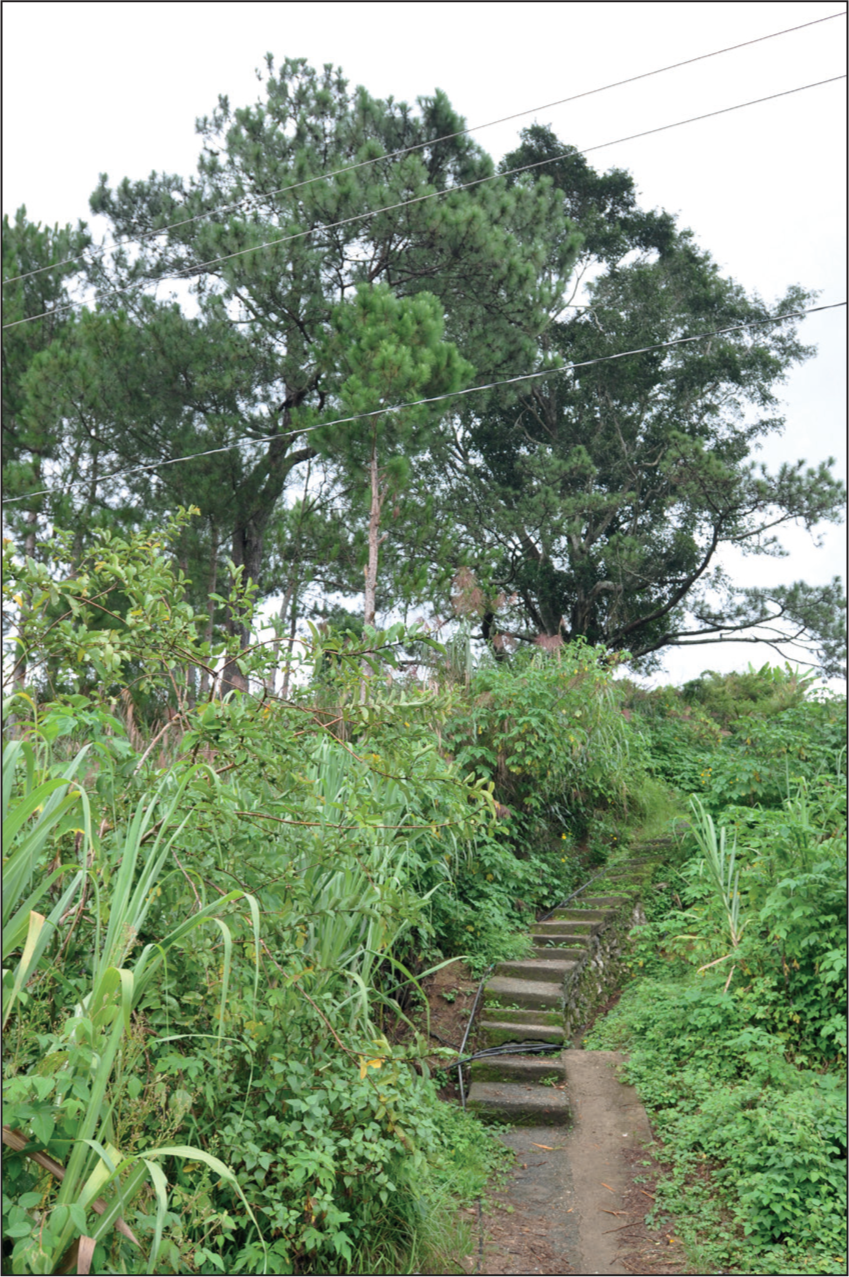
From the main footpath through Dagdag, a narrow trail ascends the hill via steps made in stone with a modern concrete topping (Figure 13). At the patpatayan, the main tree has a commanding presence, while several younger slender trees line the path and hillside, creating an overall atmosphere of a sacred grove. At the base of the main sacred tree, there is a clearing where celebrations and rituals take place. Upon closer examination, it becomes evident that the main tree is a cluster of three intertwined trees, including an old pine, a large oak tree locally known as Aglayen and a smaller Chinese pear tree (Pyrus pyrifolia, also called Asian pear). It is likely that two of these trees grew spontaneously as seedlings under the original tree. Trees at the patpatayan cannot be harvested for timber, as they are regarded as dwellings for guardian spirits that influence the harvest season and weather conditions. The adjacent farm lots are privately owned but are still used by the community as publicly accessible land during rituals. 10
Discussion: Heritage Management and Shifting Societal Structure
Existing Conservation of Tangible Components
The sample case studies show how these sites remain actively used but nonetheless face significant threats to the sustainability of their tangible components and associated intangible practices.
From the perspective of conservation challenges related to the tangible components, it became clear that there is a need for increased craftsmanship and the use of traditional building materials in maintaining and repairing these heritage sites. For instance, while some of the studied dap-ays largely retain their traditional building materials and floor plans, the use of modern materials such as corrugated iron sheets for roofs or concrete and cement in structures has become common practice. The dap-ay Matuba features traditional stonework that gives it an authentic appearance, but cement was introduced for repairs, which diminishes its original architectural authenticity (Figure 8), with authenticity referring to its ‘culturally contingent quality’ (ICOMOS, 2014, p. 3). 11 Attributes that help evaluate the condition of authenticity are, for instance, spirit, feeling, form, materials, setting, traditions, use, function, techniques and management systems (UNESCO, 2023, Art. 82). In this context, the traditional hut of the babawi-an of Ambasing could benefit from a revisiting of traditional craftsmanship and local materials in its structure (Figure 3). At the Mabbasig patpatayan, the detailing of built features such as the steps diminishes the site’s historical character and integrity, and replacing the modern concrete topping with locally sourced traditional materials is desirable (Figure 13). More significant changes were observed at the dap-ay of Malingeb due to a renovation and extension that was completed in 2020 through community engagement (Figure 14). New materials and designs were introduced to reconstruct two shelters and create a paved extension. It can be said that this impacts the authenticity and integrity of the historic materials and setting. Others argue that it allows for the permanence of the intangible dimensions and that the tangible elements must evolve. Indeed, while much altered, the historic dap-ay is now being preserved at the heart of the enlarged dap-ay site. While its wider setting now contains several modern residences, a 1976 photograph shows how Malingeb consisted of a small cluster of thatched houses set within rice terraces (Voss et al., 2005, p. 14).
Closely linked to the use of traditional materials for the structures are heritage horticultural skills for planted components. For instance, the grove of trees, especially the main trees of the Mabassig patpatayan, requires conservation maintenance. Training in horticultural skills for heritage trees, as well as propagating and planting new trees and shrubs, could be part of future conservation initiatives. Repairs and maintenance are integral to conservation, and the community has excelled at safeguarding these sites. Through future community engagement, traditional skills and techniques for conservation can be passed on to new generations, and skills training sessions can provide opportunities to improve some uses of modern materials and maintain the sites as living heritage.
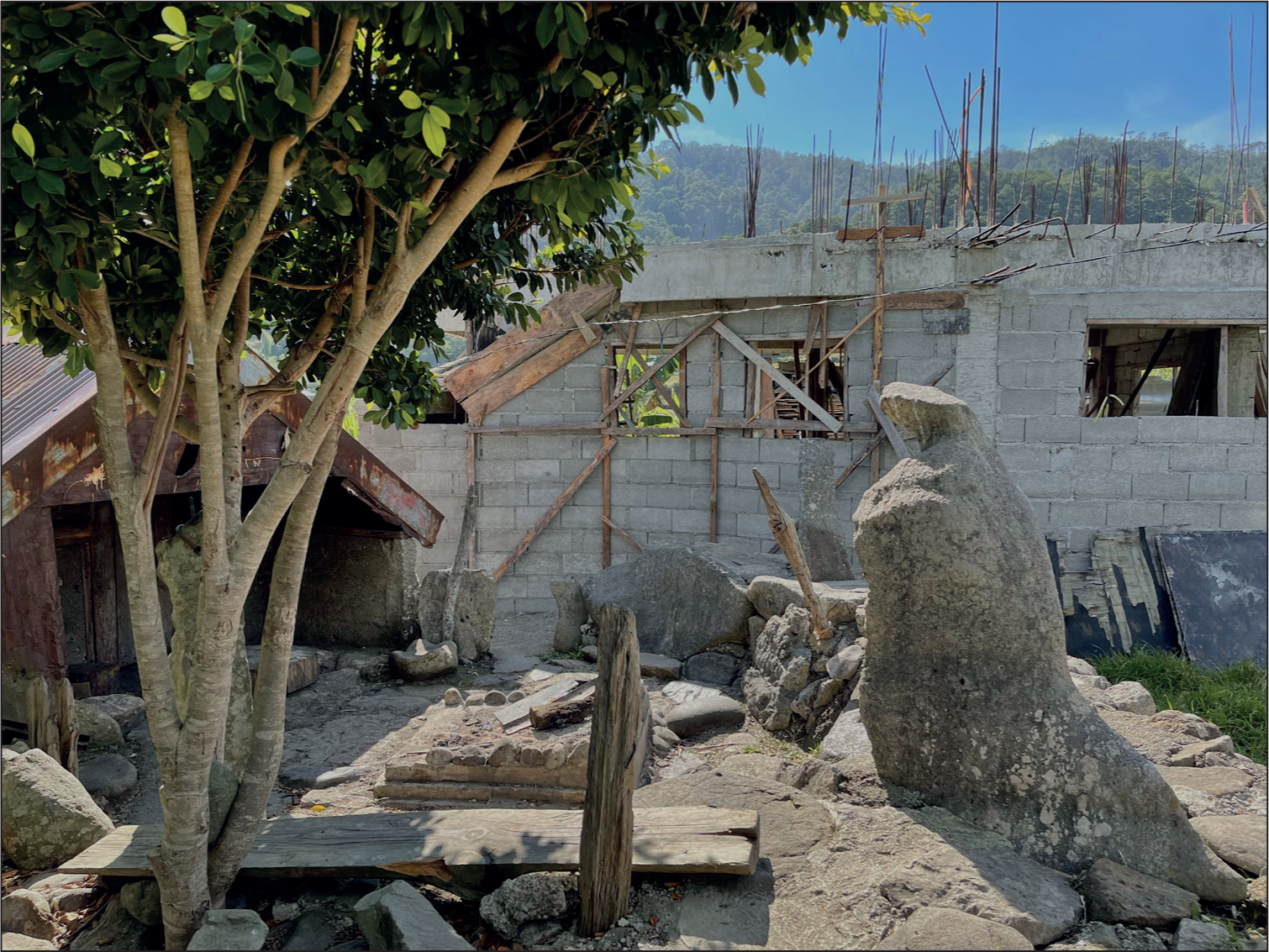
Most significant for safeguarding these historic sites is also managing and protecting their settings. 12 Due to increasing urbanization in Sagada, rapid changes occur in the immediate settings of these sites. While dap-ay Matuba has been safeguarded by its community, it now lies amidst the increasing congestion of houses in Dagdag, which has affected its historic integrity. In 2017, a new steel shed was built southeast of its shelter, and by 2024, two houses had been constructed right next to the dap-ay, including one by an elder guardian of the dap-ay (Figure 15). Similarly, at the nearby Mabbasig patpatayan, new houses are gradually being built in its setting (Figure 2). To protect views, along with the integrity of the sacred grove, permission for urban development and building heights within the patpatayan’s vicinity should consider these historic landscape characteristics.
Urbanization around the Ambasing babawi-an and the use of modern materials have also dramatically altered its integrity and authenticity as a significant cultural heritage site. South of the babawi-an, the land drops steeply, and houses now intrude on the previously clear view of the wider landscape. For example, a large modern residence blocks the west view, and a wooden electrical utility pole along with numerous electrical cables impacts its historical integrity and vistas (Figure 3). Additionally, the modern concrete waiting shed next to the road and babawi-an impact the site. New conservation efforts could explore how the waiting shed might be relocated to allow for repairs, while features such as the utility pole and fences could be moved. Meanwhile, the intangible dimensions and uses are affected given the importance of views for omen observation.
The connection and relationship of these traditional sites with their broader vernacular landscape are vital, and their role as integral parts of a larger ceremonial landscape must be recognized as holding exceptional value. This demonstrates the importance of mapping and documenting the barangays within the ancestral domain, including their network of dap-ays, babawi-ans and patpatayans, along with associated cultivated land, springs, rivulets and water systems. The trial project also confirmed that recording and revisiting oral histories are essential for gaining a deeper understanding of the sites and associated intangible practices. Recording indigenous knowledge from elders will make invaluable contributions towards safeguarding this heritage. Even if the tangible aspects of the sites change over time, the intangible practices offer a degree of permanence. As seen in the case of the extended Malingeb dap-ay, the introduction of new materials may have significantly altered its appearance and material authenticity, but it may also have opened opportunities to engage younger generations and safeguard indigenous knowledge and the site’s intangible uses. Such new interventions can also help protect their settings from encroachments.
The investigated sites receive some heritage management and maintenance from community members, but conservation efforts can be improved through better coordination of initiatives between barangays, such as heritage crafts training and documentation of key features and oral histories. Increased support and advocacy from municipal and political leaders would enhance these efforts.
Shifting Societal Structure and Cross-cultural Contact
Kankanaey indigenous knowledge is dynamic and constantly influenced by changes in societal structures, the introduction of new crops, cross-cultural interactions and adaptation to environmental exploitation. Sagada’s indigenous community absorbed the cultural aspects and practices of their neighbours. The impact of Spanish and American colonization, combined with resilient indigenous culture, has cultivated Sagada’s unique position as a small community with a distinctive global outlook. In Sagada, the conglomeration of various worldviews has shaped the community’s relationship with the land and their traditional practices.
In the twenty-first century, Sagada became a popular tourist destination, attracting both national and international visitors who come to experience its lush mountain scenery, traditional hanging coffin burial practices and underground caves. Shifting socio-economic attitudes towards tourism and agricultural methods have altered the traditional cycle of cultivation and associated customs. As Sagada’s economy shifted towards capitalism, dap-ay customs that regulated community interactions and exchanges were sometimes undermined or began to erode. Meanwhile, barriers to food sovereignty led to the adaptation or loss of rituals and the degradation of associated sites. Therefore, safeguarding tangible heritage sites offers the opportunity to also protect the intangible cultural practices.
Tourism tours from Manila often combine Sagada with the renowned rice terraces in neighbouring Ifugao province. Despite the public popularity of Ifugao’s cultural sites and the various studies conducted on their significance and traditional practices (Acabado & Martin, 2016, pp. 307–311; Acabado & Martin, 2020, pp. 171–86), many of Sagada’s indigenous heritage sites are overlooked by the growing tourism industry and have received less academic attention. Although there are limitations, complications and controversies surrounding tourism’s involvement with traditional indigenous affairs, the lack of tourist interest in these sites reflects a broader unfamiliarity with their existence and importance. Nonetheless, progress may be achieved through new research and programmes that incorporate this heritage into visitor experiences. Increasing awareness among visitors can also enhance community and generational awareness and vice versa. Indirectly, such activities can help generate funding for conservation, interpretation and skills training.
Similarly, local education can incorporate such knowledge into its curricula, encourage field trips or site visits and even stimulate engagement in maintenance and skills training. These initiatives can also help counteract the declining appreciation of these sites’ relevance to daily life or help educate new generations that these traditions are not relics of the past, but continue to hold significance to their lives, well-being and environments.
Conclusions
The study of the dap-ay, babawi-an and patpatayan demonstrates that the intangible traditional cultural practices in Sagada persist. However, while the associated tangible structures remain in place, their historical authenticity and integrity are at risk due to urbanization within their settings and the introduction of modern building materials for repairs and adaptations. Additionally, the dap-ay, patpatayan and babawi-an have traditionally played a vital role in safeguarding territorial integrity, food sovereignty and transmitting indigenous knowledge and stories to new generations. Conservation initiatives aimed at safeguarding these heritage sites can be an integral part of the continuation of these intangible practices. Most importantly, the study highlights the significance of the larger ceremonial landscape, including associated cultivated lands, springs, rivulets and water systems. In other words, these sites should not be conserved in isolation but holistically as part of a wider cultural landscape.
The analysis of the sample sites shows that current approaches to the conservation of these sites vary, and some sites have adapted alongside encroaching urbanization by using modern building techniques or additions. The examples illustrated demonstrate that although heritage survives, other sites may already have been lost or are in poorer conservation conditions. Similar traditions and sites also exist in neighbouring municipalities such as Bontoc, and collaboration between the municipalities can strengthen initiatives and the mapping of places and indigenous knowledge.
It is hoped that this project has assisted in moving closer to a continuous process of documenting these sites, along with associated knowledge and traditions, and that, in line with the cultural mapping toolkit of the National Commission for Culture and the Arts (Borrinaga, 2019, pp. ix–x), the next phases can be taken forward by the local indigenous peoples who, over centuries and generations, have stewarded this cultural landscape and these places of significance.
Footnotes
Acknowledgements
The authors wish to thank the Kankanaey indigenous peoples of Sagada, the stewards of their ancestral lands. We are grateful for the opportunity to be involved in work on their land and thank the elders and knowledge-bearers for sharing their insights and stories. We wish to thank the families that own and look after these traditional sites, as well as the Municipal Council of Sagada and the council members and elders of the barangays of Ambasing, Demang, Dagdag and Patay. Special thanks to Agnes Salio-an Kollin, Dom-an Florence Macagne, Alma Toyoken, Alma Bagano, Alyssa Schwann, Kasiyana Peace and Healing Initiative and Atelier Anonymous-Global Landscape Foundation.
Declaration of Conflicting Interests
The authors declared no potential conflicts of interest with respect to the research, authorship and/or publication of this article.
Funding
The research disclosed the following financial support for the research, authorship and/or publication of this article: The research received funding assistance from Boston University’s Undergraduate Research Opportunities Program and Humanities Research Fund and the University of Manitoba Undergraduate Research Awards.