




Abstract
Cultural heritage is an essential tool for understanding and promoting a territory. In this regard, it is crucial to experiment with improving cultural heritage by adopting techniques such as artificial intelligence, which is highly used to generate immersive experiences for cultural visitors. Tamil Nadu is one of India’s states known for its ancient monuments, such as temples, forts, palaces and other archaeological sites. These monuments receive a large number of tourists every year. Some heritage destinations are not extensively explored because tourists cannot spot the destination. In this scenario, technology can provide help to explore unexplored destinations. This article traces the expansion of chatbots with advanced technologies in the tourism industry and analyses the scope of developing a chatbot in Tamil Nadu forts and palaces. This article is divided into three stages; the first stage analyses the factors affecting the customer’s user experience of the existing chatbot. The second stage proposes a conceptual model for developing chatbots for tourist destinations. The third stage is developing a new chatbot, ‘TN Forts Buddy’, to explore the unexplored forts and palaces of Tamil Nadu. These adaptive systems and linked services help to promote cultural heritage and make travel easy.
Introduction
A chatbot is an artificial intelligence programme that imitates interactive human dialogue by employing pre-programmed user phrases oral and textual inputs (Chaves & Gerosa, 2021; Nadarzynski et al., 2019). Chatbots utilize natural language processing (NLP) based on AI-trained models to understand and reply to users. The utility of chatbots was previously constrained; they could respond to only specific requests by giving out the bare minimum of information before directing users to real people. However, chatbots are becoming increasingly complex and intelligent with the inclusion of NLP (Lalwani et al., 2018). Nowadays, it is widely used in the education system, health/medical care, disaster management, banking, business and tourism (Boné et al., 2020; Chen & Decary, 2020; Clarizia et al., 2018, 2019; Eren, 2021; Jwa et al., 2022; Kushwaha & Kar, 2020; Nadarzynski et al., 2019; Nguyen et al., 2021; Pillai & Sivathanu, 2020; Selamat & Windasari, 2021; Sperlí, 2021; Tsai et al., 2019; Yin et al., 2021). Tourists employ technology rather than making direct inquiries and prefer to make inquiries and reservations from home while carefully analysing the differences in offerings with the aid of a search engine (Gössling, 2020; Pierdicca et al., 2019; Xiang, 2018; Yuan et al., 2019). Artificial intelligent bots advise tourists to pick a location or a service, and they make it simple to compare the services and amenities without actually visiting the destination (Ukpabi et al., 2019). Recently, many chatbots have been introduced in the tourism industry (Li et al., 2021; UmstZein & Hundertmark, 2018), such as KLM, Expedia, Booking.com and Ask Disha (Pillai & Sivathanu, 2020; Srivastava et al., 2021; Zlatanov & Popesku, 2019). The invention of the chatbot improves the travel experience and applies to any niche tourism products (Battour et al., 2022).
India is one of the oldest civilizations, with a rich cultural heritage legacy encompassing various beliefs, practices and traditions (Kulkarni et al., 2019; Muniapan & Shaikh, 2007; Pereira & Malik, 2015). The jewels of Indian heritage include people’s innate secular worldview as well as its forts, palaces, classical dance, classical music and paintings (Jain et al., 2021; Rathore et al., 2021; Sharma et al., 2021; Shivakumar et al., 2021). Visiting the heritage sites is like walking through history (Martinez-Garcia et al., 2018). Numerous notable dynasties have ruled the South Indian state of Tamil Nadu. Kingdoms such as Chera, Chola and Pandyas built historical forts and palaces that still stand majestically throughout Tamil Nadu as evidence of ancient cultural history (Abraham, 2003; Nerurkar, 2020). Each year, a sizeable number of people visit these monuments. Some historical sites are unknown to people because tourists cannot find them. In this case, technology can aid in discovering an unexplored area (Femenia-Serra & Ivars-Baidal, 2021; Rahimizhian et al., 2020). Digital technologies and artificial intelligence have had a significant impact on all aspects of the creation, protection and use of cultural heritage (Abdelhamid, 2020; Kulkarni et al., 2019; Alivizatou-Barakou et al., 2019; Poulopoulos & Wallace, 2022; Zhao, 2022). Using augmented reality, a user can see a landmark completely reconstructed or a square no longer exists (Cisternino et al., 2021; Litvak & Kuflik, 2020; Vargas et al., 2020).
Hence, chatbots for the forts and palaces in Tamil Nadu enable visitors to have a better trip experience to those cultural heritage places. Therefore, the authors developed a chatbot called ‘TN Forts Buddy’ as a new initiative in Tamil Nadu, including all the information obtained through many reliable resources on the explored and unexplored forts and palaces to assist visitors of the forts and palaces in getting first-hand information about the location, its accessibility and boarding lodging with comparative costs to make navigation simple and capture the interest of travel enthusiasts in visiting the location. This article analysed chatbot technology’s current status and adaptation in the tourism industry. Next, a conceptual framework for developing a chatbot for tourist destinations is introduced. The authors extracted some factors that influence the chatbot user experience. The actual development of the chatbot and demonstration were explained in the last session of this article.
Related Works
In recent decades, numerous efforts have been made to promote a nation’s cultural heritage. A method for retrieving cultural heritage resources has been developed using artificial intelligence and NLP (Machidon et al., 2020). Artificial intelligent chatbots are information distributors created to automate communication. They have advanced tremendously since the launch of the first model named ELIZA; its most popular variants are counselling and personal assistant applications (Zsarnoczky, 2017). Chatbots are computer programs that interact with users through natural language (Abu Shawar & Atwell, 2007; Chaves & Gerosa, 2021); it is known by different names such as virtual agent, dialogue system, machine conversation system’ and ‘chatterbot’(Abu Shawar & Atwell, 2007). It is widely used in the education system (Clarizia et al., 2018; Yin et al., 2021), health/medical care (Chen & Decary, 2020; Nadarzynski et al., 2019), banking (Eren, 2021; Nguyen et al., 2021), disaster management (Boné et al., 2020; Tsai et al., 2019), business (Kushwaha & Kar, 2020; Selamat & Windasari, 2021) and tourism (Clarizia et al., 2019; Pillai & Sivathanu, 2020).
Chatbots have resulted in noticeable and unique changes in the communication behaviour between service providers and tourists (B et al., 2021). This technology benefits lodging, restaurants, rental car companies, travel agencies and tourist information centres (Alotaibi et al., 2020; Leung & Wen, 2020; Li et al., 2021). Chatbots provide travellers with improved access to instant communication and are adept at influencing and meeting visitor expectations (Smutny & Schreiberova, 2020). It also saves time by avoiding repetitive duties and tasks (Orden-Mejía & Huertas, 2022). Some sections of the tourism business, especially airlines, are exploring chatbots, such as United Airlines’ Alex, Lufthansa’s Mildred and Finnair’s Finn. An organization’s readiness to adapt and accept new technology is motivated by a need to preserve legitimacy among its stakeholders rather than the competition (Liang et al., 2007). Expedia used Facebook technologies to design a simple bot to aid passengers in booking lodgings. Hotel Marriott also developed a chatbot service using the Facebook chatbot interface. Customers can book accommodations and other services such as spa services, airport services and dinner using chatbots, which can enhance the pre-arrival experience (Ukpabi et al., 2019). A bot that chats with consumers at each journey stage can collect critical information that procedures and hotel staff can use to provide customized services. Artificial intelligence and chatbots have inspired interest in the tourism and hospitality industries; several problems and issues could hinder their application. The use of chatbots by one company is likely to have an impact on the adoption of chatbots by others due to the interconnectedness of the tourism sector. Organizations are, therefore, under pressure to implement new technologies (Teo et al., 2003).
A chatbot was also developed for cultural heritage destinations for an effective travel experience. Cultural heritage is a legacy or the creations of earlier humans, which typically have philosophical values and serve as symbols in present society. Modern society prioritizes maintaining cultural heritage (Ahmad et al., 2021; Santaa & Sir Anril Tiatco, 2019; Skublewska-Paszkowska et al., 2022). As explained by the researchers, tourism is recognized as a means of preserving the nation’s cultural legacy and helping sustain both tangible and intangible aspects of Indigenous cultural heritage (Picard, 2012; Ruhanen & Whitford, 2019). Tamil Nadu is part of India’s oldest landmass and contains many Indigenous cultural elements. Since this ancient region contains countless living monuments in the shape of rock-cut caverns, structural temples, forts and palaces, it may also be referred to as one of the largest living museums in the world in this regard (Iniyan, 2015). Priya and Radhakrishnan (2016) mentioned that art and architecture are Tamil Nadu’s crowning achievements because they depict ancient Dravidian history and culture. The researchers concluded that the world heritage sites in Tamil Nadu’s modern metropolis have considerable hurdles in offering new packages and providing complete consumer services. When properly cared for and supported by adequate means, the state’s priceless treasures and artefacts can draw tourists and promote heritage tourism (Chandran, 2011). The preservation of ancient sites depends on an educated public. A community that values and safeguards its archaeological infrastructure will support a project’s progress with funding, volunteers and political backing (Srivastava, 2015).
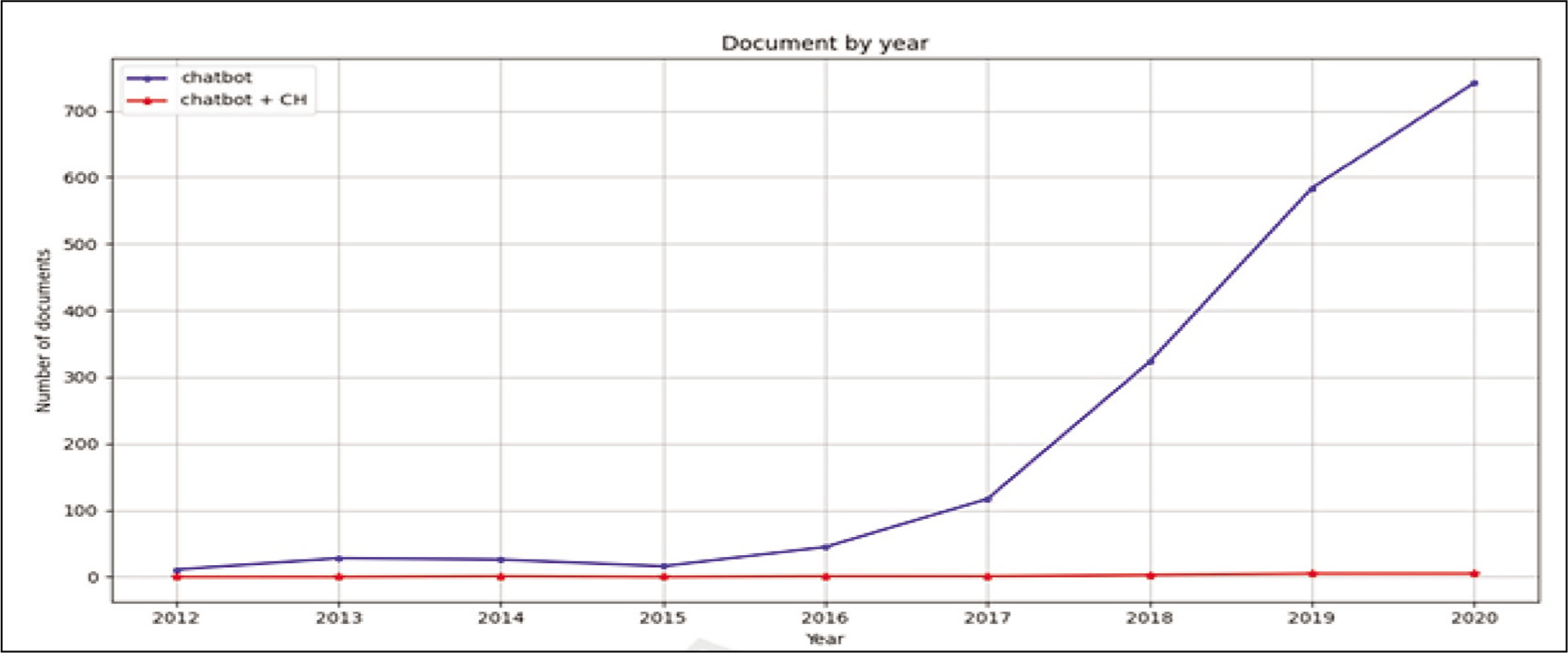
Previous studies have proven the effective application of chatbot technology in the conservation and exploration of cultural heritage. For example ‘Cultural heritage path suggestion’ is a chatbot developed by Sperli in 2020. The user of this bot can ask for suggestions on activities in a cultural heritage destination, either in a general sense or by mentioning the specific kind of attractions that they plan to see, such as museums, palaces and parks (Sperlí, 2020). Furthermore, travellers can use various services that filter the massive data available on the network and only deliver helpful information (Clarizia et al., 2019). Casillo et al. (2020) proposed a system that could be able to create adaptable tourism routes for heritage-passionate people called ‘CHATbot’: A cultural heritage-aware teller-bot for supporting touristic experiences (Casillo et al., 2020). Lombardi et al. (2019) described the importance of technology in quickly discovering information related to archaeological sites, and a system based on a chatbot is developed that is capable of providing support to users during a visit to an archaeological park (Lombardi et al., 2019). Colace et al. (2019) developed a chatbot ‘CHARS’ based on a ‘context-aware system’ that proposes contents and services based on context and the user’s profile. This ‘CHARS’ bot can assist tourists during their visit to the Paestum Archaeological Park (Colace et al., 2019). Apart from tourist utilization, Amato et al. (2019) proposed ‘CHAT’ for educational purposes. This chatbot can assist students in their studies of cultural heritage using NLP tools and inferential procedures (Amato et al., 2019). Nafis et al. (2022) researched using conversational agents to preserve cultural assets in a region. They concluded that the selection and development criteria for acceptable technology would undoubtedly serve as a basis for a successful first experience with the region’s cultural heritage. Recently, many studies have been undertaken on chatbots and cultural heritage as per the Scopus database. It is evident from Figure 1 that from 2012 to 2020, papers in the field of chatbot technology are rising, and the adoption of chatbot technology in cultural heritage is stagnant (Nafis et al., 2022).
Studies have been conducted to find factors to consider while creating a good chatbot and introduced six significant factors: functionality, reliability, usability, portability, efficiency and maintainability (Muizzah Johari & Nohuddin, 2021). The quality of a chatbot can be measured using parameters such as reliability, understanding ability, responsiveness, assurance and interactivity (Li et al., 2021). The literature review confirms that no exclusive chatbot for forts and palaces exists. Developing a chatbot for forts and palaces would be helpful for the users to explore unexplored cultural heritage destinations, locate the destination, compare the service and facilities and have a pre-visit experience. In this project, a new chatbot is developed after studying the opportunities of chatbots in the tourism industry and analysing the role of chatbots in the tourism industry. The main objectives of this article are to analyse the need for chatbots in cultural heritage destinations, to find out about existing chatbots in the travel and tourism industry, to propose a conceptual model for destination-based chatbots, and to introduce chatbots for forts and palaces of Tamil Nadu developed by the authors. Developing countries such as India depend on the tourism industry for various reasons, including creating job opportunities for local communities, regional development and the country’s overall economic growth. In this techno world, applying artificial intelligent tools in the tourism sector will enable visitors for easy navigation and better visibility of the destination globally. In this context, the authors have developed a chatbot named ‘TN Forts Buddy’ (as it enables visitors to explore only TN forts and palaces now). The authors plan to include more new destinations in India with many other add-on features to suit every visitor’s expectations and attract more new visitors globally. This chatbot developed will be given to Tamil Nadu Tourism Development Corporation. Later, after including more destinations, this chatbot can be shared with the Ministry of Tourism. Also, this empirical study will provide a foundation for future research.
Research Methods
This study is a mix of qualitative and quantitative techniques. The data for the qualitative study have been collected through relevant secondary databases such as Google Scholar, Scopus and the Web of Science. Secondary data explained the relevance of chatbots in the tourism industry, identified existing chatbots in the industry and explained terms such as artificial intelligence, technology, chatbot and tourism. In addition to the literature study, a questionnaire survey was conducted to develop a chatbot based on the forts and palaces of Tamil Nadu. 320 samples were collected using a purposive sampling technique. Five-point Likert scaling is used for framing the questionnaire. It consisted of strongly agree, agree, neutral, disagree and strongly disagree. The survey targeted general chatbot and voice assistant users to increase our results validity. Based on Muizzah Johari and Nohuddin’s (2021) reviews, the authors identified a set of dimensions to evaluate the chatbot. The selected dimensions are accessibility, reliability, multilingual capacity, usability, accuracy, multitasking, efficiency and prompt response.
Study Area
Tamil Nadu is a state in South India that is culturally and historically rich. The people of Tamil Nadu are members of the renowned Dravidian Family, considered one of the world’s oldest civilizations. Tamils, often known as South Indians, value their deep-rooted Tamil civilization and work hard to preserve their 2,000-year-old past. The Cholas, Pandyas and Pallavas have all ruled the realm and flourished since then (Orr, 2007; Vijayalakshmi, 2019). Their innovations, such as art and construction, are being used and preserved today. Tamil Nadu’s old forts and palaces are memorials to the ancient civilization’s rich legacy.
Role of Chatbot in the Tourism Industry
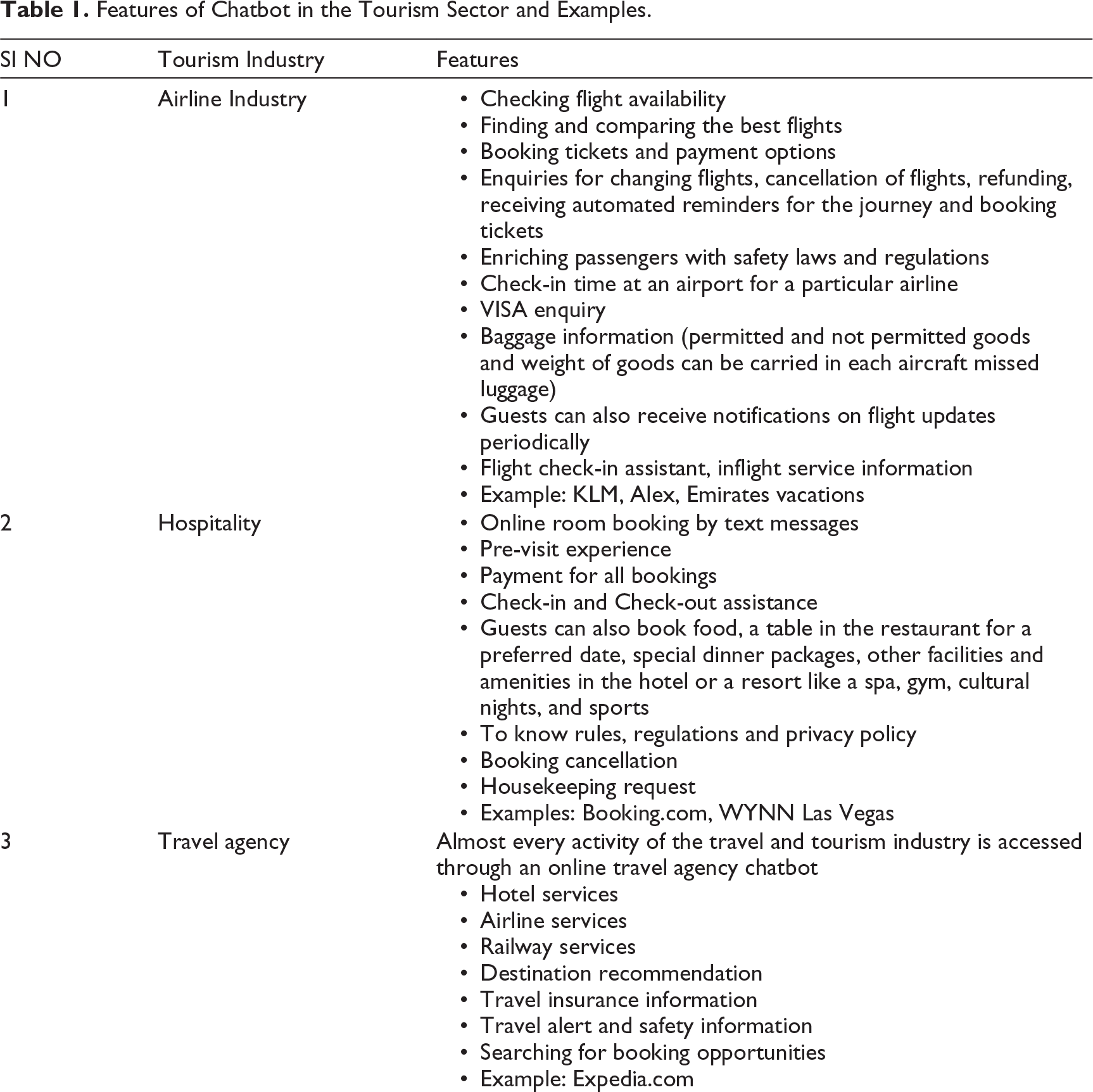
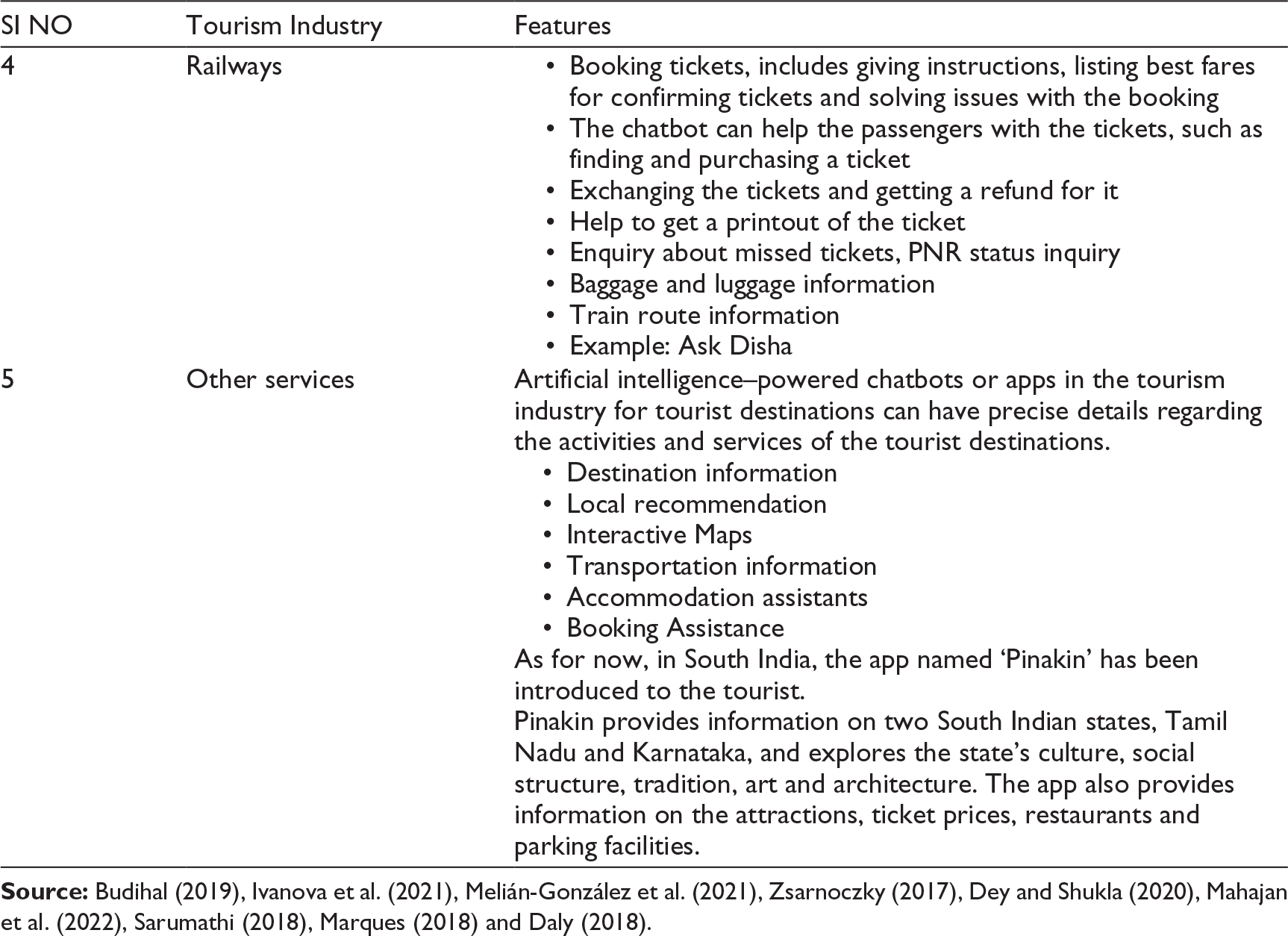
The existing chatbot has unique characteristics, yet its services are comparable. They may now perform various tasks that will improve the visitor’s experience. Additionally, the chatbot aids in making all services more easily accessible to visitors. Artificial intelligence is used across the tourism industry, and chatbots transform the travel industry. It makes it easier to use travel services (Samala et al., 2022). Machine language helps to understand the perceptions and characteristics of tourists and accordingly provides relevant experiences. Moreover, the bots advise the tourist to choose a destination or services and make it easy to compare the services and facilities without visiting a destination or experiencing them. Chatbots can impact the travel industry with positive benefits such as saving tourists’ time, being available 24 × 7 hours, planning the trip according to the information given in the chatbot, having an immediate response and supporting tourists in different languages. The chatbot simplifies travel and tourism arrangements. Some chatbots were introduced in the travel industry, and they have changed the face of the industry. Table 1 shows some of the examples and tasks accomplished by chatbots in the tourism industry.
Features of Chatbot in the Tourism Sector and Examples.
Potential Benefits of Chatbots
Chatbots benefit the travel and tourism business; a company’s offers must successfully engage with clients, which may be done through instant messaging platforms such as WhatsApp, Facebook and Telegram messenger. Many businesses are now using chatbot systems. The hotel industry can be mentioned. According to chatbot statistics 2020, chatbots have numerous benefits based on consumer perception, which is highly important for chatbot development. Some of the potential benefits of chatbots are explained below and illustrated in Figure 2.
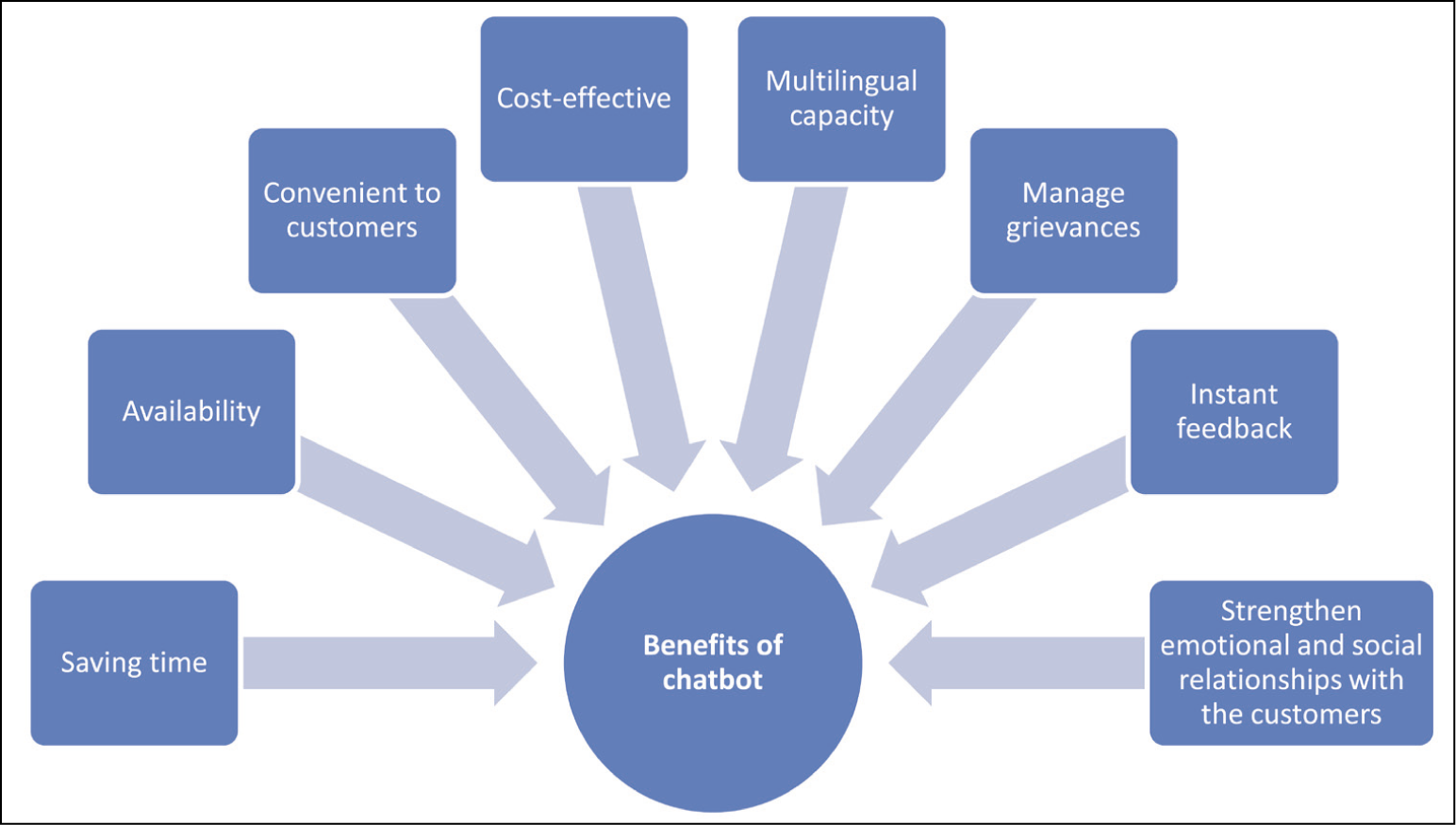
Saving time: The most important benefit of chatbots in every industry is time saving. Human resources could be more effective for several users in responding to all queries promptly. The traveller may have several questions about their plans before and after booking (Jiménez-Barreto, 2021). A brief message from the service provider can answer the tourist’s question, benefiting both the visitor and the service provider.
Availability of 24 × 7, 365 days: Travellers need answers to all their travel queries no matter whether night or day or if they are in different time zones; personalized solutions are available to the customers at any time, no matter when, who where and how (Dash & Bakshi, 2019).
The convenience of customers: Knowledge of using a smartphone is enough to access the chatbot, personalized answers are available in every chatbot, and customers can access rich data sources and avoid confusion in decision-making (Van Manen, 2016).
Cost-effective: From the service providers’ perspectives, they can cut short the cost of maintaining the customer care executive to uphold and retain customers through better conversation (Lester et al., 2004). A single chatbot can replace much human power and handle it effectively. From the customer’s perspective, they can clear all travel doubts before an actual visit to a destination, and accordingly, they can plan trips cost-effectively.
Multilingual capacity: If the questions are answered in the local language, it would benefit better understanding. Chatbot is available in different languages, including local, regional and international (Mlakar et al., 2021). Every type of tourist can access the chatbot.
Manage grievances: It is comparatively easy and fast to manage the complaints of customers through the chatbot (Español et al., 2021). For example, customers can register a complaint regarding a railway ticket issue in the Ask Disha chatbot, and it will help the customers sort out the problem.
Instant feedback: The customers are willing to give feedback through a chatbot (Stoilova, 2021). The traditional feedback system may suffocate customers. Getting instant customer feedback offers the business insight into retaining customers and providing a better customer experience.
Strengthen emotional and social relationships with customers: According to the authors, the development of technology has allowed individuals to experiment with new methods of interpersonal interaction, and chatbots present a unique chance to improve our social and emotional intelligence. Chatbots are designed to communicate with users conversationally by utilizing artificial intelligence, allowing them to learn about the users’ preferences and offer specialized advice. Making an emotional connection with customers by interacting with the chatbot via text, voice or photos facilitates effective communication between businesses and their consumers to some extent (Sands et al., 2021).
Conceptual Model for Developing a Chatbot for Tourist Destination
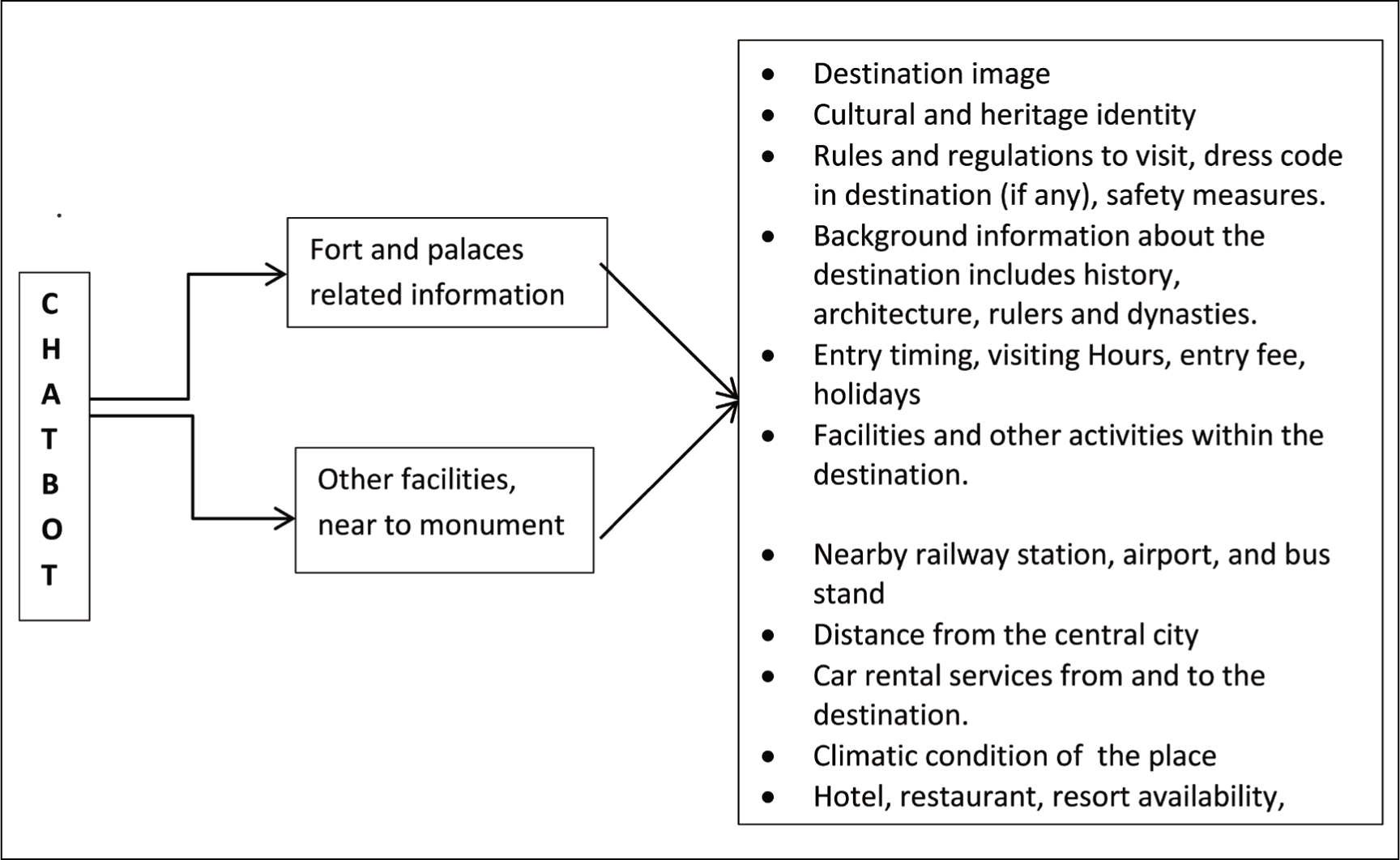
From the literature review, it is concluded that no chatbot is explicitly designed for forts and palaces. To increase tourist footfall in cultural heritage destinations, we are developing ‘TN Forts Buddy’ to explore unexplored monuments. In particular, the bot will help find the architect, connectivity to the monument, entry fee, entry timing, images and accommodation availability near the monument in a single click. Searching online for information on various destinations will take time, which is a barrier to data access. Using a destination- or tourist-attraction-based chatbot provides tourists with precise details on attractions that might be natural or artificial. Bringing all tourist information under one roof makes it easy to use tourism products. The visitor can pre-visit the destination via chatbot, make a selection and then plan a trip accordingly. Figure 3 explains the attributes that are mandatory for the destination-based chatbot.
Proposed Conceptual Model.
Experimental Results
A systematic questionnaire was used to perform the study. The study’s sample size is 320. Those who have already used the chatbot have been selected for this study. The finding was reached using a statistical method known as exploratory factor analysis. The classification of numerous variables into a limited number of groups, known as factors, is made easier with the help of factor analysis. The empirical findings related to the elements of chatbot user experience are explained in Figure 4.
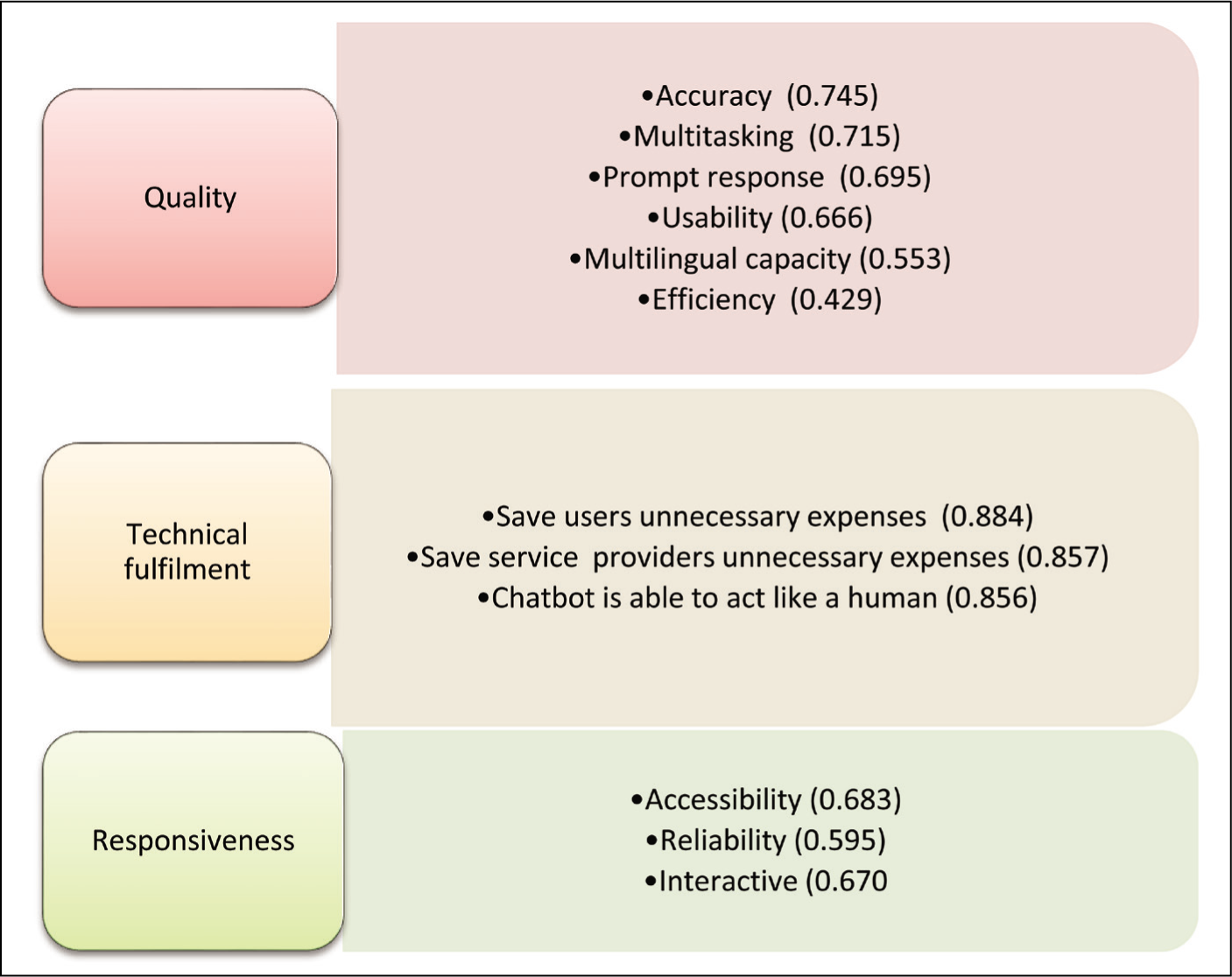
From the factor analysis, the chatbot user experience elements have been extracted into three factors. The first factor is the quality factor, which consists of components such as accuracy (0.745), multitasking capacity (0.715), prompt response (0.695), usability (0.666), multilingual capacity (0.553) and efficiency (0.429). The second factor is the technical fulfilment factor, which consists of components such as save unnecessary expenses of the users (0.884), save unnecessary expenses of the service providers (0.857) and a chatbot can act like a human (0.856). The third factor is responsiveness, which consists of elements such as accessibility (0.683), reliability (0.595) and whether the chatbot is interactive (0.670). These three factors are more critical in constructing a new chatbot and educating new chatbot developers on the features that a chatbot should have. From the above analysis, it is recommended that the new chatbot developers focus on making chatbots more efficient.
The Development Stage of ‘TN Forts Buddy’
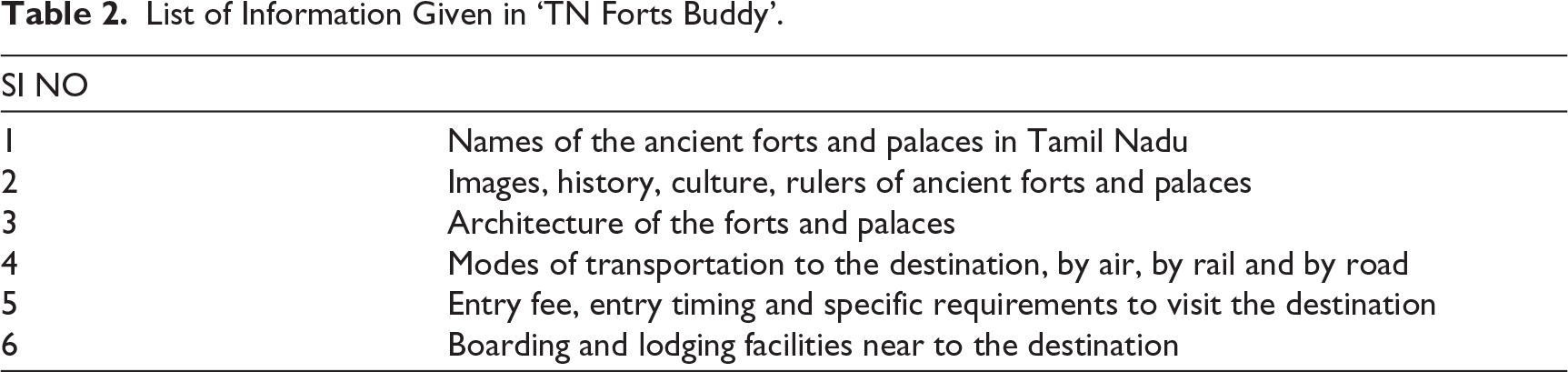
The development of a chatbot based on Tamil Nadu’s forts and palaces allows visitors to have a better travel experience to these cultural heritage sites. Chatbot assists culturally enthusiastic travellers in quickly exploring and locating forts, inviting more new domestic and international visitors to Tamil Nadu’s unexplored forts and palaces. Many emperors’ forts still stand majestically as witnesses to Tamil Nadu’s old cultural legacy. Using a chatbot, visitors can expand their knowledge and discover numerous forts and palaces associated with that place. It encourages more new domestic and international visitors to Tamil Nadu’s unexplored forts and palaces, boosting the state’s GDP and the country. As an initiative to develop a chatbot, we have developed an inventory of 28 ancient forts and 5 palaces that are rich in culture, heritage and architecture, providing enormous opportunities for travel enthusiasts to learn more and to motivate them to visit more such places in Tamil Nadu and other states of the country resulting in tourism promotion and sustainable economic development. Many unique cultural heritage destinations in India must be adequately explored and underrated. The authors have undergone a systematic background study of the state, its ancient cultural heritage and visited many authentic libraries, journal publications, authentic literature related to ancient rulers of the country, various dynasties, cuisines and architectural styles. Field visits to the destinations have enabled the authors to gather information about the destination’s accessibility, accommodation, transportation facilities, hotel choices and many more. The gathered information has been analysed and grouped systematically so the travel enthusiast can get all sorts of information about the destination without any hassle. Table 2 lists the data that the created chatbot provided. A screenshot of the developed chatbot with questions and responses has been attached to the article for reference.
List of Information Given in ‘TN Forts Buddy’.
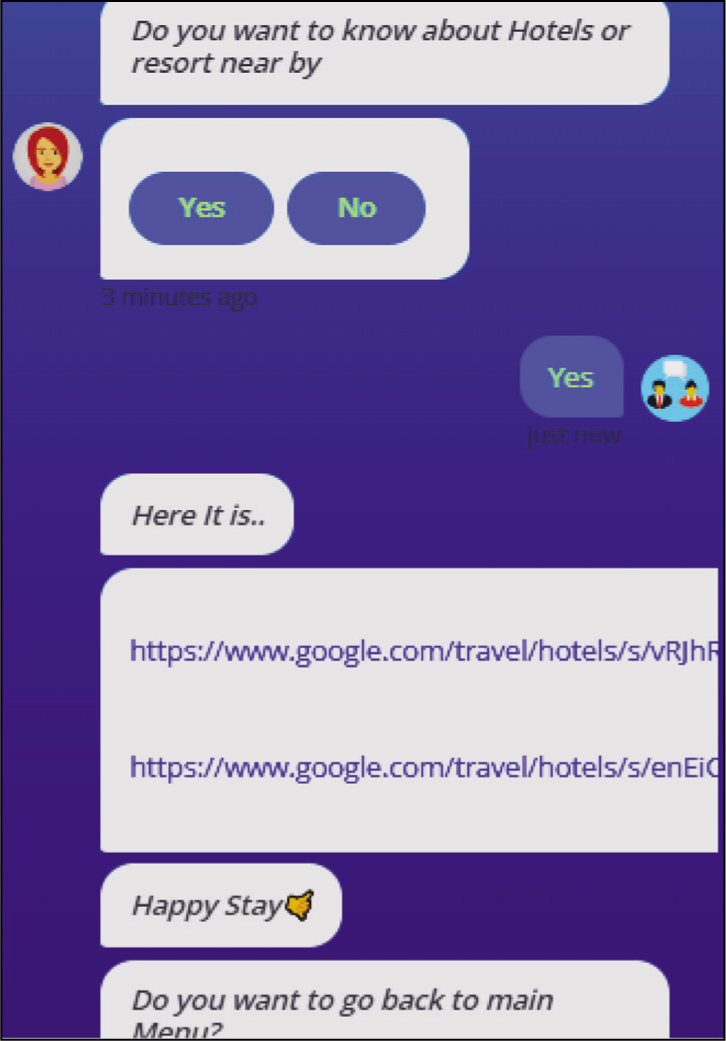
Asking so many questions and statements is crucial for the bot to interact efficiently with the end-users, so tailor-made answers are made to give accurate knowledge of the forts and palaces of Tamil Nadu. The users can select options offered by the chatbot developers. The information includes the architect of the monuments, entry fee to visit the destination (based on the current updates) and entry timings; tourists are given information on the major cities near the monument and all modes of transportation to connect to the destination (by air, rail and road). Before visiting the destination, the visitors can book the rooms, and the chatbot will recommend some hotels and resorts nearby.
Preview of ‘TN Forts Buddy’
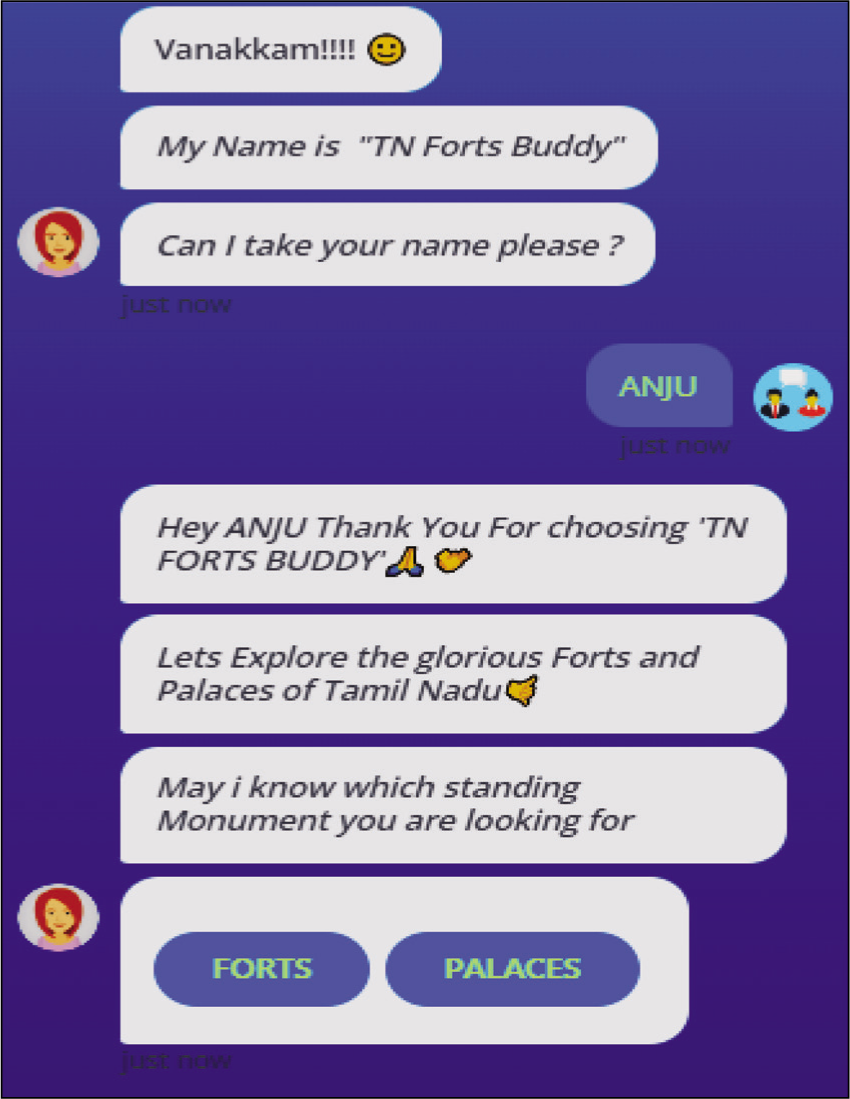
The user can communicate with the chatbot by selecting one of the options provided by the chatbot. It is a pre-programmed answer chatbot that only provides knowledge about Tamil Nadu’s forts and palaces. As shown in Figure 5, users can begin interactions with the bot by selecting forts or palaces. When users automatically select one of the forts or palaces, the dialogue will display the opportunity to select the district to visit (see Figure 6). The bot will only display the districts that have palaces or forts. Chennai, Thanjavur, Kanyakumari, Thiruchirapalli and Namakkal are a few examples.
First Page of TN Forts Buddy.
Selection of District to Explore the Monument.
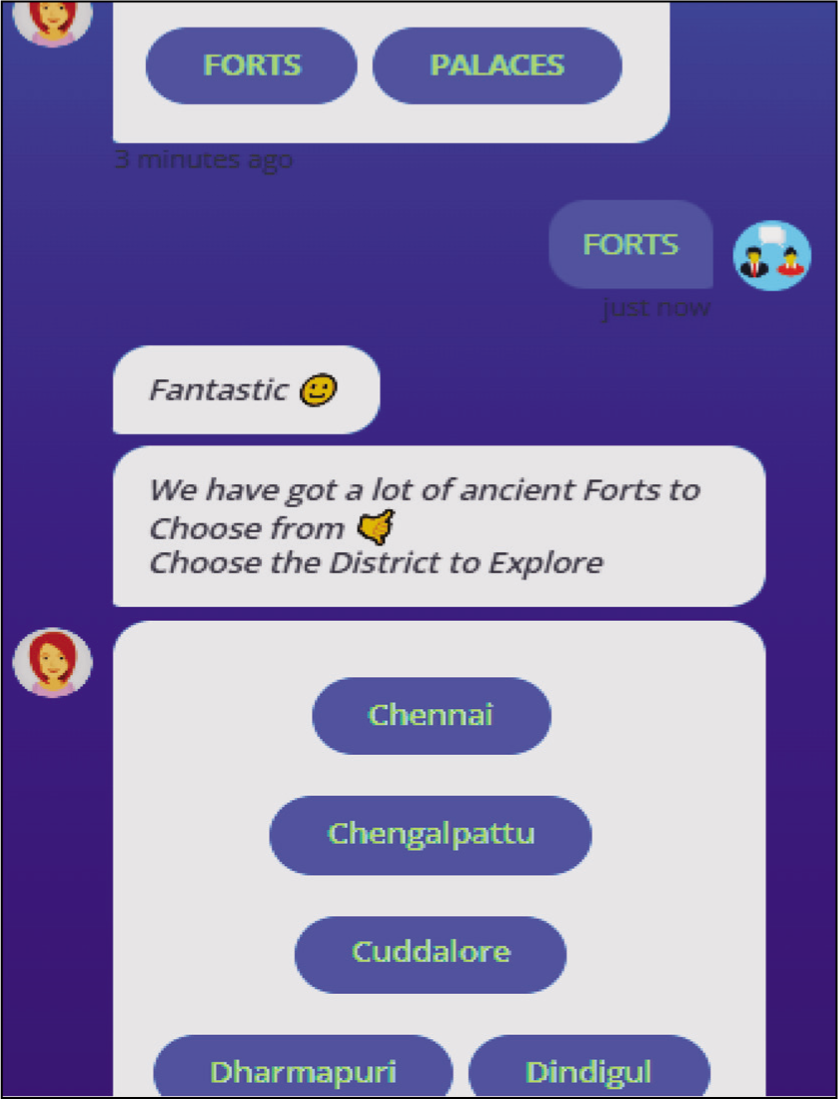
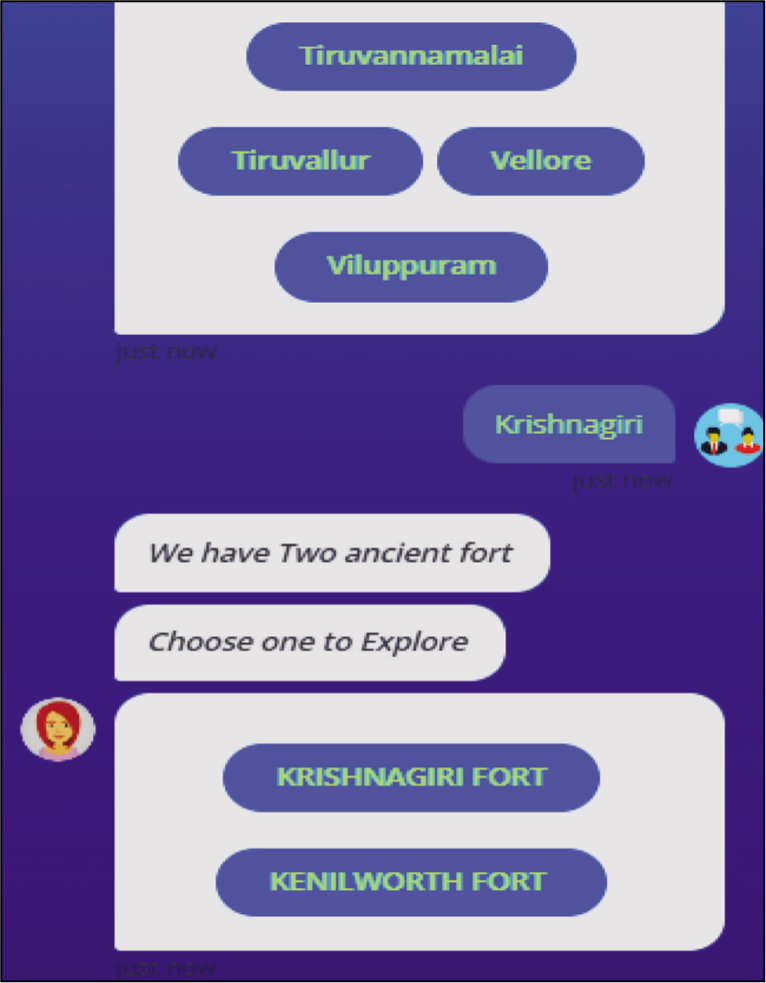
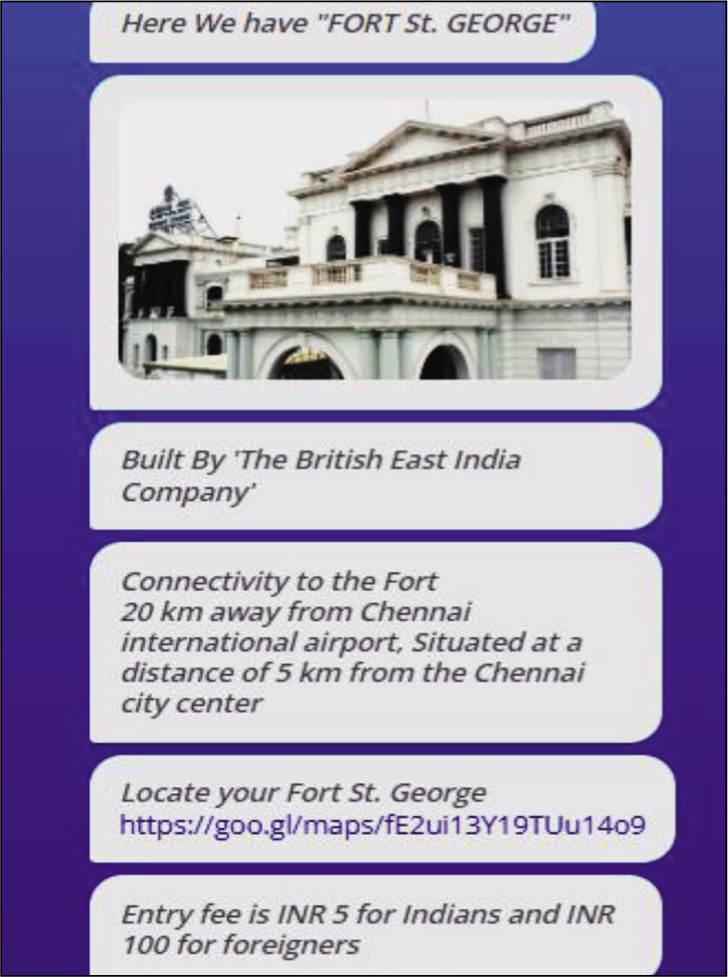
When the user clicks on a district, the bot will display a list of forts or palaces in that area, as seen in Figure 7. If a district has more than one monument, it will be listed as well. Users will get a window with complete information explained before the architect, entry charge, entry timings, photos and accommodation availability with a single click on the listed monument; Figure 8 depicts this. This chatbot also allows users to learn more about the history and culture of the monument. Figure 9 depicts a genuine webpage connection provided by the chatbot. This website will provide information on the monuments under different rulers.
List of Monuments in the Given District.
Descriptions of the Monument and Related Facilities.
Link to Learn About the History of the Monument.
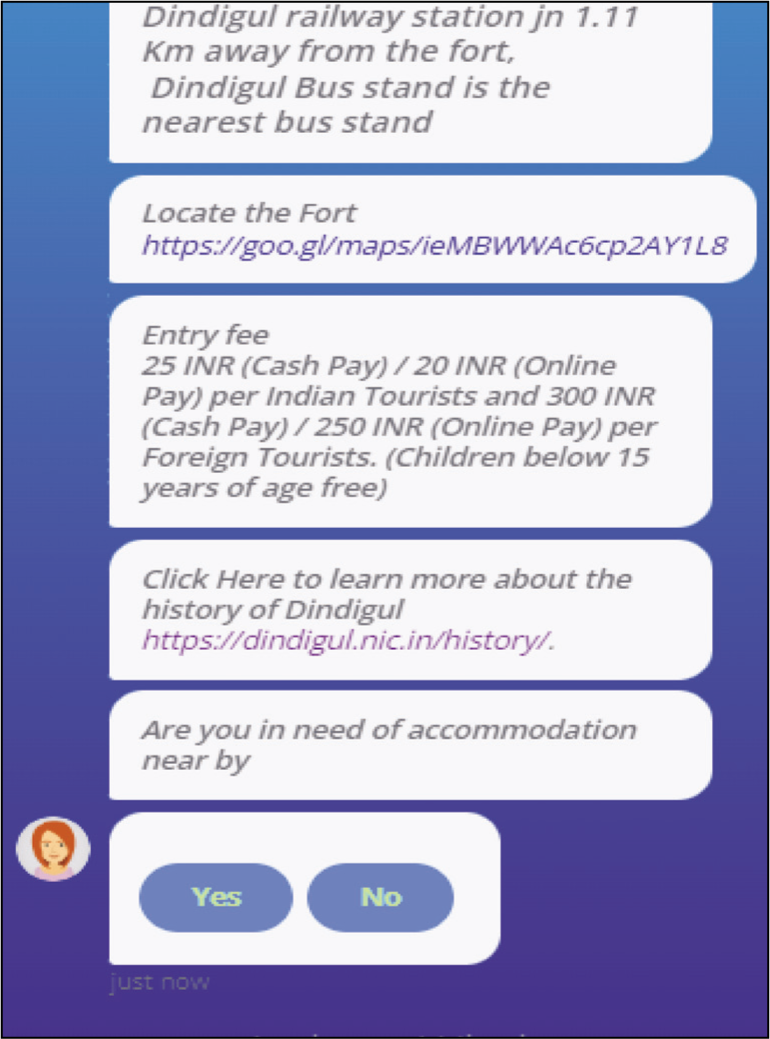
If the user wishes to return to the main menu, there is an option at this stage. If the chatbot user wants to explore or know the accommodation facilities, an option is given after the monument description. A list of affordable lodging options near the monument is provided. Users can book a room by clicking the website link on the bot page. Figure 10 depicts this. The user has two options after utilizing the chatbots accommodation option: either return to the main menu to view other monuments, or exit the chat session. The exit page is shown in Figure 11.
Accommodation Availability Near to the Monument.
Last Page of the Chatbot.
In Tamil Nadu, forts and palaces are plenty and scattered over the state, and they immediately transmit their heritage and cultural worth to tourists without using words. The forts and palaces mentioned above should receive more attention from the authorities and tourists. Thus, TN Forts Buddy educates everyone on the significance of the monuments in remembering the existence of successive dynasties in the state. Providing users with diverse information and chatbots can catalyse the restoration and preservation of forts and palaces. Because the present age is generally attracted to forts and other cultural places, it is easy to gain the attention of a chatbot for further tour planning.
Conclusion
Artificial intelligence is a branch of science and technology that focuses on developing tools for computers and software to think, learn and solve problems like humans. Artificial intelligence can be helpful in many fields, including business, research, entertainment and medicine. Artificial intelligence’s primary objective is to stimulate the human mind and cognitive processes so that computers can accomplish activities that often require human intelligence, such as comprehending speech, identifying objects in pictures and making decisions. People communicate differently over the phone than by text, chat or email. It is crucial to spot these variances and train the chatbot properly so that customers are happy with the encounter and the outcome. As a result of this study, a chatbot named ‘TN Forts Buddy’ was developed to explore the unexplored forts and palaces of Tamil Nadu. The TN Forts Buddy contains information on selected ancient 28 forts and 5 palaces that are less explored but rich in cultural heritage. The main aim of the chatbot is to make people aware that the enchanting Tamil Nadu, which has many ancient forts and palaces to explore, needs immediate attention from the authorities to preserve them for future generations. So, once people get to know more about the monument and inquiries start relating to it, the authorized people will be more particular about the conservation of these ancient monuments, which are golden gifts and memories of our dynasties who ruled over Tamil Nadu. Now, this project is confined only to one state and the forts and palaces. In the future, destination-based chatbots can be extended to different states with more advanced add-on features with easy navigation and for many more tourism products, resulting in sustainable tourism development.
Footnotes
Declaration of Conflicting Interests
The authors declared no potential conflicts of interest with respect to the research, authorship and/or publication of this article.
Funding
This study was supported by DST-CURIE, Centre for Machine Learning and Intelligence, Avinashilingam Institute for Home Science, and Higher Education for Women (grant number DST-CURIE-AI-Phase II-Project 25).