




Abstract
This qualitative-phenomenological study aimed to assess the stakeholders’ perspectives on the conservation and urbanization of Lucban, Quezon, as a historic town. The researchers deployed focus group discussion and documentary analysis to collect significant information from the key informants (n = 8). A repertory grid and thematic network analysis were used to evaluate and assess the collected information. Based on the findings, Habhab Framework on Stakeholders’ View on Heritage Conservation and Urbanization was conceptualized to provide an in-depth assessment of the town’s current situation. The framework identifies the significance of the historic town’s culture and heritage resources, primary and secondary stakeholders, current programmes, related issues and constraints, tangible and intangible resources needed for conservation, proposed programmes and perceived positive impacts. It will serve as a basis for stakeholders, especially local authorities, to develop sustainable programmes and projects to conserve and safeguard their rich culture and heritage resources.
Introduction
Heritage has many meanings that continue to evolve (Fairclough, 2009, as cited in Ahmed, 2017). People use it from different perspectives. Some look at the concept of ‘folk customs and traditions’ (Stankova & Vassenska, 2015), and others interpret the concept of heritage as ‘monuments’ (Safiullin et al., 2015). In the definition provided by the United Nations Educational, Scientific and Cultural Organization (UNESCO), heritage is the ‘legacy from the past, what people live today, and what people pass on to future generations’ (UNESCO, World Heritage Centre, 2020a). It reflects the significance of continuity and sustainability of any heritage properties of the society from generation to generation. In the context of heritage defined by the Council of Europe (2005), the institution identified seven types of heritage: nature, landscape, monuments, artefacts, activities, people and sites. This definition determines the diversity of heritage entities created and developed through time by society. But heritage is not just about old things. New or newly altered objects, places and practices are just as much a part of heritage where people hold cultural value for today’s generations (Rio Tinto plc. & Rio Tinto Limited, 2011). Heritage is a collective asset that tells the history of people. Any given community has a history of ensuring the continuity of an evolving common identity (Ahmed, 2017).
When societies group as one in a geographical entity, people create the context of having a town (Redfield & Singer, 1954). Then, people tend to develop the geographical area in a historic-based approach because of their cultural and social collaboration. Heritage resources and properties were introduced and constructed based on the community’s needs and desires. A historic town is significant to the community, especially in the context of history (associated stories and people), landscape and setting (geographical location), architectural and aesthetic (e.g. monuments, residential and commercial structures; the house of worship, mobility infrastructures, government, non-government buildings), culture (tangible and intangible), socio-economic (specifically on tourism) and symbolical (Australia ICOMOS, 2013; Bucurescu, 2014; Garcia-Hernandez et al., 2017). Because of these concepts, historic towns became a significant community identity from generation to generation (Boussaa, 2018). Because of the significance and association of historic towns to the community, UNESCO enlisted some of them in the list of World Heritage Sites. The City of Salzburg, Austria (UNESCO, World Heritage Centre, 2020b), the Town of Olinda, Brazil (UNESCO, World Heritage Centre, 2020c), the City of Vigan, Philippines (UNESCO, World Heritage Centre, 2020d), the Town of Grand-Bassam, Cote d’Ivoire (UNESCO, World Heritage Centre, 2020e) and the Mexico City and Xochimilco, Mexico (UNESCO, World Heritage Centre, 2020f) are some of the historic centres, towns and cities that are enlisted in the UNESCO World Heritage Site. This recognition highlighted the value of heritage conservation and sustainable development implemented by the community. It enriches the value of people’s concern and moral ascendancy in the context of their culture and heritage resources. In the Philippines, the national government, specifically the National Historical Commission of the Philippines (NHCP), conceptualized a guideline that standardized the conservation and development of historic centres/heritage zones (NHCP, 2020). The standards concentrate on planning, management, land use, building and construction, non-conforming buildings or structures, permits, clearances and other requirements for alteration. It is aligned with the mandate ratified by Republic Act No 10066 or the National Cultural Heritage Act of 2009 (Congress of the Philippines, 2009). These provisions promote the continuous effort of the community, especially the authorities, on the conservation and sustainable development of historic towns and heritage zones of the Philippines.
Historic towns often exhibit a rich mixture of social, cultural, architectural and historical heritage values (Cohen, 1999; Cullen, 1961, as cited in Kiruthiga & Thirumaran, 2018). However, streetscapes, urban fabrics and buildings are developing and changing to suit the demands of stakeholders. At the same time, the role of urbanization in preserving the heritage characteristics of the environment is ignored. It is the stakeholders’ responsibility to conserve the distinctive character and quality of the historic environment for future generations. The development of towns and cities is not certainly destructive. Still, haphazard growth, the ungovernable intrusion of modernization, poor planning and inadequate awareness of heritage values are combined to produce problems that threaten tangible and intangible heritage (Persson, 2004, as cited in Kiruthiga & Thirumaran, 2018). Through the identified issues, the UNESCO recommendation on the historic urban landscape (HUL) (UNESCO, 2011) has synthesized these elements by proposing a holistic understanding of historic urban areas through all-inclusive approaches (Lorusso, 2016). On 10 November 2011, UNESCO’s General Conference adopted the new recommendation on the HUL as an additional tool, a ‘soft law’ to be implemented by the Member States on a voluntary basis. This document conceptualizes urban heritage as the multi-layering of cultural and natural values and attributes that go beyond the notion of ‘historic centre’ or ‘ensemble’ to encompass a much broader urban geographical context (Dastgerdi, 2018). This value is often constructed through selection criteria appropriated internationally or nationally and objectified to become worthy of political, economic and touristic attention and conservation. There is, therefore, a need to safeguard and respect the inherited values and significance of cultural heritage in historic towns.
Historic towns have always been a destination for inquisitive travellers. With the increasing wealth, elimination of trade barriers, the dismantling of political structures and ease of travel that took place, particularly in the 1980s and 1990s, destinations started competing to attract more visitors (Kilinc-Unlu, 2011).
Moreover, the overall significance of cultural heritage sites is supported by a number of values assigned to their intangible components, including the relationships between the values placed on their tangible and intangible features. Tangible and intangible components that give a place meaning are linked. According to Avrami et al. (2019), this relationship is not always harmonious or balanced, which can sometimes result in either constructive or destructive tensions and impact approaches to their conservation that are founded on values.
Streets, buildings and public areas have societal ideals reflected in change, various uses and sensory experiences, customs and interpersonal interactions. As ancient urban areas are increasingly exploited for their historic architectural environments, frequently at the expense of more intangible values, these are starting to clash with the contemporary economic and development values that fuel tourism.
Also, historic towns have relevance because of this intangible living heritage embedded in the town’s built heritage. Immaterial values—knowledge, ideas and skills—can remain and forge enlightening connections between the ancient world and modern cities. Built heritage, cultural landscapes and living heritage locations span numerous eras. Through a combination of cultural mapping, which represents the voice of communities, ethnographic tools, which represents the voice of heritage practitioners, historical research, which represents the voice of academics and documentation, which reflects the voice of the heritage itself, the values and significance, as well as their ‘stories’, are revealed.
Recognizing the stakeholders’ perception of a heritage town’s conservation and urbanization process is essential to achieving sustainable decision-making (Cheng et al., 2017). With various stakeholders involved in the conservation and development process, it must be understood that there might be a different perspective. Nevertheless, a common platform is necessary for all the stakeholders involved in the conservation and urbanization process through collaboration (Aas et al., 2005). Whereas not all stakeholders can be equally engaged, it is still vital to associate and appreciate stakeholders’ interests from individuals to groups and the whole community. Thus, the role and responsibilities of the stakeholders must be identified to avoid conflicts and misunderstandings (Wang et al., 2019).
During the twentieth century, the influx of modernism and large-scale reconstruction spurred many cities to elicit change by rejecting traditional architecture, building techniques and materials in favour of more modern methods (Susan, 2011, as cited in Kiruthiga & Thirumaran, 2018). Commercial establishments moving into the settlement core pushed for new architectural interventions expecting old historical buildings to sacrifice their heritage values (Tweed & Sutherland, 2007). Replacement of old buildings with new construction extinguished the social and cultural essence of the city and eliminated the people’s sense of place and identity (Marilena, 2010; Yung et al., 2017, as cited in Kiruthiga & Thirumaran, 2018).
International consensus exists on the role played by heritage in achieving sustainable development. In 2015, the sustainable development goals (SDGs) were unanimously adopted by United Nations (UN) member states resulting in a wide-ranging set of 17 goals and 169 targets aimed at poverty reduction, leaving no one behind and advancing the health and well-being of all by 2030 (UN, 2017). Out of the finalized SDGs, goal 11 is the UN’s strongest expression of cities and urban environments’ vital role in the global landscape. There are sporadic explicit references to cultural aspects in the 17 goals, and these include target 11.4, which focuses on the strengthening of efforts to protect and safeguard the world’s cultural and natural heritage; target 4.7, which emphasizes the promotion of knowledge and skills and the appreciation of cultural diversity; targets 8.9 and 12.b, which focuses on sustainable tourism and local culture aligned with target 14.7, which focuses on the sustainable use of aquaculture and tourism (UN, 2016). All the targets have specific implications in the field of culture. These targets highlight the growing consensus that the future of our societies will be decided in urban areas in which culture plays a key role (UNESCO, 2016a). The 2016 UN New Urban Agenda recognizes tangible and intangible heritage as a significant factor in developing vibrant, sustainable and inclusive urban economies and sustaining and supporting urban economies to transition towards higher productivity progressively. Furthermore, the global discourse has focused on this crucial role of heritage in the context of urban development and heritage conservation.
Like buildings, cultural spaces in historic towns or cities should be conserved according to the Burra Charter (ICOMOS, 1999). Conservation is the only method to protect the cultural significance to avoid deterioration of the living cultural and local heritage (Adenirah, 2011; Fielden, 1994, as cited in Lai et al., 2013). Certainly, Tiesdell et al. (1996, taken from Adeniran and Akinlabi, 2011, as cited in Lai et al., 2013) denote that conservation is essential to attain cultural memories and heritage, economic and commercial value. Henceforth, cultural factors have been contemplated in today’s sustainable development stated by Nadarajah and Yamamoto (2007). The sustainable approach protects ‘historic place, architecture and cultural significance’, which includes the cultural heritage conservation within historic settings and nature environments besides social and economic issues (Shuhana, 2011, p. 156). In other words, cultural heritage enables sustainable urban development to enhance the quality of life (Tweed & Sutherland, 2007).
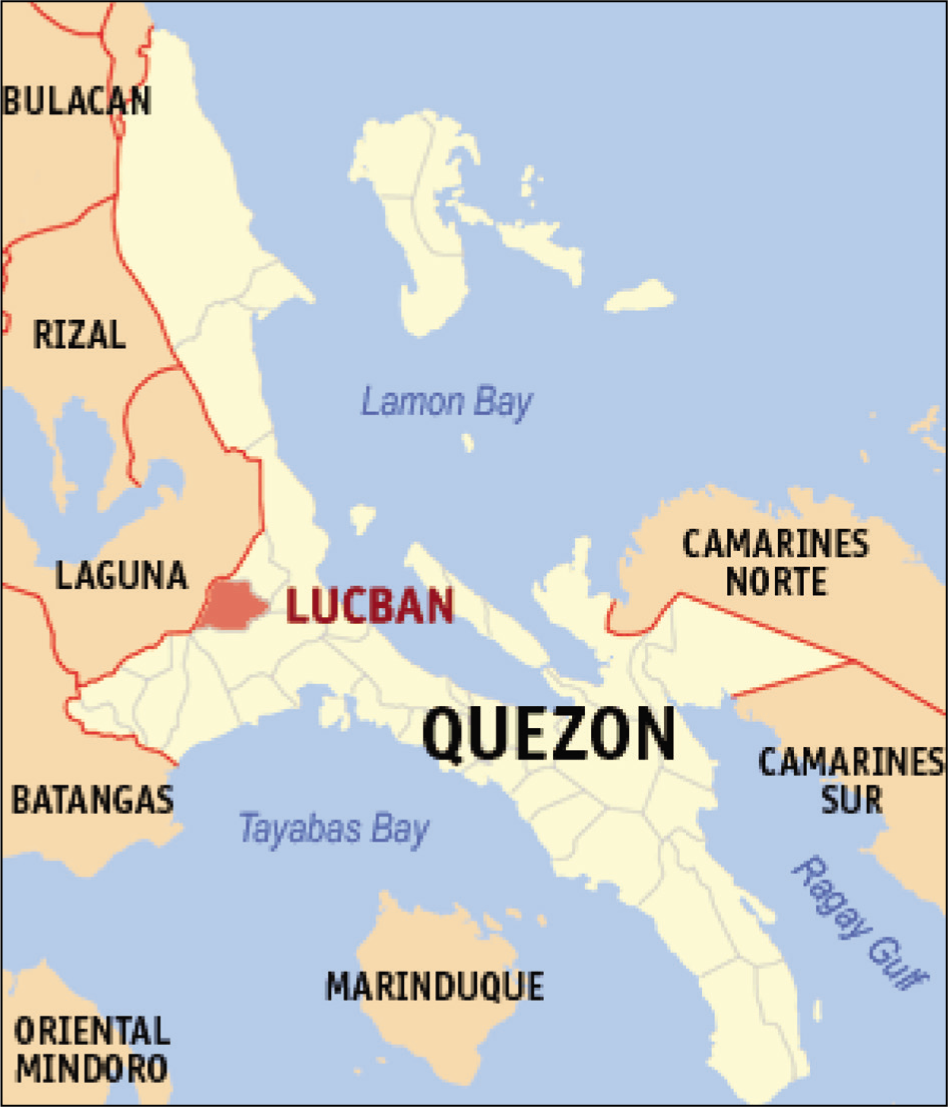
Lying on the slope at Northeast Mount Banahaw, Lucban is standing at an elevation of 1,500 ft above sea level. It is located at the northwestern border of Quezon province with coordinates of 121° 33′ cast longitude and 14° 7′ North latitude (DILG, 2020). Lucban is the Summer Capital of Quezon due to its fresh and invigorating climate. It is considered a second-class municipality in the province of Quezon. The town is accessible by land, 133 km from Manila via Sta. Cruz, Laguna, approximately 160 km from Manila via Lucena City (DILG, 2020). Figure 1 provides a figural representation of Lucban’s location from the map of the Philippines.
Throughout its history, the town has produced distinguished men and women that have given the town its significant honour. One is Apolinario de la Cruz, one of the country’s national heroes, an internationally known painter, Oscar Zalameda, and many contributions to the culture and arts. The town is also recognized as the Art Capital of Quezon Province. The creativity and artistry of Lucbanin can be observed during the Pahiyas Festival every 15th day of May as a thanksgiving celebration to St. Isidore Labrador.
Lucban is known as the ‘Summer Capital of Quezon’ because of its cold climate. As a result, many people from different places migrate and settle in Lucban. The presence of the state university also contributes to the town’s growing population, which gave birth to the town’s urbanization. Urbanization might be advantageous because it encourages new concepts, business ventures and infrastructure improvements, such as providing essential clean water and educational and health services. However, unplanned development may have detrimental effects on the traditions, culture and heritage of one’s town. Therefore, in this study, proper planning for town development and urbanization is a significant factor in planning and conservation. With the physical expansion of existing towns and cities and the proliferation of new ones, not only individual monuments and landmarks but entire historic quarters and towns containing unique examples of architectural styles or ways of life are increasingly exposed to the forces of urbanization. It requires an understanding of the dynamics of urban growth so that solutions can be attempted which facilitate conservation without futile attempts to stall the forces of urbanization. It can only be done through regional planning, town planning, pragmatic land use planning, transport policies and civic management. The basic objectives of urban and regional planning are closely related to the conservation of historic towns, areas and monuments. Town planning in the modern context originated from the desire of people to have certain self-imposed norms and standards for the utilization and development of land in their cities. Instruments such as master plans, zoning regulations and building laws are significant in achieving the objectives. It calls for the subordination, to some extent, of the immediate interest of the individual in favour of the community’s overall interest and the same individual’s long-term interest. Conservation is and must, therefore, be explicitly recognized as an integral part of the town planning process of land-use plans, building regulations and development policies (Aggarwal, 2017).
Unfortunately, in the case of Lucban, many heritage houses are converted into various commercial establishments. Some of its heritage products risk losing their product identity because many businesses are taking advantage of it due to a lack of legal documents.
As the first step, the Sangguniang Bayan approved the ‘historical zone’ in Lucban, Quezon, on 15 June 2016. In the Municipality of Lucban, Quezon, the Municipal Ordinances 2016–2017, 2016–2018 and 2016–2019 designate Rizal Park (formerly Plaza de la Revolución), Marcos Tigla Park and Kiosko (previously Lucban Bandstand) as historical landmarks. These rules constituted an element of the town’s development process that would reflect its rich cultural heritage, and they contained provisions for physical protection and the preservation of historical significance.
Aside from these ordinances, several programmes were introduced by the municipal government and business sectors. Various competitions were held during the Pahiyas Festival week, such as Longganisa making, the Pancit Habhab Challenge and Buntal weaving. However, these are only held once a year, which just became part of the festival’s promotion.
Due to the additional attractions, including the famous Kamay ni Hesus Shrine, the growing university population and increasing tourist arrivals, many locals have taken this opportunity and focused on economic development for the town. Lucban rapidly became urbanized and developed. Unfortunately, the government was not ready for this sudden development in the town as it faced many challenges, including a water shortage and the cleanliness of the sewage. Because of these, culture and heritage preservation and conservation were not given priority because more challenges needed immediate solutions. For the continuous traditions, only the short-term continuous programme was offered annually. Still, it gradually lost its significance, specifically to the younger generations, because its purpose became focused on promoting the festival and not the continuity of the tradition itself.
In the context of development, tourism is the key factor in transforming a location into a destination. Historic settlements become destinations because they are highly preferred for their scale, individuality and diversity, all of which are harder to find in modern cities. Architectural style and social character are the key elements in the creation of the distinctive character of a place. However, the local distinctiveness and integrity of the settlements start to fall apart when the tourism activity focuses on parts and aspects of the built, economic and social environment and does not envision the place as a whole. These settlements started to lose their distinctiveness which was among the reasons that visitors were attracted in the first place. Tourism has negative effects similar to urban gentrification; places lose their long-time owners, social life and physical qualities. Places become monotypic, mimicking features from commercially more successful cases or ‘tried and tested’ destinations. Predetermined image, visitor expectations and marketing policies are major reasons behind this transformation (Kilinc-Unlu, 2011).
While in the context of this research article, its main objective is to assess the stakeholders’ perspectives on the conservation and urbanization of Lucban, Quezon, as a historic town. Specifically, this article also determined the awareness of the stakeholders on the cultural and heritage significance of Lucban, Quezon that contributes as a historic town; discussed the value of conservation of cultural heritage properties of Lucban, Quezon as a historic town based on the incites of the stakeholders; and analysed the impacts of urbanization and development in the historic town of Lucban as perceived by the stakeholders. The significance of the study concentrates on unifying different stakeholders’ perspectives on the concept of urbanization and conservation of the historic town of Lucban, Quezon. It also determined the current positive and negative impacts of urban development in a historic town, focusing on the economic, socio-cultural and environmental aspects. It will create different approaches to conceptualizing sustainable plans, programmes and strategies based on international and national conventions and policies. Another significant contribution of the article is to disseminate proper information, especially to new generations (e.g. learners) and academic researchers, on the importance of balancing urbanization and conservation in sustaining historic towns and other related properties/resources. Moreover, it will equip them with different models and frameworks for future research endeavours.
Materials and Methods
Design
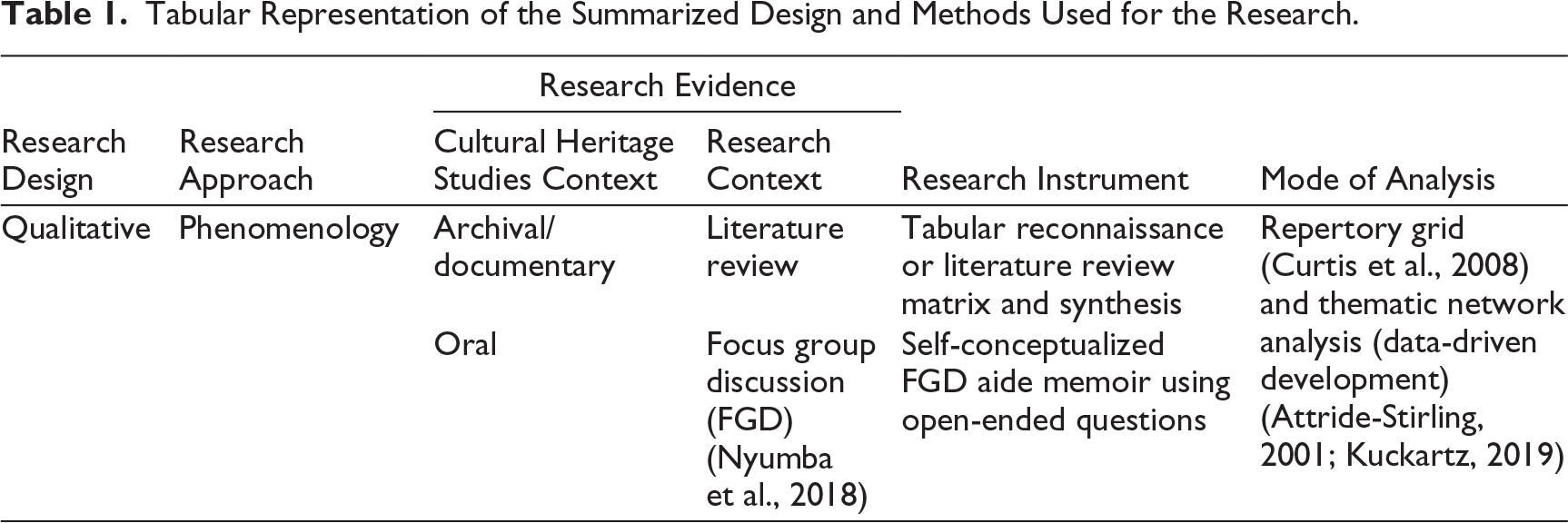
The research used the qualitative–phenomenological approach, which focused on different perspectives and insights of the stakeholders (participants). A qualitative design was used to assess and analyse the thoughts and opinions of the participants (Tomaszewski et al., 2020) comprehensively and thoroughly. As an approach in this research, phenomenology measures the context of the current situation and practices in the subject (Groenewald, 2004). Table 1 shows a summarized design and methods used in the research.
Tabular Representation of the Summarized Design and Methods Used for the Research.
Subject and Study Site
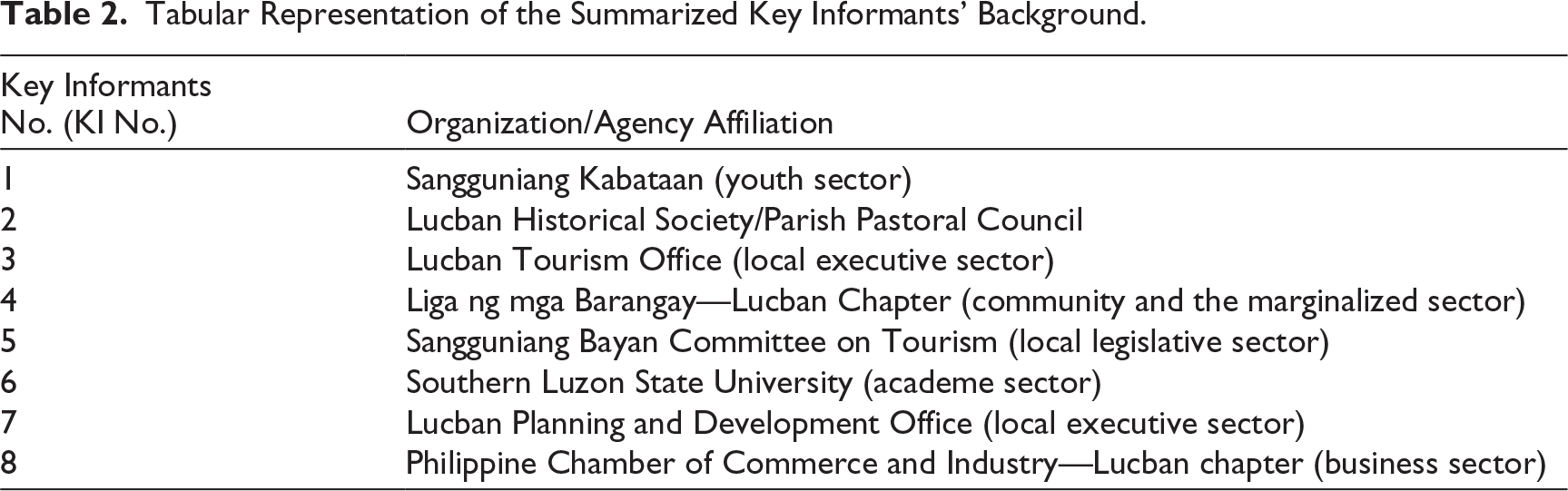
In determining different perspectives and insights, the research subjects are cultural heritage and development stakeholders of Lucban, Quezon (n = 8), especially conceptualizing and developing sustainable urban development and heritage conservation plans, programmes and strategies. These are the municipal government of Lucban, Quezon, specifically from the Office of the Municipal Mayor, Sangguniang Bayan, Tourism, Heritage and Cultural Office; Planning and Development Office; private sector, specifically the owners of different tourism and hospitality establishments (e.g. members of the Philippine Chamber of Commerce and Industry—Lucban chapter); non-government organizations (e.g. Lucban Historical Society) focusing on heritage conservation and urban development; local historians and cultural heritage advocates; religious organization (e.g. Roman Catholic Parish Pastoral Council), academe (e.g. representatives from the Southern Luzon State University), youth sector and representatives from the local community (e.g. Barangay-level representatives). Table 2 shows a brief background of the key informants.
Tabular Representation of the Summarized Key Informants’ Background.
The basic information provided is ethically collected from the key informants, and proper consent was implemented for future writing and publication.
The study focused geographically on the municipality of Lucban, Quezon, a second-class town (DILG, 2020), which is known for its traditional cultural heritage structures (e.g. Bahay na Bato and Rizal Park) and intangible practices (e.g. Pahiyas festival). For this research article, the researchers focused on the Poblacion area (specifically Barangays 8 and 10) or the heritage zone of the municipality.
Data Measure
In gathering systematically accurate and reliable information from the participants, a focus group discussion (FGD) was implemented. FGD is an information measurement to determine the perspectives and insights of the participants by having a meeting/gathering (Nyumba et al., 2018). A moderator facilitated the FGD by providing different questions that participants must answer. The questions were grouped into three topics: Diga Alam Ninyo?: Awareness of the stakeholders on the cultural and heritage significance of Lucban, Quezon; Pangangalaga: The value of conservation and safeguarding of cultural heritage properties of Lucban, Quezon; and Positibo o Negatibo?: Impacts of urbanization and development in Lucban, Quezon. The topics provided were based on the context of the research’s specific objectives. For each topic, a self-conceptualized semi-structured aide memoir was used to provide a guide during the implementation of the FGD. Under the awareness question cluster, it was concentrated on the local heritage and cultural resources (built, natural, intangible, movable and personalities), significance and value (historical, spiritual, landscape and setting, architectural, agricultural, aesthetic, culinary, economic, social and symbolical), comparison of the town to other historic towns in the country. While on the value of conservation safeguarding question cluster, it highlighted the existing programmes of the stakeholders on management and organization, legislation, scientific and technological conservation, viability or the transmission of the intangible cultural heritage, stakeholders’ participation, promotion through tourism, visibility (education and interpretation), research, financial resources and impacts (economic, socio-cultural and environmental). Lastly, under the urbanization and development question cluster, it focused on the existing programmes and projects, sustainability, positive and negative impacts, and recommendations. Since all participants are Lucbanin Tagalog native speakers, this was used as the language communication during the implementation of the FGD. It ensures that all participants can freely express their perspectives and insights.
Data Collection Procedure and Ethical Consideration
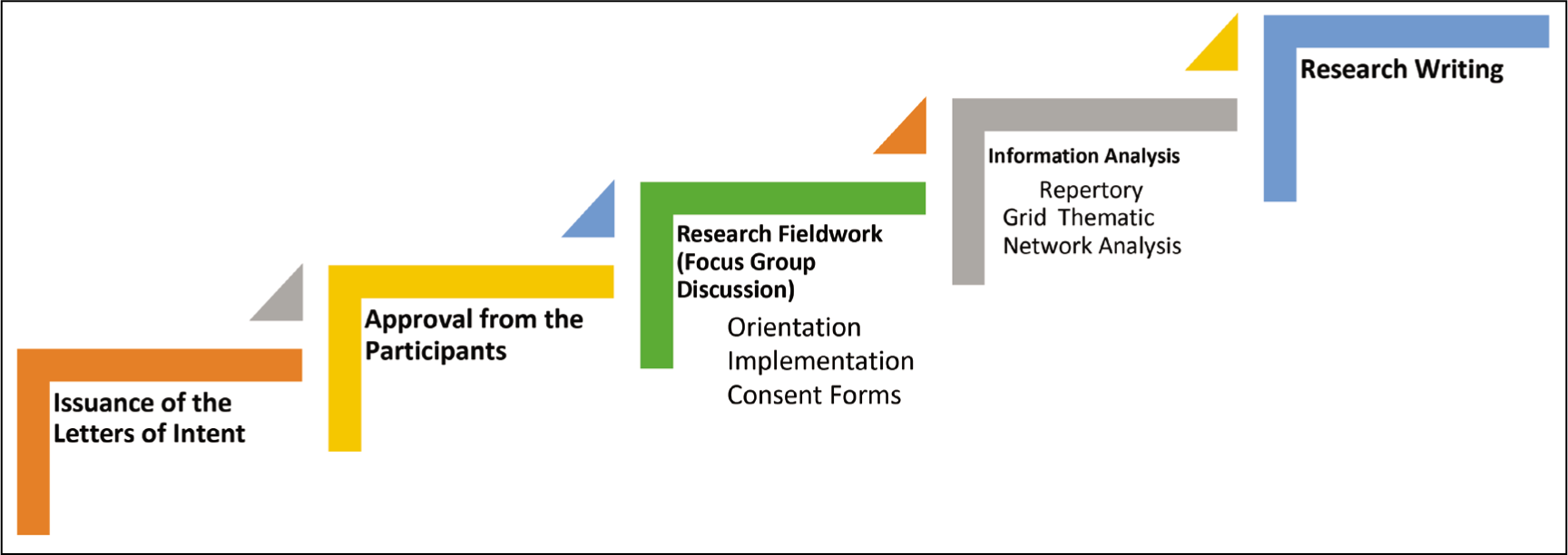
In the data collection process, the researchers issued formal letters of intent and a copy of the aide memoir to different stakeholders to address the study’s objectives and significance and determine their availability during the implementation of the research fieldwork. Approval from the stakeholders, either in person-to-person communication, e-mail, mobile text or call, must be gathered. During the FGD, an orientation was implemented to discuss the objectives and significance of the study orally. Then the topics were also introduced together with their corresponding questions. Stakeholders were given the freedom to tell their answers and thoughts. If stakeholders wanted to provide additional information and ideas based on the previous answers, they were also provided the liberty to tell it. A video and sound recorder and manual encoding were used to document the answers and thoughts properly. After implementing the FGD, the information gathered was analysed to write a publishable article using the IMFaD (Introduction, Methods, Findings and Discussion) format.
Ethical standards in the research were also implemented during the research fieldwork. Upon issuing the letters of intent, a copy of the consent form was also distributed to disseminate the research project implementation information formally. It was stipulated that the research findings would only be used for academic and policy-driven purposes. The collected data were documented and safeguarded properly based on the provision of the Republic Act No. 10173 or the Data Privacy Act of 2012 (Congress of the Philippines, 2012). Before the conduct of the research, approval from potential participants was determined. Demographic-related differences, such as age and gender, were considered and taken into consideration, but the findings were interpreted as contextualized reasoning. Strict compliance with confidentiality was implemented. During the FGD, the moderators did not force the participants to answer questions, especially if they were uncomfortable answering them. Ethical considerations for implementing FGD were based on disclosure and consent, confidentiality and anonymity, and risk of harm (Sim & Waterfield, 2019). After systematically analysing the findings, public consultations were implemented for validation. Figure 2 provides a figural representation of the research’s data collection procedure.
Graphical Representation of the Research’s Data Collection Procedure.
Mode of Analysis
In the context of information analysis especially gathered during the FGD, repertory grid and thematic network analysis were used. A repertory grid is a process of identifying codes and themes from significant statements highlighted by the key informants or participants of the research (Curtis et al., 2008). It was interpreted using a three-column table, which provides the significant statements (third column), codes or a priori codes (second column) and themes (first column). After identifying the themes and their related codes, thematic network analysis was executed. Thematic network analysis is a basic qualitative design analysis wherein different codes and themes are connected to determine their significant relationship based on their context and the study’s objectives (Attride-Stirling, 2001). The identified relationships were connected based on their significance and value in the current situation of the subject, the study site, objectives or the significance of the study. At the end of the analysis, a framework was developed through its connections and contextualized using data-driven development (Kuckartz, 2019).
Findings
In developing perspectives and understanding of the significance of conservation and urbanization in a historic site, the key informants highlight important observations and experiences. Based on their current situation and practices, there must be a need to revisit and review policies and guidelines, contributing to the development and sustainability of their local culture and heritage. The research conceptualized the Habhab Framework on Stakeholders’ View on Heritage Conservation and Urbanization. Habhab is a Lucbanin (word used for the people living in Lucban) term for using the mouth as a mobility approach for eating food, which is normally their local stir-fried noodles. The thematic network of codes and themes was related to the traditional way Lucbanin ate their pancit. The framework is beneficial for stakeholders, especially the local community, to easily understand the significant details of their involvement in heritage conservation and urbanization in a figurative approach. The figurative interpretation provides both positive and negative attributes of the existing heritage importance and associated degradation. Each theme can be the basis for developing appropriate policies, programmes and projects for conserving and conserving the community’s heritage and culture. Figure 3 provides a figural representation of the conceptualized framework.
Figural Representation of the Habhab Framework on Stakeholders’ Involvement in Heritage Conservation and Urbanization.
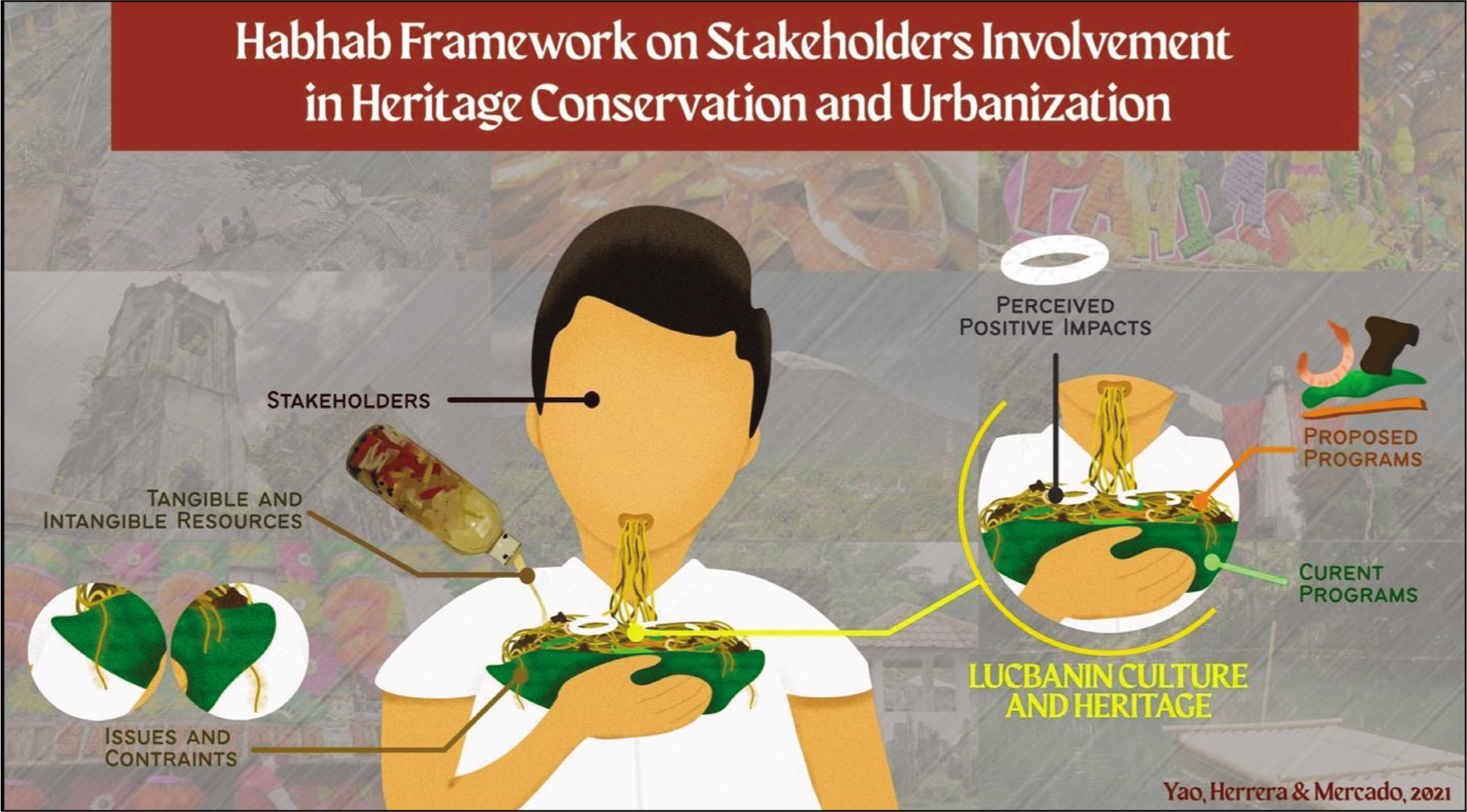
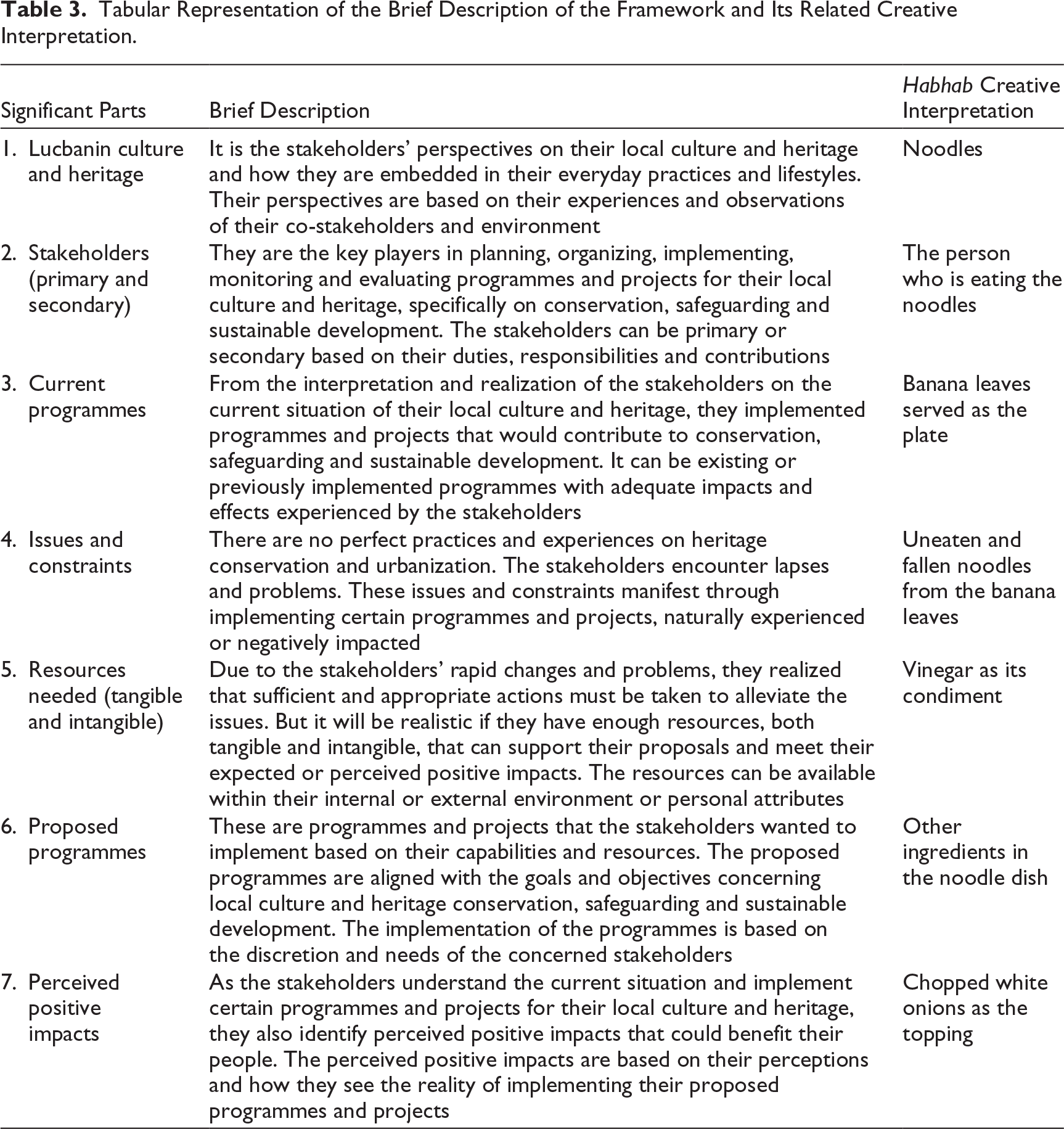
The framework is divided into seven significant parts. Each part is interpretatively linked to how Lucbanin traditionally does their habhab. The identified parts are interconnected to define and explain the stakeholders’ views and actions on their local culture, heritage conservation and urbanization. The significant parts and their related creative interpretation are briefly discussed in Table 3.
Tabular Representation of the Brief Description of the Framework and Its Related Creative Interpretation.
Lucbanin stakeholders understand the value of their local culture and heritage. Like eating their known Pancit Habhab, the noodles are a significant part of the dish, representing the area and its community. Typically, they highlighted that it is part of their way of life or lifestyle. It is normal for them to see, experience and practice their culture and heritage, which is embedded and transmitted from generation to generation. It can be classified into different technical definitions and identities based on its significance and relatedness in everyday life (e.g. tangible and intangible). Because it is part of their everyday life, it showcases the significance of their people and how they create a sense of place. Also, the stakeholders shared the value of their culture and heritage as their community characteristics, transmitted from generation to generation. As verbalized by the key informants:
For me, culture and heritage are the things our ancestors left behind and their way of life. (KI No. 2) Culture, for me, is the knowledge or the characteristics of Lucban or any other groups), also, in terms of history, food and music. (KI No. 3) Culture and heritage may consist of intangible and tangible things. These are heritages like schools, venues and tangible things which can be passed on from generation to generation. (KI No. 5)
Local culture and heritage are evolving entities duly manifested, practised, conserved, safeguarded and developed by different stakeholders. They are considered the prime movers and promoters of tangible and intangible resources. The community stakeholders are identified based on their responsibilities and contributions to their local culture and heritage. As highlighted by the key informants, some of their stakeholders are from the local government and the barangay sectors, people’s organizations (e.g. Lucban Historical Society, Lucban Artist Guild), the business sector (e.g. transportation, small-medium enterprises related to souvenirs and pasalubongs), Roman Catholic Church (e.g. Parish Pastoral Council), academe or academic and research institutions within the area (e.g. Southern Luzon State University Lucban Campus), the youth sector and the visitors or tourists. As stakeholders highlighted the significance of their local culture and heritage, they also valued the importance of cooperation and collaboration in implementing different programmes and projects.
Due to the stakeholders’ intense desire to conserve, safeguard and develop their local culture and heritage, the implementation of current programmes and projects is manifested in the area. The programmes are based on the current situation and condition, and how they interpreted the need to implement something to improve their community and their related tangible and intangible resources. The programmes served as the stakeholders’ actions in achieving their desired objectives and goals for their local culture and heritage. Some of the current programmes highlighted by the stakeholders are the implementation of strict legislative matters (e.g. heritage zones, aesthetic and architectural significance, the implementation of the Republic Act No. 10066 or the National Cultural Heritage Act of 2009), operational (e.g. maintenance and cleanliness of tangible movable and immovable heritage properties, heritage tours and information centres, collection of related artefacts for the local museum), marketing (e.g. promotional video) and infrastructures (e.g. information signages). As highlighted by the key informants:
The Local Government Unit (LGU) and the Historical Society have coordination already, which started one (1) or three (3) years ago. Before the LGU grants a permit to a heritage house, it should go through a process by the Historical Society. It should seek a clearance first if that place or house to be demolished has a historical value or none. The Historical Society is issuing a Certificate or Letter of No Obligation before we grant a permit. (KI No. 2) The design of their desired plan should undergo approval from the Historical Society, and then we will refer it to the National Historical Commission of the Philippines (NHCP). If there is no violation, like that of Chowking and Jollibee, the design will undergo thorough checking before it can be approved. (KI No. 2) What the Local Tourism Office is doing presently is to maintain cleanliness. (KI No. 3)
In the presence of urbanization in Lucban, several issues and constraints on preserving culture and heritage were identified based on the observation and experience of stakeholders. Therefore, it is necessary to address the identified problems and constraints to protect, conserve and sustain the culture and heritage of Lucbanins. Among the issues and constraints highlighted by the stakeholders are loss of product identity, unavailable legal documents (e.g. patenting application and approval) of the products, sanitation and safety, and no designation of responsibilities. Furthermore, as emphasized by the key informants:
We failed to recognize that it is from Lucban and our Budin is claimed by the other municipalities. It is difficult to prohibit other municipalities from producing Longganisang Lucban because it is not patented first. (KI No. 2) Many municipalities also produce the same products as ours; our concern is how they can be protected. (KI No. 8) Even in the vicinity of Kamay ni Hesus, along the highway, establishments produce Longganisang Lucban. The longganisa is being contaminated. Because of this, the entire business community can be affected by this, including those tourists. (KI No. 2)
The key informants also highlighted that creating awareness and education is relevant in sustaining the Lucban culture and heritage. Among the issues and constraints, the community faces are the unknown relevance of culture by the tourists, lack of appreciation from the stakeholders, degradation of significance and limitations of integrating culture and heritage into the curriculum and tour participants. As mentioned by the key informants:
Lucban is not highlighting educating our youth. Those traditions should be passed on from the young generation to another. That is part of valuing because we are not educated on this matter. It’s a nice culture. But it lacks substance. I think it is how you educate the youth and Lucban at large. Those who knew about those things are only those interested. But I think that this is something that you can count on with DepEd. That is included in the curriculum by DepEd, nevertheless, we lack that aspect. (KI No. 6) We invite students across all economic levels, including their parents, and tour them in various historical places. In a jeepney ride, we explain its historical significance to them. Sadly, most of our attendees are from the Grade 2 level because their curriculum is where the topics on history are injected. It is difficult for us to explain to that grade level, and we request a higher grade level, like Grade 5 or Grade 6. They always endorse Grade 2 learners who do not understand what we are explaining easily. (KI No. 2) Based on our observation, we lack sustainability in different areas and need to work on this. (KI No. 8)
From the issues and constraints, the stakeholders saw the need for appropriate and associated tangible and intangible actions contributing to the conservation and safeguarding of Lucbanins’ culture and heritage. Intangible actions require stakeholders’ participation, attention and conscious effort. In contrast, the tangible actions focus on the narratives, budget, literature, further research and researchers, documented plans and programmes (e.g. comprehensive land use plan) and integration of culture and traditions in the curriculum. These resources are needed to pass on the knowledge to future generations and help in the preservation of the local culture and heritage of Lucban. These findings were strengthened by the key informants as stated:
Suppose we fail to conserve or preserve some of our industries which are very much associated with our cultural history, for example, the weaving of buntal. Even if it’s a dying industry, that should be given attention. Maybe it can be repackaged; it can be redeveloped. When we talk about culture and heritage, we should not look at culture as something that needs to be written only. We must live it, and then, of course, living culture and living heritage has to be a conscious effort. (KI No. 6) Our problem is the budget. Also, with literature, we need the help of SLSU. Our historians there can help us with information and facts. (KI No. 3) Maybe we can disseminate information about our tourism through social media. I do not know if you have a social media account to share all these in. That is important because you cannot be proud if you are not aware of where you are from, what heritage you have and how you will preserve those cultures that are important but you are not aware of. So, with the sharing of information, I think it will work. (KI No. 8)
Preserving and protecting the local culture is essential for cultural heritage tourism because the commodity to be offered must be secured for its sustainability. For this reason, aside from the current programmes mentioned in the above statements, stakeholders were proposing programmes aligned with the goals and objectives concerning local culture and heritage conservation, safeguarding and sustainable development based on their capabilities and resources. Some of the proposed programmes highlighted by the stakeholders were ordinance, zoning, graphic management solutions for built heritage, historical promotion, tourism programme orientation, permanent tourism officer, social media promotion and exhibition. As highlighted by the key informants:
In sending a request to the NHCP to allocate a budget for the restoration of Malaking Bangbang. a resolution from the barangay or the Local Government Unit is allowed. It would be better if both the barangay and the Local Government Unit would file a resolution. (KI No. 2) You can have that establishment if you have a graphic management solution from the company and the LGU. They will work together to manage traffic in establishing such a business. (KI No. 4) My number 1 focus on the historical promotion of Lucban is just to continue what we have been doing. We should have an orientation to the businesses, not only to the restaurant and hospitality industry but also the banking sector and all the commercial establishments. Since we have the Filipino brand of service, and we can say ‘Mabuhay!’ in the Philippines in welcoming guests, we can instead use the phrases ‘Parihina!’ and ‘Parini po kayo!’ here in Lucban. We can use those greetings to all in all the establishments. We can all say ‘Mabuhay, parini po kayo!’. By that, they can already feel that they are in Lucban. (KI No. 3)
The most noticeable impact of the preservation and conservation of the local culture as perceived by the stakeholders is economic and gender empowerment. Thus, one of the objectives of studying cultural heritage in collaboration with the local community, government and other stakeholders is to develop sustainable economies. Heritage tourism also promotes community pride by allowing them to work together to enhance economic and cultural development through distinct community opportunities. The key informants strengthened this as they stated:
We would like to bring back our livelihood programmes and invite those willing to teach and mothers willing to venture into business. We will bring back our Budin and those identified with Lucban, like Longganisa and Pancit. We also like to revive our suman industry since we have a lot of suman vendors here selling suman from Infanta. We have an equally delicious suman here. We would like to partner with the LGU and ask for their approval to conduct seminars on producing suman so we can highlight our own. (KI No. 3) We have already discussed the gradual revival of the buntal industry with arts-based groups in Lucban. We will coordinate with the Lucban Artists Guild, wherein their members will be requested to create paintings using a canvas made of buntal. (KI No. 2) …secondly, the tricycle drivers will also benefit from this because they will bring the people to their destination. Thirdly, traffic should be avoided. (KI No. 8)
Discussion
Culture and heritage entities are important in a particular area, which is moulded through the everyday lifestyle and practices of the local community. It provides pride and nationalistic recognition and identity for the place and its community (Sonkoly & Vahtikari, 2018). The study conducted by Yan and Chiou (2021), specifically on their suggested sustainable intangible cultural heritage safeguarding circle, highlights the ‘culture gene’ as a traditional innate value and customary that are valuable in the community’s lifestyle. Lucbanin appreciated their normal culture and heritage by continuously practising and sustaining it. The community recognizes the significance of understanding tangible and intangible heritages that are typically normal in their practices (Linaki & Serraos, 2020). The town of Lucban provides different tangible and intangible heritage resources, such as the Catholic Church of San Luis Obispo, Puente de Arco (a Spanish-era built bridge), Escuela Pia, different ancestral houses in the Poblacion, Pahiyas Festival, Longganisang Lucban (a traditional local sausage) and Pancit Habhab (Sembrano, 2019). Because of people’s continuous practice and understanding of how culture and heritage are related to their environment, people develop a sense of place or place meaning and values (Damaria et al., 2020; Tan et al., 2018). Lucbanin understands the significance of their cultural values, which makes it an identity of the place and developed into different interpretational programmes and projects. It contributes to their continuous sustainable promotions, conservation and safeguarding of tangible and intangible elements. The sense of place is normally developed by the community and their perspectives on how heritage is utilized and protected (Grimshaw & Mates, 2021). Lucbanin also signifies the importance of transmitting their heritage from generation to generation. It can be manifested through the participation of different generational entities in practising their local tradition, such as festivities and culinary culture (Rosaroso & Rosaroso, 2015). It is a normal context of sustaining and protecting the community’s heritage through viability (Murin, 2016).
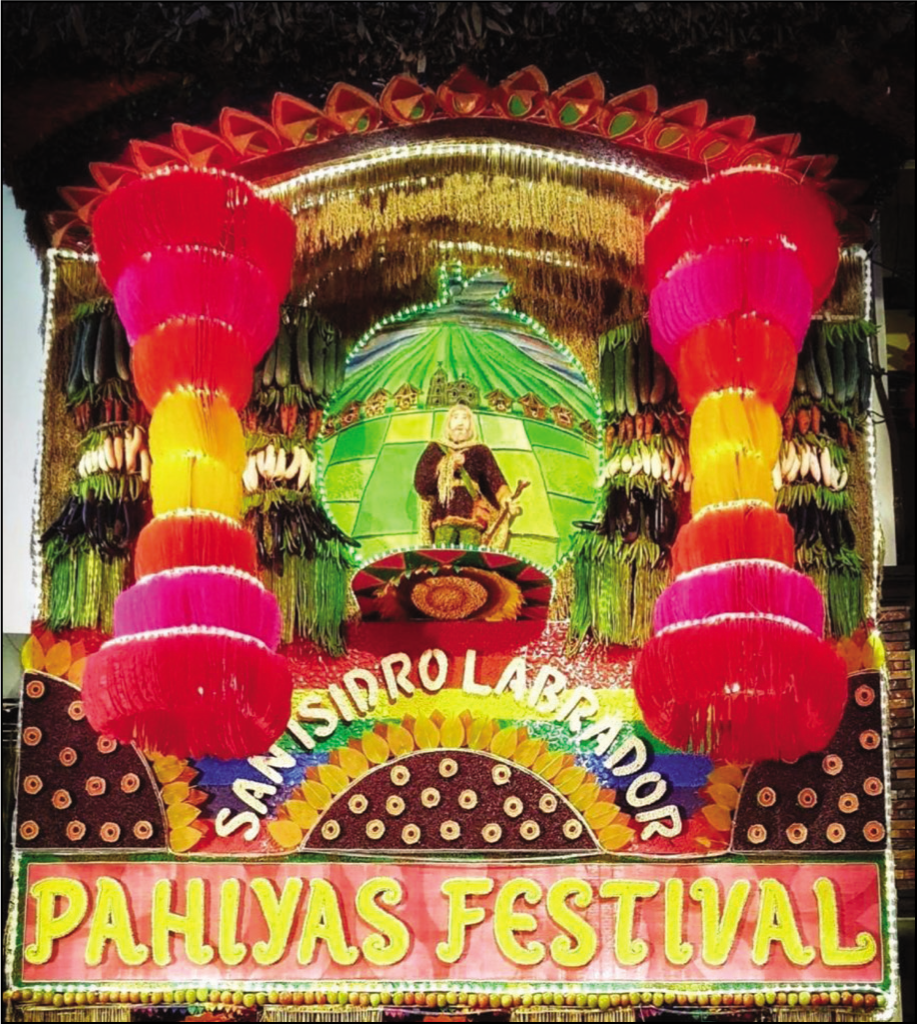
Stakeholders contribute significant impacts to the conservation and sustainable development of heritage resources. One of the important factors of stakeholders’ responsibility is governance and management (Moreno-Mendoza et al., 2019). The town manifested significant roles of stakeholders in managing and governing their cultural properties, given explicitly by the local government and the barangay sectors. With this, appropriate policies and guidelines are being implemented for the community to abide by and secure the conservation and safeguarding of cultural and heritage resources, even in the context of urbanization, development and commercialization (Simakole et al., 2018; Yilmaz & El-Gamil, 2018). Lucban’s primary and secondary stakeholders provide significant contributions and relevant participation through the government’s initiative. For instance, the academe or the academic and research institutions within the area, such as Southern Luzon State University and the different people’s organizations (e.g. Lucban Historical Society, Lucban Artist Guild) collaborated last May 2021 for the dissemination of their local heritage and history through an exhibition (Demetrial, 2021). Another example is the implementation of their annual San Isidro Labrador Pahiyas Festival every May. The festival is a cultural tradition in the locality, highlighting the bountiful harvest of their farmers and appreciating God’s gift through the intercession of San Isidro Labrador, the patron saint of farmers. Stakeholders, especially the business sector, Roman Catholic Church, youth sector and the local community contribute to the preparation by designing their houses and public establishments using their agricultural harvests and kiping, a traditional leaf-shape decoration made from glutinous rice and food colouring (Bandala, 2018). Figure 4 provides a figural representation of the decorated houses during the San Isidro Labrador Pahiyas Festival.
Due to the immense desire of the stakeholders to provide significant contributions and participation, they provide appropriate and sustainable programmes and projects for the conservation, safeguarding and development of their tangible and intangible cultural heritage (Snis et al., 2021). One of the significant measures set by the stakeholders in Lucban is the implementation of strict legislative measures to ensure conservation and safeguarding. People are abiding by the provision on heritage zone conservation, aesthetic and architectural significance, and the implementation of the Republic Act No. 10066 or the National Cultural Heritage Act of 2009. Through the implementation of desirable policies, sustainable promotions of the significance of their heritage properties are also being manifested and experienced (Carbone, 2018). It developed its Tourism Investment Plan for the town, which concentrates on conserving and sustainably interpreting their cultural significance through different architectural and aesthetic programmes (Municipal Government of Lucban, Quezon, 2019). Aside from policies, stakeholders can also focus on developing operational programmes, such as maintaining and maintaining heritage properties (Hou & Wu, 2019). It develops the stakeholders’ concern about maintaining their museum (e.g. Lucban Heritage Museum) and other related infrastructures, such as information and directional signages. Another aspect of operational management is the development of heritage tours and information centres. Lucban provides different heritage walking tours, specifically on the Poblacion or the municipal centre, featuring built and intangible heritage, such as food and foodways. The local government unit also established a tourism information centre to accommodate tourists’ inquiries and help them identify and provide appropriate local tourism products and services. In the research conducted by Peric et al. (2021) and Tu (2020), tourism plays a big role in promoting the community’s heritage identity and sustaining its resources through sustainable development. Tourism can sustainably promote and intensify the area using different promotional tools, such as audiovisual presentations, leaflets and pamphlets (Dal Palu et al., 2018; Ezenagu, 2020; Prados-Peña & Barrio-Garcia, 2021).
Maintenance of past and current cultural significance requires several activities to preserve its cultural heritage, which is crucial in planning and development (Kc et al., 2018; Zancheti, 2014). To better conserve the cultural heritage, it is recognized by Swan (2018) that it is better to address local issues. Several products of Lucban, such as Budin and Longganisang Lucban, face losing their identity. It was discussed in the study of Reddy and Dam (2020) that food is used over time and distance to maintain cultural connections and consider the cultural food practices inherent to the preservation and continuity of identity. Swan (2018) says that the local cultural practices are attached to the preparation, serving, eating, appropriate measures and authenticity. The unavailability of legal documents (e.g. patenting application and approval) of the products, sanitation and safety practices, and no designation of responsibilities are the reasons for the potential loss of identity and authenticity of food products in Lucban. Traditional knowledge, such as preparation, serving, eating and appropriate measures, contribute to the growth of culture-related enterprises and industries. However, there were various instances where traditional knowledge was copied for commercial gain, and holders were deprived of their fair share of the economic benefits. The government’s task is to facilitate the use of traditional knowledge by the local community and help them preserve and develop traditional knowledge to contribute to the community’s economic development (WIPO, 2013).
Moreover, the conservation of cultural heritage involves the participation in which community members are encouraged to participate in the preservation and restoration of cultural heritage assets, as well as collaborators and promoters of tourism policies and processes (Spiridon & Sandu, 2015). The stakeholders saw those intangible actions such as participation, attention and conscious effort could contribute to Lucbanins’ culture and heritage conservation and safeguarding. Also, the stakeholders recognized the need for appropriate and associated tangible actions to focus on the narratives, budget, literature, further research and researchers, documented plans and programmes (e.g. comprehensive land use plan) and integration of culture and traditions in the curriculum. These resources are needed to pass on the knowledge to future generations and help preserve the local culture and heritage of Lucban. Rincon and Rahmi (2002) discussed that documentation and legal and financial support are vital to the development process and preservation.
The proposal of projects for conserving cultural heritage is also an integral part of a historic town. Hence, the stakeholders involved in the study proposed programmes and projects they wanted to implement on their capabilities and resources. One of which involves the government initiatives such as implementing an ordinance and zoning as cited (BNBC, 2012); being part of adopting historical and important heritages, the government of Bangladesh has taken initiatives and imposed different regulations, as the nation has a lot of tangible and intangible patrimonies (Horaira & Devi, 2021; Khalid & Chowdhury, 2018).
The stakeholders have also proposed historical promotion, which coincides with the study’s conclusion (Hasan et al., 2022). Promoting heritage conservation, especially in urban areas, is a challenging task. Because it does not only mean preserving heritage structures, but promoting awareness, raising the sense of ownership, spontaneous participation and leaving traditions and their heritages for future generations, coordination and integrated decision-making are essential. Engagement of local and national NGOs with local government institutions can enhance community awareness and participation. Furthermore, tourism-based heritage conservation and establishing heritage archives can contribute to heritage promotion and conservation.
There are positive and negative perceptions that affect cultural tourism. The current study focused only on the perceived positive impact of the cultural and heritage conservation and Urbanization of the historic town of Lucban, Quezon. On the positive side, the stakeholders believed that conservation and urbanization could improve the quality of life; as agreed by Kim et al. (2013), tourism development improves residents’ quality of life, and increases the availability of cultural activities for residents (Ursache, 2015), strengthens cultural identity and offers economic benefits and employment opportunities to communities (Zaidan, 2016).
Cultural heritage is a major industry and a key component in economic development. Heritage sites draw multitudes of visitors, tourists and adherents whose presence stimulates extraordinary secondary economic activity. Cultural heritage collections and practices spawn various artisanal, design, fashion, performing arts and culinary enterprises that serve consumers and generate income. Cultural heritage typically creates jobs in historic restoration work, the management and the operation of sites or services in the related hospitality industry. It makes cultural heritage financially and economically valuable and, when well-managed for the benefit of local or host communities, an asset for social stability and well-being (Kurin, 2022).
Conclusion
The research assessed the stakeholders’ perspectives on the conservation and urbanization of Lucban, Quezon, as a historic town. It highlights a comprehensive approach to understanding the significance of their cultural and heritage properties despite the town’s rapid and progressive development and modernization. Based on the findings, the conceptualization of the Habhab Framework on Stakeholders’ View on Heritage Conservation and Urbanization provides an in-depth assessment of the town’s current situation. The framework identifies the significance of the historic town’s culture and heritage resources, primary and secondary stakeholders, current programmes, related issues and constraints, tangible and intangible resources needed for conservation, proposed programmes and perceived positive impacts. The framework also highlights positive and negative attributes that contribute to the conservation and degradation of a historic town. The framework also provides a multi-stakeholder’s perspective approach to examining the realities of conservation and degradation of their culture and heritage. Theoretically, the framework coincides with the current published works by academic authors and practical conceptual analysis brought by different international and national institutions on cultural and heritage conservation and sustainable development. It will serve as a basis for stakeholders, especially local authorities, to develop sustainable programmes and projects for conserving and safeguarding their rich culture and heritage resources. It can be used as a reference for researchers to determine other study sites’ situations on historic towns’ conservation and urbanization. Ultimately, the research highlights that the conservation and urbanization of historic towns are important. It must be sustainably planned and assessed by primary and secondary stakeholders. Both variables provide significant opportunities for the community, but people must determine how these two worked together to sustain their resources, viability through people and visibility.
Footnotes
Declaration of Conflicting Interests
The authors declared no potential conflicts of interest with respect to the research, authorship and/or publication of this article.
Funding
The authors received no financial support for the research, authorship and/or publication of this article.