




Abstract
This article explores strategies to improve livelihoods in Kigali’s peri-urban areas by utilising the valuable knowledge and adaptive strategies of residents. Through the framework of knowledge co-creation, it examines peri-urban residents’ livelihoods, identifies potential threats posed by urban growth and evaluates resident-driven projects for livelihood improvement. The study was conducted in three peri-urban administrative sectors—Bumbogo, Mageragere and Gahanga—representing the three districts of Kigali. A mixed-methods participatory action research design was employed, and data were collected from 99 participants, who were selected using reputational and snowball sampling techniques. Through the data collection process, residents were supported in ideating and implementing 30 distinct projects to support their livelihood. The effectiveness of these projects was analysed through field evaluations and interviews with participants. The findings revealed that the majority of the residents were dissatisfied with the quality of life in peri-urban areas. However, the study also showed that within four months of project implementation, the beneficiaries reported greater potential to improve living conditions through savings and diverse urban economic activities. The article concludes that knowledge co-creation is an effective approach in helping residents cope with rapid urban changes.
Introduction
Developing countries are witnessing rapid urbanisation, which indicates the urgent need for effective urban planning (United Nations [UN], 2020). Urban sprawl, when managed inclusively, can enhance city living conditions. However, urban development in Africa is often uneven, significantly impacting residents in unplanned peri-urban zones. These areas are characterised by high household mobility and dynamic land markets as they are increasingly integrated into expanding cities (Schlimmer, 2021). According to Sanyaolu and Okosun (2018), Africa’s rapid urbanisation is driven by push and pull factors like land, labour, capital and technology, but this growth does not always result in improved and resilient livelihoods.
Uncoordinated urban expansion, or sprawl, leads to land conflicts, livelihood degradation and forced displacement of the poor. As people lose access to agricultural land, they are pushed into unstable urban settings, disrupting traditional ways of life and increasing socio-economic vulnerability. About 60 per cent of forcibly displaced people in urban areas face challenges linked to unplanned urban expansion (Nduwayezu et al., 2021). Further, Sesan et al. (2020) state that the urban poor in sub-Saharan African cities struggle to adapt to changing socio-economic and environmental conditions, rendering them vulnerable and unable to thrive.
Rwanda is also experiencing urbanisation trends and challenges requiring a multi-stakeholder coordinated approach to be addressed sustainably. Urbanisation in Rwanda started late with the German colonial era but has steadily risen over the decades, from 2 per cent in 1960 to 27.9 per cent in 2022 (National Institute of Statistics of Rwanda, 2022). Kigali, the capital city, experienced the most rapid spatial and demographic growth. From a small hub with a population of just 6,000 at the independence of Rwanda in 1962, it now has over 1.7 million residents (NISR, 2022). The administrative boundaries have also significantly expanded from 112 sq km in 1990 to 730 sq km since 2005 (Republic of Rwanda, 2005). As a result of such expansion, residents are forced to start new livelihoods, shifting from agriculture to monetised activities, or sell their lands, becoming either landless or moving to remote rural zones.
The current challenges posed by urbanisation highlight the need for action to promote sustainable and inclusive urban development. Sánchez-Cruz (2022) emphasises that addressing twenty-first-century urban challenges requires aligning knowledge with global development goals. This is essential in low- and middle-income countries to mitigate the impacts of rapid urbanisation on human health and the environment while ensuring equitable living conditions (Wadende et al., 2022). Solutions-driven research and approaches are crucial for urban communities to build sustainable livelihoods, emphasising the need for innovative, collaborative and knowledge-based solutions (Melles, 2022; Moumita, 2018; Peña et al., 2020). This aligns with the knowledge co-creation approach defined by Utter et al. (2021) as a collaborative process involving two or more actors intentionally integrating their knowledge and learning to develop insights and solutions that cannot be achieved independently. Co-creation underscores the importance of indigenous knowledge as a cornerstone for transformations that are both reflective and evidence-based (Jacobi et al., 2022). In terms of urbanisation, it highlights the potential benefits of inclusive and resilient urban futures, where stakeholders collaborate within their respective domains to achieve tangible outcomes (Godinho et al., 2021; Kreiling & Paunov, 2021; Triste et al., 2018).
This article explores the ways in which co-created and co-owned knowledge between community residents and stakeholders can sustain livelihoods in peri-urban areas. Various studies have been conducted in Kigali, exploring its growth (Nduwayezu et al., 2021; Nikuze et al., 2019), neighbourhood settings and informality (Baffoe et al., 2024; Manirakiza et al., 2019), and land expropriation (Uwayezu & de Vries, 2019). However, none have tackled knowledge co-creation as a critical approach to help peri-urban residents adapt to urban growth, enabling them to remain in their communities and reduce urban sprawl while promoting sustainable urban planning. Conducted within a collaborative framework involving university researchers, students, local leaders and residents, this study has three objectives: (a) to examine the status of residents’ livelihoods in peri-urban areas; (b) to trace the trajectory of households and identify potential threats posed by urban growth; and (c) to evaluate the effectiveness of resident-driven projects for livelihood improvement.
It is worth noting that ‘livelihood’ refers to the means or activities necessary to secure the essentials of daily life (Hoon, 2022). Livelihood encompasses various categories of assets, including natural assets (e.g., land and water), physical assets (e.g., markets, electricity and vehicles), financial assets (e.g., income and savings), social assets (e.g., networks and relationships) and human assets (e.g., skills, labour ability and physical capability) (Baffoe et al., 2024). Land is a critical livelihood resource, especially in peri-urban areas, as it supports fundamental human rights such as housing and self-determination (Tura, 2018). The loss of land often results in the loss of agriculture, a primary source of income in peri-urban areas, as well as housing and related essential amenities, leading to a decline in living standards.
This article examines the status of residents’ livelihoods in peri-urban Kigali using select indicators such as housing, employment, income and access to basic amenities like water, sanitation and energy, which are core assets for urban life. It also analyses household mobility and perception of future urban growth challenges that determine its stability. Further, focusing on the financial aspect, the article evaluates the outcomes of 30 projects co-designed and implemented by residents, offering valuable insights into strategies for sustaining urban livelihoods.
Urbanisation, Livelihoods and Knowledge Co-creation
Urbanisation is driven demographically by rural-to-urban migration, natural population growth and reclassification of rural areas into urban areas and spatially by the expansion of cities into the peripheries. In Africa, internal migration coupled with natural population growth remains a key contributor to urban transition (Bocquier et al., 2023). Rural-to-urban reclassification driven by population growth, infrastructure development and economic activities also accelerates urbanisation. Currently, 26 per cent of Africa’s urban population resides in small towns formed through this process of reclassification (Agergaard et al., 2019). Demographic changes further contribute to spatial urban growth, incorporating surrounding rural areas into the urban fold. This peri-urbanisation often takes place without the support of adequate infrastructure or services, negatively affecting residents’ livelihoods. In fact, limited revenues and technical capacities hinder municipalities from meeting the growing demand for basic services in newly urbanised areas (Dick-Sagoe, 2020). The proliferation of informal settlements in peri-urban zones highlights these deficiencies, particularly of water supply and sanitation (Ahiabu et al., 2023).
Urban development projects result in land conversion, eviction and tenure insecurity, disproportionately impacting farmers. This leads to land deprivation, reduced agricultural productivity and loss of income, along with adverse socio-economic and psychological impacts (Ayenachew & Abebe, 2024). A study in Kumasi, Ghana, showed that 98.7 per cent of residents were affected by horizontal urban expansion, driven by an influx of migrants, resulting in increased land demand and rental costs. As a coping strategy, many residents shifted from land-based livelihoods to urban monetised activities such as petty trading (17.3%), services (14.0%), manufacturing (13.3%), artisanal work (12.7%) and construction (28.7%) (Abass et al., 2013). Similarly, in Nairobi’s peri-urban areas, shrinking land sizes compel families to abandon agricultural activities in favour of non-farm employment opportunities. Exposure to the urban monetary economy acts as a pull factor, encouraging a transition to cash-based livelihoods (Thuo, 2010).
Adapting to these lifestyle changes is difficult, often forcing residents to migrate to remote areas. Those who adopt new lifestyles must optimise limited land spaces, adopt crop diversification, and employ intensive farming techniques to ensure food security to supplement income and reduce living expenses (Satterthwaite et al., 2010). Urbanisation thus presents complex challenges, demanding innovative and collaborative frameworks that combine local knowledge with technical expertise to design resilient livelihood strategies. Indeed, sustainable livelihoods arise from people’s ability to endure shocks and stresses while improving their material conditions without compromising future livelihood opportunities for others.
Typically, knowledge co-creation proves effective as beneficiaries innovate resourceful and encouraging efforts rather than relying solely on individual cognitive and organisational capacities (Ansell et al., 2022). Co-creation helps communities integrate sustainable development goals, uncover hidden resources, build support networks and establish social accountability (Ansell et al., 2022; Marrengane & Croese, 2020). This approach offers distinct advantages over traditional top-down knowledge transfer by empowering local communities to act as ‘informal’ architects and planners, innovating to improve living conditions in rapidly urbanising areas (Harvey, 2011). It is ideal for Kigali as a fast-growing city, aiming to achieve Rwanda’s Vision 2050 goals, to enhance living standards through increased productivity, job creation and promotion of entrepreneurship while reducing disparities among urban communities (World Bank, 2022).
Briefly, knowledge co-creation is a collaborative process in which diverse actors integrate their knowledge and skills to develop context-specific solutions to complex challenges. In this study, it was operationalised through the participatory engagement of residents, university researchers, students and policymakers to analyse improved livelihood options in peri-urban Kigali. The process highlighted the value of locally grounded knowledge, experiential learning, collaborative engagement in problem-solving and joint follow-up action. In this study, knowledge co-creation combined residents’ lived experiences with expert insights, leading to the development of practical livelihood initiatives tailored to the residents’ spatial and economic contexts. This approach demonstrated that in urban settings, particularly in rapidly urbanising cities of developing countries like Kigali, it is essential to engage residents as co-creators rather than passive beneficiaries to promote a more inclusive, reflective and sustainable model of urban development.
Study Area and Methodology
Study Area
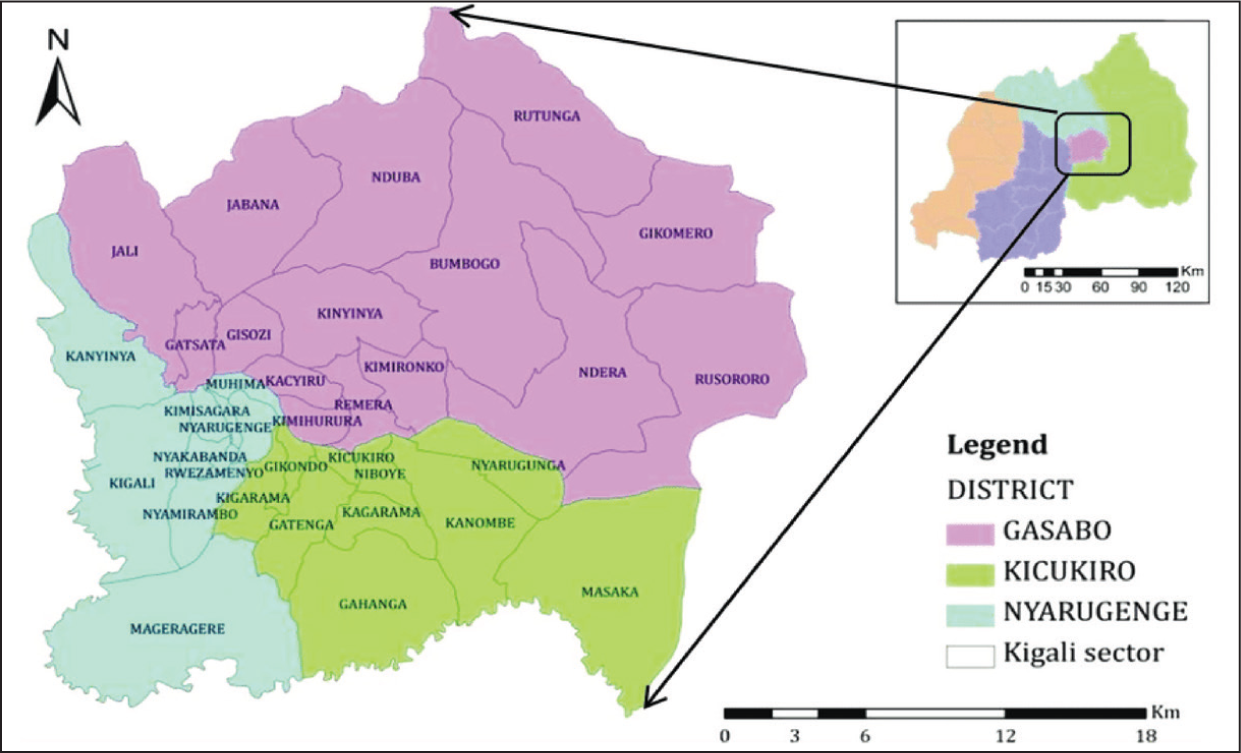
This study was conducted in three sectors, namely Bumbogo, Mageragere and Gahanga, each representing one of the three districts that make up the City of Kigali, namely Gasabo, Nyarugenge and Kicukiro, respectively. Kigali, the capital city of Rwanda, is located in the central part of the country and is composed of the aforementioned three districts. These districts are divided into 35 administrative sectors, which are further subdivided into 161 cells and 1,061 villages (Figure 1).
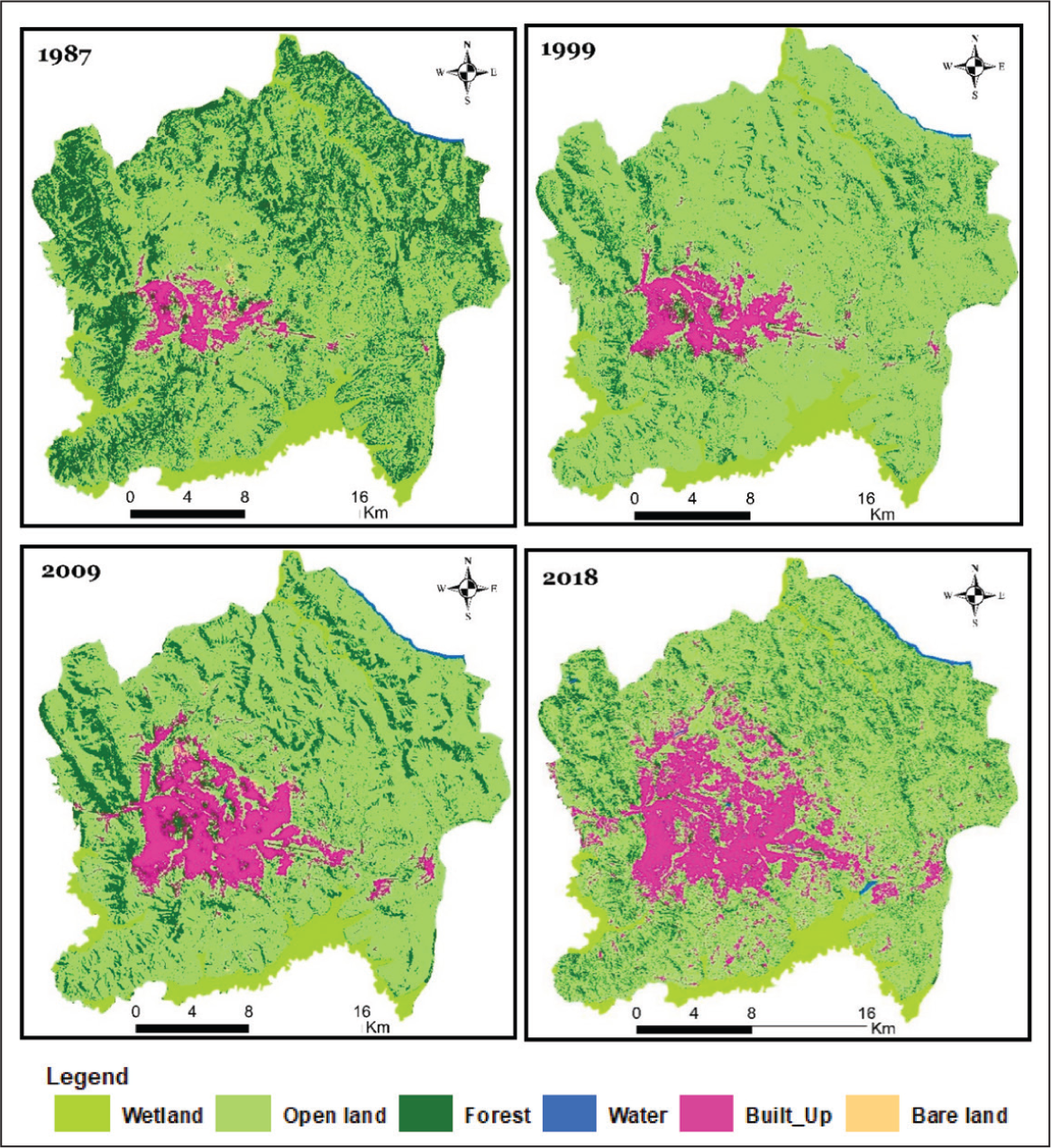
Kigali has been growing fast, particularly over the past three decades. An analysis of Kigali’s spatial expansion from 1987 to 2018 shows an average annual growth rate of approximately 10 per cent. Much of the agricultural land from 1987 was converted into built-up areas, and the city’s forested land was halved. By 2018, the built-up area had expanded by 90 sq km, growing from 25.95 sq km in 1987 to 39.67 sq km in 1999, 76.051 sq km in 2009 and 115.65 sq km in 2018 (Figure 2) (Nduwayezu et al., 2021).
Many residents are displaced as the city expands. Many of those who do not move resettle in unplanned zones because they cannot afford housing in newly developed neighbourhoods. They rather resettle in their vicinities. Notable examples include Nyagatovu, which arose from Kibagabaga’s development, and Budurira from Gasave (Manirakiza, 2015). Currently, peri-urbanisation is active in sectors that still feature rural settings like Gahanga and Masaka in Kicukiro district; Mageragere, Kanyinya and Kigali in Nyarugenge district; and Bumbogo, Rusororo, Jabana, Nduba and Ndera in Gasabo district. The same phenomenon is also taking place in neighbouring districts on the fringes of Kigali, such as Muyumbu, Nyakariro and Nyagasambu in Rwamagana; Karumuna in Bugesera; Runda in Kamonyi; and Kajevuba in Rulindo.
Research Methodology
This article relies on data collected from 99 households in the study area, a systems thinking workshop and short-term impact evaluation of the resident-driven projects. An extensive desk review also provided supplementary data.
Research Design
The study adopted a mixed-methods participatory action research design. According to Creswell (2022), by this method, ‘the quantitative and qualitative data flow into the framework at different points, but the participatory framework becomes a constant focus at the study aimed at improving the lives of individuals or communities’ (p. 8). A convergent mixed-methods design was initially employed, combining open-ended and closed-ended data to gain insights into residents’ livelihoods and historical backgrounds. This was further supplemented by a participatory action process to design, implement and evaluate resident-driven projects.
Sampling Techniques
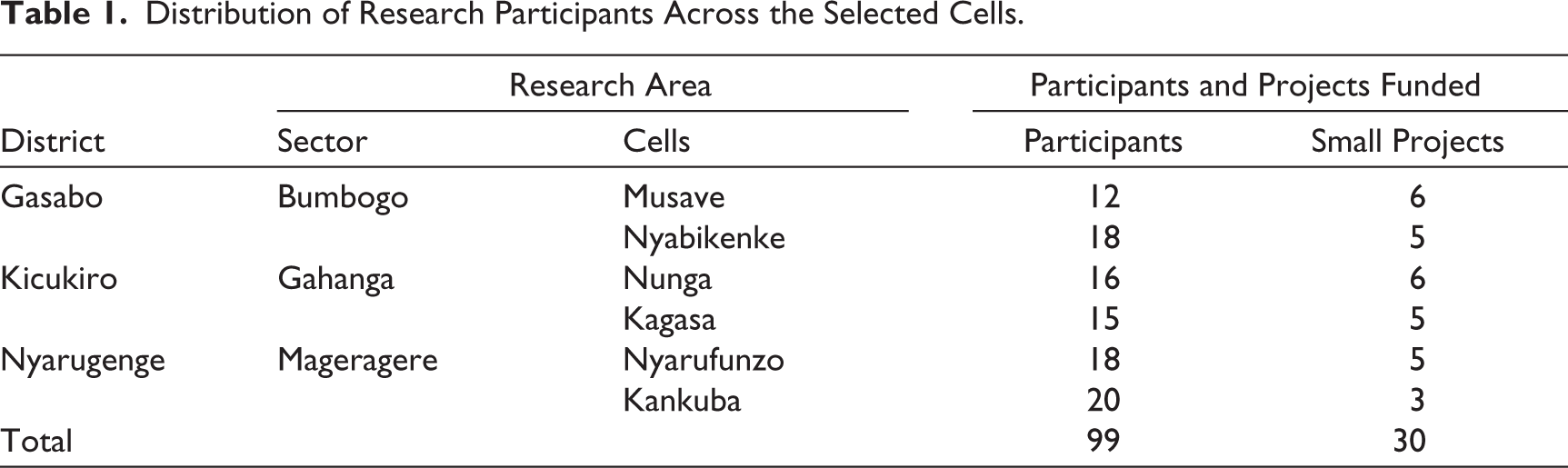
The study employed purposive, reputational and snowball sampling techniques. Purposive sampling was used to select three administrative sectors, Mageragere, Gahanga and Bumbogo, to represent each of Kigali’s three districts. These sectors were chosen based on their locations: two on the city’s boundaries and one at the rural–urban fringe (Figure 1). Kigali’s expansion across all three districts enables the analysis of its impact from any peri-urban area or sector. Reputational sampling was used to consult the executive secretaries of the selected sectors as they oversee urban issues daily and possess significant knowledge. Snowball sampling broadened the participant pool by identifying two administrative cells per sector through consultations with sector executive secretaries. These consultations were conducted in May 2022. Collaboration with cell leaders facilitated the selection of 15 participants in each cell, including at least 7 native residents of the area, 4 expropriated households and 4 other households facing livelihood challenges, totalling 90 participants. This sample size aligns with Crewell and Plano Clark’s (2011) recommendation of using 20 to 100 participants in mixed-methods studies for diverse perspectives. During data collection, some initially selected participants could not join due to scheduling conflicts, so they were replaced by others who met the study’s criteria, resulting in 99 participants (Table 1).
Distribution of Research Participants Across the Selected Cells.
Data Collection Process
Data collection was conducted by 30 students from the University of Rwanda. 1 The students were divided into 10 groups of three, each group comprising members with expertise in urban planning, agri-business and education. This arrangement encouraged the exchange of experiences and a broader understanding of residents’ livelihood challenges. An interview guide and a structured questionnaire were used, covering topics such as personal history, home and household characteristics, economic status, employment and impact of urbanisation on their livelihood. A brainstorming question was also incorporated to identify potential projects participants might pursue if given FRw 100,000 ($73). The students were briefed to discuss the project in detail, focusing on key project selection criteria, including project type, financial costs, actors involved, risks anticipated, profits expected and timelines. Over three days, from 11 to 13 June 2025, each student team interacted with an average of nine residents. Students participated in selecting the 30 best projects to fund, 2 considering the selection criteria, along with feasibility and representativity across sectors. Additionally, they conducted follow-up interviews with residents on project benefits and challenges four months after implementation, in November 2022.
Systems Thinking Workshop
A systems thinking workshop was organised in July 2022 in Kigali, bringing together residents, cell leaders, students and researchers to collaboratively discuss strategies for adapting to urban living. Topics included home-grown grey water harvesting technologies, indoor space-saving techniques (e.g., innovative bedroom arrangements, use of three-decker beds and creative foldable furniture solutions like bed-sofas) and efficient subsistence farming methods for small land parcels. The workshop emphasised running resident-driven projects as a key strategy for livelihood adaptation. The workshop was conducted in a participatory manner with structured group discussions, life stories and training sessions, aligning with best practices for community engagement and integrating knowledge sharing with hands-on learning. Practical skills were demonstrated through a live project on mobile money services led by a student, offering participants detailed insights into project planning and management. Residents were assisted to refine their projects, which were evaluated at a later stage by the students.
Data Analysis
Quantitative data were analysed per sector using SPSS Statistics. Qualitative methods were employed to explore relationships and patterns among livelihood variables and gain insights into the residents’ perspective on the successes and challenges of implementing the small projects.
Findings and Discussion
The findings are organised into three sections: Demographic characteristics of the participants, overview of residents’ livelihoods and impact of resident-driven projects for livelihood improvement.
Demographic Characteristics of the Participants
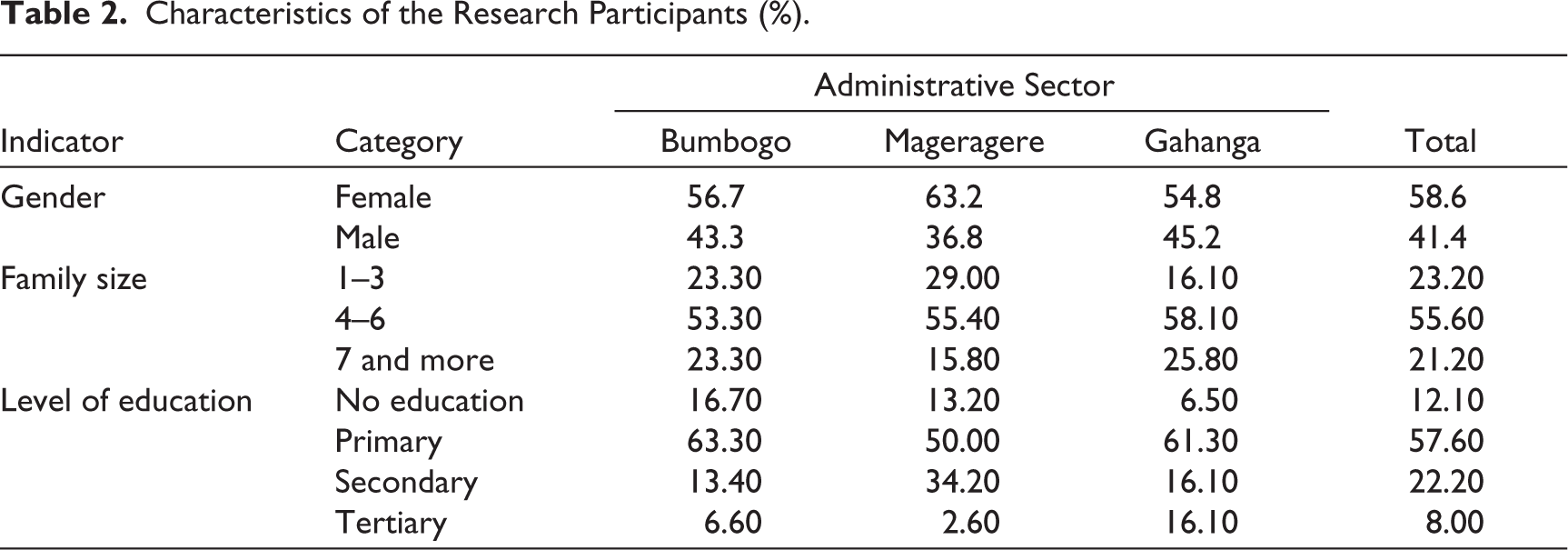
Among the 99 research participants, women make up 58.6 per cent and men 41.4 per cent, a trend consistent across all three sectors. While some households in Rwanda are headed by women, this gender distribution may be influenced by the absence of men during the time of data collection, as they were likely engaged in various work activities outside the home during the day. In terms of family size, most households (55.6%) have between 4 and 6 members, while smaller families with 1–3 members account for 23.2 per cent, and larger families with 7 or more members account for 21.2 per cent of the total. This distribution indicates a moderate family size trend in peri-urban areas. The education levels of household heads across the sectors show that 12.1 per cent have no formal education, 57.6 per cent have completed primary education, 22.2 per cent have secondary education and only 8 per cent hold a university degree. Primary education is the most common level of education, while university education is the least prevalent. This indicates a broader trend of low educational attainment, which may also be linked to the high levels of poverty prevalent in peri-urban communities (Table 2).
Characteristics of the Research Participants (%).
Overview of Residents’ Livelihoods in Peri-urban Areas
Key Livelihood Indicators in Peri-urban Areas
Living in peri-urban areas presents both constraints and opportunities. While land and housing tend to be more affordable, access to essential services is often limited. Key indicators for analysing livelihoods in these areas include housing, access to basic amenities and income and employment, which are critical assets for urban life.
Housing
The housing indicator was analysed based on house ownership, materials used to construct houses and residents’ level of satisfaction with household dwellings.
House Ownership Among Research Participants in the Study Area.

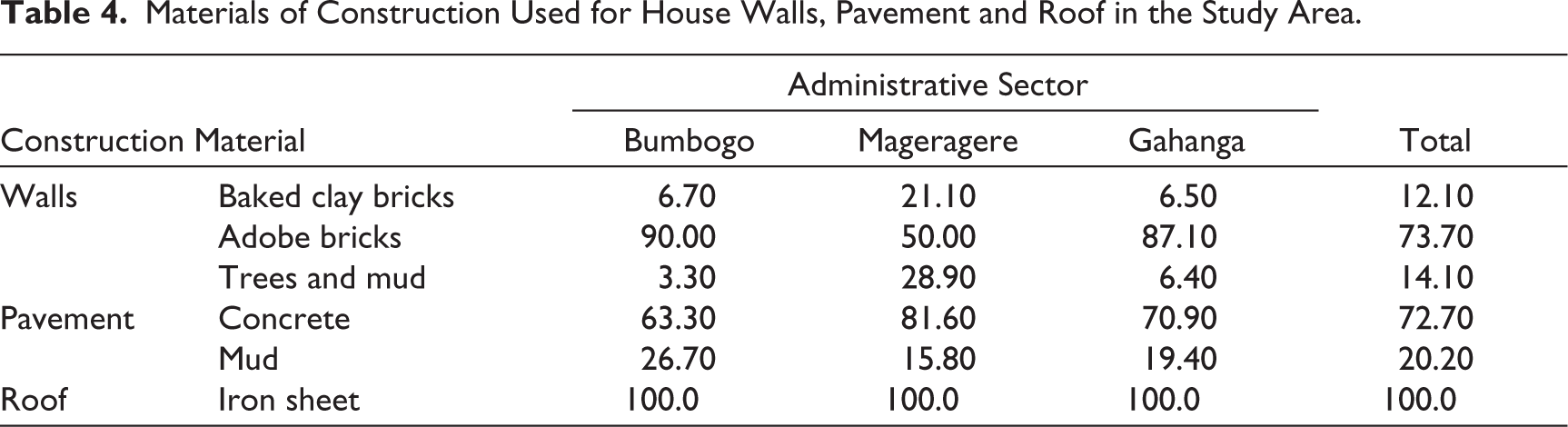
Materials of Construction Used for House Walls, Pavement and Roof in the Study Area.
Level of Satisfaction with Dwelling Among Research Participants.

Access to Basic Amenities
Basic amenities in the study area were assessed using four key indicators: access to water, toilets, energy used for cooking and waste disposal (Table 6).
Access to Basic Household Amenities in the Study Area.
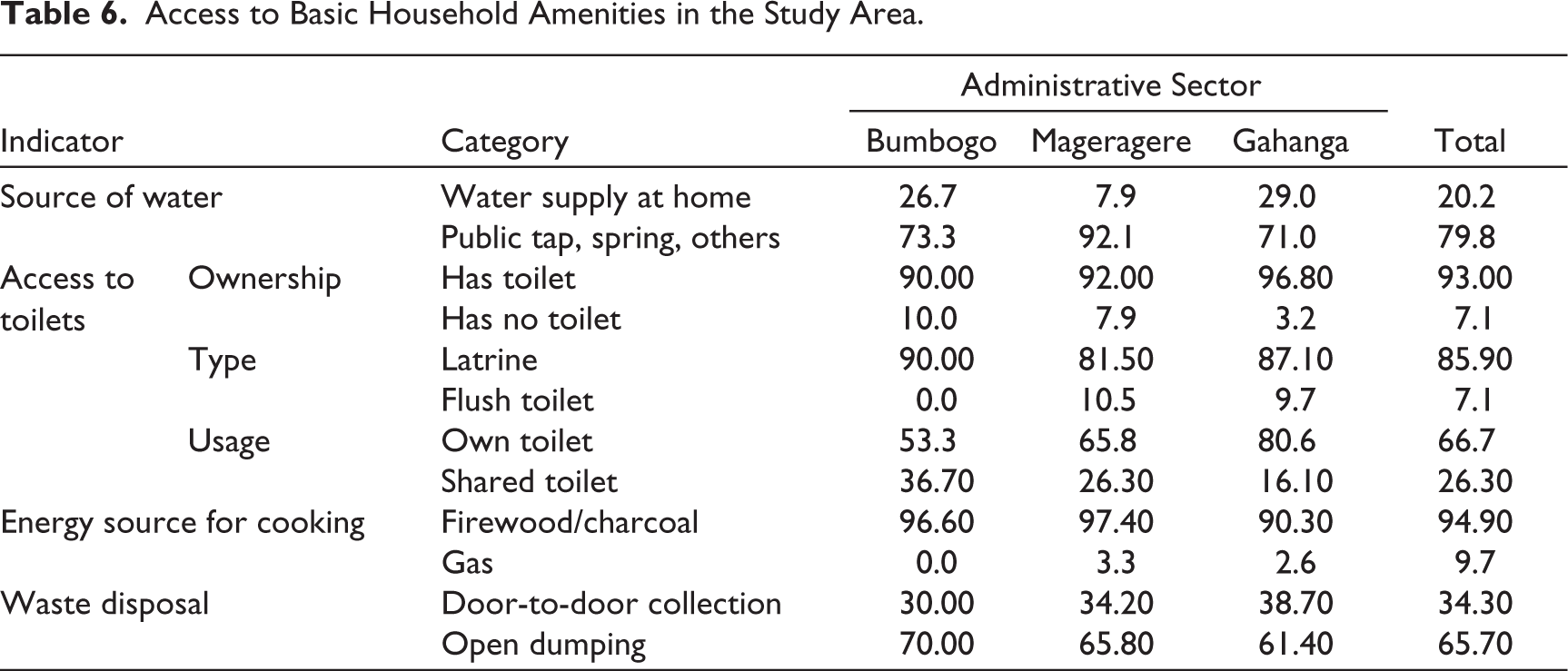
Access to water is a major issue, with 79.8 per cent of households relying on public sources, compared to only 20.2 per cent having a water supply at home. This leads to longer access times, higher costs and potential water scarcity. While 93 per cent of households have toilets, 7.1 per cent do not. The majority use latrines, and only 7.1 per cent have access to flush toilets. A significant proportion of households share toilets, highlighting sanitation gaps that pose health risks. Most households rely on traditional energy sources for cooking like firewood and charcoal (94.9%), with minimal use of clean energy such as gas (9.7%). Waste disposal is mainly through open dumping (65.7%). This is due to many households reusing waste for agriculture, but this method poses environmental and health risks.
Income and Employment
Income and employment are key indicators for determining the quality of life. This is because they influence the financial stability and overall well-being of households, shaping their ability to access basic services and improve living conditions.
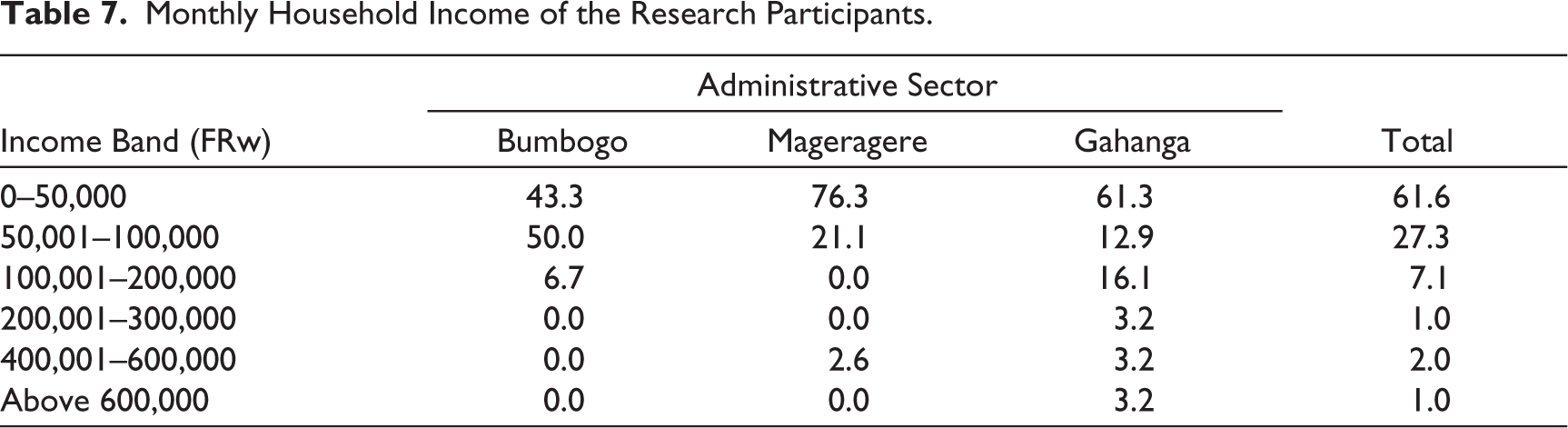
The data collected on monthly household income, as presented in Table 7, highlight significant poverty in peri-urban Kigali, with 61.6 per cent of households earning below FRw 50,000 per month, particularly in Mageragere (76.3%). The small proportion of households (11.1%) earning above FRw 100,000 in all sectors suggests that poverty remains widespread, contributing to vulnerabilities and limited opportunities for socio-economic advancement.
Monthly Household Income of the Research Participants.
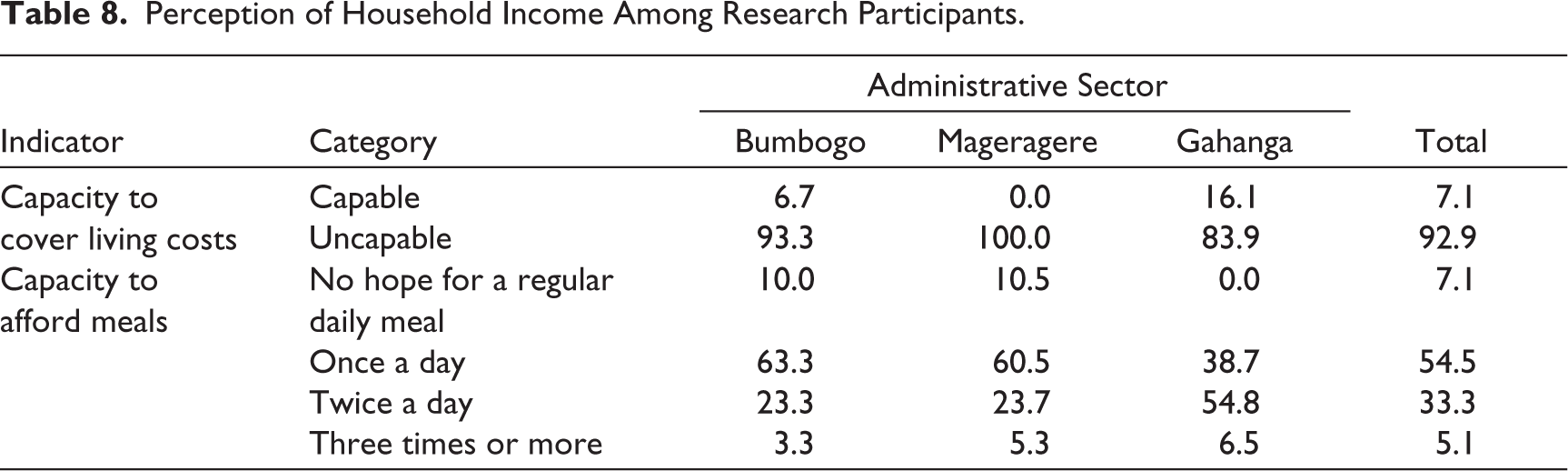
The perception of household income highlights significant financial challenges, with 92.9 per cent of households feeling incapable of covering living costs. Mageragere shows the highest proportion of financial strain (100%), followed by Bumbogo (93.3%) and Gahanga (83.9%). Low income significantly impacts food security, as 54.5 per cent of households report having only one meal per day, and 7.1 per cent cannot rely on a consistent daily meal (Table 8). These financial constraints not only limit access to adequate nutrition but also undermine overall well-being and livelihood sustainability.
Perception of Household Income Among Research Participants.
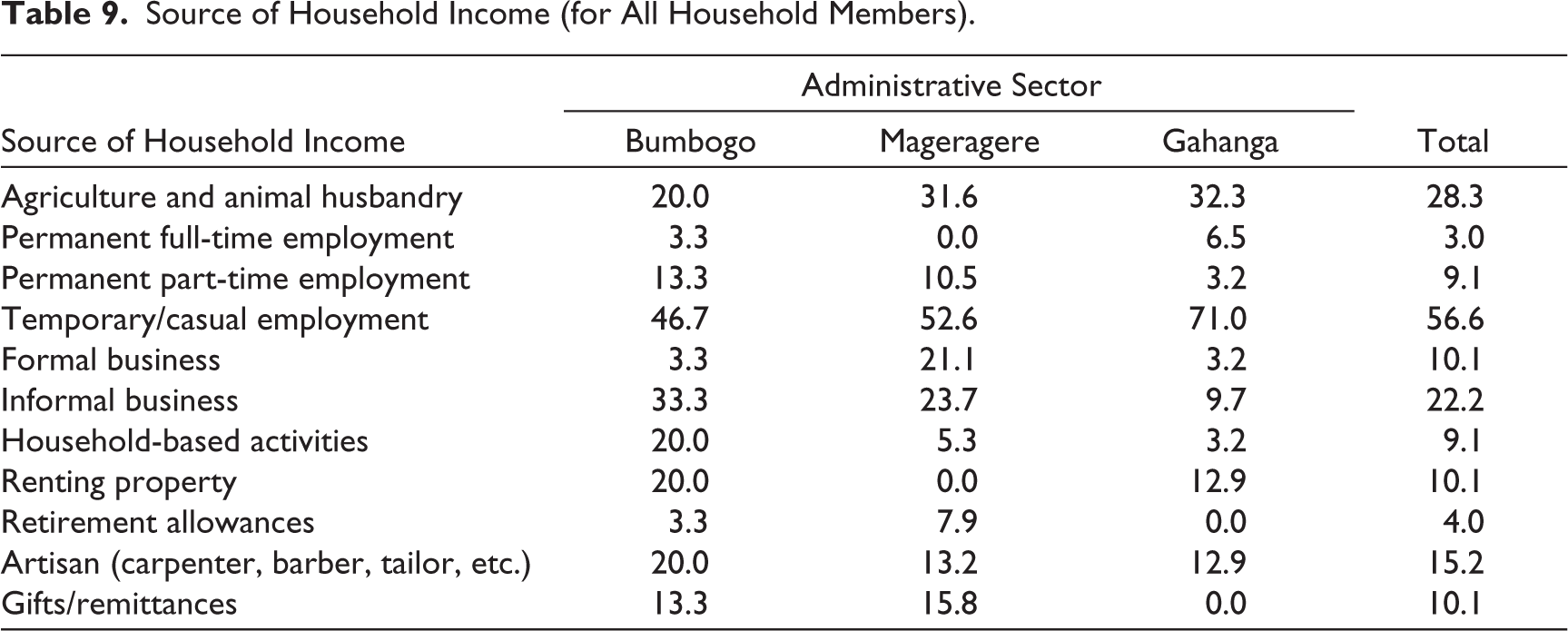
Income and food insecurity are closely linked to employment instability in peri-urban areas, with income-generating activities often failing to provide adequate financial support for households, as observed above, thereby exacerbating their vulnerability. The study reveals that 28.3 per cent of households still rely on agriculture and animal husbandry, despite the declining availability of agricultural land due to urban expansion. Most households depend on a mix of monetised activities, with temporary or casual employment being the most common (56.6%), followed by informal businesses (22.2%), artisan work (15.2%) and rental income (10.1%) (Table 9).
Source of Household Income (for All Household Members).
Residents’ Trajectories and Perceptions of Potential Issues of Urban Growth
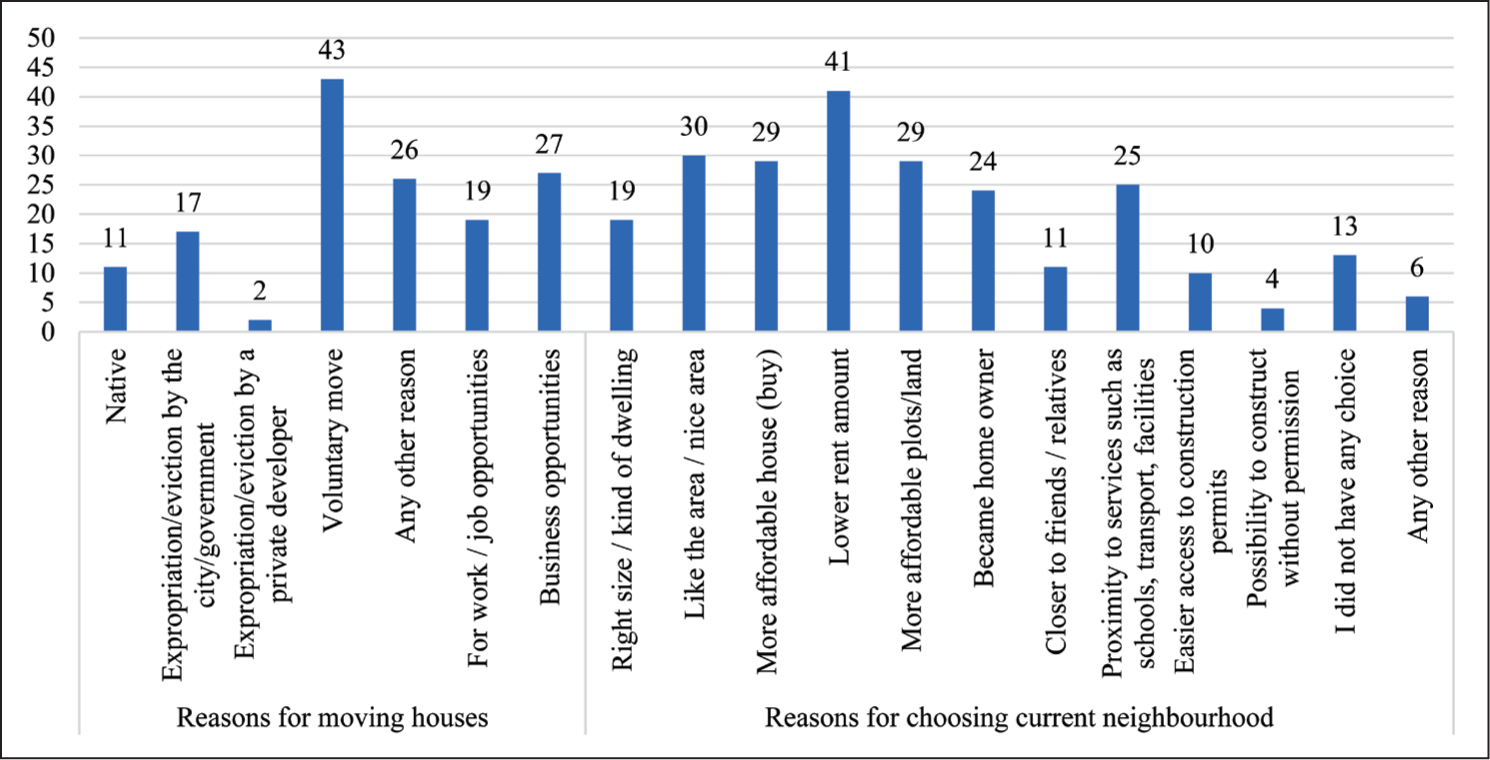
The data collected on previous residence highlight significant household mobility, with 88 per cent of the 99 participant families having migrated at least once. Specifically, 29 per cent moved from other cities outside Kigali, 17 per cent from rural areas, 36 per cent from other locations within Kigali and 7 per cent moved within the same area. Only one family had migrated internationally. The majority of the participants reported that they had migrated voluntarily (43%), while the rest were driven by business opportunities (27%), work (19%) and expropriation (19%). Housing affordability was the primary factor in influencing their decision to move and settle in their current location (Figure 3). These findings support Schlimmer’s (2021) argument that peri-urban residents are characterised by perpetual mobility, fuelled by urban sprawl and the quest for a better quality of life.
Reasons for Moving Houses and Choosing Their Current Neighbourhood.
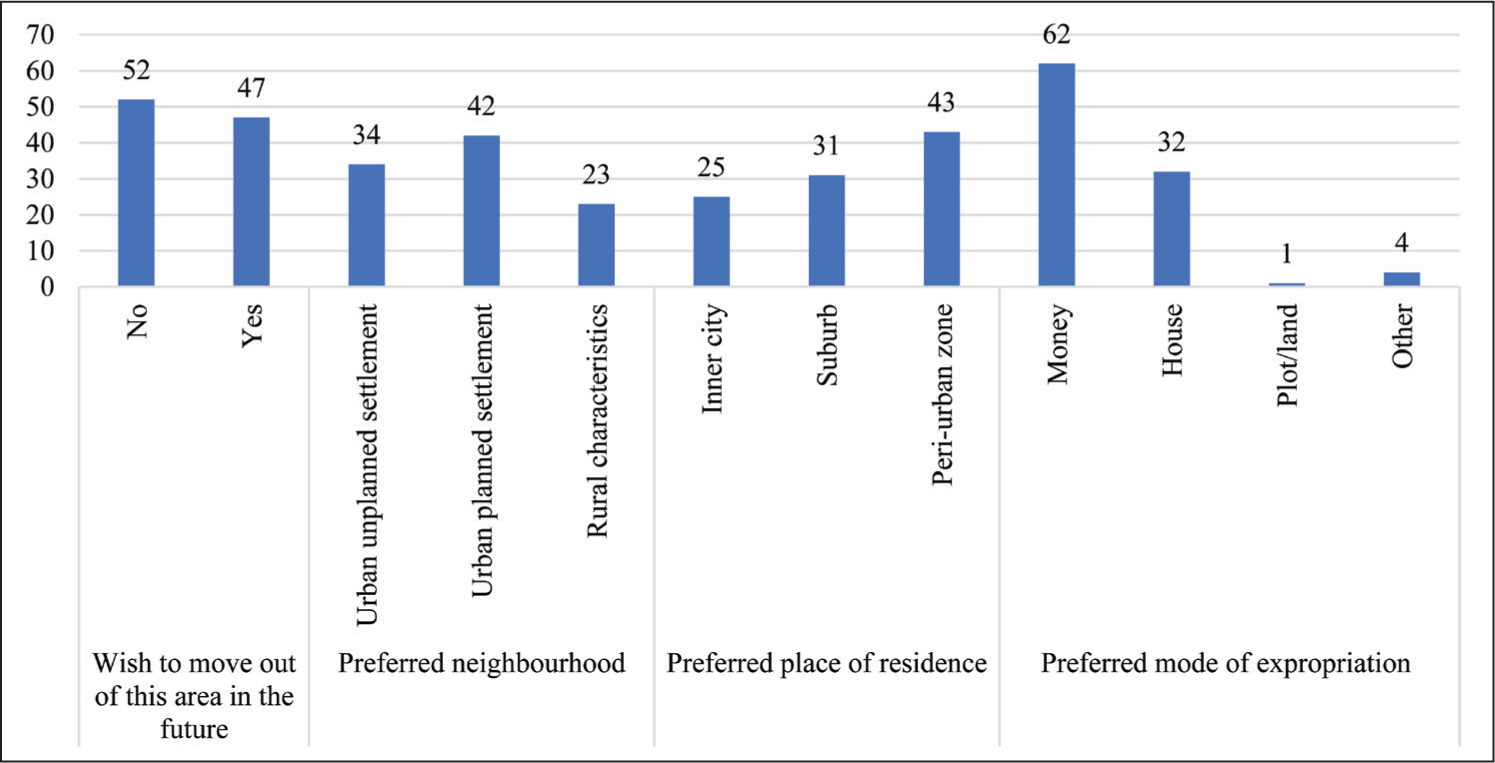
Regarding preferences for future residence (Figure 4), the study revealed that a significant portion of residents (52%) prefer to remain in their current neighbourhoods. This preference features the need to adapt to and improve existing living conditions rather than pursue the uncertainties associated with relocation. Should relocation be necessary, the majority would opt for urban planned settlements (42%) over unplanned ones (34%). This preference indicates an awareness of the issues associated with informal housing and a desire for improved living conditions (Nikuze et al., 2019). Data also indicated that a smaller proportion of families would choose to live in the inner city (25%) compared to peri-urban zones (43%). Additionally, most families (62%) prefer cash compensation in the event of expropriation. Many would use this cash to purchase new homes in peripheral areas, contributing to uncoordinated city expansion. This choice often arises because the value of their property does not cover the costs of housing in planned zones (Manirakiza, 2015).
Preferences for Future Residence Among the Interviewed Households.
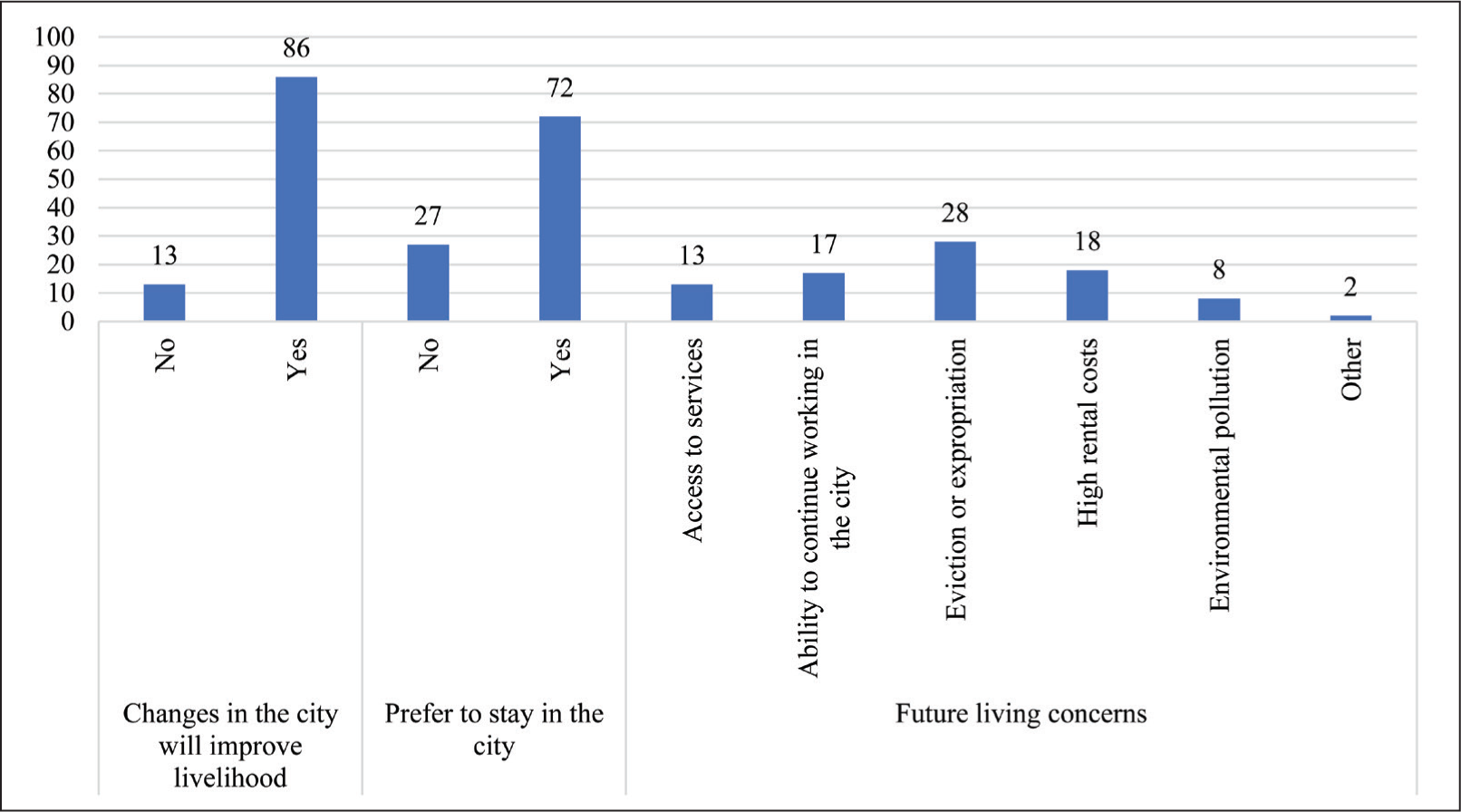
It was also insightful to learn about residents’ perceptions of the city’s changes and potential urban living issues. Figure 5 shows that 86 per cent of the interviewed families believe the ongoing changes in the city would improve their livelihood. This perception likely explains why 72 per cent of families would prefer to remain in the city if given the opportunity. However, they expressed concerns about high rental costs, potential expropriation and the risk of losing their occupations in the future. This is a common issue in African cities, as highlighted by Sesan et al. (2020). Addressing these concerns with targeted support could help low-income families better cope with the pressures of urban growth.
Plans for Adapting to Changes in the City.
It is worth concluding that our analysis of peri-urban livelihoods in Kigali highlights significant challenges stemming from a relative lack of basic livelihood assets, particularly in housing and essential amenities. As confirmed by Baffoe et al. (2024) and Tura (2018), housing, self-determination and access to services—primarily land access—are critical resources underpinning fundamental human rights. Despite these rights, residents face sanitation and water access challenges. For instance, 65.7 per cent of households rely on open dumping for waste disposal, while 93 per cent own toilets, but only 66.7 per cent use them regularly. Access to clean water is also limited, with just 20.2 per cent of households having water within their compounds, while the majority (79.8%) depend on unsafe sources.
Sanitation and energy use are underdeveloped. Only 7.1 per cent of households have access to flush toilets, and just 9.7 per cent use gas as a clean energy source for cooking. This heavy reliance on traditional methods such as latrines, firewood and charcoal highlights the urgent need for better sanitation infrastructure and the promotion of clean energy alternatives to improve living standards.
Peri-urban livelihoods are usually tied to agriculture. In Kigali, 28.3 per cent of peri-urban households are engaged in farming activities. However, many have diversified their income sources: 56.6 per cent are involved in temporary or casual jobs, and 22.2 per cent run informal businesses. The scarcity of land has pushed residents to adopt monetised activities to supplement the declining role of agriculture, the finding that convenes with Abass et al. (2013). Financial insecurity remains widespread, with 92.9 per cent of households unable to meet their living expenses, and 61.6 per cent earning less than FRw 50,000 per month. These findings align with broader challenges in African cities, where peri-urban residents struggle to adapt to socio-economic and environmental changes, leaving them vulnerable (Sesan et al., 2020).
Mobility patterns further illustrate the pressures of urban expansion. Approximately 47 per cent of residents expressed the need to move, driven by land conversion for non-agricultural purposes (Ayenachew & Abebe, 2024). Nevertheless, the majority (86.9%) perceive urban transformation as positively impacting their livelihoods, showing determination to adapt to city dynamics and explore new employment and livelihood opportunities (Harvey, 2011; Kreiling & Paunov, 2021).
The findings reveal both the vulnerabilities and resilience of peri-urban residents in Kigali. While significant challenges persist, particularly regarding basic amenities and financial security, residents demonstrate a clear willingness to adapt and leverage urban transformation for livelihood enhancement.
Impact of Resident-driven Projects
This section explores positive impacts resulting from the projects led by residents in response to urban pressures, showcasing their potential to ensure sustainable livelihoods amid these challenges.
Co-creating Livelihood Strategies: Insights from a Systems Thinking Workshop
The systems thinking workshop served as a platform for knowledge co-creation, integrating residents’ lived experiences with expert insights to develop practical and context-specific livelihood strategies. Through interactive sessions on space-saving, financial literacy and urban agriculture, participants shared ideas, refined practices and acquired new skills designed to their peri-urban context.
The session on space-saving strategies centred on kitchen gardens, exploring efficient subsistence farming methods, including the use of vertical sacks and recycled materials such as jerry cans, plastic bottles, pipes and pallet wood. For interior spaces, guidance was provided on creating multifunctional furniture arrangements designed for small, adaptable living areas. This approach addressed common practices in low-income households, where living rooms often serve as bedrooms for children at night.
The focus on financial literacy covered key aspects of income management, including strategies for increasing income, reducing expenses and making informed investments. Topics included understanding and managing finances, saving, handling debt and exploring the functioning systems of financial institutions in Rwanda. The goal was to support the development of small income-generating projects that could grow into middle-income businesses, enabling residents to meet family needs and save for a sustainable future. Practical examples, such as a live project on mobile money services, were used to demonstrate detailed approaches to project planning.
Lastly, urban agricultural technology and food security were explored as effective solutions for Kigali’s limited and densely populated urban spaces. Modern farming techniques were introduced, highlighting suitable crop types and combinations to maximise productivity. This approach supports household food production and reduces expenditure on vegetables. Emphasis was placed on the efficient use of small plots of land for farming, positioning urban agriculture as a viable supplementary source of income.
These co-created insights, along with the knowledge and skills gained, inspired a range of livelihood projects, including fruit and vegetable selling, tailoring, small shops, soap and juice production, hairdressing, goat and rabbit rearing, and small urban farming (Figure 6).
Overview of the Co-designed and Implemented Projects
Figure 6 presents the various projects co-designed and implemented to help residents adapt to urban lifestyles in the city’s adjacent areas. Fruit-selling and tailoring were the most popular projects, with about 5 out of the 30 fund beneficiaries (16.7%) undertaking these initiatives each. This suggests that these two types of projects are more effective income generators compared to others. Close behind are small shops and vegetable-selling projects, each undertaken by four beneficiaries (13.3%). Small shops are essential in any neighbourhood for providing daily necessities such as food, salt and soap. For vegetable selling, residents were also trained in efficient subsistence farming methods that used vertical sacks and recycled materials like jerry cans, plastic bottles, pipes and pallet wood.
Types of Projects Co-designed and Implemented by Beneficiaries.
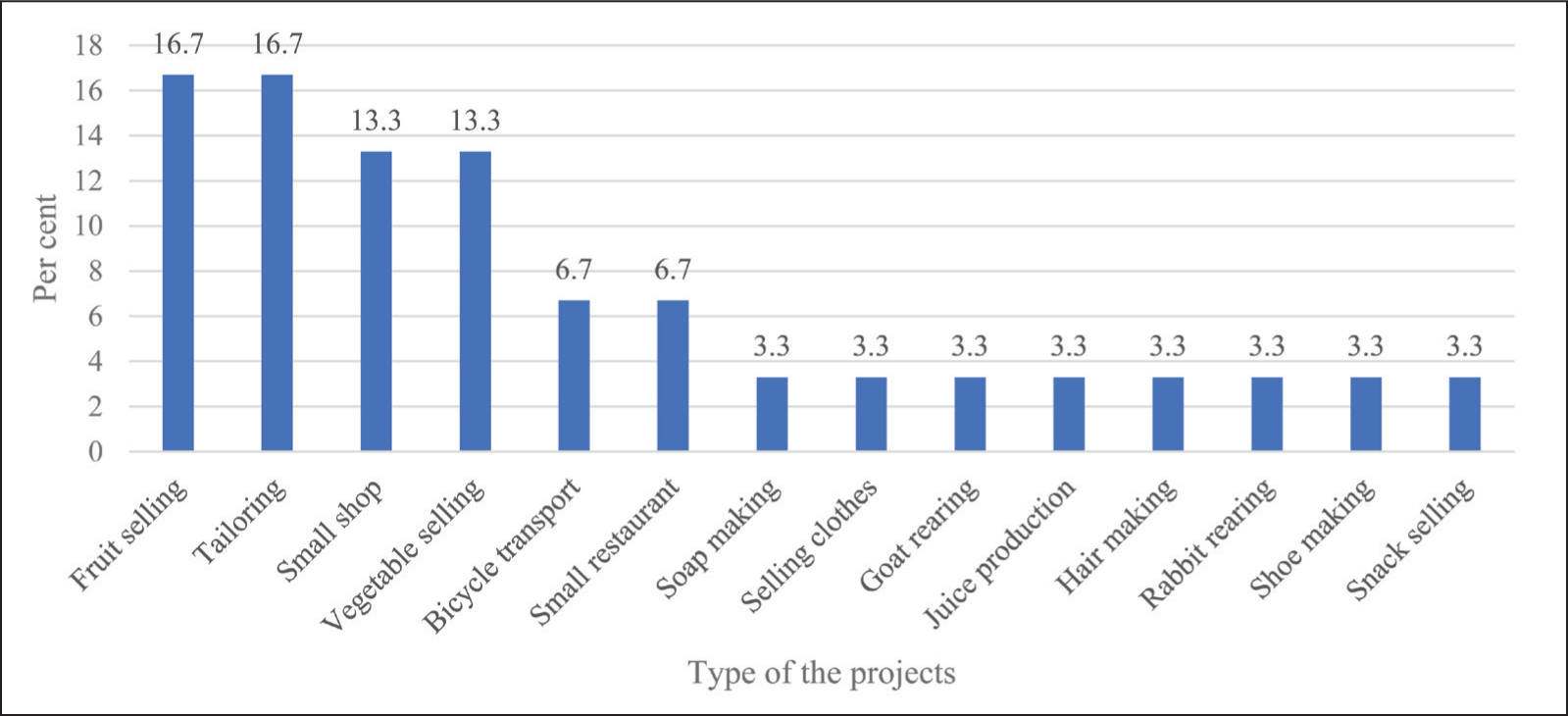
Additionally, three beneficiaries each chose to run small restaurants and bicycle transport projects (6.7%). Other projects included soap making, juice production, clothes selling, goat rearing, rabbit rearing, hairdressing, shoe making/selling and snack selling, each accounting for 3.3 per cent. Overall, each trained resident identified viable small-income projects to pursue, similar to those implemented in Nairobi and Kumasi (Abass et al., 2013; Thuo, 2010), as strategies to cope with urban growth and the transition to non-agriculture-based livelihoods.
Impact of Livelihood Improvement Projects: Evidence from Residents
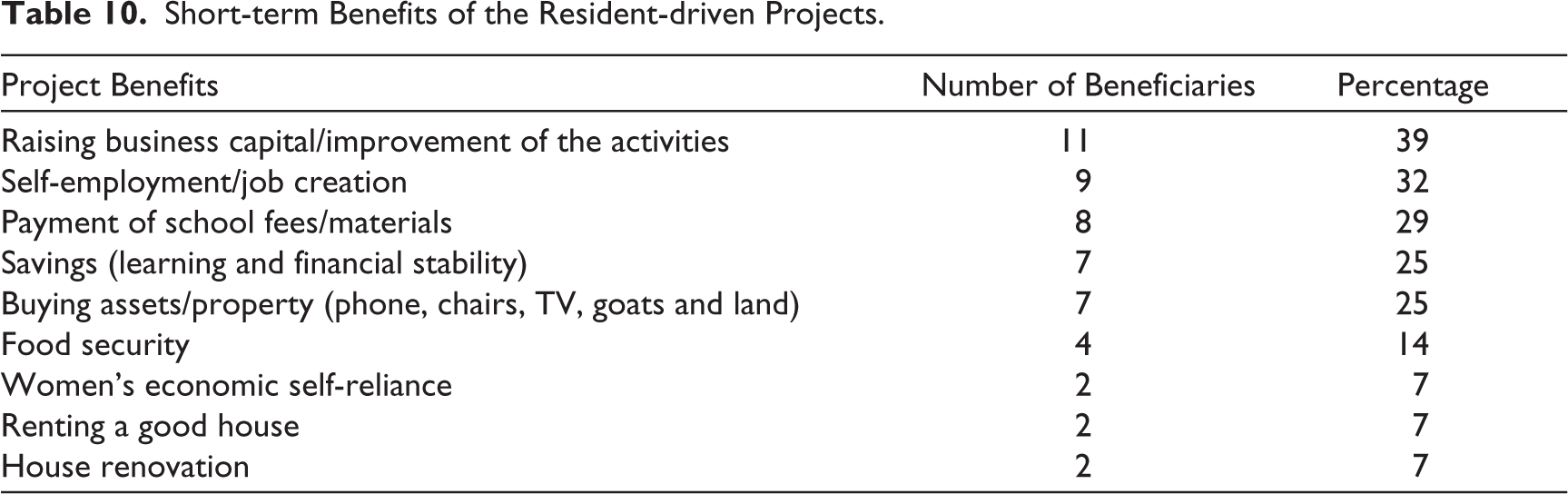
The resident-driven projects demonstrated notable short-term social and economic benefits for the beneficiaries, with each project progressively expanding its scope. The findings revealed that substantial outcomes can be achieved with minimal investment, such as the total fund of FRw 100,000. Of the 30 funded projects, 28 (93.3%) remain operational, demonstrating positive impacts in terms of diverse benefits (Table 10) and savings (Table 11) within the first four months (August–November 2022). Table 10 presents the number of beneficiaries who acknowledged the benefits gained from the project, while Table 11 shows the number of beneficiaries by the amounts they saved over four months, reflecting the support received to initiate small projects.
Short-term Benefits of the Resident-driven Projects.
Savings from Resident-driven Projects.
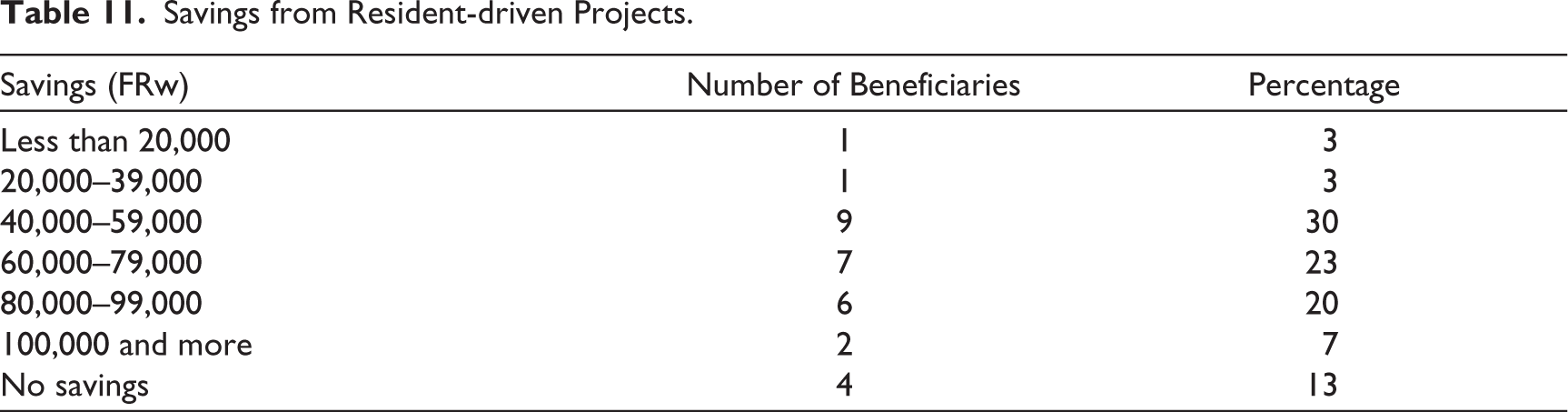
From the above two tables, it can be inferred that cities in developing countries offer numerous opportunities, but residents often lack the funds to capitalise on them. Many beneficiaries reported starting with minimal resources but achieving significant financial and social improvements. For example, one beneficiary, identified as OIN, shared her experience: ‘I am now happy. My standard of living has changed after starting this project compared to before’ (Interview, 8 December 2022). Initially, she began selling avocados with only FRw 10,000. After receiving training and additional funds, she is now running a small tailoring project and saving weekly in a tontine. She is also planning to expand her project: ‘I am planning to find a place to work as I now have FRw 196,000 from the tontine. I will get a loan from the same tontine to buy another sewing machine and become more competitive’ (Interview, 6 December 2022).
In the same realm of interpretation, another beneficiary, NCN, revealed that being trained and funded changed her life situation for the better. Beginning with a small vegetable-selling initiative, she is now planning a larger project:
I am planning to buy a tailoring machine for my children who are about to graduate from TVET [Technical and Vocational Education and Training] school, and to pay some amount required for one child. After that, I will find the school fees for the remaining children because I have four children and no husband, meaning I am the head of the family. (Interview, 7 December 2022)
These words from NCN reveal that, as a widow, she has managed to engage her family members, particularly her children, in her business to generate more income and improve their quality of life. These resident-engineered alternatives reflect Harvey’s (2011) perception that local communities act as ‘informal’ architects and planners, innovating to improve living conditions in rapidly urbanising areas.
Evidence from beneficiaries NEK and MIM proves that a knowledge-based society needs what Maclean et al. (2022) term the ‘interaction of diverse knowledge to enact knowledge action systems for change’. Findings in this study align with recommendations from other studies that there must be platforms and arenas that attract and involve concerned actors to collaboratively spur creative problem-solving, build common ownership over new and bold solutions and facilitate continuous monitoring and results improvement (Ansell et al., 2022). NEK confirms, ‘Before receiving this fund, I had stopped saving because it was so difficult. After getting the fund and starting my project [bicycle transport], I joined a tontine and now I can save on a weekly basis’ (Interview, 6 December 2022). His testimony is echoed by VMK, who says:
This project has improved my family’s living standard, and I was able to pay for medical treatment for my child. I am planning to expand the project by starting a school to teach weaving to others so they can work cooperatively. This can also help us to buy a machine that produces beads (Interview, 7 December 2022).
This is similar to MIM’s situation, as she says, ‘Umushinga wanzamuriye imibereho mbasha kwikemurira utubazo twa buri munsi ntategereje kubisaba umugabo’ [The project improved my standard of living so that I am now able to solve my daily problems without waiting for my husband’s support]. (The authors’ translation) (Interview, 6 December 2022)
The situation reflects how peri-urban dwellers can sustain and expand their capabilities when provided with knowledge and financial resources to manage projects of their interest. VMK’s statement that the project improved her family’s living standards conveys that she has progressively improved her situation by running a business. Her success depended on the grant she received to start a more lucrative project. By planning to expand her project and share her knowledge with others so they can work as a team or cooperative, she demonstrates that she has developed a forward-thinking approach. VMK is already a visionary and aims to become an agent of change in her local area. This illustrates the positive impact of knowledge co-creation.
It is important to point out that all is not perfect. For any plan, setbacks are inevitable. The effectiveness of the knowledge and support provided depends on how beneficiaries utilise them. Beneficiary KTN reveals that he did not gain any profit from the knowledge and financial support he received. He said, ‘Nta nyungu zavuye mu mushinga kuko ntakora’ [I did not benefit from the project because I no longer work] (the authors’ translation) (Interview, 8 December 2022).
He has used all the funds to address urgent family issues. Interestingly, he mentioned plans to sell charcoal once he obtains money from a tontine. This reflects a positive projection, indicating that the knowledge and skills acquired during the training will be crucial for sustainable development.
Conclusion
Knowledge co-creation is one of the solutions suggested by the UN (2020) to address the challenges faced by residents relocated to areas far from livelihood opportunities as a result of urban renewal efforts. Drawing on this idea, this study aimed to support local low-income communities affected by city expansion in a rapidly developing country where urbanisation serves as a powerful catalyst for sustainable growth. The study demonstrated that urbanisation not only impacts the social aspects of urban living, creating both advantages and disadvantages for the urban environment (Hussain & Imtiyaz, 2018) but also has economic effects due to factors such as size, density and heterogeneity. To help citizens adapt to an increasingly challenging and uncertain future, it is imperative to address their most urgent needs and work towards long-term development, particularly a resilient and inclusive future economy (World Bank, 2022).
Overall, this study provides insights into living conditions in peri-urban areas and methods to improve livelihoods. Regarding the socio-economic and environmental status of residents in Kigali’s peri-urban areas, findings highlight that most participants prefer to remain in peri-urban neighbourhoods due to the low cost of living, including affordable housing, plots, business opportunities and low rent amounts. Concerning innovative education approaches to help cope with urban lifestyles, knowledge co-creation was identified as an essential approach, particularly as it involves practical skills in finding solutions to identified challenges. Knowledge sharing among different actors has produced effective results with promising prospects. Lastly, regarding strategic approaches for ensuring sustainable livelihoods in the city, financial support emerged as an effective method for helping citizens apply the knowledge and skills they have acquired.
To address the livelihood effects of rapid urbanisation in Kigali, new opportunities need to be created to support the local working class affected by the city’s growth and expansion. Findings revealed that ‘something may come from nothing’ when there is will and basic means. The authors believe that the results of this study should alert policymakers that knowledge co-creation leads to effective transformation when grounded in practical problem-solving rather than technocratic solutions. It should be recognised that the success of knowledge co-creation relies on the active collaboration of stakeholders, as evidenced by the outcomes of the co-designed small projects involving an innovative joint effort between the university, local leaders and the residents’ community of practice.
Footnotes
Acknowledgements
The data presented in this article were produced through the research project entitled ‘Coping with Kigali Urban Growth Challenges: Educating Communities for Building Livelihood Resilience and Wellbeing’. The authors are grateful to all people who participated in this project.
Data Availability Statement
The data that support the findings of this study are available from the corresponding author on reasonable request.
Declaration of Conflicting Interests
The authors declare no potential conflicts of interest with respect to the research, authorship and or publication of this article.
Ethical Approval and Informed Consent Statements
The UR-CE Research Screening and Ethics Clearance Committee (RSEC-C) at the University of Rwanda-College of Education approved our interviews (Approval: DRI-CE/034) on 17 February 2022. All participants provided written informed consent prior to participation.
Funding
The authors disclosed receipt of the following financial support for the research, authorship, and/or publication of this article: This paper was produced as part of the study titled ‘Coping with Kigali Urban Growth Challenges: Educating Communities for Building Livelihood Resilience and Wellbeing’, which was funded under the broader Transformative Education for Sustainable Futures (TESF) project.